Medellín Digital Nomad Guide 2026: Visa, Neighbourhoods, Costs and Safety
Apr 22, 2026, 11 min read. Last updated Nov 9, 2026
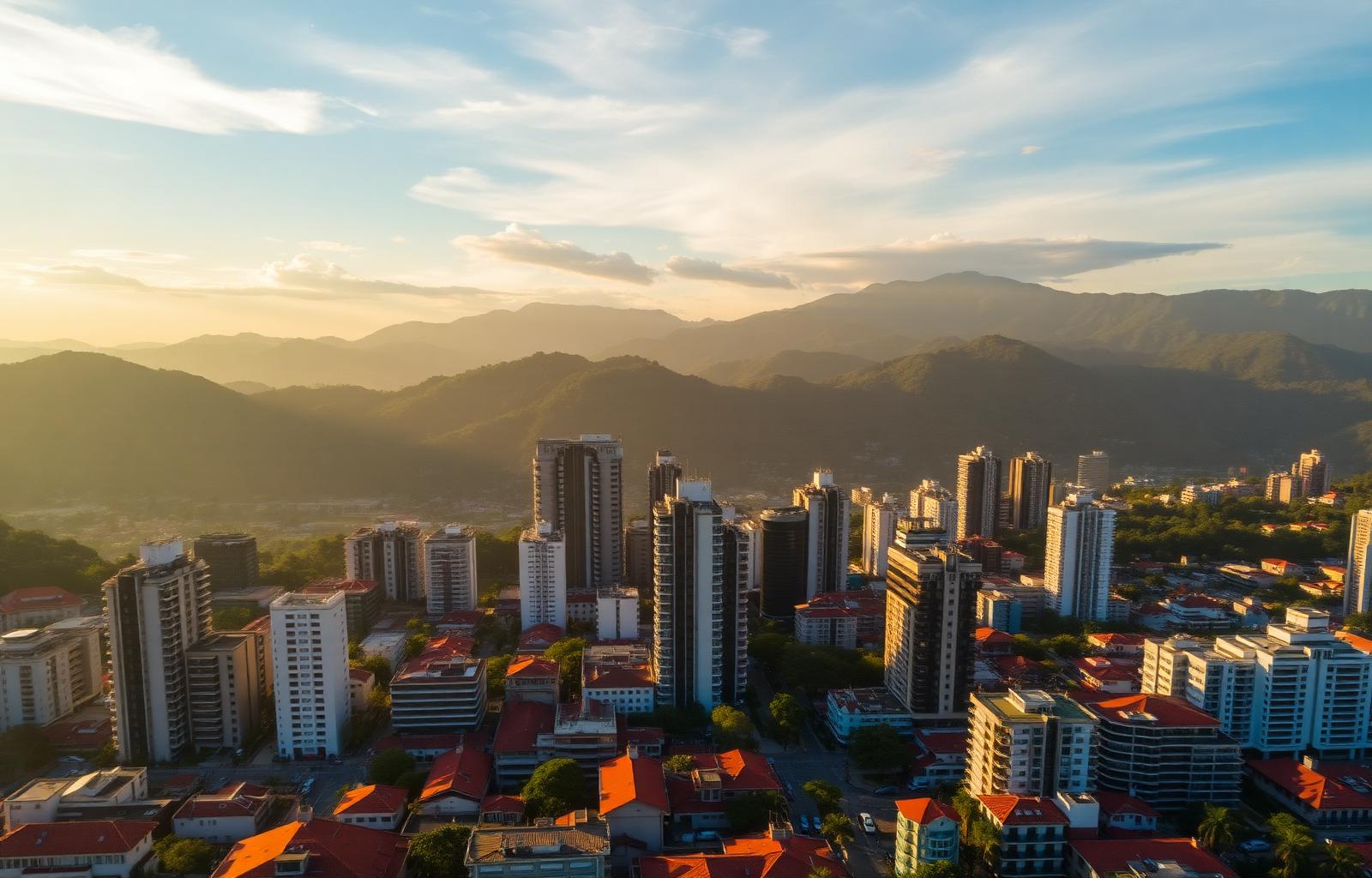
How to live and work in Medellín for a month or more: entry rules, the digital nomad visa, neighbourhoods, rent, internet, transport, safety, health and tax residence, all checked against official sources.
Medellín sits in the Aburrá Valley at about 1,500 metres, which gives it mild weather most of the year and a reputation as one of Latin America's easiest cities to work from. This guide is for living there for a month or more: the entry rules, Colombia's digital nomad visa, where to rent, how to get around, what official safety advice says, and when Colombia starts to treat you as a tax resident.
Every price and rule below was checked against official sources in November 2026. If you are still deciding between Medellín and Mexico, our side-by-side Mexico City vs Medellín comparison covers visas, costs, internet, time zones and weather for both cities, so this guide sticks to life on the ground in Medellín.
Entry rules for your first stay
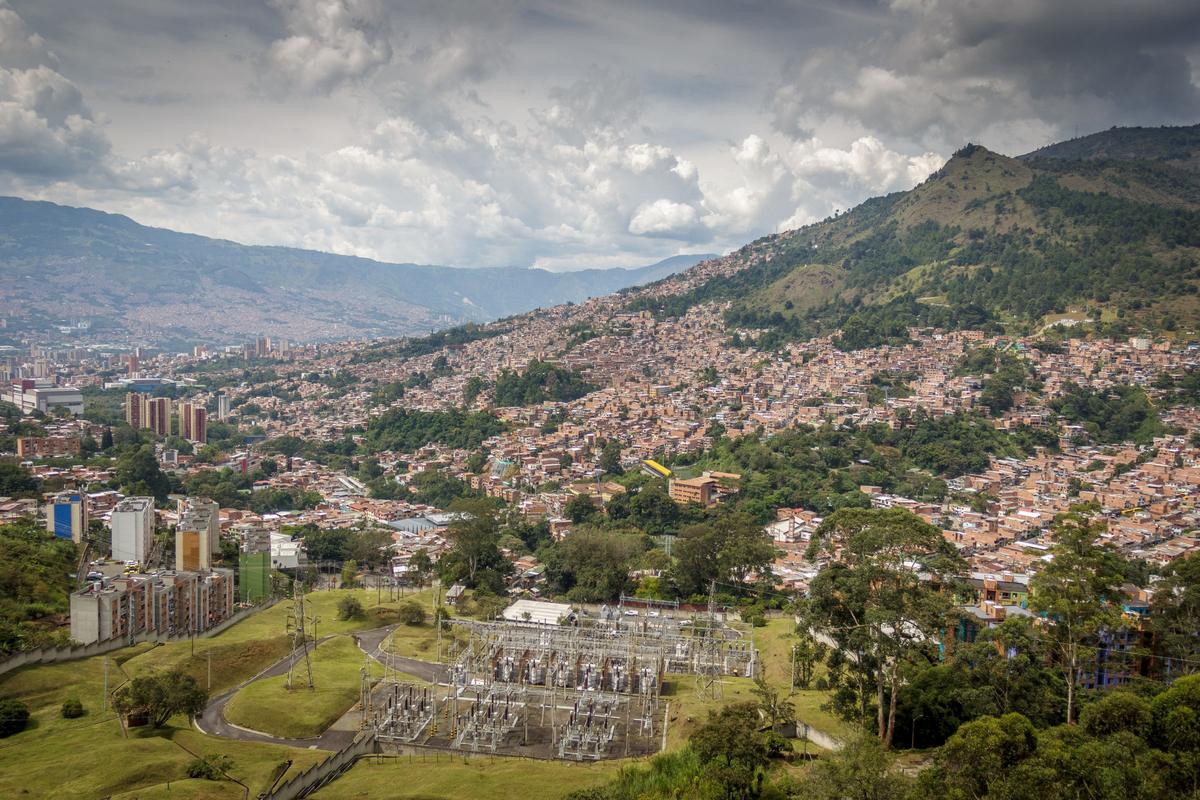
Most UK, EU, US and Canadian passport holders do not need a visa for a short stay. The details below come from UK government advice; check your own government's page too.
- Stay on arrival: up to 90 days, at the discretion of the immigration officer, with an onward or return ticket inside that period.
- Extensions: you can apply to Migración Colombia to extend. Colombian rules cap visitors at 180 days per calendar year; UK advice describes it as any 12-month period, so plan to the stricter reading.
- Check-MIG form: optional for UK travellers. You can submit it between 72 hours and one hour before your flight to speed up entry.
- Passport: Colombian immigration recommends at least six months of validity after your planned departure date.
- Overstaying: can lead to a fine or deportation at your own cost, so diarise your last legal day.
Colombia's digital nomad visa
For stays beyond 180 days, Colombia offers the Visa V Nómadas Digitales, issued by the foreign ministry (Cancillería). It is for remote workers and founders paid from abroad.
- Who can apply: holders of passports from countries that do not need a visa for short stays in Colombia.
- Income: bank statements showing at least three monthly minimum wages for the last three months. In 2026 that is COP 5,252,715 a month, roughly US$1,620 at early November exchange rates.
- Proof of work: a letter in Spanish or English from your foreign employer or clients stating your role and pay, or a business plan letter if you are a founder.
- Health insurance: a policy covering accident, illness, hospital stays and repatriation in Colombia for your whole stay.
- Fees: US$56 to study the application plus US$138 when issued, US$194 in total, or €150 if you apply in the eurozone (official 2026 tariff). Spanish nationals pay nothing. Stamp duty is extra.
- Limits: valid for up to two years, with no paid work for Colombian companies or people. Ask Cancillería how long you can spend outside Colombia before the visa is at risk.
You apply online through Cancillería's visa platform with PDF documents. If you are already in Colombia, choose "oficina en Bogotá" as the office. Read the official requirement list the week you apply, because document rules change.
Where to live: El Poblado, Laureles, Envigado

Most remote workers settle in three areas. All have metro access, supermarkets and cafés, but they feel very different.
- El Poblado: the hillside district in the south east with the most short-term rentals, English menus and coworking spaces. Convenient for a first month, busier and pricier, and the nightlife area around Provenza gets loud.
- Laureles: flat, leafy streets west of the river, with more local families and neighbourhood restaurants. Estadio and Floresta stations on Metro Line B are close by.
- Envigado: a separate municipality just south of El Poblado, quieter and residential, with its own station on Metro Line A.
- Centro and La Candelaria: worth visiting by day for museums and markets, but few long-stay renters base themselves here.
Walk your shortlisted street after dark before you sign anything. Steep hills in parts of El Poblado can also turn a short distance into a sweaty climb.
Rent and monthly costs
Colombia has no official rent index for foreigners, so the figures below come from Numbeo, a crowd-sourced site, checked on 9 November 2026. Treat them as a rough guide, not a quote.
- One-bedroom flat, central areas: about US$1,320 a month on average (range US$990 to US$1,450).
- One-bedroom flat, outside the centre: about US$655 a month (range US$465 to US$720).
- Home broadband: about US$30 a month for 60 Mbps or more.
- Cheap restaurant meal: about US$8. A cappuccino is about US$3.
Furnished monthly lets on booking platforms usually cost more than unfurnished local contracts, which often ask for a Colombian guarantor. Prices are set in pesos, and the peso has been strong in 2026 (about COP 3,238 to the US dollar on 9 November), so dollar budgets stretch less than they did a few years ago.
Coworking and internet
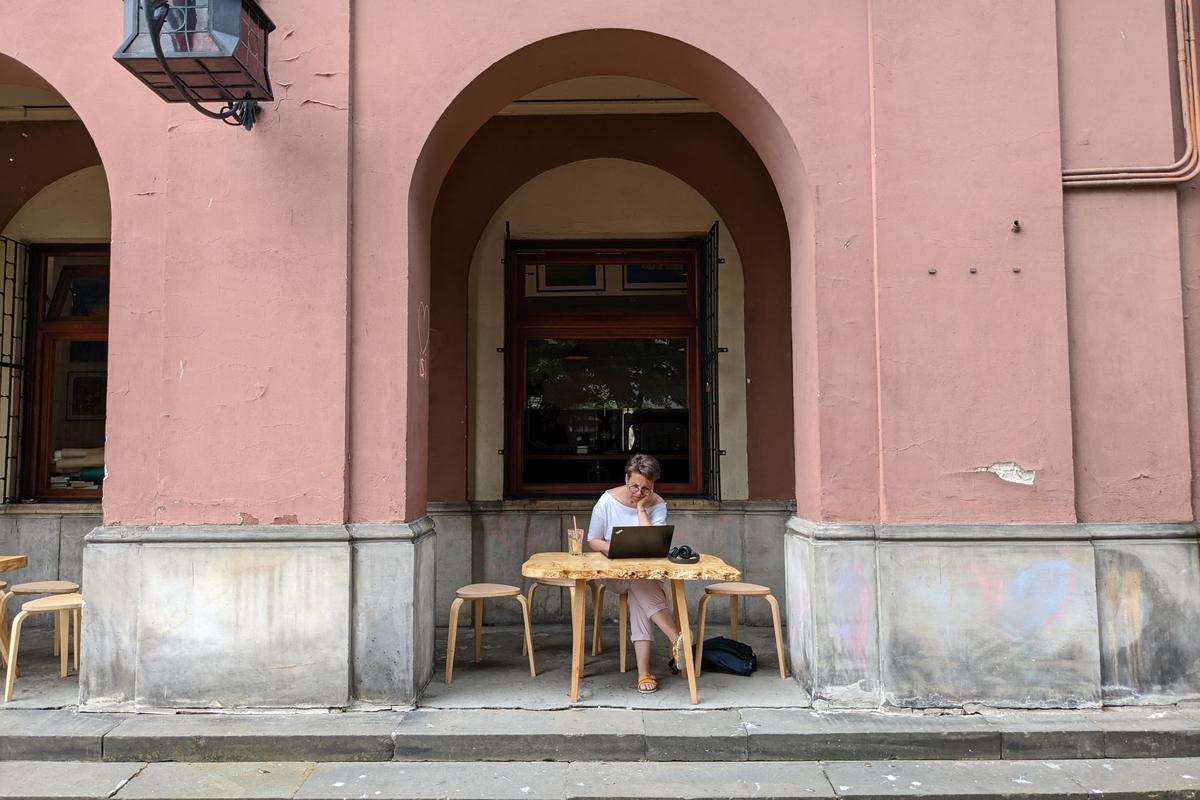
Home internet is a real strength. Ookla's Speedtest Global Index for September 2026 put Colombia's median fixed broadband download at 229 Mbps, 28th in the world, and mobile at about 48 Mbps.
- Check before you book: ask hosts for a recent speed test screenshot and whether the router is fibre.
- Coworking: WeWork, Regus and a range of independent spaces operate in El Poblado and Laureles. Day passes and monthly desks are sold by each operator; ask whether the price includes IVA (VAT).
- Backup: a local SIM or eSIM covers you during power cuts or storms. Our travel eSIM guide explains the options.
- Hours: many independent spaces keep office hours, so check before planning late calls with Asia or Europe.
We could not confirm current coworking prices on operators' own sites, so we have not quoted any. Price lists on aggregator sites vary widely and are often out of date.
Getting around: Metro, cable cars and taxis
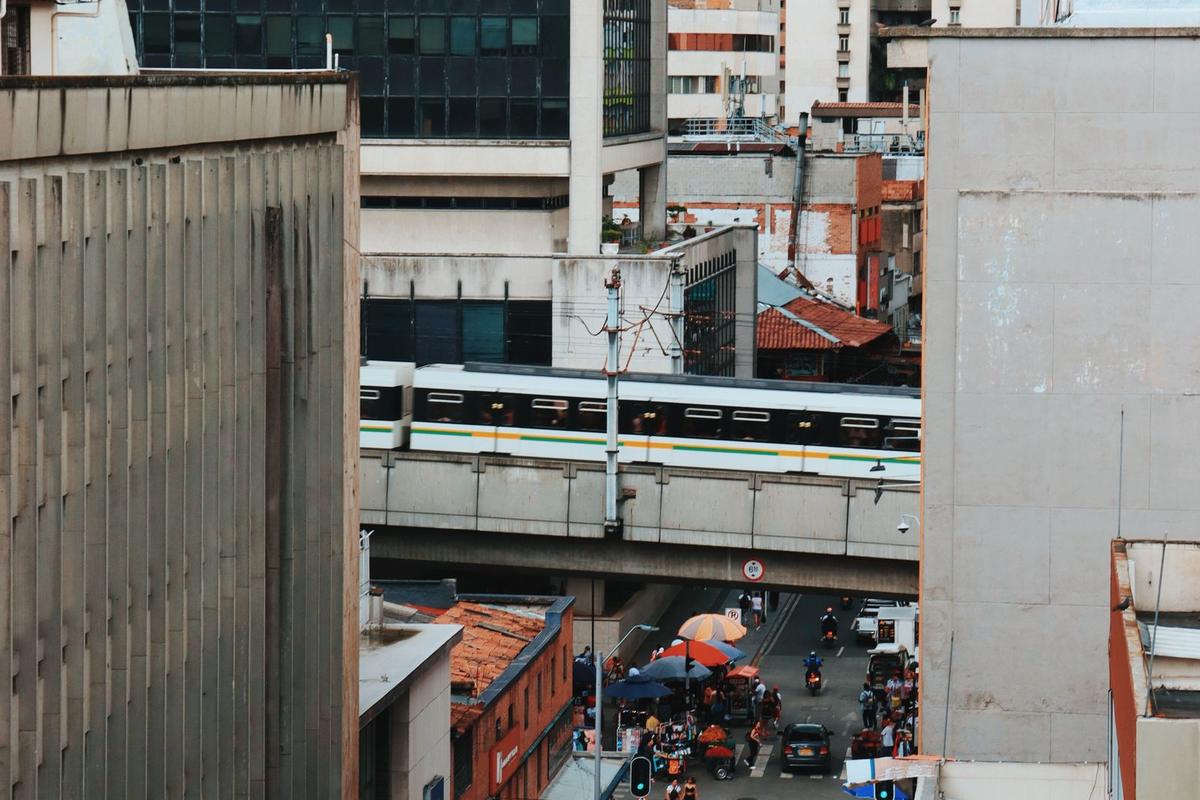
The Metro de Medellín network links trains, cable cars, a tram and bus lines on one card, the Cívica.
- Fares in 2026: COP 3,820 per journey with a personalised Cívica card, or COP 4,400 with an unregistered or occasional card.
- Hours: Lines A and B run 4:30am to 11pm Monday to Saturday, and 5am to 10pm on Sundays and holidays.
- Metrocable: cable car lines climb to hillside neighbourhoods and are part of the same network.
- Taxis: UK advice is not to hail taxis on the street. Book through an app, by phone or through your accommodation.
- Airport: international flights use José María Córdova airport in Rionegro, outside the valley, so allow time for the road in.
Safety: what official advice says
Medellín is not in any of Canada's regional no-go advisories, but Colombia as a whole carries serious warnings. The US rates Colombia Level 3, "Reconsider travel" (issued 31 March 2026), and Canada says to exercise a high degree of caution.
- Dating apps: Canada names Medellín as one of three cities where crimes linked to dating apps happen most often. Meet in busy public places and never invite new matches home.
- Drugging: Canada and the UK both warn about scopolamine used to rob or assault victims. Never leave a drink unattended or accept anything from strangers.
- Street crime: the UK lists Medellín among cities where pickpocketing, mugging and armed robbery are a problem. Keep phones out of sight on streets and buses.
- ATMs: use machines inside banks or malls during business hours.
- Share plans: tell someone you trust where you are going, especially on first dates or late nights.
Our solo female travel safety tips cover habits that work in any big city.
Health and insurance
The UK says private clinics in large Colombian cities generally give good care, while public hospitals can be poorly equipped. Plan your cover before you land.
- Emergencies: call 123 and ask for an ambulance, then contact your insurer quickly.
- Insurance: get cover for local treatment and medical evacuation. Visa applicants need a policy that includes repatriation.
- Health risks: the UK lists yellow fever, malaria, dengue, Zika and chikungunya among risks in parts of Colombia. Check vaccines with your doctor at least eight weeks before travel.
- Altitude: at about 1,500 metres most people feel nothing, but drink more water for the first few days.
Tax residence: the 183-day rule
Colombia's tax office, DIAN, treats you as a tax resident if you spend more than 183 days in the country, counted continuously or not, within any 365 consecutive days. Days of entry and exit count.
- What it means: tax residents are taxed in Colombia on worldwide income, not just Colombian income.
- Across two years: if your 183 days straddle two tax years, residence can apply from the second year.
- The visa does not decide it: holding a nomad visa does not stop the day count. Your days physically in Colombia do.
- Get advice: speak to an accountant who knows both Colombian rules and your home country's tax treaty position before you pass 183 days.
Weather and weekends away
The city government gives an average temperature of 24°C, and the official tourism board describes a range of about 16°C to 26°C with rain possible all year. It names mid-December to early March as the most popular time to visit.
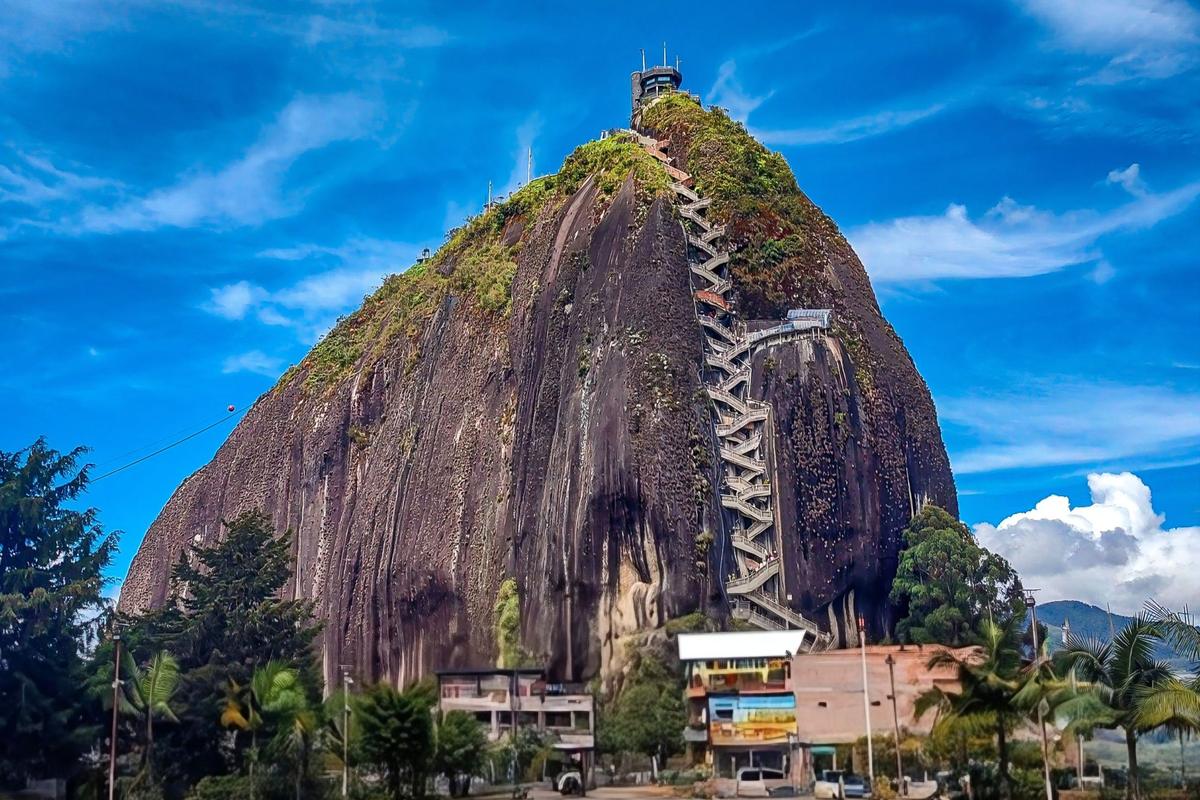
Pack a light rain jacket whatever the month. For weekends, the lakeside town of Guatapé is the classic escape, and our Medellín in 3 days guide covers the sights for your first days off. If the valley starts to feel small, Bogotá and Cartagena are short flights away.
Plan it with Joy Plus
Joy Plus builds a day-by-day itinerary with a map for your first week in Medellín, from metro routes to weekend trips. The trip hub keeps your bookings, flight alerts, budget and packing list in one place, which helps when you are tracking visa dates and rent in two currencies. Start planning your Medellín stay
Frequently asked questions
Can I work remotely in Colombia without the digital nomad visa?
Colombia's foreign ministry has said visitors from visa-exempt countries can enter on the normal entry permit while paid from abroad, as long as they are not paid by Colombian companies or people. That permit gives up to 90 days, extendable to 180 days per calendar year under Colombian rules; UK advice describes it as any 12-month period. For longer stays, the Visa V Nómadas Digitales is the route.
How much income do I need for Colombia's digital nomad visa in 2026?
You need bank statements showing at least three Colombian monthly minimum wages for each of the last three months. The 2026 minimum wage is COP 1,750,905, so the threshold is COP 5,252,715 a month. At the 9 November 2026 rate of about COP 3,238 to the dollar, that is roughly US$1,620 a month.
How much does the Colombian digital nomad visa cost?
Under the foreign ministry's 2026 tariff, a visitor (V) visa costs US$56 for the study of the application and US$138 when it is issued, US$194 in total. If you apply in the eurozone, it is €44 plus €106, or €150. Stamp duty is charged separately. Fees are paid in stages, so check the payment step for your consulate or office on the Cancillería platform.
When do I become a tax resident in Colombia?
DIAN, the tax office, treats you as resident once you spend more than 183 days in Colombia within any 365 consecutive days, with entry and exit days counted. Residents are taxed on worldwide income. The day count applies whatever visa you hold, so take advice from an accountant before you reach six months.
Which Medellín neighbourhood is best for a first month?
El Poblado is the easiest first base, with the most furnished rentals, coworking spaces and English menus, though it is busier and pricier. Laureles is flatter, leafier and more local, close to Estadio and Floresta stations on Metro Line B. Envigado, just south, is quieter and has its own station on Line A.
How do I pay for the Metro de Medellín?
The network uses the Cívica card for trains, cable cars, the tram and integrated buses. In 2026 a journey costs COP 3,820 with a personalised Cívica and COP 4,400 with an occasional card. Lines A and B run from 4:30am to 11pm Monday to Saturday and from 5am to 10pm on Sundays and holidays.
Is Medellín safe for women travelling solo?
Official advice is serious, though it does not tell you to avoid the city. Canada names Medellín among the cities where dating app crimes and scopolamine druggings happen most often, and the UK lists it for pickpocketing and armed robbery. Meet dates in public, guard your drink, use app-booked taxis and keep your phone out of sight on the street.