Destinations / North America
Bozeman, United States travel guide
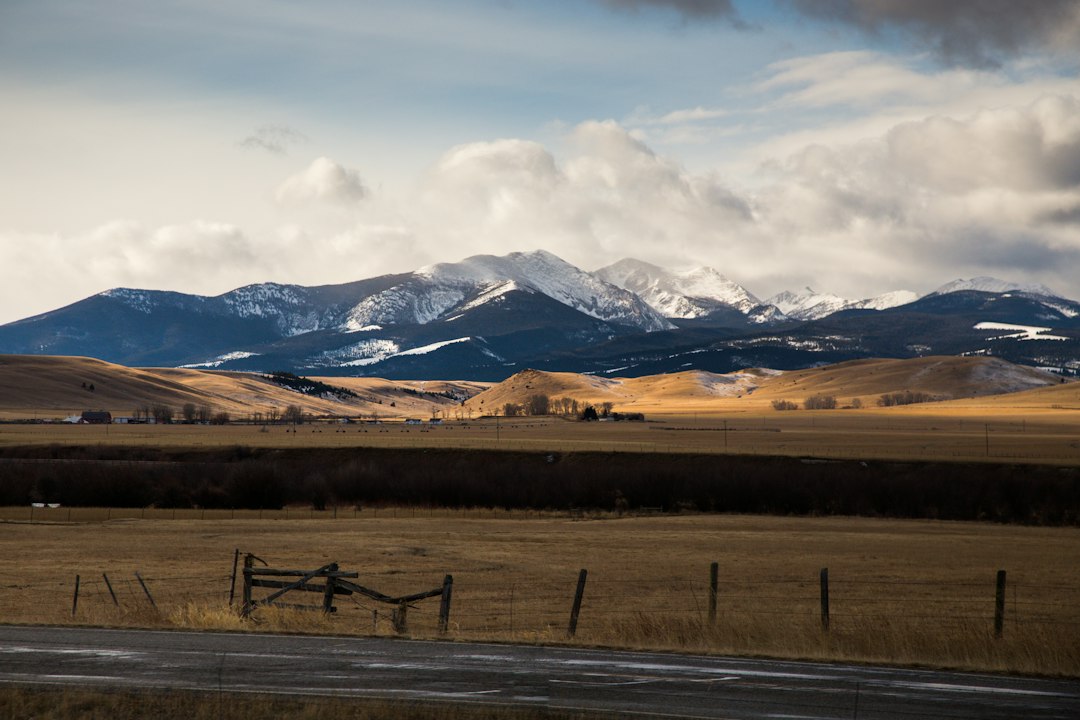
Montana mountain town, gateway to Yellowstone and big-sky skiing.
- Best time to visit: June-September, December-March
- Daily budget (budget traveller): $150 to $380 USD
- Ideal trip length: 4 to 5 days
Bozeman sits in the Gallatin Valley with mountain ranges on every side and a brick main street that still feels like a real town rather than a resort. It is 90 minutes from Yellowstone's north entrance, an hour from Big Sky's ski terrain, and surrounded by the blue-ribbon trout rivers that made Montana fly fishing famous. The university keeps it young and the dinosaur museum is genuinely world-class.
Bozeman sits at 4,820 feet in the Gallatin Valley, with the Bridgers to the north, the Gallatins to the south and the Spanish Peaks to the west. Every street seems to end at a mountain. Main Street is still a real brick-fronted working street. Montana State University keeps the average age low, so Carhartt jackets share a bar with ski-patrol fleeces and laptop-toting remote workers. The locals call it Boz. They have also noticed it has gotten expensive, so don't expect a sleepy cowtown.
The thing to understand early is that Bozeman is a base, not a checklist. The big experiences are all a drive away: Yellowstone's north gate at Gardiner is 80 miles (about 90 minutes), Big Sky is 50 miles up Gallatin Canyon, and Hyalite Canyon's waterfalls are 30 minutes south. The Madison, Gallatin and Yellowstone rivers are all within 90 minutes. Rent a car, leave by 6am for the big days, and let town be the reward at dusk. Season decides what is open: most Yellowstone roads run from mid-April to early November, and in winter only the Gardiner to Cooke City road stays plowed.
Spend your money in the right places. Montana has no sales tax, which helps, but lodging and summer rental cars do not. The tricks are to visit in September or May, sleep in Belgrade, Four Corners or Livingston, and eat lunch at the counter. The evenings are pure Bozeman. You can have a bison burger on Main, a pint at Bozeman Brewing, or a soak in a hot spring with Lone Peak turning pink above you. A solo traveller here is never short of conversation, because everyone has a trail or a river to recommend.
How many days in Bozeman?
For Bozeman, we recommend 4 to 5 days. With more time, add a day trip to Paradise Valley, Livingston and Chico Hot Springs.
| Trip length | What you'll see | Itinerary |
|---|---|---|
| 2 days | Stock up, meet Main Street; Dinosaurs and the M | Bozeman in 2 days |
| 3 days | Adds: Yellowstone, north entrance | Bozeman in 3 days |
| 4 days · Recommended | Adds: Hyalite Canyon waterfalls | Bozeman in 4 days |
| 5 days · Recommended | Adds: River day: fly fishing or whitewater | Bozeman in 5 days |
| 7 days | Adds: Gallatin Canyon to Big Sky; Souvenirs | Bozeman in 7 days |
Bozeman itinerary
Land, stock up, meet Main Street
Morning: Fly into BZN, collect the rental car and buy bear spray at REI. Breakfast at Nova Cafe on East Main.
Afternoon: Walk Main Street from end to end: Country Bookshelf, Schnee's boots, the Ellen Theatre marquee. Pick up groceries for the cooler.
Evening: Dinner at Blackbird Italian Kitchen or Plonk, then a drink at the Zebra Cocktail Lounge. Early night, the next days start at dawn.
Dinosaurs and the M
Morning: Museum of the Rockies at 9am opening. Go straight to the Siebel Dinosaur Complex and its T. rex collection (about $20).
Afternoon: Hike the M Trail in the Bridgers, about 1.5 miles round trip and steep, with the whole Gallatin Valley below.
Evening: Bison burger at Ted's Montana Grill, then a pint at Bozeman Brewing Company on North Broadway.
Yellowstone, north entrance
Morning: Leave at 6am: I-90 east to Livingston, US-89 south through Paradise Valley to Gardiner (about 90 min). Roosevelt Arch, then Mammoth Hot Springs terraces on the boardwalks.
Afternoon: Drive to Lamar Valley via Tower Junction for bison, pronghorn and wolf-watchers with spotting scopes. Fuel up in Gardiner before you go.
Evening: Back through Paradise Valley for a 7:30pm dinner at Chico Hot Springs (reserve ahead), then a soak. Home by 10:30pm.
Hyalite Canyon waterfalls
Morning: Drive 30 minutes south up Hyalite Canyon Road. Short paved Palisade Falls walk, then Grotto Falls (about 2 miles round trip).
Afternoon: Picnic at Hyalite Reservoir, rent a paddleboard or just swim. Winter swap: ski Bridger Bowl, 30 min north, from about $90 a lift ticket.
Evening: Dinner and a distillery visit in the Northeast District, then Bozeman Hot Springs south of Four Corners if you have the legs.
River day: fly fishing or whitewater
Morning: Meet your guide at 7am. Montana Troutfitters and Montana Angler both run Gallatin and Madison floats, around $550 to $750 a boat. Or take a whitewater half-day on the Gallatin.
Afternoon: Fish until the evening rise. Lunch is on the boat, so pack snacks.
Evening: Tuesdays in summer, the Farmers Market at Bogert Park. Otherwise steak at Open Range, or a show at the Ellen Theatre.
Gallatin Canyon to Big Sky
Morning: US-191 through Gallatin Canyon (about 1 hour). Hike Beehive Basin, about 6 miles round trip with alpine lakes, or ride the Lone Peak tram.
Afternoon: Lunch at Hungry Moose Market & Deli. Winter swap: ski Big Sky's 5,800 acres.
Evening: Beer at Lone Peak Brewery, then back to Bozeman. Pull over for the Gallatin River at golden hour.
Slow morning, souvenirs, depart
Morning: Pastry and coffee at Wild Crumb. Last wander down Main for souvenirs.
Afternoon: Early lunch at Pickle Barrel, return the rental car and clear security at BZN.
Evening: Fly out. Booked a late flight? Hit the Bozeman Hot Springs first and leave in plenty of time.
Best neighbourhoods
- Downtown / Main Street: Historic brick blocks with breweries, bookshops and the best restaurants.
- Northeast District: Old warehouses turned distilleries, studios and coffee roasters.
- South Bozeman: Quiet, close to the M Trail and Hyalite Canyon road.
- Four Corners: Value lodging halfway to Big Sky and the Gallatin River.
- Big Sky: Ski resort town an hour south in Gallatin Canyon, a base in its own right.
Must-do experiences
- Yellowstone day trip: North entrance at Gardiner is 90 minutes; Mammoth and Lamar Valley wildlife.
- Museum of the Rockies: One of the world's great dinosaur collections, heavy on T. rex fossils.
- Hike the M Trail: Short steep climb above town with the whole Gallatin Valley below.
- Fly fish the Gallatin or Madison: Classic Montana trout water, wadeable and guided from town.
Hidden gems
- Hyalite Canyon's reservoir, waterfalls and winter ice climbing
- Bozeman Hot Springs and Chico Hot Springs for a post-hike soak
- The Bridger Ridge traverse, brutal and beautiful, for strong hikers
- Bridger Bowl's cold-smoke powder days, still locally owned
Daily budget
- Accommodation: budget $15-30 / night (national forest campsite) or a budget room (rates vary by season), mid-range $220-380 (The Lark or a Four Corners hotel in summer), splurge $550+ (Lone Mountain Ranch, Montage Big Sky, Sage Lodge). Lodging tax adds about 8%. Winter and May rooms drop 40 to 50%, and Belgrade or Livingston saves $60 to $100 a night in July.
- Food: budget $35-50 / day (grocery cooler, Pickle Barrel sandwich $14, taco counters), mid-range $85-120 (one dinner out at Blackbird or Plonk), splurge $180+ (Open Range steak, Chico dining room). Montana has no sales tax. Lunch is the value meal, so keep the big dinner for the evening in town.
- Transport: budget $40-60 / day (shared rental, gas about $3.30 a gallon, free Streamline bus in town), mid-range $85-140 (rental car, higher in summer), splurge $300+ (private driver or guided Yellowstone day). A car is essential. July and August cars can top $150 a day, so book early, or check Turo and Belgrade pickups.
- Activities: budget $0-25 / day (Hyalite hikes, M Trail, Yellowstone $35 per vehicle, shared), mid-range $60-130 (Museum of the Rockies about $20, hot springs, whitewater half-day), splurge $550+ (guided fly float, Big Sky lift ticket $190-290). US residents pay $35 per vehicle for a 7-day Yellowstone pass. Non-US visitors face an extra $100 per person surcharge from 2026, so check nps.gov.
- Drinks & nightlife: budget $12-20 (pint at Bozeman Brewing, $6-8), mid-range $30-50 (Zebra cocktails, brewery rounds), splurge $80+ (distillery tasting, Chico Hot Springs saloon night). Bars close at 2am but town is quiet by 11. Tip $1 to $2 a drink.
Where to stay
- Budget stay in Downtown / Main Street (Rates vary by season): True hostels are rare in the Gallatin Valley, so book budget rooms near Main early. Otherwise a national forest campsite near Hyalite is the cheapest option.
- Boutique hotel in Downtown / Main Street ($220-420 / night (summer peak)): The Lark on West Main, a 67-room hotel with local art and an open-air patio over Main Street. Walk to dinner, bars and the Ellen Theatre without moving the car.
- Apartment in Four Corners / South Bozeman ($150-280 / night): A condo or cabin rental with a kitchen. Four Corners puts you on the road to Big Sky and the Gallatin River, and prices are lower than downtown.
- Splurge in Big Sky / Paradise Valley ($550-1,200 / night): Lone Mountain Ranch in Big Sky for guest-ranch luxury, Montage Big Sky for ski-in comfort, or Sage Lodge in Pray beside the Yellowstone River and Chico Hot Springs.
What to eat
- Bison burgers and Montana beef on Main Street
- Huckleberry pie and pastries in summer
- Distillery cocktails in the Northeast district
- Sunday brunch at a hot-springs resort up the Paradise Valley
Day trips
- Yellowstone National Park, north entrance (80 miles, about 90 minutes to Gardiner): The only entrance open to cars all year. Roosevelt Arch, Mammoth Hot Springs terraces, then Lamar Valley for wolves, bison and bears. It is a long day, so leave by 6am. Old Faithful from here is an additional 2 hours, so save it for an overnight. I-90 east to Livingston (exit 333), then US-89 south for 53 miles to Gardiner. Park entry $35 per vehicle for US residents, valid 7 days.
- Big Sky and Gallatin Canyon (50 miles, about 1 hour): A winding canyon drive beside the Gallatin River, with whitewater rafting and fly fishing. Big Sky has summer hiking (Beehive Basin), the Lone Peak tram, and in winter 5,800 skiable acres. US-191 south from Four Corners through Gallatin Canyon. Skyline Bus runs Bozeman to Big Sky, with a low fare. Winter driving: carry chains and check road reports.
- Paradise Valley, Livingston and Chico Hot Springs (26 to 56 miles, 30 to 75 minutes): Livingston is a rail-town with cowboy bars like the Murray Bar and Katabatic Brewing. Further south, Chico Hot Springs has a 1900 lodge, a famous dining room and a big pool. The drive is the show: the Absaroka range rises on one side, the Yellowstone River on the other. I-90 east to Livingston (exit 333), then US-89 south for 30 miles to Pray. A day soak at Chico is about $15 to $20.
When to visit
- Spring (April - May): 40-62°F (4-17°C), mud, rain and surprise snow. Crowds: Very low. Mud season. Many high trails are snowbound and Yellowstone roads open in stages, but lodging is the cheapest of the year and the Mammoth to Lamar road is good for baby bison and bears.
- Summer (June - August): 70-88°F (21-31°C), dry, cool nights near 45°F, afternoon thunderstorms. Crowds: Heavy, Yellowstone lots fill by 9am. Best for full access and long days. Book cars and rooms by February, avoid early June river runoff, and chase the late June salmonfly hatch. August wildfire smoke is a gamble.
- Autumn (September - October): 45-72°F (7-22°C), crisp mornings, first snow by October. Crowds: Moderate, dropping fast after Labor Day. The local pick. Golden cottonwoods on the Gallatin, brown trout fishing, elk bugling at Mammoth in late September, and summer prices vanish.
- Winter (November - March): 10-35°F (-12 to 2°C), cold snaps below 0°F, ground blizzards on I-90. Crowds: Moderate, spikes at Christmas and Presidents' Day. Skiing at Bridger Bowl and Big Sky, plus Yellowstone wolf-watching with almost no one around. Pack winter tires and patience.
Entry rules for your passport
Visa rules for the United States depend on the passport you travel on. Check the official source before you book: U.S. Department of Homeland Security
Getting there
Bozeman Yellowstone International (BZN) is in Belgrade, 8 miles northwest of downtown, and is Montana's busiest airport. Direct flights come from Seattle, Denver, Salt Lake City, Minneapolis, Chicago, Dallas, Atlanta, Phoenix, Portland, San Francisco and Los Angeles, with seasonal service from the East Coast. Uber, Lyft and taxis to downtown run $25-35 and about 20 minutes. Rental counters are in the terminal, and in July and August cars sell out or hit $150+ a day, so book months ahead. There is no passenger rail. By road, it is 142 miles (2 hours) from Billings, 6 hours from Salt Lake City and 3 hours from Missoula. The Skyline Bus connects Bozeman to Big Sky, and the Streamline bus is free in town, but you still need a car for Yellowstone.
Getting around
Bozeman Yellowstone International (BZN) is Montana's busiest airport, eight miles from downtown with direct flights from many US cities. A rental car is essential: Yellowstone, Big Sky and the rivers are all 45 minutes to two hours away. Downtown is walkable, and the Skyline bus runs to Big Sky year round.
Safety
Bozeman is safe with low crime. The real considerations are wild: this is grizzly country, so carry bear spray on trails and know how to use it. Winter driving on I-90 and through Gallatin Canyon can be icy with ground blizzards. Yellowstone's thermal areas demand staying on boardwalks, and wildlife must be given a wide berth, 100 yards from bears and wolves.
Solo travel tips
- Carry bear spray, every time: Buy a canister (about $50 to $60) at REI or Murdoch's Ranch & Home and wear it on your hip, not in the pack. Make noise on blind corners. Bear spray is banned on planes, so don't plan to fly with it.
- Sit at the bar at Plonk or Bacchus Pub: Bar seating at Plonk on Main or Bacchus Pub on West Main is where solos end up in conversation. Bartenders will point you to a trail, a river or a hot spring you wouldn't find alone.
- Join the Lamar Valley wolf-watchers: At dawn the pullouts near Slough Creek and Lamar Valley fill with locals and guides with spotting scopes. Park, say hello, and they will usually let you look. It is the best free social scene in the park.
- Tell someone, download offline maps: Cell service drops in Gallatin Canyon, Hyalite and most of Yellowstone. Download Gaia GPS or AllTrails offline maps and text your route and return time before you hike alone.
- Solo female travellers: Bozeman is one of the safer small cities in the West. Standard rules apply: hide valuables out of sight at trailheads, avoid running alone at dawn or dusk in grizzly country, and share your plans with someone.
- Find your tribe on the river: Whitewater half-days on the Gallatin mix strangers in a raft, and guided fishing days put you in a boat for eight hours of chat. Book a group departure rather than a private trip.
Cultural etiquette
- Give wildlife space. Stay 100 yards from bears and wolves and 25 yards from bison and elk. Bison injure more park visitors than any other animal, so if one is on the road, wait it out.
- Stay on the boardwalks in Yellowstone's thermal areas. The ground is thin crust over scalding water, and every year someone ignores the signs.
- Wave at oncoming drivers on rural roads and pull over at turnouts to let faster traffic pass. Blocking a lane for a bison photo is how you lose friends.
- Respect the stream access law. You can float and walk below the high-water mark, but crossing private land to reach the river is trespass. Use Fishing Access Sites (FAS).
- Tip 18 to 20% at restaurants and $1 to $2 a drink at bars. Guides expect 15 to 20% of the trip fee, usually $100 to $150 for a full day.
- Never leave food in your car at trailheads or camp. Use bear boxes, hang food and pack out all trash. Leave No Trace is taken seriously here.
- Locals are tired of 'Boz Angeles' jokes and unsolicited real estate opinions. Be curious and friendly and you'll get the tips; arrive acting like you're here to buy and you won't.
Frequently asked questions
What is the best time to visit Bozeman?
June to September for hiking, fishing and full Yellowstone access, with highs around 25-30C and cool nights. December to March for skiing at Bridger Bowl and Big Sky. April-May and November are muddy shoulder seasons with many Yellowstone roads closed, though lodging is cheapest then.
How far is Bozeman from Yellowstone?
About 80 miles to the north entrance at Gardiner, roughly 90 minutes by car, or two hours to West Yellowstone. The north entrance is the only one open to vehicles year-round, which makes Bozeman a strong winter base as well as a summer one.
How many days do you need in Bozeman?
Four to five days, given the driving. Budget at least one full long day for Yellowstone, one for Big Sky or Hyalite Canyon, one for fishing or a float, and one for town, the Museum of the Rockies and hot springs. Two days only scratches it.
Is Bozeman good for skiing?
Very. Bridger Bowl is 30 minutes from town, locally owned, affordable and famous for dry powder and the hike-to Ridge terrain. Big Sky, an hour south, is one of the largest ski areas in the US with 5,800 acres and very short lift lines.
Do you need bear spray in Bozeman?
On any trail outside town, yes. The Gallatin Valley and surrounding ranges are grizzly and black bear habitat, and it is standard practice for locals. Buy or rent a canister, keep it on your hip rather than in your pack, make noise on blind corners and hike in groups.
Is Bozeman expensive?
It has become one of the Mountain West's pricier towns, with high summer lodging rates and expensive rental cars in July and August. Montana has no sales tax, which helps. Staying in Belgrade, Livingston or Four Corners and visiting in September or May cuts costs considerably.
Can you fly fish near Bozeman?
Yes, it is one of the best bases in the world for it. The Gallatin, Madison, Yellowstone and Missouri rivers are all within a short drive, with wade and float trips available. Guides run year-round; the famous salmonfly hatch is in late June and autumn brown trout fishing is superb.
Do foreign visitors pay more at US national parks?
At 11 of the busiest, yes. Since 1 January 2026, visitors who are not US residents and are aged 16 or over pay US$100 per person on top of the normal entrance fee at Acadia, Bryce Canyon, Everglades, Glacier, Grand Canyon, Grand Teton, Rocky Mountain, Sequoia and Kings Canyon, Yellowstone, Yosemite and Zion. A US$250 annual pass for non-residents covers that fee for everyone in one vehicle, and is usually cheaper for a group or for more than one park.
Do I need a visa or an ESTA to visit the United States?
Travellers from the 42 Visa Waiver countries, including most of the EU, the UK, Japan and Australia, do not need a visa for stays of up to 90 days but must get an ESTA online before travelling. It costs about $40 since 30 September 2025 and is valid for two years or until your passport expires. Apply at least 72 hours ahead on the official site, esta.cbp.dhs.gov, and avoid lookalike sites that charge more.
Tours and activities in Bozeman | Bozeman in 2 days | Bozeman in 3 days | Bozeman in 4 days | Bozeman in 5 days | Bozeman in 7 days
Joy Plus home | Destinations | Itineraries | Activities | Flights | Budget planner | Calendar | Map | Blog | Lifetime access