Destinations / Africa
Bwindi, Uganda travel guide
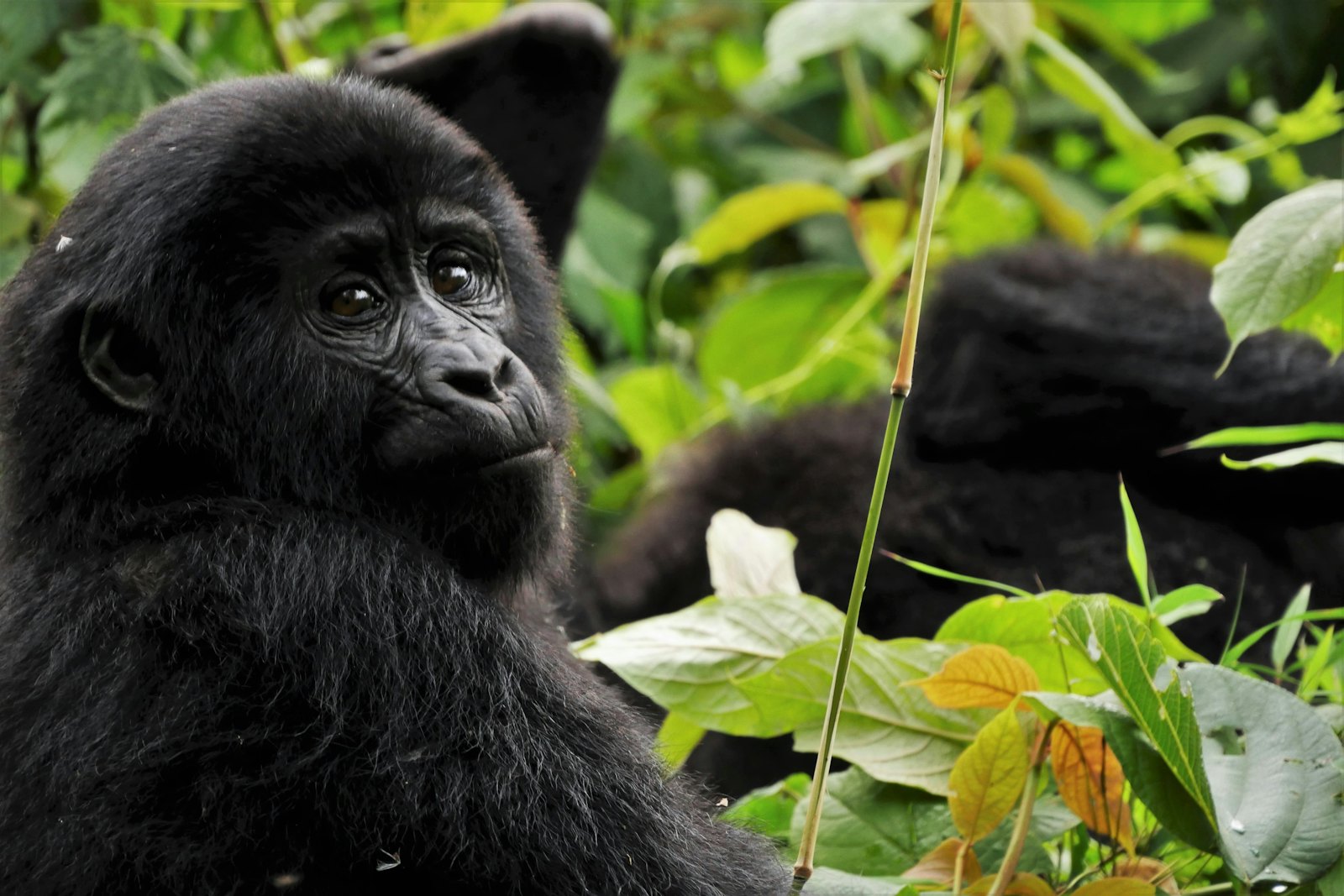
A steep, misty rainforest on Uganda's border with Congo, where you hike muddy ridges with rangers to spend one quiet hour with mountain gorillas.
- Best time to visit: June to August and December to February
- Daily budget (budget traveller): $70 to $485 USD
- Ideal trip length: 3 to 7 days
Bwindi Impenetrable National Park covers about 321 square kilometres of steep, ancient rainforest in the far southwest of Uganda. It holds close to half of the world's mountain gorillas, and the 2018 census counted 459 in the park. Most people come for one thing: a ranger-led trek to sit with a habituated gorilla family for an hour. The trek can take one hour or six, through mud, vines and nettles, and nobody can tell you which in advance. The park has four trekking sectors, Buhoma in the north, Ruhija in the east, and Rushaga and Nkuringo in the south. There are no roads through the forest, so the sector named on your permit decides where you sleep. Bwindi is not a cheap place. A standard permit costs about UGX 2.9 million (US$800), or US$600 in April, May and November. Still, a solo traveller can keep everything else modest with community-run camps, local buses and village walks. Stay a few extra days and you also get waterfall trails, birding in Ruhija, the Batwa community and crater lakes near Kisoro.
Bwindi Impenetrable National Park is a block of steep, very old rainforest in southwest Uganda, about 321 square kilometres of ridges and valleys. It became a national park in 1991 and a UNESCO World Heritage Site in 1994. The 2018 census found 459 mountain gorillas here, close to half of the world's population. The gorillas are the reason almost everyone comes. You meet a ranger team at your sector's park office at around 7.30am, get assigned to a family, and walk until the trackers find them. Then you have one hour, and most people say it goes very quickly. The rest of Bwindi is easy to overlook, but it is worth the extra days: waterfall walks, Batwa guides, women's craft projects, tea country and serious birding.
Logistics decide the trip. The park has four sectors, Buhoma, Ruhija, Rushaga and Nkuringo, and there are no roads through the forest, so your permit's sector decides where you sleep. From Kampala it is 8-10 hours by road, or roughly an hour or two by small plane to Kihihi or Kisoro followed by a 1-2 hour transfer. From Kigali, the southern sectors are only 4-5 hours away via the Cyanika border, which is why many people fly into Rwanda. A standard permit costs about UGX 2.9 million (US$800), falling to US$600 in April, May and November under the 2026-2028 tariff. The four-hour habituation experience in Rushaga costs US$1,500 through 2026 and US$1,800 from 1 January 2027. Everything else can stay modest. Buhoma Community Rest Camp, for example, is right next to the briefing point.
Expect rain at any time of year. This is a rainforest, and even the dry seasons of June to August and December to February bring showers. Days are mild, around 20°C, and nights are cool, colder still on the Ruhija ridge. Mud is guaranteed, so pack gaiters, gloves and boots you do not mind ruining. Mobile signal is patchy, power cuts are common and cash is king. Bwindi suits solo travellers well. Treks run in groups of up to eight, lodge dinners are often communal, and the villages around the park gates are friendly and used to visitors. Come for the gorillas, then give yourself at least one day to slow down.
Bwindi itinerary
Travel to Buhoma
Morning: Take an early Aerolink flight from Entebbe to Kihihi, or the 6am bus from Kampala if you are on a tight budget and do not mind a very long day.
Afternoon: Transfer from Kihihi to Buhoma, which takes about 1.5-2 hours on dirt roads. Check in at Buhoma Community Rest Camp or a nearby lodge.
Evening: Coffee on the rest camp terrace as the mist comes down over the forest. Confirm your permit at the park office and get an early night.
Buhoma village and Ride 4 a Woman
Morning: Walk up through Buhoma village to Ride 4 a Woman to see the sewing workshop and ask about basket weaving or a cooking session.
Afternoon: Join the Batwa experience (around US$40) to hear how the Batwa lived in the forest before the park was created.
Evening: Lay out your boots, gaiters, gloves and rain jacket. Fill your water bottles and charge your camera before the evening power cut.
Gorilla trekking in Buhoma
Morning: Briefing at the park office at around 7.30am. Hire a porter, take a walking stick and set off with your ranger group.
Afternoon: Your hour with the gorillas could come before lunch or long after it. Eat your packed lunch on the trail, then walk back out.
Evening: Collect your trekking certificate, wash the mud off and swap stories with your group over dinner.
Munyaga waterfalls, then on to Ruhija
Morning: Do the guided Munyaga River waterfall walk from Buhoma (around US$30), watching for monkeys and birds.
Afternoon: Drive about two hours to Ruhija past tea estates and forest edge. Arrange a driver in advance.
Evening: Ruhija is high and cold, so put on a fleece and sit by the fire. Book a bird guide for tomorrow.
Mubwindi Swamp and south to Rushaga
Morning: Leave early with a guide for the trail down to Mubwindi Swamp, one of Bwindi's best birding walks.
Afternoon: Climb back up, then drive two to three hours south to Rushaga.
Evening: Check in at a Rushaga camp and confirm the trailhead for tomorrow, if you have booked a second trek or the habituation experience.
Habituation or Lake Mutanda
Morning: Optional: the four-hour habituation experience in Rushaga (US$1,500 in 2026). Otherwise, head to Lake Mutanda.
Afternoon: Take a dugout canoe or boat across Lake Mutanda, with the Virunga volcanoes behind.
Evening: Stay by the lake or in Kisoro. Watch the sunset over the volcanoes if the clouds lift.
Kisoro and onward travel
Morning: Look around Kisoro town, especially if it is a market day. Get cash and stock up for the journey.
Afternoon: Fly back to Entebbe from Kisoro, take a bus towards Kabale and Kampala, or cross the Cyanika border to Rwanda, which is about 3 hours from Kigali.
Evening: Arrive in Entebbe, Kampala or Kigali. Cross the border in daylight and check the post's opening hours.
Best neighbourhoods
- Buhoma: The northern sector and the park's original gorilla trekking base. The park office, Buhoma Community Rest Camp, Ride 4 a Woman and a row of lodges all sit at the forest edge within walking distance of the briefing point. It has the most to do on non-trek days and is the easiest place for a solo traveller to meet people.
- Ruhija: A high, cool ridge in the east, at well over 2,000m. It is quieter than Buhoma and the place for serious birding, including the trail down to Mubwindi Swamp. Nights are cold, so bring a warm layer.
- Rushaga: The southern sector, with the most gorilla families and the only place to do the four-hour habituation experience. It is the closest sector to Kisoro and to the Cyanika border with Rwanda, and it has a spread of budget and mid-range camps.
- Nkuringo: A dramatic ridge in the southwest with views over the forest to the Virunga volcanoes. Treks here often start with a steep descent and finish with a hard climb back up. Clouds Mountain Gorilla Lodge sits here.
- Kisoro and Lake Mutanda: Kisoro is the small market town for the south, with banks, a few shops, an airstrip and onward buses. Lake Mutanda, just to the north, makes a calm base for a rest day between treks, with canoe trips and volcano views.
Must-do experiences
- Track mountain gorillas: Report to your sector's park office for the morning briefing, then walk with rangers and trackers to a habituated family. You get one hour with the gorillas once you find them. The permit costs about US$800, or US$600 in April, May and November, and it includes park entry for that day.
- Do the habituation experience in Rushaga: Spend up to four hours with a family that is still getting used to people, alongside researchers and trackers. It costs US$1,500 through the end of 2026 and rises to US$1,800 from 1 January 2027. Spaces are very limited and there is no low-season discount.
- Walk the Waterfall Trail from Buhoma: A guided nature walk from Buhoma into the forest and up to a series of waterfalls, with monkeys, birds and huge tree ferns along the way. It is a good gentle day before or after your trek, and guided walks cost around US$30.
- Join the Batwa experience: The Batwa were forest people who lost their homeland when the park was created. Batwa guides show how their families hunted, gathered and lived in the forest, with songs and stories. The fee is around US$40 and the money supports the community.
- Visit Ride 4 a Woman in Buhoma: A women's social enterprise with a sewing and craft workshop, a small guesthouse and activities such as basket weaving and cooking. It is an easy walk from the park office and a good place to buy something made locally.
- Go birding at Mubwindi Swamp: From Ruhija, a long guided walk drops down to Mubwindi Swamp. Birders come to look for Albertine Rift specials, including the African green broadbill. Start early, bring lunch and expect a steep climb back.
- Paddle Lake Mutanda: Take a dugout canoe or boat across the lake near Kisoro, with the Virunga volcanoes behind. It is the best rest day between southern treks, and lodges on the shore can arrange trips.
Hidden gems
- The terrace at Buhoma Community Rest Camp, a cheap place for coffee or a drink with monkeys and birds in the trees in front of you, even if you are not staying
- The tea estates along the road between Buhoma and Ruhija, where neat green rows run right up to the forest edge
- The view from the Nkuringo ridge in clear morning light, looking across the forest to the line of Virunga volcanoes
- Kisoro's market, which is busiest on market days, when traders come in from the hills with beans, potatoes and sorghum
- The Ivi River trail between Buhoma and Nkuringo, a long guided walk through the forest that some travellers use instead of the road between sectors. Check with the park office that it is running
Daily budget
- Accommodation: budget UGX 150,000-300,000 / night (community camp, dorm or simple banda), mid-range UGX 500,000-1,100,000 (mid-range lodge, often full board), splurge UGX 3,000,000+ (top lodges such as Clouds or Sanctuary Gorilla Forest Camp). Lodge rates are usually quoted in US dollars and per person, often with meals included. Solo travellers may pay a single supplement at mid-range and top lodges. Community camps offer the best value.
- Food: budget UGX 40,000-80,000 / day (set meals at a community camp, rolex and local cafés), mid-range UGX 100,000-180,000 (lodge lunches and dinners), splurge Included in full-board luxury rates. There are very few independent restaurants near the gates, so you will mostly eat where you sleep. A set dinner at Buhoma Community Rest Camp has been about US$10. Rolex and local plates in Kisoro or Butogota cost just a few thousand shillings.
- Transport: budget UGX 50,000-100,000 / travel day (bus plus boda-boda), mid-range UGX 300,000-600,000 (special hire between sectors or from an airstrip), splurge UGX 1,000,000+ (Aerolink flight one way, or private 4x4 with driver). The Kampala to Buhoma bus has been about UGX 50,000. Aerolink fares to Kihihi or Kisoro tend to be roughly US$280-400 one way. Private 4x4 hire with a driver often costs US$150-300 a day.
- Activities: budget UGX 110,000-150,000 (nature walk or Batwa experience), mid-range UGX 2,200,000-2,900,000 (gorilla permit, US$600-800), splurge UGX 5,500,000+ (habituation experience, US$1,500, or US$1,800 from 2027). Park entry is US$40 per 24 hours, but it is included in the gorilla permit on trek day. Guided nature walks cost around US$30 and the Batwa experience around US$40. Budget for a porter at roughly US$15-20.
- Drinks & nightlife: budget UGX 5,000-10,000 (a local beer or soda), mid-range UGX 20,000-50,000 (drinks at a lodge bar), splurge UGX 100,000+ (wine and spirits at top lodges). There is no nightlife. Evenings mean a fire, dinner and an early night before a 6am start. Lodge bars charge more than village shops.
Where to stay
- Social hostel in Buhoma (UGX 150,000-300,000 / night): Buhoma Community Rest Camp is owned by the local community and has a small dorm, cottages, en-suite tents and camping, all a short walk from the briefing point. The terrace and set dinners make it easy to meet other trekkers.
- Boutique hotel in Buhoma (UGX 1,300,000-2,000,000 / night, full board): Buhoma Lodge has ten cottages on the forest edge, close to the park office, with meals included and a calm, personal feel.
- Apartment in Rushaga (UGX 300,000-750,000 / night): Bwindi has no apartments. The closest equivalent is a simple cottage at a southern camp such as Rushaga Gorilla Camp, which keeps you near the habituation trailheads and the road to Kisoro.
- Splurge in Nkuringo or Buhoma (UGX 3,000,000-7,000,000+ / night): Clouds Mountain Gorilla Lodge sits on the Nkuringo ridge with views of the Virungas, and Sanctuary Gorilla Forest Camp is inside the park at Buhoma. Both are all-inclusive.
What to eat
- Matoke: steamed and mashed green bananas, the everyday staple of southwest Uganda, usually served with beans or groundnut sauce
- Rolex: a chapati rolled around an omelette with cabbage and tomato, sold from roadside stalls in Kisoro, Kabale and Butogota for a few thousand shillings
- Groundnut sauce: a thick peanut stew eaten with matoke, sweet potato or posho at local cafés
- Irish potatoes and beans: the southwestern highlands grow huge amounts of potatoes, and you will find them in almost every local meal
- Luwombo: chicken or beef slow-steamed in banana leaves, sometimes offered by lodges as a special dinner
- Ugandan coffee: grown in the region and served at most lodges, with good beans sold in Buhoma craft shops
Day trips
- Lake Mutanda (About 30-60 minutes from Kisoro, or 1-2 hours from Rushaga): A calm lake with small islands and the Virunga volcanoes behind. Go for canoe trips and walks, and stop on the way between the southern sectors and Kisoro. Special hire or boda-boda from Kisoro. Lakeside lodges such as Chameleon Hill Lodge and Mutanda Lake Resort can arrange boats.
- Mgahinga Gorilla National Park (About 30 minutes from the Cyanika border, and under an hour from Kisoro): Uganda's small corner of the Virunga volcanoes. It offers golden monkey tracking, volcano hikes and the Batwa Trail, and it also has gorilla permits at the same price as Bwindi. Special hire from Kisoro to the Ntebeko gate. Book activities through UWA or an operator, and leave early for morning starts.
- Ishasha sector, Queen Elizabeth National Park (About 2-3 hours north of Buhoma by road): The southern part of Queen Elizabeth, known for lions that climb fig trees, plus topi, buffalo and elephants. Many people pass through it on the way between Bwindi and the rest of the country. Private 4x4 with a driver from Buhoma or Kihihi. Park entry is US$40, and game drives work best early or late in the day. Check current security advice before you go.
When to visit
- Dry season (December - February): Around 10-23°C, fewer showers, firmer trails. Crowds: Busy over Christmas and New Year. A good time to trek, with easier walking and clearer views. Book permits and lodges several months ahead for the holidays.
- Long rains (March - May): Around 10-22°C, heavy afternoon rain, very muddy. Crowds: Quiet, especially April and May. Permits drop to US$600 in April and May, and lodges are easier to get. Trails are hard work and roads can wash out, so leave spare days.
- Main dry season (June - August): Around 8-22°C, the driest months, cold nights. Crowds: Peak season, permits sell out early. The most reliable trekking weather. Book permits 6-12 months ahead, especially for Buhoma and Rushaga, and pack a warm layer for evenings.
- Short rains (September - November): Around 10-22°C, regular showers, lush forest. Crowds: Moderate in September, quiet in November. September is still a good month. November has the US$600 low-season permit and very green forest, but expect wet treks.
Getting there
International flights land at Entebbe International Airport (EBB), about an hour from Kampala. From Entebbe, Aerolink Uganda flies small Cessna Caravans to Kihihi airstrip (for Buhoma and Ruhija) and Kisoro airstrip (for Rushaga and Nkuringo). Flights take roughly 1-2 hours depending on stops, and one-way fares tend to be around US$280-400. Your lodge or driver must meet the plane, and the transfer takes about 1.5-2 hours from Kihihi to Buhoma or 1-2 hours from Kisoro to Rushaga. By road, Bwindi is 8-10 hours from Kampala. A daily direct bus has run from Kampala towards Buhoma via Kihihi and Butogota, leaving around 6am, for about UGX 50,000. Buses also run to Kabale and Kisoro, for roughly UGX 30,000-50,000, from where you take a special hire or boda-boda. Many travellers fly into Kigali in Rwanda instead. Rushaga and Nkuringo are about 4-5 hours away via the Cyanika border near Kisoro, and Buhoma is about 6-7 hours via the Katuna (Gatuna) border near Kabale. Cyanika works in daytime only, so plan to cross early.
Getting around
There is no public transport inside the park and no road through the forest. Moving between sectors means looping round the outside on dirt roads, roughly two hours from Buhoma to Ruhija, two to three hours from Ruhija to Rushaga and an hour to an hour and a half from Rushaga to Nkuringo via Rubuguri. Most visitors use a private driver or their lodge's transfer. A special hire car between sectors or from an airstrip costs roughly UGX 200,000-500,000 depending on distance, so ask your lodge for a quote. Boda-bodas (motorbike taxis) are cheap and everywhere, for example roughly UGX 15,000-30,000 from Butogota to Buhoma, but the roads are steep and slippery, and you should insist on a helmet. Shared minibus taxis link Kisoro, Kabale, Kihihi and Butogota, but they are slow and timings are loose. For the trek itself you just walk from your lodge or get dropped at the park office, though some families in Rushaga and Nkuringo start from other trailheads and need a drive. Arrange this the night before. Driving yourself is possible in a 4x4, but the roads are rough and badly signed, so most solo travellers hire a driver.
Safety
Bwindi is generally safe, and treks go out with armed rangers. The biggest risks are the roads, so avoid travelling after dark and choose a careful driver. The forest is close to the borders with the Democratic Republic of Congo and Rwanda, and there have been serious security incidents elsewhere in western Uganda in recent years, including an attack on tourists in Queen Elizabeth National Park in 2023. Check your government's travel advice before you go. Treks can be long, steep and muddy, at altitudes of roughly 1,200-2,600m, so hire a porter, wear proper boots and carry water. Gorillas can catch human illnesses, so you will be asked not to trek if you have a cold or flu. Keep 7m away, follow the rangers and never eat near the gorillas. Malaria is present in Uganda, so take advice on prophylaxis and use repellent. Uganda asks for proof of yellow fever vaccination. Medical care in the area is basic, with Bwindi Community Hospital near Buhoma, and serious cases go to Kampala, so get insurance that includes evacuation.
Solo travel tips
- Base yourself in Buhoma for a first visit: You can walk to the briefing point, village and Ride 4 a Woman, and there are more fellow travellers around. It is the easiest sector to manage without your own car.
- Lock in the permit first, then book everything else: Your permit fixes your sector and date. Book flights, buses and lodges around it, not the other way round, and add a spare night before the trek.
- Hire a porter: Porters cost roughly US$15-20, carry your bag and pull you up the steep bits. It is also one of the most direct ways your money helps local families, so do it even if you feel fit.
- Share transport costs: Special hire cars are the biggest cost for solo travellers. Ask your lodge or other trekkers at the briefing if anyone is heading the same way, and split the car.
- Safety for solo travellers: Do not travel on roads after dark, use registered drivers recommended by your lodge and keep cash spread out. Women travelling alone generally report feeling comfortable, but should dress modestly in villages and decline night boda-boda rides.
- Prepare for no signal: Download offline maps and screenshot your permit, passport and bookings. Bring a power bank, because power cuts are common and some camps run generators for only a few hours.
Cultural etiquette
- Greet people before asking anything. A simple 'hello, how are you?' goes a long way, and in the southwest locals often greet each other in Rukiga or Rufumbira.
- Dress modestly in villages and towns, with shoulders and knees covered. Save shorts for the trail.
- Ask before photographing people, especially children and the Batwa. Never pay children for photos.
- Treat the Batwa experience as a meeting with people, not a show. Listen, ask respectful questions and buy crafts directly where you can.
- Follow the gorilla rules exactly: stay 7m away, keep your voice low, do not use flash, and turn away and cover your mouth if you need to cough.
- Tip guides, rangers and porters fairly, directly and discreetly. They rely on it.
- Sunday is church day in many villages. Expect quieter roads and some shops closed in the morning.
Frequently asked questions
How do I get to Bwindi?
Fly into Entebbe, then either take an Aerolink flight to Kihihi (for Buhoma and Ruhija) or Kisoro (for Rushaga and Nkuringo), or go overland. Flights take around 1-2 hours and one-way fares tend to be roughly US$280-400. By road, Bwindi is about 8-10 hours from Kampala. A daily bus runs from Kampala towards Buhoma via Kihihi and Butogota for around UGX 50,000. From Kigali in Rwanda, Rushaga and Nkuringo are about 4-5 hours via the Cyanika border.
How many days do I need in Bwindi?
Three nights is the sensible minimum. That gives you an arrival day, a trek day and a spare day for a nature walk or the Batwa experience. Five to seven days lets you combine two sectors, do some birding in Ruhija and rest by Lake Mutanda. Never schedule a trek on the day you arrive or leave.
When is the best time to visit Bwindi?
Bwindi is open all year. The drier months, June to August and December to February, give easier trails and are the most popular. March to May and September to November are wetter and muddier but greener and quieter. Under the 2026-2028 tariff, standard permits drop to US$600 in April, May and November, but low-season permits cannot be rescheduled once booked.
How do I book a gorilla permit?
Permits are issued by the Uganda Wildlife Authority (UWA), and each one is for a specific sector and date. Most foreign visitors book through a licensed Ugandan tour operator or their lodge. Since 1 March 2026, UWA only secures permits once they are paid in full. Book months ahead for June to September and December to February, especially if you need a particular sector.
How fit do I need to be for gorilla trekking?
Reasonably fit. Treks can take anywhere from one to six hours or more, on steep, muddy and slippery slopes. Rangers try to match people to families by fitness at the briefing, so mention it if you would prefer a shorter walk. Hire a porter (roughly US$15-20) to carry your bag and help on steep sections, and use a walking stick. The minimum age is 15.
Which sector should I choose?
Buhoma is best for first-timers and solo travellers, with the most things to do and easy walks to the briefing point. Rushaga has the most families and the habituation experience, and it is closest to Rwanda. Nkuringo has the best views but tough treks. Ruhija suits birders and people who like quiet. Your choice often comes down to permit availability and whether you are coming from Kampala or Kigali.
Do I need cash in Bwindi?
Yes. Lodges and operators take cards or bank transfers, but card machines are unreliable, and porters, tips, crafts, boda-bodas and village cafés are all cash. There are no reliable ATMs in Buhoma or the sector villages, so withdraw Ugandan shillings in Kampala, Kabale or Kisoro. Bring clean US dollar notes printed after 2009 as a backup, because older notes are often refused.
What entry rules apply to Uganda in 2026?
Most visitors need a visa, which you apply for online through Uganda's official immigration portal before you travel. A single-entry tourist visa has been about US$50, and the East Africa Tourist Visa, at about US$100, covers Uganda, Rwanda and Kenya. You will need a passport valid for at least six months and proof of yellow fever vaccination. Rules change, so check the official immigration website and your government's travel advice before you book.
Tours and activities in Bwindi | Bwindi in 2 days | Bwindi in 3 days | Bwindi in 4 days | Bwindi in 5 days | Bwindi in 7 days
Joy Plus home | Destinations | Itineraries | Activities | Flights | Budget planner | Calendar | Map | Blog | Lifetime access