Bwindi in 3 days
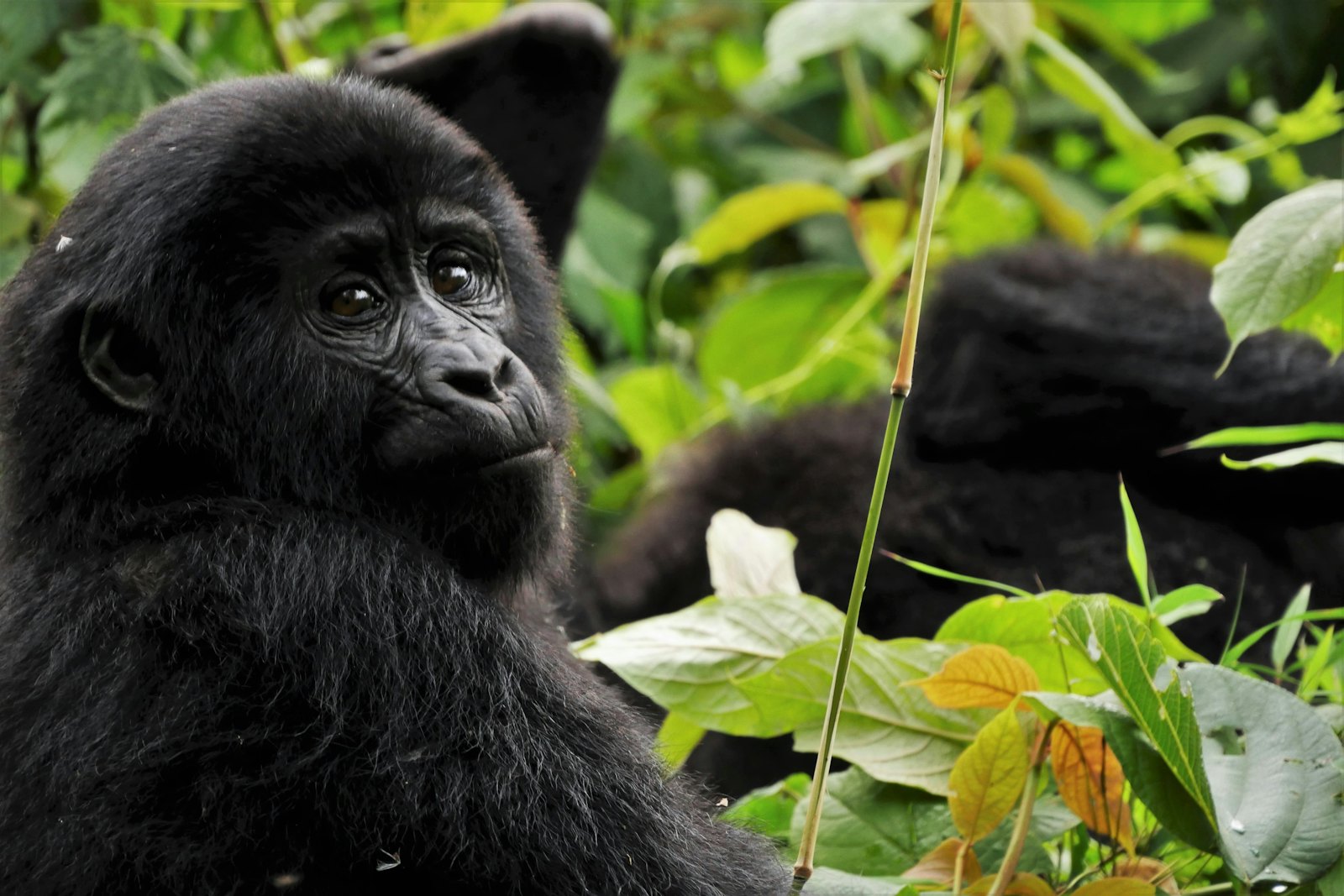
A steep, misty rainforest on Uganda's border with Congo, where you hike muddy ridges with rangers to spend one quiet hour with mountain gorillas. Best time to visit: June to August and December to February. Daily budget (budget traveller): $70 to $485 USD.
Travel to Buhoma
Morning: Take an early Aerolink flight from Entebbe to Kihihi, or the 6am bus from Kampala if you are on a tight budget and do not mind a very long day.
Afternoon: Transfer from Kihihi to Buhoma, which takes about 1.5-2 hours on dirt roads. Check in at Buhoma Community Rest Camp or a nearby lodge.
Evening: Coffee on the rest camp terrace as the mist comes down over the forest. Confirm your permit at the park office and get an early night.
Buhoma village and Ride 4 a Woman
Morning: Walk up through Buhoma village to Ride 4 a Woman to see the sewing workshop and ask about basket weaving or a cooking session.
Afternoon: Join the Batwa experience (around US$40) to hear how the Batwa lived in the forest before the park was created.
Evening: Lay out your boots, gaiters, gloves and rain jacket. Fill your water bottles and charge your camera before the evening power cut.
Gorilla trekking in Buhoma
Morning: Briefing at the park office at around 7.30am. Hire a porter, take a walking stick and set off with your ranger group.
Afternoon: Your hour with the gorillas could come before lunch or long after it. Eat your packed lunch on the trail, then walk back out.
Evening: Collect your trekking certificate, wash the mud off and swap stories with your group over dinner.
Heading home: For the airport or station, see Getting there in the full Bwindi guide.
What to eat in Bwindi
- Matoke: steamed and mashed green bananas, the everyday staple of southwest Uganda, usually served with beans or groundnut sauce
- Rolex: a chapati rolled around an omelette with cabbage and tomato, sold from roadside stalls in Kisoro, Kabale and Butogota for a few thousand shillings
- Groundnut sauce: a thick peanut stew eaten with matoke, sweet potato or posho at local cafés
- Irish potatoes and beans: the southwestern highlands grow huge amounts of potatoes, and you will find them in almost every local meal
- Luwombo: chicken or beef slow-steamed in banana leaves, sometimes offered by lodges as a special dinner
- Ugandan coffee: grown in the region and served at most lodges, with good beans sold in Buhoma craft shops
Hidden gems
- The terrace at Buhoma Community Rest Camp, a cheap place for coffee or a drink with monkeys and birds in the trees in front of you, even if you are not staying
- The tea estates along the road between Buhoma and Ruhija, where neat green rows run right up to the forest edge
- The view from the Nkuringo ridge in clear morning light, looking across the forest to the line of Virunga volcanoes
- Kisoro's market, which is busiest on market days, when traders come in from the hills with beans, potatoes and sorghum
- The Ivi River trail between Buhoma and Nkuringo, a long guided walk through the forest that some travellers use instead of the road between sectors. Check with the park office that it is running
Getting around
There is no public transport inside the park and no road through the forest. Moving between sectors means looping round the outside on dirt roads, roughly two hours from Buhoma to Ruhija, two to three hours from Ruhija to Rushaga and an hour to an hour and a half from Rushaga to Nkuringo via Rubuguri. Most visitors use a private driver or their lodge's transfer. A special hire car between sectors or from an airstrip costs roughly UGX 200,000-500,000 depending on distance, so ask your lodge for a quote. Boda-bodas (motorbike taxis) are cheap and everywhere, for example roughly UGX 15,000-30,000 from Butogota to Buhoma, but the roads are steep and slippery, and you should insist on a helmet. Shared minibus taxis link Kisoro, Kabale, Kihihi and Butogota, but they are slow and timings are loose. For the trek itself you just walk from your lodge or get dropped at the park office, though some families in Rushaga and Nkuringo start from other trailheads and need a drive. Arrange this the night before. Driving yourself is possible in a 4x4, but the roads are rough and badly signed, so most solo travellers hire a driver.
Safety
Bwindi is generally safe, and treks go out with armed rangers. The biggest risks are the roads, so avoid travelling after dark and choose a careful driver. The forest is close to the borders with the Democratic Republic of Congo and Rwanda, and there have been serious security incidents elsewhere in western Uganda in recent years, including an attack on tourists in Queen Elizabeth National Park in 2023. Check your government's travel advice before you go. Treks can be long, steep and muddy, at altitudes of roughly 1,200-2,600m, so hire a porter, wear proper boots and carry water. Gorillas can catch human illnesses, so you will be asked not to trek if you have a cold or flu. Keep 7m away, follow the rangers and never eat near the gorillas. Malaria is present in Uganda, so take advice on prophylaxis and use repellent. Uganda asks for proof of yellow fever vaccination. Medical care in the area is basic, with Bwindi Community Hospital near Buhoma, and serious cases go to Kampala, so get insurance that includes evacuation.
Frequently asked questions
What does this 3-day Bwindi itinerary cover?
Day 1: Travel to Buhoma. Day 2: Buhoma village and Ride 4 a Woman. Day 3: Gorilla trekking in Buhoma.
Is 3 days enough for Bwindi?
Our recommended trip length for Bwindi is 3 to 7 days. This 3-day plan focuses on the highlights and groups sights by area so you spend less time travelling between them.
How much does 3 days in Bwindi cost?
A budget traveller spends about $70 to $485 USD a day in Bwindi, so roughly $210 to $1,455 USD for 3 days, not counting flights.
Where should I stay for 3 days in Bwindi?
Buhoma: The northern sector and the park's original gorilla trekking base. Ruhija: A high, cool ridge in the east, at well over 2,000m.
When is the best time to visit Bwindi?
The best time to visit Bwindi is June to August and December to February.
How do I get around Bwindi?
There is no public transport inside the park and no road through the forest. Moving between sectors means looping round the outside on dirt roads, roughly two hours from Buhoma to Ruhija, two to three hours from Ruhija to Rushaga and an hour to an hour and a half from Rushaga to Nkuringo via Rubuguri.
Is Bwindi safe for solo travellers?
Bwindi is generally safe, and treks go out with armed rangers. The biggest risks are the roads, so avoid travelling after dark and choose a careful driver.
More 3-day guides
- Franschhoek in 3 days
- Hermanus in 3 days
- Stellenbosch in 3 days
- Swakopmund in 3 days
- Diani Beach in 3 days
- Djerba in 3 days
- Etosha National Park in 3 days
- Garden Route (Knysna) in 3 days
Bwindi in 2 days | Bwindi in 4 days | Bwindi in 5 days | Bwindi in 7 days | Full Bwindi guide
Joy Plus home | Destinations | Itineraries | Activities | Flights | Budget planner | Calendar | Map | Blog | Lifetime access