Destinations / South America
Cafayate, Argentina travel guide
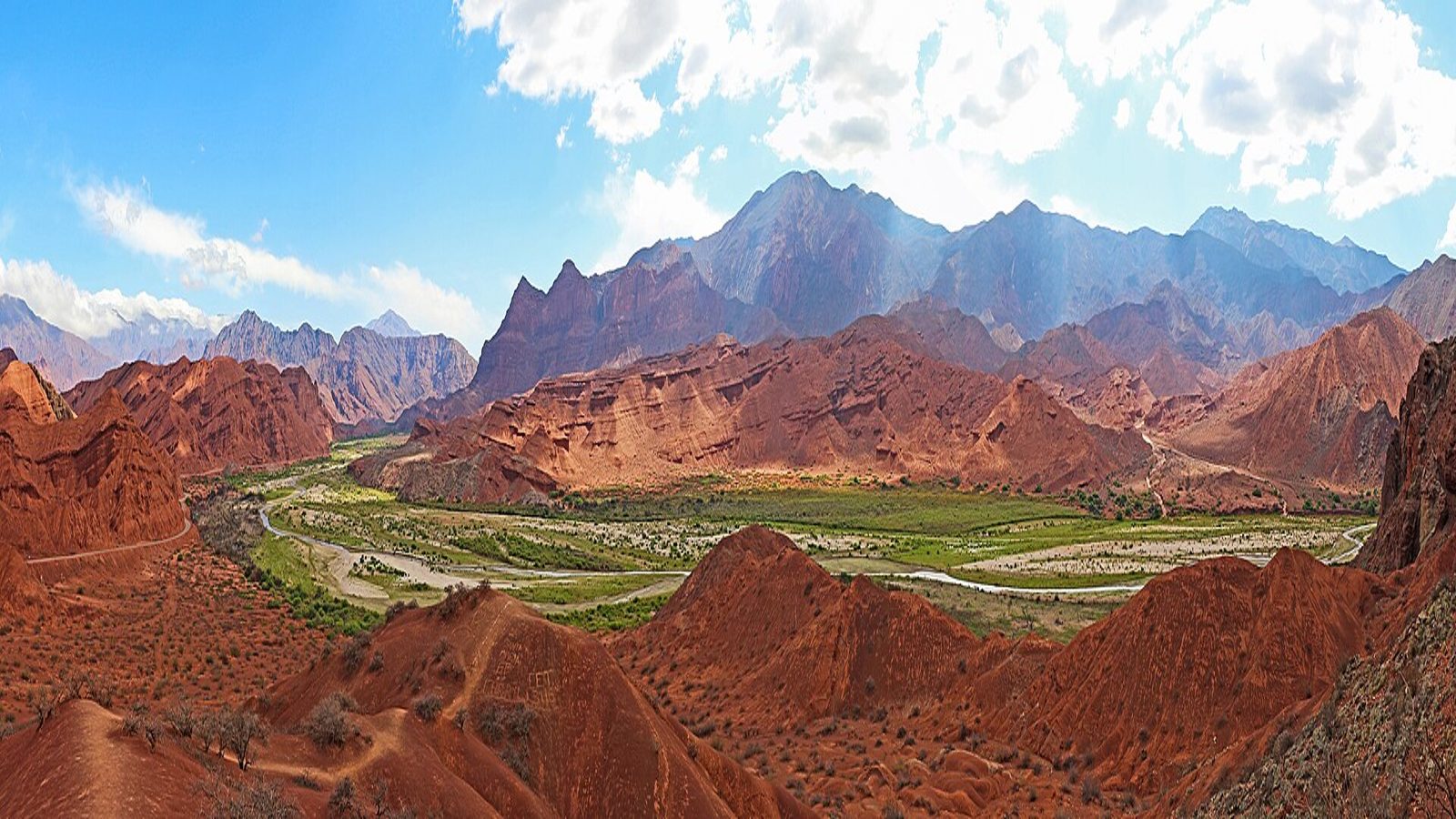
A small, sunny wine town high in the Calchaquí Valleys of northwest Argentina. You cycle between vineyards, taste crisp Torrontés, hike to red-rock waterfalls and ride the bus through the striking canyon of the Quebrada de las Conchas.
- Best time to visit: March to May and September to November
- Daily budget (budget traveller): $40 to $160 USD
- Ideal trip length: 3 to 5 days
Cafayate sits at about 1,660m in the Calchaquí Valleys of Salta province, roughly 190km south of the city of Salta. The bus takes three and a half to four hours, and the last part of the ride runs through the Quebrada de las Conchas, a canyon of red and ochre rock. The town itself is low and laid back. It is built around a leafy main square with a yellow cathedral, and vineyards start a few blocks from the centre. This is one of the highest wine regions in the world, best known for Torrontés, a floral white wine, and several wineries are close enough to reach on foot or by bike. Beyond the vines you can hike to the Río Colorado waterfalls, watch the sun set over sand dunes and visit the Quilmes ruins, the largest pre-Hispanic settlement in Argentina. The sun shines most days of the year, so the light is fierce and the nights get cold. Cafayate gets busy during Argentine holidays, especially in July, January and over Easter. Cheap hostels, empanadas for a few dollars and free canyon scenery still make it an easy and good-value stop for a solo traveller.
Cafayate is the wine capital of Salta province and the main town of the southern Calchaquí Valleys. It is a grid of low adobe and brick houses with about 15,000 people, set between bare mountains, with vineyards pressed right up against the streets. The altitude, dry air and long hours of sun make it one of the highest wine regions in the world. It is best known for Torrontés, a floral white, but high-altitude Malbec and Tannat are worth tasting too. Most visitors arrive on a long day tour from Salta and see one winery and a few canyon viewpoints. Stay a few nights and you get the better version: the square at breakfast, a bike ride through the vines, a waterfall hike and an empanada dinner with folk music. Argentina is no longer the bargain it once was, but hostel beds, cheap street food and free scenery keep Cafayate easy on a solo budget.
Getting here is simple. Fly to Salta, then take a Flecha Bus for three and a half to four hours through the Quebrada de las Conchas, with fares from around $22-25 USD. Buses also run south to Tafí del Valle and Tucumán, passing the turn-off for the Quilmes ruins. Once you are here, walk. The square, the bus terminal, the Wine Museum and a handful of wineries are all within 15 minutes of each other. Base yourself near the square for restaurants and the bus, or on Avenida Güemes Norte to be next to the bodegas. Hire a bike for the vineyards, take a remise to the waterfall trailhead and the dunes, and join a tour or catch a bus for the canyon.
Timing shapes the trip. Autumn and spring bring warm days, cool nights and calm wineries. Summer is hot, with storms that can close roads and flood the gorges, though it also brings the harvest and the Serenata a Cafayate folk festival, usually in late February. Winter is dry and bright with freezing nights, and July fills up with Argentine families on holiday. Cafayate is safe and relaxed, and some English is spoken at the bigger wineries and hostels, but basic Spanish helps a lot. Evenings mean peñas and wine bars rather than clubs. If you want big-city nightlife, stay in Salta. If you want a glass of Torrontés under the vines and red canyons on your doorstep, come here.
How many days in Cafayate?
For Cafayate, we recommend 3 to 5 days.
| Trip length | What you'll see | Itinerary |
|---|---|---|
| 2 days | Town wineries on foot | Cafayate in 2 days |
| 3 days · Recommended | Adds: Río Colorado waterfalls | Cafayate in 3 days |
| 4 days · Recommended | Adds: Quebrada de las Conchas | Cafayate in 4 days |
| 5 days · Recommended | Adds: Quilmes ruins and Amaicha | Cafayate in 5 days |
| 7 days | Adds: Ruta 40 and the Quebrada de las Flechas | Cafayate in 7 days |
Cafayate itinerary
Arrive and find your feet
Morning: Take a morning Flecha Bus from Salta through the Quebrada de las Conchas (about 3.5 to 4 hours). Sit on the right-hand side for the best canyon views.
Afternoon: Drop your bag and walk to Plaza 20 de Febrero and the cathedral. Spend an hour in the Museo de la Vid y el Vino, then try a wine sorbet at Heladería Miranda.
Evening: Browse the craft stalls on the square, then eat empanadas and humitas at La Casa de las Empanadas or a nearby peña.
Town wineries on foot
Morning: Walk up Avenida Güemes Norte to Vasija Secreta and El Esteco for a tour and tasting. Book El Esteco ahead at weekends.
Afternoon: Rest through the hottest hours, then visit Bodega Nanni near the square for organic wines on a shady patio.
Evening: Dinner on the square with a glass of Torrontés, and live folk music if a peña is on.
Río Colorado waterfalls
Morning: Take a remise or cycle to the Río Colorado trailhead early. Hire a local guide and hike up the gorge to the falls and pools (2 to 4 hours return).
Afternoon: Back in town for a late lunch of locro or tamales and a siesta. Wash the red dust off your shoes.
Evening: Cycle or take a remise to Los Médanos dunes for sunset. Bring a warm layer for the way back.
Quebrada de las Conchas
Morning: Join a morning canyon tour, or take the Salta bus and ask to be dropped at the Garganta del Diablo. Walk into the gorge and the Anfiteatro before the heat.
Afternoon: On a tour, stop at Los Castillos, El Sapo and the Tres Cruces viewpoint. If you are on your own, flag down a bus back to Cafayate and confirm the timetable first.
Evening: Treat yourself to a sit-down dinner of cabrito and goat cheese with a valley Malbec.
Quilmes ruins and Amaicha
Morning: Take an early bus towards Tafí del Valle to the Quilmes turn-off, or book a transfer. Climb the terraces at the ruins (ARS 12,000, cash or transfer).
Afternoon: Continue to Amaicha del Valle to see its Pachamama museum and have lunch, then catch a bus back to Cafayate.
Evening: An easy night with a picnic of bread, cheese and a bottle of Torrontés at your hostel.
Ruta 40 and the Quebrada de las Flechas
Morning: Join a tour or drive north on Ruta 40 through San Carlos and Angastaco. Parts of the road are gravel.
Afternoon: Walk among the jagged, tilted rock fins of the Quebrada de las Flechas, then head back via the vineyards at Angastaco.
Evening: Back in Cafayate for a farewell dinner and a last peña.
Slow morning and depart
Morning: Cycle out to a goat cheese farm or a small winery on the Yacochuya road, or simply have breakfast on the square.
Afternoon: Buy wine and a woven blanket at the Paseo de los Artesanos, then catch an afternoon bus to Salta. Check times the day before.
Evening: Arrive in Salta for the night, or carry on north to Jujuy and Humahuaca.
Best neighbourhoods
- Plaza 20 de Febrero and the centre: The heart of Cafayate, set around a shady square with the cathedral, the craft market, cafés and most of the restaurants. The bus terminal, tour agencies and bike hire shops are all a few blocks away. Weekend peñas with folk music can run late, so choose a room on a quieter side street if you sleep lightly.
- Avenida Güemes Norte: The main road north out of town, lined with wineries such as Vasija Secreta and El Esteco, plus a few hotels and guesthouses. You can walk from your bed to a tasting in minutes and still reach the square in 10. Expect some traffic noise near the road.
- South side and the Wine Museum: The blocks south of the square around the Museo de la Vid y el Vino are mostly residential, with family-run guesthouses, cabañas and small restaurants. It is calmer than the centre and handy for the road towards the Río Colorado waterfalls and Ruta 40 south.
- Camino a Yacochuya: A quiet road climbing west from town into the foothills, with vineyards, boutique wineries and a few rural lodges with big views over the valley. It is beautiful at sunset, but you will need a bike, a taxi or a car to get into town for dinner.
- Vineyard estates on Ruta 40: South of town, estates such as La Estancia de Cafayate offer upmarket villas and hotels set among the vines, some with a golf course and spa. They suit a splurge or a slow stay, but the centre is a few kilometres away, so plan on taxis.
Must-do experiences
- Taste Torrontés at the town wineries: Several bodegas sit within walking distance of the square, including Nanni, Vasija Secreta and El Esteco. Smaller places sometimes offer a short tour and tasting for free or very little, while bigger wineries charge roughly $10 to $40 USD, more with a cheese board. Most close over lunch, so go in the morning or late afternoon.
- Visit the Museo de la Vid y el Vino: This modern museum south of the square explains winemaking in the valley with light, sound and even smells. Foreign visitors pay more than Argentines, usually the equivalent of a few dollars, but check the current price at the door. It is a good first stop before the wineries and a cool place to spend a hot afternoon.
- Hike to the Río Colorado waterfalls: About 6km south-west of town, a trail follows a red-rock gorge up to a chain of waterfalls and pools. Local guides wait at the trailhead and ask a small fee, and they are worth it for the higher falls, where you scramble and wade. Go early, wear shoes that can get wet and skip it after heavy rain.
- Ride through the Quebrada de las Conchas: Ruta 68 north of town cuts through a canyon of red, orange and green rock with formations called El Sapo, Los Castillos and the Anfiteatro. It is free to visit. Take a half-day tour from Cafayate, or ask the Salta bus to drop you at the Garganta del Diablo and flag one down on the way back.
- Cycle between the vineyards: Hire a bike near the square for a few dollars an hour and pedal out along the flat roads to wineries on the edge of town and up towards Yacochuya. Start early, carry plenty of water and keep tastings small. The midday sun at this altitude is hard work.
- See the Quilmes ruins: About 50km south in Tucumán province, terraced stone walls climb a hillside where the Quilmes people resisted the Spanish for more than a century. Foreign visitors pay ARS 12,000 (around $8-9 USD), and the visit takes about two hours. Pay in cash or by transfer, as cards may not be accepted.
- Watch sunset from Los Médanos: A few kilometres north of town on Ruta 68, pale sand dunes rise beside the road with the mountains behind them. It is free and at its best in the last hour of light. Go by bike, taxi or on the way back from a canyon tour, and bring a warm layer for the ride home.
Hidden gems
- Bodega Nanni, a small organic family winery just off the square, with a quiet patio where you can taste without booking a big tour
- The Paseo de los Artesanos on the square, where weavers and silversmiths from the valley sell ponchos, blankets and jewellery at fairer prices than the souvenir shops
- Wine ice cream at Heladería Miranda, where Torrontés and Cabernet sorbets are a local habit rather than a gimmick
- The rock art on the Cerro San Isidro and Divisadero trails west of town, best visited with a local guide who knows where to look
- The Pucará de Tolombón, a little-visited hilltop archaeological site south of town on Ruta 40, a quieter taste of the history you see at Quilmes
Daily budget
- Accommodation: budget $10-18 / night (hostel dorm), mid-range $50-100 (guesthouse, cabaña or 3-star hotel), splurge $250+ (vineyard hotel such as Patios de Cafayate). Prices rise in July, January, over Easter and at the Serenata in February. Book early for those dates, especially single rooms. Many hostels include breakfast.
- Food: budget $12-20 / day (bakery breakfast, empanadas, market picnic), mid-range $25-45 (café lunch and a sit-down dinner with wine), splurge $70+ (winery lunch or tasting menu with pairings). Empanadas cost a couple of dollars each, and restaurant mains are roughly $10-20. Peso prices change often, so treat these as rough guides.
- Transport: budget $0-5 / day (walking, bike hire), mid-range $10-30 (remises and a local bus), splurge $75-115 (private Quebrada de las Conchas tour). The Salta bus starts at around ARS 33,500 (about $22-25 USD) each way. Shared canyon tours cost roughly $25-60, while private ones start at around $75.
- Activities: budget $0-10 / day (canyon, dunes, small free tastings), mid-range $15-40 (Wine Museum, paid tastings, waterfall guide), splurge $60+ (premium tastings, private guided hikes). Quilmes costs ARS 12,000 (around $8-9 USD) for foreigners, so bring cash. Bigger wineries charge roughly $10-40 for a tasting, and some ask you to book.
- Drinks & nightlife: budget $3-8 (a glass of Torrontés or a beer), mid-range $15-30 (a peña night with wine and food), splurge $50+ (good bottles at a vineyard restaurant). A coffee costs about $2. Nightlife here means peñas with folk music and wine bars around the square, and some peñas add a small cover charge.
Where to stay
- Social hostel in Centre, near the square ($10-18 / night (dorm)): Rusty-K Hostal is a long-running, friendly hostel in an old family house with a garden and grapevines, a few blocks from the square. It is a good place to share bike rides and tours with other travellers.
- Boutique hotel in Centre ($80-150 / night): Small boutique hotels such as Killa Cafayate sit a short walk from the square, with patios, mountain views and a calm feel. Restaurants, the bus and town wineries are all on foot.
- Apartment in South side and the edge of town ($40-90 / night): Cabañas and small apartments give you a kitchen and often a garden, which is good for longer stays. Check the distance to the square and whether the place has heating for winter nights.
- Splurge in Avenida Güemes Norte ($250-450+ / night): Patios de Cafayate is a colonial-style estate set in the El Esteco vineyards, with a spa and pool. It is a 15-minute walk from the square, so you get vineyard luxury and the town in one stay.
What to eat
- Empanadas salteñas: small, juicy beef and potato empanadas, baked in a clay oven, from places such as La Casa de las Empanadas for a couple of dollars each
- Humita en chala and tamales: sweetcorn and ground meat parcels steamed in corn husks, a cheap and filling local lunch
- Locro: a thick stew of maize, beans, squash and meat, best on cold winter days and often served at peñas
- Cabrito and goat cheese: roast kid from the valley and soft or aged cheeses from local goat farms, good with a glass of red
- Torrontés: the floral, dry white wine of Cafayate, plus high-altitude Malbec and Tannat, at a few dollars a glass in town
- Wine sorbet at Heladería Miranda, then a cheap coffee and medialunas on the square for breakfast
Day trips
- Quebrada de las Conchas (Starts about 6km north of Cafayate, with the Garganta del Diablo around 50km away): A canyon of red, orange and green rock along Ruta 68, with natural amphitheatres, rock towers and viewpoints. It is free and one of the most striking drives in Argentina. Take a half-day tour from Cafayate, or ride the Salta bus and ask to be dropped at the Garganta del Diablo, then flag one back. Bring water and sun protection, as there is little shade.
- Ruinas de Quilmes and Amaicha del Valle (About 50km south, around an hour by road): Stone terraces and walls of the largest pre-Hispanic settlement in Argentina, with a small interpretation centre. Combine it with Amaicha del Valle and its Pachamama museum. Take a bus towards Tafí del Valle to the Quilmes turn-off, then walk about 5km or take a remise. Tours and transfers from Cafayate are easier. Entry is ARS 12,000 for foreigners.
- Quebrada de las Flechas and Cachi (About 90km north to the Flechas, roughly 160km to Cachi): Jagged, tilted rock fins near Angastaco, then the whitewashed colonial village of Cachi beneath snowy peaks. It is a long but spectacular trip up Ruta 40. Join a tour or hire a car, as buses are infrequent and parts of Ruta 40 are gravel. Leave early and consider staying overnight in Cachi rather than coming back the same day.
When to visit
- Autumn (March - May): 20-27°C by day, 5-12°C at night, mostly dry and sunny. Crowds: Moderate, busy over Easter. Arguably the best time. The harvest finishes, vineyards turn gold, roads are dry and the waterfalls are still flowing well.
- Winter (June - August): 17-21°C by day, often near 0°C at night, very dry. Crowds: Quiet, except for the July school holidays. Clear skies and cheap rooms outside July. Pack warm layers for nights and check that your room has heating.
- Spring (September - November): 24-30°C by day, cool nights, windy afternoons. Crowds: Low to moderate. Great for cycling and hiking in the mornings. The vines leaf out, prices are fair and storms have not yet arrived.
- Summer (December - February): 28-35°C, hot days with afternoon storms. Crowds: Busy in January and during the Serenata in February. Lively and green, with the harvest starting. Storms can cut Ruta 68 and make gorge hikes risky, so stay flexible.
Entry rules for your passport
Visa rules for Argentina depend on the passport you travel on. Check the official source before you book: Argentina Ministry of Foreign Affairs
Getting there
There is no commercial airport in Cafayate. The nearest is Salta, about 190km north, with flights from Buenos Aires and some other Argentine cities. From the Salta bus terminal, Flecha Bus runs several times a day to Cafayate. The trip takes roughly three and a half to four hours, and fares start at around ARS 33,500 (about $22-25 USD). Book ahead in July, January and over Easter. From Tucumán, buses run via Tafí del Valle and Amaicha in around six to seven hours, passing the turn-off for the Quilmes ruins. Day tours from Salta stop in Cafayate, but they leave little time on the ground. If you drive, hire a car in Salta and take paved Ruta 68 through the Quebrada de las Conchas, stopping at the viewpoints on the way. Coming from Cachi, Ruta 40 has long gravel sections and few fuel stations, so fill up when you can and allow a full day.
Getting around
Cafayate is small and flat, so you will walk most of the time. From the bus terminal to the square takes around five minutes, and the wineries on Avenida Güemes Norte are 10 to 15 minutes on foot. Bikes are the best way to reach vineyards on the edge of town. Agencies around the square hire them out for a few dollars an hour, and some hostels lend them free. Remises (local taxis) are cheap and useful for the Río Colorado trailhead, Los Médanos or a late return from Yacochuya. Agree the price before you set off, and ask your accommodation for a reliable number. For the Quebrada de las Conchas, tours from Cafayate run every day, or you can take a Flecha Bus towards Salta and ask to be dropped at the Garganta del Diablo. Buses towards Tafí del Valle and Tucumán pass the turn-off for Quilmes. Public transport up Ruta 40 to Angastaco and Cachi is limited, so most people take a tour or hire a car in Salta. Ruta 68 is paved, but parts of Ruta 40 north are gravel.
Safety
Cafayate is a safe, quiet town, and crime against visitors is rare. Keep an eye on your phone and bag in the busy square during holidays and at night-time peñas. The real risks come from the environment. At over 1,600m, the sun is strong all year, so wear sunscreen, a hat and sunglasses and drink far more water than you think you need. Between December and March, storms can cause flash floods in the gorges and landslides on Ruta 68, so do not hike the Río Colorado or the canyons after heavy rain. Cycling on Ruta 68 means sharing a road with no hard shoulder with trucks and buses, so ride early, wear bright colours and stay off it after tastings. Nights get cold, especially from May to August. Tap water is treated, but many visitors stick to filtered or bottled water. In an emergency, call 911 for police and 107 for an ambulance. Since mid-2025, Argentina has required visitors to declare that they have health insurance, so travel with a policy that includes medical cover and evacuation.
Solo travel tips
- Stay near the square: You can walk to the bus terminal, the wineries and dinner, and you will not need a remise at night. Pick a side street if the weekend peñas would keep you awake.
- Work around lunch: Wineries, shops and tour offices often close in the early afternoon and reopen later. Do your tastings and hikes in the morning and save the hottest hours for a siesta.
- Watch the summer weather: From December to March, storms can close Ruta 68 and flood the gorges. Keep a spare day, check the forecast and ask locals before hiking the Río Colorado.
- Eat cheaply like a local: Empanadas, humitas and a market picnic keep food costs low. Save one big dinner or winery lunch for cabrito and a good bottle.
- Safety for solo travellers: The main risks are sun, dehydration, flash floods and cycling on busy roads. Hike with a guide or other people, carry water and take a remise rather than riding home in the dark after tastings.
- Meet people on a tour or at a peña: Shared canyon and Quilmes tours are an easy way to meet other travellers. Hostel patios and folk music nights at peñas are also good places to start a conversation.
Cultural etiquette
- Greet people with 'buen día' or 'buenas tardes' and say 'gracias'. A friendly greeting before any question goes a long way in small towns.
- Expect a slower pace. Many shops close in the early afternoon, and dinner rarely starts before 9pm.
- Dress modestly in the cathedral and churches, and keep your voice down if a service is on.
- Respect Indigenous sites such as Quilmes. Stay on the paths, do not climb the walls and listen to the community guides.
- Ask before photographing people, especially craftspeople and older locals at the market.
- Leave around 10% for good table service in restaurants. Some places add a small cubierto (cover charge) for bread.
- Drink in moderation at tastings, and never cycle or drive after several glasses.
Frequently asked questions
How do I get to Cafayate and from the bus terminal to my room?
Most people fly into Salta and take a Flecha Bus from the Salta terminal. The journey takes roughly three and a half to four hours, and fares start at around ARS 33,500 (about $22-25 USD) one way. There are several departures a day, but book a day or two ahead in July, January and over Easter. The bus terminal is a few blocks from the main square, so almost everywhere in town is a short walk away. If you are staying out on the Yacochuya road or a vineyard estate, take a remise.
How many days do I need in Cafayate?
Two nights covers the town, a few wineries and the Quebrada de las Conchas. Three to five nights lets you add the Río Colorado waterfalls, a bike day in the vineyards and a trip to the Quilmes ruins. A week works if you want to slow right down or add the Quebrada de las Flechas and Cachi up Ruta 40.
When is the best time to visit Cafayate?
March to May and September to November are the sweet spot, with warm days, cool nights and fewer crowds. The harvest runs from February into April. December to February is hot, with afternoon storms that can close Ruta 68 or flood the gorges. June to August brings sunny days but nights near freezing, and July is busy with Argentine winter holidays.
Do I need a car in Cafayate?
No. The town and the main wineries are walkable, bikes cover the vineyards on the edge of town, and tours or the Salta bus take you through the Quebrada de las Conchas. A car helps most for the Quebrada de las Flechas, Angastaco and Cachi, where buses are scarce. If you hire one in Salta, note that parts of Ruta 40 north are gravel and fuel stations are few.
Can I visit the wineries without a tour?
Yes. Nanni, Vasija Secreta, El Esteco and a few others are within walking distance of the square, and you can cycle to the rest. Many open in the morning and again in the late afternoon, with a lunch break in between. At weekends and in high season, book tastings at the bigger wineries. Small tastings are cheap or free, while premium ones with food cost more.
How do I get to the Quilmes ruins?
Take a bus heading towards Tafí del Valle or Tucumán and ask to be dropped at the Quilmes turn-off on Ruta 40. From there it is about 5km to the site, so walk early, hitch a ride or arrange a remise. Day tours and private transfers from Cafayate are easier. Foreign visitors pay ARS 12,000 (around $8-9 USD), so bring cash in case cards are not accepted, and allow two hours on site.
Is Cafayate safe for solo female travellers?
Yes. It is a small, friendly town where locals are used to visitors, and the centre stays lively in the evening. Take normal care with drinks at peñas, use a remise rather than walking back from vineyards on dark roads, and hike the Río Colorado with a guide or other people rather than alone.
What entry rules apply to Argentina in 2026?
Citizens of the UK, US, EU, Canada, Australia and many other countries can visit Argentina visa-free for up to 90 days. Under Decree 366/2025, every foreign visitor signs a sworn declaration on entry stating the purpose of the trip and that they have health insurance, so carry proof of a travel medical policy. Since August 2026, national public hospitals can ask non-residents to show insurance or pay upfront for non-emergency care. Check the rules with the Argentine immigration service and your own government's travel advice before you go.
Tours and activities in Cafayate | Cafayate in 2 days | Cafayate in 3 days | Cafayate in 4 days | Cafayate in 5 days | Cafayate in 7 days
Joy Plus home | Destinations | Itineraries | Activities | Flights | Budget planner | Calendar | Map | Blog | Lifetime access