Cafayate in 4 days
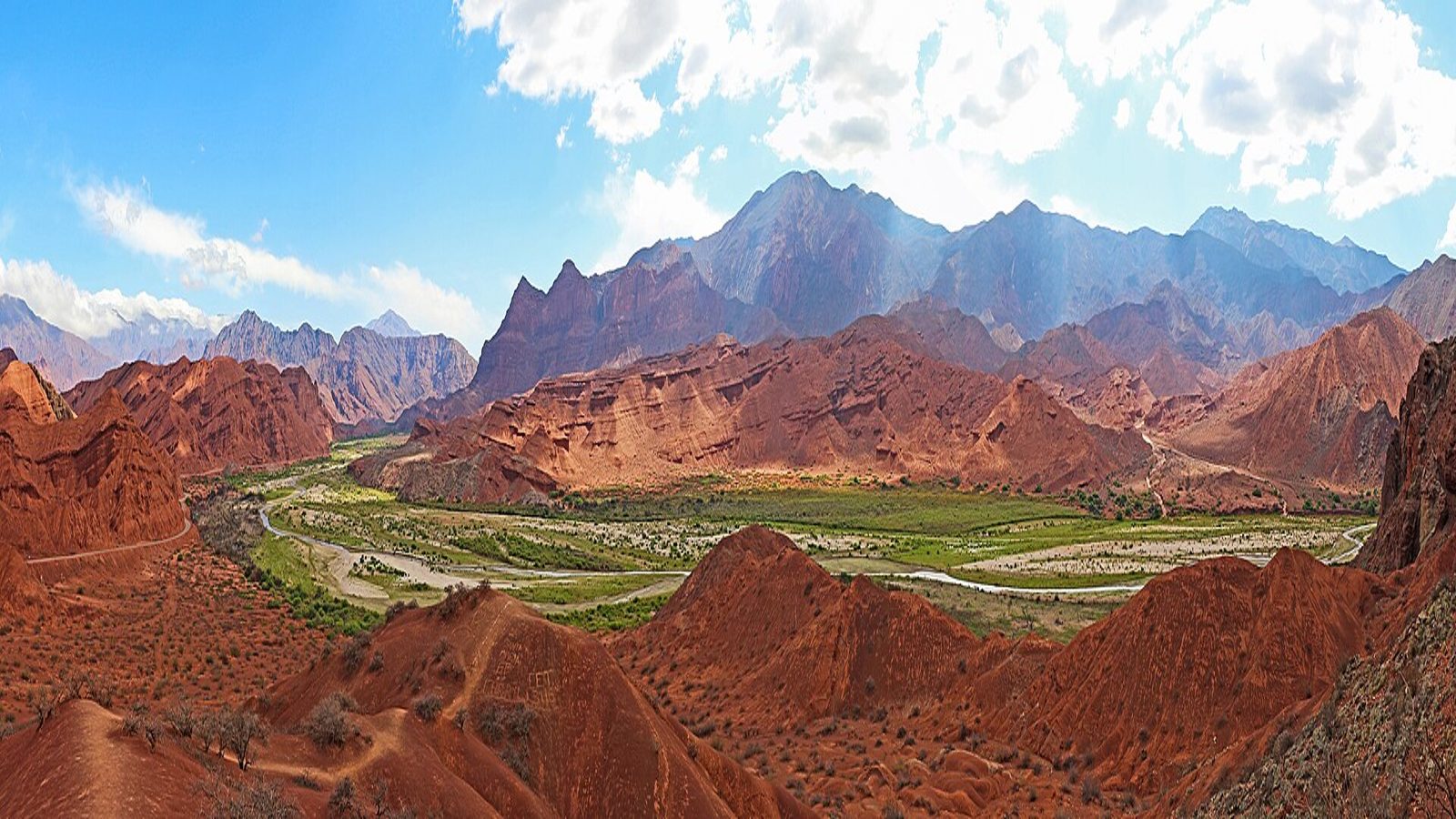
A small, sunny wine town high in the Calchaquí Valleys of northwest Argentina. You cycle between vineyards, taste crisp Torrontés, hike to red-rock waterfalls and ride the bus through the striking canyon of the Quebrada de las Conchas. Best time to visit: March to May and September to November. Daily budget (budget traveller): $40 to $160 USD.
Arrive and find your feet
Morning: Take a morning Flecha Bus from Salta through the Quebrada de las Conchas (about 3.5 to 4 hours). Sit on the right-hand side for the best canyon views.
Afternoon: Drop your bag and walk to Plaza 20 de Febrero and the cathedral. Spend an hour in the Museo de la Vid y el Vino, then try a wine sorbet at Heladería Miranda.
Evening: Browse the craft stalls on the square, then eat empanadas and humitas at La Casa de las Empanadas or a nearby peña.
Town wineries on foot
Morning: Walk up Avenida Güemes Norte to Vasija Secreta and El Esteco for a tour and tasting. Book El Esteco ahead at weekends.
Afternoon: Rest through the hottest hours, then visit Bodega Nanni near the square for organic wines on a shady patio.
Evening: Dinner on the square with a glass of Torrontés, and live folk music if a peña is on.
Río Colorado waterfalls
Morning: Take a remise or cycle to the Río Colorado trailhead early. Hire a local guide and hike up the gorge to the falls and pools (2 to 4 hours return).
Afternoon: Back in town for a late lunch of locro or tamales and a siesta. Wash the red dust off your shoes.
Evening: Cycle or take a remise to Los Médanos dunes for sunset. Bring a warm layer for the way back.
Quebrada de las Conchas
Morning: Join a morning canyon tour, or take the Salta bus and ask to be dropped at the Garganta del Diablo. Walk into the gorge and the Anfiteatro before the heat.
Afternoon: On a tour, stop at Los Castillos, El Sapo and the Tres Cruces viewpoint. If you are on your own, flag down a bus back to Cafayate and confirm the timetable first.
Evening: Treat yourself to a sit-down dinner of cabrito and goat cheese with a valley Malbec.
Heading home: For the airport or station, see Getting there in the full Cafayate guide.
What to eat in Cafayate
- Empanadas salteñas: small, juicy beef and potato empanadas, baked in a clay oven, from places such as La Casa de las Empanadas for a couple of dollars each
- Humita en chala and tamales: sweetcorn and ground meat parcels steamed in corn husks, a cheap and filling local lunch
- Locro: a thick stew of maize, beans, squash and meat, best on cold winter days and often served at peñas
- Cabrito and goat cheese: roast kid from the valley and soft or aged cheeses from local goat farms, good with a glass of red
- Torrontés: the floral, dry white wine of Cafayate, plus high-altitude Malbec and Tannat, at a few dollars a glass in town
- Wine sorbet at Heladería Miranda, then a cheap coffee and medialunas on the square for breakfast
Hidden gems
- Bodega Nanni, a small organic family winery just off the square, with a quiet patio where you can taste without booking a big tour
- The Paseo de los Artesanos on the square, where weavers and silversmiths from the valley sell ponchos, blankets and jewellery at fairer prices than the souvenir shops
- Wine ice cream at Heladería Miranda, where Torrontés and Cabernet sorbets are a local habit rather than a gimmick
- The rock art on the Cerro San Isidro and Divisadero trails west of town, best visited with a local guide who knows where to look
- The Pucará de Tolombón, a little-visited hilltop archaeological site south of town on Ruta 40, a quieter taste of the history you see at Quilmes
Getting around
Cafayate is small and flat, so you will walk most of the time. From the bus terminal to the square takes around five minutes, and the wineries on Avenida Güemes Norte are 10 to 15 minutes on foot. Bikes are the best way to reach vineyards on the edge of town. Agencies around the square hire them out for a few dollars an hour, and some hostels lend them free. Remises (local taxis) are cheap and useful for the Río Colorado trailhead, Los Médanos or a late return from Yacochuya. Agree the price before you set off, and ask your accommodation for a reliable number. For the Quebrada de las Conchas, tours from Cafayate run every day, or you can take a Flecha Bus towards Salta and ask to be dropped at the Garganta del Diablo. Buses towards Tafí del Valle and Tucumán pass the turn-off for Quilmes. Public transport up Ruta 40 to Angastaco and Cachi is limited, so most people take a tour or hire a car in Salta. Ruta 68 is paved, but parts of Ruta 40 north are gravel.
Safety
Cafayate is a safe, quiet town, and crime against visitors is rare. Keep an eye on your phone and bag in the busy square during holidays and at night-time peñas. The real risks come from the environment. At over 1,600m, the sun is strong all year, so wear sunscreen, a hat and sunglasses and drink far more water than you think you need. Between December and March, storms can cause flash floods in the gorges and landslides on Ruta 68, so do not hike the Río Colorado or the canyons after heavy rain. Cycling on Ruta 68 means sharing a road with no hard shoulder with trucks and buses, so ride early, wear bright colours and stay off it after tastings. Nights get cold, especially from May to August. Tap water is treated, but many visitors stick to filtered or bottled water. In an emergency, call 911 for police and 107 for an ambulance. Since mid-2025, Argentina has required visitors to declare that they have health insurance, so travel with a policy that includes medical cover and evacuation.
Frequently asked questions
What does this 4-day Cafayate itinerary cover?
Day 1: Arrive and find your feet. Day 2: Town wineries on foot. Day 3: Río Colorado waterfalls. Day 4: Quebrada de las Conchas.
Is 4 days enough for Cafayate?
Yes, 4 days is a good length for Cafayate. We recommend 3 to 5 days.
How much does 4 days in Cafayate cost?
A budget traveller spends about $40 to $160 USD a day in Cafayate, so roughly $160 to $640 USD for 4 days, not counting flights.
Where should I stay for 4 days in Cafayate?
Plaza 20 de Febrero and the centre: The heart of Cafayate, set around a shady square with the cathedral, the craft market, cafés and most of the restaurants. Avenida Güemes Norte: The main road north out of town, lined with wineries such as Vasija Secreta and El Esteco, plus a few hotels and guesthouses.
When is the best time to visit Cafayate?
The best time to visit Cafayate is March to May and September to November.
How do I get around Cafayate?
Cafayate is small and flat, so you will walk most of the time. From the bus terminal to the square takes around five minutes, and the wineries on Avenida Güemes Norte are 10 to 15 minutes on foot.
Is Cafayate safe for solo travellers?
Cafayate is a safe, quiet town, and crime against visitors is rare. Keep an eye on your phone and bag in the busy square during holidays and at night-time peñas.
More 4-day guides
- Buenos Aires in 4 days
- Mendoza in 4 days
- Ushuaia in 4 days
- Córdoba in 4 days
- Bariloche in 4 days
- Rosario in 4 days
- El Calafate in 4 days
- Salta in 4 days
Cafayate in 2 days | Cafayate in 3 days | Cafayate in 5 days | Cafayate in 7 days | Full Cafayate guide
Joy Plus home | Destinations | Itineraries | Activities | Flights | Budget planner | Calendar | Map | Blog | Lifetime access