Destinations / Africa
Cairo, Egypt travel guide
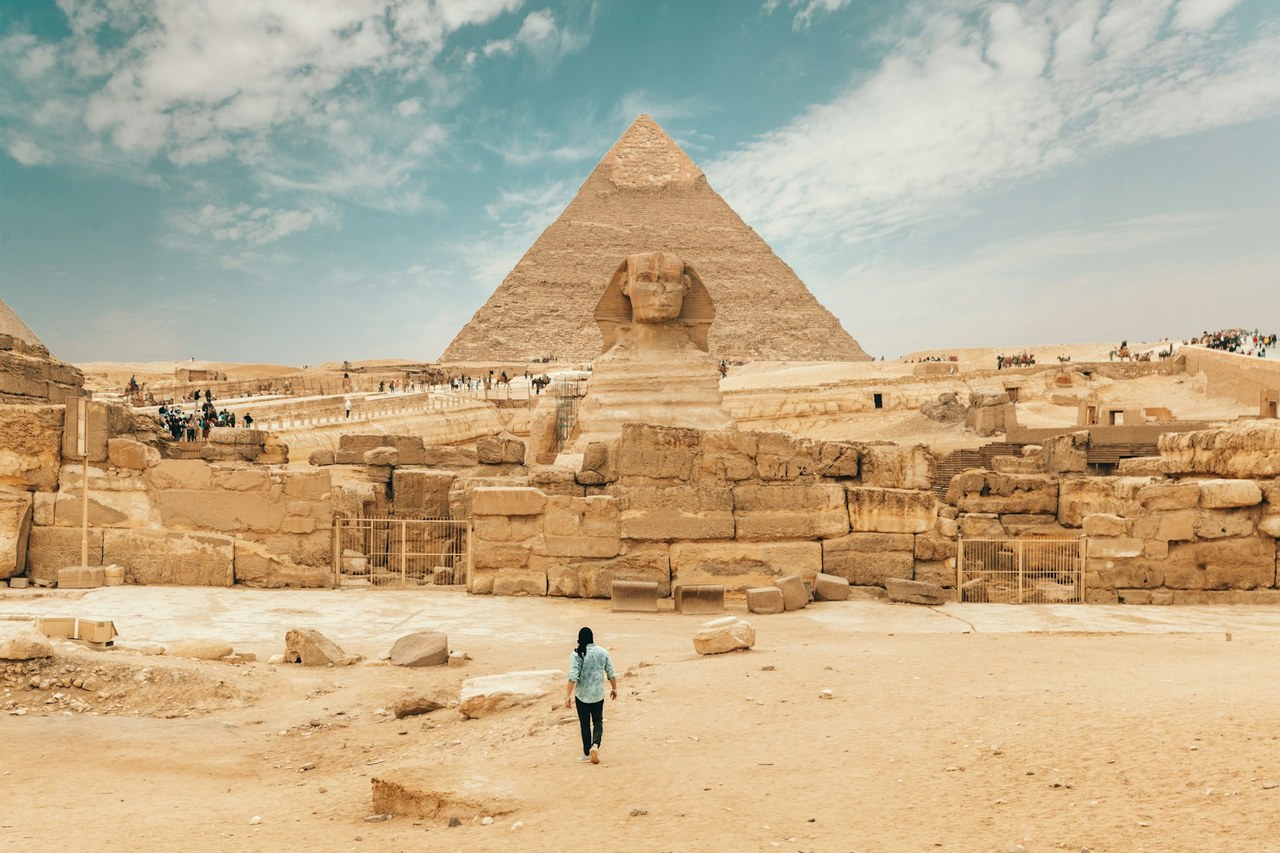
Pyramids, the Nile, and 5,000 years of history in the loudest, most alive city in Africa.
- Best time to visit: October-April (cooler, less brutal heat)
- Daily budget (budget traveller): $30 to $55 USD
- Ideal trip length: 3 to 4 days
Cairo is overwhelming on purpose - 22 million people, the only surviving ancient wonder on its doorstep, and a Nile that has carried civilisation for millennia. Joy Plus gets you to the Pyramids of Giza before the tour buses, into the new Grand Egyptian Museum on the right day, and through Islamic Cairo and Khan el-Khalili without the relentless touts running your schedule.
Cairo is not a city you visit so much as one you survive happily. Roughly 22 million people share a metro area where the horns never stop, the call to prayer rolls across the rooftops five times a day, and a 4,500-year-old pyramid sits at the end of a suburban street. That pyramid is the only ancient wonder still standing. Since the Grand Egyptian Museum opened fully in late 2025, with the whole Tutankhamun collection under one roof, it also sits next to the best museum in Africa. Come in with a plan and the chaos turns into energy. Come without one and it eats your day.
Think of it as four cities in one. Pharaonic Giza is out west on the plateau. Coptic Cairo in the south is a hush of ancient churches. Islamic Cairo in the east is medieval mosques and the Khan el-Khalili bazaar. Downtown and Zamalek in the middle hold the faded Belle Époque cafés and the Nile island where the embassies live. Traffic is the real enemy, so cluster your days by area and never zigzag across the river. The Egyptian pound is weak (around EGP 55 to the dollar in October 2026), which makes food, rides and hostels almost comically cheap. Foreigner tickets to the big sites are the one place you will feel the bill.
Go between November and March, when the days are 18-24°C instead of 38°C. Be at the Giza gate at 7am, not 10am. Learn one sentence: 'La, shukran' (no, thank you), said with a smile and without slowing down. Take Uber or Careem everywhere, eat koshary for EGP 70 at least twice, and sit in a street ahwa with a glass of tea. Cairo rewards people who stay curious and stay firm. Do both and it is one of the most generous cities on earth.
How many days in Cairo?
For Cairo, we recommend 3 to 4 days. With more time, add a day trip to Alexandria or Fayoum.
| Trip length | What you'll see | Itinerary |
|---|---|---|
| 2 days | Downtown; Pyramids of Giza at opening | Cairo in 2 days |
| 3 days · Recommended | Adds: Grand Egyptian Museum and a felucca sunset | Cairo in 3 days |
| 4 days · Recommended | Adds: Islamic Cairo and Khan el-Khalili | Cairo in 4 days |
| 5 days | Adds: Citadel, an Ottoman house and Al-Azhar Park | Cairo in 5 days |
| 7 days | Adds: Coptic Cairo and the royal mummies; Saqqara or a slow morning | Cairo in 7 days |
Cairo itinerary
Arrive and settle into Downtown
Morning: Land at CAI, Uber or Careem to Downtown (EGP 300-450, 45-75 min). Drop bags, then ful and taameya at Felfela on Hoda Shaarawi Street.
Afternoon: Egyptian Museum on Tahrir Square (9am to 5pm, about EGP 550), now a quieter counterpart to the GEM. Walk Talaat Harb Street, coffee at Café Riche, open since 1908.
Evening: Koshary at Koshary Abou Tarek on Champollion Street. A beer at Cap d'Or or Horreya Café. Early night, tomorrow is a 7am start.
Pyramids of Giza at opening
Morning: Uber to the Great Gate visitor centre on the Cairo-Fayoum Road for the 7am opening (about EGP 700, buy online ahead). Walk or take the electric bus to the Panorama Point for the full pyramid line-up before the tour groups arrive.
Afternoon: Sphinx and Valley Temple, then lunch with a view at 9 Pyramids Lounge. Optional Great Pyramid interior (about EGP 1,500), tight and sweaty, and closed from 12pm to 1pm.
Evening: Back to Zamalek. Dinner at Abou El Sid for Egyptian classics (molokhia, stuffed pigeon, EGP 600-900 a head).
Grand Egyptian Museum and a felucca sunset
Morning: GEM at 9am with a pre-booked timed ticket (EGP 1,570, rising to EGP 1,830 on 1 November 2026). Go up the Grand Staircase and straight to the Tutankhamun galleries before the groups arrive.
Afternoon: Late lunch in the museum cafés or back in Giza. Rest in the AC, you will need it.
Evening: Felucca from the Corniche at Garden City or Zamalek at sunset, EGP 300-500 per boat per hour, agree before boarding. Dinner at Zooba.
Islamic Cairo and Khan el-Khalili
Morning: Al-Azhar Mosque (free, bring a scarf). Walk Al-Muizz Street north from Bab Zuweila, climb the Bab Zuweila minaret for the view.
Afternoon: Khan el-Khalili, lunch at Naguib Mahfouz Café (EGP 300-500), then mint tea at El Fishawi, open since the 18th century.
Evening: Tanoura whirling show at the Al-Ghouri Dome (Wednesdays and Saturdays at 7:30pm, tickets at the door with a higher price for foreigners), then Al-Muizz Street lit up after dark. Match this day to a show night.
Citadel, an Ottoman house and Al-Azhar Park
Morning: Citadel of Saladin at 8am (about EGP 550). Mohamed Ali Mosque, then the Sultan Hassan and Al-Rifai mosques opposite.
Afternoon: Gayer-Anderson Museum beside Ibn Tulun Mosque (open until 3pm, so arrive early in the afternoon), an Ottoman house with a maze of rooms and a Bond-film cameo.
Evening: Al-Azhar Park for sunset over Islamic Cairo (entry around EGP 50-80). Dinner at Citadel View in the park, EGP 600-1,000.
Coptic Cairo and the royal mummies
Morning: Metro Line 1 to Mar Girgis (EGP 10). Hanging Church, Church of St Sergius, Ben Ezra Synagogue and the Coptic Museum, all within five minutes of each other.
Afternoon: Uber to the National Museum of Egyptian Civilisation for the Royal Mummies Hall (about EGP 550). Late lunch in Zamalek.
Evening: Zamalek stroll, or live music at Cairo Jazz Club in Agouza (cover EGP 300-500).
Saqqara or a slow morning, then depart
Morning: Optional half day to Saqqara and Memphis with a pre-booked driver (EGP 1,500-2,500 for a car and driver, plus EGP 600 for Saqqara). Or sleep in and have a last ful breakfast.
Afternoon: Last bazaar errands: Khan el-Khalili for spices and lanterns, with a price already in your head. Pack, hydrate.
Evening: Uber to CAI, leave 3 hours early, the ring road traffic is the only real risk of the trip.
Best neighbourhoods
- Giza: Home to the Pyramids and the Grand Egyptian Museum. Stay here for sunrise views.
- Downtown (Wust el-Balad): Faded Belle Époque grandeur, cafés, the Egyptian Museum, walkable buzz.
- Islamic Cairo: Medieval mosques, the Citadel, and the Khan el-Khalili bazaar.
- Coptic Cairo (Old Cairo): Ancient churches, the Hanging Church, quiet lanes and history.
- Zamalek: Leafy Nile island, embassies, galleries, the calmest base in the city.
Must-do experiences
- Pyramids of Giza at opening: First slot beats heat and crowds. Walk out into the desert for the classic panorama.
- Grand Egyptian Museum: The new home of Tutankhamun's treasures beside the pyramids. Allow half a day.
- Khan el-Khalili bazaar: Centuries-old market for spices, lanterns and mint tea at El Fishawi café.
- Felucca sail on the Nile: A sunset sail by traditional boat - the calmest hour in a frantic city.
Hidden gems
- Al-Azhar Park for the best skyline view at sunset, with the Citadel glowing.
- The Gayer-Anderson Museum, an exquisite Ottoman house most tourists skip.
- Coptic Cairo's quiet lanes early morning before the groups arrive.
- Koshary Abou Tarek for the city's beloved national comfort dish.
Daily budget
- Accommodation: budget EGP 350-700 / night (hostel dorm), mid-range EGP 3,000-6,500 (boutique double, Zamalek or Giza), splurge EGP 12,000+ (Marriott Mena House, Four Seasons Nile Plaza). Downtown is the best value for budget, Zamalek for mid-range. Pyramid-view rooms cost double but the sunrise is worth one night.
- Food: budget EGP 250-450 / day (koshary, ful and taameya, juice), mid-range EGP 800-1,500 (one sit-down dinner at Abou El Sid), splurge EGP 3,500+ (Nile-view dinner, hotel tasting menu). Koshary at Abou Tarek is EGP 60-100 and a ful sandwich EGP 20-40. Sit-down bills add 12% service and 14% tax, check the total.
- Transport: budget EGP 100-200 / day (metro EGP 10-20, short Uber rides), mid-range EGP 300-600 (Uber or Careem everywhere), splurge EGP 2,500-4,000 (private car and driver for the day). Downtown to Giza by app is EGP 150-250 each way. Skip unmetered street taxis, the haggling costs you more than the fare.
- Activities: budget EGP 400-900 / day (one major site, free mosques, Al-Azhar Park), mid-range EGP 1,500-3,000 (Grand Egyptian Museum or Giza, plus felucca and a guide), splurge EGP 6,000+ (private Egyptologist, Giza at sunrise, Saqqara by car). Giza plateau is about EGP 700, the Grand Egyptian Museum EGP 1,570 (EGP 1,830 from 1 November 2026), the Citadel about EGP 550. A student card roughly halves most tickets.
- Drinks & nightlife: budget EGP 80-200 (ahwa tea, shisha, fresh juice), mid-range EGP 600-1,200 (Stella at Cap d'Or, cocktails in Zamalek), splurge EGP 3,000+ (hotel rooftop, Nile-view dinner with drinks). Alcohol is served only in licensed bars and hotels. A Stella is EGP 100-160 in a Downtown bar, double in a five-star.
Where to stay
- Social hostel in Downtown (Wust el-Balad) (EGP 350-800 / night): Dina's Hostel or Dahab Hostel, rooftop terraces, mixed and female dorms, walkable to the Egyptian Museum, Café Riche and the metro.
- Boutique hotel in Zamalek (EGP 3,000-6,500 / night): Hotel Longchamps, leafy streets, galleries and cafés, calm after the noise of Downtown and one bridge from Tahrir.
- Apartment in Garden City (EGP 1,800-3,500 / night): Old Nile-side mansion flats with high ceilings and balconies, five minutes from Downtown by foot. Best value for 5+ nights.
- Splurge in Giza, pyramid side (EGP 12,000-30,000 / night): Marriott Mena House (an 1869 royal hunting lodge with garden pyramid views), for your own pyramid sunrise. For a city splurge instead, the Four Seasons Nile Plaza is on the Corniche in Garden City, about 15km from the pyramids.
What to eat
- Koshary (rice, lentils, pasta, crispy onions)
- Ful medames and taameya (Egyptian falafel) for breakfast
- Grilled kofta and kebab at a downtown grill
- Fresh mango or sugarcane juice from a street stand
Day trips
- Saqqara, Memphis and Dahshur (30-45 min by car): The Step Pyramid of Djoser, the oldest stone building on earth, plus the Bent and Red Pyramids at Dahshur, which you can often climb into with no queue. Far fewer people than Giza. Pre-book a car and driver (EGP 1,500-2,500 for the day) or take a hostel group tour. Saqqara tickets are EGP 600.
- Alexandria (2h30 by train): Mediterranean city with the Corniche, the Bibliotheca Alexandrina, Qaitbay Citadel and seafood at Kadoura. Salty air after the Cairo dust. Express train from Ramses Station, EGP 400-700 each way depending on class. Buy at the station or on the Egyptian National Railways app.
- Fayoum (1h45 by car): Oasis lake, Wadi El Rayan waterfalls, potters in Tunis Village and desert dunes. Green quiet after Cairo. Hire a car and driver (EGP 2,000-3,000 for the day) or take a microbus from Giza's Hadayek el-Ahram station for about EGP 60-90 each way.
When to visit
- Winter (December - February): 14-22°C days, 8-12°C nights, dry and sunny. Crowds: High, peak around Christmas and New Year. Best weather for walking Giza and Islamic Cairo all day. Ramadan runs about 8 Feb to 9 Mar in 2027: daytime dining is limited, but the iftar evenings are magic.
- Spring (March - May): 22-35°C, khamsin dust storms possible. Crowds: Moderate, drops sharply after Easter. March and early April are lovely. By mid-May the midday heat is punishing, so do sights at 8am and nap.
- Summer (June - September): 34-41°C, hazy and dry. Crowds: Low from abroad, busy with Gulf and domestic visitors. Skip it if you can. Cheapest rooms of the year, but Giza at noon is brutal. Only for early risers who love AC.
- Autumn (October - November): 20-30°C, clear skies, warm evenings. Crowds: Building, manageable until late November. The locals' favourite. Warm enough for felucca sunsets, cool enough for the Citadel climb, and hotels have not hit winter prices yet.
Entry rules for your passport
Visa rules for Egypt depend on the passport you travel on. Check the official source before you book: Egypt e-Visa portal (Ministry of Interior)
Getting there
Cairo International (CAI) is 25km northeast of Downtown. Most travellers need a visa: the e-visa is $30 online, or buy a $30 stamp with US dollar cash at the bank kiosk before immigration on arrival. Since 1 August 2026 you can also buy a $36 digital visa on arrival by card at self-service machines. Uber or Careem to Downtown costs EGP 300-450 and takes 45-75 minutes depending on the ring road, much cheaper than the EGP 600+ white airport taxis at the arrivals curb. Ignore anyone offering a 'special' rate in the hall. For Alexandria or the south, trains leave from Ramses Station (metro Line 1, Al-Shohadaa), and the overnight sleeper to Luxor and Aswan runs from Giza Station.
Getting around
Use Uber or Careem - they're cheap, metered and remove the haggling and overcharging of street taxis. The metro is fast for north-south trips and has women-only carriages. Traffic is intense, so build in buffer time.
Safety
Cairo is generally safe for visitors but exhausting - touts and persistent vendors are the main hassle, not crime. Agree prices before any service, dress modestly (especially women and at religious sites), and use ride apps at night. Solo female travellers should expect attention and dress conservatively. The regional war that began in February 2026 has not changed official advice for Egypt's main tourist areas: the US keeps the country at 'Exercise increased caution' and the UK does not advise against travel to Cairo, Luxor, Aswan or the Red Sea resorts. Flights have seen delays and cancellations, and energy-saving measures have at times shortened opening hours, so check before you go.
Solo travel tips
- Learn the 'no' phrases: 'La, shukran' (no, thank you) said once, calmly, without stopping, ends most tout encounters. 'Bikam da?' (how much is this?) and 'Mashi' (OK) cover the rest. Eye contact and a long chat is an invitation.
- Ride apps, always: Uber and Careem show the price up front, log the driver, and let you share your trip with a friend. Sit in the back, check the plate matches, and screenshot your pickup point. Careem is slightly cheaper at peak times.
- Use the women-only metro cars: The middle carriages of every Cairo metro train are reserved for women and marked in pink. Solo women should dress conservatively (shoulders and knees covered, loose clothes), expect stares and calls, and answer with silence and distance, not engagement. Women-only hostel dorms are available at Dina's Hostel.
- Hostel pick: Dina's or Dahab Hostel: Both sit Downtown, run by long-time locals, with rooftop terraces and easy group plans for Giza and Islamic Cairo. They are the fastest way to split a driver for Saqqara and Dahshur.
- Split a guide for the Pyramids: A licensed guide costs EGP 1,000-1,500 for half a day at Giza, and splitting it with two hostel mates halves the price. Book through your hostel, and never at the gate. Real guides carry a Ministry of Tourism ID.
- Find your tribe in an ahwa: Traditional coffeehouses like El Fishawi and Horreya Café are made for solos. Order tea (EGP 30-60), play a game of backgammon (tawla), and someone will ask where you are from within ten minutes. Zamalek and Cairo Jazz Club are the easiest places to meet expats and locals your age.
Cultural etiquette
- Dress modestly. Shoulders and knees covered for everyone, and a light scarf for women at mosques and churches. Shorts will get you stared at, and sometimes refused entry.
- Take off your shoes at mosques. Carry a tote bag for them, and expect to pay a small tip (EGP 10-20) to whoever watches them.
- Haggle in bazaars, not in fixed-price shops or restaurants. Start at about 40% of the first price, smile, and walk away if it does not work. Walking away is the best tool you have.
- Eat and pass food with your right hand. Say 'bismillah' before eating if you are with Egyptians, and accept tea when offered, it is hospitality, not a sales pitch.
- Do not photograph military sites, police, bridges or checkpoints. Ask before photographing people, and women especially.
- During Ramadan, avoid eating, drinking or smoking in public in daylight. Many restaurants close until iftar, and the evening meal is a joyful, free-flowing affair if you are invited.
- Baksheesh is normal. Carry small notes (EGP 10, 20, 50) for bathroom attendants, guides' helpers and anyone who opens a door, but never give a tip before the service is done.
Frequently asked questions
How many days do you need in Cairo?
Three full days covers Giza, the Grand Egyptian Museum, Islamic and Coptic Cairo and a Nile felucca. Add a day for Saqqara and Memphis.
Is Cairo safe for tourists?
Yes for typical tourism. The bigger challenge is the constant touting and traffic. Use ride apps, agree prices upfront, and keep valuables low-key.
Do I need a guide for the Pyramids?
Not strictly, but a reputable guide saves you from the camel and 'photo' scams and adds real context. Book through your hotel or a vetted operator, not at the gate.
When is the best time to visit Cairo?
October-April (cooler, less brutal heat) is the sweet spot for weather and crowds. Shoulder season brings lower prices and easier bookings, while peak months mean higher accommodation costs and longer queues at the best known sights, so book early if you travel then.
How much does a trip to Cairo cost?
Budget around $30 to $55 USD per person per day, covering a hostel bed or simple room, local transport, two or three meals out and an activity or entry ticket. You can go lower with markets and free walking tours, or far higher with boutique hotels and private guides.
How much does a solo trip to Cairo cost?
Budget on roughly $30-$55 USD per day in Cairo as a solo traveller. That covers a hostel bed or simple room, local food, getting around and a couple of paid sights. Mid-range comfort with private rooms, sit-down dinners and the odd tour runs closer to double, while shoestring travellers who cook and stick to street food can come in under it.
How do you get around Cairo?
Use Uber or Careem - they're cheap, metered and remove the haggling and overcharging of street taxis. The metro is fast for north-south trips and has women-only carriages. Traffic is intense, so build in buffer time.
Do I need a visa for Egypt?
Most visitors, including EU, UK and US citizens, need a visa: an e-visa bought online before travel, or a visa on arrival at the airport. A single-entry visa on arrival costs US$30 since 1 March 2026 (the e-visa price can differ; check visa2egypt.gov.eg); bring US dollars in cash for the arrival option. At Cairo airport you can also buy a digital visa on arrival by card for US$36 since 1 August 2026. A free stamp of about two weeks covers only the South Sinai resorts such as Sharm el-Sheikh and Dahab, and does not allow travel to Cairo, Luxor or Hurghada.
More about Cairo
- Where to Travel in 2027: 15 Places Worth Planning a Trip Around
- Total Solar Eclipse 2 August 2027: Where to Watch It and How to Plan Now
Tours and activities in Cairo | Cairo in 2 days | Cairo in 3 days | Cairo in 4 days | Cairo in 5 days | Cairo in 7 days
Can't decide? Compare Cairo with...
Joy Plus home | Destinations | Itineraries | Activities | Flights | Budget planner | Calendar | Map | Blog | Lifetime access