Destinations / South America
Chiloé Island, Chile travel guide
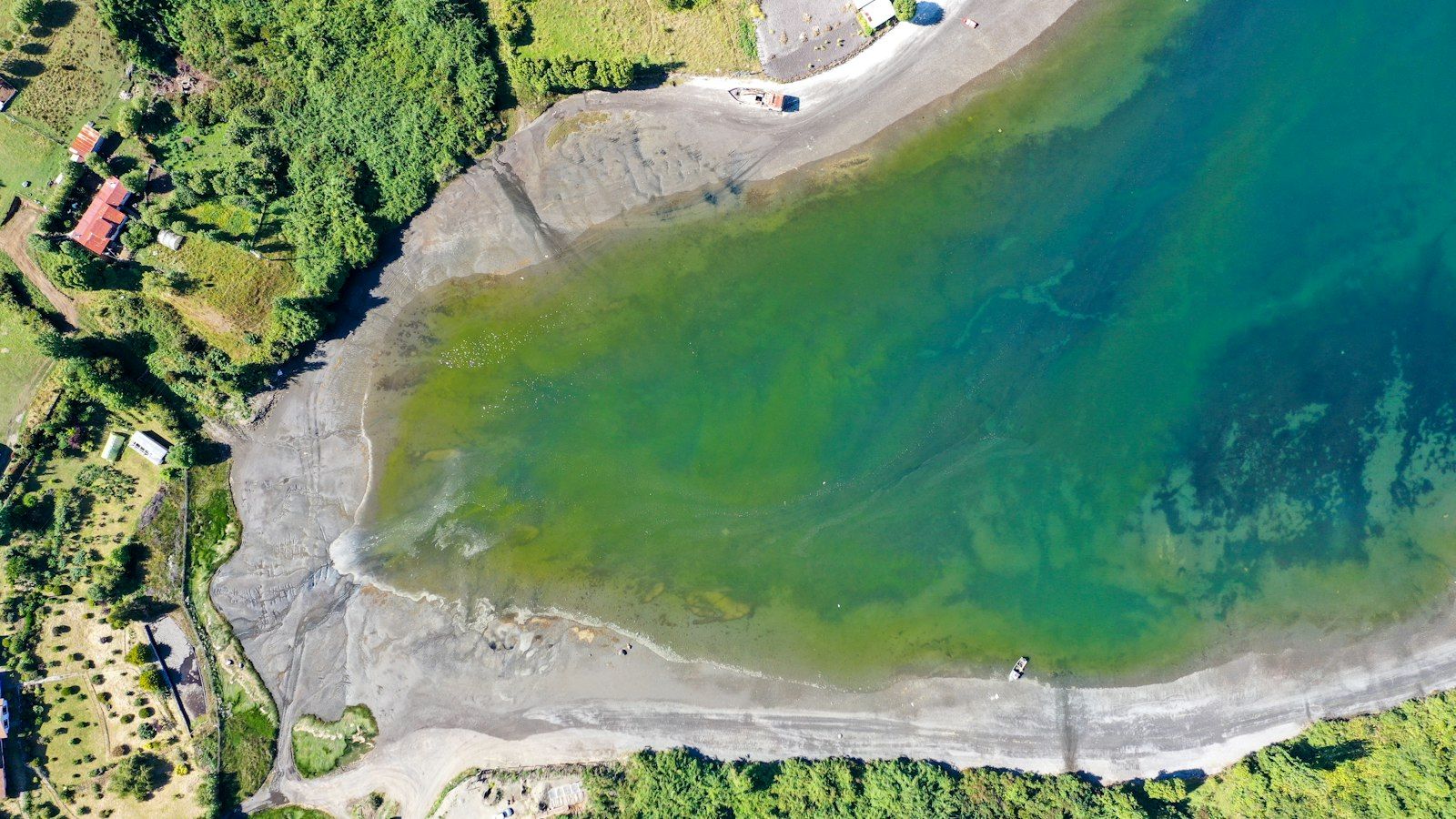
A rain-washed island of wooden churches, stilt houses and penguin colonies, where curanto steams in the ground and every village has its own myth.
- Best time to visit: December to March
- Daily budget (budget traveller): $40 to $125 USD
- Ideal trip length: 5 to 7 days
Chiloé sits just off the mainland south of Puerto Montt, a green, hilly island about 180km long. It feels a long way from the rest of Chile. Fishermen, farmers and Jesuit missionaries shaped it, and so did a long list of myths: the Trauco in the forest, the Pincoya on the shore and the Caleuche, a ghost ship that sails the channels at night. You can see that history in the timber churches clad in wooden shingles, 16 of them on the UNESCO list, and in the palafitos, painted stilt houses standing over the tidal water in Castro. Castro is the natural base. From there, cheap local buses run to Dalcahue's craft market, the old church at Achao on Quinchao Island, and the wild Pacific coast at Cucao, where Chiloé National Park begins. In the north, Ancud is the jumping-off point for the Puñihuil islets, where Humboldt and Magellanic penguins nest close together. It rains a lot here, the sea is cold and the pace is slow. For a solo traveller who likes good food, small towns and long walks, the island is easy and very safe.
Chiloé is Chile's second-largest island, and it feels different from the mainland as soon as the ferry lands at Chacao. Houses are clad in wooden shingles cut into scallops and diamonds. Churches built by Jesuit and later Franciscan missionaries stand in nearly every village, and in 2000 UNESCO listed 16 of them. Food here means potatoes, shellfish and smoke. People still tell stories about the Trauco and the Caleuche. Prices are lower than on Chile's glossier tourist routes: a menu del día costs about 6,000 to 9,000 CLP, a dorm bed about 15,000 to 25,000 CLP, and a bus between towns a few thousand pesos. There are no big resorts and nothing is rushed. This guide shows how to see the island well on your own.
The simplest route runs from north to south. Take the bus from Puerto Montt and stop first in Ancud for the fort and the Puñihuil penguins, then continue to Castro, which is the best base. From Castro, day trips cover Dalcahue's market and the free ferry to Quinchao for Achao's church, and a rural bus takes you to Cucao on the Pacific side for Chiloé National Park. Stay a night in Cucao if you can, because the Muelle de las Almas is best before the late-morning queues build. Hire a car for a day only if you want Tenaún or Chepu. Otherwise the buses are enough, just slower.
Plan around the weather, because it controls everything else. December to March gives long light evenings, the penguin boats, summer festivals and the best chance of dry trails. January and February are the busy months, when Chilean families come for their holidays. March is the sweet spot. From April it gets colder and wetter, and by June many cabañas and boat operators have closed. Even in summer you may get rain, sun and wind in the same afternoon, so pack a proper rain jacket. If you want nightlife, look elsewhere. If you want a church, a market lunch and a coastal walk in one day, Chiloé suits you well.
How many days in Chiloé Island?
For Chiloé Island, we recommend 5 to 7 days. With more time, add a day trip to Chepu sunken forest.
| Trip length | What you'll see | Itinerary |
|---|---|---|
| 2 days | Cross the Chacao Channel to Ancud; Puñihuil penguins | Chiloé Island in 2 days |
| 3 days | Adds: Castro: churches and palafitos | Chiloé Island in 3 days |
| 4 days | Adds: Dalcahue market and Achao | Chiloé Island in 4 days |
| 5 days · Recommended | Adds: Cucao and Chiloé National Park | Chiloé Island in 5 days |
| 7 days · Recommended | Adds: Muelle de las Almas, then Chonchi; Castro market and the trip back | Chiloé Island in 7 days |
Chiloé Island itinerary
Cross the Chacao Channel to Ancud
Morning: Take a bus from Puerto Montt's main terminal to Ancud, about two hours with the ferry included. Watch for dolphins and sea birds from the ferry deck.
Afternoon: Drop your bags and walk up to the Fuerte San Antonio, the last Spanish fort in Chile, with cannons looking over the bay. Then follow the waterfront promenade.
Evening: Have a seafood stew or empanadas at the cocinerías in Ancud's municipal market, then get an early night.
Puñihuil penguins
Morning: Shared transport to Puñihuil is limited, so book a taxi or minibus through your guesthouse the night before. Boats run roughly September to March and cost about 12,000 CLP for 30 minutes, and the sea is usually calmer in the morning.
Afternoon: Have lunch at one of the small restaurants on Puñihuil beach, then walk the sand and the headland viewpoints before heading back to Ancud.
Evening: Visit the Museo Regional de Ancud if it is still open, then have a quiet dinner in town. Check bus times to Castro for tomorrow.
Castro: churches and palafitos
Morning: Take a bus south to Castro, about 1h15 to 1h30. Check in and walk to Iglesia San Francisco on the Plaza de Armas to see the timber interior.
Afternoon: Walk out to the Gamboa palafitos, then to the Pedro Montt row. Go at high tide for the best photos, and look down from the miradores above.
Evening: Have curanto at Octavio, a palafito restaurant, or Chilote home cooking at Travesía. Book a table in high season.
Dalcahue market and Achao
Morning: Catch a minibus to Dalcahue, about 30 to 40 minutes, ideally on a Sunday. Browse the craft market, then have an early milcao at the waterfront cocinerías.
Afternoon: Walk onto the free ferry to Quinchao, then take a minibus to Achao to see Santa María de Loreto. On the way back, stop at Curaco de Vélez for oysters by the water.
Evening: Head back to Castro. Get a coffee and murta kuchen in a Gamboa café, then pack light for Cucao.
Cucao and Chiloé National Park
Morning: Catch the morning rural bus from Castro to Cucao, about 1.5 hours, and check the times the day before. Buy your park ticket online at pasesparques.cl or at the entrance, about 8,200 CLP for foreign adults.
Afternoon: Walk the El Tepual boardwalk through boggy forest, then the Dunas de Cucao trail out to the Pacific beach. Don't swim.
Evening: Spend the night in a Cucao cabaña or hospedaje. Bring cash and snacks, because there is little open after dark.
Muelle de las Almas, then Chonchi
Morning: Ask in Cucao about a shared ride to the Muelle de las Almas car park, about 10km south. Pay the roughly 3,000 CLP entry in cash at the booth, then walk about 2.3km to the pier. Arrive before 10am to beat the photo queue.
Afternoon: Take the bus back towards Castro and get off at Chonchi. Walk up through the three-level town to the UNESCO-listed church, then go down to the waterfront.
Evening: Take a minibus to Castro. Treat yourself to dinner at the restaurant at Palafito 1326 overlooking Gamboa.
Castro market and the trip back
Morning: Go to Feria Yumbel for native potatoes, smoked mussels and licor de oro, then visit the Museo Regional de Castro if it is open.
Afternoon: Have a long market lunch, then take an afternoon bus back to Puerto Montt (about 3.5 to 4 hours), or a taxi to Mocopulli Airport for your flight.
Evening: Arrive in Puerto Montt. Stay near the bus terminal if you have an early connection.
Best neighbourhoods
- Castro centre: The island capital and its transport hub, built around the Plaza de Armas and the yellow-and-lilac Iglesia San Francisco. Supermarkets, cafés, both bus terminals and the Feria Yumbel produce market are all within walking distance.
- Palafitos de Gamboa (Castro): A row of stilt houses over the Gamboa estuary, now full of guesthouses, cafés and small hotels. You get sea views from your room and can walk to the centre in about ten minutes.
- Ancud: The north coast port where most buses from the mainland arrive. It has a Spanish fort, a regional museum and a market with cocinerías, and it is the closest town to the Puñihuil penguins.
- Dalcahue: A small waterfront town 20 minutes from Castro. It is known for its craft market, a row of market kitchens and a UNESCO-listed church, and its ferry is the way across to Quinchao Island.
- Cucao: A scattered village on the wild Pacific side, at the gate to Chiloé National Park. Expect dunes, a long empty beach, simple cabañas and no nightlife at all.
- Achao (Quinchao Island): A quiet fishing town on Quinchao with shingled houses and Santa María de Loreto, one of the oldest churches in Chile, standing on the plaza.
Must-do experiences
- Photograph the palafitos at high tide: Walk the Gamboa and Pedro Montt stilt houses in Castro, then look down on them from the miradores above. They look best at high tide, when the water sits right under the houses.
- Step inside Iglesia San Francisco: Castro's yellow-and-lilac church on the Plaza de Armas is clad in tin outside and built entirely of native timber inside. Entry is free, and hours vary around Mass.
- Take a boat to the Puñihuil penguins: From the beach at Puñihuil, west of Ancud, 30-minute boat trips circle islets where Humboldt and Magellanic penguins nest. The season runs from roughly September to the end of March.
- Eat at Dalcahue's market kitchens: Browse the woollens and wood carvings in the craft market, then sit down at the waterfront cocinerías for milcao, empanadas or a plate of curanto. Sunday morning is the liveliest time.
- Cross to Achao's 18th-century church: Walk onto the short ferry from Dalcahue to Quinchao, take a minibus to Achao and see Santa María de Loreto, one of the oldest wooden churches in Chiloé.
- Hike the trails at Chiloé National Park: From Cucao, follow the El Tepual boardwalk through boggy forest and the Dunas de Cucao trail to the Pacific. Foreign adults pay about 8,200 CLP.
- Walk to the Muelle de las Almas: A clifftop sculpture of a pier that drops off into the Pacific, tied to the Chilote legend of souls crossing to the afterlife. It is on private land south of Cucao and you walk about 2km each way from the car park.
- Eat a proper curanto: Shellfish, pork, chicken, sausage, potatoes, milcao and chapalele steamed in a single heap under nalca leaves. It is the island's signature dish, and one plate feeds a hungry hiker.
Hidden gems
- The sunken forest at Chepu, where the 1960 earthquake drowned a whole forest along the river. Local operators run quiet dawn kayak trips through the dead trunks
- Tenaún's church on the east coast, painted white with blue stars and three towers, in a village with almost no visitors
- The free foot ferry from Huicha near Chonchi to Isla Lemuy, where three small UNESCO-listed churches sit among farms and sheep
- Curaco de Vélez on Quinchao, a village of old shingled houses where fresh oysters are sold along the waterfront
- Feria Yumbel in Castro, a working produce market with native potatoes, smoked mussels, murta berries and cheap market lunches
Daily budget
- Accommodation: budget 15,000-25,000 CLP / night (dorm or basic hostal room), mid-range 60,000-110,000 CLP (palafito guesthouse or boutique double), splurge 500,000+ CLP (all-inclusive design lodge such as Tierra Chiloé). Foreign tourists paying in US dollars at registered hotels can usually skip the 19% VAT if they show the entry record they got on arrival. Book January and February ahead, and check that rooms have heating.
- Food: budget 15,000-22,000 CLP / day (menu del día, empanadas, market food), mid-range 30,000-45,000 CLP (café lunch, sit-down seafood dinner), splurge 60,000+ CLP (tasting menus, wine). A curanto costs about 12,000 to 20,000 CLP and can easily be lunch and dinner. Market cocinerías in Dalcahue, Castro and Ancud are the cheapest hot meals.
- Transport: budget 3,000-8,000 CLP / day (rural buses and minibuses), mid-range 40,000-60,000 CLP (hire car and fuel), splurge 100,000+ CLP (private driver or full-day guided tours). Puerto Montt to Castro is about 7,000 to 10,500 CLP by bus, ferry included. Taking a car across the Chacao Channel costs 16,000 to 20,500 CLP each way. The Dalcahue to Quinchao ferry is free on foot.
- Activities: budget 0-12,000 CLP / day (churches, markets, one paid entry), mid-range 15,000-30,000 CLP (penguin boat plus national park), splurge 80,000+ CLP (guided full-day tours, kayak trips). Chiloé National Park is about 8,200 CLP for foreign adults, and the Puñihuil boat about 12,000 CLP. The Muelle de las Almas costs around 3,000 CLP per person plus parking, cash only. Churches are free, but donations are appreciated.
- Drinks & nightlife: budget 3,000-6,000 CLP (supermarket beer, one bar drink), mid-range 10,000-20,000 CLP (pisco sours, craft beer), splurge 30,000+ CLP (wine with dinner). Nightlife means a few bars in Castro and Ancud. Most towns are quiet by 11pm. Try licor de oro from the markets.
Where to stay
- Social hostel in Castro centre (15,000-25,000 CLP / night): La Minga Hostel is basic but friendly and a short walk from the plaza, the terminals and the markets. It's an easy place to meet other travellers and share taxis to Cucao.
- Boutique hotel in Palafitos de Gamboa, Castro (70,000-130,000 CLP / night): Palafito 1326 Hotel Boutique sits over the water, with heated rooms, balconies and a top-floor restaurant, ten minutes on foot from the centre.
- Apartment in Gamboa or Pedro Montt, Castro (50,000-90,000 CLP / night): Palafito Azul Apart Hotel in Gamboa or Palafito Verde Apart Hotel on Pedro Montt gives you a kitchen and sea views. Buy produce at Feria Yumbel and cook to save money.
- Splurge in Rilán Peninsula, near Castro (500,000+ CLP / night (all-inclusive)): Tierra Chiloé is a design lodge overlooking the inner sea, sold as all-inclusive stays with guided excursions, boat trips and meals. Check minimum stays and current rates.
What to eat
- Curanto: shellfish, meats, potatoes and potato breads steamed together, either traditionally in a hole in the ground (al hoyo) or in a big pot (en olla)
- Milcao: a flat potato bread of grated raw and mashed potato, sometimes stuffed with pork crackling, fried or steamed
- Chapalele: a soft boiled dumpling of potato and flour, served with curanto or on its own with honey
- Empanada de mariscos: a fried pastry filled with mixed shellfish, cheap and sold at almost every market counter
- Papas nativas: Chiloé grows hundreds of native potato varieties, so look for purple and red ones at Feria Yumbel and on restaurant menus
- Murta kuchen: a German-style cake topped with murta, a small red native berry, best with coffee in a palafito café
- Licor de oro: a golden homemade spirit flavoured with whey, saffron and spices, sold in markets and poured as a digestif
Day trips
- Dalcahue and Achao (About 20km from Castro to Dalcahue, then a short ferry and 20km to Achao): Dalcahue's craft market and market kitchens, then Quinchao Island for Achao's 18th-century wooden church and oysters at Curaco de Vélez. Minibus from Castro's municipal terminal to Dalcahue, the free foot ferry to Quinchao, then a local minibus to Achao. Check the last buses back.
- Cucao and Chiloé National Park (About 58km and 90 minutes west of Castro): Boardwalk forest trails, dunes and a huge empty Pacific beach, with the Muelle de las Almas about 10km south of the village. Morning rural bus from Castro via Chonchi. Park entry is about 8,200 CLP for foreign adults, paid online or at the gate. Staying overnight makes the Muelle much easier.
- Chepu sunken forest (About 40km southwest of Ancud): A river wetland full of dead trees left by the 1960 earthquake, best seen by kayak or boat at dawn, with lots of birdlife. Best by hire car or with a local kayak operator that arranges transfers. Book a day ahead and check conditions.
When to visit
- Summer (December - February): 12-20°C, the longest days, the driest spell of the year but showers still common. Crowds: Busiest in January and February with Chilean holidaymakers. The best all-round time. Penguin boats run, every bus route operates and festivals fill the calendar. Book Castro beds early for February.
- Early autumn (March - April): 8-17°C, more cloud, rain building through April. Crowds: Low after the school holidays end. The locals' pick. Penguins stay until the end of March, beds are easy to find and prices drop. April is cheaper still, but there are no penguin trips.
- Winter (May - August): 3-11°C, frequent heavy rain, wind and short days. Crowds: Very quiet. Moody and atmospheric, but many cabañas, cafés and tours close. Fine for churches and markets if you don't mind the weather. Check bus timetables carefully.
- Spring (September - November): 6-15°C, changeable, windy, with bright spells. Crowds: Low. Penguins come back from about September and the countryside turns green. Services reopen in stages, so confirm opening dates before you count on them.
Entry rules for your passport
Visa rules for Chile depend on the passport you travel on. Check the official source before you book: Chile Ministry of Foreign Affairs
Getting there
Most travellers come through Puerto Montt. Its El Tepual Airport (PMC) has frequent flights from Santiago, and an airport shuttle bus runs into the city's main bus terminal. From there, Cruz del Sur, Queilen Bus and ETM run buses to Ancud (about 2 hours) and Castro (about 3.5 to 4 hours, roughly 7,000 to 10,500 CLP), with dozens of departures a day in summer. Buses cross the Chacao Channel on a car ferry, a crossing of about 25 to 30 minutes that Cruz del Sur and Transmarchilay run 24 hours a day. A bridge is under construction, but until it opens everything crosses by ferry. If you drive, the car ferry costs about 16,000 to 20,500 CLP each way, depending on the operator. You can also fly from Santiago to Mocopulli Airport (MHC), about 20km north of Castro near Dalcahue. Seasonal schedules vary, so check current airlines and routes. For onward travel south, ferries run from Quellón to Chaitén on the Carretera Austral. Check Naviera Austral for current schedules and fares. Visitors from around 90 countries, including the UK, the EU, the US, Canada and Australia, usually enter Chile visa-free for up to 90 days. Confirm on the official government site before travelling.
Getting around
Chiloé has one main road, Ruta 5, running from Chacao in the north through Ancud and Castro to Quellón in the south. Companies including Cruz del Sur, Queilen Bus and ETM run frequent buses along it, and buses from Puerto Montt to Castro take about three and a half to four hours, with the Chacao Channel ferry included in the ticket. For villages off the main road, rural minibuses leave Castro's municipal terminal for Dalcahue, Chonchi and Cucao. They are cheap but run less often on Sundays and in winter. The Dalcahue to Quinchao ferry is free for foot passengers and runs every few minutes, and minibuses wait on the other side for Curaco de Vélez and Achao. Hiring a car gives you the most freedom for Cucao, Tenaún and Chepu, but many side roads are gravel, and taking a car across the Chacao Channel costs about 16,000 to 20,500 CLP each way, depending on the operator. Taxis and shared colectivos work in Castro and Ancud. Agree the fare first for longer rural trips.
Safety
Chiloé is one of the safest places to travel in Chile, and violent crime against visitors is rare. Weather and water are the real risks. Rain, wind and fog can arrive fast, so carry waterproofs and an extra layer even in summer. The Pacific beaches at Cucao have strong currents and very cold water, so don't swim there. On trails such as the Muelle de las Almas path, expect deep mud and slippery boardwalks, and wear shoes with good grip. Gravel roads are rough and poorly lit, so avoid driving rural roads after dark. Street dogs are common and mostly harmless. Keep the usual eye on your bags at bus terminals in Castro and Puerto Montt. Many coastal towns have tsunami evacuation signs, so learn the route from where you are staying. Rural areas have patchy phone signal, so tell your guesthouse where you are hiking.
Solo travel tips
- Base yourself in Castro: Castro has the most buses, the most food and the best hostels, and most of the island is a day trip from there. Spend two nights in Ancud for the penguins, and one in Cucao if you can.
- Learn the rural bus system: Minibuses to Dalcahue, Chonchi and Cucao leave from Castro's municipal terminal. Ask at the windows for times the day before, keep coins and small notes for the fare, and expect fewer buses on Sundays and in winter.
- Always carry cash: The Muelle de las Almas booth, rural minibuses, cocinerías and many Cucao guesthouses want cash. Use the ATMs in Castro or Ancud before heading to the west coast.
- Plan for rain, not around it: Rain is not a reason to stay in. Pack a real waterproof, keep churches, markets and museums for the wettest hours, and save the coast and trails for the dry spells. A spare day in the plan helps.
- Safety for solo travellers: Chiloé is very safe, including for women on their own. The real risks are cold seas, muddy trails and dark gravel roads. Don't swim on Pacific beaches, avoid driving rural roads at night and tell your host where you are walking.
- Meet people at the market tables: Cocinerías have shared benches, hostel kitchens fill up in the evening and the penguin boats seat strangers side by side. Learn a few words of Spanish. English is limited outside Castro's hostels.
Cultural etiquette
- Greet people with a 'buenos días' or 'buenas tardes' before asking anything. Chilotes are reserved at first and warm once you have said hello.
- Churches are working parishes. Dress modestly, stay quiet, and don't visit or take photos during Mass, weddings or funerals.
- Palafitos are mostly private homes. Photograph them from the street or the miradores, not from people's gardens or decks.
- Ask before photographing market vendors or fishermen. Buying something first usually gets a smile and a yes.
- Curanto is a shared, hands-on meal. Use the shells as scoops, drink the broth and don't hurry.
- Respect the myths. Locals talk about the Trauco and the Caleuche with humour, but these stories are part of island identity, so don't mock them.
- Leave no trace in the national park, stay on the boardwalks and keep away from wildlife and nesting penguins.
Frequently asked questions
How do I get to Chiloé from Puerto Montt?
Buses leave Puerto Montt's main terminal through the day for Ancud and Castro. Cruz del Sur, Queilen Bus and ETM run the route, and the trip to Castro takes about three and a half to four hours. The bus drives onto a ferry for the roughly 30-minute crossing of the Chacao Channel, and the ferry is included in the fare. You can also fly from Santiago to Mocopulli Airport near Dalcahue, about 20km north of Castro.
How many days do I need on Chiloé?
Five days covers Ancud and the penguins, Castro, Dalcahue and Achao, and a day trip to Cucao. Seven days lets you spend a night in Cucao for the Muelle de las Almas, add Chonchi or Isla Lemuy, and keep a spare day for rain, which you will probably need.
When is the best time to visit Chiloé?
December to March brings the longest days, the warmest weather (usually high teens Celsius), the penguin boats and Castro's summer festival season. January and February are the busiest months. March is quieter and still fine for penguins. Winter from June to August is cold, very wet and quiet, and some tourist services close.
Can I use cards on Chiloé?
Cards work in most hotels, supermarkets and sit-down restaurants in Castro and Ancud. Carry cash for rural minibuses, market stalls, cocinerías, the Muelle de las Almas entry and parking, and small guesthouses in Cucao. ATMs are in the main towns, so take out cash before heading to the Pacific side.
When can I see the penguins at Puñihuil?
The local boat operators run from roughly September to the end of March. December to February is the best time, when the chicks are being raised. Boats don't sail in rough seas, so keep a backup day. Outside the season the islets are still a nice walk, but there are no boat trips.
Do I need a car on Chiloé?
No. Buses link all the main towns, and rural minibuses reach Cucao, Dalcahue and Quinchao. A hire car helps if you want Tenaún, Chepu or an early start at the Muelle de las Almas, but expect gravel roads and ferry fees.
Is Chiloé safe for solo female travellers?
Yes. Chiloé is relaxed and low in crime, and locals are generally helpful. Take normal precautions: avoid walking empty rural roads after dark, keep valuables close at bus terminals, and tell your host where you are hiking, because mobile signal is patchy outside towns.
What entry rules apply to travellers visiting Chile in 2026?
Citizens of around 90 countries, including the UK, most of the EU, the US, Canada and Australia, can usually enter Chile visa-free as tourists for up to 90 days. Some nationalities need a visa or, since September 2025, prior authorisation before flying. Bring a passport with at least six months' validity, keep the digital or paper entry record you are given on arrival, and fill in the mandatory SAG agricultural declaration. Rules change, so confirm on the official Chilean government site (Servicio Nacional de Migraciones or Chile's consular service) and check your own government's travel advice before you book.
Tours and activities in Chiloé Island | Chiloé Island in 2 days | Chiloé Island in 3 days | Chiloé Island in 4 days | Chiloé Island in 5 days | Chiloé Island in 7 days
Joy Plus home | Destinations | Itineraries | Activities | Flights | Budget planner | Calendar | Map | Blog | Lifetime access