Chiloé Island in 3 days
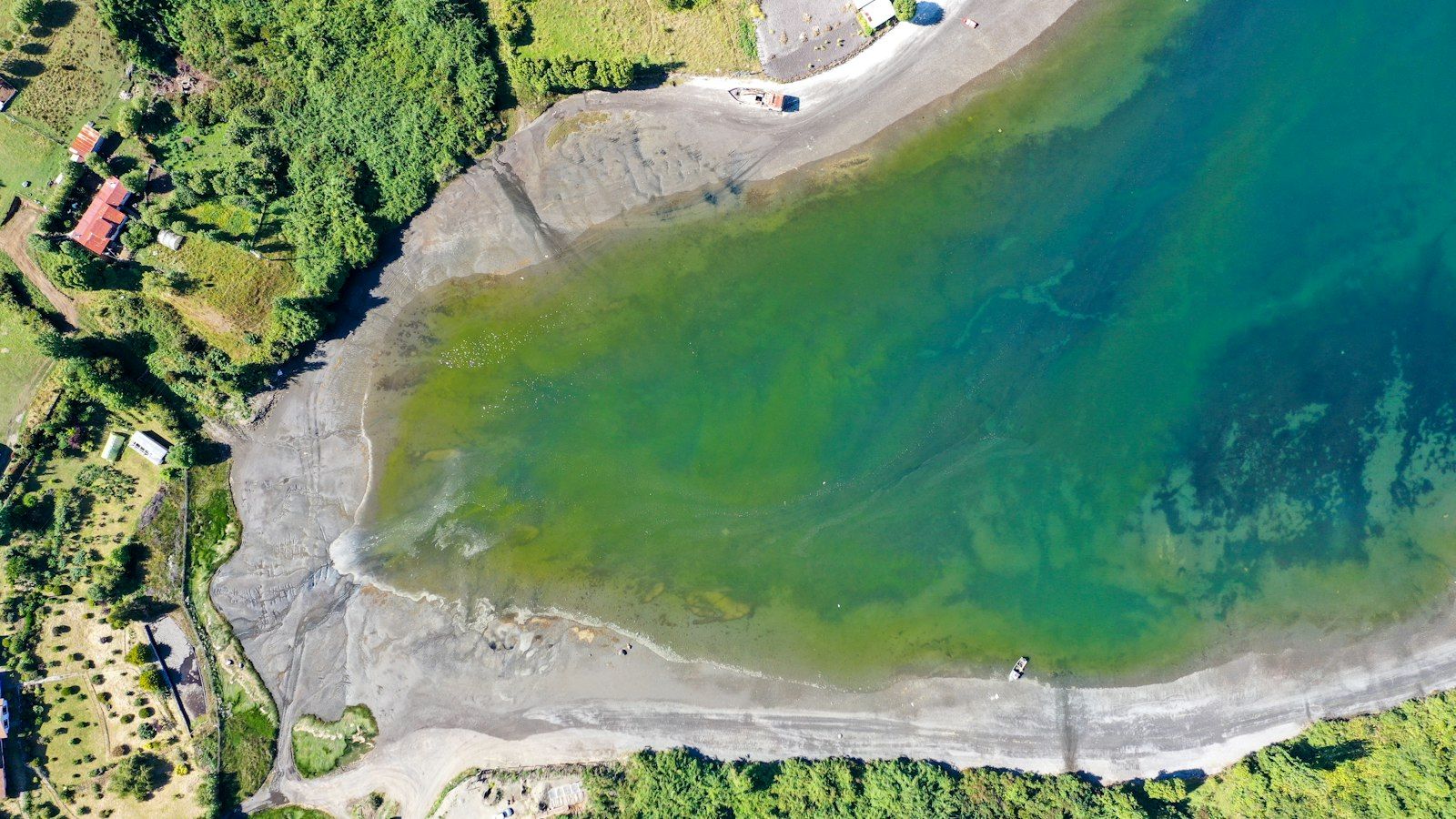
A rain-washed island of wooden churches, stilt houses and penguin colonies, where curanto steams in the ground and every village has its own myth. Best time to visit: December to March. Daily budget (budget traveller): $40 to $125 USD.
Cross the Chacao Channel to Ancud
Morning: Take a bus from Puerto Montt's main terminal to Ancud, about two hours with the ferry included. Watch for dolphins and sea birds from the ferry deck.
Afternoon: Drop your bags and walk up to the Fuerte San Antonio, the last Spanish fort in Chile, with cannons looking over the bay. Then follow the waterfront promenade.
Evening: Have a seafood stew or empanadas at the cocinerías in Ancud's municipal market, then get an early night.
Puñihuil penguins
Morning: Shared transport to Puñihuil is limited, so book a taxi or minibus through your guesthouse the night before. Boats run roughly September to March and cost about 12,000 CLP for 30 minutes, and the sea is usually calmer in the morning.
Afternoon: Have lunch at one of the small restaurants on Puñihuil beach, then walk the sand and the headland viewpoints before heading back to Ancud.
Evening: Visit the Museo Regional de Ancud if it is still open, then have a quiet dinner in town. Check bus times to Castro for tomorrow.
Castro: churches and palafitos
Morning: Take a bus south to Castro, about 1h15 to 1h30. Check in and walk to Iglesia San Francisco on the Plaza de Armas to see the timber interior.
Afternoon: Walk out to the Gamboa palafitos, then to the Pedro Montt row. Go at high tide for the best photos, and look down from the miradores above.
Evening: Have curanto at Octavio, a palafito restaurant, or Chilote home cooking at Travesía. Book a table in high season.
Heading home: Have a long market lunch, then take an afternoon bus back to Puerto Montt (about 3.5 to 4 hours), or a taxi to Mocopulli Airport for your flight.
What to eat in Chiloé Island
- Curanto: shellfish, meats, potatoes and potato breads steamed together, either traditionally in a hole in the ground (al hoyo) or in a big pot (en olla)
- Milcao: a flat potato bread of grated raw and mashed potato, sometimes stuffed with pork crackling, fried or steamed
- Chapalele: a soft boiled dumpling of potato and flour, served with curanto or on its own with honey
- Empanada de mariscos: a fried pastry filled with mixed shellfish, cheap and sold at almost every market counter
- Papas nativas: Chiloé grows hundreds of native potato varieties, so look for purple and red ones at Feria Yumbel and on restaurant menus
- Murta kuchen: a German-style cake topped with murta, a small red native berry, best with coffee in a palafito café
- Licor de oro: a golden homemade spirit flavoured with whey, saffron and spices, sold in markets and poured as a digestif
Hidden gems
- The sunken forest at Chepu, where the 1960 earthquake drowned a whole forest along the river. Local operators run quiet dawn kayak trips through the dead trunks
- Tenaún's church on the east coast, painted white with blue stars and three towers, in a village with almost no visitors
- The free foot ferry from Huicha near Chonchi to Isla Lemuy, where three small UNESCO-listed churches sit among farms and sheep
- Curaco de Vélez on Quinchao, a village of old shingled houses where fresh oysters are sold along the waterfront
- Feria Yumbel in Castro, a working produce market with native potatoes, smoked mussels, murta berries and cheap market lunches
Getting around
Chiloé has one main road, Ruta 5, running from Chacao in the north through Ancud and Castro to Quellón in the south. Companies including Cruz del Sur, Queilen Bus and ETM run frequent buses along it, and buses from Puerto Montt to Castro take about three and a half to four hours, with the Chacao Channel ferry included in the ticket. For villages off the main road, rural minibuses leave Castro's municipal terminal for Dalcahue, Chonchi and Cucao. They are cheap but run less often on Sundays and in winter. The Dalcahue to Quinchao ferry is free for foot passengers and runs every few minutes, and minibuses wait on the other side for Curaco de Vélez and Achao. Hiring a car gives you the most freedom for Cucao, Tenaún and Chepu, but many side roads are gravel, and taking a car across the Chacao Channel costs about 16,000 to 20,500 CLP each way, depending on the operator. Taxis and shared colectivos work in Castro and Ancud. Agree the fare first for longer rural trips.
Safety
Chiloé is one of the safest places to travel in Chile, and violent crime against visitors is rare. Weather and water are the real risks. Rain, wind and fog can arrive fast, so carry waterproofs and an extra layer even in summer. The Pacific beaches at Cucao have strong currents and very cold water, so don't swim there. On trails such as the Muelle de las Almas path, expect deep mud and slippery boardwalks, and wear shoes with good grip. Gravel roads are rough and poorly lit, so avoid driving rural roads after dark. Street dogs are common and mostly harmless. Keep the usual eye on your bags at bus terminals in Castro and Puerto Montt. Many coastal towns have tsunami evacuation signs, so learn the route from where you are staying. Rural areas have patchy phone signal, so tell your guesthouse where you are hiking.
Frequently asked questions
What does this 3-day Chiloé Island itinerary cover?
Day 1: Cross the Chacao Channel to Ancud. Day 2: Puñihuil penguins. Day 3: Castro: churches and palafitos.
Is 3 days enough for Chiloé Island?
Three days in Chiloé Island is tight, but enough for a first taste. We recommend 5 to 7 days. With 5 days you'd add Dalcahue market and Achao; Cucao and Chiloé National Park.
How much does 3 days in Chiloé Island cost?
A budget traveller spends about $40 to $125 USD a day in Chiloé Island, so roughly $120 to $375 USD for 3 days, not counting flights.
Where should I stay for 3 days in Chiloé Island?
Castro centre: The island capital and its transport hub, built around the Plaza de Armas and the yellow-and-lilac Iglesia San Francisco. Palafitos de Gamboa (Castro): A row of stilt houses over the Gamboa estuary, now full of guesthouses, cafés and small hotels.
When is the best time to visit Chiloé Island?
The best time to visit Chiloé Island is December to March.
How do I get around Chiloé Island?
Chiloé has one main road, Ruta 5, running from Chacao in the north through Ancud and Castro to Quellón in the south. Companies including Cruz del Sur, Queilen Bus and ETM run frequent buses along it, and buses from Puerto Montt to Castro take about three and a half to four hours, with the Chacao Channel ferry included in the ticket.
Is Chiloé Island safe for solo travellers?
Chiloé is one of the safest places to travel in Chile, and violent crime against visitors is rare. Weather and water are the real risks.
More 3-day guides
- Puerto Varas in 3 days
- Valparaíso in 3 days
- Santiago in 3 days
- San Pedro de Atacama in 3 days
- Torres del Paine in 3 days
- Punta Arenas in 3 days
- Pucón in 3 days
- Easter Island in 3 days
Chiloé Island in 2 days | Chiloé Island in 4 days | Chiloé Island in 5 days | Chiloé Island in 7 days | Full Chiloé Island guide
Joy Plus home | Destinations | Itineraries | Activities | Flights | Budget planner | Calendar | Map | Blog | Lifetime access