Destinations / Europe
Copenhagen, Denmark travel guide
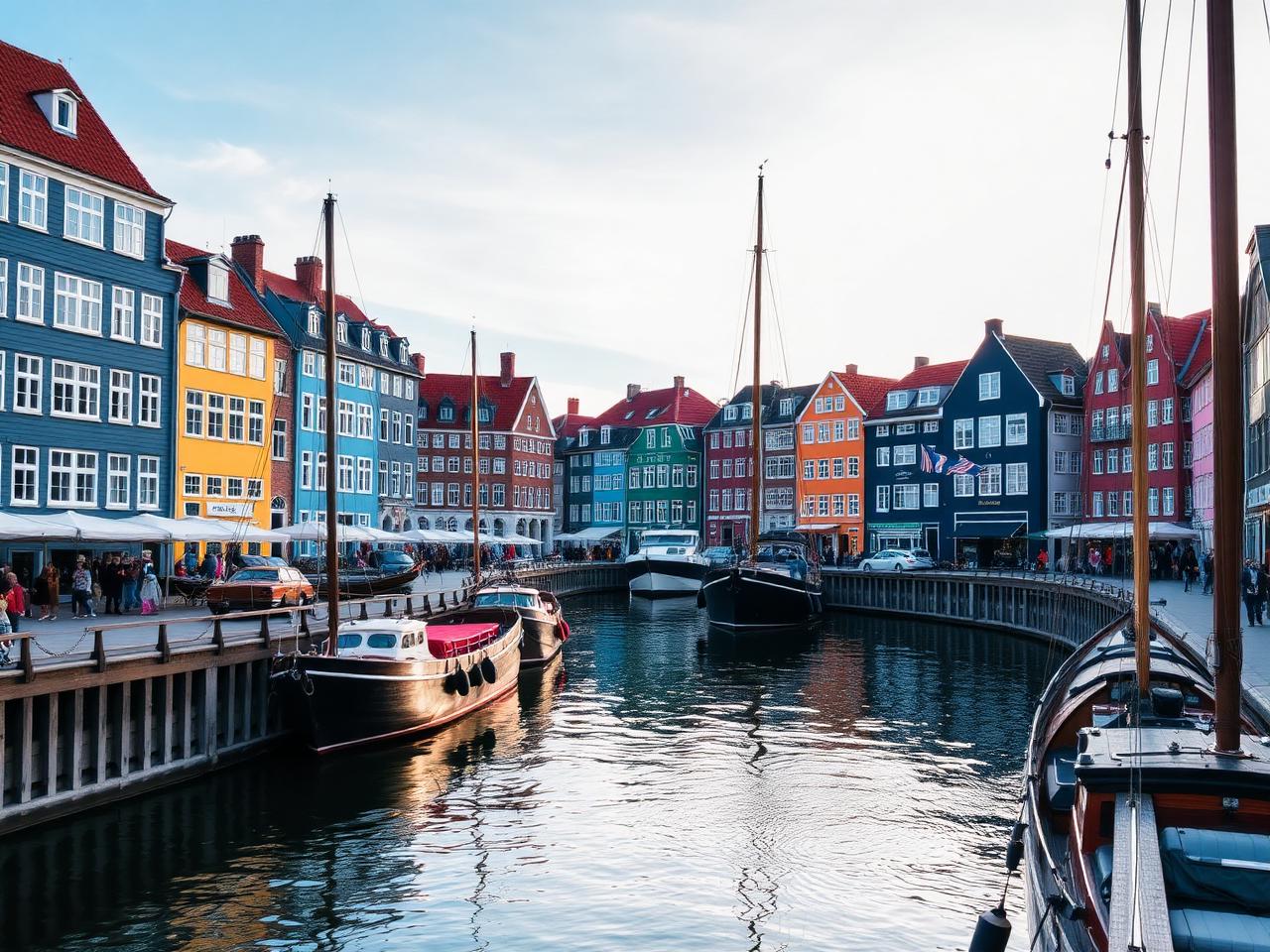
Hygge, harbour swims, and the design capital of Europe.
- Best time to visit: May-September
- Daily budget (budget traveller): $100 to $150 USD
- Ideal trip length: 3 to 4 days
Copenhagen is the city other cities are quietly copying. Bike lanes wider than car lanes, harbour water clean enough to swim in, and Noma alumni opening restaurants on every corner. Joy Plus routes you by bike through Vesterbro, Nørrebro and Refshaleøen so you actually feel like a local.
Copenhagen is a small city that runs on bikes and bakery queues, and it punishes lazy planning with a 190 DKK sandwich. Get it right and it is one of the most rewarding long weekends in Europe. The core is compact: you can cross from Nørreport to Christianshavn in 20 minutes on foot, and the Metro runs 24 hours a day. The city's real trick is its water. The harbour is clean enough to swim in, and from May to September half the population is on the steps at Islands Brygge with a Tuborg and a towel.
The money is the part to plan around. A hotel double in summer runs 1,300 to 2,500 DKK, a restaurant main is 220 to 350 DKK, and a pint is 65 to 90 DKK. The good news is that the city's best experiences are cheap or free. Harbour baths, Assistens Cemetery, Christiania, a hot dog from a pølsevogn for 40 to 50 DKK, and a bike for around 120 DKK a day. Do your big spend at lunch, when smørrebrød and set menus cost half of what dinner does, and let the evenings be bakery bags, market halls and bars you can walk between.
Split your days by neighbourhood rather than by sight. Indre By is for Torvehallerne, Rosenborg and the old streets. Christianshavn is for canals and Christiania. Vesterbro and Kødbyen are for bars and bistros. Nørrebro is for food from every continent and natural wine. Refshaleøen is for Reffen, saunas and harbour swims, and it is worth the 25 minute ride. Book dinners at the popular places (Bæst, Aamanns, Geranium) 4 to 8 weeks out, check the light (it is still bright at 10pm in June and dark by 3:45pm in December), and always look over your shoulder before stepping into a bike lane.
How many days in Copenhagen?
For Copenhagen, we recommend 3 to 4 days. With more time, add a day trip to Roskilde or Malmö, Sweden.
| Trip length | What you'll see | Itinerary |
|---|---|---|
| 2 days | Indre By and Torvehallerne; Christianshavn, Christiania and a harbour swim | Copenhagen in 2 days |
| 3 days · Recommended | Adds: Vesterbro, Kødbyen and Tivoli | Copenhagen in 3 days |
| 4 days · Recommended | Adds: Nørrebro: cemeteries, parks and natural wine | Copenhagen in 4 days |
| 5 days | Adds: Louisiana day trip | Copenhagen in 5 days |
| 7 days | Adds: Refshaleøen: sauna, swim, street food; SMK | Copenhagen in 7 days |
Copenhagen itinerary
Arrive, Indre By and Torvehallerne
Morning: Land at CPH, Metro M2 to Nørreport (about 15 min, ~40 DKK). Drop bags, flat white at Coffee Collective in Torvehallerne. On a Wednesday, grab the cinnamon snail at Sankt Peders Bageri.
Afternoon: Smørrebrød lunch at Hallernes Smørrebrød (halls open 10am). Climb the Round Tower ramp, then Rosenborg Castle and a loop of Kongens Have.
Evening: Walk to Nyhavn for golden hour, but eat elsewhere. Dinner at Aamanns 1921, book ahead.
Christianshavn, Christiania and a harbour swim
Morning: Metro to Christianshavn. Climb the spiral tower of Church of Our Saviour (not for vertigo), then walk the canals.
Afternoon: Christiania Freetown: respect the signs, no running. Lunch at Schønnemann (book, lunch only), or a Lagkagehuset bakery lunch.
Evening: Metro M1 to Islands Brygge for a free swim in the harbour bath, then a beer on the steps with the locals.
Vesterbro, Kødbyen and Tivoli
Morning: Pastries at Hart Bageri on Gl Kongevej, then walk through Frederiksberg Gardens.
Afternoon: Browse Værnedamsvej, then Kødbyen (the old meatpacking district) for street art and shops.
Evening: Tivoli at dusk (opens 11am, entry ~170 DKK, rides extra). After, BBQ and house beer at Warpigs, or Mikkeller Bar for craft pints.
Nørrebro: cemeteries, parks and natural wine
Morning: Assistens Cemetery, where Andersen and Kierkegaard are buried. Then Jægersborggade for the original Coffee Collective and craft shops.
Afternoon: Superkilen park for the world's strangest playground, then lunch from a falafel counter on Nørrebrogade.
Evening: Natural wine at Pompette, then pizza at Bæst (book a week or more ahead).
Louisiana day trip
Morning: Train from Nørreport or Copenhagen H to Humlebæk (35 min). Walk 10 minutes to Louisiana Museum of Modern Art when it opens at 11.
Afternoon: Sculpture garden and sea views. Lunch in the museum cafe (open-faced sandwiches and herring).
Evening: Train back. Reffen street food market if it's mid-March to October, or a simple dinner at Torvehallerne.
Refshaleøen: sauna, swim, street food
Morning: Bike, bus 2A or harbour bus 991 or 992 to Refshaleøen. Book a sauna slot at La Banchina and cold plunge in the harbour.
Afternoon: Reffen street food market (around 35 stalls, mid-March to October). Wander the old shipyard buildings.
Evening: Bike back along the harbour at sunset. Drinks at Ruby, a speakeasy-style cocktail bar on Nybrogade.
Slow morning, SMK, depart
Morning: Coffee and a pastry, then Statens Museum for Kunst (Tue to Sun 10am to 6pm, Wed to 8pm), about 140 DKK for adults.
Afternoon: Last smørrebrød lunch at Aamanns Deli & Take Away, or a hot dog from DØP.
Evening: Metro M2 from Kongens Nytorv to Lufthavnen, about 15 minutes. It runs 24 hours.
Best neighbourhoods
- Indre By: The old centre. Strøget, Nyhavn, the King's Garden.
- Vesterbro: Once the meatpacking district, now Copenhagen's coolest neighbourhood. Restaurants, bars, indie shops.
- Nørrebro: Diverse, young, the city's best falafel and natural-wine bars.
- Christianshavn: Canals, houseboats, the gateway to Christiania.
- Refshaleøen: Industrial island turned food hall + sauna scene. Bike there.
Must-do experiences
- Bike from Nyhavn to Refshaleøen: 30-minute ride, end at La Banchina for a harbour swim and natural wine.
- Reffen street food market (mid-March to October): Around 35 food stalls in shipping containers, harbour-side, sunset views.
- Tivoli Gardens at dusk: The 1843 amusement park that inspired Disneyland. Hans Christian Andersen wrote here.
- Harbour swim at Islands Brygge: Yes, you can swim in the harbour. The water is clean enough for official bathing zones.
Hidden gems
- Assistens Cemetery in Nørrebro - locals picnic among Hans Christian Andersen's grave.
- Cisternerne - underground reservoir turned art space.
- Sankt Peders Bageri for the city's best cinnamon snail (Wednesday only).
- La Banchina sauna + cold plunge in the harbour.
Daily budget
- Accommodation: budget 300-450 DKK / night (hostel dorm), mid-range 1,300-2,200 DKK (boutique double), splurge 4,000+ DKK (Nimb, Hotel d'Angleterre). Vesterbro and Indre By have the most beds. Book summer 2 months ahead, shoulder season drops prices by 25 to 30 percent.
- Food: budget 150-250 DKK / day (bakeries, hot dogs, Too Good To Go bags), mid-range 500-800 DKK (smørrebrød lunch + bistro dinner), splurge 3,500+ DKK (Geranium, 3 Michelin stars). Lunch is the hack. A smørrebrød piece is 90 to 160 DKK at Schønnemann, and Torvehallerne stalls are cheaper. Wefood sells surplus supermarket goods at a discount.
- Transport: budget 0-120 DKK / day (feet plus a rental bike), mid-range 130-250 DKK (bike plus Metro or bus tickets), splurge 600+ DKK (taxis, private harbour boat). Donkey Republic bikes are ~120 DKK/day. A City Pass Small (zones 1 to 4, including the airport) is ~90 DKK for 24 hours. Use the DOT Billetter app.
- Activities: budget 0-150 DKK / day (harbour swim, Assistens, Christiania, SMK at about 140 DKK), mid-range 250-450 DKK (Tivoli ~170 DKK + Rosenborg ~130 DKK), splurge 800+ DKK (private canal boat, sauna session, Louisiana plus lunch). Statens Museum for Kunst charges about 140 DKK for adults (free under 18). Louisiana is 145 DKK and closed Mondays.
- Drinks & nightlife: budget 60-100 DKK (supermarket beer on the harbour steps), mid-range 250-450 DKK (Mikkeller Bar, Warpigs, Ruby cocktails), splurge 800+ DKK (Ruby, rooftop bar, club night in Kødbyen). Pints run 65 to 90 DKK, cocktails 120 to 160 DKK. Drinking outdoors on the harbour is normal and free.
Where to stay
- Social hostel in Indre By / Vesterbro (300-450 DKK / night): Generator Copenhagen (Adelgade) or Meininger Hotel Copenhagen, the former Urban House (Colbjørnsensgade), both with bars, events and mixed dorms. Tivoli is about a 5-minute walk from Meininger and 20 minutes from Generator.
- Boutique hotel in Indre By (Latin Quarter) (1,400-2,400 DKK / night): Hotel SP34 in the Latin Quarter or Hotel Sanders by Kongens Nytorv, design-led, quiet, and a short walk to Strøget, Nørreport and Torvehallerne.
- Apartment in Nørrebro or Vesterbro (800-1,400 DKK / night): Real residential streets with cafés and bakeries at the door. Best value for 5+ nights, and you can cook a few meals to dodge restaurant prices.
- Splurge in Kongens Nytorv / Tivoli (4,000-8,000 DKK / night): Hotel d'Angleterre on Kongens Nytorv or Nimb Hotel beside Tivoli. Historic, central, and you can walk everywhere.
What to eat
- Smørrebrød at Schønnemann (lunch only, book ahead)
- Natural wine and small plates at Pompette
- Hot dog at DØP (organic, near Round Tower)
- Pastries at Hart Bageri
Day trips
- Louisiana Museum of Modern Art (35 min by train to Humlebæk): Modern art on the Øresund coast, with a sculpture garden, a sea view and a good cafe. Entry is 145 DKK and it is closed on Mondays. Coastal line train from Nørreport or Copenhagen H toward Helsingør, get off at Humlebæk, 10 minute walk. Roughly 70 DKK each way.
- Roskilde (25 min by train): The Viking Ship Museum (around 180 DKK) and the UNESCO-listed cathedral (around 70 DKK). Avoid the late June to early July festival week. Train from Copenhagen H every 10 minutes, about 80 DKK each way.
- Malmö, Sweden (35 min by train): Cross the Øresund Bridge for a different feel. Try Saluhall food stalls, Lilla Torg and Ribersborg beach. Bring passport or ID, as there are border checks. Øresundståg from Copenhagen H or the airport every 20 minutes, around 120 to 140 DKK each way.
When to visit
- Spring (April to May): 8-16°C, bright but windy, occasional showers. Crowds: Building, easy. A local favourite. Cherry blossom at Bispebjerg Cemetery in April, Tivoli reopens, and by May you are eating outside. Pack a windproof layer.
- Summer (June to August): 17-23°C, up to 17 hours of light, odd 28°C spike. Crowds: Heavy but spread out, with festivals (Roskilde, Copenhagen Jazz). The best window for harbour swims, Reffen and bike rides. Hotels peak, so book 2 months ahead. Sankt Hans bonfires on 23 June are worth planning around.
- Autumn (September to October): 8-16°C, grey stretches with sharp blue days. Crowds: Moderate, dropping from mid October. Good value. Hotels fall 25 to 30 percent, restaurants are easier to book, and the harbour is still swimmable in September.
- Winter (November to March): -1 to 5°C, damp, sunrise ~8:30am and sunset ~3:45pm in December. Crowds: Low except Tivoli's Christmas market (mid November to early January). Cosy rather than pretty. Cheapest rooms, candlelit bars and the Tivoli markets, but you only get about 7 hours of daylight in December.
Entry rules for your passport
Visa rules for Denmark depend on the passport you travel on. Check the official source before you book: European Commission: Schengen visa policy
Getting there
Copenhagen Airport (CPH) is 8km from the centre. Metro M2 runs from Lufthavnen to Kongens Nytorv and Nørreport in about 15 minutes, every 4 to 6 minutes and 24 hours a day, for around 40 DKK (buy via the DOT Billetter app or at a machine). Regional trains from Terminal 3 reach Copenhagen H in about 13 minutes for a similar price. A taxi into town is 250 to 350 DKK, so skip it. By rail, trains run from Hamburg (about 4.5 hours) and from Stockholm via Malmö (about 5 hours). DFDS runs an overnight ferry from Oslo (around 16.5 hours).
Border checks: non-EU visitors (other than Swiss, Norwegian, Icelandic, Liechtenstein, Andorran, Monegasque, San Marinese and Vatican citizens, and holders of an EU residence permit or long-stay visa) are registered in the EU's Entry/Exit System (EES) instead of getting a passport stamp. On your first crossing, officers take your photo and/or fingerprints, so allow extra time at passport control. ETIAS, the planned travel authorisation, is not in operation yet, so don't pay any website for one.
Getting around
Bike. Always bike. Rent at Donkey Republic for $15/day. The metro runs 24/7 and is spotless. Walking the inner city is fine. Skip taxis - they're expensive and slower than bikes.
Safety
One of the safest cities in the world. Solo travellers, including women, are extremely comfortable at any hour. The biggest hazard is forgetting to look for bikes when crossing a bike lane.
Solo travel tips
- Make lunch your main meal: Lunch menus and smørrebrød cost about half of dinner, and counters and communal tables are common. Danes are happy to let a solo diner eat in peace, but bar seating gets you conversation.
- Hostel pick: Generator or Meininger: Generator (Adelgade, Indre By) has a bar with events and a social crowd. Meininger Hotel Copenhagen (the former Urban House) in Vesterbro does free daily activities. Both are central and mix solos with small groups.
- Learn the bike lane rules: Ride on the right, raise your left hand to signal a stop, and never stop in the lane. If you're walking, check both ways before stepping off the curb. Bike lights are legal requirements, and Donkey Republic bikes have them built in.
- Swim with strangers: Islands Brygge harbour bath is free and full of locals. La Banchina's sauna and cold plunge is the easiest place to start a conversation. Everyone is chatty when they're shivering.
- Solo female travellers: Copenhagen is one of the safest capitals in Europe. Metro and S-trains are well lit and run late. Standard rules apply: keep an eye on your drink, and watch your bag in tourist zones like Nyhavn and Strøget.
- Find your tribe at Reffen or Mikkeller Bar: Reffen's long communal tables and Mikkeller Bar's craft beer counter are easy places to talk to people. A free walking tour on day one is the easiest way to meet others.
Cultural etiquette
- Bikes have right of way. Never stand or walk in a bike lane, and check both ways before stepping off the curb.
- Danes are reserved. Skip forced small talk, but say 'tak' (thanks) often and 'tak for mad' after a meal.
- Bakeries, pharmacies and some shops use number tickets. Take a number and wait your turn quietly.
- Tipping is not expected. Service is included in the bill. Round up for great service or leave 5 to 10 percent in a nice restaurant.
- Christiania has rules: follow the posted signs, no running, and no filming. Respect them.
- Keep voices low on the Metro and trains. Phone calls are kept short and quiet, especially in the S-train quiet carriage.
- Be on time. A 7pm table means 7pm, and Danes do not do fashionably late.
Frequently asked questions
How many days do you need in Copenhagen?
Three days covers Nyhavn, Christianshavn, Torvehallerne, a canal tour and a cycle around the lakes. Add a fourth for the Louisiana Museum of Modern Art up the coast or a quick hop to Malmö in Sweden, about 35 minutes by train.
Is Copenhagen expensive?
Yes - one of the priciest cities in Europe. Hotels $180-350/night, dinner $40-100. Bike rentals, harbour swims, free museums on certain days, and bakery breakfasts keep costs manageable.
Can you really swim in the harbour?
Yes - and locals do, year-round. The harbour was cleaned up in the 90s and is now clean enough for official bathing zones. Islands Brygge and La Banchina are the best swim spots.
Do I need cash in Copenhagen?
Barely. Denmark is nearly cashless, cards and phones are accepted everywhere, even for tiny purchases. You can comfortably visit without touching a single krone in cash.
When is the best time to visit Copenhagen?
May to August for long days, harbour swims and outdoor café season, the city comes alive in summer. December is magic for Tivoli's Christmas market, but expect short, dark, cold days.
How much does a trip to Copenhagen cost?
Budget around $100 to $150 USD per person per day, covering a hostel bed or simple room, local transport, two or three meals out and an activity or entry ticket. You can go lower with markets and free walking tours, or far higher with boutique hotels and private guides.
Is Copenhagen safe for solo female travellers?
Copenhagen is generally a comfortable place to travel solo, including for women, as long as you use normal city sense. One of the safest cities in the world. Solo travellers, including women, are extremely comfortable at any hour. The biggest hazard is forgetting to look for bikes when crossing a bike lane.
How do you get around Copenhagen?
Bike. Always bike. Rent at Donkey Republic for $15/day. The metro runs 24/7 and is spotless. Walking the inner city is fine. Skip taxis - they're expensive and slower than bikes.
Tours and activities in Copenhagen | Copenhagen in 2 days | Copenhagen in 3 days | Copenhagen in 4 days | Copenhagen in 5 days | Copenhagen in 7 days
Can't decide? Compare Copenhagen with...
- Amsterdam vs Copenhagen
- Copenhagen vs Stockholm
- Copenhagen vs Oslo
- Copenhagen vs Aarhus
- Copenhagen vs Malmö
- Berlin vs Copenhagen
- Hamburg vs Copenhagen
- Reykjavik vs Copenhagen
Joy Plus home | Destinations | Itineraries | Activities | Flights | Budget planner | Calendar | Map | Blog | Lifetime access