Destinations / Europe
Cork, Ireland travel guide
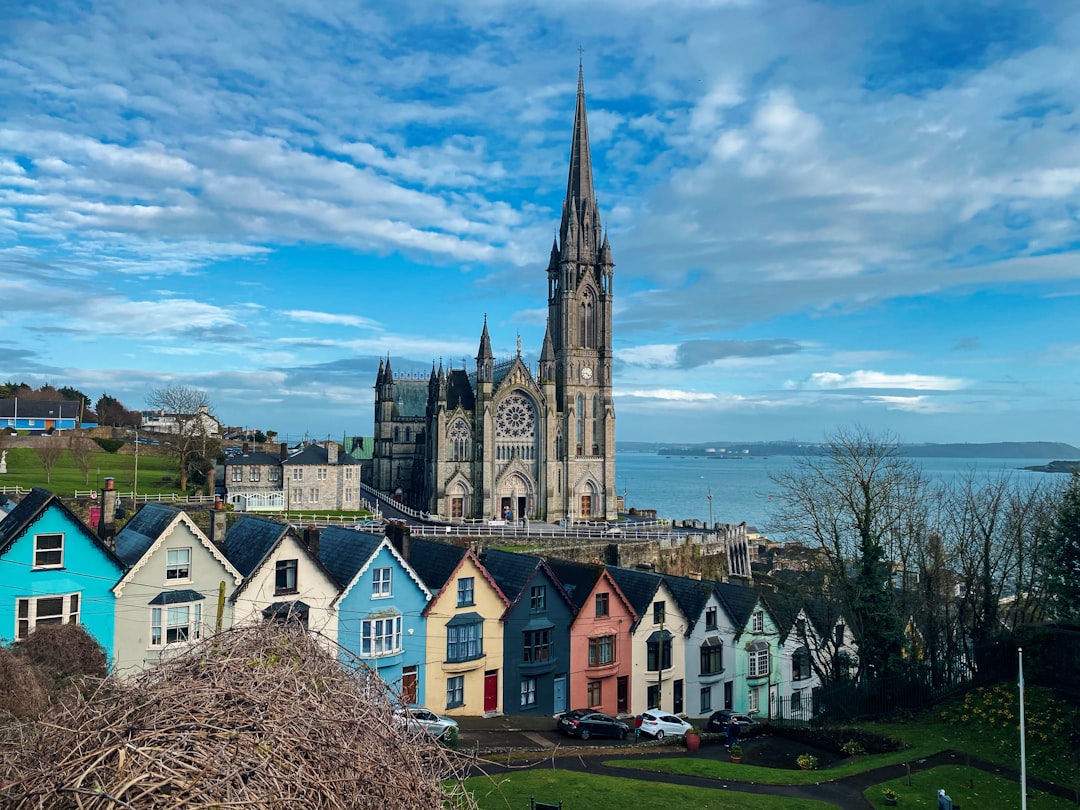
Ireland's food capital on an island city, with wild coast and Blarney on the doorstep.
- Best time to visit: May-September
- Daily budget (budget traveller): $120 to $230 USD
- Ideal trip length: 2 to 3 days
Cork calls itself the real capital of Ireland and half-means it. The centre sits on an island between two channels of the River Lee, packed with Victorian shopfronts, a covered market that has been trading since 1788 and more good restaurants per street than anywhere else in the country. Traditional music spills out of pubs most nights, and the harbour, Kinsale and the Wild Atlantic Way start where the city ends.
Cork's centre is an island, and that shapes everything. The River Lee splits in two around a dense knot of Victorian streets, so the whole core is about fifteen minutes across on foot. St Patrick's Street curves along the line of a filled-in channel. The English Market has been trading under its glass roof since 1788. Bridges drop you into Shandon on the north bank or the cathedral quarter on the south. You never need a transit pass to see the city itself. You will need a waterproof, because Cork is wet roughly one day in two and the locals mostly ignore it.
Food and drink are the reason to come. Cork's identity runs through the market stalls (spiced beef, buttered eggs, fresh Kenmare and Ballycotton fish), through Murphy's and Beamish, which the city drinks in preference to Guinness, and through a restaurant scene that beats Dublin for value. A pint of stout is about €6 to €7. A seafood chowder lunch is €10 to €14. A tasting menu at the top end is still well below capital prices. Trad sessions run most nights at Sin É, An Spailpín Fánach and a few other pubs, usually without a cover charge, and anyone who sits quietly and listens is welcome.
Plan three or four nights and treat Cork as a base. Irish Rail trains from Kent Station reach Cobh and Midleton in about 25 minutes. Bus Éireann services from Parnell Place Bus Station cover Blarney (route 215) and Kinsale (route 226, which also serves the airport). Everything is doable without a car. Book accommodation early for the Cork Jazz Festival (the October bank holiday weekend, 23 to 26 October in 2026), when hotel rates can double. The rest of the year, Cork is one of the few Irish cities where a mid-range budget gets you something good.
How many days in Cork?
For Cork, we recommend 2 to 3 days.
| Trip length | What you'll see | Itinerary |
|---|---|---|
| 2 days · Recommended | English Market and the island centre; Shandon, Nano Nagle and the north bank | Cork in 2 days |
| 3 days · Recommended | Adds: Cobh and the Titanic story | Cork in 3 days |
| 4 days | Adds: Kinsale harbour and Charles Fort | Cork in 4 days |
| 5 days | Adds: Blarney Castle and Fitzgerald Park | Cork in 5 days |
| 7 days | Adds: Midleton and the Jameson tour; Blackrock | Cork in 7 days |
Cork itinerary
Arrive, English Market and the island centre
Morning: Land at ORK, Bus 226 to Parnell Place Bus Station (about 20 min, around €3). Drop bags, then coffee at Cork Coffee Roasters on North Main Street.
Afternoon: English Market (Mon to Sat, 8am to 6pm). Buttered eggs and chowder at the Farmgate Café upstairs, then a walk along Patrick Street, Grand Parade and the Crawford Art Gallery (free).
Evening: Dinner at Market Lane on Oliver Plunkett Street. Pints at Mutton Lane Inn, a tiny pub down an alley, then a trad session at Sin É on Coburg Street.
Shandon, Nano Nagle and the north bank
Morning: Climb St Anne's Shandon at opening and ring the bells (about €8). Then the Butter Museum next door.
Afternoon: Lunch at Nash 19 on Princes Street (closed Sundays). Nano Nagle Place for the garden and the convent story (about €10).
Evening: Franciscan Well taproom and beer garden. Late dinner at Café Paradiso on Lancaster Quay, then a nightcap at Cask on MacCurtain Street.
Cobh and the Titanic story
Morning: Train from Kent Station to Cobh (about 25 min, trains every 30 to 60 min). Titanic Experience Cobh in the old White Star Line building (about €19).
Afternoon: St Colman's Cathedral, the Deck of Cards terraces and a fish lunch on the seafront. Optional Spike Island ferry (about €28, check the schedule).
Evening: Train back. Book Ichigo Ichie for a Michelin-starred Japanese tasting menu, or keep it casual at the Hi-B Bar.
Kinsale harbour and Charles Fort
Morning: Bus 226 from Parnell Place to Kinsale (about 50 to 60 min). Wander Market Quay and the colour-washed lanes.
Afternoon: Lunch at Fishy Fishy by the harbour, then walk the coastal path to Charles Fort (about 2km, entry around €6).
Evening: Check the last bus back before you settle in. A late pub dinner in Cork city, then An Spailpín Fánach for music.
Blarney Castle and Fitzgerald Park
Morning: Bus 215 from Parnell Place to Blarney (about 25 min). Be at the castle at 9am: the Stone queue is shortest first thing, then the Poison Garden and Rock Close.
Afternoon: Back in the city, walk to Fitzgerald Park, cross the Shaky Bridge and visit the free Cork Public Museum.
Evening: Supper at Idaho Café or a pub dinner on the Oval, South Main Street.
Midleton and the Jameson tour
Morning: Train from Kent Station to Midleton (about 25 min). On Saturdays, hit the farmers' market first.
Afternoon: Jameson Distillery Midleton tour and tasting (about €30). Walk the town's main street for lunch.
Evening: Train back. Pints at The Oval, then dinner at Bodega on Cornmarket Street.
Slow morning, Blackrock, depart
Morning: Crawford Gallery Café for a last breakfast. Then bus 202 or a taxi out to Blackrock.
Afternoon: Blackrock Castle Observatory and the riverside Marina Walk. Last market pickups before the shop closes at 6pm.
Evening: Bus 226 from Parnell Place to the airport. Allow about 35 minutes.
Best neighbourhoods
- City Centre Island: St Patrick's Street, the English Market, Oliver Plunkett Street pubs and the Grand Parade.
- Shandon: The hill quarter of the Bells of Shandon, butter museum and the best view over the rooftops.
- Victorian Quarter (MacCurtain Street): Revived strip of natural-wine bars, restaurants and the Everyman theatre.
- Douglas & Ballintemple: Leafy suburbs with the marina walkway out towards Blackrock Castle.
Must-do experiences
- Eat your way through the English Market: A covered Victorian market trading since 1788: buttered eggs, spiced beef, seafood counters and a famous upstairs café.
- Ring the Bells of Shandon: Climb St Anne's Church tower, play the bells yourself, then take in the panorama over the river city.
- Day-trip to Cobh: The Titanic's last port of call, with a candy-coloured seafront and a soaring cathedral, 25 minutes by train.
- Visit Blarney Castle: Kiss the stone if you must, but the poison garden, rock close and grounds are the real reward, 20 minutes out of the city.
- Explore Kinsale: A yacht harbour and gourmet village with star-shaped Charles Fort and the coast walk beyond.
Hidden gems
- Nano Nagle Place, a restored convent with gardens, café and social history.
- Blackrock Castle Observatory, a riverside castle turned science centre.
- The Franciscan Well brewery taproom and its beer garden.
- Fitzgerald Park and the elegant Shaky Bridge over the Lee.
Daily budget
- Accommodation: budget €28-50 / night (hostel dorm), mid-range €120-190 (boutique double), splurge €320+ (Hayfield Manor, Montenotte Hotel). Prices double on Jazz Festival and big rugby weekends. Book those dates months out.
- Food: budget €30-40 / day (market rolls, pub chowder, supermarket dinner), mid-range €65-95 (café lunch, one proper dinner), splurge €130+ (Ichigo Ichie tasting menu, Michelin star). Pub lunches and market counters are the value play. Many restaurants run early-bird menus of €30 to €38 before 6:30pm.
- Transport: budget €5-12 (walk the centre, one Leap-card day trip), mid-range €15-25 (Cobh train, Blarney bus, a taxi or two), splurge €70+ (private driver or car hire for Kinsale and Ballycotton). Cobh by train is about €9 return. Blarney by bus is about €7 return. Don't hire a car for the city.
- Activities: budget €10-20 (Crawford Gallery free, Shandon tower, free coast walks), mid-range €40-70 (Blarney Castle, Titanic Experience Cobh, Shandon), splurge €120+ (Jameson Midleton tour, Spike Island, harbour sailing). Blarney is about €24 online and Titanic Experience Cobh about €19. Buy online to skip the ticket queue.
- Drinks & nightlife: budget €15 (two stout pints at €6.20-6.80), mid-range €35-50 (pub crawl plus a cocktail), splurge €80+ (Cask cocktails, whiskey flight, late night). Last orders around 11:30pm midweek, 12:30am weekends. Rounds are the norm, so budget for your share.
Where to stay
- Social hostel in Victorian Quarter (MacCurtain Street) (€28-50 / night): Bru Bar & Hostel is above a lively bar a short walk from Kent Station. Kinlay House in Shandon is the quieter alternative with bell views.
- Boutique hotel in MacCurtain Street / City Centre (€130-220 / night): Hotel Isaacs Cork or The Imperial on South Mall, character buildings, walking distance to the market and the best restaurants.
- Apartment in Sunday's Well or Shandon (€90-150 / night): Residential hillside streets, a short walk to the centre and Fitzgerald Park. Good value for stays of four nights or more.
- Splurge in Hayfield Manor or Montenotte (€320-550 / night): Hayfield Manor on Perrott Avenue is a country-house hotel in the city. Montenotte Hotel sits on a hill above the harbour with its own cinema.
What to eat
- Buttered eggs and spiced beef from the English Market
- Drisheen and tripe if you're brave, the true Cork classic
- Seafood chowder with brown bread
- Murphy's or Beamish stout instead of Guinness, this is Cork
Day trips
- Cobh (25 min by train): The Titanic's final port of call, with colour-washed terraces, St Colman's Cathedral and the Titanic Experience (about €19). Spike Island is a short ferry away. Irish Rail from Kent Station, every 30 to 60 min, about €9 day return.
- Kinsale (50 to 60 min by bus): A pretty harbour town with serious restaurants and Charles Fort (about €6), plus an excellent coastal path. Bus Éireann route 226 from Parnell Place Bus Station, around €15 return. Check the last return bus.
- Blarney (25 min by bus): Blarney Castle and its gardens (about €24 online). Go for the Poison Garden and Rock Close as much as the Stone itself. Bus 215 from Parnell Place Bus Station, around €7 return. Arrive at 9am opening to avoid queues.
When to visit
- Spring (March to May): 6-15°C, showers with bright gaps, windy on the coast. Crowds: Low, picking up in May. Underrated. Cheap rooms, empty Blarney gardens, long evenings from April. Pack a proper shell.
- Summer (June to August): 14-21°C, light until 10pm, rain still likely. Crowds: Busy at Blarney, Cobh and Kinsale, quieter in the city itself. The most reliable window for coast walks and beer gardens. Book trad-pub weekends and Kinsale dinners ahead.
- Autumn (September to November): 8-17°C, September mildest, October wetter. Crowds: Moderate, spikes at Jazz Festival weekend. Locals' pick. September is warm and quiet, then the Folk Festival, Jazz Festival and Film Festival fill the calendar.
- Winter (December to February): 3-9°C, wet, gusty. Crowds: Very low. Cheapest beds and the best pub fires. Some Kinsale and Cobh attractions cut hours, so check before you go.
Entry rules for your passport
Visa rules for Ireland depend on the passport you travel on. Check the official source before you book: Irish Immigration Service
Getting there
Cork Airport (ORK) is about 8km south of the centre. Bus Éireann route 226 runs to Parnell Place Bus Station every 15 to 30 minutes for about €3 with a Leap card or cash, and also continues to Kinsale. A taxi into town is €22 to €28. Irish Rail's Dublin Heuston to Cork Kent Station service takes about 2 hours 30 minutes, roughly hourly, with advance fares from about €25 and flexible tickets around €60. Direct coaches from Dublin Airport (Aircoach, Citylink) take about 3 hours for €15 to €25. Ryanair and Aer Lingus connect Cork to London, Amsterdam, Paris and more. Brittany Ferries runs a seasonal Roscoff to Cork service of about 14 hours.
Getting around
The island centre is walkable in 15 minutes end to end and best explored on foot. Local buses reach Blarney and the suburbs; trains from Kent Station run to Cobh, Midleton and Dublin in about two and a half hours. Cork Airport is 15 minutes south by bus. A car helps for the Wild Atlantic Way but isn't needed in the city.
Safety
Cork is a friendly, low-crime city. The main issues are weekend closing-time rowdiness on Oliver Plunkett and MacCurtain Streets and occasional pickpocketing in the English Market crowds. Quays are unfenced in places, so take care walking home along the river. Rain is constant, so footpaths get slippery; pack waterproofs.
Solo travel tips
- Eat at the English Market counters: The Farmgate Café upstairs has communal seating and traders from the stalls eat there. Ask what's good, order the buttered eggs, and you'll be chatting with someone local before the tea arrives.
- Join the trad session like a regular: At Sin É or An Spailpín Fánach, sit near the edge, order a drink, stay quiet during the tunes and don't film. When the musicians finish a set, a friendly question is welcome.
- Hostel pick: Bru Bar & Hostel or Kinlay House: Bru Bar & Hostel on MacCurtain Street is the social choice with a bar attached. Kinlay House in Shandon is quieter, with a lovely kitchen, and a good choice if you want an early night.
- Day trips run on public transport: Irish Rail to Cobh and Midleton, Bus Éireann to Blarney and Kinsale. Buy a Leap card, check the last return before you go and you never need a car.
- Solo female travellers: Cork is easy and friendly, with standard city rules. Avoid the unfenced quay edges after dark, use Free Now or Uber on weekend nights, and keep an eye on your drink along MacCurtain and Oliver Plunkett at closing time.
- Find your tribe at pub quizzes and food tours: Weeknight pub quizzes are open to anyone with a team of one. Food tours that include the English Market are a good way to meet other solos over lunch.
Cultural etiquette
- Cork is a Murphy's and Beamish city. Ordering a Guinness is allowed but earns a raised eyebrow, so try the local stout.
- Buy your round. In a group, someone buys for everyone, then the next person takes over. Don't leave before your round.
- Tip about 10% at sit-down restaurants if service isn't included. Don't tip at the pub bar, but a euro for table service is welcome.
- In a trad session, don't talk over the tunes, don't film without asking, and don't sit in the musicians' circle. Applause goes at the end of a set.
- Cork people are proud of being the real capital. Don't call it Dublin's little sibling.
- Pub etiquette is relaxed: 'How's it going?' is a greeting, not a question. A quick 'Grand, thanks' is the right response.
- The English Market is closed Sundays and many shops close early, so plan food shopping for Monday to Saturday.
Frequently asked questions
How many days do you need in Cork?
Two days covers the island centre, English Market, Shandon and a night of trad music. Three or four lets you add Cobh, Blarney Castle, Kinsale and a stretch of the Wild Atlantic Way.
Is Cork worth visiting?
Yes. It's Ireland's food capital, with a Victorian covered market, strong restaurant and pub scene, and a compact walkable centre. It also works better than Dublin as a base for the coast, Kinsale and West Cork.
What is Cork famous for?
The English Market, the Bells of Shandon, Murphy's and Beamish stout, spiced beef, the Cobh Titanic connection, Blarney Castle nearby, and a fiercely held claim to being Ireland's real capital.
How do you get from Dublin to Cork?
Direct Irish Rail trains from Dublin Heuston take about two and a half hours, roughly hourly. Aircoach and Citylink coaches take about three hours for less money. Driving on the M8 takes about three hours.
When is the best time to visit Cork?
May to September for the mildest, driest weather and long evenings. October brings the Cork Jazz Festival, and November the film festival. It rains year-round, so pack a waterproof whenever you come.
Is Cork expensive?
Cheaper than Dublin but not cheap: budget $120 to $230 a day. Hotel rates spike during festivals and rugby weekends. Market food, pub lunches and free sights like Shandon's streets and Fitzgerald Park keep costs manageable.
Is Cork good for solo travellers?
Excellent. Pub culture makes conversation easy, trad sessions welcome anyone who sits down, the centre is small and safe, and hostels are central. Day trips to Cobh and Kinsale run on public transport, so you never need a car.
Tours and activities in Cork | Cork in 2 days | Cork in 3 days | Cork in 4 days | Cork in 5 days | Cork in 7 days
Can't decide? Compare Cork with...
Joy Plus home | Destinations | Itineraries | Activities | Flights | Budget planner | Calendar | Map | Blog | Lifetime access