Destinations / Europe
Dresden, Germany travel guide
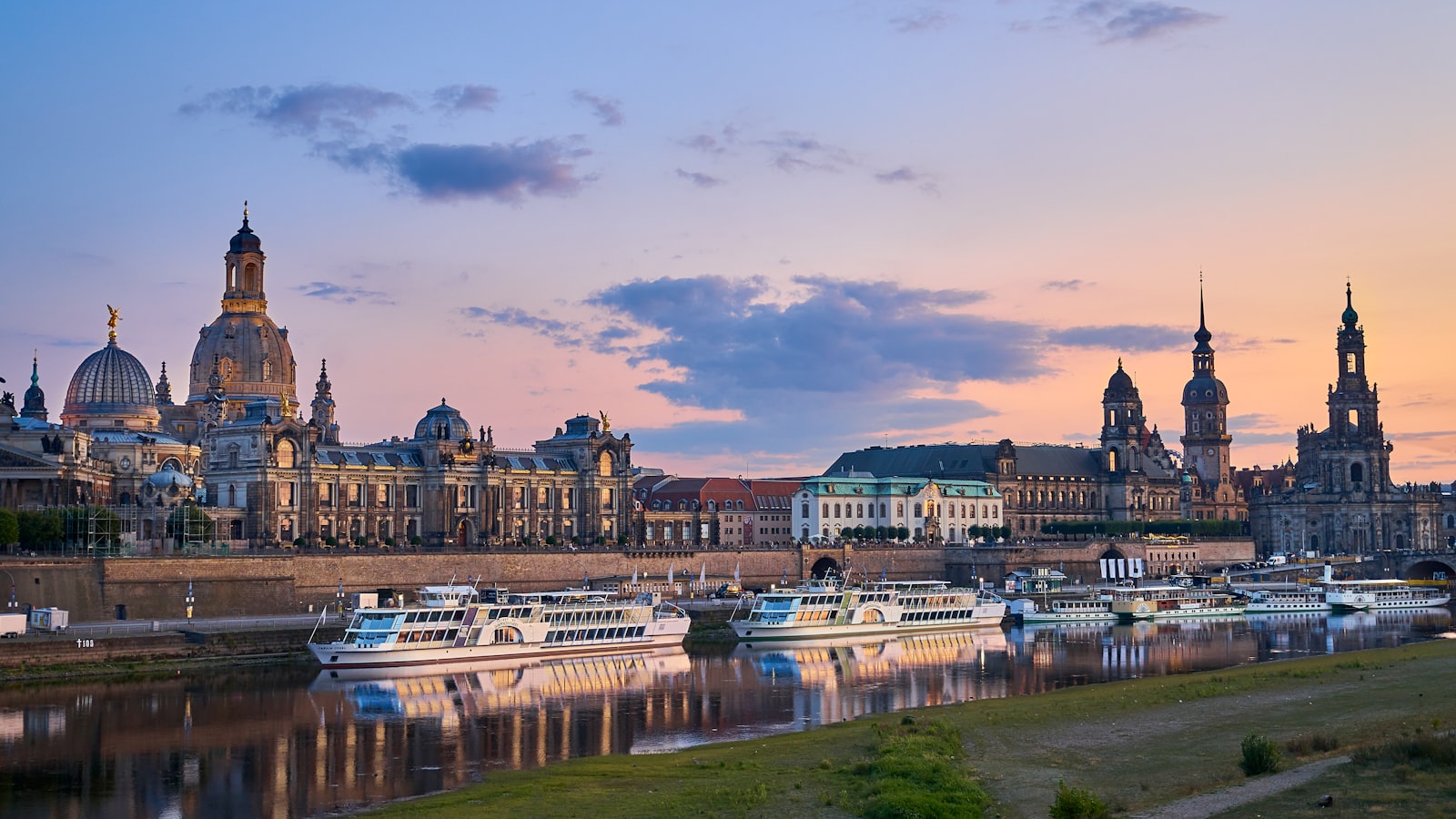
Baroque capital on the Elbe: rebuilt palaces, world-class art and Saxon Christmas markets.
- Best time to visit: May-September, plus late November-December for the Striezelmarkt
- Daily budget (budget traveller): $110 to $230 USD
- Ideal trip length: 2 to 3 days
Dresden is Saxony's baroque showpiece, largely destroyed in February 1945 and painstakingly rebuilt: the Frauenkirche's sandstone dome, the Zwinger palace, the Semper Opera and the Brühl's Terrace above the Elbe together form one of Europe's most photogenic old-town skylines. Across the river, Neustadt is scruffier, greener and full of bars. Joy Plus balances baroque architecture, the Old Masters gallery and modern Neustadt nightlife.
Dresden is the city that was erased and then rebuilt stone by stone. On the night of 13 February 1945 the baroque centre burned, and the Frauenkirche collapsed two days later. For decades the ruins sat there as a memorial. Then came the reconstruction, finished with the church's reconsecration in 2005. Look closely at the Frauenkirche's sandstone and you'll see dark, scorched blocks set among the pale new ones. Those are the originals, salvaged from the rubble. Don't call the Altstadt fake. It's a stubborn act of memory, and Dresdeners take it personally.
The old town is a compact stage set along the Elbe, with the Zwinger, Semperoper, Residenzschloss and Brühl's Terrace all within ten minutes' walk. The real city lives across the Augustus Bridge. The Äußere Neustadt is a grid of Gründerzeit streets full of courtyards, street art, Spätis (corner shops that sell beer to go) and bars that stay open late. A half-litre of Radeberger costs about €4, and you can drink it on the Elbe meadows with the skyline in front of you. Saxons are drier and friendlier than their reputation, and the local dialect, with its sing-song 'nu' for yes, is half the fun.
Two to three days handles the city. Add two more and you get Saxon Switzerland's sandstone towers, Meissen's porcelain and the Radebeul vineyards, all reachable on the S1 S-Bahn. Plan around the closures: the Old Masters and the Albertinum are shut on Mondays, the Residenzschloss with the Green Vault is shut on Tuesdays, and the Green Vault needs a timed slot booked ahead. Winter has the Striezelmarkt, but you'll be shoulder to shoulder with everyone else. For a calmer visit, come between May and September.
How many days in Dresden?
For Dresden, we recommend 2 to 3 days. With more time, add a day trip to Moritzburg.
| Trip length | What you'll see | Itinerary |
|---|---|---|
| 2 days · Recommended | Altstadt, Frauenkirche; Zwinger, Semper, Green Vault | Dresden in 2 days |
| 3 days · Recommended | Adds: Albertinum and the Neustadt | Dresden in 3 days |
| 4 days | Adds: Saxon Switzerland day trip | Dresden in 4 days |
| 5 days | Adds: Meissen and Radebeul wine | Dresden in 5 days |
| 7 days | Adds: Loschwitz, Blue Wonder, beer garden; Pfunds, Neustadt slow morning | Dresden in 7 days |
Dresden itinerary
Arrive, Altstadt, Frauenkirche
Morning: Land at DRS, S2 to Dresden Hbf (about 20 min). Drop bags, then walk Prager Straße to Altmarkt for a coffee and Eierschecke at Kreutzkamm.
Afternoon: Neumarkt and the Frauenkirche. Climb the dome (about €10), then walk to Augustusstraße for the Fürstenzug, a 102m mural of Saxon rulers in porcelain tiles.
Evening: Brühl's Terrace at golden hour. Dinner at Sophienkeller (candlelit cellar, Sauerbraten €18-22), then an easy walk along the Elbe.
Zwinger, Semper, Green Vault
Morning: Zwinger at 10am. The Old Masters (about €14) has Raphael's Sistine Madonna and Vermeer's Girl Reading a Letter. Take the courtyard for free.
Afternoon: Semperoper exterior and a guided tour (around €14). Then your pre-booked timed slot at the Historic Green Vault inside the Residenzschloss (not on Tuesdays).
Evening: Dinner near Theaterplatz, then a cheap standing or returns seat at the Semperoper if something good is on.
Albertinum and the Neustadt
Morning: Albertinum at 10am (shut Mondays): Gerhard Richter, Caspar David Friedrich. Walk the Terrassenufer promenade after.
Afternoon: Cross the Augustus Bridge, see the Golden Rider, wander Hauptstraße, then stroll into the Äußere Neustadt. Kunsthofpassage courtyards are free.
Evening: Dinner at Raskolnikoff or Planwirtschaft, then Scheune, Katy's Garage or Café Europa (open 24 hours) for the real Neustadt.
Saxon Switzerland day trip
Morning: S1 from Hbf towards Schöna around 8:30am, off at Kurort Rathen (about 45 min). Ferry across the Elbe (about €2) and climb to the Bastei Bridge, about 45 min on foot.
Afternoon: Walk the sandstone trail to Neurathen Castle, then Hocksteinschenke or a packed lunch with a view. Descend and return by S1.
Evening: Beer and Saxon dinner at Watzke Brauereiausschank in Pieschen, a short tram ride from the centre.
Meissen and Radebeul wine
Morning: S1 to Meissen (about 40 min). Albrechtsburg castle and cathedral on the hill (about €12 each), then the Meissen Porcelain Museum.
Afternoon: Back on the S1 to Radebeul. Tasting and a cellar tour at Schloss Wackerbarth, in one of one of Germany's northernmost wine regionss.
Evening: S1 back to Dresden. Light dinner, early night.
Loschwitz, Blue Wonder, beer garden
Morning: Tram to Schillerplatz and walk across the Blaues Wunder bridge to Loschwitz. Ride the Schwebebahn or the Standseilbahn up the hillside for Elbe views.
Afternoon: Hillside villas and a slow lunch at Schillergarten beer garden at the foot of the bridge.
Evening: Picnic on the Elbe meadows with Späti beer, or catch the summer open-air cinema (Filmnächte am Elbufer) if it's running.
Pfunds, Neustadt slow morning, depart
Morning: Pfunds Molkerei (Bautzner Straße 79, open 10am) for tiled-shop cheese, milk and a late breakfast.
Afternoon: Last souvenir run: Stollen from Kreutzkamm or a Neustadt vintage shop. Collect bags.
Evening: S2 to the airport (about 20 min) or an Intercity from Hbf.
Best neighbourhoods
- Altstadt: The rebuilt baroque core with the Frauenkirche, Zwinger, Semper Opera and Royal Palace clustered along the Elbe.
- Neustadt (Äußere Neustadt): The bohemian district north of the river with street art, indie bars, vintage shops and Kunsthofpassage courtyards.
- Innere Neustadt: The elegant riverside stretch with the Golden Rider statue and the Japanisches Palais.
- Blasewitz & Loschwitz: Villa-lined suburbs upriver, home to the 'Blue Wonder' bridge and hillside vineyards.
Must-do experiences
- See the rebuilt Frauenkirche: The Church of Our Lady was reduced to rubble in 1945 and reopened in 2005; climb the dome for a 360-degree view over the old town.
- Visit the Zwinger palace: A baroque masterpiece housing the Old Masters Picture Gallery, home to Raphael's 'Sistine Madonna' and Vermeer's 'Girl Reading a Letter'.
- See the Green Vault treasury: The Historic Green Vault inside the Royal Palace is one of Europe's most spectacular treasure chambers, book the timed entry ticket well in advance.
- Walk Brühl's Terrace: Known as the 'Balcony of Europe', this promenade above the Elbe gives the best free views over the old town.
- Bar-hop in the Neustadt: The Äußere Neustadt district north of the river is packed with quirky bars, beer gardens and the colourful Kunsthofpassage courtyards.
Hidden gems
- The Kunsthofpassage courtyards with their musical facade and animal sculptures.
- Pfunds Molkerei, billed as 'the world's most beautiful dairy shop'.
- Wine tasting in Radebeul, in one of Germany's northernmost wine regions.
- The Standseilbahn funicular up from Loschwitz for Elbe views.
Daily budget
- Accommodation: budget €22-38 / night (hostel dorm), mid-range €95-150 (boutique double), splurge €250+ (Bülow Palais, Taschenbergpalais Kempinski). Neustadt is the value play, with better bars and cheaper rooms than the Altstadt. Prices jump 30% during Striezelmarkt weeks.
- Food: budget €25-35 / day (bakeries, Imbiss, Mensa), mid-range €50-80 (Saxon dinner plus a Mittagstisch), splurge €150+ (tasting menu at Caroussel). Weekday lunch specials (Mittagstisch) run €9-12. The TU Dresden Mensa serves guests a hot meal for about €5-7. Döner is €6-8.
- Transport: budget €8 / day (DVB day ticket), mid-range €15-30 (day tickets plus S1 day trips), splurge €60+ (taxis, private driver to Meissen). Altstadt and Neustadt are walkable. A Sachsen-Ticket (around €30, cheaper per extra person) covers regional trains on day trips.
- Activities: budget €10-20 / day (free sights plus the Frauenkirche dome), mid-range €35-60 (Old Masters, Green Vault, Opera tour), splurge €100+ (Semperoper seat, guided Bastei hike, paddle steamer). Brühl's Terrace, the Zwinger courtyard, the Fürstenzug mural and the Kunsthofpassage are all free. The Frauenkirche dome is about €10.
- Drinks & nightlife: budget €10-12 (Späti beer on the Elbe meadows), mid-range €25-40 (Neustadt bar crawl), splurge €70+ (cocktails plus a late club night). A 0.5l Radeberger is €3.80-4.80, cocktails €9-12. Kneipen close late and the Neustadt rarely sleeps.
Where to stay
- Social hostel in Äußere Neustadt (€22-45 / night): Lollis Homestay or Hostel Mondpalast. Walkable to the bars and Kunsthofpassage, a short tram ride to the Altstadt. Kitchen and common room for easy hellos.
- Boutique hotel in Innere Neustadt (€110-180 / night): Hotel Martha Dresden or Hotel Rothenburger Hof. Quiet streets, five minutes to the Golden Rider and ten to the Augustus Bridge, with the Altstadt one bridge away.
- Apartment in Äußere Neustadt, near Alaunpark (€75-120 / night): Gründerzeit flats with high ceilings and stucco, a few minutes from the bars and the Sunday park flea market. Best value for 4+ nights.
- Splurge in Altstadt and Innere Neustadt (€250-450 / night): Hotel Bülow Palais or Hotel Taschenbergpalais Kempinski. Baroque palace rooms, spa and tasting menus, with the Zwinger and Frauenkirche on the doorstep.
What to eat
- Sauerbraten and Sächsischer Kartoffelsalat
- Dresdner Eierschecke cake
- Radeberger Pilsner and Saxon Meissen wine
- Stollen fruitcake (a Dresden Christmas invention)
Day trips
- Saxon Switzerland (Bastei) (45 min by S-Bahn): Sandstone towers, forest trails and the Bastei Bridge above the Elbe. Go early, the trail from Rathen is busy by 11am. S1 from Hbf towards Schöna to Kurort Rathen, then the ferry across the Elbe (about €2). Use a VVO day ticket or a Sachsen-Ticket (about €30).
- Meissen (40 min by S-Bahn): Hilltop Albrechtsburg castle, Gothic cathedral and the original European porcelain manufactory. Compact and walkable. S1 from Dresden Hbf towards Meißen-Triebischtal. Albrechtsburg and the Porcelain Museum are about €12 each.
- Moritzburg (30-40 min by train and bus): A baroque hunting lodge on an island in a lake, the setting of the film Three Hazelnuts for Cinderella. Quiet, pretty and good for a half day. S1 to Radebeul Ost, then the Lößnitzdackel steam train or a local bus. Castle entry is roughly €10-14.
When to visit
- Spring (April - June): 10-22°C, mostly dry, the odd shower. Crowds: Building, manageable. The best window. Elbe meadows green up, the Dresden Music Festival runs in May and June, and the Bunte Republik Neustadt street party takes over the Äußere Neustadt in mid June.
- Summer (July - August): 22-32°C, heatwaves possible, thunderstorms. Crowds: Moderate, cruise boats and school holidays. Great for Elbe life, beer gardens and open-air cinema on the riverbank. Museums are air-conditioned refuges. The Saxon Switzerland trails are busy, so go early.
- Autumn (September - October): 8-20°C, golden light, drizzle from late October. Crowds: Low to moderate. The locals' pick. Radebeul wine harvest, empty museums and cheaper hotels. Saxon Switzerland is at its prettiest in early October.
- Winter (November - March): -3 to 5°C, grey, occasional snow. Crowds: Heavy from late Nov to 24 Dec, otherwise very low. The Striezelmarkt (from 1434) and Stollenfest are magic but packed. Outside market weeks it's quiet, cheap and perfect for museums, with Glühwein as the only crowd you'll meet.
Entry rules for your passport
Visa rules for Germany depend on the passport you travel on. Check the official source before you book: European Commission: Schengen visa policy
Getting there
Dresden Airport (DRS) is small, about 9km north of the centre, with mainly domestic and European flights. The S2 S-Bahn reaches Hauptbahnhof in about 20 minutes, around €4 per ticket. A taxi is €30-35 flat. Many travellers fly into Berlin (BER) or Prague instead. Direct EC and IC trains link Berlin Hbf to Dresden Hbf in about 2 hours (Sparpreis tickets from around €18 if you book early), Prague in 2h15, Leipzig in 1h15 and Frankfurt in about 4 hours. Flixbus is cheaper but slower, arriving at the ZOB on Bayrische Straße next to Hbf. Don't rent a car, parking in the Altstadt is expensive and the tram network is excellent.
Border checks: non-EU visitors (other than Swiss, Norwegian, Icelandic, Liechtenstein, Andorran, Monegasque, San Marinese and Vatican citizens, and holders of an EU residence permit or long-stay visa) are registered in the EU's Entry/Exit System (EES) instead of getting a passport stamp. On your first crossing, officers take your photo and/or fingerprints, so allow extra time at passport control. ETIAS, the planned travel authorisation, is not in operation yet, so don't pay any website for one.
Getting around
Dresden's Altstadt and Neustadt are compact and easy to walk, and the two are linked by the Augustus Bridge across the Elbe in under 10 minutes on foot. The tram network (run by DVB) is dense, punctual and inexpensive, and covers everything beyond the centre; the airport is on the S2 S-Bahn line, about 20 minutes from the main station. Single tickets and day passes are sold at machines at every stop.
Safety
Dresden is a safe city with easy solo travel. Standard precautions apply: watch for pickpockets in the Altstadt during Christmas market season and on crowded trams. Late-night Neustadt is lively but generally fine, occasional political demonstrations happen in the Altstadt on weekends and are best avoided as a tourist.
Solo travel tips
- Sit at the Tresen: Neustadt Kneipen like Planwirtschaft and Raskolnikoff have bars or shared tables. Ask 'Ist hier frei?' and nod. Within ten minutes someone will tell you which beer to order and which tourist spot to skip.
- Time your museums around the closures: The Old Masters and Albertinum close Monday, the Residenzschloss and Green Vault close Tuesday. Book the Green Vault slot before you book flights, it's the one that actually sells out.
- Hostel pick: Lollis Homestay or Hostel Mondpalast: Both sit in the Neustadt, minutes from the bars and a tram ride from the Altstadt. Dorms from about €22 and a good mix of solos, hikers and interrailers.
- Free walking tours are the fastest friend-maker: Tip-based tours leave from near the Frauenkirche daily. Join one on day one, then ask the guide where to eat in the Neustadt.
- Solo female travellers: Dresden is very safe on foot at night in the Altstadt and Neustadt. Keep an eye on drinks, use taxis or the DVB night trams after midnight, and avoid the Hauptbahnhof area very late. Skip Altstadt demonstration weekends.
- Find your tribe on the S1 and the Elbe meadows: Saxon Switzerland hiking attracts solos, and the S1 on weekends is basically a moving trailhead. Back in town, the Elbe meadows on a warm evening are the best free social scene in the city.
Cultural etiquette
- Greet with 'Guten Tag' when entering shops and cafes, and 'Tschüss' when leaving. Saxons are quiet but polite, and a smile is returned.
- Tip 5-10%. Say the total you want to pay when handing over cash or card ('Machen Sie 25') rather than leaving coins on the table.
- Cash is still king in small cafes, bakeries and market stalls. Carry €50 and expect some places to be card-free.
- Shops are closed on Sundays. Buy supplies on Saturday, or use Spätis and the Hauptbahnhof shops.
- Bottles carry a Pfand (deposit) of €0.08-0.25, and Christmas market mugs €3. Return them for your money back.
- Don't cross on a red pedestrian light, even on an empty street. Locals will notice and so will the kids nearby.
- Treat the Altstadt reconstruction and the 13 February anniversary with respect. Dresden has a heavy memory, and demonstrations occur on some weekends.
Frequently asked questions
How many days do you need in Dresden?
Two to three days is enough. One day covers the Altstadt highlights (Frauenkirche, Zwinger, Brühl's Terrace, Royal Palace), a second day handles the Green Vault, the Albertinum and the Neustadt bar district, and a third day works perfectly as a day trip to Saxon Switzerland's sandstone cliffs or the porcelain town of Meissen.
Is Dresden worth visiting?
Yes. The rebuilt baroque Altstadt is one of the most striking urban landscapes in Europe, the Old Masters Gallery and Green Vault are world-class collections, and the Neustadt gives you a scruffy, creative counterpoint. Add nearby Saxon Switzerland for hiking and it easily justifies a 2-3 day stop.
When is the best time to visit Dresden?
May to September for long days and Elbe river life; late November to 24 December for the Striezelmarkt, Germany's oldest documented Christmas market, dating from 1434. Winter outside the market weeks is cold and grey but very quiet and cheap.
Is Dresden safe for solo travellers?
Yes. Dresden is safe for solo travellers day and night, with an easy tram network and walkable centre. Watch for pickpockets in the Altstadt during Christmas market season, and be aware that occasional political rallies happen in the old town on weekends and are best avoided as a bystander.
How do you get from Berlin to Dresden?
Direct EC and IC trains link Berlin Hauptbahnhof with Dresden Hauptbahnhof in about two hours and run roughly hourly. Flixbus is cheaper (around 2.5 hours) and driving on the A13 takes around 2 hours.
Is the Green Vault worth it?
Yes, especially the Historic Green Vault (Historisches Grünes Gewölbe), which recreates the original 18th-century treasure rooms and is one of Europe's most spectacular displays of gold, jewels and craftsmanship. Timed tickets sell out days in advance, book online before you arrive.
Is Dresden good for a day trip from Prague?
It's doable but tight. Direct EC trains take about 2 hours 15 minutes each way, which gives you around 6 hours in Dresden, enough to see the Altstadt and one major museum. For the Green Vault plus Neustadt or Saxon Switzerland, plan on staying at least one night.
More about Dresden
Tours and activities in Dresden | Dresden in 2 days | Dresden in 3 days | Dresden in 4 days | Dresden in 5 days | Dresden in 7 days
Can't decide? Compare Dresden with...
Joy Plus home | Destinations | Itineraries | Activities | Flights | Budget planner | Calendar | Map | Blog | Lifetime access