Destinations / Europe
Dublin, Ireland travel guide
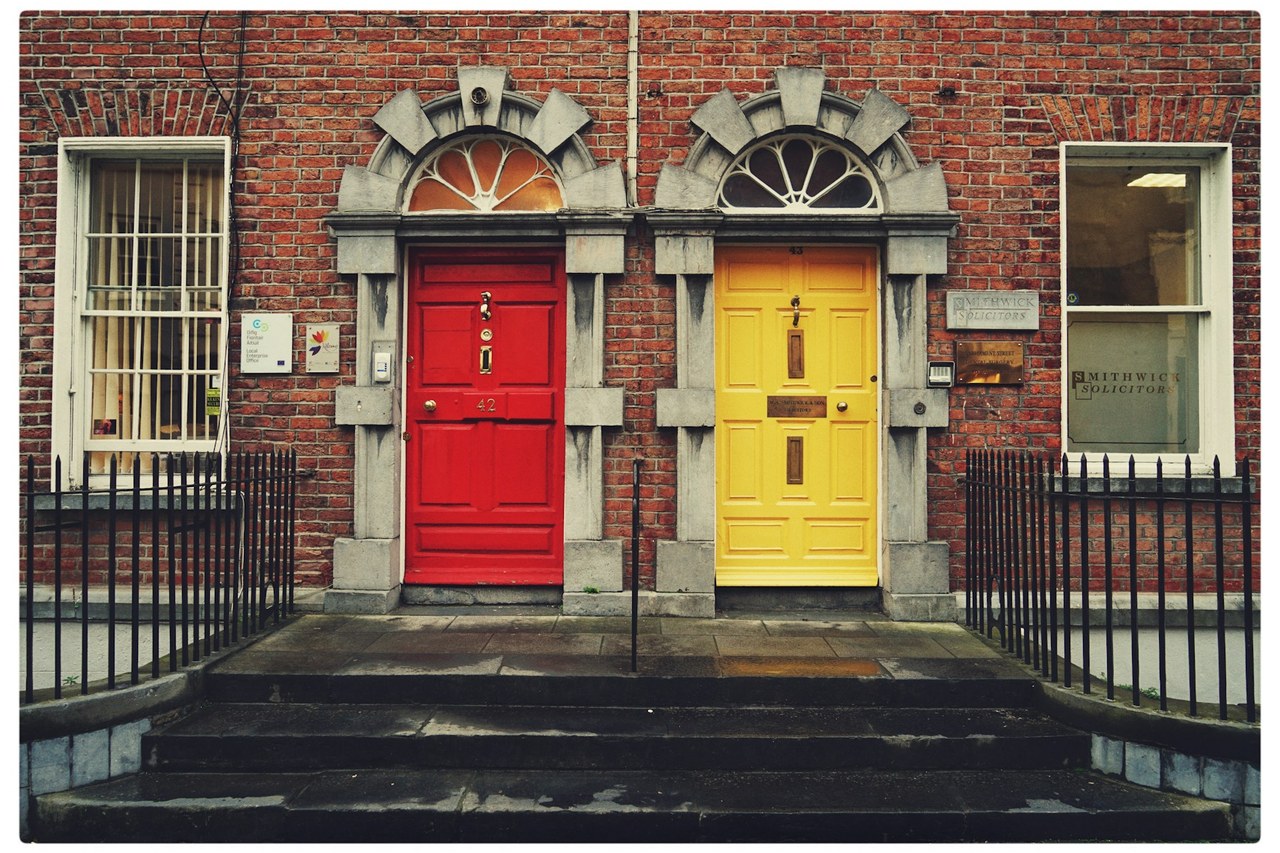
A literary, lively capital of Georgian streets, historic pubs, Guinness and easy escapes to wild coast and cliffs.
- Best time to visit: May-September
- Daily budget (budget traveller): $100 to $150 USD
- Ideal trip length: 4 to 7 days
Dublin is warm, walkable and steeped in story: Georgian doorways and the Book of Kells, the Guinness Storehouse, a famous pub-and-music culture, and the dramatic Wicklow mountains and coastal cliffs within easy reach. Joy Plus clusters the compact city-centre sights, times Trinity College and Guinness to beat the queues, and can slot a Howth, Wicklow or Cliffs of Moher day trip.
Dublin is a city you can walk end to end in about an hour, and that scale is the first surprise. Heuston Station to the Docklands is under five kilometres, the Liffey splits the map in two, and almost everything worth seeing sits within twenty minutes of the Ha'penny Bridge. That makes it an easy city to do alone. You wander into a pub at 4pm, the bartender starts the pour and tells you to wait two minutes, and by 10pm you've been handed a stranger's cousin's number in Galway. Add Georgian doors, a medieval cathedral, free museums holding bog bodies and a Caravaggio, and a trad session in a pub that claims to date from 1198.
The honest part is that Dublin is expensive. A pint is €6.50-7.50 in the centre and €8+ in Temple Bar, a midweek hotel room in summer can hit €250, and it rains on roughly 150 days a year. You plan for the rain instead of around it. Drink in Temple Bar once for the music, then cross to South William Street, Camden Street or Stoneybatter where pints are cheaper and the crowd is local. Free museums, €8 Kilmainham Gaol and an €8 Leap Visitor Card day pass keep the days cheap enough to afford the evenings.
Plan around three timed tickets: the Book of Kells, Guinness Storehouse and Kilmainham Gaol. All three sell out in summer, and Kilmainham is the one people miss. Four to seven days is ideal, because the best of Ireland is just outside the centre. The DART coastal train puts you on the Howth cliff path or the Forty Foot swimming spot in 30 minutes, and Glendalough in the Wicklow Mountains is a 90-minute bus away. Skip the rental car. The Leap Card, your feet and the odd FreeNow cab cover everything.
How many days in Dublin?
For Dublin, we recommend 4 to 7 days. With more time, add a day trip to Cliffs of Moher.
| Trip length | What you'll see | Itinerary |
|---|---|---|
| 2 days | Grafton Street and Georgian Dublin; Trinity, Book of Kells and museums | Dublin in 2 days |
| 3 days | Adds: Kilmainham, Guinness and the Liberties | Dublin in 3 days |
| 4 days · Recommended | Adds: Howth cliff walk | Dublin in 4 days |
| 5 days · Recommended | Adds: Glendalough, Wicklow Mountains | Dublin in 5 days |
| 7 days · Recommended | Adds: Literary Dublin and Stoneybatter; Sandycove, a sea swim | Dublin in 7 days |
Dublin itinerary
Arrive, Grafton Street and Georgian Dublin
Morning: Land at DUB, take Airlink 747 or Aircoach 700 into the centre. Drop bags, then coffee and a sticky bun at Bewley's on Grafton Street.
Afternoon: Lunch at The Pepper Pot in the Powerscourt Centre on South William Street. Walk St Stephen's Green, then the Georgian doors around Merrion and Fitzwilliam squares.
Evening: Dinner at The Winding Stair above the Ha'penny Bridge bookshop. Pints at The Long Hall and Kehoe's, then trad at O'Donoghue's on Merrion Row.
Trinity, Book of Kells and museums
Morning: Book the first slot at the Book of Kells and Trinity Library, about 8:30am (9am on Sundays). The Long Room's shelves have been emptied for restoration, but the library stays open until the end of 2027. Go straight in before the tour buses.
Afternoon: Free National Museum of Archaeology (bog bodies, Tara Brooch, opens 1pm on Sundays and Mondays), then the National Gallery for Caravaggio's Taking of Christ.
Evening: Boxty at Gallagher's Boxty House in Temple Bar. Pint at The Stag's Head, then wander to Temple Bar for one loud trad set.
Kilmainham, Guinness and the Liberties
Morning: Kilmainham Gaol first tour (book weeks ahead, €8), then free modern art at IMMA in the Royal Hospital next door.
Afternoon: Walk to the Guinness Storehouse, around 2pm, for the Gravity Bar pint. Then St Patrick's Cathedral and the Teeling Distillery in the Liberties.
Evening: Stew and a trad session at The Brazen Head, which claims 1198. Arrive before 7pm for a table.
Howth cliff walk
Morning: DART from Tara Street to Howth (30 min). Do the Cliff Path Loop past Bailey Lighthouse, about 6km and 2 hours.
Afternoon: Fish and chips from Beshoff on the West Pier, harbour seals, a pint with a view. DART back by 4pm.
Evening: Burgers at Bunsen on Wexford Street, then live music at Whelan's down the road.
Glendalough, Wicklow Mountains
Morning: Early St Kevin's bus (or a tour) to Glendalough, about 1h30. Round tower, monastic ruins, the Upper Lake.
Afternoon: Hike the Spinc loop (9km, 3.5-4 hours) or just stroll the lakes. Bring waterproofs even in summer.
Evening: Bus back. Cod and chips at Leo Burdock on Werburgh Street, then one quiet pint at Mulligan's.
Literary Dublin and Stoneybatter
Morning: MoLI, the Museum of Literature Ireland on St Stephen's Green (from €16.50), then Marsh's Library by St Patrick's Cathedral (€8, closed Sundays and Mondays).
Afternoon: Walk up Capel Street and Smithfield. A literary pub tour, then Phoenix Park for the fallow deer.
Evening: Dinner at L. Mulligan Grocer in Stoneybatter, then a trad session at The Cobblestone on King Street North.
Sandycove, a sea swim and depart
Morning: DART to Sandycove and Glasthule. See the Joyce Tower (Ulysses opens here) and watch locals jump into the Forty Foot.
Afternoon: Coffee in Dalkey or Dún Laoghaire pier walk. DART back, grab bags.
Evening: Airlink 747 or Aircoach 700 to DUB. Allow 3 hours before departure, security queues can be long.
Best neighbourhoods
- Temple Bar: The cobbled nightlife quarter of pubs and live music (lively but touristy).
- Georgian Dublin: Merrion and Fitzwilliam squares, colourful doors and museums.
- Trinity & Grafton Street: The university, Book of Kells and the main shopping street.
- The Liberties: The historic district around the Guinness Storehouse and St. Patrick's.
- Howth (nearby): A fishing village with a cliff walk and seafood, on the DART line.
Must-do experiences
- Book of Kells & Trinity Library: The illuminated medieval manuscript and the Long Room, whose shelves have been emptied for restoration. The library stays open until the end of 2027.
- Guinness Storehouse: The brewery experience with a panoramic Gravity Bar pint.
- Kilmainham Gaol: A powerful tour through Ireland's fight for independence.
- Pub & live-music night: Trad sessions and pints in the city's historic pubs.
Hidden gems
- The Howth cliff walk and seafood, 30 minutes out on the DART.
- The free, excellent National Museum of Archaeology.
- A literary pub crawl tracing Joyce and Beckett.
- St. Stephen's Green and the Iveagh Gardens for a quiet break.
Daily budget
- Accommodation: budget €35-65 / night (hostel dorm), mid-range €190-320 (boutique double), splurge €450+ (The Merrion, The Shelbourne). Prices jump 30-50% on weekends and in July and August. Book hostels in Smithfield or off Abbey Street, which are cheaper than Temple Bar.
- Food: budget €25-35 / day (café breakfast, chipper, supermarket), mid-range €65-95 (full Irish plus a proper dinner), splurge €150+ (Patrick Guilbaud lunch, 2 Michelin stars). Early bird menus before 7pm run €25-35 for two or three courses. Leo Burdock cod and chips is about €13-15.
- Transport: budget €6-10 / day (Leap Card, mostly walking), mid-range €12-20 (Leap plus an occasional FreeNow), splurge €60+ (private driver to Wicklow). Leap Visitor Card is €8 for 1 day or €18 for 3 days. Walk the centre and don't rent a car.
- Activities: budget €10-20 / day (free museums plus Kilmainham Gaol at €8), mid-range €50-75 (Book of Kells, Guinness Storehouse, Kilmainham), splurge €150+ (Teeling distillery tasting, private Wicklow tour). National Museum, National Gallery and the Hugh Lane are all free. Book timed slots online for a small saving.
- Drinks & nightlife: budget €15-20 (two pints in a non-touristy pub), mid-range €35-55 (trad session night, 4-5 pints), splurge €90+ (Sophie's rooftop cocktails, whiskey flight). Pints cost €6.50-7.50 in the centre and €8+ in Temple Bar. Most pubs call last orders around 11:30pm-12:30am, and late bars run to 2:30am.
Where to stay
- Social hostel in Smithfield / Temple Bar (€35-65 / night): Generator Dublin in Smithfield or Barnacles Temple Bar House. Bars, events, clean mixed dorms, walkable to everything.
- Boutique hotel in Georgian Dublin / Harcourt Street (€190-320 / night): The Dean on Harcourt Street (rooftop bar Sophie's) or Number 31 on Leeson Close, a Georgian mews house. Quiet, characterful and central.
- Apartment in Stoneybatter or Portobello (€130-200 / night): Real local streets, good pubs and cheap brunch spots. A Grand Canal or Stoneybatter flat saves money for stays of five nights or more.
- Splurge in St Stephen's Green / Merrion Street (€450-900 / night): The Shelbourne or The Merrion, grand old hotels with afternoon tea, gardens and a 2 Michelin star restaurant on site at The Merrion.
What to eat
- A proper pint of Guinness (it really does taste better here)
- Irish stew or coddle in a traditional pub
- Fresh oysters and seafood chowder
- A full Irish breakfast to start the day
Day trips
- Howth (30 min by DART): Fishing village with the 6km Cliff Path Loop past Bailey Lighthouse, harbour seals, fresh seafood on the West Pier and a weekend market near the station. Do it before 11am for fewer crowds. DART northbound from Connolly, Tara Street or Pearse to the Howth terminus (not Howth Junction). Trains run every 15-20 min, about €3-4 each way, less with Leap.
- Glendalough (1h30 by bus): 6th-century monastic site with a round tower and two glacial lakes in the Wicklow Mountains. The Spinc loop is a 9km, 3.5-4 hour hike, or just walk the lakes. St Kevin's Bus from the city centre, around €25-30 return, book ahead, and weekday services are more frequent. Or take a small-group tour for €35-50.
- Cliffs of Moher (3 to 3.5 hours each way by road): The 214m Atlantic cliffs in County Clare, often combined with the Burren and Galway. It is a 12-14 hour day, so only do it if you can't stay overnight in Doolin or Galway. Coach tour with Wild Rover, Paddywagon or Railtours Ireland, about €50-75. Or take the train to Galway and a bus on from there.
When to visit
- Spring (March - May): 7-14°C, bright spells and showers, sunset creeps past 9pm in May. Crowds: Low to moderate, spike around St Patrick's weekend (17 March). May is the sweet spot: long light, blooming St Stephen's Green, cheaper rooms. Avoid St Patrick's weekend unless you want parades and doubled hotel rates.
- Summer (June - August): 15-20°C, dry spells but rain any day, light until 10pm. Crowds: Heavy, peak July and August, long Guinness and Trinity queues. Best for beer gardens and evening Howth walks. Book Kilmainham, Book of Kells and hotels weeks ahead. Bloomsday (16 June) is a treat for readers.
- Autumn (September - November): 9-16°C, crisp early on, properly wet by November. Crowds: Moderate, drops sharply after mid-October. The locals' favourite. September is still bright and Culture Night is free, with Halloween traditions in late October. Hotels fall by 20-30%.
- Winter (December - February): 3-8°C, windy rain, sunset around 4:15pm. Crowds: Low, except Christmas and New Year. Peat-fire pub season with the cheapest rooms. Short days make Howth and Wicklow trickier, so keep to museums, trad sessions and long dinners.
Entry rules for your passport
Visa rules for Ireland depend on the passport you travel on. Check the official source before you book: Irish Immigration Service
Getting there
Dublin Airport (DUB) is 10km north of the centre. Airlink 747 runs to O'Connell Street and Heuston Station for about €8 single, and Aircoach 700 reaches Grafton Street and Leeson Street for a similar fare. Bus 16 is the budget option at about €3.30 with exact change, or less with a Leap Card, but takes 45-60 minutes. A taxi or FreeNow ride to the centre runs €30-40. Ferries from Holyhead arrive at Dublin Port, and the Enterprise train from Belfast reaches Connolly in about 2 hours. Ireland is outside Schengen, so carry your passport even on a flight from the UK. Allow three hours at the airport on departure, because security queues spike mid-morning.
Getting around
The compact centre is best on foot. The LUAS tram and city buses cover longer hops, and the DART coastal train reaches Howth, Dún Laoghaire and Dalkey easily. For the Cliffs of Moher or Wicklow, take a day tour or regional transport; you won't need a car in the city.
Safety
Dublin is friendly and generally safe. Keep usual city awareness for pickpockets and late-night rowdiness around Temple Bar, where drinks are also notably pricey. Weather is changeable year-round, so pack layers and a rain jacket whatever the season.
Solo travel tips
- Sit at the bar: Dublin pubs mostly don't do table service. Sit at the counter, order your pint and chat with the bartender. You'll be talking to a regular within ten minutes. If a group buys you a drink, buy your turn in the round.
- Go to a trad session alone: O'Donoghue's, The Cobblestone, The Brazen Head and Hughes on Chancery Street run live sessions most nights. Arrive by 8pm for a seat near the musicians, phones away, no talking over the tunes. Nobody minds a solo traveller.
- Hostel pick: Generator or Barnacles: Generator Dublin in Smithfield has a bar and events and attracts lots of solos. Barnacles Temple Bar House is smaller and right in the nightlife, a good pick if you want to meet people fast.
- Book Kilmainham early: Kilmainham Gaol tours are timed and sell out weeks ahead in summer. Tickets (€8) release online a few weeks in advance, so grab a solo seat the moment your dates open. Tours go from 9:30am.
- Solo female travellers: Dublin is friendly and generally safe, but stay alert around Temple Bar after 11pm and on the northern end of O'Connell Street late at night. Use FreeNow or Uber after the last Luas (around 12:30am), keep drinks in sight, and pickpockets work Grafton Street, Henry Street and the Luas Red line.
- Find your tribe at the Forty Foot or a free walking tour: The Forty Foot in Sandycove has locals swimming year-round, and strangers get chatted up fast. Pay-what-you-want walking tours (tip €10-15) are the easiest first-day icebreaker, and Guinness Storehouse pouring classes pair you with other solos.
Cultural etiquette
- Buy your round. If you drink with a group, everyone takes a turn. Skip it and you won't be invited again.
- Ireland is not part of Britain. Don't call it 'the British Isles' or mix up the Republic with Northern Ireland.
- Tip 10% at sit-down restaurants if service isn't included. No tip at the bar for pints, and just round up the taxi fare.
- Guinness pours in two stages and takes about two minutes. Don't rush the barman or take a photo before it settles. Never order an 'Irish car bomb'.
- Slagging (teasing) is how Dubliners show affection. Take it with humour and return it.
- During a trad session, don't talk over the tunes. Keep phones away, no flash photos, and applaud between sets.
- On buses, wave down your stop, tag your Leap Card on entry, and say 'cheers' to the driver on the way out.
Frequently asked questions
How many days do you need in Dublin?
Four to seven days is ideal. Two to three cover the city centre's main sights and a pub night; add days for a Howth cliff walk and a Wicklow or Cliffs of Moher excursion.
Is the Guinness Storehouse worth it?
Yes for most visitors: it's a slick, fun experience ending with a pint and 360° city views from the Gravity Bar. Book online ahead to skip the queue and save money.
Can you day-trip to the Cliffs of Moher from Dublin?
Yes, but it's a long day (around three hours each way). Organised tours make it manageable, often combining the cliffs with the Burren or Galway.
When is the best time to visit Dublin?
May-September is the sweet spot for weather and crowds. Shoulder season brings lower prices and easier bookings, while peak months mean higher accommodation costs and longer queues at the best known sights, so book early if you travel then.
How much does a trip to Dublin cost?
Budget around $100 to $150 USD per person per day, covering a hostel bed or simple room, local transport, two or three meals out and an activity or entry ticket. You can go lower with markets and free walking tours, or far higher with boutique hotels and private guides.
How much does a solo trip to Dublin cost?
Budget on roughly $100-$150 USD per day in Dublin as a solo traveller. That covers a hostel bed or simple room, local food, getting around and a couple of paid sights. Mid-range comfort with private rooms, sit-down dinners and the odd tour runs closer to double, while shoestring travellers who cook and stick to street food can come in under it.
Is Dublin safe for solo female travellers?
Dublin is generally a comfortable place to travel solo, including for women, as long as you use normal city sense. Dublin is friendly and generally safe. Keep usual city awareness for pickpockets and late-night rowdiness around Temple Bar, where drinks are also notably pricey. Weather is changeable year-round, so pack layers and a rain jacket whatever the season.
How do you get around Dublin?
The compact centre is best on foot. The LUAS tram and city buses cover longer hops, and the DART coastal train reaches Howth, Dún Laoghaire and Dalkey easily. For the Cliffs of Moher or Wicklow, take a day tour or regional transport; you won't need a car in the city.
Tours and activities in Dublin | Dublin in 2 days | Dublin in 3 days | Dublin in 4 days | Dublin in 5 days | Dublin in 7 days
Can't decide? Compare Dublin with...
Joy Plus home | Destinations | Itineraries | Activities | Flights | Budget planner | Calendar | Map | Blog | Lifetime access