Dublin in 2 days
A literary, lively capital of Georgian streets, historic pubs, Guinness and easy escapes to wild coast and cliffs. Best time to visit: May-September. Daily budget (budget traveller): $100 to $150 USD.
Arrive, Grafton Street and Georgian Dublin
Morning: Land at DUB, take Airlink 747 or Aircoach 700 into the centre. Drop bags, then coffee and a sticky bun at Bewley's on Grafton Street.
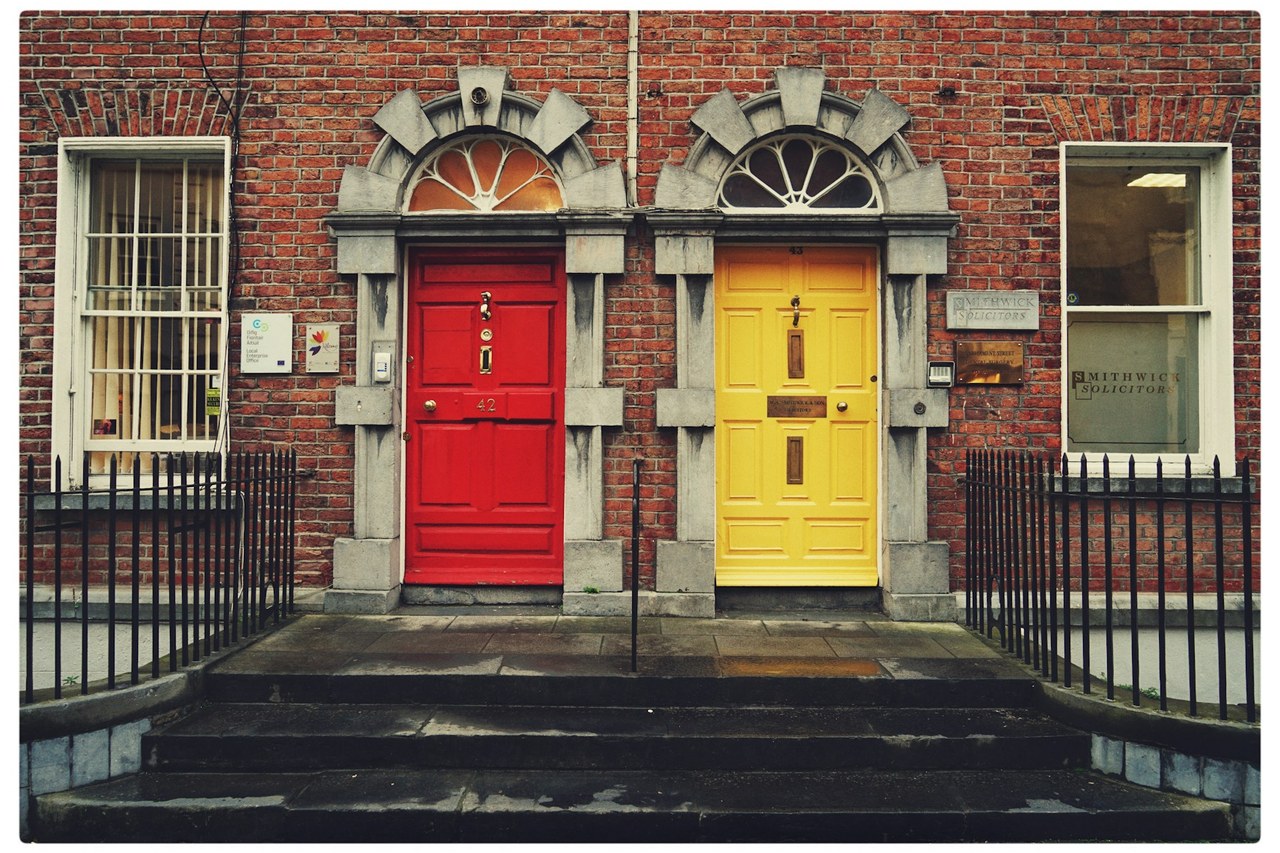
Afternoon: Lunch at The Pepper Pot in the Powerscourt Centre on South William Street. Walk St Stephen's Green, then the Georgian doors around Merrion and Fitzwilliam squares.
Evening: Dinner at The Winding Stair above the Ha'penny Bridge bookshop. Pints at The Long Hall and Kehoe's, then trad at O'Donoghue's on Merrion Row.
Trinity, Book of Kells and museums
Morning: Book the first slot at the Book of Kells and Trinity Library, about 8:30am (9am on Sundays). The Long Room's shelves have been emptied for restoration, but the library stays open until the end of 2027. Go straight in before the tour buses.
Afternoon: Free National Museum of Archaeology (bog bodies, Tara Brooch, opens 1pm on Sundays and Mondays), then the National Gallery for Caravaggio's Taking of Christ.
Evening: Boxty at Gallagher's Boxty House in Temple Bar. Pint at The Stag's Head, then wander to Temple Bar for one loud trad set.
Heading home: Allow 3 hours before departure, security queues can be long.
What to eat in Dublin
- A proper pint of Guinness (it really does taste better here)
- Irish stew or coddle in a traditional pub
- Fresh oysters and seafood chowder
- A full Irish breakfast to start the day
Hidden gems
- The Howth cliff walk and seafood, 30 minutes out on the DART.
- The free, excellent National Museum of Archaeology.
- A literary pub crawl tracing Joyce and Beckett.
- St. Stephen's Green and the Iveagh Gardens for a quiet break.
Getting around
The compact centre is best on foot. The LUAS tram and city buses cover longer hops, and the DART coastal train reaches Howth, Dún Laoghaire and Dalkey easily. For the Cliffs of Moher or Wicklow, take a day tour or regional transport; you won't need a car in the city.
Safety
Dublin is friendly and generally safe. Keep usual city awareness for pickpockets and late-night rowdiness around Temple Bar, where drinks are also notably pricey. Weather is changeable year-round, so pack layers and a rain jacket whatever the season.
Frequently asked questions
What does this 2-day Dublin itinerary cover?
Day 1: Arrive, Grafton Street and Georgian Dublin. Day 2: Trinity, Book of Kells and museums.
Is 2 days enough for Dublin?
Our recommended trip length for Dublin is 4 to 7 days. This 2-day plan focuses on the highlights and groups sights by area so you spend less time travelling between them.
How much does 2 days in Dublin cost?
A budget traveller spends about $100 to $150 USD a day in Dublin, so roughly $200 to $300 USD for 2 days, not counting flights.
Where should I stay for 2 days in Dublin?
Temple Bar: The cobbled nightlife quarter of pubs and live music (lively but touristy). Georgian Dublin: Merrion and Fitzwilliam squares, colourful doors and museums.
When is the best time to visit Dublin?
The best time to visit Dublin is May-September.
How do I get around Dublin?
The compact centre is best on foot. The LUAS tram and city buses cover longer hops, and the DART coastal train reaches Howth, Dún Laoghaire and Dalkey easily.
Is Dublin safe for solo travellers?
Dublin is friendly and generally safe. Keep usual city awareness for pickpockets and late-night rowdiness around Temple Bar, where drinks are also notably pricey.
More 2-day guides
- Galway in 2 days
- Cork in 2 days
- Dingle in 2 days
- Killarney in 2 days
- Oslo in 2 days
- Helsinki in 2 days
- Tallinn in 2 days
- Palermo in 2 days
Dublin in 3 days | Dublin in 4 days | Dublin in 5 days | Dublin in 7 days | Full Dublin guide
Joy Plus home | Destinations | Itineraries | Activities | Flights | Budget planner | Calendar | Map | Blog | Lifetime access