Destinations / Europe
El Hierro, Spain travel guide
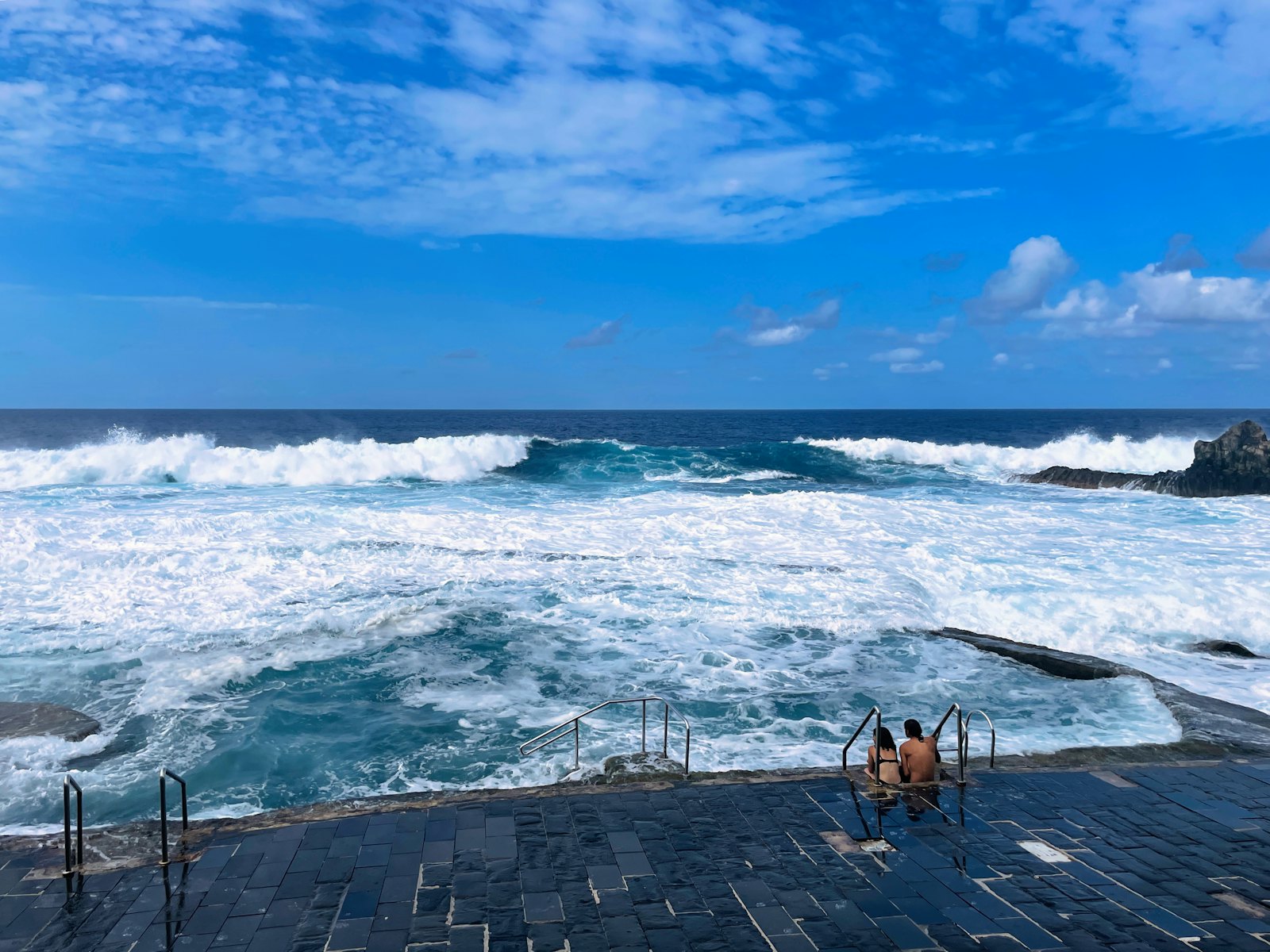
The smallest and most westerly of the main Canary Islands, with cliff-top viewpoints, lava rock pools, wind-twisted junipers and some of the clearest diving water in Spain.
- Best time to visit: April to June and September to November
- Daily budget (budget traveller): $80 to $240 USD
- Ideal trip length: 5 to 7 days
El Hierro is the smallest of the main Canary Islands. It is a steep volcanic island of about 268 square kilometres, and roughly 11,800 people live here. Valverde, the capital, sits inland in the northeast. The huge curved valley of El Golfo shapes the north coast, and the fishing village of La Restinga sits at the southern tip, next to a marine reserve. The whole island is a UNESCO Biosphere Reserve and Geopark. There are almost no sandy beaches, no big resorts and no nightlife to speak of. People come for other things: swimming in sheltered lava pools, walking old shepherd paths through pine and laurel forest, standing above the sea at Mirador de la Peña and diving in the calm water of the Mar de las Calmas. It is quiet, safe and friendly, and it suits solo travellers who like their own company. You will want a hire car, because buses are infrequent. Prices are reasonable by Spanish standards, and a menú del día lunch and simple self-catering apartments keep a solo budget under control.
El Hierro is the youngest and smallest of the main Canary Islands, and for centuries Europeans thought it was the end of the known world. The Faro de Orchilla in the far west once marked the zero meridian. Today about 11,800 people live here, spread across Valverde, the valley of El Golfo, the pine-forest villages of El Pinar and the fishing port of La Restinga. The island is a UNESCO Biosphere Reserve and Geopark. It is known for its wind and hydro power plant, Gorona del Viento, and has almost no mass tourism. You will not find long beaches or resort strips. You will find steep lava coasts, natural rock pools, laurel forest dripping with fog, old stone paths and some of the best diving in the Atlantic. For a solo traveller it is calm, safe and easy to talk to people, as long as you are happy with early nights.
Getting here is part of the trip. Binter flies small turboprops from Tenerife North and Gran Canaria, landing at the airport near Valverde in about half an hour from Tenerife. Fred. Olsen and Naviera Armas sail from Los Cristianos in south Tenerife to La Estaca in about 2 hours 20 minutes, and non-resident fares have been roughly €40-80 one way. Pick up a hire car at the airport or port. The island is only about 30km across, but the roads twist up and down 1,000m and more, so plan on slow driving. Split your stay: a few nights in El Golfo for the pools, the Ecomuseo de Guinea and the western highlands, then a couple in La Restinga for diving, fish suppers and sun.
The weather changes more by place than by season. The trade winds bring cloud to the north and the high central ridge, so Valverde and the forests can be cool and misty while La Restinga is sunny and still. Coastal temperatures sit at roughly 18-27°C all year. The sea is warmest from September to November, when divers arrive. August brings Spanish holidaymakers and the island's busiest weeks. Every four years, in July, the Bajada de la Virgen procession carries the island's patron saint across the island from her hermitage to Valverde. It was last held in 2025, and the next is due in 2029. Shops close for a long lunch, Sundays are very quiet, and Spanish helps. Bring patience and walking boots, and you will have the place largely to yourself.
El Hierro itinerary
Arrive and head for El Golfo
Morning: Take a morning Binter flight from Tenerife North (about 30-40 minutes) and pick up your hire car at the airport. Stop in Valverde for cash and a quesadilla from a local bakery.
Afternoon: Drive to Pozo de las Calcosas for a look at the stone huts and the coast, then on to Charco Manso for a swim if the sea is calm.
Evening: Watch sunset from Mirador de la Peña, with dinner at the restaurant if it is open. Check opening days ahead. Then drive down through the tunnel to your base in Tigaday or Las Puntas.
Ecomuseo de Guinea and the lava pools
Morning: Be at the Ecomuseo de Guinea by 10:00 and buy the Pasaporte Turístico if you plan to see the Garoé later. The guided route through the lava tube and the Lagartario takes about 90 minutes.
Afternoon: Lunch in Las Puntas, then swim at La Maceta. Its ladders and calm pools suit solo swimmers. Walk the coastal path for a look at the Roques de Salmor offshore.
Evening: Sunset at Charco Azul, then a menú or tapas in Tigaday. Pick up groceries for a self-catered lunch tomorrow.
The wild west: El Sabinar and Orchilla
Morning: Leave early for La Dehesa. Walk among the wind-bent junipers at El Sabinar, then take the short track to the Mirador de Bascos.
Afternoon: Visit the Ermita de Nuestra Señora de los Reyes, then drive down to the Faro de Orchilla and the old meridian monument. Picnic, because there are no cafés out here.
Evening: Return along the coast road past Playa del Verodal for its red sand at sunset (no swimming), then stop at Pozo de la Salud before heading back to Tigaday.
Garoé, Jinama and a long walk
Morning: Drive up to San Andrés and visit the Árbol Garoé (about €2.50, or with your pass) while the fog is still around the tree.
Afternoon: From the Mirador de Jinama, walk down the Camino de Jinama to Frontera if your knees and the weather allow. Allow about two to three hours. Arrange a taxi back to your car beforehand, or do a shorter out-and-back.
Evening: Rest your legs. Try a glass of El Golfo wine with some grilled cheese and mojo, then have an early night.
Pine forest and the move south
Morning: Check out and drive via El Pinar. Stop at Hoya del Morcillo for a forest walk among the Canary pines.
Afternoon: Swim at Tacorón, a sheltered lava cove with paths and ladders on the sunny south coast. Then check in to an apartment in La Restinga.
Evening: Walk the harbour and eat grilled vieja or tuna with papas arrugadas at one of the fish restaurants. Book a dive for tomorrow if you have not already.
Dive day at La Restinga
Morning: Morning boat dive in the Mar de las Calmas. A try dive with Centro de Buceo El Hierro starts from about €75, and a two-dive pack for certified divers is about €85.
Afternoon: Lunch in the village, then a lazy afternoon. If you do not dive, join a boat and snorkel trip instead (from around €60) or snorkel off the harbour steps on a calm day.
Evening: Sunset over the lava fields at the edge of the village. TransHierro has added a late bus from La Restinga to El Pinar if you are staying up the hill.
Las Playas and fly out
Morning: Drive up through El Pinar and across to Mirador de Isora for the view over the Las Playas bay, then go down to see the Roque de la Bonanza arch.
Afternoon: Coffee at the Parador de El Hierro, then on to the airport, about 30 minutes away, for an afternoon flight. If you are taking the ferry, La Estaca port is on the way.
Evening: Connect onwards in Tenerife, or stay a night in Puerto de la Cruz or Santa Cruz before a morning international flight.
Best neighbourhoods
- Valverde: The small inland capital, about 600m up and often in cloud. It has the island's hospital, banks, supermarkets, the main bus station and the Iglesia de la Concepción. It is handy for the airport and the ferry port, and has a few simple hotels and bakeries. It can be cool and misty, though, so most visitors base themselves on the coast.
- El Golfo (Frontera, Tigaday and Las Puntas): The great green valley on the north coast, below the cliffs of the Risco de Tibataje. Tigaday is the main village, with shops, cafés, a bus station and the bell tower of Frontera's church. Las Puntas and Los Llanillos have apartments close to the La Maceta and Charco Azul pools. It is the best all-round base for a solo traveller.
- La Restinga: A sunny fishing village at the southern tip and the island's diving centre. It has a small harbour, dive shops, fish restaurants and simple apartments. The water off the village sits within the Mar de las Calmas marine reserve and is sheltered from the trade winds, so the sea is often calm here when the north is rough.
- El Pinar (Taibique and Las Casas): Two hill villages in the south, surrounded by Canary pine forest. They are quiet and cheaper, with rural houses, a couple of bars and quick access to Hoya del Morcillo, the forest trails and La Restinga. Nights are cooler up here.
- Las Playas: A wide bay on the east coast, enclosed by enormous cliffs. The Parador de El Hierro and the Roque de la Bonanza rock arch are here, and very little else. It is a splurge base for total quiet, and you will need a car for everything.
Must-do experiences
- Stand at Mirador de la Peña: César Manrique designed this viewpoint and restaurant on the edge of the El Golfo cliffs near Guarazoca. The view stretches across the whole valley and out to sea. The terrace is free, so go late in the afternoon when the light is softest.
- Swim in the lava pools: El Hierro's coast is rocky and the Atlantic is rough, so locals swim in sheltered natural pools. La Maceta in El Golfo has steps, ladders and a café. Charco Azul is a blue pool under a lava arch, and Charco Manso is a rocky inlet on the north coast. Stay out of the water when waves break over the edges.
- Visit the Ecomuseo de Guinea: Old stone houses below the El Golfo cliffs, a guided walk through a lava tube and the Lagartario, where the critically endangered El Hierro giant lizard is bred. Entry is about €9.50, it opens daily from 10:00 to 18:00 and the last guided route leaves at 16:00. Allow two hours.
- Walk among the junipers at El Sabinar: In the remote western highlands, sabinas (junipers) grow bent almost flat by the wind. It is the island's best-known image. Combine it with the Ermita de Nuestra Señora de los Reyes and the Faro de Orchilla lighthouse.
- Dive or snorkel at La Restinga: The Mar de las Calmas marine reserve has clear water, groupers, rays and lava formations. Centro de Buceo El Hierro has been running since 1978 and lists try dives from about €75. Dives inside the reserve need at least an Open Water certificate.
- See the Árbol Garoé: A sacred tree near San Andrés that catches water from the fog, which the island's original Bimbache people relied on. The current tree is a replacement for the original, which fell in a storm in 1610. Entry is about €2.50 and includes a small interpretation centre.
- Hike the Camino de Jinama: An old stone path that zigzags from the Mirador de Jinama above San Andrés down the cliff to Frontera. It drops about 900m and is steep on the knees. Take the bus or a taxi back up, and skip it if the path is wet.
Hidden gems
- Pozo de las Calcosas, a tiny north coast settlement of stone huts with a steep path down to rock pools, used by locals in summer
- The Mirador de Jinama at dawn, when cloud often fills El Golfo below you and the cliffs rise out of it
- Tamaduste, a small village near the airport built around a calm sea inlet, good for a swim on arrival or before a flight
- Mirador de Bascos above Sabinosa, a high viewpoint over the western end of El Golfo that sees far fewer visitors than La Peña
- Playa del Verodal on the west coast, a beach of red volcanic sand under dark cliffs. It is for looking and sunset, because the currents make swimming dangerous
Daily budget
- Accommodation: budget €45-70 / night (simple apartment or pensión), mid-range €80-130 (small hotel or rural house), splurge €120-200+ (Parador de El Hierro, sea-view room). There are no real hostels, but self-catering apartments are common and good value for one. Book August and Easter well ahead. Many rural houses have minimum stays of two or three nights.
- Food: budget €20-30 / day (supermarket breakfast, menú del día lunch), mid-range €40-60 (café breakfast, two restaurant meals), splurge €80+ (fish feast in La Restinga, dinner at Mirador de la Peña). A weekday menú del día of three courses with a drink is roughly €12-16. Bakeries are cheap. Kitchens are closed between lunch and dinner, so eat when the locals do.
- Transport: budget €3-10 / day (TransHierro buses, around €1.30 a ride), mid-range €35-60 (small hire car plus fuel), splurge €80+ (taxis or a private driver-guide). The ferry from Los Cristianos has been roughly €40-80 one way, and Binter flights from Tenerife are similar. Fuel is cheaper than on the mainland. Buses rarely reach the viewpoints.
- Activities: budget €0-10 / day (free pools, viewpoints and hiking trails), mid-range €18-30 (Pasaporte Turístico or a single museum), splurge €75-90 (try dive or two-dive pack). The Ecomuseo de Guinea is about €9.50 and the Árbol Garoé about €2.50. The Pasaporte Turístico covers seven sites for about €17.95. Boat and snorkel trips from La Restinga start at around €60.
- Drinks & nightlife: budget €5-10 (a caña or two in a village bar), mid-range €15-30 (wine with dinner, a few drinks), splurge €40+ (local wine bottles and cocktails at the Parador). A small beer is usually €1.50-2.50 and a glass of island wine €2.50-4. Nightlife means a village bar or a fiesta. Most places close early, especially outside summer.
Where to stay
- Social hostel in Valverde (€45-70 / night): El Hierro has no real dorm hostels. The cheapest option is a simple small hotel in the capital, such as Hotel Boomerang. It is close to the bus station, which helps if you are not driving, and you will meet locals in the bars and bakeries around town.
- Boutique hotel in El Golfo (Belgara or Los Llanillos) (€70-130 / night): Hotel Ida Inés in Belgara and Geko Hotels in Los Llanillos are small hotels with valley and sea views, breakfast and easy drives to La Maceta, Charco Azul and the Ecomuseo.
- Apartment in La Restinga (€50-120 / night): Self-catering apartments are the standard stay in the village. They are a short walk from the harbour, dive centres and fish restaurants, and having a kitchen keeps costs down on longer dive trips.
- Splurge in Las Playas (€110-200+ / night): The Parador de El Hierro sits alone by the sea under huge cliffs, with a restaurant, garden and total quiet. You need a car, and the Paradores chain has listed a seasonal closure for 2028, so check dates.
What to eat
- Quesadilla herreña: a sweet cheesecake-like pastry made with fresh local cheese, sugar and aniseed, sold in Valverde bakeries such as Quesadillas Adrián Gutiérrez e Hijas
- Queso herreño: the island's cheese from goat, sheep and cow milk, often lightly smoked, eaten in slabs with bread or grilled with mojo
- Fresh fish in La Restinga: vieja (parrotfish), wahoo or tuna, simply grilled and served with papas arrugadas
- Papas arrugadas con mojo: small salt-crusted potatoes with red and green mojo sauces, on almost every menu
- Lapas: grilled limpets with garlic and green mojo, a classic in harbour bars
- Vino herreño: island wine from grapes such as Listán Blanco and Vijariego, grown on steep terraces in El Golfo, served by the glass in local bars
Day trips
- El Sabinar, Ermita de los Reyes and Faro de Orchilla (About 45-60 minutes by car from Frontera): The remote western tip, with wind-twisted junipers, the island's most important hermitage, the old zero-meridian lighthouse and red-sand Playa del Verodal on the way back. Drive, as there is no regular bus. Part of the road to El Sabinar is a track, so go slowly. Pack water and lunch. Local operators also run guided excursions if you do not drive.
- North coast villages and pools (About 15-30 minutes by car from Valverde): A loop through Mocanal and Guarazoca to Mirador de la Peña, with swims at Charco Manso, a stop at the stone huts of Pozo de las Calcosas and coffee in Valverde. Easiest by car. TransHierro buses reach some villages from Valverde, but not the pools. Check the swell before going down to the coast.
- Las Playas and the east coast (About 30 minutes by car from Valverde, 45-60 minutes from El Golfo): The Mirador de Isora looks straight down on a huge cliff-backed bay. Below are the Roque de la Bonanza rock arch, pebble beaches and the Parador, with good stops at La Estaca and Tamaduste on the way. Drive, or take TransHierro Line 7 from Valverde via La Estaca to Las Playas. Check the timetable, because services are limited.
When to visit
- Spring (March - May): 19-23°C on the coast, green hills, some cloud and showers in the north. Crowds: Low, with a bump at Easter. A lovely time to hike. Wildflowers, quiet roads and fair prices. The sea is still cool, at around 19°C.
- Summer (June - August): 22-27°C, mostly dry, occasional hazy calima days. Crowds: Moderate in June and July, busiest in August with Spanish holidaymakers. Best for swimming in the lava pools. Book cars, ferries and apartments early for August, and expect fully booked restaurants in La Restinga.
- Autumn (September - November): 22-26°C, the warmest sea of the year at around 23-24°C, first rains in November. Crowds: Low to moderate. The locals' pick and the peak diving season, with clear water and settled seas. Book a dive centre ahead in September and October.
- Winter (December - February): 18-22°C on the coast, cold and wet in the highlands, rough seas in the north. Crowds: Low, apart from Christmas. Mild and peaceful, but pools can be closed by swells and some mountain paths get slippery. Base yourself in La Restinga for the best chance of sun.
Entry rules for your passport
Visa rules for Spain depend on the passport you travel on. Check the official source before you book: European Commission: Schengen visa policy
Getting there
There are no international flights to El Hierro, so you will connect through Tenerife or Gran Canaria. Binter flies to El Hierro Airport (VDE) from Tenerife North (TFN) in about 30-40 minutes and from Gran Canaria (LPA) in under an hour. There are several flights a day, and one-way fares are roughly €45-120. Binter tickets from mainland Spain can include the inter-island connection in one booking. If you land at Tenerife South, the ferry is often easier. Fred. Olsen Express sails daily from Los Cristianos to La Estaca port in about 2 hours 20 minutes. In winter there has usually been one evening sailing, leaving Los Cristianos at 17:00, with extra summer crossings. Naviera Armas also runs the route. Non-resident fares are roughly €40-80 one way, plus extra for a car. The airport is on the east coast, about 10 minutes from Valverde. TransHierro Line 10 runs to Valverde roughly in line with flights, and taxis cost about €15 to Valverde, €35 to El Golfo and €60 to La Restinga. Line 11 connects La Estaca port with Valverde for the ferries. Most visitors pick up a hire car at the airport or port.
Border checks: non-EU visitors (other than Swiss, Norwegian, Icelandic, Liechtenstein, Andorran, Monegasque, San Marinese and Vatican citizens, and holders of an EU residence permit or long-stay visa) are registered in the EU's Entry/Exit System (EES) instead of getting a passport stamp. On your first crossing, officers take your photo and/or fingerprints, so allow extra time at passport control. ETIAS, the planned travel authorisation, is not in operation yet, so don't pay any website for one.
Getting around
A hire car makes the biggest difference on El Hierro. Distances are short, but roads climb from sea level to over 1,000m and wind constantly, so 30km can take 45 minutes. Small hire cars cost roughly €30-55 a day. TransHierro runs car hire and taxis as well as the buses, and there are desks at the airport. Book ahead for August and Easter. TransHierro guaguas (buses) link Valverde with Frontera, El Pinar, La Restinga, Sabinosa, the airport and the port. Single fares have been around €1.30, paid in cash, but routes run only a few times a day and much less on Sundays. Line 10 runs from the airport to Valverde and Line 11 from Valverde to La Estaca port, timed roughly with arrivals. Taxis are fine for single trips, roughly €15 from the airport to Valverde, €35 to El Golfo and €60 to La Restinga, but there is no Uber or Bolt. Fuel is cheaper than on mainland Spain. Watch for falling rocks after rain, goats on the road and fog on the high roads.
Safety
El Hierro is one of the safest places in Spain, and crime against visitors is rare. The main risks come from nature. The Atlantic is powerful, so only swim in sheltered pools on calm days, and never go in when waves are crashing over the rocks. Strong currents run off beaches such as Playa del Verodal. Rockfalls happen on cliff roads and paths, especially after heavy rain, and some roads and trails close at short notice. In the highlands, fog can roll in fast, so carry water, a layer and offline maps, and tell your host where you are walking. The sun is strong even when it feels cool. El Hierro is volcanically active and monitored by Spain's national geographic institute. The 2011 undersea eruption off La Restinga is the most recent, and you should follow any official alerts. The island's hospital is in Valverde, and serious cases go to Tenerife. Call 112 in an emergency. EU visitors should carry an EHIC, and UK visitors a GHIC, but travel insurance is still sensible, especially for diving.
Solo travel tips
- Split your stay in two: El Golfo and La Restinga are at opposite ends of the island, with slow mountain roads in between. Two bases save a lot of driving and give you both the green north and the sunny south.
- Pick a base where you can walk to food: Tigaday and La Restinga both have bars, shops and restaurants close together. Remote rural houses are lovely, but they make for lonely evenings and late drives down dark roads.
- Check the sea before you swim: Pools such as Charco Azul and La Maceta close or become dangerous in big swells. Look at the water first, ask locals and never swim alone when waves are breaking over the rocks.
- Eat lunch the Spanish way: The menú del día is the cheapest good meal on the island, and village restaurants at lunchtime are where you will chat with locals and workers. Kitchens usually stop serving around 16:00.
- Safety for solo hikers: Fog can hide paths in minutes on the central ridge. Download offline maps, tell your host your route, carry water and a warm layer, and avoid steep paths such as Jinama after rain.
- Learn some Spanish: English is less widely spoken here than in Tenerife. A few phrases go a long way in bars and shops. Diving is a good way to meet people, and dive boats often end up sharing tables at lunch.
Cultural etiquette
- Greet people with 'buenos días' or 'buenas tardes' when you walk into a shop, bar or bus. It is expected in small villages.
- Shops and offices often close from around 13:30 or 14:00 to 17:00, and lunch is the main meal. Sundays are very quiet.
- Cover up when you leave the pools for villages, shops or churches. Swimwear belongs at the coast.
- Stay on marked paths, especially at El Sabinar and in the reserves. Do not take lava stones, plants or shells, and never feed or handle the island's lizards.
- Respect fishing and diving rules in the Mar de las Calmas reserve. Spearfishing and taking marine life are restricted.
- People here call themselves herreños and are proud of the island's renewable energy and biosphere status. Saving water and power, and sorting rubbish, is appreciated.
- Fiestas are community events. Join in, but give way to processions, and ask before photographing people at religious celebrations.
Frequently asked questions
How do I get to El Hierro?
Fly or take the ferry from Tenerife. Binter flies to El Hierro Airport (VDE) from Tenerife North in about 30-40 minutes and from Gran Canaria in under an hour, with several flights a day. The ferry from Los Cristianos in south Tenerife to La Estaca port takes about 2 hours 20 minutes. Fred. Olsen sails daily, and Naviera Armas also runs this route. Non-resident fares are roughly €40-80 each way, so compare both.
Do I need a car on El Hierro?
For most solo travellers, yes. Buses link the main villages, but they run only a few times a day and rarely reach viewpoints, pools or El Sabinar. A small hire car costs roughly €30-55 a day. If you do not drive, base yourself in Frontera or La Restinga, use the buses and taxis, and join a guided excursion for the remote west.
How many days do I need on El Hierro?
Five days covers the main sights without rushing: El Golfo and its pools, the western highlands, the north coast viewpoints and La Restinga. A week lets you add a dive day, a long hike such as the Camino de Jinama and spare time for bad weather. Two or three days is enough for a first look, but you will spend a lot of it driving.
When is the best time to visit El Hierro?
El Hierro is mild all year, with coastal temperatures of roughly 18-27°C. April to June brings green hills and quiet roads. September to November has the warmest sea and the best diving visibility. August is the busiest month, with Spanish holidaymakers. In winter the highlands can be cold, wet and foggy, while La Restinga often stays sunny.
Is there a combined ticket for the sights?
Yes. The island's Pasaporte Turístico costs about €17.95 and covers seven visitor centres and sites, including the Ecomuseo de Guinea and the Árbol Garoé. Single entry to the Ecomuseo is about €9.50 and the Garoé about €2.50, so the pass is worth it if you plan to visit three or more. Prices and opening hours change, so check before you go.
Can I dive on El Hierro as a beginner?
Yes. Dive centres in La Restinga run try dives, and Centro de Buceo El Hierro lists them from about €75 including insurance. Certified divers pay roughly €85 for a two-dive pack. Dive sites inside the Mar de las Calmas reserve run on a quota system and need at least an Open Water certificate, so book a day or two ahead.
Is El Hierro good for solo female travellers?
Yes. It is very safe and calm, and locals are helpful. The precautions are practical rather than personal: tell someone your hiking route, avoid swimming alone in rough water and take care on mountain roads after dark. Evenings are quiet, so a base in Tigaday or La Restinga, with places to eat within walking distance, makes solo nights easier.
What are the entry rules for El Hierro in 2026?
El Hierro is part of Spain and the Schengen area. EU citizens need an ID card or passport. Many non-EU visitors, including UK and US citizens, can stay up to 90 days in any 180 without a visa. The EU Entry/Exit System now records non-EU travellers at the external border, and ETIAS pre-travel authorisation is due to follow. Rules change, so check the official EU and Spanish government sites and your own government's travel advice before you book.
More about El Hierro
Tours and activities in El Hierro | El Hierro in 2 days | El Hierro in 3 days | El Hierro in 4 days | El Hierro in 5 days | El Hierro in 7 days
Joy Plus home | Destinations | Itineraries | Activities | Flights | Budget planner | Calendar | Map | Blog | Lifetime access