El Hierro in 7 days
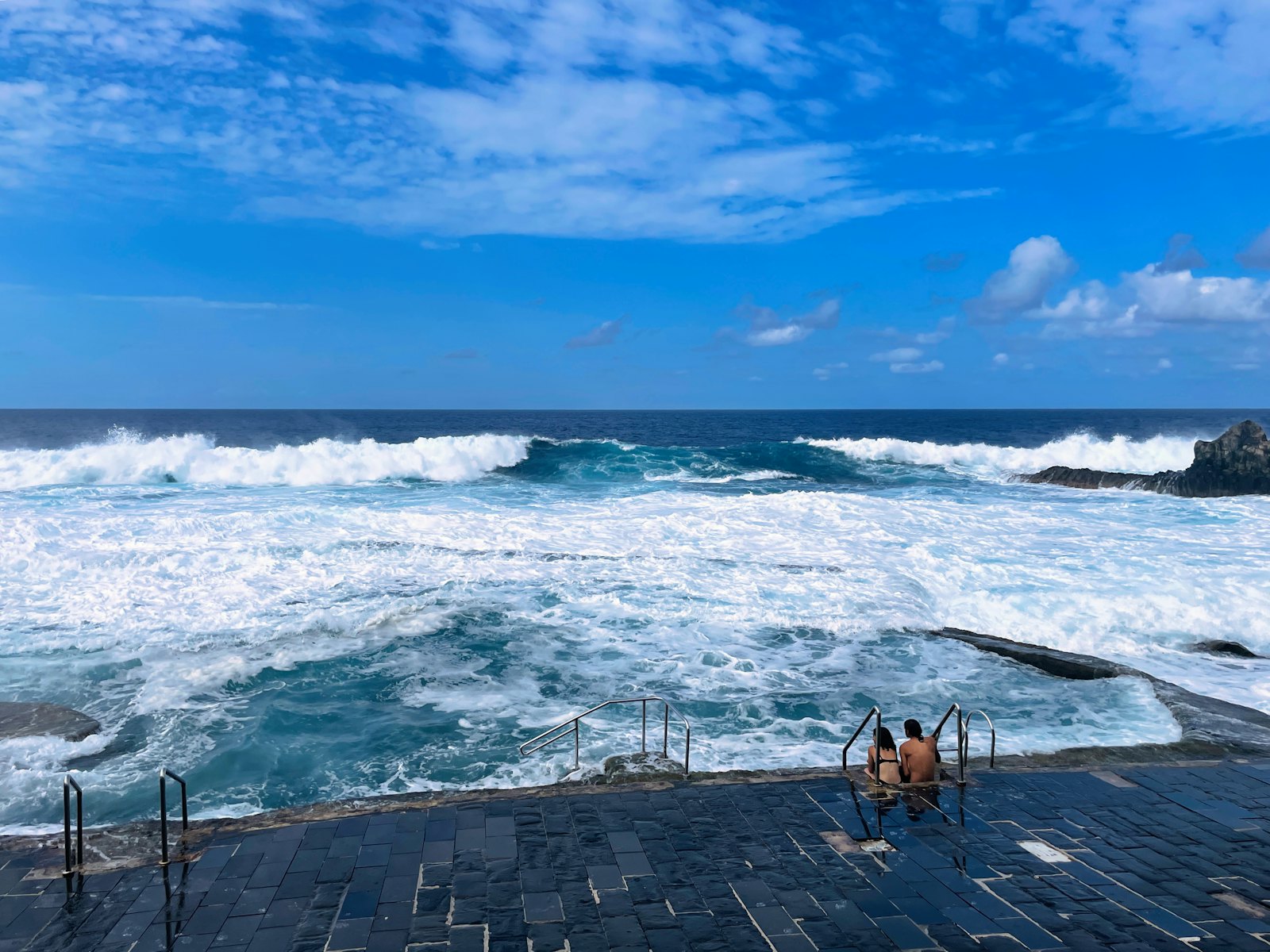
The smallest and most westerly of the main Canary Islands, with cliff-top viewpoints, lava rock pools, wind-twisted junipers and some of the clearest diving water in Spain. Best time to visit: April to June and September to November. Daily budget (budget traveller): $80 to $240 USD.
Arrive and head for El Golfo
Morning: Take a morning Binter flight from Tenerife North (about 30-40 minutes) and pick up your hire car at the airport. Stop in Valverde for cash and a quesadilla from a local bakery.
Afternoon: Drive to Pozo de las Calcosas for a look at the stone huts and the coast, then on to Charco Manso for a swim if the sea is calm.
Evening: Watch sunset from Mirador de la Peña, with dinner at the restaurant if it is open. Check opening days ahead. Then drive down through the tunnel to your base in Tigaday or Las Puntas.
Ecomuseo de Guinea and the lava pools
Morning: Be at the Ecomuseo de Guinea by 10:00 and buy the Pasaporte Turístico if you plan to see the Garoé later. The guided route through the lava tube and the Lagartario takes about 90 minutes.
Afternoon: Lunch in Las Puntas, then swim at La Maceta. Its ladders and calm pools suit solo swimmers. Walk the coastal path for a look at the Roques de Salmor offshore.
Evening: Sunset at Charco Azul, then a menú or tapas in Tigaday. Pick up groceries for a self-catered lunch tomorrow.
The wild west: El Sabinar and Orchilla
Morning: Leave early for La Dehesa. Walk among the wind-bent junipers at El Sabinar, then take the short track to the Mirador de Bascos.
Afternoon: Visit the Ermita de Nuestra Señora de los Reyes, then drive down to the Faro de Orchilla and the old meridian monument. Picnic, because there are no cafés out here.
Evening: Return along the coast road past Playa del Verodal for its red sand at sunset (no swimming), then stop at Pozo de la Salud before heading back to Tigaday.
Garoé, Jinama and a long walk
Morning: Drive up to San Andrés and visit the Árbol Garoé (about €2.50, or with your pass) while the fog is still around the tree.
Afternoon: From the Mirador de Jinama, walk down the Camino de Jinama to Frontera if your knees and the weather allow. Allow about two to three hours. Arrange a taxi back to your car beforehand, or do a shorter out-and-back.
Evening: Rest your legs. Try a glass of El Golfo wine with some grilled cheese and mojo, then have an early night.
Pine forest and the move south
Morning: Check out and drive via El Pinar. Stop at Hoya del Morcillo for a forest walk among the Canary pines.
Afternoon: Swim at Tacorón, a sheltered lava cove with paths and ladders on the sunny south coast. Then check in to an apartment in La Restinga.
Evening: Walk the harbour and eat grilled vieja or tuna with papas arrugadas at one of the fish restaurants. Book a dive for tomorrow if you have not already.
Dive day at La Restinga
Morning: Morning boat dive in the Mar de las Calmas. A try dive with Centro de Buceo El Hierro starts from about €75, and a two-dive pack for certified divers is about €85.
Afternoon: Lunch in the village, then a lazy afternoon. If you do not dive, join a boat and snorkel trip instead (from around €60) or snorkel off the harbour steps on a calm day.
Evening: Sunset over the lava fields at the edge of the village. TransHierro has added a late bus from La Restinga to El Pinar if you are staying up the hill.
Las Playas and fly out
Morning: Drive up through El Pinar and across to Mirador de Isora for the view over the Las Playas bay, then go down to see the Roque de la Bonanza arch.
Afternoon: Coffee at the Parador de El Hierro, then on to the airport, about 30 minutes away, for an afternoon flight. If you are taking the ferry, La Estaca port is on the way.
Evening: Connect onwards in Tenerife, or stay a night in Puerto de la Cruz or Santa Cruz before a morning international flight.
What to eat in El Hierro
- Quesadilla herreña: a sweet cheesecake-like pastry made with fresh local cheese, sugar and aniseed, sold in Valverde bakeries such as Quesadillas Adrián Gutiérrez e Hijas
- Queso herreño: the island's cheese from goat, sheep and cow milk, often lightly smoked, eaten in slabs with bread or grilled with mojo
- Fresh fish in La Restinga: vieja (parrotfish), wahoo or tuna, simply grilled and served with papas arrugadas
- Papas arrugadas con mojo: small salt-crusted potatoes with red and green mojo sauces, on almost every menu
- Lapas: grilled limpets with garlic and green mojo, a classic in harbour bars
- Vino herreño: island wine from grapes such as Listán Blanco and Vijariego, grown on steep terraces in El Golfo, served by the glass in local bars
Hidden gems
- Pozo de las Calcosas, a tiny north coast settlement of stone huts with a steep path down to rock pools, used by locals in summer
- The Mirador de Jinama at dawn, when cloud often fills El Golfo below you and the cliffs rise out of it
- Tamaduste, a small village near the airport built around a calm sea inlet, good for a swim on arrival or before a flight
- Mirador de Bascos above Sabinosa, a high viewpoint over the western end of El Golfo that sees far fewer visitors than La Peña
- Playa del Verodal on the west coast, a beach of red volcanic sand under dark cliffs. It is for looking and sunset, because the currents make swimming dangerous
Getting around
A hire car makes the biggest difference on El Hierro. Distances are short, but roads climb from sea level to over 1,000m and wind constantly, so 30km can take 45 minutes. Small hire cars cost roughly €30-55 a day. TransHierro runs car hire and taxis as well as the buses, and there are desks at the airport. Book ahead for August and Easter. TransHierro guaguas (buses) link Valverde with Frontera, El Pinar, La Restinga, Sabinosa, the airport and the port. Single fares have been around €1.30, paid in cash, but routes run only a few times a day and much less on Sundays. Line 10 runs from the airport to Valverde and Line 11 from Valverde to La Estaca port, timed roughly with arrivals. Taxis are fine for single trips, roughly €15 from the airport to Valverde, €35 to El Golfo and €60 to La Restinga, but there is no Uber or Bolt. Fuel is cheaper than on mainland Spain. Watch for falling rocks after rain, goats on the road and fog on the high roads.
Safety
El Hierro is one of the safest places in Spain, and crime against visitors is rare. The main risks come from nature. The Atlantic is powerful, so only swim in sheltered pools on calm days, and never go in when waves are crashing over the rocks. Strong currents run off beaches such as Playa del Verodal. Rockfalls happen on cliff roads and paths, especially after heavy rain, and some roads and trails close at short notice. In the highlands, fog can roll in fast, so carry water, a layer and offline maps, and tell your host where you are walking. The sun is strong even when it feels cool. El Hierro is volcanically active and monitored by Spain's national geographic institute. The 2011 undersea eruption off La Restinga is the most recent, and you should follow any official alerts. The island's hospital is in Valverde, and serious cases go to Tenerife. Call 112 in an emergency. EU visitors should carry an EHIC, and UK visitors a GHIC, but travel insurance is still sensible, especially for diving.
Frequently asked questions
What does this 7-day El Hierro itinerary cover?
Day 1: Arrive and head for El Golfo. Day 2: Ecomuseo de Guinea and the lava pools. Day 3: The wild west: El Sabinar and Orchilla. Day 4: Garoé, Jinama and a long walk. Day 5: Pine forest and the move south. Day 6: Dive day at La Restinga. Day 7: Las Playas and fly out.
Is 7 days enough for El Hierro?
Our recommended trip length for El Hierro is 5 to 7 days. This 7-day plan focuses on the highlights and groups sights by area so you spend less time travelling between them.
How much does 7 days in El Hierro cost?
A budget traveller spends about $80 to $240 USD a day in El Hierro, so roughly $560 to $1,680 USD for 7 days, not counting flights.
Where should I stay for 7 days in El Hierro?
Valverde: The small inland capital, about 600m up and often in cloud. El Golfo (Frontera, Tigaday and Las Puntas): The great green valley on the north coast, below the cliffs of the Risco de Tibataje.
When is the best time to visit El Hierro?
The best time to visit El Hierro is April to June and September to November.
How do I get around El Hierro?
A hire car makes the biggest difference on El Hierro. Distances are short, but roads climb from sea level to over 1,000m and wind constantly, so 30km can take 45 minutes.
Is El Hierro safe for solo travellers?
El Hierro is one of the safest places in Spain, and crime against visitors is rare. The main risks come from nature.
Read more about El Hierro
More 7-day guides
- Sóller in 7 days
- Cáceres in 7 days
- Pamplona in 7 days
- Sitges in 7 days
- Tarifa in 7 days
- Zaragoza in 7 days
- Cádiz in 7 days
- Barcelona in 7 days
El Hierro in 2 days | El Hierro in 3 days | El Hierro in 4 days | El Hierro in 5 days | Full El Hierro guide
Joy Plus home | Destinations | Itineraries | Activities | Flights | Budget planner | Calendar | Map | Blog | Lifetime access