Destinations / Europe
Flåm, Norway travel guide
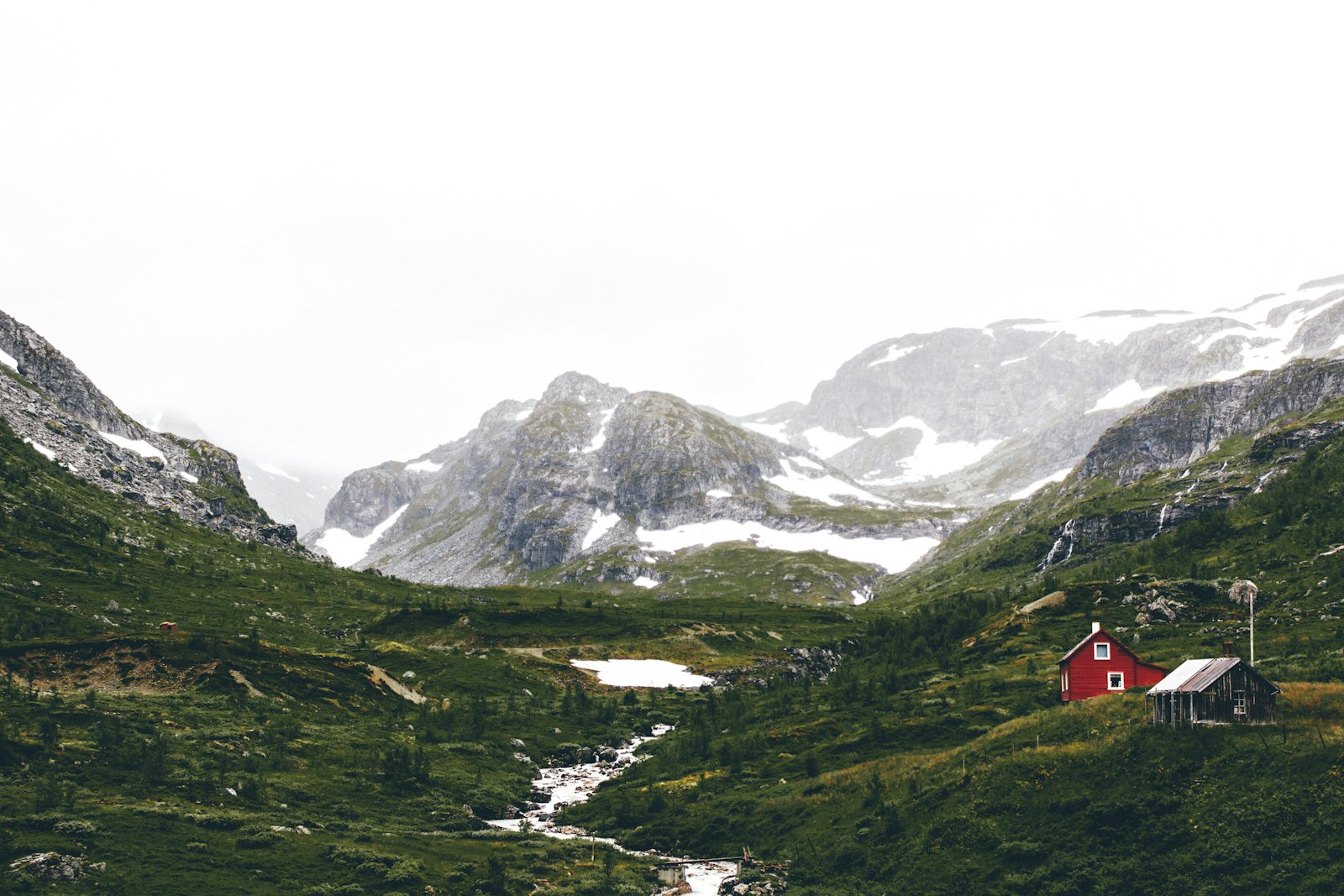
A small village at the far end of the Sognefjord. You arrive on one of the world's steepest railways, sail through a UNESCO-listed fjord and drink beer brewed by the harbour.
- Best time to visit: May to September
- Daily budget (budget traveller): $165 to $460 USD
- Ideal trip length: 3 to 5 days
Flåm sits at the inner end of the Aurlandsfjord, a narrow arm of the Sognefjord, about three hours from Bergen. Only a few hundred people live here. Even so, it is one of the busiest stops in Norway, because the Flåm Railway ends here and the Nærøyfjord cruise begins here. The railway climbs about 20km and more than 860m to Myrdal on the Bergen line. It passes waterfalls, tunnels and hairpin bends on the way up. The Nærøyfjord, listed by UNESCO, is a two-hour boat ride away. Its walls are so steep that the water looks dark even at midday. Many people see Flåm in one rushed day on the Norway in a Nutshell route. If you stay a few nights, the crowds are gone by evening. You also get time to hike to Brekkefossen, cycle down the valley from Myrdal, walk to old farms and see the fjord from Stegastein before the buses arrive. Flåm is expensive, like the rest of Norway. A hostel room, supermarket meals and a few well-chosen tickets keep the cost manageable for a solo traveller.
Flåm is a village of a few hundred people at the inner end of the Aurlandsfjord, which branches off the Sognefjord, Norway's longest fjord. It became famous because of one railway. The Flåm Railway opened in 1940 and climbs about 20km from sea level to Myrdal at 863m. It is one of the steepest standard-gauge lines in the world, and the views from it are why most people come. The second reason is the Nærøyfjord, a narrow, UNESCO-listed arm of the fjord, two hours away by boat. Most visitors arrive by train in the morning, take the boat to Gudvangen and leave by bus, all in one long day. If you stay, the evenings are quiet. You can watch the light change on the fjord from the harbour, eat at Ægir's long tables and walk to waterfalls before the first train arrives.
Getting there is easy. The Bergen line runs from Oslo (about five hours) and Bergen (about two hours) to Myrdal, where you change for the Flåm Railway. From Bergen there is also an express bus of about three hours via Voss. Between roughly April and October, a daily Norled express boat runs the length of the Sognefjord in about five and a half hours. Base yourself in the village centre so that the station, pier and bus stops are a few minutes' walk away. Book the railway and the fjord cruise ahead for summer, and try to schedule them on days with fewer cruise ships. Save cheaper days for walking: Brekkefossen, Flåm Church, Otternes and the valley road all cost nothing.
The season shapes everything. From May to September, trains and boats run often, the mountain roads to Stegastein and beyond are open, and cycling down from Myrdal is usually possible. July and August are the busiest months. In winter, Flåm is calm and often beautiful under snow, but it has short days, fewer departures and some closed roads and paths. Norway is expensive, so plan your money as carefully as your connections. Use a hostel kitchen, eat lunch from the supermarket, and spend on the two or three tickets that matter most to you. English is spoken everywhere, cards work almost everywhere, and you will rarely feel unsafe.
Flåm itinerary
Arrive on the Flåm Railway
Morning: Take the Bergen line from Oslo or Bergen to Myrdal. Change to the Flåm Railway and sit on the right-hand side on the way down if you can. Look out for Kjosfossen, where the train stops for photos.
Afternoon: Check in at Flåm Camping & Hostel or your hotel. Walk around the harbour and visit the free Flåm Railway Museum in the old station building.
Evening: Shop for breakfast and lunch at the village supermarket. Have a tasting set and a light meal at Ægir Bryggeri, then walk along the quiet pier.
Brekkefossen and the valley
Morning: Start early and walk up the valley road to the Brekkefossen trailhead. Climb the steep path to the falls for a view down to the fjord. Allow about an hour and a half return.
Afternoon: Carry on up the valley to Flåm Church, the wooden church from 1670, and have a picnic on the way. Walk or hire a bike back to the village.
Evening: Cook at the hostel. Book tomorrow's cruise and Njardarheimr ticket if you have not already, and check which days have big cruise ships.
Nærøyfjord and the Viking village
Morning: Board the Nærøyfjord cruise to Gudvangen (about NOK 550-665 one way). Stand on the outside deck as the fjord narrows. Bring a warm layer even in summer.
Afternoon: Visit Njardarheimr, the Viking village about 150m from the Gudvangen pier (about NOK 265). Join the included guided tour and try the axe throwing. Take the shuttle bus back to Flåm in about 20 minutes.
Evening: A cheap dinner and an early night, because tomorrow starts with a train.
Up to Myrdal and down by bike
Morning: Hire a bike in Flåm and take it up on the Flåm Railway to Myrdal. The route down is usually open from early summer to early autumn, so check conditions first.
Afternoon: Ride or walk down the old construction road through Flåmsdalen. Take the gravel hairpins slowly, then follow the easy valley road past waterfalls, farms and Flåm Church.
Evening: Return the bike and rest your legs. Treat yourself to dinner at Ægir or at the Fretheim Hotel restaurant.
Stegastein, Aurland and Otternes
Morning: Take the bus tour to Stegastein for the view 650m above the Aurlandsfjord (about NOK 430-470, about 90 minutes). The first departure is usually the quietest.
Afternoon: Take the local bus to Aurlandsvangen for a coffee and a look at the old stone church. On the way back, stop at Otternes and walk the old road above the fjord to Flåm. In summer, check the farm's opening hours.
Evening: Picnic dinner on the harbour benches as the day boats leave.
Borgund Stave Church or the fjord by kayak
Morning: Join a tour from Flåm to Borgund Stave Church. It goes through the Lærdal Tunnel, the world's longest road tunnel, to one of Norway's best-preserved medieval wooden churches. Entry is paid, so check the price.
Afternoon: If you prefer to stay local, book a guided kayak trip on the Aurlandsfjord, or a RIB fjord safari for speed and spray.
Evening: Farewell beer at Ægir. Check tomorrow's express boat or train time and pack.
By fjord to Bergen
Morning: A slow breakfast and a last walk along the river or up to the viewpoint above the village. Store your bags at your accommodation if you can.
Afternoon: Between roughly April and October, take the Norled express boat along the Sognefjord to Bergen, stopping at Aurland, Leikanger, Vik and Balestrand. Out of season, take the express bus via Voss or the train via Myrdal.
Evening: Arrive in Bergen, or connect onwards from Voss or Myrdal if you are heading east to Oslo.
Best neighbourhoods
- Flåm sentrum: The cluster of buildings around the railway station, the cruise pier and the small harbour. Flåm Camping & Hostel, Fretheim Hotel, Flåmsbrygga, the Flåm Railway Museum and Ægir Bryggeri are all a few minutes apart. Everything leaves from here, so it is the most practical base and the easiest one without a car.
- Flåmsdalen (the Flåm valley): The green valley that runs south from the village towards Myrdal, with farms, the 17th-century Flåm Church and the path to Brekkefossen. Brekke Gard Hostel is about 2.4km out. It is quieter and cheaper, but you will walk or cycle into the village.
- Aurlandsvangen: The main village of Aurland municipality, about 10km north along the fjord. It has a medieval stone church, a few cafés and shops, and lies at the foot of the Stegastein road. It feels more like a real village than Flåm and is linked by a short bus ride or the express boat.
- Undredal: A tiny village on the Aurlandsfjord, famous for goat's cheese and for one of the smallest stave churches still in use in Scandinavia. It has a handful of apartments and almost no traffic. It is a good base if you want quiet and have a car or flexible plans.
- Gudvangen: The village at the far end of the Nærøyfjord, where the cruise from Flåm finishes. It has the Njardarheimr Viking village, a small hotel area and walls of rock on every side. Most people pass through, but a night here gives you the fjord almost to yourself.
Must-do experiences
- Ride the Flåm Railway: The line climbs about 20km from the fjord to Myrdal at 863m in roughly an hour, with a photo stop at Kjosfossen waterfall. Sit on the right on the way up for the best views of the falls. Book ahead in summer, because trains sell out on cruise ship days.
- Cruise the Nærøyfjord to Gudvangen: This two-hour sailing goes along the Aurlandsfjord and into the UNESCO-listed Nærøyfjord, past goat farms and waterfalls. A one-way adult ticket costs about NOK 550-665 depending on the boat, and a shuttle bus takes about 20 minutes to bring you back.
- Look down from Stegastein: This viewing platform juts out about 650m above the Aurlandsfjord on the old mountain road. Entry is free. Without a car, take the 90-minute bus tour from Flåm, which costs around NOK 430-470 and runs hourly in summer.
- Cycle or walk down from Myrdal: Take the train up and come down the old construction road through Flåmsdalen. It drops about 860m over roughly 20km. The top section is a run of steep gravel hairpins, so walk them if you are unsure. It is usually clear of snow from early summer to early autumn.
- Hike to Brekkefossen: A short, steep path climbs from the valley floor to a waterfall above the village, with a view straight down to the fjord. Allow about an hour and a half return. Go early or in the evening to have it mostly to yourself.
- Taste the beer at Ægir Bryggeri: Ægir's brewpub by the harbour looks like a Viking hall, with a big fireplace and long wooden tables. Order a tasting set of its beers with a light meal. It is the social centre of Flåm in the evening.
- Paddle the Aurlandsfjord: Guided kayak trips and boat-based activities leave from the Flåm waterfront in summer. Calm morning water and the steep walls make it the best way to feel the scale of the fjord. Book a day ahead and wear the drysuit or layers they give you.
Hidden gems
- Flåm Church, a small painted wooden church from 1670 about 3km up the valley, an easy walk or cycle along the quiet valley road
- The Flåm Railway Museum in the old station building, free to enter, with the history of the line and the men who built it
- Otternes, a cluster of old farm buildings on a ledge above the fjord between Flåm and Aurland, worth the walk along the old road in summer
- Undredal Stave Church, a tiny white church in the cheese village of Undredal, well away from the cruise crowds
- Flåm in the late evening, when the day boats and trains have gone and you can walk along the empty harbour in summer light
Daily budget
- Accommodation: budget NOK 1,200-1,650 / night (private hostel room), mid-range NOK 1,900-3,200 (hotel or apartment), splurge NOK 3,500+ (best rooms at Fretheim or Flåmsbrygga in summer). Options are limited and fill early for summer. Flåm Camping & Hostel lists double rooms with shared bathrooms from about NOK 1,210. Brekke Gard Hostel up the valley is often cheaper. Prices drop in winter.
- Food: budget NOK 350-500 / day (self-catering and supermarket lunches), mid-range NOK 700-1,000 (café lunch and a pub dinner), splurge NOK 1,300+ (hotel restaurant dinner with wine). A main course at a sit-down restaurant is often around NOK 300-450. Supermarket bread, cheese and fish make good picnics. Breakfast is sometimes included at hotels, so check. Prices are rough guides.
- Transport: budget NOK 0-100 / day (walking, local bus), mid-range NOK 300-600 (bike hire, shuttle buses), splurge NOK 1,000+ (taxis, car hire). Getting there is the big cost. The Flåm Railway is roughly NOK 400-550 one way depending on season, and the express boat from Bergen lists about NOK 1,295. The express bus from Bergen is usually the cheapest way in.
- Activities: budget NOK 0-300 / day (free hikes, Railway Museum, Stegastein on foot or by car), mid-range NOK 550-1,000 (Nærøyfjord cruise or Stegastein bus), splurge NOK 1,500+ (RIB safari, guided kayak, private tours). The classic Nærøyfjord cruise lists NOK 550 one way and NOK 815 return. Electric boats cost a little more. The Stegastein bus is about NOK 430-470, and Njardarheimr is about NOK 265 for adults.
- Drinks & nightlife: budget NOK 0-100 (supermarket drinks at the hostel), mid-range NOK 250-450 (a couple of beers at Ægir), splurge NOK 700+ (tasting menu with drinks). Alcohol is heavily taxed. A pint in a bar is usually well over NOK 100. Supermarkets sell beer only up to certain hours and not on Sundays. Wine and spirits are sold only at Vinmonopolet stores, and there is not one in Flåm.
Where to stay
- Social hostel in Flåm sentrum (NOK 1,200-1,650 / night): Flåm Camping & Hostel is across the road from the railway station, with a shared kitchen and lounge, simple hostel rooms and cabins. It is the only real budget option in the centre and books up early for summer. Brekke Gard Hostel, about 2.4km up the valley, is often cheaper.
- Boutique hotel in Flåm sentrum (NOK 2,000-3,300 / night): Flåmsbrygga Hotel is on the harbour, about 50m from the cruise pier and next door to Ægir Bryggeri, so dinner and a beer are only a few steps away. Ask for a fjord-facing room.
- Apartment in Flåm sentrum (marina) (NOK 1,900-3,000 / night): Flåm Marina & Apartments are at the small marina, about 550m from the station, with kitchens and views of the fjord. Self-catering saves a lot of money over a few nights.
- Splurge in Flåm sentrum (NOK 3,000-5,000+ / night): Fretheim Hotel is the grand old hotel of Flåm, with a historic wing, a good restaurant and views over the fjord. Book a historic room or a suite for something special.
What to eat
- Brunost: sweet, caramel-coloured brown cheese, and the goat's version from Undredal is the local one to try
- Waffles with brunost and jam: the classic Norwegian café snack, and filling enough for a cheap lunch
- Fiskesuppe: a creamy fish soup with salmon and white fish, a warming and fairly affordable dish on many menus
- Smoked or cured salmon on bread, the easiest way to eat local fish without paying for a full dinner
- A beer tasting at Ægir Bryggeri, with dark ales and lighter lagers brewed a few metres from your table
- Supermarket picnics: bread, cheese, smoked fish and fruit from the village shop, eaten on the harbour benches
Day trips
- Nærøyfjord and Gudvangen (About 2 hours by boat, or 20 minutes by road through the tunnels): This is the classic Flåm trip. The boat sails along the Aurlandsfjord and into the UNESCO-listed Nærøyfjord, where the rock walls are steep and close. At Gudvangen, Njardarheimr shows Viking life with guided tours, crafts and food. Take the cruise from Flåm (about NOK 550-665 one way) and return by shuttle bus. Njardarheimr is about NOK 265 for adults. It opens 10:00-18:00 from April to October and 10:30-14:00 in winter.
- Myrdal and the Flåmsdalen ride (About 1 hour by train to Myrdal, then roughly 20km downhill): Myrdal is a mountain station at 863m with snow well into summer. Coming back down the old construction road by bike or on foot gives you hairpins, waterfalls and quiet farms at your own pace. Take the Flåm Railway up with a hired bike, or walk down part of the way. The route is usually clear of snow from early summer to early autumn, so check conditions locally.
- Borgund Stave Church (About 1 hour by road via the Lærdal Tunnel): A medieval wooden stave church with carved dragon heads, and one of the best preserved in Norway. The drive passes through the Lærdal Tunnel, at about 24.5km the longest road tunnel in the world. Join a tour from Flåm that combines Borgund and Stegastein, or hire a car. Entry is paid and the church has seasonal opening hours, so check before you go.
When to visit
- Spring (April - May): 5-15°C, snow on the peaks, waterfalls in full flow. Crowds: Low to moderate, with cruise ships starting in May. A lovely time for waterfalls and blossom in the valley. Trains and boats run but on a lighter timetable. The Myrdal cycle route and high roads may still be closed by snow.
- Summer (June - August): 12-22°C, long days, frequent showers. Crowds: Very busy, especially on days with several cruise ships. Everything is open, including the cycle route from Myrdal and the roads over the mountains. Book the railway, cruises and accommodation early, and do your sightseeing early or late in the day.
- Autumn (September - October): 6-15°C, crisp days, more rain later. Crowds: Moderate in September, quiet by October. The locals' pick. Early September has autumn colour, fewer people and most services still running. Timetables shrink from mid-October.
- Winter (November - March): -5 to 4°C, snow and ice, short daylight. Crowds: Quiet, with some winter tour groups. The railway and Nærøyfjord boats keep running, and the snowy fjord is beautiful. Expect only a few departures a day, closed mountain roads and paths, and cheaper rooms.
Entry rules for your passport
Visa rules for Norway depend on the passport you travel on. Check the official source before you book: European Commission: Schengen visa policy
Getting there
The nearest major airport is Bergen Flesland (BGO), with flights from across Europe. Oslo Gardermoen (OSL) is the main hub for long-haul flights. From Oslo, the Bergen line train takes about five hours to Myrdal, where you change to the Flåm Railway for the last hour down to the fjord. From Bergen, the same trains take about two hours to Myrdal. The whole trip takes roughly three hours and 45 minutes. The Flåm Railway runs about nine times a day each way in summer and fewer in winter. A one-way adult fare has been about NOK 370-510 depending on season, with some 2026 listings a little higher. The express bus from Bergen via Voss takes about three hours and runs all year. It is usually the cheapest way in. Between roughly April and October, Norled's express boat leaves Bergen at 08:00 and reaches Flåm about five and a half hours later. A single adult ticket lists at about NOK 1,295. By car, Bergen is about two and a half hours away on the E16. The village has paid parking but is easy to manage without a car.
Border checks: non-EU visitors (other than Swiss, Norwegian, Icelandic, Liechtenstein, Andorran, Monegasque, San Marinese and Vatican citizens, and holders of an EU residence permit or long-stay visa) are registered in the EU's Entry/Exit System (EES) instead of getting a passport stamp. On your first crossing, officers take your photo and/or fingerprints, so allow extra time at passport control. ETIAS, the planned travel authorisation, is not in operation yet, so don't pay any website for one.
Getting around
Flåm village is tiny, and everything in the centre is within a five-minute walk of the station. The valley road to Flåm Church and Brekkefossen is flat and easy on foot or by bike, and bikes can be hired in the village in summer. To reach Aurland, use the short local Skyss bus or the express boat when it is running. Stegastein is best reached by the Norway's Best bus tour unless you have a car, and the road beyond it towards the mountains is closed in winter. The Nærøyfjord cruise runs to Gudvangen, and a shuttle bus brings you back through the tunnels in about 20 minutes. The Flåm Railway connects to Myrdal for trains to Oslo or Bergen. Taxis exist but are few and expensive, so book ahead. You do not need a car for Flåm itself. If you do drive, remember that the E16 has long tunnels, including the Lærdal Tunnel towards Borgund. Cyclists are banned from some of them, including the Gudvangen tunnel.
Safety
Flåm is very safe, and crime against visitors is rare. The real risks come from nature. Mountain weather changes fast, so carry a waterproof and a warm layer even on a sunny day. Paths such as Brekkefossen are steep and slippery when wet. If you cycle down from Myrdal, take the gravel hairpins slowly, check your brakes and watch for walkers. Never cycle into road tunnels. The fjord is cold all year, even in August, so wear the safety gear on kayak and RIB trips. In winter, expect ice, short daylight and occasional delays or cancellations. Leave a buffer before an important connection. Summer crowds bring the usual pickpocketing risk around the pier on busy cruise days, though it is rare. Norway's emergency numbers are 112 for police, 113 for ambulance and 110 for fire. Healthcare is excellent but expensive, so carry a GHIC or EHIC if you are eligible and have travel insurance.
Solo travel tips
- Stay in the village centre: With the station, pier, bus stop and Ægir all a few minutes apart, you never need a taxi or a long walk in the dark. It also makes early starts before the crowds easy.
- Check the cruise ship calendar: Some summer days bring several large ships, and the railway and boats fill up. Plan the busiest sights for quieter days and keep the hikes for days with lots of ships.
- Book the key tickets, keep the rest flexible: Book the railway, the Nærøyfjord cruise and your accommodation ahead in summer. Leave walks, Stegastein and kayaking for when the weather is good.
- Use the hostel kitchen: Food is the easiest place to save in Norway. Supermarket breakfasts and picnic lunches can cut your daily costs by half, and the shared kitchen is the easiest place to meet other travellers.
- Safety for solo hikers: Tell your hostel where you are going, carry water, layers and a charged phone, and turn back if the weather closes in. Cyclists must never enter road tunnels.
- Meet people at Ægir: The long shared tables at the brewpub make it easy to talk to strangers. Guided kayak and bike trips are also a good way to find company for a day.
Cultural etiquette
- Norwegians are polite but reserved. A simple 'hei' (hello) and 'takk' (thank you) goes a long way, and small talk with strangers is not expected.
- Allemannsretten, the right to roam, lets you walk on most uncultivated land. Keep away from houses and farmyards, close gates behind you and leave no trace.
- Do not climb on fences or walls, and keep well away from grazing animals, especially sheep and goats with young.
- Queue patiently for trains, boats and buses, and let people get off before you get on.
- Take your shoes off when you enter someone's home and in some guesthouses. Look for a shoe rack by the door.
- Keep your voice down on trains and in churches, and do not stand in front of other passengers' windows for long on the Flåm Railway.
- Do not drink alcohol in public places, and take all your rubbish with you, even on remote paths.
Frequently asked questions
How do I get to Flåm?
From Oslo or Bergen, take the Bergen line train to Myrdal, then change to the Flåm Railway for the last hour down to the fjord. From Bergen, the express bus via Voss takes about three hours and is usually the cheapest option. Between roughly April and October, the Norled express boat sails the length of the Sognefjord from Bergen in about five and a half hours. The station, bus stop and pier are all next to each other in Flåm.
How many days do I need in Flåm?
Two nights is the minimum to ride the railway, cruise the Nærøyfjord and see Stegastein without rushing. Three to five days lets you add Brekkefossen, the ride down from Myrdal, Aurland, Undredal and a spare day for bad weather. A day trip works, but you only see Flåm at its busiest.
When is the best time to visit Flåm?
May to September has the most departures, long daylight hours and open mountain roads and cycle paths. July and August are the busiest months, with several cruise ships some days. May and early September are a good balance. The railway and the Nærøyfjord boats run all year, but winter brings fewer departures, short days and closed high roads.
Should I book Norway in a Nutshell or do it myself?
Norway in a Nutshell is a bundle of public transport tickets, not a guided tour. It saves planning time, but you can usually build the same route for less by booking the train, Flåm Railway, fjord boat and bus separately. If you book separately, check that the connections line up, especially outside summer. For a stay in Flåm, separate tickets give you more freedom.
How much does the Flåm Railway cost?
Prices change with the season. A one-way adult ticket has been around NOK 370 in winter and up to about NOK 510 in summer, with returns roughly NOK 530-730. Some 2026 listings are a little higher. Interrail and Eurail pass holders get about 30% off a single, but must buy at a staffed station or through Vy by phone. Check current fares on the official sites and book ahead in summer.
Is there budget accommodation in Flåm?
Not much. Flåm Camping & Hostel, across from the station, is the main budget option, with private hostel rooms from about NOK 1,200 a night and cabins. Brekke Gard Hostel, about 2.4km up the valley, is often cheaper. Both fill up in summer, so book months ahead. Self-catering kitchens will save you a lot on food.
Is Flåm safe for solo female travellers?
Yes. Norway is one of the safest countries in Europe, and Flåm is a small village where staff and locals are used to visitors. The main precautions are practical ones. Tell someone at your hostel before you hike alone, carry layers and a charged phone, and avoid steep paths in bad weather or after dark.
What entry rules apply to Norway in 2026?
Norway is in the Schengen Area, though not in the EU. Visitors from the UK, US, Canada, Australia and many other countries can usually stay up to 90 days in any 180 without a visa. The EU's Entry/Exit System, which records fingerprints and a photo at the border, has been rolling out since late 2025. ETIAS travel authorisation has been scheduled to follow, so check its current status. Rules vary by nationality, so confirm with the Norwegian Directorate of Immigration (UDI) and your own government's travel advice before you book.
More about Flåm
Tours and activities in Flåm | Flåm in 2 days | Flåm in 3 days | Flåm in 4 days | Flåm in 5 days | Flåm in 7 days
Can't decide? Compare Flåm with...
Joy Plus home | Destinations | Itineraries | Activities | Flights | Budget planner | Calendar | Map | Blog | Lifetime access