Destinations / Europe
Formentera, Spain travel guide
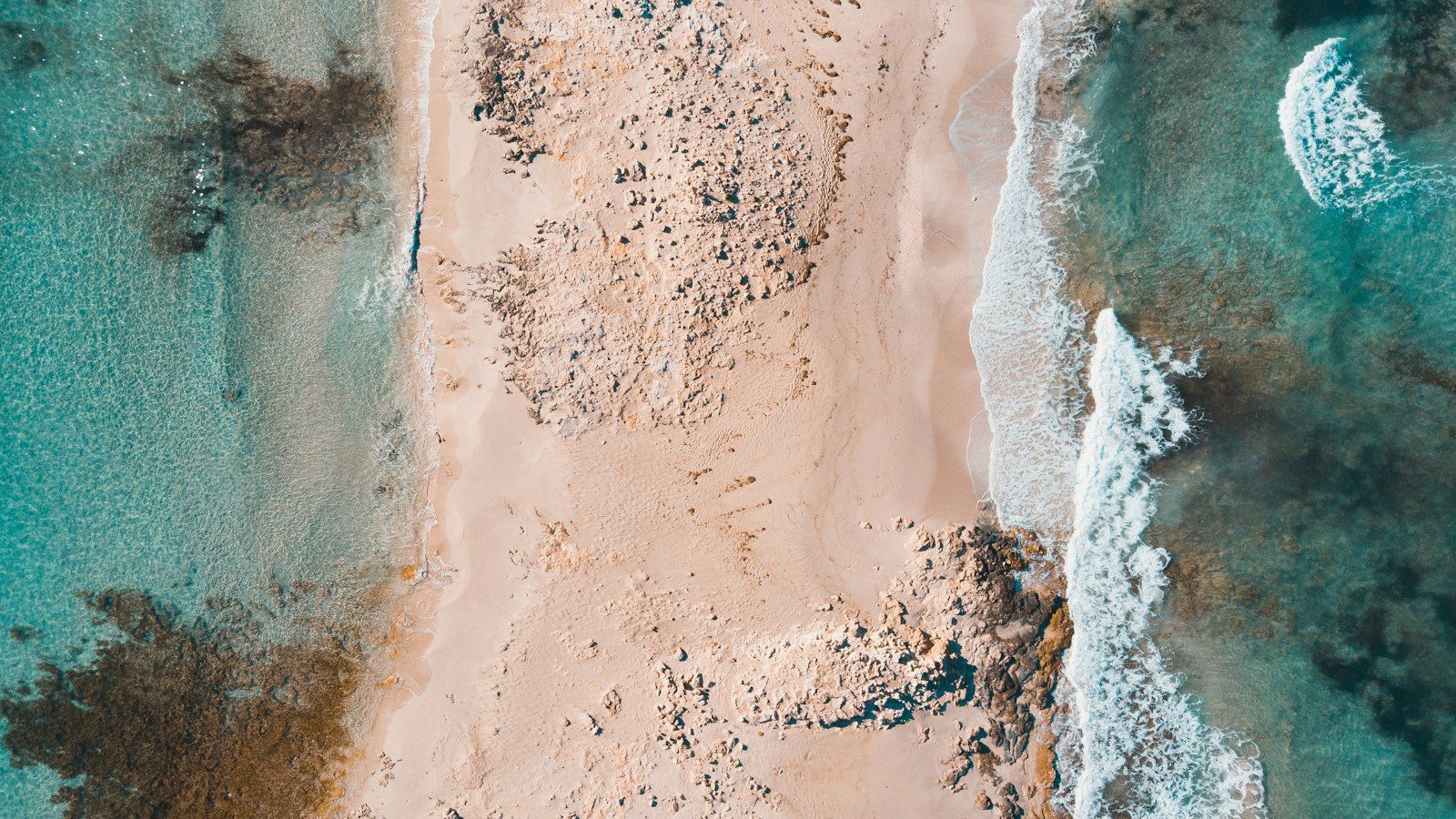
The smallest inhabited Balearic island: flat, quiet and easy to cycle, with Caribbean-clear water at Ses Illetes, cliff-top lighthouses at both ends and a slow pace that Ibiza left behind long ago.
- Best time to visit: Late May to June and September to early October
- Daily budget (budget traveller): $120 to $380 USD
- Ideal trip length: 4 to 7 days
Formentera is about 20 kilometres long, has no airport and only one port, and you can cross most of it by bike in an afternoon. Everyone arrives by ferry from Ibiza, about 30 minutes on a fast boat, and lands at La Savina. From there a network of quiet roads and signposted green routes leads to some of the clearest water in the Mediterranean. Ses Illetes and Llevant run along a thin sandy spit inside the Ses Salines Natural Park. The cliffs at Cap de Barbaria and La Mola end in lighthouses, and the south coast is one long beach at Migjorn. The island is small and safe, and getting around without a car is easy, which suits a solo traveller well. It is not cheap, though. There are no dorm hostels and camping is banned, so you will mostly sleep in family-run hostals. You can keep costs down with a bike, picnics and the island bus. Come in June or September when the sea is warm and the island is half as busy as in August. In winter most hotels and restaurants close.
Formentera is the quiet little sister of Ibiza: about 20 km end to end, home to roughly 12,000 people, and reachable only by sea. It was a hippie hideout in the 1960s and 70s, and parts of it still feel that way: the La Mola craft market, Fonda Pepe in Sant Ferran, and whitewashed farmhouses behind dry-stone walls and fig trees on wooden props. Since then the money has arrived. In August a sunbed at Ses Illetes costs more than a hostal room did a decade ago, and a seafood lunch can top €100. But the island's best things are still free: the water, the bike routes, the lighthouses and the sunsets. Solo travellers who pedal, picnic and sleep in family hostals can still see the island without spending a fortune.
The island is easy to plan. Every ferry lands at La Savina, where hire shops sit within 100 metres of the gangway. Pick a base by mood. La Savina is the most practical, Sant Francesc is the most central, Es Pujols is the most social and the La Mola end is the quietest. For your first days, explore the flat north: the salt pans, Estany Pudent and the spit that leads to Ses Illetes and Llevant. Then ride south to Cala Saona and Cap de Barbaria, and save a day for the climb up to La Mola, ideally on a Wednesday or Sunday when the market is on. From mid-May to mid-October, motor vehicles pay to enter the Ses Salines park and must stop short of the Barbaria lighthouse. A bike gets you through both for free.
Formentera's year is very seasonal. Most of the island opens from May to October, peaks in July and August and largely closes from November. In winter only one bus line runs, and many hostals and restaurants shut. June and September are best for one person, with the sea at swimming temperature, beds available and the long beaches half empty. Wind matters too. If the north wind is blowing, head to Migjorn on the south coast. When the wind swings south, Ses Illetes and Cala Saona are calmer. The island is very safe, the cycling is gentle, and the main hazards are sunburn, traffic and the price of a beach-club mojito.
Formentera itinerary
Ferry to La Savina, salt pans and Es Pujols
Morning: Take a fast ferry from Ibiza Town to La Savina (about 30-35 minutes). Rent a bike at the port, check in, and leave your bags.
Afternoon: Ride the green route around Estany Pudent, looking for flamingos, then stop at the Ca Na Costa megalithic tomb on the edge of Es Pujols.
Evening: Watch sunset from the Es Pujols seafront, then have dinner and a drink along the promenade. Pick up groceries for tomorrow's picnic.
Ses Illetes and Llevant by bike
Morning: Set off by 9am and ride about 4 km from La Savina past the salt pans into the Ses Salines Natural Park (free by bike). Swim at Ses Illetes before the day-trippers arrive.
Afternoon: Walk across the spit to Platja de Llevant, which is wilder and quieter. Picnic in the shade, or splash out on lunch at Juan y Andrea (book ahead).
Evening: Ride back along the lagoon in the late light. Have a simple dinner in La Savina or Sant Francesc.
Espalmador, Sant Francesc and Sant Ferran
Morning: Take the seasonal boat from La Savina to Espalmador (roughly €20-35 return, check sailings). Swim at its bay and stay on the paths. Out of season, walk out to the tip of Es Trucadors instead.
Afternoon: Back in Sant Francesc, see the fortress church and the main square, browse the craft stalls, and have a late set lunch.
Evening: Cycle 3 km to Sant Ferran for a drink and dinner at Fonda Pepe, the hippie-era classic.
Cala Saona and Cap de Barbaria sunset
Morning: Ride about 5 km from Sant Francesc to Cala Saona. Swim and snorkel along the cliffs while the water is calm.
Afternoon: Lunch at the cove, then a long siesta in the shade. Head out on the Barbaria road around 2 hours before sunset.
Evening: Leave scooters and cars at the barrier at km 6.5, or keep riding if you have a bike, and walk the last 2 km to the lighthouse. Look into the Cova Foradada from the ladder, keeping back from the edge. Bring a torch for the way back.
La Mola: Es Caló, Camí de Sa Pujada and the lighthouse
Morning: Take the L2 bus to Es Caló, or an e-bike if you want the climb. Swim in the tiny fishing cove, then walk up the Camí de Sa Pujada to the plateau (about 45 minutes uphill).
Afternoon: Lunch at Can Rafalet back in Es Caló, or in El Pilar de la Mola. Then ride or walk out to Far de la Mola and the Jules Verne monument on the cliff edge.
Evening: On Wednesdays and Sundays from May to mid-October, browse the La Mola artisan market (about 4:30pm to 10:30pm) and stay for the live music. Take the bus back.
Platja de Migjorn beach day
Morning: Bike from Sant Ferran down to Migjorn. Walk the sand east from Es Ca Marí and snorkel off the rocky points.
Afternoon: Ensalada payesa or grilled fish at Kiosko 62, then nap in the shade of the dunes, keeping off the protected vegetation.
Evening: Sunset drink at Blue Bar, then ride back with lights on and a hi-vis layer.
Last swim and ferry back to Ibiza
Morning: Early swim at Cavall d'en Borràs near La Savina, or one more ride round the salt pans.
Afternoon: Return the bike and take an afternoon ferry to Ibiza. Check sailing times the day before, and leave a buffer if you are flying out the same day.
Evening: Dinner in Ibiza Town or near the airport, or an extra night in Ibiza's old town if your flight is the next day.
Best neighbourhoods
- Sant Francesc Xavier: The small, whitewashed capital in the middle of the island, with an 18th-century fortress church, a seasonal craft market, cafés on the main square, supermarkets and the island's main bus stops. It is central for both lighthouses and Cala Saona.
- La Savina: The ferry port and harbour village, lined with bike, scooter and car hire shops. It is the most practical base for a short stay, about 4 km by bike from Ses Illetes, with the salt pans and Estany Pudent lagoon right behind it.
- Es Pujols: The island's resort village and closest thing to nightlife, with a small beach, bars along the seafront promenade, an evening market in summer and the widest choice of hostals. It is the most social base for solo travellers.
- Sant Ferran de ses Roques: A quiet inland village with a hippie-era history and a café culture. It is home to the legendary Fonda Pepe and is a short ride to both Es Pujols and the beaches of Migjorn.
- Platja de Migjorn: The long south-facing beach that runs for kilometres between Es Ca Marí and Es Arenals. It has scattered hotels, beach kiosks and the famous Blue Bar, and the stretches between them are wide and empty.
- El Pilar de la Mola and Es Caló: The high plateau at the island's eastern end and the tiny fishing cove below it. Expect farmland, pine woods, the La Mola artisan market on Wednesdays and Sundays in season, and a lighthouse on the cliff edge.
Must-do experiences
- Cycle to Ses Illetes and Llevant: Ride the flat green route from La Savina past the salt pans to the twin beaches of the Es Trucadors spit. Bikes and walkers enter the Ses Salines Natural Park free, while cars and motorbikes pay in season.
- Watch sunset at Cap de Barbaria: Walk or pedal the last 2 km to the lonely lighthouse on the island's southern tip. Peer into the Cova Foradada sea cave from the ladder, then head back by torchlight.
- Climb to Far de la Mola: Take the bus or a bike up to the eastern plateau, where the 19th-century lighthouse looks out over sheer cliffs and a monument honours Jules Verne, who set part of a novel here.
- Browse the La Mola artisan market: On Wednesday and Sunday afternoons from May to mid-October, stallholders in El Pilar de la Mola sell handmade jewellery, ceramics and clothes, with live music as the sun goes down.
- Swim at Cala Saona: Swim at the island's only real cove, with red-tinged cliffs and calm turquoise water on the west coast. Stay for one of Formentera's best sunsets, with Ibiza on the skyline.
- Loop the salt pans and Estany Pudent: Follow the dirt-track green routes around the old salt flats and the lagoon, where flamingos often feed, stopping at the 4,000-year-old Ca Na Costa megalithic tomb.
- Spend a day on Platja de Migjorn: Walk the long south-coast beach, snorkel off the rocky stretches and take a long lunch at a beach kiosk such as Kiosko 62 or a drink at Blue Bar.
- Take a boat to Espalmador: In summer, small passenger boats run from La Savina to this protected, uninhabited islet just north of Ses Illetes, where you can swim at its white-sand bay.
Hidden gems
- The Camí de Sa Pujada, an old stone track that climbs from Es Caló up the cliff to the La Mola plateau, with wide views over the whole island
- Ca Na Costa, a ring of standing stones around 4,000 years old, set beside the Estany Pudent lagoon on the edge of Es Pujols and free to see from the walkway
- Torre des Garroveret, a 1763 watchtower on the scrubby Barbaria headland that almost nobody walks out to see
- The green-route tracks around Estany Pudent at dawn, when the lagoon is still and flamingos are often feeding in the shallows
- The rocky northern shore below La Mola, reached by tracks from El Pilar, where you are more likely to meet a goat than another swimmer
Daily budget
- Accommodation: budget €80-150 / night (single or double room in a family hostal), mid-range €180-320 (boutique hotel or apartment), splurge €450+ (Gecko Hotel & Beach Club, Five Flowers). There are no dorm hostels and camping is banned. Prices can roughly double in late July and August, and many places set minimum stays. The Balearic tourist tax is about €1 to €4 per person per night from May to October, depending on category, and a quarter of that in winter, plus 10% VAT.
- Food: budget €35-55 / day (supermarket picnic, bocadillo, one simple dinner), mid-range €70-120 (kiosk lunch, sit-down dinner with wine), splurge €150+ (fish by the kilo at Juan y Andrea or Es Molí de Sal). A bocadillo costs about €6-10 and ensalada payesa at a kiosk about €15-20. Weekday set lunches (menú del día) in Sant Francesc are the best value for a sit-down meal. Beachfront restaurants charge for the view.
- Transport: budget €10-25 / day (bike hire, the odd bus ride), mid-range €35-60 (125cc scooter or e-bike), splurge €80-150+ (hire car in summer, taxis). Ferries are the big extra: fast boats from Ibiza cost roughly €25-35 each way, less on Aquabus or with online offers, so check live fares. Driving into the Ses Salines park costs about €5-7 for a car and €3-5 for a motorbike from mid-May to mid-October. Entry by bike is free.
- Activities: budget €0-15 / day (beaches, lighthouses, green routes, markets), mid-range €30-80 (Espalmador boat, kayak or paddleboard hire, snorkel trip), splurge €100+ (dive day, private boat charter). Almost everything worth seeing is free. Expect to pay roughly €20-35 return for the seasonal Espalmador boat, about €15-25 an hour for kayaks or paddleboards, and roughly €60-90 per guided dive. Check current prices.
- Drinks & nightlife: budget €8-15 (supermarket beer, one bar drink), mid-range €25-50 (sunset drinks, a couple of cocktails), splurge €80+ (beach club afternoon). A caña (small beer) costs about €3-5 in a village bar and a beach-club cocktail €12-18. Es Pujols has the island's late bars. Elsewhere, nights out mean sunset at Cala Saona or Blue Bar, then dinner.
Where to stay
- Social hostel in Es Pujols (€80-160 / night): Formentera has no dorm hostels and camping is banned, so the nearest equivalent is a family-run hostal like Hostal Sa Volta. Es Pujols puts you near the island's bars, the evening market and other travellers.
- Boutique hotel in Sant Francesc Xavier (€200-380 / night): Hotel Es Marès is in the island's small capital, close to cafés, the bus and bike routes to both lighthouses. It is a calm, central base with style.
- Apartment in Sant Ferran or Es Pujols (€120-250 / night): Licensed tourist apartments give you a kitchen, which saves a lot on an island where eating out is expensive. Check that the listing shows a tourist licence number and whether the tourist tax is included.
- Splurge in Platja de Migjorn or Es Pujols (€450-900+ / night): Gecko Hotel & Beach Club sits right on the Migjorn sand, and Five Flowers is in Es Pujols. Both are pricey, design-led places to switch off.
What to eat
- Ensalada payesa: Formentera's signature salad of peix sec (wind-dried fish), potatoes, roasted peppers, tomato and olive oil, best eaten at a beach kiosk
- Bullit de peix with arròs a banda: fish and potatoes poached in a saffron broth, followed by rice cooked in that same stock, a classic at Es Caló
- Flaó: a fresh cheese and mint tart scented with anise, sold in bakeries and served as dessert across the island
- Greixonera: a rich, spiced bread pudding made with leftover ensaïmada pastries, eggs, milk and cinnamon
- Sofrit pagès: a farmhouse stew of meats, sausage and potatoes, mostly found in winter and in traditional places on La Mola
- Local figs and Formentera wine: sun-dried figs from the island's propped-up fig trees, with a glass of white or red from the island's small vineyards
- Hierbas ibicencas: the local herbal liqueur, often poured over ice at the end of a meal
Day trips
- Espalmador (About 20 minutes by boat from La Savina, or just across the channel from the tip of Es Trucadors): A protected, uninhabited islet just north of Ses Illetes, with a white-sand bay on its western side. Bathing in its old mud pool is now banned, so stay on the paths and just swim and walk. Seasonal passenger boats leave from La Savina port in summer, roughly €20-35 return, so check sailings and prices at the harbour. Do not wade across from Ses Illetes, because currents in the channel are strong.
- Ibiza Town and Dalt Vila (About 30-35 minutes by fast ferry from La Savina): Ibiza's walled old town sits on a hill above the port. Walk the Renaissance walls, see the cathedral at the top and have lunch in the old quarter before the ferry back. Take any fast ferry from La Savina to Ibiza Town port, then walk 10 to 15 minutes up into Dalt Vila. Check the last sailing back to Formentera before you go.
- La Mola plateau and Es Caló (About 15 km east of Sant Francesc): Farmland, pine woods and cliffs at the island's eastern end, with Far de la Mola, the Camí de Sa Pujada and the artisan market in El Pilar on Wednesday and Sunday afternoons in season. The L2 bus runs from La Savina via Sant Francesc, Es Pujols and Es Caló to El Pilar and the lighthouse all year, roughly hourly in winter. By e-bike, allow about an hour, including the climb.
When to visit
- Spring opening (April - May): 19-25°C, sunny and fresh, sea still cool at 17-20°C. Crowds: Low, hotels and kiosks reopen through May. Great for cycling and walking, with green fields and empty roads. Swimming is bracing until late May, and some places only open around 1 May, so check before you book.
- Early summer (June): 24-28°C, long dry days, sea 21-24°C. Crowds: Moderate, rising towards the end of the month. One of the best months. Everything is open, the sea is warm enough for long swims and prices sit below the August peak. Book beds early for the San Juan weekend.
- Peak summer (July - August): 28-32°C, hot and humid, sea 25-27°C. Crowds: Very heavy, day-trippers from Ibiza every day. Gorgeous water, but expensive, crowded and hot for cycling. Book beds months ahead, ride before 10am, and go to Ses Illetes early or late.
- Autumn and winter (September - March): September 25-28°C, October 21-24°C, winter 14-18°C with some rain. Crowds: Low in September and October, almost empty in winter. September and early October are the locals' favourite, with warm water, calm roads and lower prices. From November most hotels, restaurants and bus lines close, so it suits walkers who are happy to self-cater.
Entry rules for your passport
Visa rules for Spain depend on the passport you travel on. Check the official source before you book: European Commission: Schengen visa policy
Getting there
Formentera has no airport, so fly to Ibiza (IBZ), which has direct flights from across Europe in summer and fewer in winter. From the airport to Ibiza Town's port is about 15 to 20 minutes by taxi (roughly €18 to €25). The bus is cheaper but slower, and its winter route can run via the town bus station rather than the port, so check before you travel. Baleària, Trasmapi and Formentera Lines run fast ferries from Ibiza Town to La Savina, Formentera's only port, in about 30 to 35 minutes, with dozens of sailings a day in summer and fewer in winter. Aquabus runs slower, cheaper passenger-only boats, some of them from Figueretas and Platja d'en Bossa. Expect roughly €25 to €35 each way on the fast boats, less with online offers. Baleària also connects Formentera with Dénia on the mainland, and with Palma and Barcelona on some dates. If you bring your own car or motorbike between 1 June and 30 September, you need a paid Formentera.eco permit before boarding.
Border checks: non-EU visitors (other than Swiss, Norwegian, Icelandic, Liechtenstein, Andorran, Monegasque, San Marinese and Vatican citizens, and holders of an EU residence permit or long-stay visa) are registered in the EU's Entry/Exit System (EES) instead of getting a passport stamp. On your first crossing, officers take your photo and/or fingerprints, so allow extra time at passport control. ETIAS, the planned travel authorisation, is not in operation yet, so don't pay any website for one.
Getting around
Formentera is small and mostly flat, and a bike is the best way to get around. Hire shops line La Savina port, and signposted green routes (Circuits Verds) link the villages, salt pans and beaches on quiet tracks. The only big climb is up to La Mola, so think about an e-bike for that day. The island bus runs several lines in summer between La Savina, Sant Francesc, Es Pujols, Sant Ferran, Es Caló, La Mola and Ses Illetes. In winter only the L2 La Savina to La Mola line runs, roughly hourly. Fares are a few euros, so check the current timetable. Scooters are the classic middle option. If you hire a car or scooter on the island, you do not need the Formentera.eco permit, which visitors bringing their own vehicle must get for 1 June to 30 September. If you drive into the Ses Salines Natural Park, you pay a daily access fee from mid-May to mid-October, roughly €5 to €7 for a car and €3 to €5 for a motorbike. From mid-May to mid-October, you also have to leave motor vehicles at a barrier about 2 km before Cap de Barbaria lighthouse. Taxis wait at La Savina and Sant Francesc, but there are not many in peak season.
Safety
Formentera is very safe for solo travellers, and violent crime is rare. The main risks are traffic and the sea. Roads are narrow and shared by cyclists, scooters and cars, so use lights and a hi-vis layer after dark, and wear a helmet. Lock your bike every time, and don't leave bags in scooter boxes or unattended on the sand. Many beaches have no lifeguard outside high summer. Do not try to wade across the channel between Ses Illetes and Espalmador, where currents are strong. At Cova Foradada and on the Barbaria and La Mola cliffs, the drops are sheer and unfenced, so stay well back, especially in wind. Summer sun is fierce and there is little shade on the bike routes, so carry plenty of water and set off early. Protect the posidonia seagrass and dunes: stay on the boardwalks, do not take sand or stones, and remember that wild camping is banned and fined.
Solo travel tips
- Stay in Es Pujols if you want company: Es Pujols has the island's bars, an evening market in summer and the most hostals, so it is the easiest place to meet other travellers. Sant Francesc and La Mola are calmer and suit a slower, more solitary trip.
- Hire the bike, skip the car: A bike costs a fraction of a car, gets you into Ses Salines and right up to Cap de Barbaria for free, and needs no permit. Rent an e-bike just for the La Mola day. If you want a car, hire it on the island so the Formentera.eco permit is not an issue.
- Book beds before the ferry: Formentera is short on cheap beds, and in July and August hostals can fill months ahead and set minimum stays. Book your room first, then the ferry. Booking ferries online is usually cheaper than buying at the port.
- Eat lunch big, dinner light: Set lunches in Sant Francesc and kiosk plates of ensalada payesa are the best value on the island. Use supermarkets for picnics and breakfasts, and save one splurge for a sunset dinner.
- Safety for solo travellers: Crime is rare, so the real risks are roads and the sea. Use lights after dark, lock your bike every time, keep away from the Barbaria and La Mola cliff edges, and never try to wade the channel to Espalmador. Women travelling alone generally report feeling very comfortable here.
- Meet people on the water: Group kayak and paddleboard outings, snorkel boats and dive centres are the easiest way to meet other solos. The La Mola market's live music on Wednesday and Sunday evenings is another. Download offline maps, because signal can be patchy on the green routes.
Cultural etiquette
- Greet people in shops and bars with 'bon dia' or 'hola'. Catalan is the local language, though Spanish, English and Italian are widely understood.
- Topless sunbathing is common and nude bathing is traditional on quieter stretches such as Llevant and parts of Migjorn. Cover up in villages, shops, bars and the church.
- Keep to the boardwalks over the dunes, never take sand, stones or posidonia, and don't anchor or stand on the seagrass. The posidonia meadows are part of a UNESCO World Heritage site.
- Island hours are Spanish: lunch around 1:30pm to 3:30pm, dinner from 8:30pm, and some shops close in the afternoon.
- Wild camping and sleeping in vehicles are banned and fined, so book a bed for every night.
- On narrow roads and green routes, ride single file, pull over to let cars pass, and use a bell rather than shouting.
- Keep noise down at night in the villages and on La Mola. Many locals and long-stay residents came here for the quiet.
Frequently asked questions
How do I get to Formentera?
Formentera has no airport. Fly to Ibiza (IBZ), then take a bus or taxi to Ibiza Town's port. A taxi takes about 15 to 20 minutes and costs roughly €18 to €25. Buses are cheaper but slower, and their routes change between summer and winter. From the port, Baleària, Trasmapi and Formentera Lines run fast ferries to La Savina in about 30 to 35 minutes, and Aquabus runs slower, cheaper passenger boats. Baleària also sails from Dénia on the mainland, and from Palma and Barcelona on some dates.
How many days do I need in Formentera?
Four to five days covers Ses Illetes, Cap de Barbaria, La Mola and a lazy beach day without rushing. A week lets you add Espalmador, Cala Saona and long days on Migjorn at island pace. A day trip from Ibiza is possible, but it barely gets you past Ses Illetes.
When is the best time to visit Formentera?
Late May to June and September to early October are best. The sea is warm, the bike routes are pleasant and beds are easier to find. July and August are hot, crowded and expensive. From November to March the weather is mild but most hotels, restaurants and bus lines shut down.
Can I pay by card everywhere?
Cards and contactless work in most hotels, restaurants, supermarkets and hire shops. Carry some cash for kiosks, market stalls and small bars. ATMs are in La Savina, Sant Francesc, Es Pujols and Sant Ferran, but there are fewer at La Mola.
Do I need a car in Formentera?
No. A bike covers most of the island, the bus links the main villages and the port, and scooters fill the gaps. If you want a car for a day, hire it on the island: local rentals are already counted within the summer vehicle cap, so you do not need the Formentera.eco permit that visitors bringing their own vehicles need from 1 June to 30 September.
What language is spoken in Formentera?
Catalan, in its local Pitiusan form, and Spanish are both official. English and Italian are widely spoken in tourist businesses, because many of the island's visitors and residents are Italian. A 'bon dia' (good morning) and 'gràcies' (thank you) go down well.
Is Formentera safe for solo female travellers?
Yes. Formentera is one of the safest places in Spain to travel alone. Use the usual precautions: plan rides so you are not on unlit roads late at night, watch your drink in Es Pujols bars, and avoid empty beaches after dark. Book a taxi in advance on busy summer nights, because there are not many.
What entry rules apply to travellers visiting Spain in 2026?
Spain is in the Schengen Area. EU, EEA and Swiss citizens need a valid passport or national ID card. Many other nationalities, including UK, US, Canadian and Australian citizens, can visit visa-free for up to 90 days in any 180-day period. Since 10 April 2026, the EU Entry/Exit System has been fully running, so non-EU visitors register their fingerprints and a photo at their first Schengen border. ETIAS, the planned online travel authorisation, had not launched as of November 2026 and had no confirmed start date. Ignore unofficial websites that try to charge you for it. Rules can change, so always confirm on the official Spanish government website (exteriores.gob.es), the EU's travel-europe.europa.eu site and your own government's travel advice before you book.
More about Formentera
Tours and activities in Formentera | Formentera in 2 days | Formentera in 3 days | Formentera in 4 days | Formentera in 5 days | Formentera in 7 days
Can't decide? Compare Formentera with...
Joy Plus home | Destinations | Itineraries | Activities | Flights | Budget planner | Calendar | Map | Blog | Lifetime access