Formentera in 4 days
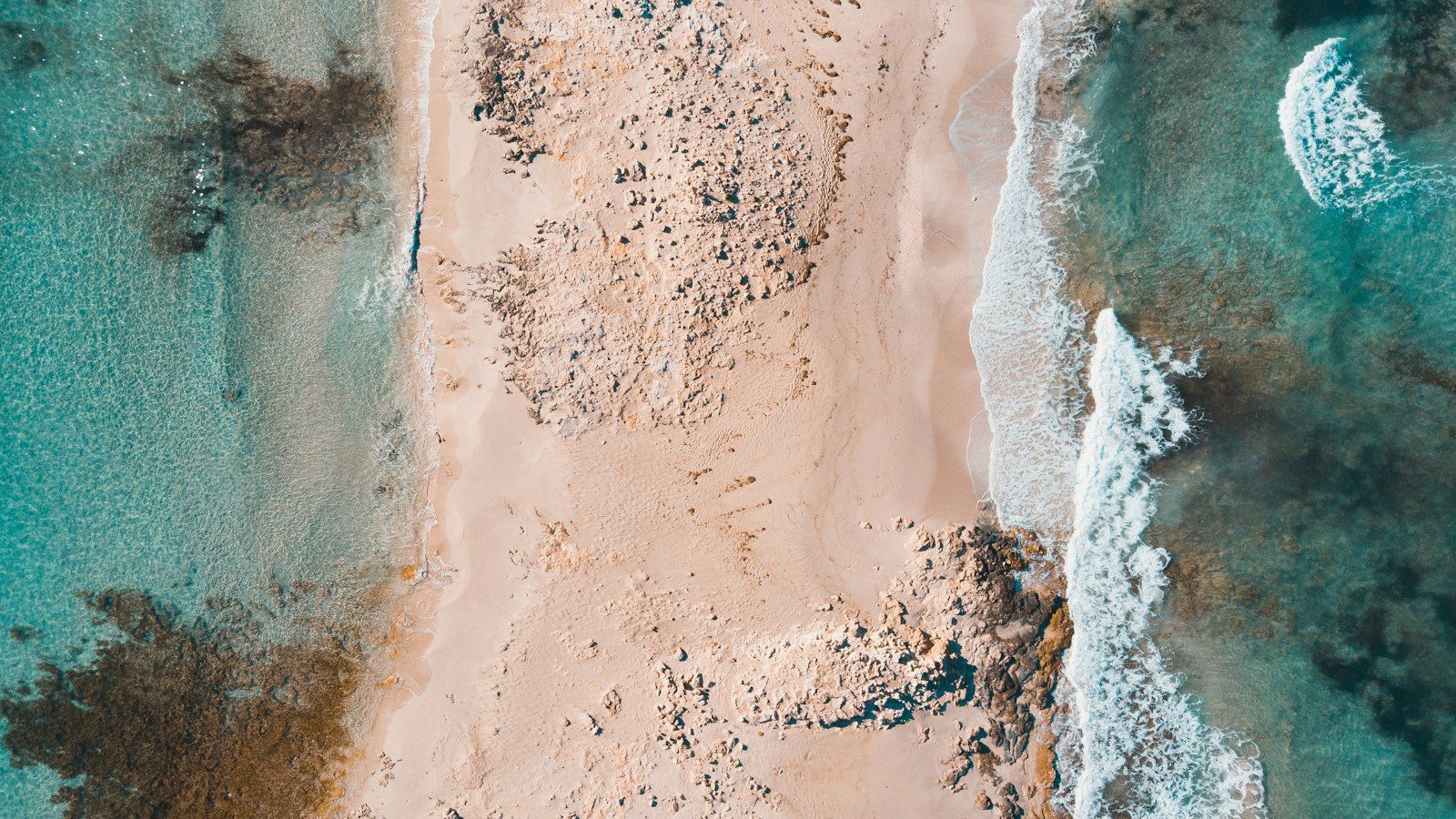
The smallest inhabited Balearic island: flat, quiet and easy to cycle, with Caribbean-clear water at Ses Illetes, cliff-top lighthouses at both ends and a slow pace that Ibiza left behind long ago. Best time to visit: Late May to June and September to early October. Daily budget (budget traveller): $120 to $380 USD.
Ferry to La Savina, salt pans and Es Pujols
Morning: Take a fast ferry from Ibiza Town to La Savina (about 30-35 minutes). Rent a bike at the port, check in, and leave your bags.
Afternoon: Ride the green route around Estany Pudent, looking for flamingos, then stop at the Ca Na Costa megalithic tomb on the edge of Es Pujols.
Evening: Watch sunset from the Es Pujols seafront, then have dinner and a drink along the promenade. Pick up groceries for tomorrow's picnic.
Ses Illetes and Llevant by bike
Morning: Set off by 9am and ride about 4 km from La Savina past the salt pans into the Ses Salines Natural Park (free by bike). Swim at Ses Illetes before the day-trippers arrive.
Afternoon: Walk across the spit to Platja de Llevant, which is wilder and quieter. Picnic in the shade, or splash out on lunch at Juan y Andrea (book ahead).
Evening: Ride back along the lagoon in the late light. Have a simple dinner in La Savina or Sant Francesc.
Espalmador, Sant Francesc and Sant Ferran
Morning: Take the seasonal boat from La Savina to Espalmador (roughly €20-35 return, check sailings). Swim at its bay and stay on the paths. Out of season, walk out to the tip of Es Trucadors instead.
Afternoon: Back in Sant Francesc, see the fortress church and the main square, browse the craft stalls, and have a late set lunch.
Evening: Cycle 3 km to Sant Ferran for a drink and dinner at Fonda Pepe, the hippie-era classic.
Cala Saona and Cap de Barbaria sunset
Morning: Ride about 5 km from Sant Francesc to Cala Saona. Swim and snorkel along the cliffs while the water is calm.
Afternoon: Lunch at the cove, then a long siesta in the shade. Head out on the Barbaria road around 2 hours before sunset.
Evening: Leave scooters and cars at the barrier at km 6.5, or keep riding if you have a bike, and walk the last 2 km to the lighthouse. Look into the Cova Foradada from the ladder, keeping back from the edge. Bring a torch for the way back.
Heading home: Dinner in Ibiza Town or near the airport, or an extra night in Ibiza's old town if your flight is the next day.
What to eat in Formentera
- Ensalada payesa: Formentera's signature salad of peix sec (wind-dried fish), potatoes, roasted peppers, tomato and olive oil, best eaten at a beach kiosk
- Bullit de peix with arròs a banda: fish and potatoes poached in a saffron broth, followed by rice cooked in that same stock, a classic at Es Caló
- Flaó: a fresh cheese and mint tart scented with anise, sold in bakeries and served as dessert across the island
- Greixonera: a rich, spiced bread pudding made with leftover ensaïmada pastries, eggs, milk and cinnamon
- Sofrit pagès: a farmhouse stew of meats, sausage and potatoes, mostly found in winter and in traditional places on La Mola
- Local figs and Formentera wine: sun-dried figs from the island's propped-up fig trees, with a glass of white or red from the island's small vineyards
- Hierbas ibicencas: the local herbal liqueur, often poured over ice at the end of a meal
Hidden gems
- The Camí de Sa Pujada, an old stone track that climbs from Es Caló up the cliff to the La Mola plateau, with wide views over the whole island
- Ca Na Costa, a ring of standing stones around 4,000 years old, set beside the Estany Pudent lagoon on the edge of Es Pujols and free to see from the walkway
- Torre des Garroveret, a 1763 watchtower on the scrubby Barbaria headland that almost nobody walks out to see
- The green-route tracks around Estany Pudent at dawn, when the lagoon is still and flamingos are often feeding in the shallows
- The rocky northern shore below La Mola, reached by tracks from El Pilar, where you are more likely to meet a goat than another swimmer
Getting around
Formentera is small and mostly flat, and a bike is the best way to get around. Hire shops line La Savina port, and signposted green routes (Circuits Verds) link the villages, salt pans and beaches on quiet tracks. The only big climb is up to La Mola, so think about an e-bike for that day. The island bus runs several lines in summer between La Savina, Sant Francesc, Es Pujols, Sant Ferran, Es Caló, La Mola and Ses Illetes. In winter only the L2 La Savina to La Mola line runs, roughly hourly. Fares are a few euros, so check the current timetable. Scooters are the classic middle option. If you hire a car or scooter on the island, you do not need the Formentera.eco permit, which visitors bringing their own vehicle must get for 1 June to 30 September. If you drive into the Ses Salines Natural Park, you pay a daily access fee from mid-May to mid-October, roughly €5 to €7 for a car and €3 to €5 for a motorbike. From mid-May to mid-October, you also have to leave motor vehicles at a barrier about 2 km before Cap de Barbaria lighthouse. Taxis wait at La Savina and Sant Francesc, but there are not many in peak season.
Safety
Formentera is very safe for solo travellers, and violent crime is rare. The main risks are traffic and the sea. Roads are narrow and shared by cyclists, scooters and cars, so use lights and a hi-vis layer after dark, and wear a helmet. Lock your bike every time, and don't leave bags in scooter boxes or unattended on the sand. Many beaches have no lifeguard outside high summer. Do not try to wade across the channel between Ses Illetes and Espalmador, where currents are strong. At Cova Foradada and on the Barbaria and La Mola cliffs, the drops are sheer and unfenced, so stay well back, especially in wind. Summer sun is fierce and there is little shade on the bike routes, so carry plenty of water and set off early. Protect the posidonia seagrass and dunes: stay on the boardwalks, do not take sand or stones, and remember that wild camping is banned and fined.
Frequently asked questions
What does this 4-day Formentera itinerary cover?
Day 1: Ferry to La Savina, salt pans and Es Pujols. Day 2: Ses Illetes and Llevant by bike. Day 3: Espalmador, Sant Francesc and Sant Ferran. Day 4: Cala Saona and Cap de Barbaria sunset.
Is 4 days enough for Formentera?
Our recommended trip length for Formentera is 4 to 7 days. This 4-day plan focuses on the highlights and groups sights by area so you spend less time travelling between them.
How much does 4 days in Formentera cost?
A budget traveller spends about $120 to $380 USD a day in Formentera, so roughly $480 to $1,520 USD for 4 days, not counting flights.
Where should I stay for 4 days in Formentera?
Sant Francesc Xavier: The small, whitewashed capital in the middle of the island, with an 18th-century fortress church, a seasonal craft market, cafés on the main square, supermarkets and the island's main bus stops. La Savina: The ferry port and harbour village, lined with bike, scooter and car hire shops.
When is the best time to visit Formentera?
The best time to visit Formentera is Late May to June and September to early October.
How do I get around Formentera?
Formentera is small and mostly flat, and a bike is the best way to get around. Hire shops line La Savina port, and signposted green routes (Circuits Verds) link the villages, salt pans and beaches on quiet tracks.
Is Formentera safe for solo travellers?
Formentera is very safe for solo travellers, and violent crime is rare. The main risks are traffic and the sea.
Read more about Formentera
More 4-day guides
- Cadaqués in 4 days
- Nerja in 4 days
- Picos de Europa in 4 days
- Santillana del Mar in 4 days
- Albarracín in 4 days
- Frigiliana in 4 days
- La Gomera in 4 days
- Oviedo in 4 days
Formentera in 2 days | Formentera in 3 days | Formentera in 5 days | Formentera in 7 days | Full Formentera guide
Joy Plus home | Destinations | Itineraries | Activities | Flights | Budget planner | Calendar | Map | Blog | Lifetime access