Destinations / Africa
Garden Route (Knysna), South Africa travel guide
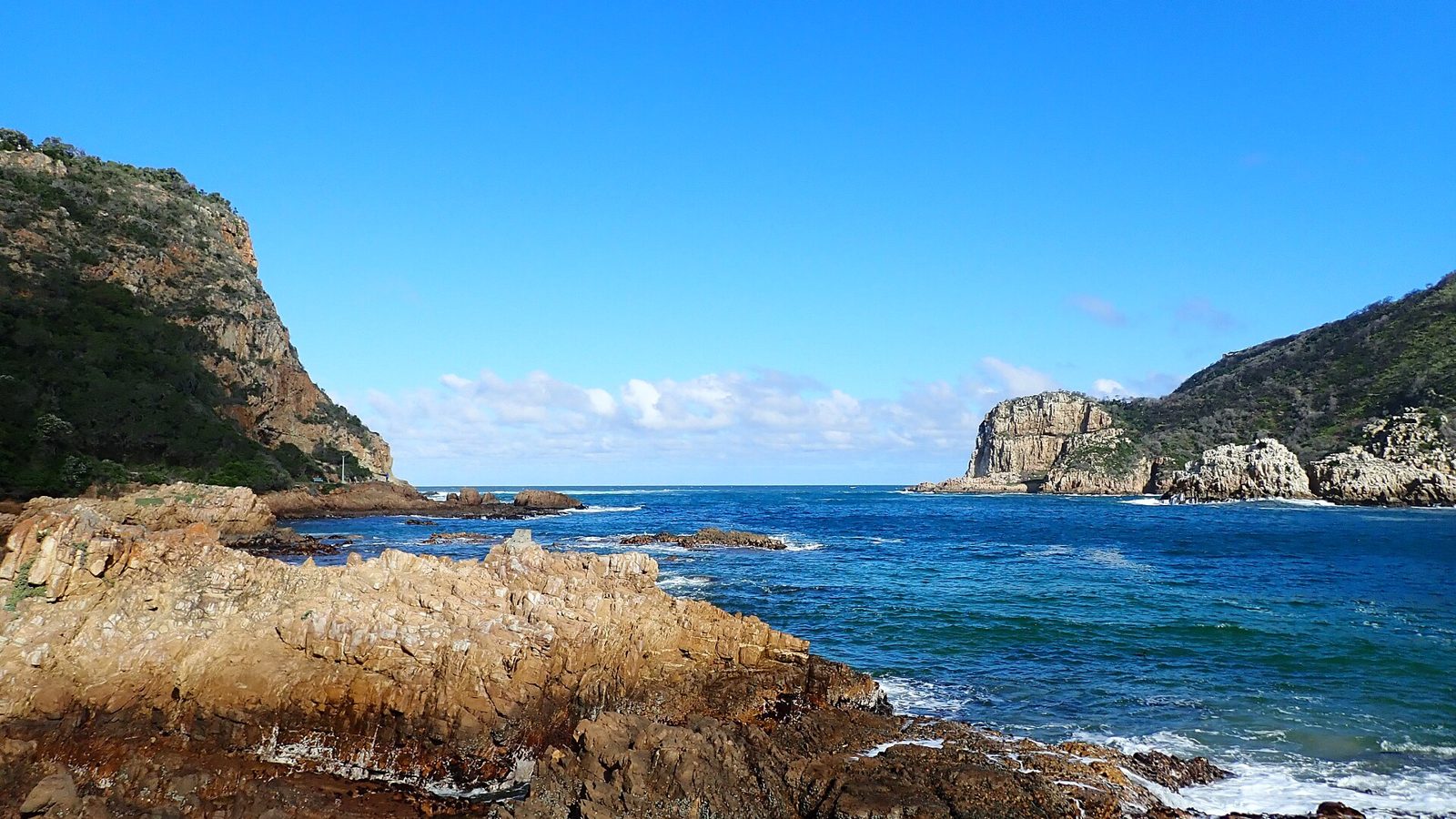
A lagoon town ringed by forest on South Africa's southern coast, and the natural base for the Garden Route. You walk up the sandstone Heads, eat oysters on Thesen Island and spend your days on forest trails, empty beaches and the cliffs of Robberg and Tsitsikamma.
- Best time to visit: March to May and September to November
- Daily budget (budget traveller): $50 to $180 USD
- Ideal trip length: 4 to 7 days
Knysna sits on a wide tidal lagoon halfway along the Garden Route, the stretch of the N2 between Mossel Bay and the Tsitsikamma forest. It is about 60km east of George Airport and roughly a seven to eight-hour drive from Cape Town. The lagoon meets the Indian Ocean through the Knysna Heads, two sandstone cliffs with a narrow and famously rough channel between them. Behind the town are some of the largest indigenous forests left in South Africa, with old yellowwood trees and old gold-mining trails. There is not much historic town to see. People come for what surrounds it. Take a boat across to the Featherbed reserve on the Western Head, walk the forest trails at Diepwalle, swim at Brenton-on-Sea and eat fresh oysters by the water on Thesen Island. Knysna is also a practical hub for day trips east to the seal colony at Robberg and the suspension bridge at Storms River Mouth, or west to Sedgefield and Wilderness. The catch is transport. Public buses are thin, and a car makes everything easier. Even so, hostels, the Baz Bus and cheap self-catering keep it affordable for a solo traveller who plans well.
Knysna is the busiest town on the central Garden Route, with roughly 75,000 people around a tidal lagoon about 20km long. The lagoon is protected and full of life, from oysters to the endangered Knysna seahorse. It reaches the sea through the Heads, two sandstone cliffs that sailors have long feared. The town grew on timber from the surrounding forests and, briefly, on a gold rush at Millwood in the 1880s. Today it lives on tourism, oysters and holiday homes. The centre is practical rather than pretty. The appeal lies just beyond it: on the water, up on the Heads and deep in the forest. It works well as a base because you can see the Western Head at Featherbed in the morning and be on a forest trail by the afternoon.
Getting here takes some planning. Most visitors fly to George and hire a car, which is the simplest way to see the region. Without a car, the Baz Bus links backpacker hostels from Cape Town to Gqeberha once a day, and Intercape coaches stop at the Waterfront, though often at awkward hours. In town, stay in the centre or near the Waterfront if you are on foot, and on Thesen Islands, Leisure Isle or at Brenton-on-Sea if you are driving. National park fees rose on 1 November 2026. International adults now pay R254 a day in the Knysna section and R422 at Storms River Mouth, so budget for them if you plan several park days.
Timing changes the trip less than in many places, as the Garden Route gets rain all year and stays mild. Autumn and spring are the best balance. Summer brings heat, long days and crowds, especially from mid-December to mid-January, when South African families fill every bed. Winter is cooler and quieter, with whales offshore and the Oyster Festival in early July. Solo travellers tend to like Knysna. The hostels are friendly, there are always people to share a hike or a car with, and the outdoor life is easy to join. Respect the sea, keep your car empty and take taxis at night, and it is a relaxed place to spend a week.
Garden Route (Knysna) itinerary
Arrive and find the water
Morning: Fly into George and drive about an hour east, or arrive on the Baz Bus. Drop your bag and walk to the Waterfront for coffee.
Afternoon: Stroll across the causeway to Thesen Islands, look around the canals and old timber buildings, and buy food for the week.
Evening: Sunset oysters and a glass of wine on Thesen Island, then a taxi home if you are staying across town.
Featherbed and the Heads
Morning: Take the ferry to Featherbed Nature Reserve (roughly R600-1,000). Ride up the Western Head and walk the trail down to the sea caves.
Afternoon: Drive or taxi out to the East Head for the classic view down the channel. Walk on the rocks at low tide and have a late lunch at the café.
Evening: Swim off Leisure Isle if the tide is high, then braai at your hostel or eat fish and chips at the Waterfront.
Into the forest
Morning: Drive to Diepwalle for the Elephant Walk in the Garden Route National Park (R254 for international adults). Start early, when the forest is quietest.
Afternoon: Continue to Jubilee Creek and the old Millwood gold fields for a picnic and an easy stream-side trail.
Evening: Back in town for a simple dinner and an early night before a long hike.
Robberg and Plettenberg Bay
Morning: Drive 30km east to Robberg (about R75). Walk the Point circuit past the seal colony if you are fit, or the shorter Witsand loop.
Afternoon: Lunch in Plettenberg Bay and a swim at Central or Robberg Beach. Between July and October, look into a whale-watching boat.
Evening: Drive back to Knysna before dark, or stay a night in Plett for its livelier bars.
Tsitsikamma
Morning: Drive about 1 hour 15 minutes east to Storms River Mouth (R422 for international adults). Walk the boardwalk trail to the suspension bridge.
Afternoon: Try the longer Waterfall Trail for a section if the tide and your legs allow, then stop at Bloukrans bridge to watch or do the bungee.
Evening: Head back west in daylight and treat yourself to a seafood dinner on Thesen Island.
Sedgefield and Wilderness
Morning: If it is Saturday, go to the Wild Oats market in Sedgefield early. Then walk out to Gericke's Point at low tide.
Afternoon: Continue to Wilderness. Walk the Half-collared Kingfisher trail along the river to a waterfall, and stop at the Map of Africa viewpoint.
Evening: Watch the sunset from Wilderness beach, then drive back to Knysna or stay a night at a Wilderness hostel.
Noetzie and depart
Morning: Walk down to Noetzie beach and its mock castles while it is still quiet, then climb back up for breakfast.
Afternoon: Fit in a last swim at Brenton-on-Sea, then drive back to George for an afternoon flight or catch the Baz Bus onwards.
Evening: Arrive in Cape Town, or carry on east towards Jeffreys Bay and Gqeberha.
Best neighbourhoods
- Town centre and Waterfront: The compact grid around Main Road and the Knysna Quays, with the Intercape stop, supermarkets, banks, hostels and most boat departures. It is the easiest base without a car, and everything is walkable in the daytime. It gets quiet after shops shut, so take a taxi at night rather than walking far.
- Thesen Islands: A former timber yard turned into a marina village with canals, wooden houses, restaurants and the oyster bars on Long Street. It is linked to town by a causeway and is about 15 minutes' walk from the centre. It is safe, pretty and calm, but mostly holiday homes and pricier rooms.
- Leisure Isle and the Heads: A small residential island in the lagoon near the Heads, with sandy lagoon beaches, guesthouses and quiet streets. The East Head viewpoint and café are a short drive or a longish walk away. It is lovely for slow days, but you will need a car or taxis to get anywhere else.
- Brenton-on-Sea: A small village above a long beach about 15km west of town, across the lagoon from the Heads. You get guesthouses, cottages and one of the best swimming beaches near Knysna. It suits you if you have a car and want quiet nights by the sea, but it has very few shops or restaurants.
- Plettenberg Bay: The big resort town about 30km east, with long beaches, more bars and a lively summer crowd. It is close to Robberg, the Tsitsikamma and whale-watching boats. The Baz Bus stops here, and it makes a good second base if you want beach life over lagoon calm.
Must-do experiences
- Cross to Featherbed Nature Reserve: Take the ferry from the Waterfront to the private reserve on the Western Head, then ride a 4x4 trailer up to the viewpoints and walk the 2.2km trail down through milkwood forest to the sea caves. Expect roughly R600-1,000 ($35-60) depending on the day and whether lunch is included. Payment is cashless, so book online.
- Stand on the East Head: Drive or taxi out along George Rex Drive to the eastern side of the Heads. The viewpoint is free and looks straight down the channel where the lagoon meets the open ocean. Walk down to the rocks at low tide, then have coffee at the café by the car park.
- Eat oysters on Thesen Island: Knysna has farmed oysters for decades, and the lagoon-side bars on Thesen Island serve them cheaply by the half-dozen. Go at sunset and order a mix of cultivated and wild oysters. In early July the Oyster Festival fills the town with food stalls, races and live music.
- Walk in the Knysna forest: Head into the Garden Route National Park's Knysna section at Diepwalle for the Elephant Walk, or to Jubilee Creek near the old Millwood gold fields for a gentle stream-side trail. International adults pay R254 ($15) a day from November 2026 at staffed points. Wild elephants live here, but sightings are very rare.
- Hike Robberg peninsula: About 8km south of Plettenberg Bay, Robberg has three marked loops, from the short Gap circuit to the 9.2km Point circuit past a Cape fur seal colony and a huge sand dune. The CapeNature day fee is about R75, paid by card. Gate times change with the season, so check before you go.
- See Storms River Mouth: In the Tsitsikamma section, a boardwalk trail through coastal forest leads to the suspension bridge over the river mouth, with surf pounding the rocks below. International adults pay R422 ($26) a day from 1 November 2026. Combine it with a stop at the Bloukrans bridge, home of a famous bungee jump.
- Find Noetzie beach: East of town, a dirt road and a steep path lead down to a small cove with mock castles built as holiday homes. Entry is free, and the beach is often almost empty. The castles are private, so admire them from the sand, and save energy for the climb back up.
Hidden gems
- Gericke's Point near Sedgefield at low tide, a sandstone outcrop with rock pools, fossil traces and good odds of seeing seals and dolphins offshore
- The Saturday morning Wild Oats market in Sedgefield, a long-running farmers' market where locals queue for pies, coffee and fresh bread
- Jubilee Creek picnic site in the forest north of town, where a short trail follows a tea-coloured stream past old gold diggings
- The lagoon shore at Leisure Isle at high tide, warm and sheltered water that most visitors drive straight past on the way to the Heads
- Buffalo Bay beyond Brenton-on-Sea, a long and quiet beach at the edge of Goukamma Nature Reserve
Daily budget
- Accommodation: budget $15-25 / night (hostel dorm), mid-range $60-120 (guesthouse or self-catering cottage), splurge $250+ (lagoon-view hotel such as Simola). Prices roughly double from mid-December to mid-January and rise at Easter and during the Oyster Festival. Private rooms in hostels are good value for solo travellers.
- Food: budget $12-20 / day (self-catering, supermarket braai, takeaway fish and chips), mid-range $30-50 (café lunch and a sit-down seafood dinner), splurge $70+ (tasting menu or long lunch with wine). Eating out is cheap by European standards. Oysters cost a few dollars per half-dozen at the Thesen Island bars, and a good main course is often $10-18.
- Transport: budget $5-15 / day (walking, shared rides, Baz Bus pass spread over the trip), mid-range $35-60 (small hire car plus fuel), splurge $100+ (private transfers or guided day tours). Cape Town to Knysna by Intercape usually costs R400-1,060 ($25-60). Leave small change for car guards and petrol attendants, as fuel stations are full-service.
- Activities: budget $0-10 / day (beaches, the East Head, Noetzie, Robberg at about R75), mid-range $15-40 (Knysna forest R254, Storms River Mouth R422, lagoon cruise), splurge $60+ (Featherbed with lunch, bungee, whale-watching boats). SANParks fees shown are for international adults from 1 November 2026. A Wild Card annual pass can pay for itself if you visit many parks around South Africa.
- Drinks & nightlife: budget $3-6 (a craft beer or glass of wine), mid-range $10-25 (sundowners at a Waterfront bar), splurge $40+ (cocktails and a bottle of good Cape wine). A coffee costs about $1.50-2.50. Nightlife is low-key, with bars and live music on weekends. Plettenberg Bay is livelier in summer.
Where to stay
- Social hostel in Town centre ($15-25 / night (dorm)): Knysna Backpackers and other hostels in old houses near Main Road put you within walking distance of shops, the Waterfront and the bus stops. The Baz Bus drops off at the door, and lifts to the beaches are easy to find.
- Boutique hotel in Thesen Islands ($150-280 / night): The Turbine Hotel & Spa is set in a converted power station on the island, with lagoon views and the oyster bars and restaurants a short walk away. It is safe to walk around in the evening.
- Apartment in Leisure Isle or Brenton-on-Sea ($60-130 / night): Self-catering cottages and flats give you a kitchen, a braai and quiet nights near the water. You will need a car, so check parking and how far the nearest shop is.
- Splurge in Simola, above the lagoon ($250-450+ / night): Simola Hotel, Country Club & Spa sits on the hills east of town with wide views over the lagoon to the Heads, plus a spa and golf course. It is a few minutes' drive from the centre.
What to eat
- Knysna oysters: cultivated or wild, raw with lemon and Tabasco, at Thesen Island lagoon bars for a few dollars a half-dozen
- Line fish and chips: hake or the catch of the day from a Waterfront takeaway, eaten by the water
- A braai: South Africa's barbecue, best done at a hostel or self-catering place with boerewors sausage and lamb chops from the supermarket
- Bobotie or bunny chow: Cape Malay spiced mince with a savoury custard topping, or a Durban-style curry in a hollowed-out loaf, both found on local menus
- Western Cape wine and craft beer: good glasses of Chenin Blanc or Pinotage cost far less than in Europe
- Rusks with coffee for breakfast, and a pie or koeksister from a market stall at the weekend
Day trips
- Plettenberg Bay and Robberg (About 30km east of Knysna, 30 to 40 minutes by car): A resort town with long beaches and the Robberg peninsula, where marked loops pass sheer cliffs, a Cape fur seal colony and a giant dune. From about July to October, boats go out for whales and dolphins. Drive the N2 east or take the Baz Bus, then a taxi to the Robberg gate about 8km from town. The CapeNature day fee is about R75, paid by card, and gate hours change with the season.
- Tsitsikamma (Storms River Mouth) (About 95km east, 1 hour 15 minutes by car): Wild coastal forest, a boardwalk to the suspension bridge over the river mouth and big surf on dark rocks. On the way, the Bloukrans bridge has one of the world's highest commercial bungee jumps. Drive east on the N2 and turn off for Storms River Mouth. International adults pay R422 a day from 1 November 2026. Without a car, join a day tour from Knysna or Plett.
- Sedgefield and Wilderness (About 25km and 45km west, 20 to 45 minutes by car): Sedgefield has a laid-back Saturday market and the rock pools at Gericke's Point. Wilderness adds a long beach, river trails to a waterfall and the Map of Africa viewpoint. Drive west on the N2, or use the Baz Bus, which stops at both. The Wilderness section of the national park charges R270 a day for international adults at staffed points.
When to visit
- Summer (December - February): 20-28°C, warm and humid, occasional heavy rain. Crowds: Very busy from mid-December to mid-January, then moderate. Best for beach days and long evenings, but prices peak and you must book well ahead around Christmas and New Year.
- Autumn (March - May): 16-25°C, settled and mild, sea still pleasant. Crowds: Moderate, busier around Easter. Arguably the best time. Calm weather for hiking, warm enough to swim on good days and fair room prices outside Easter.
- Winter (June - August): 8-19°C, cool nights, wetter spells and some clear, crisp days. Crowds: Quiet, except during the Oyster Festival in early July. Cheap and peaceful, with whales passing Plettenberg Bay from about July. Bring layers, as many rooms have little heating.
- Spring (September - November): 14-24°C, changeable with windy days, warming through November. Crowds: Low to moderate. Wild flowers, whales into October and quiet trails. Pack for a mix of sunshine and showers.
Entry rules for your passport
Visa rules for South Africa depend on the passport you travel on. Check the official source before you book: South Africa Department of Home Affairs
Getting there
The nearest airport is George, about 60km west of Knysna, with frequent flights from Cape Town and Johannesburg. Most visitors hire a car there. Shared and private shuttles also run to Knysna, with shared seats costing roughly $25-40. From Cape Town, the drive along the N2 takes seven to eight hours with stops, and the route through Swellendam and Mossel Bay is easy to split over two days. Intercape coaches take about eight hours and usually cost R400-1,060 ($25-60) one way, stopping at the Waterfront on Remembrance Avenue, but many arrive in the middle of the night. The Baz Bus runs once a day between Cape Town and Gqeberha, leaving Cape Town at 7am, reaching Knysna around 4pm and dropping you at your hostel. Gqeberha's airport is about three hours east by road if you are coming from that side. There are no passenger trains along the Garden Route.
Getting around
Knysna is spread out around the lagoon, and public transport is limited, so most visitors hire a car, usually from George Airport. Driving is on the left and the N2 is in good shape. Avoid long drives after dark, and watch for animals and pedestrians on the road. In town, the centre, Waterfront and Thesen Islands are walkable in daylight. For the Heads, Leisure Isle, Brenton-on-Sea and the forests, you need a car, a tour or a taxi. E-hailing apps like Uber and Bolt work in Knysna and George, but cars can be scarce, especially early or late, so book through your accommodation as a backup. Minibus taxis run along the N2 and are cheap, but routes are informal and hard for visitors to use. The Baz Bus is a hop-on hop-off backpacker bus that runs between Cape Town and Gqeberha (Port Elizabeth) once a day in each direction, stopping at hostels in Knysna, Plettenberg Bay, Sedgefield and Wilderness. Intercape coaches stop at the Waterfront, though many services arrive or leave in the middle of the night.
Safety
Knysna is calmer than South Africa's big cities, but normal South African caution applies. Car break-ins are the most common problem for visitors, especially at viewpoints, beaches and trailheads, so leave nothing on show. Walk in town during the day and take a taxi at night, even for short distances. Avoid isolated beaches and forest trails alone in the early morning or late afternoon, and tell your host where you are hiking. Visit the townships on the hills above town with a local guide rather than on your own. The sea is the biggest natural danger. Rip currents are strong, the Heads channel is lethal and lifeguards only cover some beaches in season. Fires are a serious risk in hot, windy weather, so follow any fire warnings. Power cuts (load-shedding) have been rare lately but can return. Knysna's water supply has had problems, so ask your host whether to drink the tap water. Call 10111 for police, 10177 for an ambulance or 112 from a mobile. Travel insurance with medical cover is essential, as good care is private and expensive.
Solo travel tips
- Hire a car if you can: The best sights are spread out, and buses are thin. A small hire car from George turns tricky logistics into easy day trips, and it is often cheaper than tours.
- Avoid night arrivals: Many Intercape coaches reach Knysna between midnight and dawn. Pick a daytime service or the Baz Bus, or arrange a pickup with your hostel in advance.
- Read the tide tables: Gericke's Point, the rocks at the East Head and parts of the Tsitsikamma trails are best or only safe at low tide. Check times the night before.
- Share rides and hikes: Hostel noticeboards and common rooms are full of people heading to Robberg or Tsitsikamma. Splitting fuel and hiking together saves money and is safer.
- Safety for solo travellers: Leave nothing visible in the car, take taxis after dark, hike popular trails at busy times and tell someone your route. Never swim alone or near the Heads.
- Join a guided outing: A Featherbed tour, a township walk with a local guide or a lagoon cruise is an easy way to meet people and learn far more than you would alone.
Cultural etiquette
- Greet people before asking anything. A simple 'hello, how are you?' matters here, and launching straight into a question can seem rude.
- Tip car guards a few rand when you leave, and tip petrol attendants who fill your car, check your oil or clean your windscreen.
- Leave around 10-15% in restaurants, as service is often not included and wages are low.
- Ask before photographing people, especially in townships or at markets.
- Respect private land. Noetzie's castles and many lagoon-side houses are private homes.
- Drivers often pull onto the shoulder to let you pass on the N2. Flash your hazard lights briefly to say thank you.
- Take your rubbish home from beaches and trails, and never light fires outside the marked braai areas.
Frequently asked questions
How do I get to Knysna?
The quickest way is to fly to George Airport, about an hour west by road, and hire a car or book a shuttle into town. Shared shuttles cost roughly $25-40. From Cape Town, Intercape coaches take about eight hours and usually cost R400-1,060 ($25-60) one way, but check arrival times, as some reach Knysna at 3am. The Baz Bus leaves Cape Town at 7am and reaches Knysna around 4pm, dropping you at your hostel. Driving the N2 from Cape Town takes seven to eight hours with stops.
How many days do I need on the Garden Route around Knysna?
Three days covers the Heads, Featherbed, Thesen Island and one forest walk. Five days lets you add Robberg and Plettenberg Bay, plus a lazy day at Sedgefield or Brenton-on-Sea. A week gives you time for Tsitsikamma and Wilderness without rushing, and a buffer for rainy days, which happen in every season here.
When is the best time to visit Knysna?
March to May and September to November are the sweet spots, with mild weather, fewer crowds and fair prices. December and January are hot and busy, and prices peak during the South African school holidays. June to August is cool and wetter but quiet. It brings the Oyster Festival in early July, and from about July whales pass Plettenberg Bay.
Do I need a car?
It helps a lot. Without one, you can base yourself in the town centre, walk to the Waterfront and Thesen Island, take the Featherbed ferry and use the Baz Bus between towns. The Heads, the forests, Noetzie and Robberg's trailhead all need a car, a tour or a taxi. Car hire from George Airport is usually good value, especially if you book ahead.
Where can I swim near Knysna?
The lagoon beaches at Leisure Isle and Bollard Bay are sheltered and calm, which is best around high tide. For the open sea, Brenton-on-Sea and Buffalo Bay are the local favourites, and Plettenberg Bay has long lifeguarded beaches in season. Never swim near the Heads channel, and stay between the flags where they are set up, as rip currents are strong.
Will I see the Knysna elephants?
Probably not. Only a handful of wild elephants are thought to remain in the Knysna forests, and they are very rarely seen. The Elephant Walk at Diepwalle is worth doing for the forest itself, with huge yellowwood trees and quiet trails. For dolphins, seals and whales, a boat trip from Plettenberg Bay gives far better odds.
Is Knysna safe for solo female travellers?
Yes, with sensible care. Many women travel the Garden Route alone, often by car or Baz Bus, staying in hostels and guesthouses. Use taxis at night, hike popular trails at busy times or with others from your hostel, and keep valuables out of sight in the car. Hosts are usually generous with local advice, so ask them which areas and beaches to avoid.
What entry rules apply to South Africa in 2026?
Citizens of the UK, Ireland, the US, Canada, Australia, New Zealand and most EU countries can visit visa-free for up to 90 days. Your passport needs at least two blank pages and should be valid for at least 30 days after you leave. An Electronic Travel Authorisation is now used for nationalities that need a visa, and visa-exempt visitors can pay for one to use a faster queue. Reports also mention a new online customs declaration. Rules have changed several times in 2026, so check the Department of Home Affairs website and your own government's advice before you fly.
Tours and activities in Garden Route (Knysna) | Garden Route (Knysna) in 2 days | Garden Route (Knysna) in 3 days | Garden Route (Knysna) in 4 days | Garden Route (Knysna) in 5 days | Garden Route (Knysna) in 7 days
Joy Plus home | Destinations | Itineraries | Activities | Flights | Budget planner | Calendar | Map | Blog | Lifetime access