Guides / Garden Route (Knysna)
Garden Route (Knysna) in 3 days
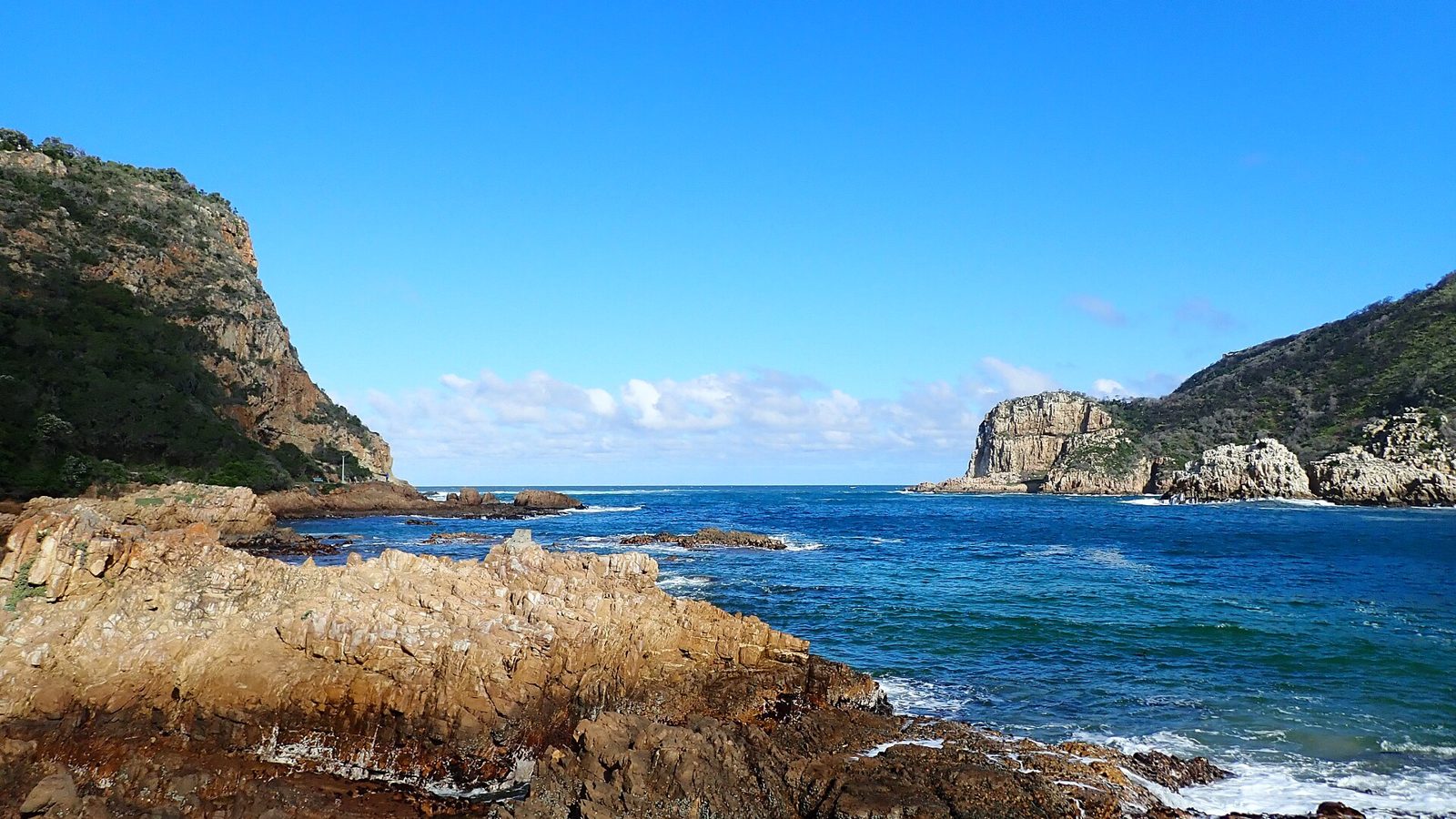
A lagoon town ringed by forest on South Africa's southern coast, and the natural base for the Garden Route. You walk up the sandstone Heads, eat oysters on Thesen Island and spend your days on forest trails, empty beaches and the cliffs of Robberg and Tsitsikamma. Best time to visit: March to May and September to November. Daily budget (budget traveller): $50 to $180 USD.
Arrive and find the water
Morning: Fly into George and drive about an hour east, or arrive on the Baz Bus. Drop your bag and walk to the Waterfront for coffee.
Afternoon: Stroll across the causeway to Thesen Islands, look around the canals and old timber buildings, and buy food for the week.
Evening: Sunset oysters and a glass of wine on Thesen Island, then a taxi home if you are staying across town.
Featherbed and the Heads
Morning: Take the ferry to Featherbed Nature Reserve (roughly R600-1,000). Ride up the Western Head and walk the trail down to the sea caves.
Afternoon: Drive or taxi out to the East Head for the classic view down the channel. Walk on the rocks at low tide and have a late lunch at the café.
Evening: Swim off Leisure Isle if the tide is high, then braai at your hostel or eat fish and chips at the Waterfront.
Into the forest
Morning: Drive to Diepwalle for the Elephant Walk in the Garden Route National Park (R254 for international adults). Start early, when the forest is quietest.
Afternoon: Continue to Jubilee Creek and the old Millwood gold fields for a picnic and an easy stream-side trail.
Evening: Back in town for a simple dinner and an early night before a long hike.
Heading home: Fit in a last swim at Brenton-on-Sea, then drive back to George for an afternoon flight or catch the Baz Bus onwards.
What to eat in Garden Route (Knysna)
- Knysna oysters: cultivated or wild, raw with lemon and Tabasco, at Thesen Island lagoon bars for a few dollars a half-dozen
- Line fish and chips: hake or the catch of the day from a Waterfront takeaway, eaten by the water
- A braai: South Africa's barbecue, best done at a hostel or self-catering place with boerewors sausage and lamb chops from the supermarket
- Bobotie or bunny chow: Cape Malay spiced mince with a savoury custard topping, or a Durban-style curry in a hollowed-out loaf, both found on local menus
- Western Cape wine and craft beer: good glasses of Chenin Blanc or Pinotage cost far less than in Europe
- Rusks with coffee for breakfast, and a pie or koeksister from a market stall at the weekend
Hidden gems
- Gericke's Point near Sedgefield at low tide, a sandstone outcrop with rock pools, fossil traces and good odds of seeing seals and dolphins offshore
- The Saturday morning Wild Oats market in Sedgefield, a long-running farmers' market where locals queue for pies, coffee and fresh bread
- Jubilee Creek picnic site in the forest north of town, where a short trail follows a tea-coloured stream past old gold diggings
- The lagoon shore at Leisure Isle at high tide, warm and sheltered water that most visitors drive straight past on the way to the Heads
- Buffalo Bay beyond Brenton-on-Sea, a long and quiet beach at the edge of Goukamma Nature Reserve
Getting around
Knysna is spread out around the lagoon, and public transport is limited, so most visitors hire a car, usually from George Airport. Driving is on the left and the N2 is in good shape. Avoid long drives after dark, and watch for animals and pedestrians on the road. In town, the centre, Waterfront and Thesen Islands are walkable in daylight. For the Heads, Leisure Isle, Brenton-on-Sea and the forests, you need a car, a tour or a taxi. E-hailing apps like Uber and Bolt work in Knysna and George, but cars can be scarce, especially early or late, so book through your accommodation as a backup. Minibus taxis run along the N2 and are cheap, but routes are informal and hard for visitors to use. The Baz Bus is a hop-on hop-off backpacker bus that runs between Cape Town and Gqeberha (Port Elizabeth) once a day in each direction, stopping at hostels in Knysna, Plettenberg Bay, Sedgefield and Wilderness. Intercape coaches stop at the Waterfront, though many services arrive or leave in the middle of the night.
Safety
Knysna is calmer than South Africa's big cities, but normal South African caution applies. Car break-ins are the most common problem for visitors, especially at viewpoints, beaches and trailheads, so leave nothing on show. Walk in town during the day and take a taxi at night, even for short distances. Avoid isolated beaches and forest trails alone in the early morning or late afternoon, and tell your host where you are hiking. Visit the townships on the hills above town with a local guide rather than on your own. The sea is the biggest natural danger. Rip currents are strong, the Heads channel is lethal and lifeguards only cover some beaches in season. Fires are a serious risk in hot, windy weather, so follow any fire warnings. Power cuts (load-shedding) have been rare lately but can return. Knysna's water supply has had problems, so ask your host whether to drink the tap water. Call 10111 for police, 10177 for an ambulance or 112 from a mobile. Travel insurance with medical cover is essential, as good care is private and expensive.
Frequently asked questions
What does this 3-day Garden Route (Knysna) itinerary cover?
Day 1: Arrive and find the water. Day 2: Featherbed and the Heads. Day 3: Into the forest.
Is 3 days enough for Garden Route (Knysna)?
Our recommended trip length for Garden Route (Knysna) is 4 to 7 days. This 3-day plan focuses on the highlights and groups sights by area so you spend less time travelling between them.
How much does 3 days in Garden Route (Knysna) cost?
A budget traveller spends about $50 to $180 USD a day in Garden Route (Knysna), so roughly $150 to $540 USD for 3 days, not counting flights.
Where should I stay for 3 days in Garden Route (Knysna)?
Town centre and Waterfront: The compact grid around Main Road and the Knysna Quays, with the Intercape stop, supermarkets, banks, hostels and most boat departures. Thesen Islands: A former timber yard turned into a marina village with canals, wooden houses, restaurants and the oyster bars on Long Street.
When is the best time to visit Garden Route (Knysna)?
The best time to visit Garden Route (Knysna) is March to May and September to November.
How do I get around Garden Route (Knysna)?
Knysna is spread out around the lagoon, and public transport is limited, so most visitors hire a car, usually from George Airport. Driving is on the left and the N2 is in good shape.
Is Garden Route (Knysna) safe for solo travellers?
Knysna is calmer than South Africa's big cities, but normal South African caution applies. Car break-ins are the most common problem for visitors, especially at viewpoints, beaches and trailheads, so leave nothing on show.
More 3-day guides
- Cape Town in 3 days
- Johannesburg in 3 days
- Durban in 3 days
- Kruger National Park in 3 days
- Franschhoek in 3 days
- Hermanus in 3 days
- Stellenbosch in 3 days
- Lamu in 3 days
Garden Route (Knysna) in 2 days | Garden Route (Knysna) in 4 days | Garden Route (Knysna) in 5 days | Garden Route (Knysna) in 7 days | Full Garden Route (Knysna) guide
Joy Plus home | Destinations | Itineraries | Activities | Flights | Budget planner | Calendar | Map | Blog | Lifetime access