Destinations / Europe
Garmisch-Partenkirchen, Germany travel guide
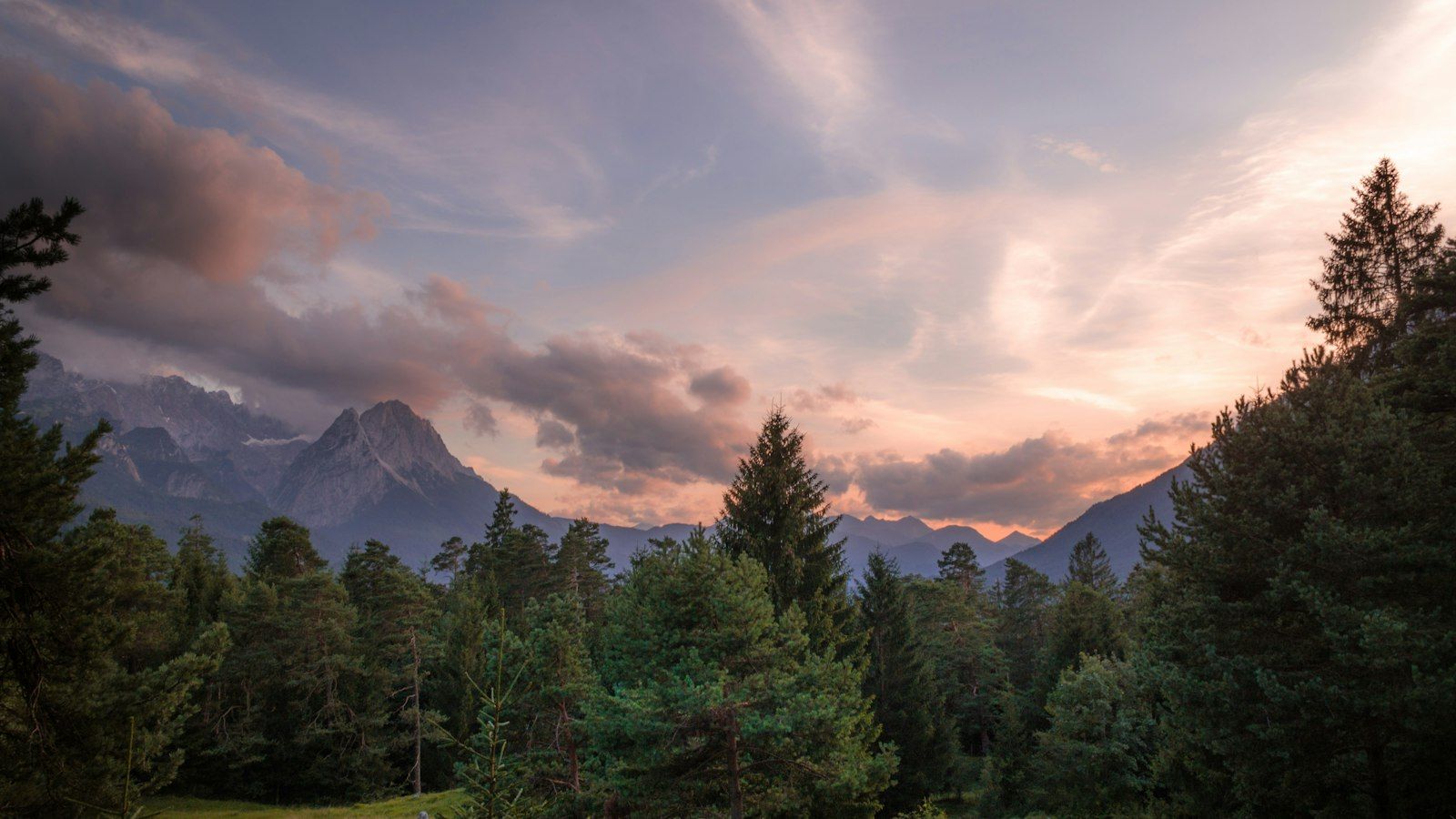
Two old Bavarian market towns below Germany's highest peak. The gorges, lakes and cable cars are a short ride from the station, and the beer is served in painted inns.
- Best time to visit: June to early October for hiking, January to March for snow
- Daily budget (budget traveller): $95 to $300 USD
- Ideal trip length: 5 to 7 days
Garmisch-Partenkirchen is really two towns. They were forced together for the 1936 Winter Olympics and they still keep separate characters. Garmisch has the pedestrian centre, the casino and Richard-Strauss-Platz. Partenkirchen has Ludwigstraße, a street of houses with painted fronts, carved balconies and inns that have been feeding hikers for more than a century. Above both towns is the Wetterstein range, topped by the 2,962-metre Zugspitze. A cogwheel train climbs it from the middle of town. It is an easy place to visit alone. The trains from Munich take about 90 minutes, a guest card gives you free local buses, and two gorges, a lake and several cable cars are less than half an hour away. Summer brings long hut-to-hut days and lake swims. Winter brings ski runs, the New Year ski jump and the Partnachklamm hung with icicles. Expect Alpine prices, Sunday closures and plenty of cash-only places. In return you get mountains that start where the pavement ends.
Garmisch-Partenkirchen has about 27,000 residents, one of Germany's most famous ski jumps, and the country's highest mountain on its southern edge. It is also among the easiest Alpine towns to visit without a car. The train from Munich stops next to the Zugspitzbahn terminus, the free town buses go to the ski stadium and the cable cars, and two of Bavaria's best gorges are less than an hour's walk or ride away. Prices are Alpine. A Zugspitze round trip costs €78 at the ticket office, and a Gasthof main course often costs more than €20. The cheaper version of the town relies on a guest card, bakery breakfasts, butcher's-counter lunches and free hiking.
For a solo trip, stay near the station or in Partenkirchen, where you can walk to dinner and catch any bus. Once you register with your host, the guest card covers town buses, regional buses towards Oberammergau and Linderhof, and trains to Mittenwald, so most day trips cost nothing to reach. Plan around the weather. Keep the Zugspitze and the AlpspiX flexible and use them on the clearest mornings. Put gorges, museums and Linderhof on the grey days. In summer, start every hike by 8am to stay ahead of the afternoon storms.
The seasons change what is open. The Höllentalklamm is usually open from about late May to mid-October, and its bridges are removed for winter. The Garmisch-Classic lifts run a summer season from about mid-May to early November and a ski season from about mid-December to late March. Some cable cars close for maintenance in between. The Partnachklamm is open all year and is at its strangest in January, when the walls are hung with ice. Shops close on Sundays, many huts and inns are cash only, and people still greet each other with 'Grüß Gott'. If you want nightlife, go to Munich. If you want a summit, a gorge and a roast pork dinner in one day, stay here.
Garmisch-Partenkirchen itinerary
Arrive and walk Partenkirchen
Morning: Train from München Hauptbahnhof (about 1 hour 20 to 1 hour 30, roughly hourly). Drop bags and register with your host so you get the guest card.
Afternoon: Walk Ludwigstraße for the painted houses and visit Museum Werdenfels (included in the guest card from May 2026). Climb to St. Anton's pilgrimage church for the first valley view.
Evening: Dinner at Gasthof Fraundorfer on Ludwigstraße. Book ahead and ask which nights have folk music and dancing.
Partnachklamm and the ski stadium
Morning: Free town bus to the Olympic ski stadium, look up at the ski jump, then walk about 2 km (20 to 30 minutes) to the gorge. Aim to arrive close to the 8am opening. Entry is €10, or €9.50 with the guest card.
Afternoon: Climb out towards Graseck and the Eckbauer for meadow views, then ride the Eckbauerbahn down (€16.50 one way, runs April to November). The path towards Vordergraseck is closed until 20 November 2026 for bridge works.
Evening: Back to Garmisch centre. Roast pork and a beer at the Bräustüberl on Fürstenstraße.
Zugspitze summit and the Eibsee
Morning: Check the summit webcam, then take an early cogwheel train from the Zugspitzbahn terminus beside the DB station. It costs €78 at the ticket office, or €70.50 online for winter 2026/27. Change to the Gletscherbahn for the 2,962-metre summit.
Afternoon: Ride the cable car down to the Eibsee and walk the flat loop of about 7 km (around 2 hours). Swim in summer if you are brave.
Evening: Take bus 323 back (buy a ticket, as the guest card does not cover it). Dinner at Zum Wildschütz on Bankgasse.
Höllentalklamm hike
Morning: Grainau bus or train to Hammersbach, then walk about an hour through forest to the gorge entrance hut. Entry is €7, or €3.50 for Alpine Club members. Open roughly late May to mid-October, so check before you go.
Afternoon: Continue to the Höllentalangerhütte for lunch below the Zugspitze, then return through the gorge on the same day ticket. Allow 4 to 5 hours in total.
Evening: Out of season, swap in the Kramerplateauweg and the Riessersee. Either way, finish with Kaiserschmarrn and an early night.
Ettal, Oberammergau and Linderhof
Morning: Regional bus over the Ettal saddle (free with the guest card) to Ettal Abbey for its baroque dome and monastery liqueur shop.
Afternoon: Continue to Linderhof Palace, with entry around €10 to €12, so check the current fare. In winter only the palace is open and the park buildings are shut.
Evening: Stop in Oberammergau for the painted houses and woodcarving shops, then catch a bus back. Check the last departure in the morning.
AlpspiX and the Osterfelderkopf
Morning: Free bus to the Alpspitzbahn valley station. The Garmisch-Classic round trip is €39 in summer. Walk out onto the AlpspiX platform, which is free once you are up.
Afternoon: In summer, follow the marked trail from the Osterfelderkopf down past the Hochalm to the Kreuzeck (about 1.5 to 2 hours) and ride the Kreuzeckbahn down. In winter this is the ski area.
Evening: Walk to the Riessersee for sunset, then Obatzda and pretzels back in town.
Mittenwald and departure
Morning: Train to Mittenwald (about 20 minutes, covered by the guest card). Walk the painted Obermarkt and visit the Geigenbaumuseum for the town's violin-making history.
Afternoon: Hike up to the Lautersee (about 45 to 60 minutes) for a lakeside lunch, then train back to Garmisch to collect bags.
Evening: Train to Munich. Check connections the day before, as Sunday and late services are thinner.
Best neighbourhoods
- Garmisch centre: The pedestrian streets around Marienplatz and Richard-Strauss-Platz, with the tourist office, the Kurpark, supermarkets, bakeries and the Bräustüberl. It is flat, walkable and five minutes from the station.
- Partenkirchen (Ludwigstraße): The older, more atmospheric half of town. Ludwigstraße has painted façades, Museum Werdenfels and traditional inns like Gasthof Fraundorfer, and St. Anton's pilgrimage church sits on the slope above.
- Station quarter: The practical choice. The DB station and the Zugspitzbahn terminus sit side by side, Hostel 2962 is a few minutes' walk away, and the free local buses leave from the forecourt.
- Grainau: A quiet village at the foot of the Zugspitze, about 6 km west, with the Eibsee and the Höllentalklamm trailhead on the doorstep. Grainau has its own guest card, so check what it covers before you book.
- Hammersbach: A small cluster of houses at Grainau's eastern edge where the Höllentalklamm hike begins. It works for early starts, but there are few places to eat in the evening.
Must-do experiences
- Ride the Zugspitze cogwheel train: Take the train from the Garmisch terminus up through the mountain to the Zugspitzplatt glacier, then the Gletscherbahn to the 2,962-metre summit on the Austrian border. Return on the cable car to the Eibsee.
- Walk through the Partnachklamm: Follow a rock-cut path through a gorge about 700 m long, with walls up to 80 m high, where the Partnach river roars below. It is open all year, and in winter the walls freeze into curtains of ice.
- Circle the Eibsee: Walk the flat loop of about 7 km around the turquoise lake under the Zugspitze's north face. In summer you can stop for a swim or hire a rowing boat.
- Hike the Höllentalklamm: From Hammersbach, climb through a narrow, dripping gorge of tunnels and walkways towards the Zugspitze. It is open only from about late May to mid-October, when the bridges are in place.
- Step onto the AlpspiX: Ride the Alpspitzbahn to the Osterfelderkopf and walk onto two crossed steel walkways that hang over a 1,000-metre drop, with the Alpspitze north face straight ahead.
- Wander Ludwigstraße and Museum Werdenfels: Spend an afternoon among Partenkirchen's painted houses, then look round the regional museum's carnival masks and farmhouse rooms. Entry is included in the guest card from May 2026.
- Day trip to Linderhof and Ettal: Take the regional bus over the Ettal saddle to the Benedictine abbey, painted Oberammergau and King Ludwig II's Linderhof Palace, his smallest and most lived-in palace.
Hidden gems
- The Kramerplateauweg, an easy balcony path above Garmisch with long views over the valley to the Wetterstein wall and almost none of the Zugspitze crowds
- The Riessersee, a small green lake about 30 to 40 minutes' walk from Garmisch, best at sunset when the day-trippers have left
- The climb from Partenkirchen past St. Anton's pilgrimage church towards the Wank, the town's sunniest mountain, with a valley view that changes on every hairpin
- Ludwig II's King's House on the Schachen, a plain hunting lodge with an extravagant Turkish Hall inside, reachable only on foot as a long day or an overnight hike in summer
- A guided torchlit evening walk through the Partnachklamm in winter, run by GaPa Tourismus from the gorge ticket office
Daily budget
- Accommodation: budget €40-70 / night (dorm bed or simple Pension single), mid-range €110-200 (single in a traditional inn or 3-star hotel), splurge €500+ (Schloss Elmau). Add the €3 per night visitor tax, which gets you the guest card. Book Christmas, New Year (ski jump week), February half-term and July to August early. Singles often pay close to the double rate, so ask for an Einzelzimmer.
- Food: budget €30-45 / day (bakery breakfast, butcher-counter lunch, one Gasthof main), mid-range €55-80 (hut lunch, sit-down dinner with a drink), splurge €120+ (multi-course dinners, hotel restaurants). Roughly €15-25 for a Gasthof main and €12-16 for hut Kaiserschmarrn, so check menus. Supermarkets in Garmisch centre are the cheapest picnic stop. Many inns close one day a week.
- Transport: budget €0-10 / day (guest card buses and trains), mid-range €10-25 (Eibsee bus, occasional taxi), splurge €60+ (hire car plus parking, taxis to trailheads). The Deutschlandticket and Bayern-Ticket (from about €34) cover regional trains from Munich. The Eibsee bus 323 is not in the guest card. Trailhead and lift car parks charge by the day.
- Activities: budget €10-40 / day (Partnachklamm €10, Höllentalklamm €7, free hikes), mid-range €40-80 (Zugspitze €78, Garmisch-Classic €39 in summer), splurge €150+ (multi-day ZugspitzCard, guided climbs). The ZugspitzCard and ClassicCard bundle several days of lifts and attractions. Compare them with single tickets for your plan. Lift prices change by season, so check zugspitze.de before you go.
- Drinks & nightlife: budget €5-12 (one half-litre of Helles in a beer garden), mid-range €20-40 (a few beers, a schnapps after dinner), splurge €60+ (wine at a hotel bar, casino night). Evenings mean folk music at a Gasthof, a beer garden or the casino, not clubs. Most kitchens close by 9 or 10pm, so eat early.
Where to stay
- Social hostel in Station quarter, Partenkirchen side (€40-70 / night (dorm bed)): Hostel 2962 on Partnachauenstraße is a few minutes' walk from the DB station and Zugspitzbahn, with dorms, private rooms and ski storage. Reviews are mixed, so read recent ones, and compare with the Sport-Hostel if it is full.
- Boutique hotel in Ludwigstraße, Partenkirchen (€110-200 / night): Hotel & Gasthof Fraundorfer is a family-run inn on Partenkirchen's best street, with simple traditional rooms upstairs and the town's liveliest dining room downstairs. It is less a design hotel, more Bavarian character.
- Apartment in Garmisch centre or Grainau (€80-150 / night): A Ferienwohnung (holiday flat) with a kitchen is the standard local stay. Hosts register you for the guest card, and cooking a few dinners cuts the bill noticeably. Many have three-night minimums in summer and winter.
- Splurge in Elmau valley, between Garmisch and Mittenwald (€500-1,000+ / night): Schloss Elmau is a secluded castle hotel in its own Alpine valley, with spas, concerts and a famous bookshop. It is a full retreat, so plan on taxis rather than buses.
What to eat
- Schweinebraten: roast pork with crackling, dark beer gravy and a potato or bread dumpling, the Sunday-lunch standard of every Gasthof on Ludwigstraße
- Weißwurst breakfast: veal sausages in hot water with sweet mustard and a pretzel. Tradition says eat them before noon, ideally with a wheat beer
- Kaiserschmarrn: torn, caramelised pancake with plum compote or apple sauce, the classic reward at mountain huts after a climb
- Käsespätzle: egg noodles baked with mountain cheese and crispy onions, filling enough to keep you going after a day on the trails
- Leberkäsesemmel: a thick slice of hot meatloaf in a crusty roll from a butcher's counter, the cheapest proper lunch in town at a few euros
- Obatzda: a paprika-spiced cheese and butter spread served with radishes and pretzels in beer gardens, made for a long evening outside
Day trips
- Ettal, Oberammergau and Linderhof (About 20 to 45 minutes by bus north-west of Garmisch): A baroque Benedictine abbey, a village of painted houses and woodcarvers, and Ludwig II's Linderhof Palace with its gardens and grotto. In winter the park buildings close and only the palace is open. RVO regional buses towards Ettal, Oberammergau and Linderhof are free with the Garmisch guest card. Check the timetable for connections to Linderhof and the last bus back.
- Mittenwald and the Lautersee (About 20 minutes by train east): A violin-making town with painted façades and the Geigenbaumuseum, under the Karwendel range. A forest path climbs to the Lautersee, a calm lake with a lakeside inn and swimming in summer. Regional trains from Garmisch-Partenkirchen station, covered by the guest card. The walk to the Lautersee takes about 45 to 60 minutes uphill.
- Innsbruck (About 1 hour 20 to 1 hour 40 by train via Seefeld): The Tyrolean capital, with the Golden Roof, an old town on the Inn and the Nordkette cable car rising straight out of the city. The scenic Karwendel railway is half the reason to go. Regional trains via Mittenwald and Seefeld. They are not hourly, so plan around the timetable. The guest card covers only as far as Mittenwald, so buy a ticket for the rest. Carry your passport.
When to visit
- Ski season (December - March): Roughly -5 to 5°C in the valley, much colder up high, regular snowfall. Crowds: Busy at Christmas, New Year and weekends when Munich drives down. Good for skiing on the Garmisch-Classic and Zugspitze glacier, the New Year ski jump and an icy Partnachklamm. The Höllentalklamm and high hiking paths are closed.
- Spring thaw (April - May): 5-18°C, unsettled, snow lingering above 1,500 m. Crowds: Quiet outside Easter and Whitsun holidays. The cheapest time, but many lifts close for maintenance and high trails stay snowbound. Valley walks, lakes and the Partnachklamm are lovely. The Höllentalklamm reopens in about late May.
- Summer (June - September): 18-27°C in the valley, frequent afternoon thunderstorms. Crowds: Peak, especially July and August weekends. The main hiking season, with huts open, lake swims and the Höllentalklamm running. Start early, book beds ahead and expect queues at the Zugspitze on fine days.
- Autumn (October - November): 5-15°C, often the clearest air of the year, first snow up high. Crowds: Moderate in October, very quiet in November. The locals' pick for early October, with golden larches and long views. The Höllentalklamm closes in about mid-October, and in November many lifts pause before winter.
Entry rules for your passport
Visa rules for Germany depend on the passport you travel on. Check the official source before you book: European Commission: Schengen visa policy
Getting there
The nearest big airport is Munich (MUC). From there, take the S-Bahn to München Hauptbahnhof and a regional train to Garmisch-Partenkirchen. The trains run roughly hourly and take about 1 hour 20 to 1 hour 30, so allow 2 to 2.5 hours door to door. Regional trains accept the Deutschlandticket and the Bayern-Ticket, which starts at about €34 for one person for a day. Innsbruck (INN) in Austria is closer by road. Trains from Innsbruck run via Seefeld and Mittenwald but are not frequent, so check the timetable. FlixBus links Garmisch with Innsbruck, Bolzano, Verona and Venice. Germany is in Schengen. The EU Entry/Exit System has been fully running since 10 April 2026, and ETIAS was expected to launch in late 2026, so confirm current rules before you fly. The Zugspitze summit and the Mittenwald line cross into Austria, so carry your passport or ID card.
Border checks: non-EU visitors (other than Swiss, Norwegian, Icelandic, Liechtenstein, Andorran, Monegasque, San Marinese and Vatican citizens, and holders of an EU residence permit or long-stay visa) are registered in the EU's Entry/Exit System (EES) instead of getting a passport stamp. On your first crossing, officers take your photo and/or fingerprints, so allow extra time at passport control. ETIAS, the planned travel authorisation, is not in operation yet, so don't pay any website for one.
Getting around
Get your guest card first. Your host issues it when you register, and it pays for itself fast. It gives you free rides on the green town buses and on regional RVO buses towards Ettal, Oberammergau, Linderhof, Mittenwald and the Walchensee. It also covers trains from Ohlstadt to Mittenwald and to Grainau, plus the Grainau bus lines 314 (as far as Badersee) and 315. The Eibsee bus, line 323, and the stretch from Badersee to the Eibsee are not covered, so buy a ticket. Town buses lines 1 and 2 reach the Olympic ski stadium for the Partnachklamm and the Alpspitzbahn valley station. The Zugspitzbahn rack railway leaves from its own terminus next to the main DB station. Garmisch and Partenkirchen are each walkable, and it takes about 20 minutes on foot from one centre to the other. A car is not needed, and parking at trailheads and lifts costs extra. Taxis are available but pricey, so book one for early starts.
Safety
Garmisch-Partenkirchen is very safe, and street crime against visitors is rare. The real risks are in the mountains. Summer afternoons often bring thunderstorms, so start hikes early and be off exposed ridges by early afternoon. The Zugspitze summit is close to 3,000 m, and it can be below freezing there in July, so carry a warm layer. Gorges and lifts close at short notice for rockfall, ice or storms. Check the status on the morning of your visit and never walk around a closed barrier. In winter, paths can be sheet ice, so light spikes are worth carrying, and stay on marked pistes because of avalanche risk. Ticks are common in summer meadows and woods, so check your legs after a hike. The emergency number for mountain rescue and everything else is 112. Tell your host your route when you hike alone.
Solo travel tips
- Register early and use the guest card daily: The €3 nightly visitor tax gets you free town buses, regional buses to Linderhof and Oberammergau, and trains to Mittenwald and Grainau. Ask your host for the card on arrival and carry it every day.
- Keep summit days flexible: Buy Zugspitze and Garmisch-Classic tickets only on the morning you go, after checking the webcams. A cloudy summit at €78 is the most expensive mistake you can make here.
- Start hikes by 8am: In summer, storms often build after lunch. Early starts also beat the Partnachklamm crowds, which peak between about 10:30am and 3:30pm.
- Eat lunch big, dinner early: A hut lunch or a butcher's Leberkäsesemmel keeps costs down, and Gasthof kitchens can close by 9pm. Solo diners sometimes share long tables, which is a normal way to meet people here.
- Safety for solo travellers: The town is very safe at any hour. The risks are weather, ice and fatigue. Tell your host your route, carry a layer, a headtorch and cash, and remember 112 reaches mountain rescue.
- Find company on the trail: Guest card holders get free or discounted guided walks and town tours, and mountain huts put solo hikers on shared tables. Download offline maps, because signal drops in the gorges and on the higher paths.
Cultural etiquette
- Say 'Grüß Gott' or 'Servus' when you enter a shop or pass hikers on the trail, and 'Pfiat di' when you leave. A greeting is expected, not optional.
- Do not sit at a table marked 'Stammtisch'. It is reserved for regulars. Otherwise, asking 'Ist hier frei?' and sharing a table is normal.
- Shops close on Sundays and public holidays, and many inns close one day a week. Shop on Saturday and check opening days before walking across town for dinner.
- Tip by rounding up or adding about 5 to 10% when you pay. Tell the server the total you want to pay rather than leaving coins on the table.
- Dress modestly and keep quiet in churches like St. Martin and St. Anton. Hats off inside.
- Stay on marked paths, close gates on pasture, and leave Alpine flowers such as edelweiss and gentian where they grow. Many are protected.
- Quiet hours are taken seriously in guesthouses and apartment buildings, usually from 10pm and through Sunday.
Frequently asked questions
How do I get from Munich Airport to Garmisch-Partenkirchen?
Take the S-Bahn from the airport to München Hauptbahnhof, then a regional train south to Garmisch-Partenkirchen. Trains on that line run roughly hourly and take about 1 hour 20 to 1 hour 30, so allow 2 to 2.5 hours in total. Regional trains accept the Deutschlandticket and the Bayern-Ticket. Innsbruck Airport in Austria is closer by road, but public transport from there is slower.
How many days do I need in Garmisch-Partenkirchen?
Three days covers the Zugspitze, the Partnachklamm and the Eibsee. Five to seven days leaves room for the Höllentalklamm, the AlpspiX, a Linderhof day trip and Mittenwald, plus spare days for bad weather. Spare days matter here, because a cloudy summit is a waste of an expensive ticket.
When is the best time to visit?
June to September is best for hiking and the Höllentalklamm, which is usually open from about late May to mid-October. Late September and early October bring clearer air and fewer people. January to March is ski season. Avoid late November and parts of spring if lifts matter to you, because the cable cars close for maintenance between seasons.
Is the Zugspitze worth the ticket price?
On a clear day, yes. A round trip costs €78 at the ticket office, and the online price for winter 2026/27 is €70.50. That covers one way up and one way down by cogwheel train or the Eibsee cable car, plus the glacier lift. Go up one way and come down the other, and check the summit webcam before you buy. If the summit is in cloud, do the Partnachklamm instead.
What does the guest card include?
When you stay overnight you pay a visitor tax (Kurbeitrag) of €3 per adult per night, and you get the GaPa guest card in return. It covers town buses, regional RVO buses towards Ettal, Oberammergau, Linderhof and Mittenwald, and trains from Ohlstadt to Mittenwald and Grainau. It also gives small discounts, for example at the Partnachklamm. The Eibsee bus is not included. Check the current list with your host, because the benefits change.
Can I pay by card everywhere?
No. Hotels, supermarkets, lift ticket offices and most bigger restaurants take cards, but many Gasthöfe, bakeries and mountain huts are cash only or prefer cash. Carry €50 to €100 in notes, especially on hiking days. ATMs are easy to find in both town centres.
Is Garmisch-Partenkirchen safe for solo female travellers?
Yes. It is a small, well-ordered resort town, and walking alone in the evening is normal. The main precautions are about the mountains rather than other people. Share your route, start early, check the weather, and keep to marked paths. Taxis are reliable if you are coming back late from a dinner out of town.
What entry rules apply to Germany in 2026?
Germany is in the Schengen Area. Since 10 April 2026, the EU Entry/Exit System has registered fingerprints and a face scan for non-EU visitors on first entry, so allow extra time at the border. ETIAS, the online travel authorisation for visa-exempt travellers, was expected in the last quarter of 2026, but no start date had been announced by early November. Rules can change, so confirm on the German Federal Foreign Office website and the official EU ETIAS site before you travel.
More about Garmisch-Partenkirchen
Tours and activities in Garmisch-Partenkirchen | Garmisch-Partenkirchen in 2 days | Garmisch-Partenkirchen in 3 days | Garmisch-Partenkirchen in 4 days | Garmisch-Partenkirchen in 5 days | Garmisch-Partenkirchen in 7 days
Can't decide? Compare Garmisch-Partenkirchen with...
- Innsbruck vs Garmisch-Partenkirchen
- Berchtesgaden vs Garmisch-Partenkirchen
- Füssen vs Garmisch-Partenkirchen
Joy Plus home | Destinations | Itineraries | Activities | Flights | Budget planner | Calendar | Map | Blog | Lifetime access