Destinations / Europe
Gdansk, Poland travel guide
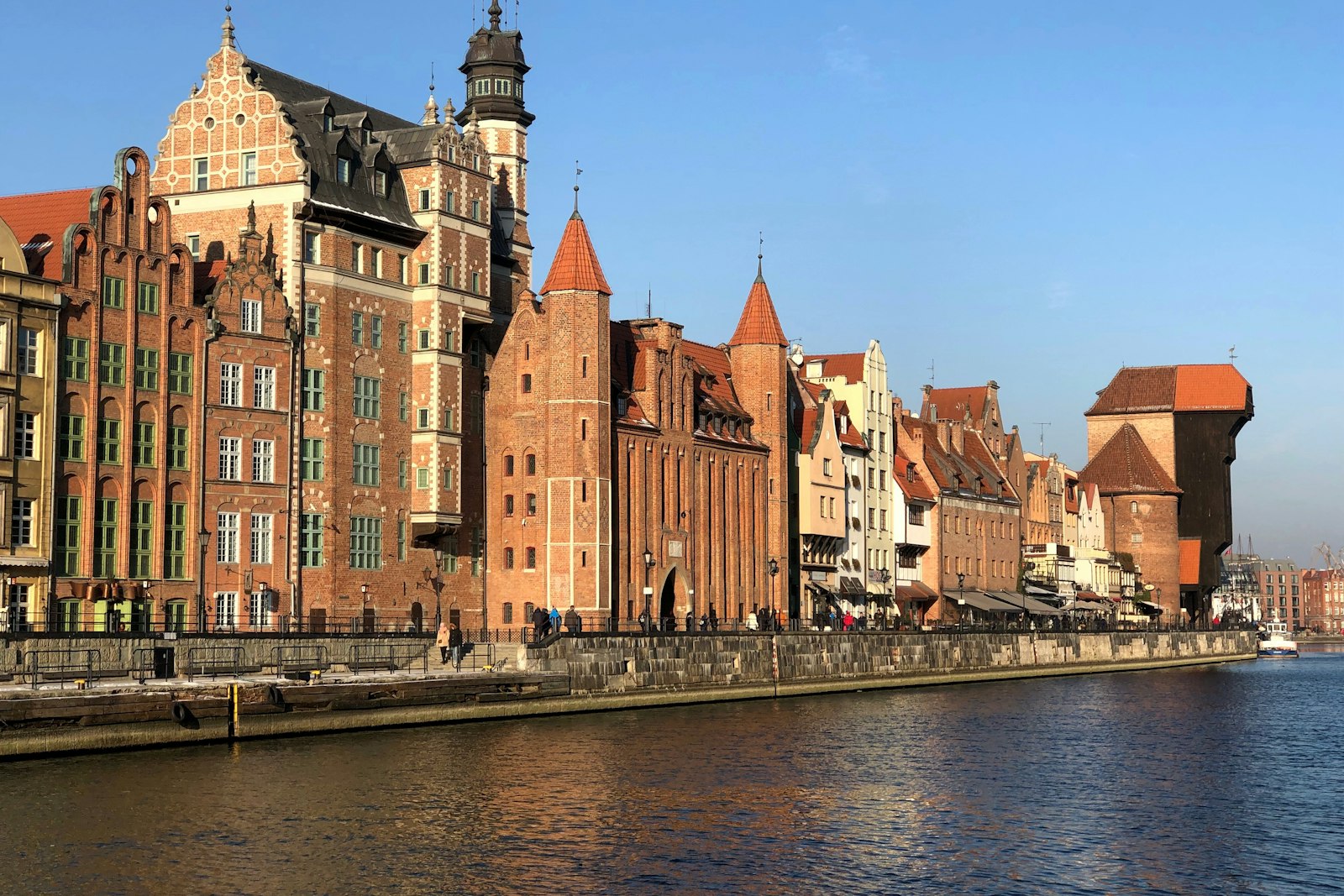
Poland's gorgeous Baltic port: a rebuilt golden-age old town, amber, maritime history and seaside escapes.
- Best time to visit: May-September
- Daily budget (budget traveller): $70 to $120 USD
- Ideal trip length: 2 to 3 days
Gdansk is one of Europe's most beautiful and underrated cities, a former Hanseatic trading powerhouse whose long, ornate merchant houses, riverside cranes and amber shops were lovingly rebuilt after the war. Add a momentous 20th-century history, fresh Baltic seafood and easy beach escapes and it's a perfect long weekend. Joy Plus shapes the old town, the riverside, the museums and a seaside trip into an easy few days.
Gdansk looks like a Dutch postcard that survived a war it didn't survive. In 1945 the Main Town was around 90 percent rubble. What you walk through today, the tall narrow merchant houses on Długa, the golden Neptune on the Long Market, the Crane hunched over the Motława, was rebuilt brick by brick from paintings, photographs and memory. Add amber shops on a gargoyle-lined street, herring, a very good craft beer scene and prices that make Copenhagen feel like a typo, and you get one of Europe's best-value city breaks.
The history here has weight, and it's the reason to give the city more than a weekend. The Second World War started in this harbour, at Westerplatte, on 1 September 1939. Four decades later the Solidarity strike at the Lenin Shipyard cracked the Eastern Bloc open. The Museum of the Second World War and the European Solidarity Centre are two of the best museums in Europe, and both are best done in the morning, with a long lunch to digest them. Then walk it off: Granary Island at dusk, a Motława boat trip, or the SKM train 20 minutes to the sand and wooden pier at Sopot.
Gdansk works because it's compact and well connected. The Main Town is a 15 minute walk end to end, and the SKM commuter line ties Gdansk, Sopot and Gdynia (the Tricity) together every few minutes for the price of a coffee. Malbork, the biggest brick castle in the world, is under an hour away. Come between May and September for beach days and terrace dinners, or in December for the Christmas market, and plan for a Baltic breeze whatever the forecast says. This guide runs seven days, but three will give you the city, and the rest is the coast.
How many days in Gdansk?
For Gdansk, we recommend 2 to 3 days.
| Trip length | What you'll see | Itinerary |
|---|---|---|
| 2 days · Recommended | Walk the Royal Way; Solidarity and the war museums | Gdansk in 2 days |
| 3 days · Recommended | Adds: Sopot day | Gdansk in 3 days |
| 4 days | Adds: Malbork Castle | Gdansk in 4 days |
| 5 days | Adds: Westerplatte and Oliwa | Gdansk in 5 days |
| 7 days | Adds: Gdynia and Orłowo; Amber, St Mary's | Gdansk in 7 days |
Gdansk itinerary
Arrive and walk the Royal Way
Morning: Land at GDN. PKM train to Gdańsk Wrzeszcz, change to SKM for Gdańsk Główny (about 35 min door to door, around 6 zł). Drop bags, coffee near the station.
Afternoon: Walk through the Golden Gate onto Długa, past Neptune's Fountain and Artus Court, to the Green Gate. Lunch at Bar Mleczny Neptun on Długa. Wander the Motława quay to the Crane.
Evening: Sunset on Granary Island, dinner at Szafarnia 10 on the river. Drinks at Józef K. on Piwna.
Solidarity and the war museums
Morning: European Solidarity Centre at 10am opening, then walk past Gate No. 2 and the Monument to the Fallen Shipyard Workers.
Afternoon: Museum of the Second World War, give it 3 hours and check the last entry time. Lunch before you go, this isn't a place for an empty stomach.
Evening: Decompress with pierogi at Mandu, then a quiet walk along the Radunia Canal.
Sopot day
Morning: SKM from Gdańsk Główny to Sopot (about 20 min, 6-8 zł). Walk Monte Cassino Street, the Crooked House, then Sopot Pier at opening before the crowds.
Afternoon: Beach time, fish and chips at a smażalnia near the sand. Walk the Sopot to Brzeźno coastal path if the wind is kind.
Evening: Sunset on the pier, dinner in the Old Sopot streets, SKM back around 9pm.
Malbork Castle
Morning: Early regional train from Gdańsk Główny to Malbork (about 40 to 50 min). Walk 15 minutes to the castle for the 9am opening.
Afternoon: Do the audio guide route (around 3 hours), then lunch inside the castle courtyard or in the town. Train back mid afternoon.
Evening: Craft beer and dinner at Brovarnia, early night after a lot of stairs.
Westerplatte and Oliwa
Morning: Bus 106 or the summer water tram to Westerplatte. Walk the ruined guardhouse, the memorial and the harbour mouth.
Afternoon: SKM to Gdańsk Oliwa. Oliwa Cathedral organ recital if timing works, then Oliwa Park and the Rose Garden.
Evening: Sunset at Brzeźno beach, fresh fish for dinner and a slow tram home.
Gdynia and Orłowo
Morning: SKM to Gdynia Główna (about 35 min). Emigration Museum in the old port terminal, then the ORP Błyskawica destroyer.
Afternoon: Walk to Kamienna Góra for the view, then bus or train to Orłowo for the pier and cliff.
Evening: Fried herring at the Skwer Kościuszki fish stalls, train back to Gdansk.
Amber, St Mary's, depart
Morning: St Mary's Basilica tower at opening (400+ steps, about 15-20 zł). Then Mariacka for amber, check certificates.
Afternoon: Amber Museum, last żurek in a bread bowl, then a stroll along the river.
Evening: SKM and PKM or Bolt to GDN. Allow 90 minutes before your flight.
Best neighbourhoods
- Główne Miasto (Main Town): The showpiece rebuilt old town with the Long Market, ornate facades and the iconic medieval crane.
- Stare Miasto (Old Town): The quieter northern old town with the Great Mill, churches and the Solidarity sites nearby.
- Granary Island (Wyspa Spichrzów): A revitalised river island of restaurants, hotels and waterfront promenades opposite the old town.
- Sopot: The elegant seaside resort up the coast, with Europe's longest wooden pier and sandy beaches.
Must-do experiences
- The Royal Way & Long Market: Walk the grand main street past Neptune's Fountain and the ornate Artus Court to the Green Gate.
- European Solidarity Centre: Explore the powerful museum at the shipyard where the Solidarity movement helped end communism.
- Museum of the Second World War: Tour the acclaimed, deeply moving museum near the riverside.
- Riverside crane & amber: See the giant medieval port crane and browse amber, the 'Baltic gold', along Mariacka street.
Hidden gems
- The atmospheric, gargoyle-lined Mariacka street, the best place to browse amber.
- The view from St Mary's Church tower, one of the world's largest brick churches.
- A boat trip down the Motława River to the Westerplatte WWII site.
- Sunset and fresh fish on the beach at nearby Sopot or Gdansk Brzeźno.
Daily budget
- Accommodation: budget 70-120 zł / night (hostel dorm), mid-range 450-700 zł (boutique double in the Main Town), splurge 900+ zł (Hotel Podewils, riverfront suites). Prices rise sharply in July and August. Wrzeszcz and Dolne Miasto apartments are the best value for 4+ nights.
- Food: budget 70-100 zł / day (milk bars, bakeries, street food), mid-range 150-250 zł (pierogi lunch, one proper dinner), splurge 650+ zł (tasting menu at Arco by Paco Pérez). Bar Mleczny Neptun on Długa serves żurek for around 15-20 zł and pierogi plates for 25-30 zł. Lunch sets and 'danie dnia' are the best deal.
- Transport: budget 15-25 zł / day (24h ZTM ticket, walking), mid-range 40-80 zł (transit plus a few Bolt rides at 15-30 zł), splurge 350+ zł (private driver to Malbork). The centre is walkable. SKM to Sopot is about 6-8 zł one way, Malbork trains about 20-30 zł each way. Buy tickets in the Jakdojade or mPay apps.
- Activities: budget 0-40 zł / day (Old Town walks, beaches, one cheap sight), mid-range 100-170 zł (WWII Museum, Solidarity Centre, St Mary's tower), splurge 350+ zł (Malbork guided tour, amber workshop, sailing on the Motława). WWII Museum and ECS are each about 30-40 zł. Combine them in a day. Check the weekly free days at municipal museums.
- Drinks & nightlife: budget 25-40 zł (craft beer or two, Goldwasser shot), mid-range 80-140 zł (bar hop around Piwna and Chmielna), splurge 250+ zł (cocktails on Granary Island, late club in Sopot). A half litre of local beer is 12-20 zł, cocktails 30-45 zł. Mariacka is touristy, Wrzeszcz is where locals drink.
Where to stay
- Social hostel in Main Town (70-120 zł / night): Dzien Dobry Hostel on Granary Island or Hostel Przy Targu Rybnym by the Fish Market, a short walk from Długa and the river, with dorms and privates.
- Boutique hotel in Main Town / Motława waterfront (450-700 zł / night): Hotel Wolne Miasto or Hotel Hanza, period facades, quiet rooms and breakfast with river views. Everything is a short walk.
- Apartment in Wrzeszcz or Dolne Miasto (250-400 zł / night): Local cafés, fast SKM to the Old Town in 8 minutes, bigger flats with kitchens. Best value for 4+ nights.
- Splurge in Granary Island riverfront (900-1,500 zł / night): Hotel Podewils or Radisson Blu on the Motława, river views, spa options and the best sunset terrace in the city.
What to eat
- Pierogi, Polish dumplings with sweet or savoury fillings
- Fresh Baltic fish, especially fried herring and cod
- Żurek, a sour rye soup served in a bread bowl
- Goldwasser, the local herbal liqueur flecked with gold leaf
Day trips
- Sopot (20 min by SKM): The elegant seaside resort with Europe's longest wooden pier (about 511 m), sandy beaches, the Crooked House and Monte Cassino Street's bars and restaurants. Go early on summer weekends, the beach fills by 11am. SKM from Gdańsk Główny or Wrzeszcz, every 10 to 15 min, around 6-8 zł one way. Pier entry is around 10-12 zł in season.
- Malbork Castle (45 min by train): The world's largest brick castle, a Teutonic Order fortress and UNESCO site. Allow 3 to 4 hours, the audio guide is included in the ticket (around 80-100 zł). Polregio or IC train from Gdańsk Główny, around 20-30 zł each way. Walk 15 min from Malbork station. Check the day off (Mondays out of season).
- Gdynia and Orłowo (35 min by SKM): Modernist port city with the Emigration Museum, the ORP Błyskawica destroyer, the Kamienna Góra viewpoint and Orłowo's cliff and pier. Fresh fried fish at the Skwer Kościuszki stalls. SKM from Gdańsk Główny to Gdynia Główna, about 8-10 zł. For Orłowo, SKM to Gdynia Orłowo, 10 min from Gdynia Główna.
When to visit
- Spring (April - May): 6-16°C, bright but breezy, showers likely. Crowds: Low, picking up on May weekends. Quiet streets, cheap rooms and magnolias in the parks. Bring a windproof layer, the sea is still too cold for anything but a walk.
- Summer (June - August): 19-25°C, long days until 10pm, Baltic water 18-20°C. Crowds: Heavy on Długa and Mariacka, stag groups at weekends. Peak beach season, and St Dominic's Fair (late July to mid August) fills the Old Town with stalls. Book hotels early, rates jump 30 to 50 percent.
- Autumn (September - October): 9-18°C, golden light, drier in September. Crowds: Moderate, falls fast after mid September. The locals' pick. Warm enough for terraces, empty enough for Sopot pier at sunset, and room prices drop.
- Winter (November - March): -3 to 4°C, grey, wind off the Baltic, occasional snow. Crowds: Low, except the December Christmas market. Cheapest hotels, cosy bars and amber shopping in peace. The Christmas market is lovely but cold, dress like you mean it.
Entry rules for your passport
Visa rules for Poland depend on the passport you travel on. Check the official source before you book: European Commission: Schengen visa policy
Getting there
Gdańsk Lech Wałęsa Airport (GDN) sits 12 km from the centre. The PKM train runs to Gdańsk Wrzeszcz in about 25 minutes, then change to the SKM for Gdańsk Główny (the main station), about 35 minutes total for roughly 6 zł. Buses 110 (to Wrzeszcz station) and 210 (to Gdańsk Główny, about 40 minutes) also serve the airport, plus night bus N3, and a single ticket is 4.80 zł. A Bolt or Uber to the Old Town is typically 40 to 60 zł, a regulated taxi with the airport's own rank costs more. By train, Warsaw to Gdańsk Główny takes about 2h30 on Express InterCity Premium (Pendolino) trains (prices vary by date). FlixBus connects Berlin, Warsaw and Kraków at lower fares. Avoid renting a car, Old Town parking is limited and expensive.
Border checks: non-EU visitors (other than Swiss, Norwegian, Icelandic, Liechtenstein, Andorran, Monegasque, San Marinese and Vatican citizens, and holders of an EU residence permit or long-stay visa) are registered in the EU's Entry/Exit System (EES) instead of getting a passport stamp. On your first crossing, officers take your photo and/or fingerprints, so allow extra time at passport control. ETIAS, the planned travel authorisation, is not in operation yet, so don't pay any website for one.
Getting around
Gdansk's old town is compact and best explored on foot. The SKM commuter train links Gdansk, Sopot and Gdynia (the 'Tricity') quickly and cheaply, making the beaches easy day trips, and trams and buses cover the wider city. The airport connects by train or bus in around 30 minutes, and ride-hailing apps are cheap and widely used.
Safety
Gdansk is very safe and excellent for solo travellers including women, day and night. Violent crime is rare and the old town feels relaxed and welcoming. The main caution is minor pickpocketing in crowded tourist areas and occasional rowdy stag groups in summer, so use normal city sense and you'll have no trouble.
Solo travel tips
- Eat at milk bars: Bar mleczny (milk bars) are cafeteria style, cheap and communal. Grab a tray, point at what looks good, and sit anywhere. Neptune on Długa and the one near the Main Station are solid first tries.
- Hostel pick: Dzien Dobry or Przy Targu Rybnym: Both are a short walk from Długa and the Motława. Mixed dorms are 70 to 120 zł, more in July and August.
- Use SKM for the coast: SKM trains run every 10 to 15 minutes in the day and every 30 at night. Validate your ticket before boarding and check the last train home before an evening in Sopot.
- Dodge the stag crowds: Friday and Saturday nights on Mariacka and Długa get loud in summer. Wrzeszcz, Dolne Miasto and Granary Island are calmer for drinks.
- Solo female travellers: Gdansk is very safe, at any hour. Standard rules apply: watch your drink in crowded bars, use Bolt or Uber after midnight rather than walking quiet back streets, and keep your phone zipped in a crossbody bag at the Christmas market.
- Find your tribe at the shipyard and the beach: The Solidarity Centre runs free walking talks and the shipyard has a growing creative scene. Sunday beach volleyball at Brzeźno is easy to join, just ask.
Cultural etiquette
- Learn dzień dobry (hello), dziękuję (thank you) and na zdrowie (cheers). Locals in tourist areas speak good English, but the effort lands well.
- Tipping is 10% at sit-down restaurants, rounded up at cafés. Hand cash directly to the server, don't leave it on the table.
- Sunday trading ban: most supermarkets and shops are closed on most Sundays (exceptions around Christmas and a few trading Sundays). Buy supplies Saturday. Restaurants, cafés and tourist shops stay open.
- Never say 'Polish concentration camps'. It's offensive and factually wrong, say 'Nazi German camps in occupied Poland'.
- Take shoes off if invited to a home, and bring flowers (odd number, never 13) or a small gift.
- Be respectful in the Solidarity Centre and the WWII Museum. Whispering, no selfies at the memorial and no loud phone calls.
- Dress modestly in churches like St Mary's and Oliwa Cathedral, and don't walk in during Mass.
Frequently asked questions
How many days do you need in Gdansk?
Two days cover the old town, the main museums and the riverside. A third day lets you take the train to the seaside resort of Sopot or the port of Gdynia, or dig deeper into Gdansk's powerful 20th-century history.
Is Gdansk safe for solo travellers?
Yes, very. Gdansk is a safe, relaxed city and excellent for solo travellers including women at any hour. Violent crime is rare; the only minor cautions are pickpocketing in crowded tourist spots and the occasional rowdy stag group in summer.
When is the best time to visit Gdansk?
May to September brings warm weather, lively riverside terraces and beach days on the Baltic, with the St Dominic's Fair filling the streets in late summer. Spring and early autumn are quieter, while December's Christmas market is atmospheric but cold.
Is Gdansk worth visiting?
Absolutely. Gdansk is one of Poland's most beautiful and underrated cities, with a stunning rebuilt old town, fascinating maritime and 20th-century history, amber shopping, fresh seafood and easy access to Baltic beaches. It's perfect for a long weekend.
How do I get from Gdansk Airport to the city?
The SKM/PKM train and city buses connect Lech Wałęsa Airport to the centre in around 30 minutes. Ride-hailing apps like Bolt and Uber are cheap and convenient, taking around 20 to 25 minutes depending on traffic.
Is Gdansk cheap to visit?
Yes, Gdansk is excellent value and cheaper than Western Europe. Food, drinks, transport and ride-hailing are all affordable, hearty restaurant meals cost little and many sights are inexpensive, so your money goes a long way.
Can you visit the beach from Gdansk?
Yes. Gdansk has its own Baltic beaches at Brzeźno and Stogi, and the elegant resort of Sopot, with Europe's longest wooden pier and sandy beaches, is just 20 to 30 minutes away by frequent SKM train, making it an easy day trip.
More about Gdansk
Tours and activities in Gdansk | Gdansk in 2 days | Gdansk in 3 days | Gdansk in 4 days | Gdansk in 5 days | Gdansk in 7 days
Can't decide? Compare Gdansk with...
Joy Plus home | Destinations | Itineraries | Activities | Flights | Budget planner | Calendar | Map | Blog | Lifetime access