The Mediterranean Alternative: The Historic Walled Old Towns of Gdańsk and Sofia
Jun 17, 2026, 12 min read
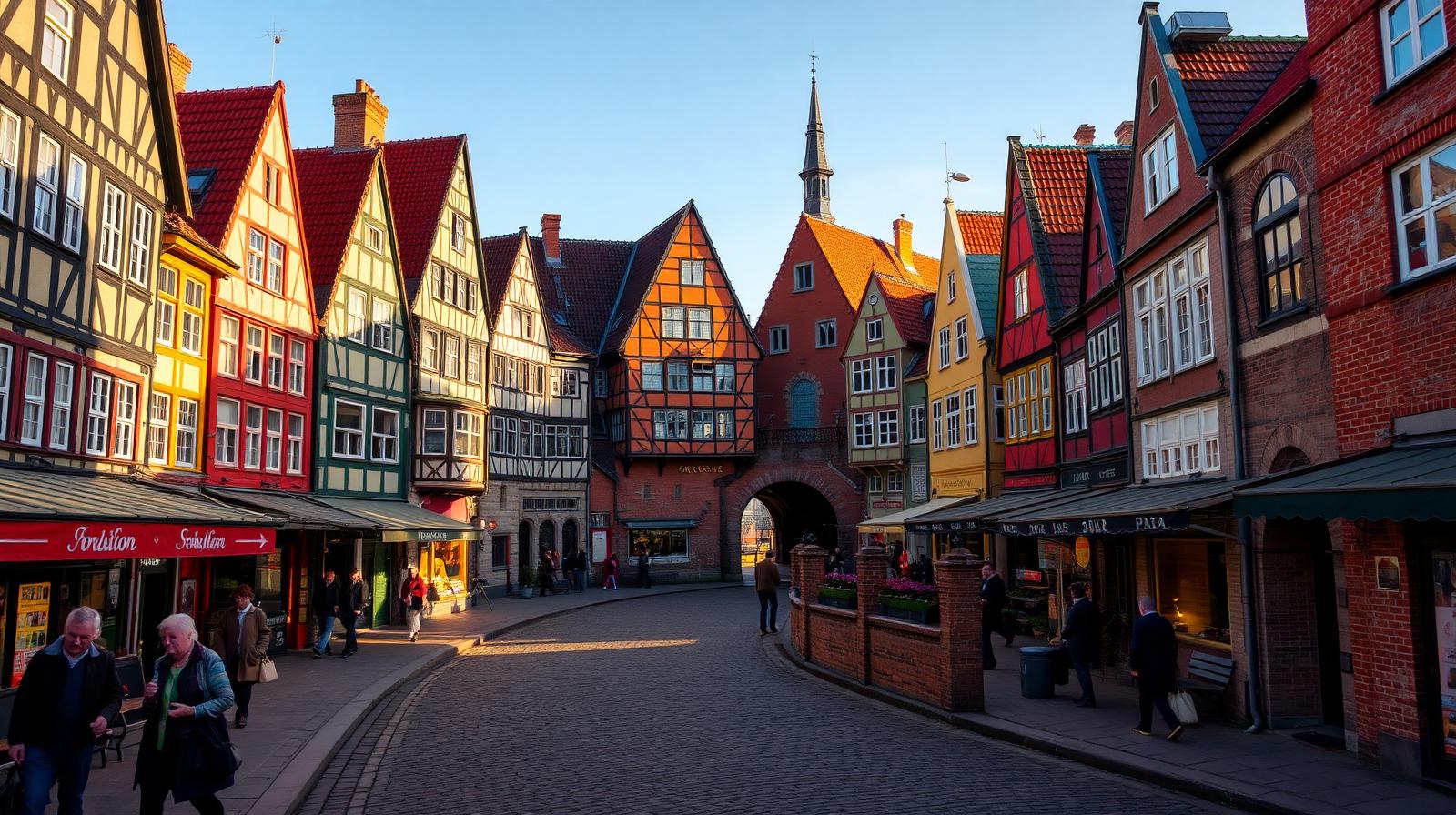
Southern Europe is hot, crowded and pricey. Gdańsk and Sofia offer the same golden-hour old-town magic, walled streets, sea air and 2,000 years of history, for a fraction of the cost. Here's how to explore both, plus Wrocław.
The Mediterranean has become a victim of its own postcard. Barcelona, Dubrovnik, Santorini and the Amalfi Coast now mean tourist-priced espressos, August heat that tops 38°C, and old-town lanes so packed you shuffle rather than wander. If what you actually love about southern Europe is the feeling of a walled old town at golden hour, cobblestones, history pressing in from every façade, a square that empties into a glass of something local, you can still have all of it. You just have to look north and east.
Gdańsk on Poland's Baltic coast and Sofia at the foot of Bulgaria's Vitosha mountain are two of the most underrated historic cities in Europe. Both wear their walls, gates and centuries openly. Both cost a fraction of the Med. And both reward the kind of slow, café-paced travel the crowded south no longer allows. Here's why they belong on your list, and how to thread in Wrocław for a proper Central European loop.
Gdańsk: the Hanseatic jewel that out-pretties the postcards
Gdańsk's Main Town was meticulously rebuilt after WWII, and the result is staggering: the Long Market (Długi Targ) is a parade of tall, colourful merchant houses that rivals anything in Bruges or Bologna. Walk through the Golden Gate, down Long Lane to the Green Gate, and out to the Motława riverfront where the medieval Crane (Żuraw) still hangs over the water. This is a port city, so you get sea air, amber shops, and fresh Baltic fish alongside the architecture.
What to do in Gdańsk
Climb St Mary's Church, one of the largest brick churches in the world, for a rooftop view over the terracotta sea of the old town. Walk Mariacka Street, the most atmospheric lane in Poland, lined with stone terraces and amber jewellers. Dive into history at the world-class Museum of the Second World War and the European Solidarity Centre (Gdańsk is where Solidarity, and the fall of the Iron Curtain, began). In summer, hop on the SKM commuter train to the beaches of Sopot just up the coast.
Sofia: 2,000 years of history hiding in plain sight
Bulgaria's capital is one of Europe's oldest cities, and it layers Roman ruins, Ottoman mosques, Orthodox cathedrals and Soviet relics within a few walkable blocks. The gold-domed Alexander Nevsky Cathedral is the showstopper, but the real magic is the density: you can stand at one spot near the Largo and see a 4th-century Roman church, a 16th-century mosque, a synagogue and the ruins of ancient Serdica all at once.
What to do in Sofia
Walk the excavated Roman streets of Serdica beneath the modern city centre. See the tiny medieval Boyana Church (UNESCO-listed) on the edge of town. Browse the bustling Women's Market for cheap, brilliant food, and peek into the restored Central Market Hall, now a supermarket. Then take the short trip up Vitosha mountain, which rises straight out of the city, for hiking in summer or skiing in winter. Few European capitals let you go from espresso to alpine trail in under an hour.
The value gap is enormous
A sit-down dinner with wine in Gdańsk or Sofia routinely costs less than a single main course in Dubrovnik or Venice. Hostels, boutique hotels, museums and transport all follow suit. You travel longer, eat better and queue less, the exact things the Mediterranean has quietly priced out.
Add Wrocław for the perfect Polish pairing
If Gdańsk hooks you on Poland, run south to Wrocław, a riverside university city built across a dozen islands and 100-plus bridges. Its Market Square (Rynek) is one of the largest and most colourful in Europe, and the city's quirky signature, hundreds of tiny bronze dwarf statues hidden around the streets, makes exploring a treasure hunt. Gdańsk and Wrocław together show two very different sides of Poland: Baltic and Hanseatic up north, Bohemian and Central European down south.
How to build the trip
These cities aren't on one rail line, so think of it as two anchors. Pair Gdańsk and Wrocław into a Poland leg (an easy train or short domestic flight apart), then take a separate budget flight to Sofia to bookend the trip with something completely different, Balkan, Orthodox, mountain-fringed. Budget carriers connect all three to most of Europe for very little.
Best time to visit
May, June and September are ideal for both. Gdańsk's Baltic summer is mild and the beaches come alive in July and August (book ahead, it's peak season for Poles). Sofia is comfortable spring through autumn and turns into a budget ski base from December to March. You get golden-hour old-town magic without the Mediterranean's brutal midsummer heat.
The walled old town, the sense of stepping into another century, the late dinner in a glowing square, none of that was ever exclusive to the Mediterranean. It is just cheaper, cooler and quieter a little further north and east. Gdańsk and Sofia are where to find it.
Frequently asked questions
Is Gdańsk or Sofia cheaper than the Mediterranean?
Significantly. Both Gdańsk and Sofia are among the best-value city breaks in Europe. A full dinner with drinks often costs less than a single main course in Dubrovnik, Venice or Barcelona, and hotels, museums and transport are far cheaper too. Sofia in particular is one of the most affordable capitals in the EU.
Does Gdańsk have a walled old town?
Yes. Gdańsk's Main Town is entered through historic gates, the Golden Gate, Highland Gate and Green Gate, and centres on the Long Market, a stunning street of tall, colourful Hanseatic merchant houses. Meticulously rebuilt after WWII, it's one of the most beautiful old towns in northern Europe.
Why is Sofia worth visiting?
Sofia is one of Europe's oldest cities and layers Roman ruins, Ottoman mosques, Orthodox cathedrals and Soviet history within a few walkable blocks. Highlights include the gold-domed Alexander Nevsky Cathedral, the excavated Roman streets of Serdica, and Vitosha mountain rising straight out of the city for hiking or skiing, all at very low prices.
Can you visit Gdańsk and Wrocław in one trip?
Yes. Both are in Poland and connected by direct trains and short domestic flights, so pairing them is easy. Gdańsk offers Baltic, Hanseatic charm in the north, while Wrocław delivers one of Europe's largest market squares and its famous hidden bronze dwarf statues in the south, two very different sides of the country.
When is the best time to visit Gdańsk and Sofia?
May, June and September are ideal for both, with mild weather and thin crowds. Gdańsk's beaches peak in July and August, so book early. Sofia is comfortable from spring to autumn and becomes an affordable ski base from December to March, thanks to neighbouring Vitosha mountain.
Are Gdańsk and Sofia good alternatives to crowded Mediterranean cities?
Absolutely. They deliver the same golden-hour old-town atmosphere, history and walkable squares that make Mediterranean cities special, but with milder summers, far fewer crowds and a fraction of the cost. They're ideal for travellers priced out of, or put off by, the heat and queues in southern Europe.
How do you travel between Gdańsk, Wrocław and Sofia?
Gdańsk and Wrocław are easily linked within Poland by train or a quick domestic flight. Sofia is best reached on a separate budget flight, as it's in Bulgaria and not on the same rail corridor. Low-cost carriers connect all three cities to most major European hubs for very little.