Destinations / Europe
Geneva, Switzerland travel guide
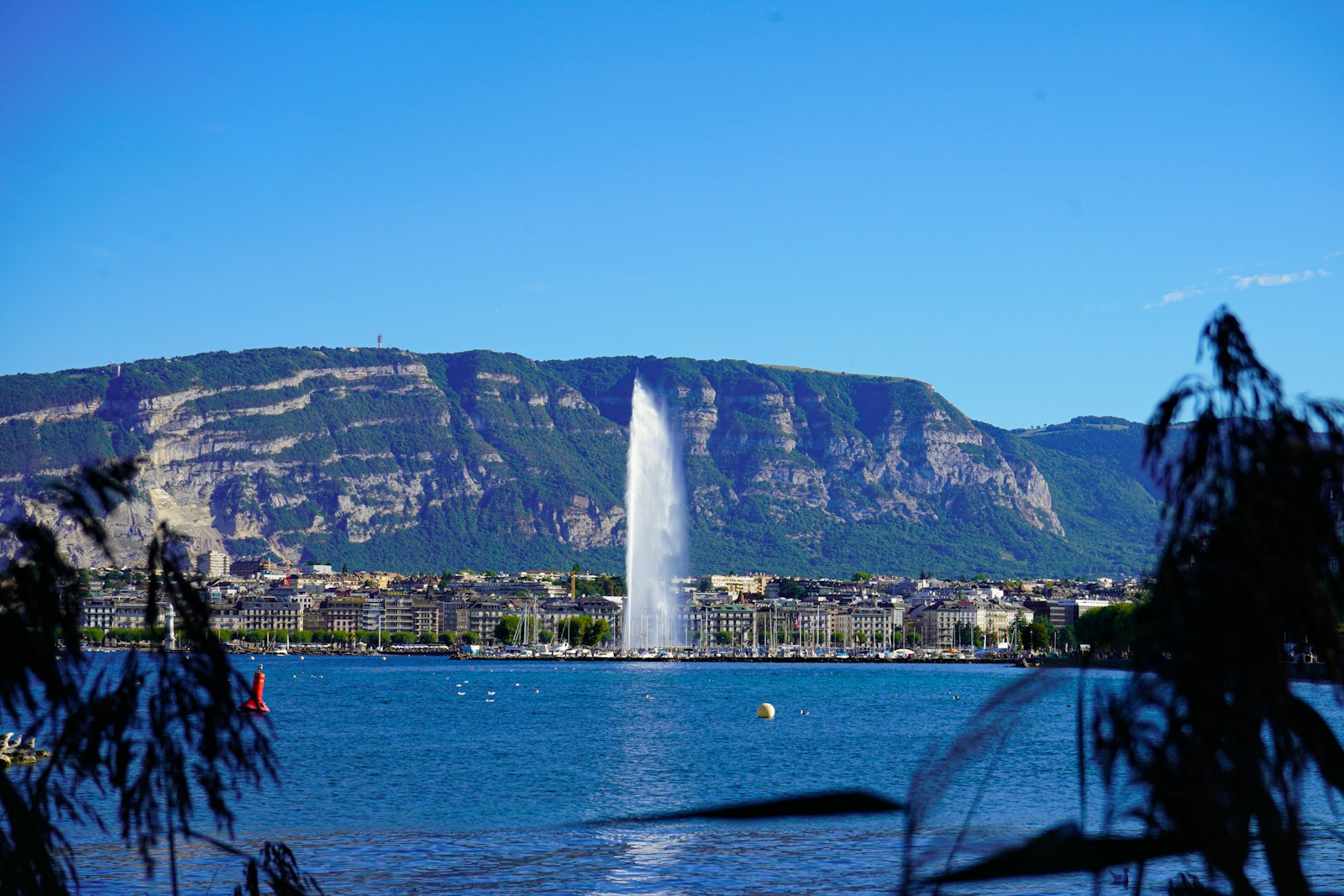
Switzerland's elegant lakeside capital of diplomacy: a giant fountain, Mont Blanc views and Alpine day trips.
- Best time to visit: May-September
- Daily budget (budget traveller): $180 to $300 USD
- Ideal trip length: 2 days
Geneva sits at the foot of the Alps where the Rhône leaves western Europe's largest lake, an elegant, international city of watchmakers, diplomats and waterfront promenades crowned by the soaring Jet d'Eau. Compact and refined, it pairs a cobbled old town with Mont Blanc views and quick escapes into both the Swiss and French Alps. Joy Plus shapes the lake, the old town and the mountain day trips into a smooth, walkable plan.
Geneva is small, rich and strangely hard to pin down. It is a city of about 200,000 that hosts the UN's European headquarters, the Red Cross, CERN and half the world's watch brands, so the person on the next tram seat may be a Kenyan trade negotiator or a Savoyard nurse who crosses the border every morning. The lake does the heavy lifting visually. Western Europe's biggest lake fills the south of the frame, the Jet d'Eau shoots 140 metres into the air at about 200 km/h, and on a clear day Mont Blanc floats above the far shore like a stage set. The city itself is calm, orderly and a bit buttoned-up, which is exactly why the Bains des Pâquis, a scruffy lakeside bathhouse where bankers swim next to students, feels like such a relief.
Be honest with yourself about the cost. A beer is CHF 7 to 9, a restaurant main is CHF 35 to 50, and a mid-range hotel can hit CHF 300 on a conference week. The trick is to spend where Geneva is genuinely good and cheat everywhere else. Your hotel or hostel gives you a free Geneva Transport Card, the Bains cost CHF 2 to enter, CERN's exhibitions are free, the permanent collection at the Musée d'art et d'histoire is free, and the tap water from the city's 1,000-plus public fountains is better than most bottled water. Lunch plat du jour deals, supermarket picnics on the quai and the occasional shopping run across the French border cut the bill in half without cutting the experience.
Treat Geneva as a two-day city and a one-week base. Two days covers the quai, the Vieille Ville, St Pierre Cathedral and a museum or two. The rest of a week is about the doors it opens: Chamonix and the Aiguille du Midi in 90 minutes, Lausanne and the UNESCO Lavaux vineyards by direct train, Annecy's canals across the border, and a Salève hike you can reach on a city bus. This guide sequences all of it with real timetables and real prices, so you spend your francs on the lake, the mountains and one proper fondue, and not on tourist-trap fillers.
How many days in Geneva?
For Geneva, we recommend 2 days. With more time, add a day trip to Annecy.
| Trip length | What you'll see | Itinerary |
|---|---|---|
| 2 days · Recommended | Lakefront and the Bains des Pâquis; Old Town, cathedral and Patek Philippe | Geneva in 2 days |
| 3 days | Adds: Chamonix and the Aiguille du Midi | Geneva in 3 days |
| 4 days | Adds: International Geneva | Geneva in 4 days |
| 5 days | Adds: Lausanne and the Lavaux vineyards | Geneva in 5 days |
| 7 days | Adds: CERN and Carouge; Last swim, chocolate | Geneva in 7 days |
Geneva itinerary
Arrive, lakefront and the Bains des Pâquis
Morning: Land at GVA and take the train to Cornavin (6 min). Drop bags, then coffee and a croissant at a Pâquis bakery.
Afternoon: Walk down Rue de Lausanne to the lake. Follow Quai du Mont-Blanc to the pier of the Bains des Pâquis (CHF 2 entry), swim or sit on the jetty, then continue along the quai to the Jet d'Eau at the Jetée des Eaux-Vives.
Evening: Perch fillets at a brasserie on Place du Molard, then a sunset beer back at the Bains buvette. Early night, the next two days are heavy on walking.
Old Town, cathedral and Patek Philippe
Morning: Climb the north tower of St Pierre Cathedral at opening (9:30 from June to September, 10am otherwise, noon on Sundays, CHF 7) for lake and Jura views. Wander the Bourg-de-Four, coffee at La Clémence, then the Reformation Wall and chess boards in Parc des Bastions.
Afternoon: Lunch plat du jour in the Vieille Ville. At 2pm walk to the Patek Philippe Museum (CHF 10, open Tuesday to Sunday, closed Monday) for five centuries of watches and enamel miniatures.
Evening: Fondue at Café du Soleil in Petit-Saconnex (book ahead) or a lighter bite at Chez Ma Cousine in the Old Town. Walk back along the Rhône.
Chamonix and the Aiguille du Midi
Morning: Bus from the Gare routière (around 7:30am) to Chamonix, about 1h30. Take the first cable car to the Aiguille du Midi (3,842m), pre-booked online (about €85) with a passport in your bag.
Afternoon: Descend for lunch at a crêperie on Rue du Docteur Paccard. If you still have energy, ride the Montenvers train to the Mer de Glace or walk the flat valley path to Les Praz.
Evening: Late afternoon bus back to Geneva (book a return a few hours later than you think). Light dinner in Pâquis, a Thai plate at the Bains buvette or a kebab on Rue de Monthoux.
International Geneva
Morning: Tram 15 from Cornavin to Nations. Take a guided tour of the Palais des Nations (CHF 25 plus a booking fee, passport or Schengen ID card required, tickets released online on the 20th of the month before) and see Broken Chair across the road.
Afternoon: Walk to the International Red Cross and Red Crescent Museum (CHF 15, closed Monday). Spend an hour in Ariana Park and the Musée Ariana ceramics museum.
Evening: Dinner at a Pâquis restaurant, then a late lake walk. Sit on the Quai du Mont-Blanc with a supermarket drink and watch the Jet d'Eau lit up.
Lausanne and the Lavaux vineyards
Morning: Direct train from Cornavin to Lausanne (about 40 min, CHF 25). Climb Lausanne Cathedral's tower, then walk down to the Ouchy lakefront.
Afternoon: Train to Cully, then walk the UNESCO Lavaux terraces to Epesses or Lutry, 1 to 2 hours between vines and lake. Taste chasselas at a cave in Epesses or Cully.
Evening: Train back to Geneva (about 50 min from Cully). Easy dinner of croûte au fromage or rösti in the Old Town.
CERN and Carouge
Morning: Tram 18 from Cornavin to CERN (about 35 min). The Science Gateway exhibitions and the Globe of Science and Innovation are free (register online, closed Mondays), and CERN guided visits sell out, so book weeks ahead.
Afternoon: Tram 18 back through Plainpalais to Carouge (about 25 min). Wander the Sardinian-era streets, artisan ateliers, Place du Marché and lunch on the terrace of a small bistro.
Evening: Cocktails in Carouge, live music at Chat Noir, or a quiet dinner at a Carougeois terrace. Tram 12 or 18 back to the centre.
Last swim, chocolate, depart
Morning: One last swim and sauna at the Bains des Pâquis, then a cheese-and-croissant breakfast on the jetty.
Afternoon: Chocolate shopping (Favarger or Du Rhône), a stroll through Parc La Grange and its rose garden, and a late lunch of longeole at Café du Centre on Place du Molard.
Evening: Train from Cornavin to the airport (6 min). Arrive 90 minutes before the flight, and remember the airport has French and Swiss sectors.
Best neighbourhoods
- Vieille Ville (Old Town): Cobbled lanes around St Pierre Cathedral, the largest old town in Switzerland, full of cafés and antique shops.
- Eaux-Vives & the lakefront: The left-bank promenades, parks and beaches with the best Jet d'Eau and Mont Blanc views.
- Pâquis: The lively, multicultural right-bank district near the lake baths, with cheap eats and nightlife.
- International Quarter: Home to the UN, the Red Cross museum and Ariana Park, north of the centre.
Must-do experiences
- Jet d'Eau: See Geneva's iconic 140-metre lake fountain up close from the pier, often with a rainbow in the spray.
- Old Town & St Pierre Cathedral: Wander the cobbled Vieille Ville and climb the cathedral towers for rooftop and lake views.
- Lake Geneva promenade & cruise: Stroll the flower-lined lakefront and take a boat for Alpine and vineyard scenery.
- Day trip to Chamonix or the Alps: Ride to Chamonix-Mont-Blanc or a nearby peak for jaw-dropping mountain scenery.
Hidden gems
- The Bains des Pâquis lake baths, beloved by locals for swimming, saunas and fondue, with a small entry fee in summer.
- The peaceful Parc des Bastions with its giant chess boards and the Reformation Wall.
- The moving International Red Cross and Red Crescent Museum.
- The CERN visitor centre just outside town, home of the Large Hadron Collider.
Daily budget
- Accommodation: budget CHF 40-65 / night (hostel dorm), mid-range CHF 200-320 (boutique double), splurge CHF 600+ (Beau-Rivage, Four Seasons des Bergues). Your stay includes a free Geneva Transport Card. Hotels spike in April (Watches & Wonders), September and during big Palexpo fairs. Annemasse across the border is CHF 90-130 with a 20 minute Léman Express hop.
- Food: budget CHF 30-45 / day (Migros and Coop takeaways, kebab, bakery), mid-range CHF 80-120 (lunch plat du jour, fondue or perch dinner), splurge CHF 250+ (lakeside tasting menu at a palace hotel). Lunch plats du jour run CHF 22-30 with coffee, versus CHF 40-50 for the same dish at dinner. Fondue at Café du Soleil is about CHF 34, perch fillets at a lakeside brasserie CHF 38-46.
- Transport: budget CHF 0-10 (hotel card, or 24h day pass about CHF 10), mid-range CHF 20-45 (day pass plus Chamonix bus or a Lausanne train), splurge CHF 100+ (private transfer to Chamonix, taxis). Hostels and hotels hand out the free card for the length of your stay. Geneva-Lausanne is about CHF 25 each way, Chamonix by bus is €20-35 each way. Airport taxis cost CHF 35-45.
- Activities: budget CHF 10-20 / day (Bains CHF 2, CERN free, MAH free, Parc des Bastions free), mid-range CHF 40-70 (St Pierre towers CHF 7, Patek Philippe Museum CHF 10, Red Cross Museum CHF 15, lake cruise), splurge CHF 150+ (Aiguille du Midi about €85, private guide or lake charter). Palais des Nations tours are CHF 25 plus a booking fee and need a passport and advance booking. The Aiguille du Midi should be booked online the night before in summer.
- Drinks & nightlife: budget CHF 10-15 (supermarket beer on the quai, Bains buvette beer), mid-range CHF 40-60 (3 drinks in Carouge or Pâquis), splurge CHF 120+ (cocktails at a palace hotel bar, then late club). A half-litre beer is CHF 7-9, a glass of wine CHF 7-12, a cocktail CHF 20-24. Pâquis is the best late-night area, Carouge has the more grown-up bars and live music at Chat Noir.
Where to stay
- Social hostel in Pâquis / Cornavin (CHF 40-65 / night): Geneva Hostel or City Hostel, five minutes from the station and the lake. Kitchens, lockers, a mix of solo travellers and interns, and the free transport card on arrival.
- Boutique hotel in Vieille Ville (CHF 220-420 / night): Hôtel Bel'Espérance for good-value simplicity or Hôtel Les Armures for stone walls and beams. You wake up on cobbles, 3 minutes from St Pierre.
- Apartment in Carouge or Eaux-Vives (CHF 150-240 / night): Carouge is a leafy former Sardinian town with markets on Wednesday and Saturday, 10 minutes from the centre by tram 12 or 18. Eaux-Vives puts you near the lake parks and the Jet d'Eau. A kitchen cuts food costs.
- Splurge in Quai du Mont-Blanc (CHF 600-1,200+ / night): Hôtel Beau-Rivage or Four Seasons des Bergues, lake-view rooms, classic bars and a short walk to the Bains and the Jet d'Eau.
What to eat
- Cheese fondue at the Bains des Pâquis pavilion
- Filets de perche, lake perch fillets with fries
- Longeole, the local Geneva sausage
- Swiss chocolate from a historic chocolatier
Day trips
- Chamonix and Aiguille du Midi (About 1h30 by bus): The classic Alpine day. Ride the cable car to 3,842m for a Mont Blanc panorama, then walk down to the Mer de Glace or loop through the valley. Go on a clear morning and book the first cabin. FlixBus or Alpybus from Geneva Gare routière or the airport, €20-35 each way. Aiguille du Midi tickets about €85, book online. Bring your passport.
- Lausanne and Lavaux vineyards (40 min by train to Lausanne): Lausanne gives you a Gothic cathedral and the Ouchy lakefront. Continue to Cully for a terrace walk through UNESCO-listed vineyards with tasting stops along the way. Direct SBB train from Cornavin, about CHF 25 each way (cheaper with a Half Fare card). Change at Lausanne for Cully, about 15 min.
- Annecy (About 1h by bus): France's lake town of canals, pastel houses and a medieval château, with swimming off the Imperial Palace beach in summer. Prices are lower than in Geneva. FlixBus or regional bus from the Gare routière, about €8-20 each way. Check the return times, last services leave early evening.
When to visit
- Spring (April - June): 10-22°C, fresh mornings, regular showers, Mont Blanc often sharp after rain. Crowds: Moderate, spikes during Watches & Wonders (April) and trade fairs. Roses bloom in Parc La Grange in June, lake cafés reopen and prices are softer than summer. Check the Palexpo calendar before booking, because a big fair can double hotel rates.
- Summer (July - August): 24-31°C, mostly dry, lake water 22-25°C, occasional thunderstorms. Crowds: Busy on the quai, oddly quiet in business districts as locals leave. The best window for swimming off the jetties, evening picnics and Chamonix with clear skies. Hotel rates dip because the diplomats are away, so it is the best value time to be here.
- Autumn (September - October): 12-22°C, golden light, the first fog on the lake by late October. Crowds: Moderate in September (Human Rights Council session and conference season), low in October. The locals' pick. Vineyards in Lavaux turn gold, lake swimming is still possible into mid-September and restaurants bring back game and chasselas wine. Book hotels early for UN-heavy weeks.
- Winter (November - March): 0-7°C, grey fog (the bise wind is bitter), snow in the nearby Alps. Crowds: Low, except around the L'Escalade festival in early December. Moody and cheap-ish, with fondue weather from the first frost. Combine a city weekend with a day of skiing in the Arve Valley or Les Houches, and catch L'Escalade (second weekend of December) for costumed processions and chocolate cauldrons.
Entry rules for your passport
Visa rules for Switzerland depend on the passport you travel on. Check the official source before you book: European Commission: Schengen visa policy
Getting there
Geneva Airport (GVA) is just 4km from the centre. The train to Cornavin station takes 6 minutes, runs every few minutes. The free arrival ticket has been discontinued, but hotel guests get a free Geneva Transport Card instead. A taxi costs CHF 35-45 and Uber CHF 30-40, so skip both. Pay attention to the exit when you land: there is a French sector, and the Swiss side is the one for the train. By rail, the TGV from Paris Gare de Lyon takes about 3 hours, Zurich is about 2h45 on the IC, and Lausanne is 40 minutes. Léman Express trains connect Cornavin to Annemasse, Evian and Annecy via the French side.
Border checks: non-EU visitors (other than Swiss, Norwegian, Icelandic, Liechtenstein, Andorran, Monegasque, San Marinese and Vatican citizens, and holders of an EU residence permit or long-stay visa) are registered in the EU's Entry/Exit System (EES) instead of getting a passport stamp. On your first crossing, officers take your photo and/or fingerprints, so allow extra time at passport control. ETIAS, the planned travel authorisation, is not in operation yet, so don't pay any website for one.
Getting around
Geneva is compact and walkable, and most hotels give guests a free Geneva Transport Card for unlimited trams, buses and local trains. Yellow shuttle boats (Mouettes) cross the lake, and the train from the airport to the centre takes just six minutes. A day pass covers the whole city zone.
Safety
Geneva is very safe and comfortable for solo travellers including women, with low crime and reliable transport at all hours. The main caution is occasional pickpocketing around the train station (Cornavin), the Pâquis nightlife area and busy lakefront events. As with the rest of Switzerland, the biggest surprise is simply how expensive the city is.
Solo travel tips
- Claim the free transport card: Every registered hotel and hostel guest gets a Geneva Transport Card for the duration of the stay, valid on trams, buses, Mouettes boats and local trains. Ask at check-in, it saves around CHF 10 a day.
- Lunch like a local, dine like a tourist only once: A plat du jour at lunch is CHF 22-30 with coffee. The same restaurant charges nearly double at 8pm. Sit at the counter in an Old Town brasserie, order the plat, and you will usually end up chatting with the person on the next stool.
- Swim at the Bains des Pâquis: The CHF 2 lake baths are Geneva's best social space. Shared decks, a Thai lunch buvette, sauna and hammam sessions in the morning, and in winter the famous fondue. It is easy to chat with strangers here and you can go alone without anyone blinking.
- Hostel pick: Geneva Hostel or City Hostel: Both sit near Cornavin and the lake, with dorms, private rooms, shared kitchens and a mix of solo travellers and interns. Cooking your own dinner is the single biggest saving in the city.
- Solo female travellers: Geneva is one of the safest cities in Europe for women alone, and public transport runs reliably late. Standard rules apply: mind your bag around Cornavin and Pâquis at night, share taxi details at Uber's end, and book Chamonix return buses early so you are not stuck on the French side.
- Share a cable car, split a table: On the Aiguille du Midi you ride packed cabins with strangers, so conversation is easy. For dinner, sharing a fondue pot for two is the standard order, ask a staff member whether there is a half portion or a shared table.
Cultural etiquette
- Say bonjour when you enter any shop, café or lift, and au revoir on the way out. Skipping it reads as rude, even if you speak English afterwards.
- Greet friends with three cheek kisses, left, right, left, as is standard in French-speaking Switzerland. Handshakes are fine with strangers and business contacts.
- Service is already included in the bill. Round up the café bill or add CHF 2-5 at a restaurant for good service, nothing more.
- Shops close on Sundays except at Cornavin station, the airport and a few petrol stations. Buy picnic supplies on Saturday.
- Quiet hours are real: no loud noise or laundry on Sundays, and after 10pm in apartment buildings. Keep your voice down on trams.
- Cross at the green light even on empty streets. Jaywalking fines exist and locals do notice.
- Tap water from the public fountains is safe and free, and bottled water in restaurants is often CHF 7-9. Ask for une carafe d'eau, which is free.
Frequently asked questions
How many days do you need in Geneva?
One to two days covers the Jet d'Eau, the old town, St Pierre Cathedral, the lakefront and a museum or two. Add an extra day for an Alpine excursion to Chamonix-Mont-Blanc or a lake cruise toward Lausanne and the vineyards.
Is Geneva safe for solo travellers?
Yes, very. Geneva is a safe, orderly city comfortable for solo travellers including women at any hour. Crime is low; the main caution is occasional pickpocketing around the Cornavin train station and the Pâquis nightlife district, so keep an eye on your belongings there.
When is the best time to visit Geneva?
May to September brings warm weather, lake swimming, boat cruises and clear Alpine views. December is festive with the L'Escalade celebration and markets, while spring and autumn are mild and quieter. Winter pairs well with skiing in the nearby French and Swiss Alps.
Is Geneva expensive to visit?
Yes, very. Geneva is among the world's most expensive cities for hotels, dining and drinks. Save with the free hotel transport card, the cheap Bains des Pâquis, lakefront picnics and tap water from public fountains. Crossing into nearby France for meals is a common money-saver.
Is Geneva worth visiting?
Yes, especially as a refined base for the region. Geneva offers a beautiful lake, the iconic Jet d'Eau, a charming old town, world-class museums and superb access to the Alps. It's smaller and quieter than Zurich, with a distinctly international, French-influenced atmosphere.
How do I get from Geneva Airport to the city?
The train from Geneva Airport reaches the central Cornavin station in about six minutes, and runs every few minutes. The free ticket once offered in the baggage hall has been discontinued; hotel guests get a free Geneva Transport Card instead. Buses and taxis also serve the city, with taxis taking around 15 minutes but costing far more.
Can you do day trips to the Alps from Geneva?
Yes, easily. Chamonix-Mont-Blanc is around 75 to 90 minutes away by bus or car, and you can ride the Aiguille du Midi cable car for staggering Mont Blanc views. The Swiss resorts, Lausanne, Montreux and the Lavaux vineyards are all reachable as day trips by train or boat.
More about Geneva
Tours and activities in Geneva | Geneva in 2 days | Geneva in 3 days | Geneva in 4 days | Geneva in 5 days | Geneva in 7 days
Can't decide? Compare Geneva with...
Joy Plus home | Destinations | Itineraries | Activities | Flights | Budget planner | Calendar | Map | Blog | Lifetime access