Destinations / Europe
Gran Canaria, Spain travel guide
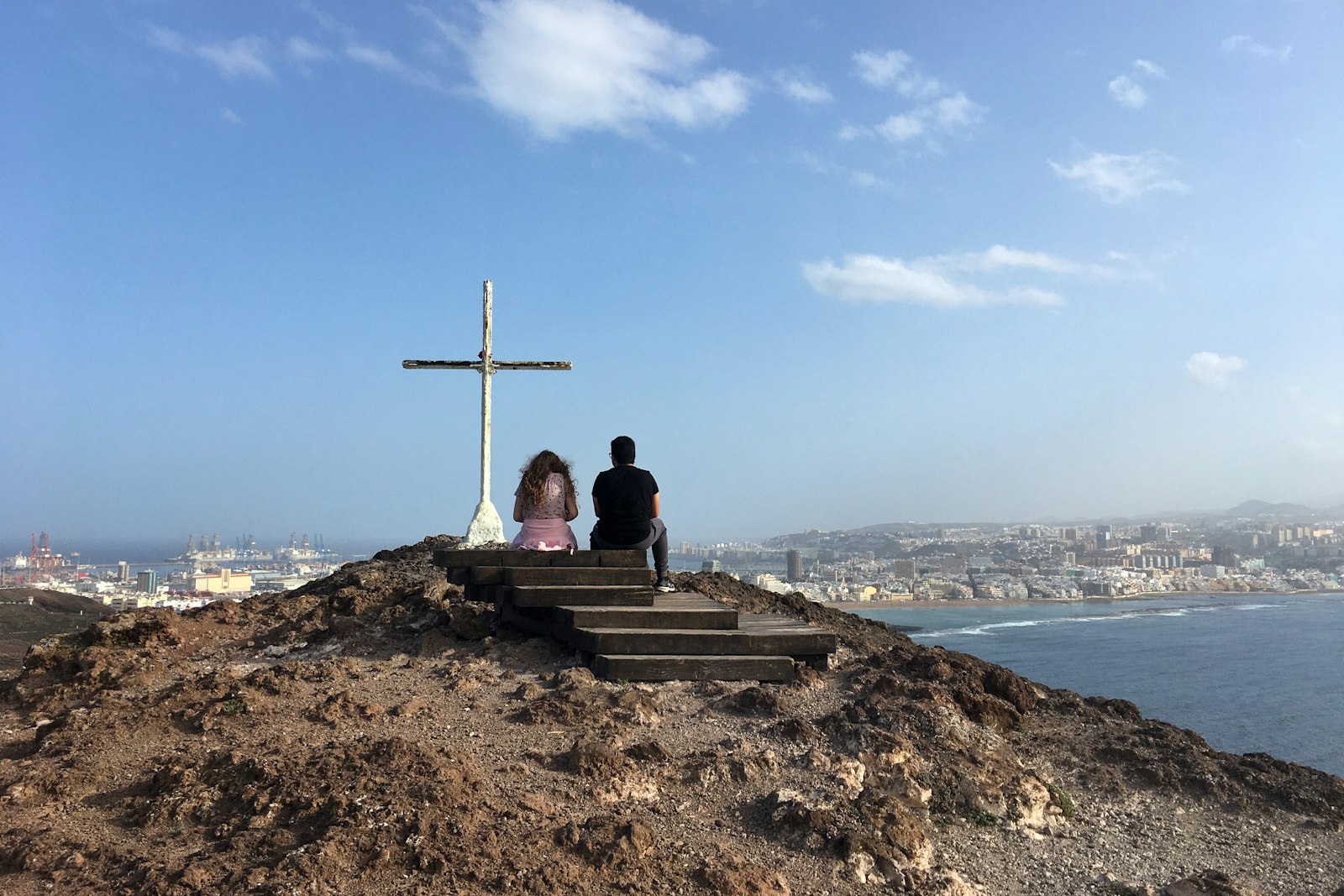
A continent in miniature: giant dunes, dramatic mountains, a colonial capital and year-round Atlantic sun.
- Best time to visit: Year-round; spring and autumn are ideal
- Daily budget (budget traveller): $95 to $160 USD
- Ideal trip length: 4 to 6 days
Nicknamed a 'continent in miniature', Gran Canaria swings from the rolling Maspalomas dunes and golden southern beaches to pine-clad peaks, deep ravines and whitewashed villages in just a short drive. Add the lively colonial capital of Las Palmas and its city beach and you have an island for both sun-seekers and hikers. Joy Plus shapes the dunes, the mountains, the capital and the coves into an easy, varied island week.
Gran Canaria is 60km across and somehow holds a desert, a pine forest, a colonial capital and a surf city. Drive 90 minutes from the golden Maspalomas dunes and you are at 1,800m, standing under Roque Nublo in a jacket, with Tenerife's Teide floating above the clouds. UNESCO made the whole island a Biosphere Reserve in 2005, and in 2019 added the Risco Caído cave sites. Most visitors never see any of it. They fly into LPA, ride a bus to a resort in the south, and stay in the sun.
The trick is to split your week by microclimate. The south (Maspalomas, Playa del Inglés, Meloneras) is dry and sunny nearly every day. Las Palmas, the capital, has a 3km urban beach (Las Canteras), a proper old town (Vegueta) and the best food on the island. The centre is where you hike, eat almond sweets and drive hairpin roads. The north coast around Agaete is greener, cooler and wilder. Many travellers who only book the south miss the rest by an hour's drive.
This guide is built for someone arriving alone or in a pair, with a week to burn and a taste for both sand and altitude. Expect Tropical beer at €2, menú del día at €11, and a rental car at €30 to €45 a day. Pack layers, because the island makes liars of forecasts. The Canarias run one hour behind mainland Spain, and locals have kept a looser, slower rhythm, so take it.
How many days in Gran Canaria?
For Gran Canaria, we recommend 4 to 6 days. With more time, add a day trip to Teror and Arucas.
| Trip length | What you'll see | Itinerary |
|---|---|---|
| 2 days | Las Palmas, Las Canteras sunset; Vegueta and Triana | Gran Canaria in 2 days |
| 3 days | Adds: Cumbre day, Roque Nublo and Tejeda | Gran Canaria in 3 days |
| 4 days · Recommended | Adds: Agaete and the north coast | Gran Canaria in 4 days |
| 5 days · Recommended | Adds: Move south via Guayadeque | Gran Canaria in 5 days |
| 7 days | Adds: Dunes, then Puerto de Mogán; Fataga valley | Gran Canaria in 7 days |
Gran Canaria itinerary
Land in Las Palmas, Las Canteras sunset
Morning: Land at LPA, Global bus 60 to Las Palmas (about 25 min). Drop bags near Las Canteras.
Afternoon: Walk the full Paseo de Las Canteras, 3km of promenade. Swim inside La Barra, the natural reef that calms the surf.
Evening: Fish dinner at La Marinera on the paseo. Slow walk back along the sand at sunset, then early bed.
Vegueta and Triana
Morning: Bus to Vegueta. Casa de Colón (€4) when it opens, then the Catedral de Santa Ana and its tower. Coffee in Plaza de Santa Ana.
Afternoon: Lunch at Mercado de Vegueta or Casa Montesdeoca. Walk Calle Mayor de Triana and the Casa-Museo Pérez Galdós.
Evening: Bar hop around Plaza del Espíritu Santo in Vegueta. Bus back to Las Canteras.
Cumbre day, Roque Nublo and Tejeda
Morning: Pick up the rental car. Reach La Goleta car park by 8:30 and hike Roque Nublo (about 3km each way, 1h30 to 2h return, bring a jacket).
Afternoon: Lunch in Tejeda, almond sweets at Dulcería Nublo. Drive to Artenara for cave houses and Mirador de Unamuno.
Evening: Return via Teror, Basílica del Pino and chorizo de Teror. Dinner in Las Palmas.
Agaete and the north coast
Morning: Drive 40 min to Agaete. Swim in Las Salinas de Agaete, tidal pools right at the sea. Coffee in Puerto de las Nieves.
Afternoon: Lunch at a port fish restaurant. Stop at Cueva Pintada in Gáldar on the way back (about €6).
Evening: Last evening in Las Palmas. Rum bar or a final seafood supper.
Move south via Guayadeque
Morning: Drive to Agüimes, then up the Barranco de Guayadeque. Walk a short stretch of the ravine.
Afternoon: Cave-restaurant lunch (grilled meat, local cheese). Check in at Maspalomas or Playa del Inglés.
Evening: Walk the dunes to catch sunset over the sand, around 6pm in winter or 8:45pm in June. Then dinner in Meloneras.
Dunes, then Puerto de Mogán
Morning: Walk the Maspalomas dunes early, before wind and heat. Optional 20-min camel ride (about €15 to €20).
Afternoon: Global bus 91 to Puerto de Mogán. Wander the canals. Friday is market day. Lunch on the marina.
Evening: Coastal boat to Puerto Rico (about €8 to €10) or bus back. Drinks at Yumbo Centrum if you want to dance.
Fataga valley, depart
Morning: Drive the Fataga ravine for palms, almond terraces and mountain views. Coffee in Fataga village.
Afternoon: Return the car at LPA (Cicar desk). Last papas arrugadas at the airport or in Maspalomas before the flight.
Evening: Fly out with sand in your bag.
Best neighbourhoods
- Maspalomas & Playa del Inglés (South): The sunny resort south with the famous dunes, long beaches, promenades and nightlife.
- Las Palmas de Gran Canaria: The vibrant capital with a colonial old town (Vegueta), shopping and the city beach of Las Canteras.
- Puerto de Mogán: A pretty marina village of canals and bougainvillea, nicknamed 'Little Venice'.
- The Cumbre & inland villages: Mountain villages like Tejeda and Artenara amid pines, ravines and the iconic Roque Nublo.
Must-do experiences
- Maspalomas dunes: Walk or watch the sunset over the rolling, desert-like dunes beside the southern beaches.
- Roque Nublo & the Cumbre: Hike, with an advance booking, to the island's iconic volcanic monolith for sweeping views toward Teide on Tenerife.
- Las Palmas & Las Canteras beach: Explore the colonial Vegueta old town and relax on the city's superb urban beach.
- Puerto de Mogán: Wander the canal-laced 'Little Venice' marina village and join a boat trip along the coast.
Hidden gems
- The whitewashed cliff-village of Artenara, the island's highest settlement with cave houses.
- Quiet natural pools and coves along the rugged north coast around Agaete.
- The lush Barranco de Guayadeque ravine with cave homes and restaurants.
- Sunset over the dunes from the quieter Maspalomas lighthouse end.
Daily budget
- Accommodation: budget €22-35 / night (hostel dorm in Las Canteras), mid-range €85-140 (boutique double or Las Canteras apartment), splurge €300+ (Seaside Grand Hotel Residencia, Hotel Santa Catalina). Social hostels are few outside Las Palmas. Winter and August prices jump 30 to 40%, so book a month ahead.
- Food: budget €25-35 / day (bakery breakfast, menú del día, supermarket dinner), mid-range €55-80 (nice dinner, wine, seafood lunch), splurge €150+ (Los Guayres, one Michelin star, Mogán). Menú del día is €10-14 with drink and coffee, Monday to Friday. Papas arrugadas con mojo are a €4-6 side everywhere.
- Transport: budget €8-15 / day (Global buses, city guaguas), mid-range €45-60 (rental car €30-45 plus fuel), splurge €120+ (private driver or guided mountain day). A car unlocks the Cumbre and the north. Cicar, a local firm, usually includes zero-excess insurance, so check the fine print.
- Activities: budget €0-15 (beaches, dunes, free viewpoints, Casa de Colón at €4), mid-range €30-60 (surf lesson, camel ride, boat trip), splurge €100+ (private catamaran, guided canyoning). The island's best things (dunes, Las Canteras, Roque Nublo hike) cost nothing.
- Drinks & nightlife: budget €8-12 (caña €1.80-2.50, Tropical beer), mid-range €25-35 (cocktails €8-11, a few bars), splurge €60+ (Playa del Inglés clubs, hotel rooftop). Try ron miel (local honey rum) and Tropical, the island's beer, not Dorada, which is Tenerife's.
Where to stay
- Social hostel in Las Canteras / Santa Catalina (€22-38 / night): Dorm hostels cluster around Calle Sagasta and Calle Luis Morote, a block from the sand. Pick one with a roof terrace and surf lessons. Social hostels are few here, so check recent solo-traveller reviews.
- Boutique hotel in Agüimes (Casa de los Camellos) or Vegueta (Hotel Madrid) (€85-140 / night): Hotel Rural Casa de los Camellos is a restored 17th-century house in car-free Agüimes, near Guayadeque. In the capital, Hotel Madrid on Plaza de Cairasco is historic and central.
- Apartment in Las Canteras (€65-110 / night): Studios a block from the beach with a kitchen and balcony. Best value for 5+ nights, and you can cook with market produce from Mercado del Puerto.
- Splurge in Meloneras / Maspalomas (€300-550 / night): Seaside Grand Hotel Residencia or Lopesan Villa del Conde, spa, pools and a dune-edge setting. In Las Palmas, Hotel Santa Catalina (Royal Hideaway) is the grand old pick.
What to eat
- Papas arrugadas with mojo picón sauce
- Queso de flor, a local cheese curdled with thistle flower
- Ropa vieja, a hearty chickpea and meat stew
- Fresh fish and limpets (lapas) at a coastal village
Day trips
- Agaete and Puerto de las Nieves (45 min drive from Las Palmas): Tidal pools at Las Salinas, fish restaurants at the port, a Gáldar stop for the Cueva Pintada painted cave, and valley coffee farms. Wilder, greener and cooler than the south. Global express bus 101 from Las Palmas (Santa Catalina), about €4 to €6, or drive the GC-2.
- Barranco de Guayadeque and Agüimes (40 min from Las Palmas or Maspalomas): A ravine of cave houses, cave restaurants and rock walls. Agüimes has a whitewashed historic centre and the Casa de los Camellos hotel. Drive to Agüimes via the GC-1, then follow signs up the ravine. Global bus to Agüimes runs from Las Palmas and Maspalomas.
- Teror and Arucas (30 to 40 min from Las Palmas): Teror has a baroque basilica, balconied streets and a Sunday market. Arucas has a neo-Gothic cathedral and the Arehucas rum distillery. Global bus 18 to Teror from Las Palmas, about €3. Arucas by Global bus 210 or by car.
When to visit
- Spring (March - May): 21-26°C on the coast, sunny, chilly mornings on the Cumbre. Crowds: Moderate, Easter week is busy. The best window for combining beaches and hiking. Almond blossom fades by March, the hills are still green, and the sea is cold but swimmable. Mid-May brings Maspalomas Pride.
- Summer (June - August): 25-31°C in the south, cloud 'panza de burro' over the north and Las Palmas. Crowds: Heavy with Spanish and European families, peak in August. Hot and busy in the south, cooler in the capital. Good for sea temperature (22-23°C), poor for hiking at midday. Agaete's Bajada de la Rama on 4 August is wild fun.
- Autumn (September - November): 24-29°C, warmest sea of the year (23-24°C), occasional calima dust. Crowds: Low to moderate, rises in November. The locals' favourite season. Warm water, quieter beaches, cheaper car rental, and trails open again once the heat drops by late October.
- Winter (December - February): 19-23°C on the coast, 5-12°C at Cruz de Tejeda, occasional rain in the north. Crowds: High, German and Nordic sun-seekers fill the south. Peak season in the south, so book early. Las Palmas Carnaval (February to March) is the biggest party in the Canarias. Bring a fleece for the mountains.
Entry rules for your passport
Visa rules for Spain depend on the passport you travel on. Check the official source before you book: European Commission: Schengen visa policy
Getting there
Gran Canaria airport (LPA) is 18km south of Las Palmas on the east coast, near Telde. Global bus 60 runs to Las Palmas (Santa Catalina and San Telmo) every 20 to 30 min, about 25 min, roughly €3 to €4. Global bus 66 goes to Playa del Inglés and Maspalomas in about 40 min, roughly €5 to €7. Taxis cost about €30 to Las Palmas and €45 to €55 to Playa del Inglés. Binter flies inter-island from LPA, and ferries from Agaete and Las Palmas reach Tenerife. If you rent, Cicar and other firms have desks at the terminal.
Border checks: non-EU visitors (other than Swiss, Norwegian, Icelandic, Liechtenstein, Andorran, Monegasque, San Marinese and Vatican citizens, and holders of an EU residence permit or long-stay visa) are registered in the EU's Entry/Exit System (EES) instead of getting a passport stamp. On your first crossing, officers take your photo and/or fingerprints, so allow extra time at passport control. ETIAS, the planned travel authorisation, is not in operation yet, so don't pay any website for one.
Getting around
A rental car is ideal for reaching the mountains, the north and quieter beaches, as roads twist but distances are manageable. Global buses (guaguas) connect the south, the capital and main towns affordably, and Las Palmas is walkable with local buses. Plan drives around the island's microclimates, as the south stays sunny while the centre can cloud over.
Safety
Gran Canaria is very safe and comfortable for solo travellers including women. Violent crime is rare; watch for petty theft in busy resorts and on beaches, and respect the strong Atlantic currents and beach flags. On mountain hikes carry water and layers, as weather and temperatures shift quickly with altitude.
Solo travel tips
- Base yourself in Las Canteras first: Las Palmas has the most real life and the easiest solo-friendly layout. The promenade is flat, lit at night and full of locals jogging and drinking at 9pm. The south feels more like a package-holiday strip.
- Join a surf group on Playa de La Cícer: Several surf schools run group lessons for €35-45. It is the quickest way to meet other solos, and La Barra keeps conditions friendly for beginners.
- Hire the car, but only from day 3: You do not need wheels in Las Palmas. Pick up a Cicar when you head for the Cumbre, and drive uphill first thing, because cloud rolls into the centre after noon and Roque Nublo's car park fills by 10am.
- Eat the menú del día: Weekday lunch menus in Vegueta and Triana are €10-14 for three courses, drink and coffee. Sit at the bar if you are alone and you will usually get chatting to the owner.
- Solo female travellers: Gran Canaria is very safe for women alone. Main rules: watch bags on beaches, avoid the Maspalomas dunes after dark (isolated, no lighting), respect the red flags, and use Cabify or Free Now instead of hailing street cabs late at night.
- Hike solo, but tell someone: Phone signal drops in the barrancos. Download Wikiloc or AllTrails maps offline, text your route to your host, and know that 112 is the emergency number. Carry water, a jacket and a charged power bank.
Cultural etiquette
- The Canarias are on Western European Time, one hour behind mainland Spain. Dinner rarely starts before 8:30pm, lunch is 1 to 3:30pm.
- Canarians are proud of their identity. Say 'guagua' for bus, not 'autobús', and do not call the islands 'Spanish Africa'.
- Tipping is modest. Round up at cafés, leave 5 to 10% at sit-down dinners if service was good. It is not obligatory.
- Naturism is common on Maspalomas beach in marked sections. Respect the zones, do not photograph people, and keep dune walkers' paths clean.
- Stay on marked paths in the Maspalomas Dunes reserve. It is a protected habitat, and walking over the vegetation near the Charca is fined.
- Obey beach flags. Red means no swimming, yellow means caution, green means go. Atlantic currents at Las Canteras and the south are stronger than they look.
- Mountain roads have uphill priority and blind hairpins. Slow down, do not overtake on bends, and fill the tank before heading up. Petrol stations are rare in the Cumbre.
Frequently asked questions
How many days do you need in Gran Canaria?
Four to six days lets you combine the southern beaches and dunes, the mountains around Roque Nublo, the capital Las Palmas and a marina village like Puerto de Mogán without rushing. A week suits deeper hiking and exploring the quieter north.
Is Gran Canaria safe for solo travellers?
Yes, very. Gran Canaria is safe and welcoming for solo travellers including women. The main cautions are petty theft in busy resorts, strong Atlantic currents at some beaches and changeable mountain weather, so respect flags and carry layers when hiking.
When is the best time to visit Gran Canaria?
The island has mild weather year-round. Spring and autumn are ideal for combining beaches and hiking with fewer crowds, summer is hot and busy in the south, and winter is a popular sunny escape, though the centre and north can be cloudier and cooler.
Do you need a car in Gran Canaria?
A car is best for reaching the mountains, the north coast and quieter beaches. If you stay in a southern resort or in Las Palmas and join tours, the cheap Global bus network covers the main towns and beaches without one.
Which part of Gran Canaria is best to stay in?
The south (Maspalomas, Playa del Inglés) has the best beaches, dunes, sun and nightlife, while Las Palmas offers a real city with culture, shopping and the excellent Las Canteras beach. Puerto de Mogán suits a quieter, scenic base.
What are the Maspalomas dunes?
They're a protected nature reserve of rolling, desert-like sand dunes beside the resort beaches of Maspalomas and Playa del Inglés in the south. You can walk marked paths across them, and sunset over the dunes is a memorable highlight.
Is Gran Canaria good for hiking?
Yes. The mountainous interior offers excellent trails through pine forests and ravines to landmarks like Roque Nublo, with sweeping views and whitewashed villages. The best months are the cooler spring and autumn, when temperatures at altitude are comfortable.
More about Gran Canaria
- Where to Travel in 2027: 15 Places Worth Planning a Trip Around
- Total Solar Eclipse 2 August 2027: Where to Watch It and How to Plan Now
- Barcelona in 3 Days: Gaudí, Tapas, the Beach and 2026 Prices
Tours and activities in Gran Canaria | Gran Canaria in 2 days | Gran Canaria in 3 days | Gran Canaria in 4 days | Gran Canaria in 5 days | Gran Canaria in 7 days
Can't decide? Compare Gran Canaria with...
Joy Plus home | Destinations | Itineraries | Activities | Flights | Budget planner | Calendar | Map | Blog | Lifetime access