Destinations / Central America
Granada, Nicaragua travel guide
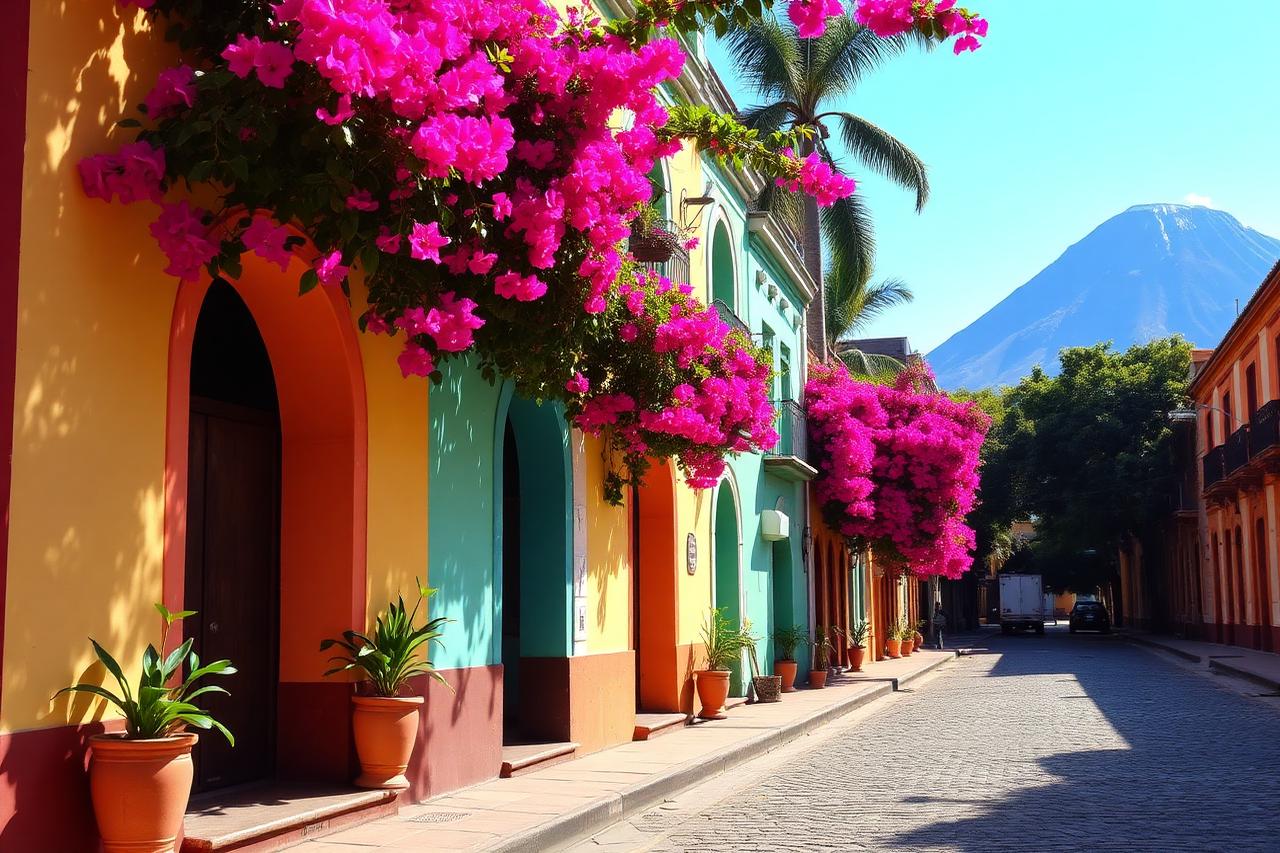
Nicaragua's postcard-perfect colonial city of painted churches, horse-drawn carriages and Lake Nicaragua islands.
- Best time to visit: November to April
- Daily budget (budget traveller): $35 to $60 USD
- Ideal trip length: 2 to 3 days
Granada is Nicaragua's most photogenic city, a low-rise colonial gem of pastel facades, towering churches and cobblestone streets that end at the vast shore of Lake Nicaragua. Founded in 1524, it is one of the oldest cities in the Americas and still moves at a pace set by horse-drawn carriages, afternoon siestas and lake breezes. As Nicaragua's tourism rebounds, Granada is becoming the calm, cultured counterpoint to adventurous León, with easy boat trips to the islets, volcano views and a waterfront that comes alive at sunset. Joy Plus pairs the city's architecture and history with lake excursions and the nearby Mombacho cloud forest.
Granada is the Nicaragua you picture before you land: a flat grid of mustard, coral and teal facades, a yellow cathedral that glows at 5pm, and a mile of Calzada that runs from the main plaza straight to the edge of Lake Nicaragua, which the locals call Cocibolca. Founded in 1524, it is one of the oldest European-founded cities in the Americas, and it still runs on rocking chairs, siestas and horse hooves on cobbles. Everything that matters in the centre is walkable in 15 minutes, which makes it the easiest first stop in the country.
The trick is knowing the day has two halves. Mornings from 7am to 11am are cool, bright and made for climbing the bell tower of Iglesia La Merced or boating out to Las Isletas, the 365 volcanic islets that Mombacho threw into the lake. From noon to 3pm the city goes quiet and the heat is real, so you eat a C$150 almuerzo, sleep or swim. Then it all reopens: plaza benches fill, fritangas fire up around Parque Central, and Calzada turns into a long terrace of string lights, Toña beer and Flor de Caña rum.
Granada also works as a base rather than a destination. In 30 minutes you can be in the cloud forest on Mombacho, swimming in the Laguna de Apoyo crater lake, or looking into the glowing vent at Masaya Volcano. Prices are low, dollars work almost everywhere, and the English you hear on Calzada is mostly from other travellers, so brush up some Spanish. Come for three days, stay for five, and use the extra time on the volcanoes rather than a second church.
How many days in Granada?
For Granada, we recommend 2 to 3 days.
| Trip length | What you'll see | Itinerary |
|---|---|---|
| 2 days · Recommended | Calzada at golden hour; Colonial Granada, towers and museums | Granada in 2 days |
| 3 days · Recommended | Adds: Las Isletas and lake sunset | Granada in 3 days |
| 4 days | Adds: Mombacho cloud forest | Granada in 4 days |
| 5 days | Adds: Laguna de Apoyo swim day | Granada in 5 days |
| 7 days | Adds: Masaya Volcano and the old market; Chocolate, Xalteva | Granada in 7 days |
Granada itinerary
Arrive, settle, Calzada at golden hour
Morning: Land at Managua's Augusto C. Sandino airport (MGA). Pre-book a shuttle (about US$30-40 per person) or take a taxi (US$50-70), 60-75 minutes to Granada. Drop bags, drink a coffee at Café de las Sonrisas on the plaza.
Afternoon: Siesta through the worst heat. Walk the plaza loop and step inside the yellow cathedral. Get your bearings along Calzada, a flat 800m to the lake.
Evening: Dinner on Calzada, try the fish at a lakeside table or pizza at Pita Pita. One cold Toña, then bed. You are travelling tomorrow morning in the cool.
Colonial Granada, towers and museums
Morning: Be at Iglesia La Merced for the bell tower (about C$60) before the heat, the best 360 view of terracotta roofs, the cathedral dome and Mombacho. Gallo pinto breakfast at Kathy's Waffle House.
Afternoon: Convento San Francisco museum (about C$150) for the pre-Columbian basalt statues from Zapatera island. Almuerzo at the Mercado Municipal, then a siesta or a cold coffee.
Evening: Join the plaza life at dusk: fritanga vigorón and quesillo from the stalls, then a horse carriage ride (US$15-25 for the carriage) or a Calzada cocktail.
Las Isletas and lake sunset
Morning: Taxi or hostel shuttle to Puerto Asese, about 10 minutes south. Hire a boat for an hour or two (C$800-1,200 per boat), spot egrets, howler monkeys on Isla de los Monos and the old Fuerte San Pablo.
Afternoon: Swim or kayak from an islet lodge day pass, then lunch of fried guapote back at the lakefront.
Evening: Walk the malecon at sunset as Mombacho turns purple. Street corn (elote asado) and a beer with local families.
Mombacho cloud forest
Morning: Taxi or tour to the Mombacho reserve base, about 20-30 minutes. Take the 4x4 truck up through coffee farms to the crater trails. The Crater trail is about 1.5 hours, the Puma trail is longer and steeper.
Afternoon: Optional canopy zip-line (about US$45), or a coffee tour on the lower slopes. Lunch on the way down.
Evening: Hot shower, early dinner at The Garden Café or Tercer Ojo. Feet up.
Laguna de Apoyo swim day
Morning: Taxi to Laguna de Apoyo, about 30 minutes (agree US$15-20 each way, or take a chicken bus to the Catarina turn and a cab). Day passes at lakeside lodges are about US$5-10 and often credited to food.
Afternoon: Swim in the warm crater lake, kayak, lie in a hammock. The water is mineral-rich and calm.
Evening: Back to Granada, light dinner. Pack a small daypack for tomorrow.
Masaya Volcano and the old market
Morning: Chicken bus (C$30-40) from the Granada terminal to Masaya, then browse the old artisan market for hammocks, leather and woven bags.
Afternoon: Visit Masaya Volcano National Park (entry about US$4-6), peering into the Santiago crater, and the Catarina lookout over Apoyo on the return.
Evening: If it is Thursday, Masaya's Jueves de Verbena street party is worth the late ride back. Otherwise dinner in Granada.
Chocolate, Xalteva, depart
Morning: ChocoMuseo workshop (roughly US$25-30) or the pre-Columbian ceramics at Mi Museo. Last gallo pinto breakfast.
Afternoon: Wander Xalteva and the old church, buy a last bottle of Flor de Caña at a supermarket (cheaper than bars). Collect bags.
Evening: Shuttle or taxi to MGA, leave 4 hours before an evening flight to allow for Managua traffic.
Best neighbourhoods
- Calzada Street: The main pedestrian strip from the cathedral to the lake, lined with restaurants, bars and restored colonial buildings.
- Cathedral Plaza: The social and architectural heart of Granada, with the bright yellow cathedral, plaza gardens and horse carriages.
- Lakefront: The malecón and parks along Lake Nicaragua, popular for sunset walks, local food stalls and boat departures to the islets.
- Xalteva: The quieter, more residential west side with the old Xalteva church and a local market.
Must-do experiences
- Boat trip to Las Isletas: Cruise through the 365 tiny volcanic islands on Lake Nicaragua, spotting birds, monkeys and lakeside homes.
- Climb the cathedral tower: Get rooftop views over Granada's colourful grid, the lake and Mombacho volcano from the yellow cathedral.
- Sunset at the lakefront: Walk the malecón as the sun drops behind Mombacho, with street food, local families and a warm breeze.
- Mombacho cloud forest hike: Drive up the volcano for misty trails, orchids, howler monkeys and a zip-line canopy tour.
- Wander the colourful colonial streets: Granada is one of the Americas' oldest colonial cities, pastel facades, horse carriages, the yellow cathedral and a lively central plaza. Climb the Iglesia La Merced bell tower for the rooftop view.
Hidden gems
- The small chocolate museum and workshop on a side street off Calzada.
- Kayaking through the islets at dawn before the tour boats arrive.
- The old cemetery with elaborate marble tombs and tropical overgrowth.
- Local baseball games at the stadium, Nicaragua's true national sport.
Daily budget
- Accommodation: budget US$8-15 / night (C$300-550 dorm), mid-range US$50-100 (boutique double, courtyard, AC), splurge US$350+ (Jicaro Island Ecolodge on Las Isletas). Pay extra for AC from March to May, you will sleep better. Book ahead for December and Semana Santa.
- Food: budget US$8-14 / day (fritangas, market almuerzo, gallo pinto), mid-range US$25-40 (café breakfast, one Calzada dinner), splurge US$60+ (steak at El Zaguán, wine, dessert). The almuerzo corriente (rice, beans, meat, salad, fresco) runs C$120-180 at the Mercado Municipal. Many restaurants add 10% service, check the bill before tipping.
- Transport: budget US$2-5 / day (walking, chicken bus to Masaya C$30-40), mid-range US$10-20 (city taxis plus a cab to Apoyo or Mombacho), splurge US$60+ (private driver and horse carriage tour). City taxis charge roughly C$40-60 per person, no meters, so agree the price before you sit. The centre is walkable, skip taxis by day.
- Activities: budget US$5-15 / day (La Merced tower, cathedral, free plaza and lake walks), mid-range US$40-70 (Isletas boat, Mombacho reserve, Convento San Francisco museum), splurge US$150+ (Mombacho canopy, private Isletas boat, chocolate workshop). Public boats from Puerto Asese cost C$800-1,200 per boat for an hour, so split with 5 others. Mombacho reserve entry with the truck ride is about US$25-30, canopy about US$45.
- Drinks & nightlife: budget US$3-8 (Toña or Victoria beer C$50-70 at a pulpería or kiosk), mid-range US$15-30 (Calzada cocktails US$4-6, Flor de Caña 7 year), splurge US$50+ (hotel terrace, Flor de Caña 18 or 25 year). Granada is sleepy. Calzada peaks 8pm to midnight Thursday to Saturday, and Sundays are very quiet.
Where to stay
- Social hostel in Near Calzada / Calle Atravesada (US$8-18 / night (C$300-650)): Hostel Oasis or Socialtel Granada, pools, shared kitchens, group tours to Mombacho and Isletas, and a five-minute walk to the plaza.
- Boutique hotel in Cathedral Plaza / Calle Atravesada (US$60-130 / night): Hotel con Corazón or Hotel Plaza Colon, restored colonial courtyards, plunge pools, AC and breakfast. Hotel con Corazón funds local community projects.
- Apartment in Xalteva (US$35-70 / night): A colonial house rental with a patio and a kitchen near the market. You get local life, quiet nights and the best value for stays of 5 nights or more.
- Splurge in Las Isletas (US$350-650 / night): Jicaro Island Ecolodge, private casitas on a tiny islet, 15 minutes by boat from Puerto Asese, with pool, kayaks and dinner by candlelight.
What to eat
- Gallo pinto, the national rice-and-beans breakfast, served everywhere
- Vigorón, yuca with crackling and slaw, best from lakefront stalls
- Fresh lake fish, guapote, fried or in garlic sauce
- Elote asado, grilled corn slathered in mayo, cheese and chilli
Day trips
- Mombacho Volcano Natural Reserve (10km, 20-30 min by taxi): A cloud forest on a dormant volcano, with misty crater trails, orchids, howler monkeys and coffee farms on the lower slopes. Zip-line canopy tours and coffee tours are optional extras. Taxi or tour from Granada (US$10-20 each way, or tours from US$30). Reserve entry with the 4x4 truck is about US$25-30. Go early, clouds roll in by noon.
- Laguna de Apoyo (15km, about 30 min by car): A warm, clear crater lake ringed by forest. Swim, kayak, lie in hammocks, and eat at the lodges along the shore. The best afternoon escape in the area. Taxi (about US$15-20 each way) or chicken bus to the Catarina junction, then a short cab. Day passes at lodges are US$5-10.
- Masaya Volcano and market (20km, 30-40 min by bus): Peer into the Santiago crater at Masaya Volcano National Park, then shop for hammocks, leather and ceramics in the old artisan market. Thursday nights have the Jueves de Verbena street fair. Chicken bus from the Granada terminal to Masaya (C$30-40), then a taxi to the volcano park (about US$8-12). Park entry about US$4-6.
When to visit
- Cool dry season (December - February): 24-32°C, sunny, breezy evenings, almost no rain. Crowds: Highest of the year, especially around Christmas and La Purísima (7-8 Dec). The sweet spot for boats, hikes and long terrace dinners. Book dorms and boutique rooms early, and catch the Gritería on 7 December if you can.
- Hot dry season (March - April): 28-36°C, dusty, hardly a cloud, brutal at midday. Crowds: Semana Santa (21 to 28 March in 2027) fills the city with Nicaraguan families. Great light, tough heat. Do everything before 11am, swim at Apoyo in the afternoon, and avoid Holy Week unless you want processions and full hotels.
- Early green season (May - July): 27-32°C, humid, short heavy storms most afternoons. Crowds: Low, easy to find rooms and tables. Lush, green and cheap. Plan mornings outside, expect a 3pm downpour, and note the mid-July 'canícula' brings a drier, sunnier spell.
- Late green season (August - November): 26-30°C, wettest in September and October, hurricane-season remnants in Oct-Nov. Crowds: Very low until late November. Cheapest rooms and the emptiest Isletas, but roads to volcano reserves can turn muddy and some tours cancel. Good for budget travellers who accept rain.
Entry rules for your passport
Visa rules for Nicaragua depend on the passport you travel on. Check the official source before you book: Nicaragua Ministry of the Interior
Getting there
Most travellers fly into Managua's Augusto C. Sandino airport (MGA), about 45km and 60-75 minutes from Granada, longer in traffic. The easiest option is a pre-booked shuttle (US$30-40 per person shared, US$50-70 private). To save money, take a taxi to the UCA stop in Managua (about US$10-15) and catch an express microbus to Granada (about C$60-90, 1h to 1h30). Buses also leave Mercado Mayoreo, cheaper but slower. From Leon, shuttles take 2.5 to 3 hours (US$20-25), and from San Juan del Sur about 2 hours (US$20-25). From Costa Rica, you can cross at Peñas Blancas then take a bus or shuttle via Rivas, allow a full day. Carry some US cash for any entry fees and fix a price with any taxi before you load bags.
Getting around
Granada's centre is flat, compact and best explored on foot. Horse-drawn carriages are a tourist fixture but also a practical way to see the city. Taxis are cheap and easy to flag. Boats to the islets leave from the main lakefront dock. Buses and shuttles connect Granada to Managua, León and Rivas. For Mombacho, tours or a taxi from town are the easiest options.
Safety
Granada is relaxed and generally safe for visitors with normal precautions: watch bags in the central plaza, use taxis at night and avoid unlit side streets. The heat is intense, so drink plenty of water and pace yourself. Lake swimming is fine near town but avoid areas with boat traffic. Check current travel advice before visiting Nicaragua.
Solo travel tips
- Eat where the smoke is: At dusk, the fritangas around Parque Central serve grilled meat, gallo pinto, fried plantain and cold fresco for C$100-180. Sit at the plastic tables, ask what is freshest, and you will meet locals and travellers without trying.
- Hostel pick: Oasis or Socialtel: Both are in the walkable core, with pools, communal tables and easy group trips to Mombacho and Isletas. Dorms are US$8-15, and the social scene runs but does not force you.
- Taxi rules: Nobody uses meters. Agree the price before getting in (around C$40-60 per person within town) and ask your hostel to call a driver they know after dark. Do not walk the lakefront or unlit side streets alone late.
- Solo female travellers: Granada is one of the easier places in Central America for women alone, but expect some hissing and catcalls. Stick to Calzada and the plaza at night, keep drinks in sight, and ask your hostel to book a taxi rather than hailing one.
- Split the big trips: Boats at Puerto Asese are priced per boat, and Mombacho and Apoyo taxis per car. Post at the hostel board by 8pm to share costs with 3 to 5 others and cut your price by two thirds.
- Respect the heat and the politics: Go out before 11am and after 4pm, carry water, and use shade. Avoid discussing national politics, do not photograph police or military, and check your government's current advice for Nicaragua before you fly.
Cultural etiquette
- Greet people. A buenos días or buenas tardes when you enter a shop, comedor or taxi goes a long way, and English is limited outside Calzada.
- Dress modestly in churches, with covered shoulders and no hats inside. Plaza life is casual, but beachwear is for the lake only.
- Avoid politics. Nicaraguans are warm but cautious about national affairs, and photographing police, soldiers or government buildings can cause trouble.
- Ask before photographing people, especially vendors, children and carriage drivers. A small purchase makes it easier.
- Tipping is 10% where service is not included, and C$20-50 for small favours. Tour guides expect US$5-10 per person for a full-day trip.
- On 7 December (La Purísima), households give out sweets and small gifts in the Gritería. Accept with a smile, and join the call and response if invited.
- Mealtimes are earlier than Spain. Almuerzo is 12 to 2pm, dinner 6 to 9pm, and many local places close by 9pm.
Frequently asked questions
How many days do you need in Granada, Nicaragua?
Two to three days is ideal: one day for the colonial centre, cathedral and Calzada, another for a boat trip to Las Isletas and a Mombacho volcano or coffee tour, plus a lazy lakefront sunset.
Is Granada, Nicaragua safe for tourists?
Yes, Granada is generally safe and relaxed with standard precautions. Keep valuables discreet in crowds, use taxis after dark, and stick to busier streets at night. Check your government's current travel advice before visiting.
When is the best time to visit Granada, Nicaragua?
The dry season from November to April brings the most reliable sunshine, ideal for lake trips and volcano hikes. The green season (May to October) is lush and quiet but can bring heavy afternoon rain.
Do I need a visa to visit Nicaragua?
Citizens of the EU, UK, US, Canada and Australia can usually enter Nicaragua visa-free for up to 90 days, paying a small tourist card fee on arrival. Confirm the latest entry rules before travelling.
How do I get to Granada from Managua?
Buses run frequently from Managua's UCA station and take about an hour. Private shuttles and taxis are faster and more comfortable. Managua's international airport is about 45 minutes to an hour from Granada by taxi.
What are Las Isletas?
Las Isletas are 365 small islands formed by a volcanic eruption in Lake Nicaragua. Boat tours cruise past monkey-inhabited islands, bird sanctuaries and luxury homes, and some operators offer kayaking and fishing trips.
Is Granada expensive to visit?
No, it is excellent value at around $35 to $60 a day. Local meals, guesthouses and public buses are very cheap, and even tours and nicer restaurants are affordable compared to most of Central America.
Is Granada Nicaragua worth visiting?
Yes, it's a beautifully preserved, photogenic colonial city on a vast lake, relaxed, affordable and a great base for volcanoes, islands and the laguna de Apoyo crater lake.
Granada or León in Nicaragua?
Granada is prettier, more polished and lakeside; León is hotter, edgier and famous for volcano boarding. They're a few hours apart, and many travellers see both.
What are the best day trips from Granada?
The Laguna de Apoyo crater lake for swimming, the Masaya volcano (glowing lava at night) and craft markets, and the Mombacho cloud forest, all within an hour.
Tours and activities in Granada | Granada in 2 days | Granada in 3 days | Granada in 4 days | Granada in 5 days | Granada in 7 days
Joy Plus home | Destinations | Itineraries | Activities | Flights | Budget planner | Calendar | Map | Blog | Lifetime access