Destinations / North America
Isla Holbox, Mexico travel guide
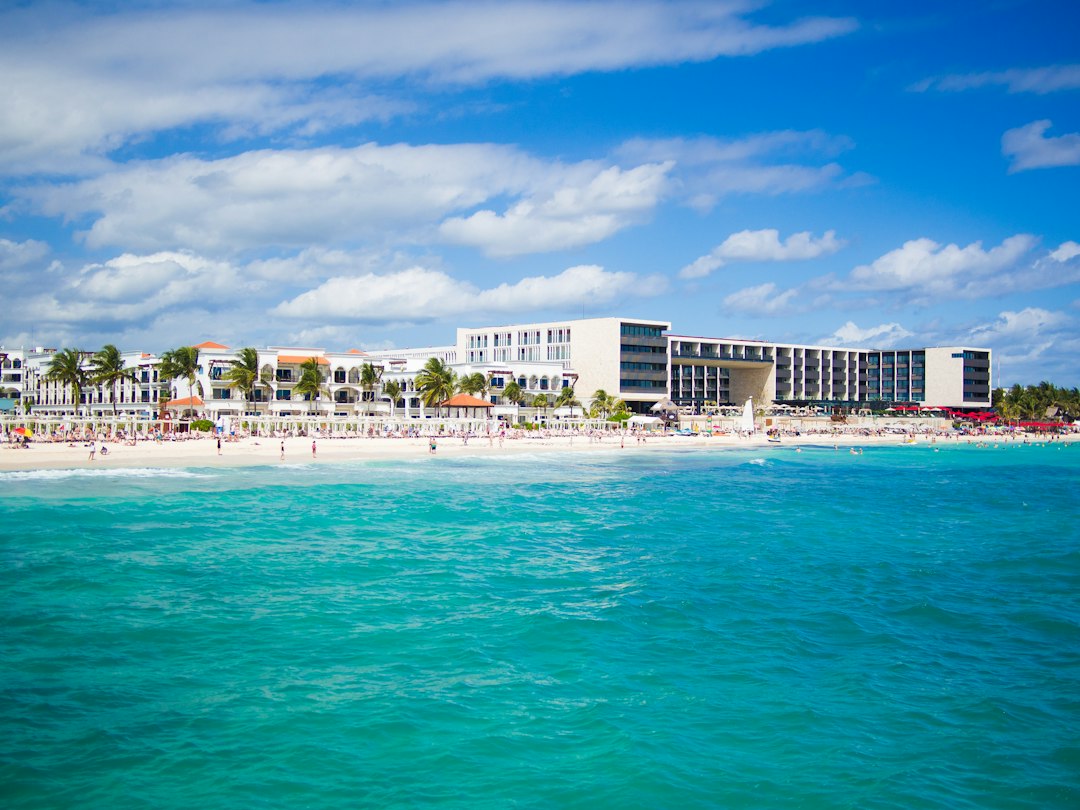
Car-free sandbar with whale sharks, bioluminescence and no hurry.
- Best time to visit: November-April (whale sharks June-September)
- Daily budget (budget traveller): $70 to $180 USD
- Ideal trip length: 3 to 4 days
Holbox is a 42km sandbar off the Yucatán's north coast where sand streets replace roads, golf carts replace taxis and the water is shallow, warm and flamingo-pink at sunset. From June to September the world's largest whale shark aggregation gathers offshore, and on dark summer nights the shore glows with bioluminescent plankton.
Holbox (say 'ol-BOSH') is a 42km sandbar where the Yucatán Peninsula runs out of road. Private cars are banned, the streets are sand, and the main traffic jam is two golf carts and a dog arguing outside the plaza. The Gulf side water is shallow, warm and cloudy-turquoise, so you can wade 200 metres out and still be waist deep. Sunset turns the flats pink and flamingos work the far end of the island. It is the opposite of the Riviera Maya strip: no mega-resorts, no club promoters, and shops that close when the owner gets bored.
The island runs on a natural calendar, so timing matters more than any itinerary. From mid-June to mid-September the world's largest known whale shark aggregation feeds offshore, and permitted boats take small groups out for five to six hours. On moonless nights from roughly May to September, the water at Punta Cocos sparks electric blue around your ankles. Winter brings the best weather but also northern winds and the biggest crowds, around Christmas and Semana Santa. October is the wettest month, and the sand streets turn into canals.
Cash is the practical catch. Everything arrives by ferry from Chiquilá, so prices run above mainland Yucatán, and the ATMs are few and often empty. Bring pesos from Cancún or Valladolid, pack serious repellent for dusk, and plan three or four nights so the 2 to 2.5 hour transfer and 25 minute ferry don't eat your trip. Spend the days on boats, the late afternoons on the sandbars and the nights eating lobster pizza with your feet in the sand.
How many days in Isla Holbox?
For Isla Holbox, we recommend 3 to 4 days. With more time, add a day trip to Valladolid or Río Lagartos & Las Coloradas.
| Trip length | What you'll see | Itinerary |
|---|---|---|
| 2 days | Ferry across, first sunset; Three Islands boat tour | Isla Holbox in 2 days |
| 3 days · Recommended | Adds: Whale sharks (June to September) or fishing & mangroves | Isla Holbox in 3 days |
| 4 days · Recommended | Adds: Punta Mosquito flamingo walk | Isla Holbox in 4 days |
| 5 days | Adds: Beach day and plankton night | Isla Holbox in 5 days |
| 7 days | Adds: Sunset paddle and slow day; Slow coffee | Isla Holbox in 7 days |
Isla Holbox itinerary
Arrive, ferry across, first sunset
Morning: Land at CUN and take the early ADO bus or a shared shuttle (MXN 800 to 1,100) to Chiquilá, about 2.5 to 3.5 hours. Take Holbox Express or Holbox Ferry across, 25 minutes.
Afternoon: Drop bags and rent a bike or cart. Lunch at Los Peleones, with grilled octopus tacos and a cold Modelo. Walk Playa Norte to wade in the shallows.
Evening: Cart or walk to Punta Cocos for sunset. Dinner at Pizzería Edelyn, where lobster pizza is the island classic. A drink at Viva Zapata.
Three Islands boat tour
Morning: Meet the boat at the pier at 9am. First stop is Isla Pájaros for pelicans, cormorants and herons.
Afternoon: Swim at Yalahau cenote, a freshwater spring on the mainland side. Finish on the Isla Pasión sandbar with a ceviche lunch, about MXN 900 to 1,200 for the half day.
Evening: Shower, then tacos at Taco Queto. Walk the mural streets at golden hour.
Whale sharks (June to September) or fishing & mangroves
Morning: In season, depart around 8am with a permitted operator, with two swimmers plus a guide in the water at a time. Out of season, book a mangrove kayak or a fly-fishing half day.
Afternoon: Back by 2pm. Lunch at the plaza taquerias, then a hammock nap on Playa Norte.
Evening: Dinner at Zomay, then a quiet beer on the beach. Early night.
Punta Mosquito flamingo walk
Morning: Check the tide tables and start at low tide, about 8am. Walk or bike east, roughly 40 minutes barefoot, to the flamingo sandbar. Bring water.
Afternoon: Back in town for Painapol's pineapple smoothie and a late lunch. Wander the mural trail on the sand streets.
Evening: Dinner at Roots and live music at Viva Zapata.
Beach day and plankton night
Morning: Rent a cart (MXN 900 to 1,400 for 24h) and drive west along the beach. Swim at the quiet stretches past the hotels.
Afternoon: Late lunch at the beach club of your choice. Rinse off, then rest before dusk.
Evening: Go to Punta Cocos on a moonless night with a red-light torch. Wade in and watch the water spark blue. Check the moon phase first.
Sunset paddle and slow day
Morning: Sleep late and breakfast at the plaza. Optional: take a ferry to Chiquilá and a colectivo to Valladolid for a day on the mainland.
Afternoon: Book a 4pm kayak or SUP through the mangroves. The flats are shallow and calm.
Evening: Final seafood dinner. Try the aguachile at a plaza taqueria, then drinks on the sand.
Slow coffee and depart
Morning: Early ferry from Holbox, around 7am. Take ADO or a shuttle back to Cancún.
Afternoon: Fly home from CUN. Allow at least 5 hours between your ferry and your flight.
Evening: Home, sandy and happy.
Best neighbourhoods
- Downtown & the Plaza: Sand streets of murals, taco stands and bars around the central square.
- Main Beach (Playa Norte): The wide north-facing shore with beach clubs and hammocks in the water.
- Punta Cocos: The quiet western tip, best for sunsets and the bioluminescence walk.
- Punta Mosquito: Eastern sandbar with flamingos, reachable on foot at low tide.
- Chiquilá: Mainland ferry port where you park the car and cross in 25 minutes.
Must-do experiences
- Whale shark tour: Snorkel alongside 10m filter feeders from June to September on a permitted boat.
- Bioluminescence at Punta Cocos: Walk into dark shallow water on a moonless night and watch it spark blue.
- Three Islands boat tour: Isla Pájaros birdlife, Yalahau cenote spring and Isla Pasión sandbar in half a day.
- Sunset paddle or kayak: Glide through mangroves and shallow flats as the sky turns pink.
Hidden gems
- Punta Mosquito's flamingo sandbar at low tide, a 40-minute barefoot walk east
- The street art trail through downtown, with murals on nearly every corner
- Yalahau cenote on the mainland side, a freshwater spring locals swim in
- Lobster pizza from Roots, eaten with your feet in the sand
Daily budget
- Accommodation: budget MXN 350-650 / night (hostel dorm), mid-range MXN 2,500-4,500 (casita or boutique double), splurge MXN 9,000+ (beachfront Casa Las Tortugas or Las Nubes). Prices jump 30 to 50% from Christmas to Easter. Hotels a block from Playa Norte cost far less than beachfront ones.
- Food: budget MXN 350-550 / day (tacos, fonda lunches, smoothies), mid-range MXN 900-1,400 (lobster pizza at Edelyn or Roots, a seafood dinner), splurge MXN 2,000+ (Zomay tasting-style dinner, whole grilled lobster). Tacos at Taco Queto and Los Peleones run MXN 35 to 60 each. The lobster ban runs roughly March to June, so ask if it's frozen.
- Transport: budget MXN 150-250 / day (bike rental, plus the ferry amortised), mid-range MXN 900-1,400 (golf cart for 24h, split between two), splurge MXN 3,500-4,800 (private van, Cancún airport to Chiquilá). The ferry is $12 to $18 each way. Cart taxis cost MXN 60 to 120 a ride, and downtown is walkable in 15 minutes.
- Activities: budget MXN 0-300 / day (free beach, Punta Mosquito walk, DIY plankton night), mid-range MXN 900-1,200 (Three Islands tour) or MXN 600-900 (sunset kayak), splurge MXN 2,500-3,500 (whale shark tour) or MXN 10,000+ (private boat). Whale shark prices include lunch and the park fee. Joining a shared boat is always cheaper than a private one.
- Drinks & nightlife: budget MXN 150 (shop beers on the plaza, MXN 30 to 45 each), mid-range MXN 400-700 (beach club and a plaza bar night), splurge MXN 1,200+ (cocktails at the best beachfront hotel bars). Cocktails cost MXN 150 to 250. Nightlife is low-key: live music, hammock bars, and most places close around 1am.
Where to stay
- Social hostel in Downtown near the plaza (MXN 350-650 / night): Hostal Tribu or Ida y Vuelta, walking distance to taquerias, tours and the beach. Easy to meet other travellers and share carts.
- Boutique hotel in Playa Norte (one block back) (MXN 3,500-6,500 / night): Casa Sandra, palm-shaded, quiet and a short walk to the sand without beachfront prices, or Hotel Mawimbi, right on the beach a few blocks from the centre.
- Apartment in Downtown backstreets (MXN 1,200-2,200 / night): A casita or studio with a kitchenette and hammock, good value for four nights or more. Check mosquito screens and the A/C before booking.
- Splurge in Playa Norte beachfront / east beach (MXN 9,000-16,000 / night): Casa Las Tortugas or Las Nubes, beachfront bungalows, spa and on-site restaurants. Barefoot luxury at the edge of the flats.
What to eat
- Lobster pizza at Roots, Holbox's most famous plate
- Fresh ceviche and aguachile from the plaza taquerias
- Painapol's fruit smoothies in a hollowed pineapple
- Grilled octopus tacos at Los Peleones after a beach day
Day trips
- Three Islands (Pájaros, Yalahau, Pasión) (Half-day boat tour): Birdlife on Isla Pájaros, a swim at the Yalahau freshwater spring and a ceviche lunch on the Isla Pasión sandbar. Easy, scenic and the best intro to the area. Book at your hotel or any pier-side agency, about MXN 900 to 1,200 per person with lunch. Boats leave from the town pier around 9am.
- Valladolid (About 2 to 2.5 hours from Chiquilá by road): Colonial town with a pretty plaza, Cenote Zací in the centre and the nearby cenotes of Suytun and X'Kekén. A good break from the beach. Ferry to Chiquilá, then colectivo or ADO to Valladolid, about MXN 250 to 350 each way. Better as an overnight stop on your way out.
- Río Lagartos & Las Coloradas (About 2.5 to 3 hours by road): Pink salt lagoons, flamingos and mangrove boat rides. A long day, but a spectacular one. Best by rental car from Chiquilá or by a private driver or tour from the mainland. Colectivo options exist via Tizimín, but allow a full day.
When to visit
- Winter (Mid November - March): 24-29°C days, 18-22°C nights, dry, occasional 'norte' winds that cool things down. Crowds: Heavy at Christmas, New Year and Semana Santa, steady otherwise. The best beach weather and the driest streets. Book hotels early for late December, and pack a light jacket for windy evenings.
- Spring (April - May): 28-33°C, hot, humid, very little rain. Crowds: Moderate, with a spike around Easter. Hot and quiet. Some sargassum can arrive and the lobster season is closed, but plankton nights begin and rooms are cheaper.
- Summer (June - September): 30-34°C, humid, afternoon downpours, hurricane season begins. Crowds: High in July and August, mostly tour-driven. Whale shark season and the best bioluminescence. Expect rain, sandflies and flooded streets, and book tours early.
- Autumn (October - mid November): 27-31°C, the wettest and stormiest weeks of the year. Crowds: Very low, and some restaurants close. Cheapest rooms and empty beaches, but a real storm risk. Only go with flexible bookings and a rain plan.
Entry rules for your passport
Visa rules for Mexico depend on the passport you travel on. Check the official source before you book: Mexico National Migration Institute
Getting there
Fly into Cancún (CUN), then head north to Chiquilá, about 2 to 2.5 hours by road and 150km from the airport. Options: a shared shuttle (MXN 800 to 1,100 per person, pre-book), a private van (MXN 3,500 to 4,800 for the vehicle), or the ADO bus from Cancún's downtown terminal (about MXN 250 to 350, 3.5 hours, a few departures a day, check the app). Valladolid and Mérida also connect to Chiquilá by bus. At Chiquilá, Holbox Express and Holbox Ferry run about every half hour from 6am to 9:30pm, for $12 to $18 each way, 25 minutes. Drivers can park in a guarded lot for about MXN 150 to 200 a day. Allow at least 5 hours between your ferry and your flight home. Small air charters also run from Cancún for those who want to skip the road.
Getting around
Nothing here needs a car; in fact private cars are banned. Golf carts ($30 to $50 a day), bikes and your feet cover the island, and cart taxis charge a few dollars per ride. Reach Holbox by driving or bussing to Chiquilá (about 2 hours from Cancún airport) and taking the ferry, which runs about every half hour from 6am to 9:30pm for $12 to $18 each way.
Safety
Holbox is very safe with almost no crime, but nature demands respect. Mosquitoes and sandflies are fierce at dusk, so bring strong repellent. Sargassum seaweed can hit from April to August. Only book whale shark tours with permitted operators, who limit two swimmers plus a guide in the water at a time. ATMs are unreliable, so bring cash from the mainland.
Solo travel tips
- Join a shared boat: Boat tours are priced per person on shared launches, so solos split costs and meet people. Ask your hostel to book the Three Islands or whale shark boat, you'll be chatting with the group by the first stop.
- Hostel pick: Hostal Tribu or Ida y Vuelta: Both are social without forcing parties. Common areas, hammocks and easy tour bookings mean a friend by the second night.
- Split a golf cart: A cart costs MXN 900 to 1,400 per day and fits four. Ask in the hostel kitchen or on the beach and split it, you'll reach Punta Cocos and Punta Mosquito easily.
- Dusk is bug hour: Mosquitoes and sandflies swarm after sunset, especially after rain. Apply repellent with DEET before the sun drops, cover your ankles and carry a spare bottle.
- Solo female travellers: Holbox is one of the safest places in Mexico, with very little crime. Still, keep standard habits: watch your drink, stay on lit streets late and let your accommodation know if you're heading to Punta Cocos at night.
- Cash first, always: ATMs are few and often empty, and some places add a 5 to 6% card surcharge. Bring MXN 3,000 to 5,000 in small notes from the mainland, and keep a stash for tours and the ferry.
Cultural etiquette
- Never touch or chase whale sharks. Only two swimmers and a guide enter the water at a time, and no sunscreen or chemical lotions before swimming.
- Tip 10 to 15% at sit-down restaurants and MXN 200 to 300 per person for tour guides and boat crews. Round up at taco stands.
- Greet people with 'buenas' or 'buenos días' when entering a shop or restaurant. It matters more than you think.
- Respect the Yum Balam protected area. Don't feed or approach flamingos, take your trash with you and avoid single-use plastics.
- Keep cart speeds low, under 20km/h, and park to the right. Pedestrians and dogs have the right of way on sand streets.
- Beachwear is fine on the sand but cover up in town and restaurants. Locals are relaxed but modest.
- Don't haggle hard. Prices on a small island are tight, but asking politely about a discount for a group or multi-day rental is fine.
Frequently asked questions
How do you get to Isla Holbox from Cancún?
Drive, bus or shuttle to Chiquilá, about two hours north of Cancún airport, then take the passenger ferry across in 25 minutes. Ferries run about every half hour from 6am to 9:30pm and cost $12 to $18 each way. Leave your car in a guarded Chiquilá lot for about $10 a day, since cars can't come over.
When is whale shark season in Holbox?
Mid-June to mid-September, peaking in July and August, when hundreds of whale sharks feed offshore in the world's largest known aggregation. Tours run about $130 to $200, last five to six hours and require a permitted operator. Note that this overlaps with the rainy and sargassum season.
Is Isla Holbox worth visiting?
If you want a car-free, barefoot island with shallow turquoise water, whale sharks and no resort strip, absolutely. If you want manicured beaches, big hotels and nightlife, Tulum or Playa del Carmen suit better. Holbox's sand streets flood after rain and that's part of the deal.
How many days should you spend in Holbox?
Three nights is right: one for the beach and sunset at Punta Cocos, one for a boat tour or whale sharks, and one to walk to Punta Mosquito or simply do nothing. Two nights works but the ferry and transfer eat half of each travel day.
Does Holbox have sargassum?
Far less than the Caribbean coast, because Holbox faces the Gulf of Mexico. Some seaweed arrives between April and August, but the beaches around Punta Cocos and the western shore usually stay clear when Tulum and Playa are buried.
Can you see bioluminescence in Holbox?
Yes, most reliably from May to September on moonless nights, with Punta Cocos and the beaches west of town the best spots. Walk in the shallow water and it sparks blue around your feet. Book a night tour or simply go yourself with a red-light torch and check the moon phase first.
Is Holbox expensive?
It's cheaper than Tulum but pricier than mainland Yucatán towns, since everything arrives by ferry. Budget $70 to $100 a day for hostels and street food, $150 to $250 for a boutique beachfront hotel with restaurant meals. Whale shark tours add $130 to $200 per person. Bring cash, as card acceptance and ATMs are patchy.
Is there a tourist tax in Cancún and the Riviera Maya?
Yes. Every foreign visitor to the state of Quintana Roo, which includes Cancún, Playa del Carmen, Tulum, Cozumel and Isla Mujeres, must pay Visitax, about 290 pesos (roughly US$16, adjusted each year). Pay online on the official site, visitax.gob.mx, and keep the QR code: staff at Cancún airport may ask for it when you leave. Use only the official site.
More about Isla Holbox
- The 7-Day Mexico City Itinerary for 2026, with Real Prices
- Mexico City vs Medellín for Digital Nomads: Which Base Suits You in 2026?
Tours and activities in Isla Holbox | Isla Holbox in 2 days | Isla Holbox in 3 days | Isla Holbox in 4 days | Isla Holbox in 5 days | Isla Holbox in 7 days
Can't decide? Compare Isla Holbox with...
Joy Plus home | Destinations | Itineraries | Activities | Flights | Budget planner | Calendar | Map | Blog | Lifetime access