The 7-Day Mexico City Itinerary for 2026, with Real Prices
Apr 28, 2026, 14 min read. Last updated Nov 9, 2026

A day-by-day week in Mexico City with Teotihuacán and Xochimilco, official 2026 ticket prices, Monday closures, airport options and what the official safety advice says.
Mexico City rewards a full week. The museums are some of the best in the Americas, the street food costs little, and a day trip takes you to pyramids far older than the Aztecs. It is also huge, sits at 2,240 metres and closes most of its big museums on Mondays. This plan is built around those facts.
Every museum and site ticket price below was checked on official sites in early November 2026; transport fares and the boat rate come from recent Mexican press reports. The plan assumes you stay in Roma, Condesa or the Centro Histórico and get around by Metro, Metrobús and the odd taxi. For the wider picture, see our Mexico City destination page, or try Mexico City in 3 days if you are short on time.
Before you start: the Monday rule
Most of the city's big museums close on Mondays. Arrange the week so your Monday is the Teotihuacán day, because the pyramids open every day. Arrive on a Saturday and the plan below lines up, with Day 3 on the Monday.
- Closed on Mondays: the Anthropology Museum, Templo Mayor, Chapultepec Castle and the Frida Kahlo Museum (Casa Azul). The first section of Chapultepec park also shuts on Mondays.
- Open daily: Teotihuacán, from 8:00 to 17:00 with last entry at 16:30, according to INAH, which runs the site.
- Book ahead: the Casa Azul sells no tickets at the door, so buy yours on the museum's own website before you fly.
- Sundays: INAH sites are free on Sundays for Mexicans, not for foreign tourists, who pay the full price every day.
Arriving: from the airport to your bed
Mexico City's main airport (AICM) has two terminals. You have three realistic ways into town.
- Authorised taxi: buy a ticket at the official booths inside either terminal before you walk out. The airport lists its authorised taxi companies; you pay a set price at the booth, and prices differ between companies, so compare a few.
- Metrobús Line 4: the airport service runs from both terminals through the Centro Histórico towards Paseo de la Reforma. It costs 30 pesos, paid on board with the city transport card or a contactless bank card.
- App rides: the airport says app drivers are not authorised to pick up inside its federal zone, so you may have to walk to a pick-up point outside the terminal.
- Before you leave: check the meeting point in the app while you are still inside, and take an authorised taxi if you land after dark.
- Cash: Canada's advice is to avoid withdrawing or changing money in the airport's public areas. Use an ATM inside a bank later instead.
Day 1: Roma and Condesa on foot
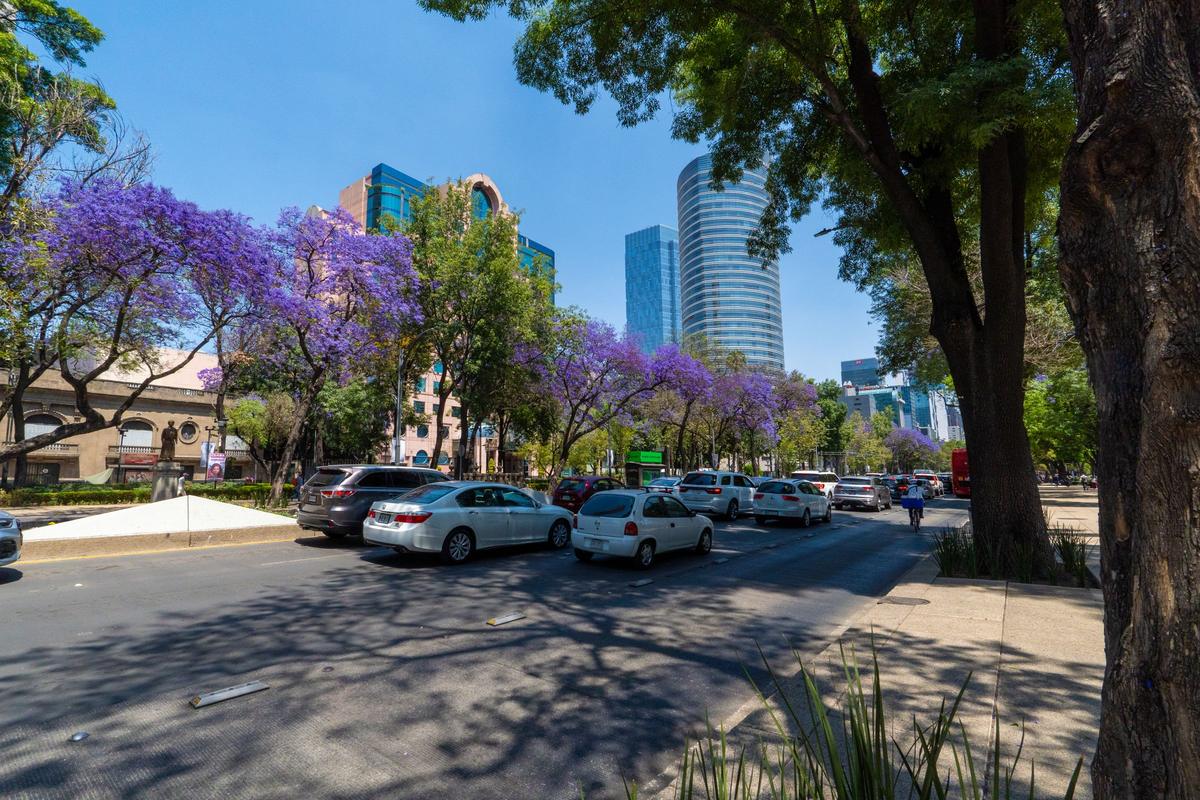
Keep day one gentle. The air is thinner at this altitude, and a slow walk between two leafy neighbourhoods is the best way to adjust.
- Morning: land, drop your bags and buy a transport card at the nearest Metro or Metrobús station. Then a slow breakfast close to where you are staying.
- Afternoon: walk from Parque México to Parque España in Condesa, then east across Avenida Insurgentes into Roma Norte. Book ahead for a long seafood lunch at Contramar on Calle Durango.
- Evening: an early dinner near your bed. Save the mezcal for later in the week while your body adjusts.
- Tip: jet lag plus altitude is a lot for one day. Our jet lag guide has a simple first-day routine.
- Cost: walking is free and the transport card is 15 pesos.
Day 2: Centro Histórico
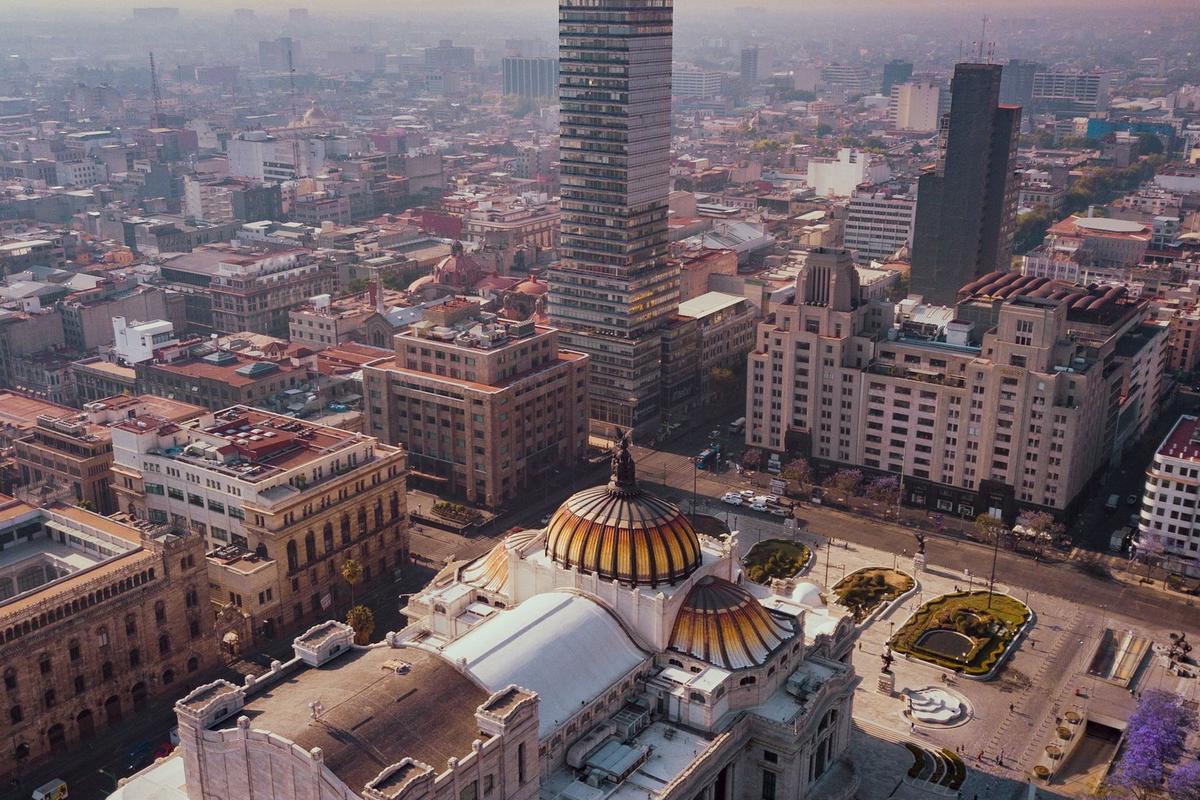
The old centre packs Aztec ruins, the cathedral and famous murals into a few blocks. Start early, before the crowds build.
- Morning: the Zócalo and the Catedral Metropolitana, then the Templo Mayor ruins and museum next door. Open Tuesday to Sunday, 9:00 to 17:00; 210 pesos for foreign visitors.
- Afternoon: walk the pedestrian Calle Madero to the Palacio de Bellas Artes and the Alameda Central. The museum inside closes on Mondays.
- Snack: churros at El Moro on Eje Central, a churrería open since 1935.
- Evening: watch the light fade over the Alameda, then take a sitio taxi or app ride home rather than a long walk after dark.
- Cost: 210 pesos for Templo Mayor, plus the Bellas Artes ticket (check the current price at the desk).
Day 3: Teotihuacán day trip
The Pyramids of the Sun and the Moon stand north-east of the city, roughly an hour away by bus. Go early: the site opens at 8:00 and there is little shade.
- Morning: take Metro Line 5 to Autobuses del Norte, find the Autobuses Teotihuacán desk in the bus terminal and ask for the pyramids. Aim to arrive at opening time.
- Afternoon: walk the Avenue of the Dead and see the two site museums. Climbing the Pyramid of the Sun has not been allowed since 2020.
- What changed in 2026: on 20 April a gunman fired on visitors from the Pyramid of the Moon, killing a Canadian woman. The site reopened two days later with extra security.
- Moon pyramid: closed until further notice since the attack. We found no reopening notice by early November 2026, so ask at the gate.
- Tickets: 210 pesos for foreign visitors, 105 for Mexicans, including the site museums. Buy at the ticket office or on INAH's official ticket site.
- Evening: back in the city by late afternoon, then an early night after a day in the sun at altitude.
- Tip: bring a hat, sunscreen, water and small notes for the bus desk.
Day 4: Chapultepec and the Anthropology Museum
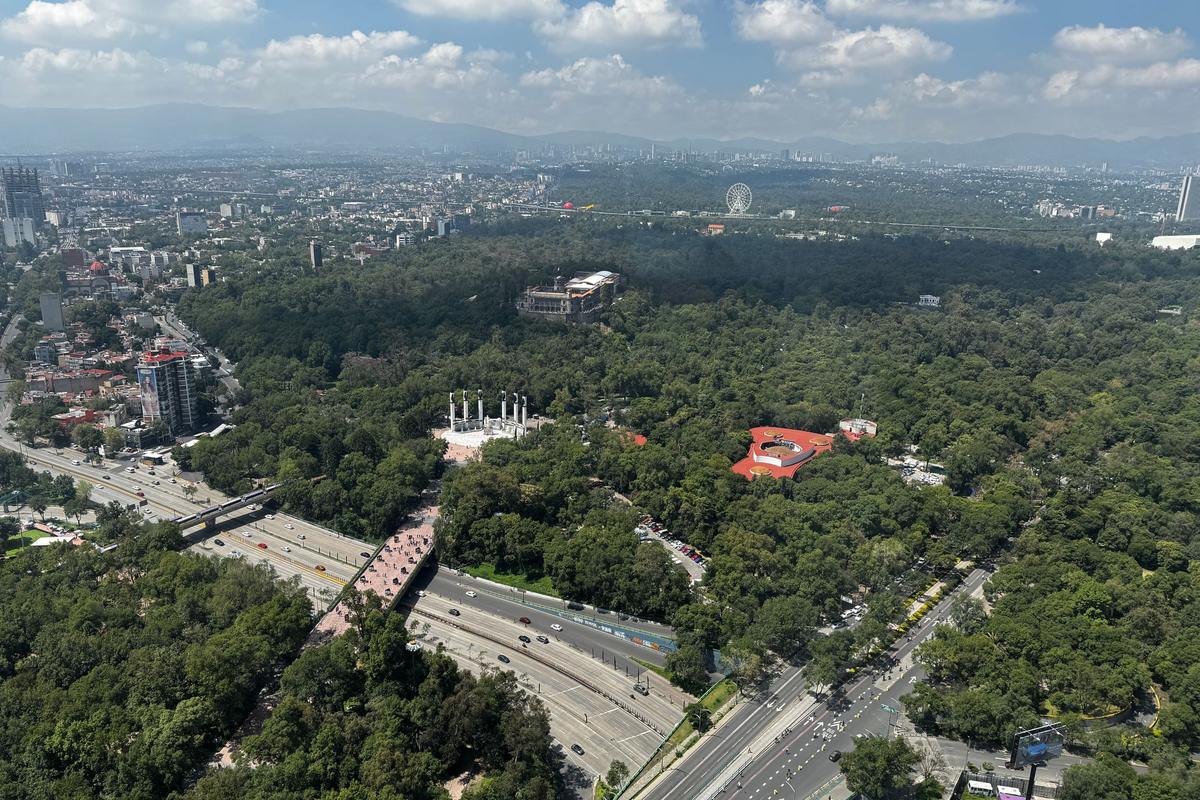
Chapultepec is the city's great park, with a hilltop castle and Mexico's best-known museum. Both are closed on Mondays.
- Morning: walk up to Chapultepec Castle, home of the National History Museum. Open Tuesday to Sunday, 9:00 to 17:00; 210 pesos for foreign visitors.
- Afternoon: give the Museo Nacional de Antropología at least three hours. It opens Tuesday to Sunday, 9:00 to 18:00, and also costs 210 pesos for foreign visitors.
- Tip: start with the Mexica hall, home of the Aztec Sun Stone, before museum fatigue sets in.
- Evening: dinner in Polanco, the smart district just north of the park, then a taxi home.
- Cost: 420 pesos for both tickets.
Day 5: Coyoacán and the Casa Azul
Coyoacán is the southern district where Frida Kahlo was born and lived. Her blue house is now a museum, and tickets are sold online only.
- Morning: your booked visit to the Museo Frida Kahlo. It opens 10:00 to 18:00 on Tuesdays and Fridays to Sundays, and 11:00 to 18:00 on Wednesdays.
- Afternoon: lunch at the Mercado de Coyoacán, then a slow loop of the Jardín Centenario and Plaza Hidalgo.
- Evening: on Thursdays the museum stays open until 21:00, so an evening slot works. Otherwise, head back to Roma for dinner.
- Getting there: a taxi or app ride from Roma or Condesa is the simplest option.
- Cost: general entry is 320 pesos, or 160 pesos for residents of Mexico with ID.
Day 6: Xochimilco and San Ángel
You rent a whole boat on Xochimilco's canals, so it is best with company. Go in the morning, then head to San Ángel.
- Morning: Metro Line 2 to Tasqueña, then the Tren Ligero to Xochimilco for 3 pesos. A short taxi ride takes you to a boat landing such as Nativitas.
- The boat: the official trajinera rate is 750 pesos an hour for the whole boat, not per person. Agree the hours and the price before you board, and share if you can.
- Afternoon: take a taxi to San Ángel and Plaza San Jacinto. The Bazar Sábado art and craft market is held there on Saturdays only, so swap days if you want to see it.
- Evening: dinner back in Roma or Condesa.
- Cost: 750 pesos for a one-hour boat, much less if split, plus a few pesos in Metro and train fares.
Day 7: Last walks and the airport
Keep the final day loose. Pick up the sight you missed, or simply eat well.
- Morning: breakfast in your neighbourhood, then a last walk in Parque México or along Paseo de la Reforma.
- Afternoon: revisit a favourite museum (not on a Monday) or shop for Mexican coffee and chocolate to take home.
- Evening: leave plenty of time for the airport. The Metrobús airport service is 30 pesos, or ask your hotel to order a taxi.
- Tip: ash from the Popocatépetl volcano has cancelled flights here before, says UK travel advice. Check your flight status with your airline on the day.
Getting around the city
Public transport is cheap and quick outside rush hour. Almost everything runs on one rechargeable card.
- Transport card: the Tarjeta de Movilidad Integrada costs 15 pesos at Metro and Tren Ligero ticket windows or at Metrobús machines. It works on the Metro, Metrobús, Cablebús, trolleybus and Tren Ligero.
- Fares: Metro 5 pesos, with free changes between its 12 lines; Metrobús 6 pesos; Tren Ligero 3 pesos; Cablebús 7 pesos.
- Women's carriages: at rush hour the front carriages of Metro trains are reserved for women and children, according to Canada's travel advice.
- Taxis: never hail a cab on the street. Use regulated sitio taxis from a rank, have your hotel order one, or use a ride app.
- Data: a local SIM or travel eSIM keeps maps and ride apps working all week.
Where to stay: Roma, Condesa or Centro
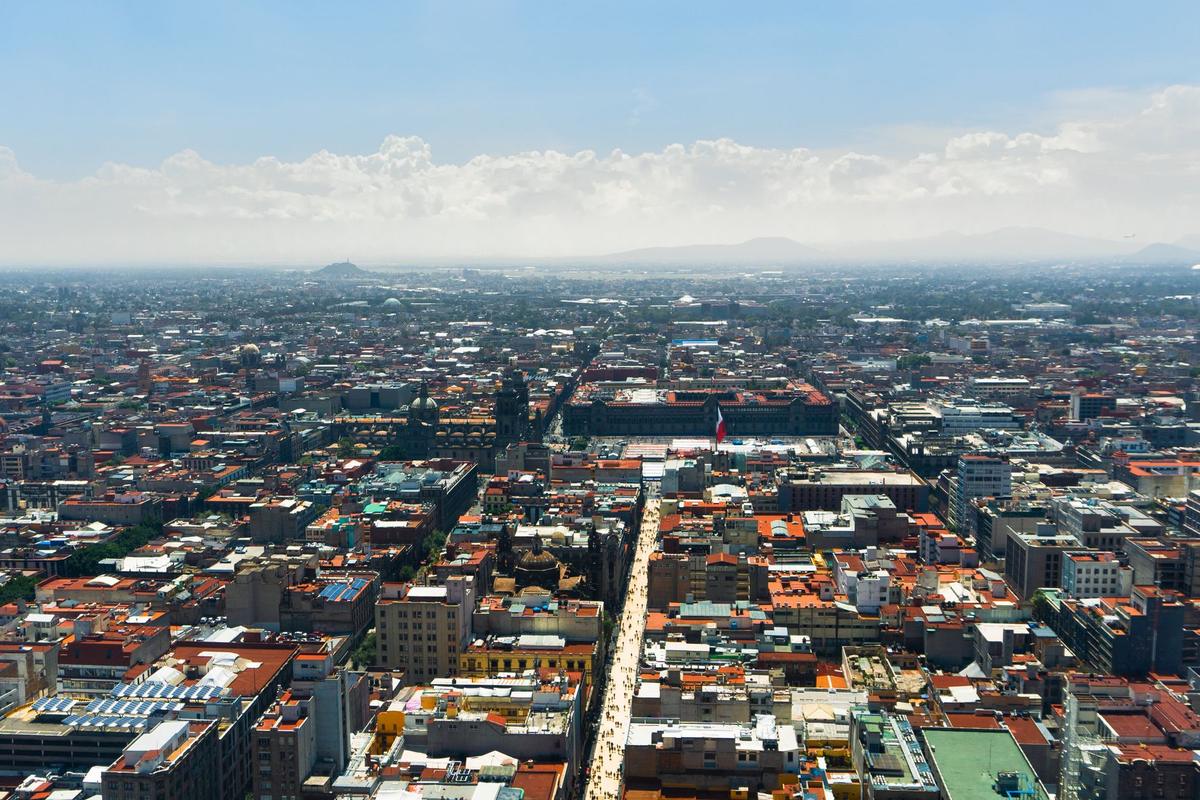
Three areas suit a first week. All are central, but each feels different. Working remotely? Our Mexico City vs Medellín comparison covers longer stays.
- Roma Norte: cafés, galleries and restaurants on tree-lined streets, with Metrobús Line 1 along Avenida Insurgentes. The easiest all-rounder for a first visit.
- Condesa: the greenest choice, built around Parque México and Parque España, with plenty of art deco buildings and flat, walkable streets.
- Centro Histórico: you wake up near the Zócalo, and the airport Metrobús runs through it. Pick a well-reviewed hotel on a busy street and use taxis after dark.
- Polanco: pricier and more formal, right next to Chapultepec and its museums.
- Be a good guest: UK advice notes protests against gentrification in central and tourist areas since July 2025.
Altitude, water and air
Three health facts catch first-time visitors out. None needs to spoil the week if you plan for them.
- Altitude: the city sits at 2,240 metres, per Canada's advice. Expect to feel stairs for a day or two, so start slowly and drink plenty of water.
- Water: the UK health advice is to drink only boiled or bottled water and to avoid ice in drinks.
- Air: Canada says air pollution in Mexico City peaks between December and March. If you have heart or lung problems, see a doctor before you book.
- Earthquakes: the 911 CDMX app can warn you up to 60 seconds before shaking starts, but it only works with a Mexican phone number.
Safety: what the official advice says
Canada asks visitors to Mexico to exercise a high degree of caution, and the US rates Mexico City at Level 2, exercise increased caution. Neither advises against visiting the capital. For more, read our solo female travel safety tips.
- Express kidnapping: short robberies where victims are forced to use ATMs happen in big cities. Use cash machines inside banks, shops or shopping centres in daylight, and avoid large withdrawals.
- Ride checks: confirm the driver and number plate before getting into any app ride, as Canada advises.
- Drinks: never leave a drink unattended. Canada suggests sealed bottles or cans over plastic cups, and the UK warns about methanol in alcoholic drinks.
- After dark: Canada advises women not to walk alone after dark and never to accept rides from strangers.
- Protests: demonstrations are common in Mexico City and can turn violent, says the UK advice. Move away from any you see.
What the week costs
These are the fixed costs in this plan, mostly at official prices for November 2026. Conversions use the European Central Bank rate of 6 November 2026: 1 euro is 20.88 pesos and 1 US dollar about 18.70 pesos.
- Five big tickets: Teotihuacán, Templo Mayor, Chapultepec Castle and the Anthropology Museum at 210 pesos each, plus the Casa Azul at 320. Total 1,160 pesos ($62, €56).
- Trajinera: 750 pesos for a one-hour boat ($40, €36), split between everyone on board.
- City transport: the card, about 20 Metro or Metrobús rides and two airport Metrobús trips come to roughly 200 pesos ($11, €10).
- Airport taxi instead: roughly 300 to 450 pesos each way to Roma or Condesa, depending on the company, based on 2026 press reports, not an official fare ($16 to $24, €14 to €22).
- Total: about 2,110 pesos ($113, €101) for tickets, boat and transport, using the Metrobús to and from the airport.
- Not included: your bed, food, the Teotihuacán bus and the Bellas Artes ticket. Add them in our budget tool.
Plan it with Joy Plus
The Joy Plus planner builds a day-by-day itinerary with a map, so you can see how each day fits together and keep Teotihuacán on your Monday. The trip hub keeps your bookings, flight alerts, budget and packing list in one place. Want more of Mexico afterwards? Look at Oaxaca or Puebla, or compare with our 7-day Mexico City guide. Start planning your trip
Frequently asked questions
Are Mexico City museums open on Mondays?
Mostly not. The Anthropology Museum, Templo Mayor, Chapultepec Castle and the Frida Kahlo Museum all close on Mondays, and so does the first section of Chapultepec park. Teotihuacán is open every day from 8:00 to 17:00, with last entry at 16:30, so it makes the best plan for a Monday.
Can you climb the pyramids at Teotihuacán in 2026?
Probably not. Climbing the Pyramid of the Sun has not been allowed since 2020, and INAH closed access to the Pyramid of the Moon until further notice after a shooting there on 20 April 2026 in which a Canadian woman died. We found no reopening notice by early November 2026. You can still walk the Avenue of the Dead and see the site museums. Entry is 210 pesos for foreign visitors; ask at the gate.
How do I get from Mexico City airport to Roma or Condesa?
Buy an authorised taxi ticket at the official booths inside the terminal. You pay a set price up front, but it differs by company, and 2026 press reports put Roma and Condesa at roughly 300 to 450 pesos. The cheaper option is Metrobús Line 4, which costs 30 pesos and runs to the Centro Histórico. App drivers are not authorised to pick up inside the airport's federal zone.
Is Mexico City safe for a woman travelling alone?
Official advice asks for care rather than avoidance. Canada asks travellers to Mexico to exercise a high degree of caution, and the US rates Mexico City at Level 2. Use authorised taxis or ride apps, avoid walking alone after dark, keep your drink in sight and use the women-only Metro carriages at rush hour.
Can you drink the tap water in Mexico City?
UK travel advice says no: drink only boiled or bottled water and avoid ice in drinks. At 2,240 metres you will also need more water than usual, so carry a full bottle on the Teotihuacán and Xochimilco days, when you spend hours outdoors in the sun.
How much does a week in Mexico City cost?
The fixed costs in this plan come to about 2,110 pesos, roughly $113 or €101 at 6 November 2026 rates. That covers five museum and site tickets, a one-hour trajinera and a week of public transport. Your bed and food come on top and depend on your style. Foreign visitors pay 210 pesos at the big INAH sites.
How do I pay for the Metro and Metrobús?
Buy the Tarjeta de Movilidad Integrada for 15 pesos at a Metro ticket window or a Metrobús machine, then top it up. A Metro ride costs 5 pesos with free changes between lines; the Metrobús costs 6 pesos, and its airport service 30 pesos. The same card works on the Tren Ligero to Xochimilco.
Does the altitude affect visitors to Mexico City?
It can. The city sits at 2,240 metres, so stairs and long walks feel harder for the first day or two. Take day one slowly and drink plenty of water. Air pollution also peaks between December and March, so check with a doctor before you book if you have heart or lung problems.