Destinations / Asia
Hong Kong, China (SAR) travel guide
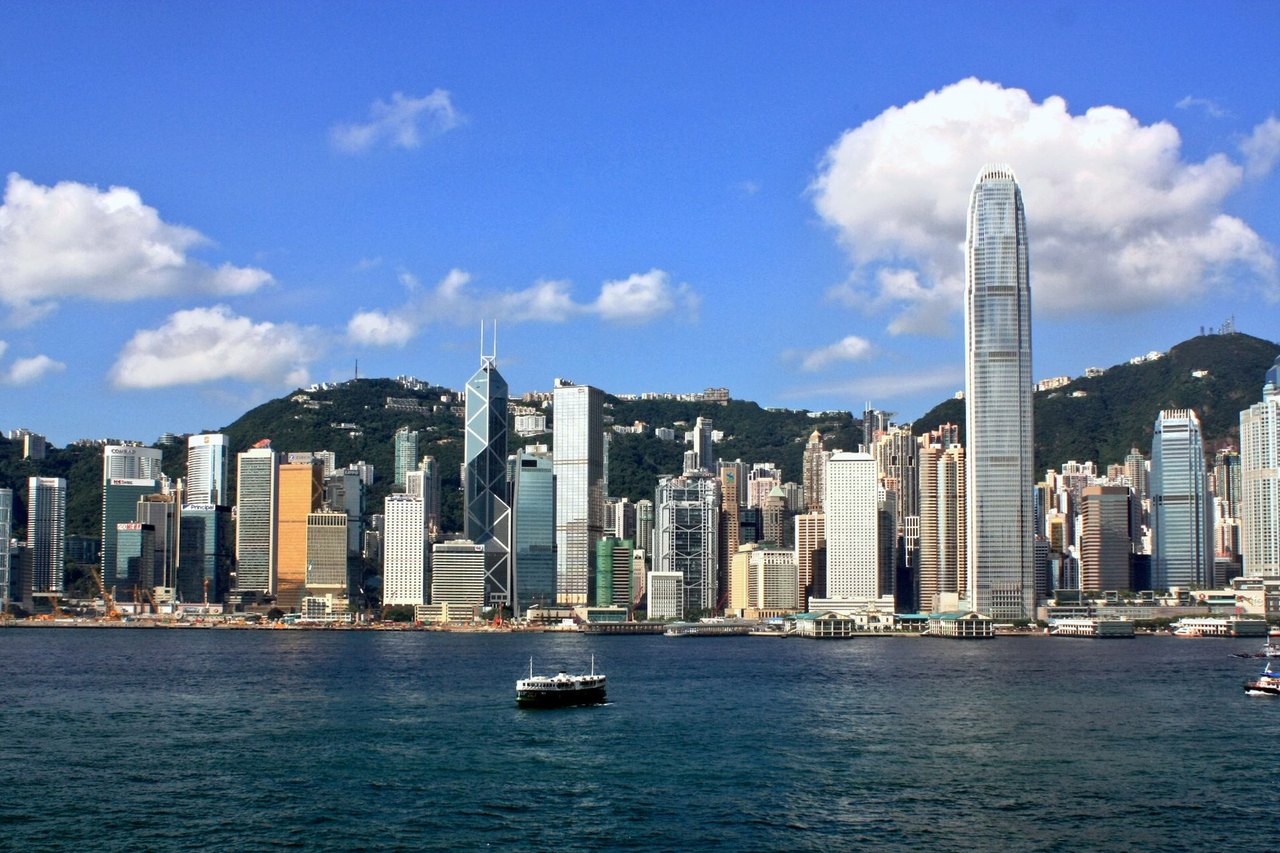
Neon-lit skyscrapers, dim sum, and green peaks all within a 30-minute ferry ride.
- Best time to visit: October-December (clear skies, mild temperatures)
- Daily budget (budget traveller): $80 to $120 USD
- Ideal trip length: 3 to 5 days
Hong Kong packs more contrast into a small space than almost anywhere on earth - one of the world's densest skylines pressed against jungle-covered peaks and outlying islands you reach by old green ferry. Joy Plus runs the city vertically and horizontally at once: Victoria Peak at the right hour, dim sum where locals actually queue, the Star Ferry instead of a taxi, and a hike or beach day that most visitors never realise is 40 minutes away.
Hong Kong has more skyscrapers than any city on earth, and roughly 40 percent of its land is protected country park. Both facts are true at once, and that tension is the whole appeal. You can eat a HK$55 bowl of wonton noodles under a 70-storey tower at lunch, be on a granite ridge above the South China Sea by 3pm, and be drinking a perfect Negroni in a converted ping pong hall by 9pm. Nothing is far apart, almost everything is cheap to reach, and the city runs on a transport system so good it makes most capitals look improvised.
The way in is the Octopus card and a willingness to eat the local way. Tap it on the MTR, the 'ding ding' trams (HK$3.3 flat, any distance), the Star Ferry (about HK$5 to 6.5 for the best view of your trip), minibuses and the 7-Eleven. Eat at cha chaan tengs for milk tea and pineapple buns, at dai pai dong stalls for tomato noodles, and at old tea houses for trolley dim sum before 11am. Locals share tables, order fast and leave fast. Join in and you will be fed well for very little. Accommodation is where the money goes, so spend it on location, not square metres.
This guide is built for the way the city actually works: the first Peak Tram at 7:30am before the queue forms, Lamma and Lantau on weekdays, Dragon's Back on a cool morning rather than a 34°C afternoon, and the Symphony of Lights from the promenade at 8pm with dinner afterwards on Temple Street. We are honest about what to skip (the Peak Tower shops, wax museums, anything with a 90-minute queue) and when to move your plans (typhoon signal 8 closes everything, so keep a flexible day). Three to five days is the sweet spot, and the structure stretches to seven if you have the time.
How many days in Hong Kong?
For Hong Kong, we recommend 3 to 5 days. With more time, add a day trip to Macau.
| Trip length | What you'll see | Itinerary |
|---|---|---|
| 2 days | Central and Sheung Wan; Kowloon, markets and the harbour show | Hong Kong in 2 days |
| 3 days · Recommended | Adds: The Peak and Sai Ying Pun | Hong Kong in 3 days |
| 4 days · Recommended | Adds: Lantau, Big Buddha and Tai O | Hong Kong in 4 days |
| 5 days · Recommended | Adds: Dragon's Back hike and Wan Chai | Hong Kong in 5 days |
| 7 days | Adds: Lamma Island and a harbour night; PMQ | Hong Kong in 7 days |
Hong Kong itinerary
Arrive, Central and Sheung Wan
Morning: Land at HKG, Airport Express to Hong Kong station (24 min, HK$120 by Octopus). Pick up an Octopus card or add one to Apple Pay. Drop bags and walk down to Mee Lun Street for tomato noodles at Sing Heung Yuen.
Afternoon: Climb Hollywood Road to Man Mo Temple (8am-6pm, free) and drift along Cat Street for antiques. Tai Kwun (grounds open 8am-11pm, free) is the shady stop. Egg tart at Tai Cheong Bakery on Lyndhurst Terrace.
Evening: Roast goose over rice at Yat Lok on Stanley Street. Cocktails at Bar Leone on Bridges Street. Take the Mid-Levels Escalator up after 10:10am if you want a head start on hills, down before then.
Kowloon, markets and the harbour show
Morning: Star Ferry from Central Pier 7 to Tsim Sha Tsui (about 9 min, HK$5 upper deck on weekdays, HK$6.5 at weekends). Walk the promenade and the Avenue of Stars. Pass through Chungking Mansions for a curry reputation.
Afternoon: MTR to Mong Kok. Ladies' Market (Tung Choi Street) for souvenirs, Sneaker Street on Fa Yuen Street, the Goldfish Market and Flower Market. Pineapple bun with butter at Kam Wah Cafe on Bute Street.
Evening: Back to the TST promenade for the Symphony of Lights at 8pm. Then MTR to Jordan for Temple Street Night Market (7-10pm is best) and clay pot rice at a stall.
The Peak and Sai Ying Pun
Morning: Dim sum breakfast at Lin Heung Tea House, now in the Tung Ning Building on Des Voeux Road Central, Sheung Wan (go early, shared tables, trolleys). Then the Peak Tram (first tram 7:30am, HK$116 return). Walk the flat Lugard Road and Harlech Road loop (3.5 km, 1 hour) for the postcard view.
Afternoon: Tram down, wander Hong Kong Park next door, then the Mid-Levels Escalator to Sai Ying Pun's cafés and galleries on Second Street and Tai Ping Shan Street.
Evening: Ping Pong 129 Gintoneria on Second Street for gin cocktails. Late dinner of noodles or claypot at a local stall in Sai Ying Pun.
Lantau, Big Buddha and Tai O
Morning: MTR Tung Chung line to Tung Chung (about 30 min from Hong Kong station). Ngong Ping 360 cable car (opens 10am weekdays) to the Tian Tan Buddha, 25 min with glass-floor cabins.
Afternoon: Vegetarian lunch at Po Lin Monastery, then bus 21 to Tai O fishing village for stilt houses, dried seafood and a boat trip to spot pink dolphins.
Evening: Bus 11 back to Tung Chung, MTR to Central. Easy dinner at Kau Kee on Gough Street for beef brisket noodles, then early to bed.
Dragon's Back hike and Wan Chai
Morning: MTR to Shau Kei Wan (exit A3), bus 9 to To Tei Wan. Hike the Dragon's Back ridge (8.5 km, about 2 hours 45 minutes) before the heat peaks, ending at Big Wave Bay, near Shek O.
Afternoon: Lunch in Shek O village, then a swim at Big Wave Bay or a surf lesson. Bus 9 back to Shau Kei Wan.
Evening: Roast goose at Kam's on Hennessy Road in Wan Chai. A cocktail in the Star Street precinct, or the Blue House for a walk around old Wan Chai.
Lamma Island and a harbour night
Morning: Ferry from Central Pier 4 to Yung Shue Wan (about 30 min, HK$20 weekday). Walk the Family Trail past Hung Shing Yeh beach to Sok Kwu Wan (about 1.5 hours).
Afternoon: Fresh seafood lunch at Rainbow Seafood Restaurant in Sok Kwu Wan, ordered by weight, HK$300-500 per head. Ferry back to Central.
Evening: Dinner at Mak's Noodle on Wellington Street, then take the Star Ferry from Wan Chai to Tsim Sha Tsui and watch the lights. Optional: Aqua Luna red-sail junk cruise from TST.
Slow morning, PMQ, depart
Morning: Egg tart and silk stocking milk tea at Lan Fong Yuen on Gage Street. Walk up to PMQ (35 Aberdeen Street) for design studios and local craft.
Afternoon: Last lunch of dim sum at a Central hall or a cha chaan teng. Use Hong Kong station's in-town check-in if your airline offers it (Cathay Pacific does).
Evening: Airport Express to HKG (24 min). Trains run roughly every 10 minutes.
Best neighbourhoods
- Central & Sheung Wan: Finance towers meet antique streets, the Mid-Levels Escalator, and the best bar scene.
- Tsim Sha Tsui (Kowloon): The harbourfront promenade with the classic skyline view and museums.
- Mong Kok: Frantic street markets, neon, and the most concentrated street food in the city.
- Wan Chai & Causeway Bay: Old wet markets next to mega-malls, local eats, and late-night energy.
- Sai Ying Pun: The quieter, cooler western district full of indie cafés and galleries.
Must-do experiences
- Victoria Peak by tram: Take the funicular up late afternoon, stay for the city lights, walk the flat Lugard Road loop for the postcard view.
- Dim sum lunch: Trolley-service yum cha at a bustling hall - har gow, siu mai, char siu bao. Go before 1pm.
- Star Ferry across the harbour: The cheapest, most scenic crossing in the world. Ride at dusk between Central and Tsim Sha Tsui.
- Symphony of Lights: The nightly 8pm harbour light show, best seen from the TST promenade.
Hidden gems
- Take the ferry to Lamma Island for a car-free seafood lunch and an easy coastal walk.
- Hike the Dragon's Back trail to Big Wave Bay beach - 40 minutes from Central.
- Tai Kwun, a restored colonial prison turned art and dining complex in Central.
- Cat Street and Hollywood Road for antiques, then a flat white in Sheung Wan.
Daily budget
- Accommodation: budget HK$250-450 / night (hostel dorm), mid-range HK$1,100-2,000 (boutique double), splurge HK$4,500+ (Rosewood, Upper House, The Peninsula). Rooms are small and pricey everywhere. Pay for location near an MTR exit. Short-term private flat rentals under 28 days are mostly illegal, so look at licensed serviced apartments.
- Food: budget HK$120-200 / day (cha chaan teng, noodles, dai pai dong), mid-range HK$350-600 (dim sum lunch, roast goose dinner), splurge HK$1,200+ (Lung King Heen dim sum or tasting menu). Cha chaan teng set lunches are HK$55-75 with a milk tea. A bowl of wonton noodles at Mak's is about HK$60. Eat the big meal at lunch.
- Transport: budget HK$40-60 / day (MTR, tram HK$3.3, Star Ferry), mid-range HK$80-150 (add Uber or the odd taxi, Airport Express), splurge HK$400+ (private car, Rolls-Royce airport transfer). Airport Express is HK$120 each way to Central by Octopus. Tourist Day Pass (HK$65, 24 hours) only pays off if you ride more than 6 times. Octopus alone is easier.
- Activities: budget HK$0-100 / day (Star Ferry, Man Mo Temple, Tai Kwun, hiking), mid-range HK$200-400 (Peak Tram HK$116 return, Ngong Ping 360 about HK$295, M+ museum), splurge HK$1,500+ (private junk charter, helicopter over the harbour). Dragon's Back, Lamma, the Mid-Levels Escalator and the Symphony of Lights are all free. Book Ngong Ping 360 online to skip the queue.
- Drinks & nightlife: budget HK$60-90 (7-Eleven beer on the street, one happy hour), mid-range HK$250-450 (cocktail bar crawl in Central and Sai Ying Pun), splurge HK$800+ (Ozone at the Ritz-Carlton, Bar Leone, a hotel rooftop). A good cocktail is HK$120-170. Happy hours (5-8pm) in Lan Kwai Fong and Soho cut that to HK$50-70. Beer from a 7-Eleven is HK$12-20.
Where to stay
- Social hostel in Causeway Bay / Tsim Sha Tsui (HK$250-450 / night): YesInn in Causeway Bay and the hostels around Nathan Road offer pod dorms, an MTR exit under your feet, and the best late-night eating. Small but social.
- Boutique hotel in Central / Sheung Wan (HK$1,100-2,400 / night): Ovolo Central or Hotel Madera Hollywood. Walking distance to Hollywood Road, Soho and the Escalator, with rooftop bars and design that actually feels local.
- Apartment in Tsim Sha Tsui or Wan Chai (HK$900-1,800 / night): Licensed serviced apartments such as Citadines Ashley Road or The Johnston Suites give you a kitchenette and space, which matters in a city of tiny rooms. Best for 5+ nights.
- Splurge in Tsim Sha Tsui harbourfront / Admiralty (HK$4,500-9,000+ / night): Rosewood or The Peninsula for harbour views and a Rolls-Royce transfer, or The Upper House in Admiralty for calm and big rooms above the city.
What to eat
- Dim sum (har gow, siu mai, char siu bao)
- Roast goose and char siu over rice
- Wonton noodle soup at a hole-in-the-wall
- Egg tarts and pineapple buns from a cha chaan teng
Day trips
- Lantau Island (30 min MTR + 25 min cable car): Tian Tan Buddha, Po Lin Monastery and the stilt-house fishing village of Tai O. Go on a weekday and book Ngong Ping 360 online to avoid the queue. MTR Tung Chung line to Tung Chung. Ngong Ping 360 about HK$295 return, or bus 23 (HK$20, slower). Bus 21 to Tai O, bus 11 back.
- Lamma Island (30 min by ferry): Car-free island with an easy coastal walk, beaches and the best seafood lunches within reach of Central. A weekday here feels like another country. Ferry from Central Pier 4 to Yung Shue Wan or Sok Kwu Wan, about HK$20-25 weekday, tap Octopus.
- Macau (1 hour by ferry): Portuguese-Chinese streets, the Ruins of St Paul's, Taipa Village and egg tarts at Lord Stow's in Coloane. Bring your passport. Hong Kong dollars are accepted at par. TurboJET from the Hong Kong-Macau Ferry Terminal, Shun Tak Centre (Sheung Wan MTR exit D), about HK$170-190 economy.
When to visit
- Autumn (October - December): 18-28°C, sunny, low humidity, almost no rain. Crowds: Busy in early October (Golden Week), then steady. The single best window. Clear skies for the Peak, comfortable hiking and the harbour looks its best. Book hotels early for November, when conferences and the HK Wine & Dine festival push prices up.
- Winter (January - February): 14-20°C, cool, dry with occasional misty days. Crowds: Low, except Lunar New Year (6 February in 2027). The locals' hiking and hotpot season. Cheap flights, empty trails, and the night market is lively. Pack a jacket. Lunar New Year brings fireworks and parades but many restaurants close for several days.
- Spring (March - May): 20-29°C, humid, fog and drizzle, rain builds from late April. Crowds: Moderate, spikes during Art Basel and Easter. Good but unpredictable. March is lovely, May is sticky and often grey. Skylines vanish into fog, so check the visibility forecast before you buy a Peak ticket.
- Summer (June - September): 28-34°C, 85% humidity, thunderstorms and typhoons. Crowds: Moderate, families dominate in July and August. Hot, sweaty and weather-risky, but hotel rates drop 30 to 40%. Stick to air-conditioned sights and ferries, and keep a spare day in case of a Typhoon Signal 8.
Entry rules for your passport
Visa rules for Hong Kong depend on the passport you travel on. Check the official source before you book: Hong Kong Immigration Department
Getting there
Hong Kong International Airport (HKG) sits on Chek Lap Kok island, 34 km west of Central. The Airport Express reaches Hong Kong station in 24 min (HK$120 to Central, HK$105 to Kowloon by Octopus, single tickets HK$10 more) every 10 min from around 5:50am to 1am, and takes Octopus. Hong Kong and Kowloon stations offer in-town check-in for some airlines. Bus A21 to Kowloon (about HK$33) and A11 to North Point (about HK$40) are the budget options, taking 60 to 75 min. A taxi to Central costs HK$350-400 including tunnel fees, and Uber works for similar. Most Western passports enter visa-free for 90 days (UK 180). Check your own.
Getting around
The MTR is fast, cheap, spotless and signed in English - get an Octopus card on arrival and use it for trains, trams, ferries and shops. The double-decker trams ('ding ding') on the island are slow but scenic, and the Star Ferry is a sight in itself. You rarely need a taxi.
Safety
Hong Kong is one of the safest major cities in the world, with very low violent crime and easy solo travel day or night. Standard care with pickpockets in crammed markets. Summer heat and humidity are the real challenge, and typhoon season (July-September) can disrupt plans.
Solo travel tips
- Share the table: Cha chaan tengs and tea houses seat strangers together without ceremony. Sit down, order fast, and nobody blinks. You will eat well and fit in within a day.
- Put your Octopus on your phone: Octopus works in Apple Pay and Samsung Pay, so you can top up on the go and skip the airport counter. It covers MTR, trams, ferries, minibuses and 7-Eleven. Citymapper and the MTR Mobile app are accurate to the minute.
- Hostel and guesthouse picks: Dorms are small and pricey, but cheap enough in Causeway Bay (YesInn) and around TST. Chungking Mansions guesthouses are the cheapest private rooms, so read recent reviews carefully and ignore the touts in the lobby.
- Do the escalator and walkways: The Mid-Levels Escalator runs down until 10am and up after 10:10am, free, and drops you into the best cafés. Central's elevated walkways beat the heat and the traffic.
- Solo female travellers: Hong Kong is one of the safest big cities in Asia for women alone. MTR runs until about 1am and is well lit, taxis are metered, and Uber works. Standard rules apply: watch your drink in Lan Kwai Fong and keep your bag zipped in crowded markets.
- Find your tribe on a trail or a boat: Weekend mornings on Dragon's Back and the Lamma ferry are full of solos and expats. Surf lessons at Big Wave Bay and Ping Pong 129's bar counter are easy places to start a chat.
Cultural etiquette
- Cantonese is the local language. English is widely understood, but 'm goi' (thanks for a service, excuse me) and 'do jeh' (thanks for a gift) go a long way.
- When someone pours tea, tap two fingers on the table to say thanks. To ask for a refill, prop the teapot lid open.
- Never stick chopsticks upright in rice, and don't pass food from chopstick to chopstick. Both resemble funeral incense.
- Eating and drinking inside MTR paid areas is a fine of up to HK$2,000. Stand on the right on escalators and let passengers off before you board.
- Mid-range and upmarket restaurants add a 10% service charge automatically; cheap eateries such as cha chaan tengs and dai pai dong don't. Either way, no extra tip is needed. Round up taxis and tip porters HK$20-50.
- Vapes and e-cigarettes are banned. Don't pack them, and smoking is prohibited in most public areas.
- In temples like Man Mo, dress modestly, don't point your feet at altars, and ask before photographing worshippers.
Frequently asked questions
How many days do you need in Hong Kong?
Three days covers Hong Kong Island, Kowloon's markets and the harbour. A fourth or fifth day lets you add an outlying island, a proper hike, or a day trip to Macau.
Is Hong Kong expensive?
Accommodation and bars are pricey, but transport and food can be very cheap - a bowl of wonton noodles or a dim sum lunch costs a few dollars. Eat where locals eat and it's far more affordable than it looks.
Is Hong Kong good for solo travellers?
Excellent - it's safe, walkable, English-friendly and easy to navigate by MTR. Counter dining and markets make solo eating effortless, and you can mix big-city buzz with hikes and island escapes.
When is the best time to visit Hong Kong?
October-December (clear skies, mild temperatures) is the sweet spot for weather and crowds. Shoulder season brings lower prices and easier bookings, while peak months mean higher accommodation costs and longer queues at the best known sights, so book early if you travel then.
How much does a trip to Hong Kong cost?
Budget around $80 to $120 USD per person per day, covering a hostel bed or simple room, local transport, two or three meals out and an activity or entry ticket. You can go lower with markets and free walking tours, or far higher with boutique hotels and private guides.
Is Hong Kong safe for solo female travellers?
Hong Kong is generally a comfortable place to travel solo, including for women, as long as you use normal city sense. Hong Kong is one of the safest major cities in the world, with very low violent crime and easy solo travel day or night. Standard care with pickpockets in crammed markets. Summer heat and humidity are the real challenge, and typhoon season (July-September) can disrupt plans.
How do you get around Hong Kong?
The MTR is fast, cheap, spotless and signed in English - get an Octopus card on arrival and use it for trains, trams, ferries and shops. The double-decker trams ('ding ding') on the island are slow but scenic, and the Star Ferry is a sight in itself. You rarely need a taxi.
Tours and activities in Hong Kong | Hong Kong in 2 days | Hong Kong in 3 days | Hong Kong in 4 days | Hong Kong in 5 days | Hong Kong in 7 days
Can't decide? Compare Hong Kong with...
- Taipei vs Hong Kong
- Singapore vs Hong Kong
- Hong Kong vs Tokyo
- Hong Kong vs Bangkok
- Hong Kong vs Macau
- Shanghai vs Hong Kong
- Hong Kong vs Dubai
- Hong Kong vs Shenzhen
- Seoul vs Hong Kong
Joy Plus home | Destinations | Itineraries | Activities | Flights | Budget planner | Calendar | Map | Blog | Lifetime access