Destinations / Europe
Lausanne, Switzerland travel guide
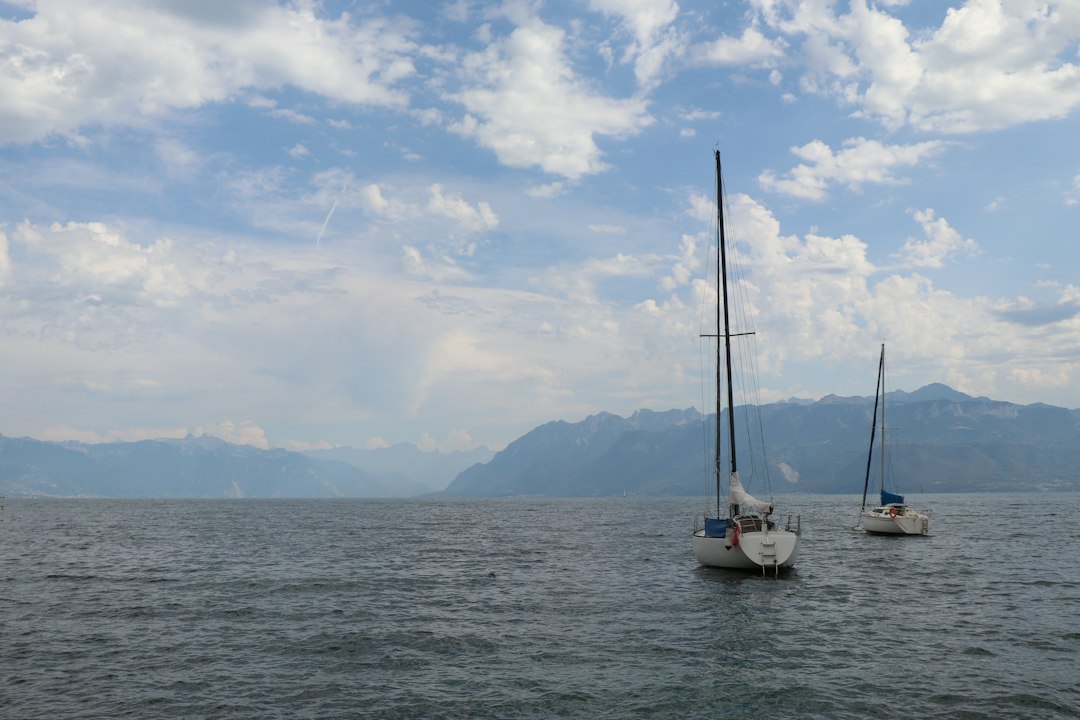
Terraced vineyards, steep cobbled hills and cool lakeside living on Lake Geneva.
- Best time to visit: May to October
- Daily budget (budget traveller): $125 to $250 USD
- Ideal trip length: 3 to 5 days
Lausanne climbs steeply from the blue expanse of Lake Geneva up three forested hills, giving this French-speaking Olympic capital a dramatic vertical edge. It combines a preserved medieval cathedral quarter with sleek design museums at Plateforme 10, lively wine cellars in the Flon warehouse district, and terraced vineyards right on its doorstep. Just 45 minutes from Geneva Airport by direct train, it offers all the alpine drama without the sterile polish of larger Swiss hubs.
Lausanne does not behave like a typical lakeside resort. It climbs out of Lake Geneva like an amphitheatre, stacking medieval stone towers, railway viaducts, leafy ravines and glass modernism onto three distinct hills. While Geneva caters to international diplomacy and Montreux leans into jazz nostalgia, Lausanne remains the energetic capital of the canton of Vaud: a young, brainy university town where creative design hubs sit alongside traditional Swiss wine taverns.
The city owes its dramatic layout to water and gravity. Two rivers, the Flon and the Louve, carved deep gorges through the sandstone before being vaulted over during the industrial 19th century. Today, Le Flon ravine is a pedestrian network of converted red-brick warehouses, while high arching bridges connect the high streets to the medieval castle district of La Cité. The steep gradient means you can stand beneath the rose window of the 13th-century Gothic cathedral and look straight out over slate rooftops to snow-capped French peaks across the lake.
Beyond the city limits, the landscape turns into pure spectacle. The UNESCO-protected Lavaux wine terraces begin right at Lausanne's eastern flank, stepping down sheer slopes to the shore as they have since Cistercian monks built the dry-stone walls in the 12th century. Direct local trains zip into the vines in under ten minutes, while Belle Époque paddle steamers cruise from Ouchy pier. It makes Lausanne the premier base for exploring the Lake Geneva basin without packing up your bags every night.
Lausanne itinerary
Arrive and explore medieval La Cité
Morning: Arrive at Lausanne station from Geneva. Drop your bags, collect your Lausanne Transport Card, and take the M2 metro up to Bessières.
Afternoon: Climb the covered wooden steps of Escaliers du Marché to Lausanne Cathedral. Marvel at the 13th-century stone carvings, then walk to Château Saint-Maire.
Evening: Head down to Place de la Palud for a drink, then sit down for a bubbling pot of Gruyère and Vacherin fondue at Café du Grütli.
Waterfront strolls and Olympic heritage
Morning: Ride the M2 down to the terminus at Ouchy. Grab a warm croissant by the marina and watch the white paddle steamers glide across the lake.
Afternoon: Walk east along the lakeshore path to the Olympic Museum. Explore interactive athlete exhibitions and stroll through the sculpture gardens.
Evening: Sip a glass of crisp Chasselas white wine at a lakeside terrace, then catch sunset over the Savoy Alps from the Ouchy pier.
Design culture and warehouse nightlife
Morning: Walk over to Plateforme 10 right beside the railway tracks. Spend the morning discovering the MCBA fine arts museum and Photo Elysée.
Afternoon: Wander down into Le Flon. Browse concept shops and bookshops, then stop for lunch at an industrial-chic bistro like Les Brasseurs.
Evening: Catch an indie film or live music set in Flon, followed by local craft beers on the outdoor deck at Le Comptoir.
Hiking the Lavaux wine terraces
Morning: Take a 10-minute SBB train ride east to the lakeside town of Lutry. Walk up into the steep, terraced vineyards of the Lavaux UNESCO region.
Afternoon: Follow the walking trail through Aran and Grandvaux towards Cully. Stop at local family cellars (caveaux) for tastings of dry Chasselas.
Evening: Dine on pan-fried perch fillets with a chilled local vintage at a rustic terrace in Cully before catching the train back to Lausanne.
Outsider art and Sauvabelin woods
Morning: Take bus 3 or 21 up to the Collection de l'Art Brut to see extraordinary, raw creations gathered from artists living outside mainstream society.
Afternoon: Hike gently up to the Sauvabelin forest. Climb the 35-metre timber Sauvabelin Tower for a breathless panorama over the lake and Jura mountains.
Evening: Walk down past the historic Hermitage Foundation, stopping for a farewell dinner of Vaudois sausage and rösti in the old town.
Day cruise to Château de Chillon and Montreux
Morning: Board a historic CGN paddle steamer at Ouchy pier for a scenic cruise along the coastline past Vevey to Château de Chillon.
Afternoon: Explore the medieval vaults, battlements and subterranean dungeons of Chillon Castle, then stroll the floral lakeside promenade into Montreux.
Evening: Ride the scenic train back to Lausanne in just 25 minutes. Enjoy an easy bite and artisanal chocolate from Blondel.
Market morning and departure
Morning: Browse the vibrant farmers market along Rue de Bourg and Place de la Riponne (Wednesdays and Saturdays) for local cheeses, bread and fruit.
Afternoon: Pack up your luggage, take one last coffee overlooking the lake from the station terrace, and board the train back to Geneva or onward across Switzerland.
Evening: Depart on your international flight or onward European rail journey.
Best neighbourhoods
- La Cité and Riponne: The hilltop historic core centred on the 13th-century Gothic cathedral, cobbled alleys, independent bookshops and bustling market squares.
- Le Flon: A former rail and warehouse ravine transformed into a car-free precinct of industrial-chic bars, cinema complexes, boutiques and modern bistros.
- Ouchy: The relaxed waterfront quarter along Lake Geneva, home to leafy promenades, Belle Époque paddle steamers, lakeside cafes and the Olympic Museum.
Must-do experiences
- Climb the tower of Lausanne Cathedral: Marvel at the polychrome Gothic portal and climb 224 steps for sweeping views across the red roofs to the French Alps.
- Wander the arts precinct of Plateforme 10: Spend an afternoon browsing modern art, photography and design inside Lausanne's sleek museum complex beside the train station.
- Stroll the Ouchy promenade along Lake Geneva: Walk among rollerbladers and plane trees from the old port towards the grand gardens of the Olympic Museum.
- Hear the night watchman call the hour: Stand below the cathedral between 10pm and 2am to hear one of Europe's last continuous town criers call out the time.
- Hike the terraced vineyards of Lavaux: Ride a local train to Lutry or Cully and walk the narrow paths between 800-year-old stone walls with wine tastings along the way.
- Climb the wooden Sauvabelin Tower: Ascend the spiralling timber steps above the city forest for 360-degree vistas over Lake Geneva, the Jura and the Vaudois Alps.
Hidden gems
- Collection de l'Art Brut, an astonishing museum of outsider art in Château de Beaulieu
- The peaceful hillside gardens of Fondation de l'Hermitage with views over the cathedral
- Buvette de la Jetée for cold local craft beer right on the water in summer
- Escaliers du Marché, the covered wooden stairway winding from Place de la Palud to La Cité
Daily budget
- Accommodation: budget CHF 45-75 / night (hostel dorm at Lausanne Guesthouse or youth hostel), mid-range CHF 140-230 (modern 3-star hotel or boutique room near Flon), splurge CHF 380-650+ (Beau-Rivage Palace or Royal Savoy in Ouchy). Every official stay includes the Lausanne Transport Card, which saves CHF 10 to 15 daily on bus and metro travel.
- Food: budget CHF 20-35 / day (supermarket sandwiches, bakeries, university canteens), mid-range CHF 55-95 (café lunch, classic fondue or perch fillet dinner), splurge CHF 160+ (multi-course gastronomy with Vaudois wine pairings). Weekday business lunch menus (plat du jour) cost roughly CHF 20 to 26 and offer huge savings compared to dinner.
- Transport: budget CHF 0 / day within town (covered by Lausanne Transport Card), mid-range CHF 15-30 (regional SBB train to Lavaux vineyards or Montreux), splurge CHF 60-90 (CGN first class Belle Époque paddle steamer day ticket). Download the SBB Mobile app to purchase discounted Supersaver train tickets for regional excursions.
- Activities: budget CHF 0-15 (cathedral tower CHF 5, free parks, self-guided walks), mid-range CHF 25-45 (Olympic Museum CHF 20, Plateforme 10 combo ticket), splurge CHF 80-130 (private vineyard cellar tour and guided wine tasting). Many city museums offer free entry on the first Saturday of each month.
- Drinks & nightlife: budget CHF 6-12 (craft beer bottle from grocer, supermarket Vaudois Chasselas), mid-range CHF 18-35 (two glasses of local wine or pints at Le Flon bars), splurge CHF 60+ (cocktails on a hotel terrace or lakeside champagne bar). Happy hour specials are rare, but local pubs in Flon offer cheaper draft beers before 8pm.
Where to stay
- Social hostel in Station / Sous-Gare (CHF 45-90 / night): Lausanne Guesthouse & Backpacker, set in a historic townhouse with private rooms, tidy dorms, guest kitchen and an easy 3-minute walk to the trains.
- Boutique hotel in Le Flon / Centre (CHF 150-250 / night): Hôtel Continental or Moxy Lausanne City, stylish modern rooms right beside the nightlife, boutiques and metro lines.
- Apartment in La Cité / Riponne (CHF 130-220 / night): Renovated historical flats with kitchenettes nestled along cobbled alleys, perfect for walking to bakeries and markets.
- Splurge in Ouchy waterfront (CHF 400-800+ / night): Beau-Rivage Palace or Château d'Ouchy, legendary five-star luxury with lakeside parkland, Michelin dining and serene lake views.
What to eat
- Traditional Vaudois cheese fondue served bubbling at Café du Grütli or Café du Commerce
- Papet Vaudois, a hearty winter dish of leeks, potatoes and smoked cabbage sausage
- Fresh Lake Geneva perch fillets sautéed in butter with lemon and skinny chips
- Artisanal dark chocolate truffles from historic Chocolaterie Blondel on Rue de Bourg
Day trips
- Lavaux Vineyard Terraces (10 to 15 min by train): UNESCO World Heritage terraced vineyards plunging into Lake Geneva. Hike the marked wine trail between medieval villages like Lutry, Cully and Saint-Saphorin, stopping at family-owned cellar doors for tastings. Take the local SBB regional train from Lausanne station to Lutry, Cully or Saint-Saphorin. Trains run roughly every 30 minutes and cost CHF 4 to 8 each way.
- Château de Chillon & Montreux (25 to 45 min by train or boat): Switzerland's most visited historic monument, perched dramatically on a rock island on Lake Geneva. Combine the castle tour with a flower-lined promenade stroll through glamorous Montreux. Ride direct SBB trains to Montreux (20 mins), then walk the lakeside path or take bus 201 to the castle; alternatively take a scenic CGN paddle steamer from Ouchy pier.
- Vevey & Chaplin's World (15 min by train): A charming market town with a giant fork sculpture rising from the lake, the Alimentarium food museum, and the former home of Charlie Chaplin turned into an immersive museum park. Frequent SBB trains leave Lausanne for Vevey every 10 to 15 minutes. Take local bus 212 from Vevey station up to Chaplin's World.
When to visit
- Spring (April to June): 10-22°C, fresh lake breezes, sunny days with occasional spring showers. Crowds: Moderate, easy museum access and quiet vineyard paths in May. A superb time for walking. The gardens of the Hermitage bloom, terrace cafes open along Le Flon, and vineyard trails are free of summer tour crowds.
- Summer (July to August): 20-29°C, warm sunshine, warm lake waters suitable for swimming. Crowds: Busy along the Ouchy promenade and the lake piers. Peak holiday season with buzzing open-air bars, swimming at Bellerive Plage, and lakeside film screenings. Book accommodation several weeks ahead.
- Autumn (September to November): 8-20°C in September, cooling rapidly to 5-12°C by November, crisp air. Crowds: Lighter in town, wine enthusiasts flocking to the Lavaux harvest. The golden window for wine lovers and photographers. The vineyard terraces turn brilliant gold and rust, and cellars open for weekend tastings.
- Winter (December to March): 0-7°C, frosty mornings, occasional snow dusting, grey lake mists. Crowds: Low except for the Christmas market in December. Cosy fondue taverns, crisp views of snowy alpine peaks across the water, and quick train connections to Vaudois ski slopes like Leysin and Les Diablerets.
Entry rules for your passport
Visa rules for Switzerland depend on the passport you travel on. Check the official source before you book: European Commission: Schengen visa policy
Getting there
Lausanne does not have its own commercial airport. Most travellers fly into Geneva Airport (GVA), which has a direct subterranean railway station with Swiss Federal Railways (SBB) trains running to Lausanne every 15 minutes. The ride takes roughly 45 to 50 minutes and costs about CHF 28 for a standard ticket. Zurich Airport (ZRH) is an alternative option, linked by direct trains taking about 2 hours and 15 minutes. High-speed TGV Lyria trains connect Paris Gare de Lyon to Lausanne in under 4 hours. Regional buses and international FlixBus coaches call at the car-park terminal near Vélodrome, but the railway station is the primary arrival hub.
Border checks: non-EU visitors (other than Swiss, Norwegian, Icelandic, Liechtenstein, Andorran, Monegasque, San Marinese and Vatican citizens, and holders of an EU residence permit or long-stay visa) are registered in the EU's Entry/Exit System (EES) instead of getting a passport stamp. On your first crossing, officers take your photo and/or fingerprints, so allow extra time at passport control. ETIAS, the planned travel authorisation, is not in operation yet, so don't pay any website for one.
Getting around
From Geneva Airport (GVA), direct SBB trains run to Lausanne station every 15 minutes and take around 45 to 50 minutes (about CHF 28 standard one way). In town, every guest staying in official accommodation receives the Lausanne Transport Card, giving unlimited free travel on buses and the M1 and M2 metro lines throughout zones 11 and 12. The M2 metro is essential for saving your calves when moving between lakeside Ouchy and the upper old town.
Safety
Lausanne is generally exceptionally safe for solo travellers day and night. Pickpocketing can occasionally occur around the main railway station and Place de la Riponne late on weekend evenings, so keep bags zipped. The main practical hazard is physical: the city is built on steep inclines and cobbled stairways that become slick in rain or winter frost, so wear sturdy footwear with good grip. Tap water from every public fountain marked eau potable is crisp, cold and free to drink.
Solo travel tips
- Lean on the Lausanne Transport Card: Do not pay for city transit tickets. As long as you stay in official paid accommodation, your free pass covers the entire M1, M2 and city bus network. Keep a digital copy handy on your phone.
- Dine solo at café bars and counters: Solo dining is completely stress-free in Lausanne. Casual spots in Le Flon, brasseries like Café de Grancy, and waterfront bistros in Ouchy routinely seat solo guests at high counters and shared tables.
- Hostel pick: Lausanne Guesthouse: Located just steps from the main train station, Lausanne Guesthouse offers clean private rooms and dorms, a peaceful garden terrace, and a shared kitchen ideal for meeting fellow independent travellers.
- Conquer the hills with the M2 metro: Lausanne's topography is brutal on unconditioned legs. Save your knees by taking the driverless metro uphill to Riponne or Croisettes, then leisurely strolling downhill through the historic quarters.
- Safety for solo female travellers: Lausanne is exceptionally safe for women travelling alone. Late at night, standard common sense applies around the immediate vicinity of the train station and Place de la Riponne, but violent crime is very rare.
- Supermarket picnic lunches: Swiss sit-down lunches add up rapidly. Pick up fresh baguettes, Gruyère cheese, dried meats and local cider from Coop or Migros, then head to Parc de Mon-Repos or the Ouchy quayside for a scenic lake lunch.
Cultural etiquette
- Say bonjour or bonsoir when entering any small shop, bakery or cafe, and au revoir when leaving.
- Keep public transit quiet; avoid taking phone calls on speaker or playing audio out loud on trains and buses.
- Recycle meticulously at hotel or apartment stations; Swiss sorting separates aluminium, PET bottles, glass and paper strictly.
- Do not cross pedestrian crossings against the red light, even on empty streets; locals will notice and scowl.
- Tipping is modest; service is included by law in restaurants, but rounding up the bill by 5 to 10 percent for friendly service is polite.
- Sunday is respected as a day of quiet rest; major retail shops and supermarkets close completely, though station stores remain open.
- Dress smartly for evening restaurants and wine cellars; neat casual wear is preferred over beachwear or sportswear.
Frequently asked questions
How do I get to Lausanne from Geneva Airport?
Direct SBB trains leave Geneva Airport train station every 15 minutes. The journey takes 45 to 50 minutes and costs about CHF 28 for a standard second class ticket. You can buy tickets on the SBB mobile app or at station machines before boarding.
How does the free Lausanne Transport Card work?
When you check into any registered hotel, hostel or B&B in Lausanne, you receive a personal Lausanne Transport Card (digitally or on paper). It grants completely free travel on all public buses, trolleybuses and the M1 and M2 metro lines across central zones 11 and 12 for your entire stay.
How many days should I spend in Lausanne?
Three to four days is ideal. You can spend two days exploring La Cité, the museums at Plateforme 10 and the Ouchy waterfront, one full day walking the UNESCO Lavaux vineyards, and a fourth day taking a paddle steamer to Château de Chillon or Vevey.
When is the best time to visit Lausanne?
May to October offers warm weather, active lake swimming, outdoor terrace dining and open wine cellars across the Lavaux region. July and August bring vibrant festivals and lake bathing, while September and October feature autumn foliage and grape harvests.
Is Lausanne expensive for solo travellers?
Like all of Switzerland, Lausanne is pricey, but easy to manage with local habits. Take advantage of the free transport card, buy picnic lunches from Coop or Migros supermarkets, take free walking tours, and visit museum collections during reduced-fare hours.
Is Lausanne easy to walk around?
It is compact but remarkably steep. The city drops over 500 vertical metres from the northern woods down to Lake Geneva. Walking downhill is pleasant, but use the driverless M2 metro to travel uphill between Ouchy, the station, Flon and La Cité.
What does a realistic daily budget look like in Lausanne?
A budget solo traveller can manage on CHF 110 per day by staying in a hostel, cooking some meals, and enjoying free sights and transport. Mid-range travellers spending CHF 180 to CHF 220 per day can stay in a comfortable boutique hotel and enjoy a sit-down fondue dinner.
Do I need a visa to visit Lausanne?
Switzerland is in the Schengen area. Visitors from the UK, the US, Canada, Australia and many other countries can stay up to 90 days in any 180 without a visa, and since October 2025 non-EU travellers are registered in the EU's Entry/Exit System (photo and fingerprints) instead of getting a passport stamp, so allow extra time at your first border. ETIAS pre-travel authorisation is not yet required. Check the rules for your nationality before booking.
More about Lausanne
Tours and activities in Lausanne | Lausanne in 2 days | Lausanne in 3 days | Lausanne in 4 days | Lausanne in 5 days | Lausanne in 7 days
Can't decide? Compare Lausanne with...
Joy Plus home | Destinations | Itineraries | Activities | Flights | Budget planner | Calendar | Map | Blog | Lifetime access