Destinations / Asia
Leh, India travel guide
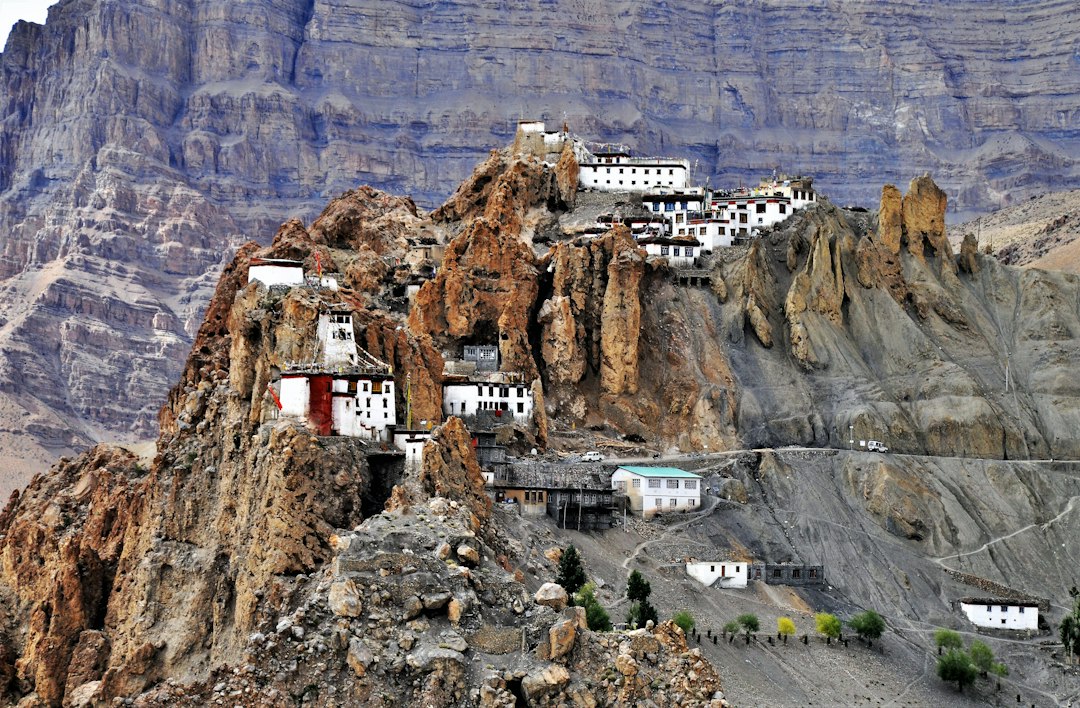
High desert monasteries, turquoise lakes, and Himalayan passes.
- Best time to visit: May to September
- Daily budget (budget traveller): $40 to $80 USD
- Ideal trip length: 5 to 7 days
Leh, the capital of Ladakh at 3,500 metres, is the base for one of the world's great road trips: high passes over 5,000 metres, the impossibly blue Pangong and Tso Moriri lakes, and thousand year old monasteries perched on cliffs in a moonscape desert. Thiksey's dawn prayers, Nubra Valley's sand dunes and camels, and the Khardung La road make Ladakh a bucket list trip unlike anywhere else in Asia.
Leh sits at 3,500 metres on the cold-desert side of the Himalaya, where rain barely falls and the sky is a harder blue than you expect. The town is a tight knot of bakeries, gear shops and prayer flags under a nine-storey mud-brick palace. Everything good in Ladakh radiates from here: Thiksey's dawn chanting, the sand dunes of Hunder, and Pangong Tso, the lake that turns from turquoise to steel to inky blue in a single afternoon. Between those sights are passes that cross 5,000 metres, such as Khardung La at 5,359m and Chang La at 5,360m. It is the kind of road trip you describe to people for years.
Ladakh is not a destination you can wing, and the mountain does not care about your itinerary. Passes open and close with snow, Nubra, Pangong and Tso Moriri need a Protected Area Permit for foreigners (arranged through a registered Leh travel agent, while Indian visitors pay an environment fee online), fuel pumps are scattered, and your body needs about two nights in Leh before it will cooperate above 4,000m. The reward for patience is huge. Spend day one doing almost nothing, drink litres of water, skip the beer, and by day three you will be climbing 560 steps to Shanti Stupa without wheezing. Leh Main Bazaar, Changspa and the Old Town are all walkable, so you only need wheels once you leave town.
Plan for 6 to 8 days, from late May to mid-October, with June to September the safest window for open roads. Budget travellers can do Ladakh on ₹3,000 to ₹4,500 a day with dorms, shared taxis and Tibetan kitchen thukpa at ₹150. Anyone wanting camps with real beds and a private SUV should expect ₹9,000 to ₹15,000. The trip rewards the unhurried: add a spare day for weather, landslides and your own lungs, and you will see Ladakh at its best rather than at its most stressful.
How many days in Leh?
For Leh, we recommend 5 to 7 days. With more time, add a day trip to Alchi, Basgo and Sham Valley or Lamayuru and Moonland.
| Trip length | What you'll see | Itinerary |
|---|---|---|
| 2 days | Old Town, palace and stupa | Leh in 2 days |
| 3 days | Adds: Thiksey, Shey and Hemis | Leh in 3 days |
| 4 days | Adds: Khardung La and Nubra Valley | Leh in 4 days |
| 5 days · Recommended | Old Town, palace and stupa; Khardung La and Nubra Valley; Nubra to Pangong via Shyok; Pangong sunrise and back over Chang La | Leh in 5 days |
| 7 days · Recommended | Adds: Thiksey, Shey and Hemis | Leh in 7 days |
Leh itinerary
Land and do nothing
Morning: Land at IXL (Kushok Bakula Rimpochee), take a prepaid taxi (₹450-700) to your guesthouse in Changspa or the bazaar. Drink water, sleep, don't carry bags upstairs.
Afternoon: A flat stroll to Leh Main Bazaar. Thukpa at Tibetan Kitchen on Fort Road, then tea and an apricot cake at Gesmo Bakery.
Evening: Dinner at Chopsticks Noodle Bar. Foreigners should sort their Protected Area Permit with a registered Leh agent, and Indian visitors pay the environment fee online. Then early bed with a litre of water by the pillow.
Old Town, palace and stupa
Morning: Leh Palace around 7am when stairs are empty, then the 20 minute climb to Namgyal Tsemo for sunrise light.
Afternoon: Lunch at Lala's Art Cafe in the Old Town. Wander the mud-brick lanes slowly, with no heavy climbs.
Evening: Taxi (₹300) to Shanti Stupa for sunset (open 5am to 9pm). Dinner at Bon Appetit or Alchi Kitchen.
Thiksey, Shey and Hemis
Morning: Be at Thiksey by 6:30am for morning puja with butter-lamp chanting (tickets ₹50). Then the 12 storey complex and the palace at Shey.
Afternoon: Drive 45km to Hemis Monastery, the largest in Ladakh. Late lunch in the courtyard cafe.
Evening: Back to Leh via Stok village. Dinner and an early night before the big drive.
Khardung La and Nubra Valley
Morning: Leave at 7am. Cross Khardung La (5,359m), stay no more than 15 minutes at the top. Drop to the Shyok valley.
Afternoon: Diskit Monastery and its 32m Maitreya Buddha, then the Hunder dunes and a double-humped camel ride (₹400-600).
Evening: Overnight in a Hunder camp (₹2,000-3,500 with dinner). Stargazing and a bonfire.
Nubra to Pangong via Shyok
Morning: Check the Shyok road status with your driver, then leave early. It is 7 to 8 hours of rough road with river crossings and huge scenery.
Afternoon: Arrive at Spangmik on the lake shore (4,250m). Walk gently on the shingle and watch the blue shift.
Evening: Dinner and an overnight at a lakeside camp (₹3,000-5,000 pp). Bring every layer you own.
Pangong sunrise and back over Chang La
Morning: Sunrise at the lake, then breakfast and leave by 9am. Drive 5 to 6 hours back via Tangtse.
Afternoon: Cross Chang La (5,360m) with tea at the pass, then descend through Karu to the Indus.
Evening: Back in Leh by 5pm. Hot shower, momos at Tibetan Kitchen and a sundowner at a Fort Road cafe.
Slow morning and depart
Morning: Bakery breakfast, then the Hall of Fame war museum (about ₹50, closed for a midday break). Shop for pashmina and apricot oil in the bazaar.
Afternoon: Transfer to the airport, since most flights leave between 6am and 2pm. Arrive 2 hours early for security.
Evening: If your flight is later, hit Lala's Art Cafe for a last Kahwa tea.
Best neighbourhoods
- Leh Main Bazaar: The walkable town centre with guesthouses, bakeries, gear shops and the old Leh Palace above.
- Changspa: A green, quiet suburb of guesthouses and cafes a 15 minute walk west of the bazaar, popular with backpackers.
- Shanti Stupa Road: The hillside below the white stupa with mid range hotels and sunset views over the valley.
Must-do experiences
- Acclimatize, then visit Thiksey Monastery: After two easy days in Leh, watch the morning prayers at Thiksey's 12 storey complex, Ladakh's most beautiful monastery.
- Drive to Pangong Lake: Cross Chang La pass to the 134 kilometre long lake that shifts from turquoise to deep blue, staying overnight in a lakeside camp.
- Cross Khardung La to Nubra Valley: One of the world's highest motorable roads leads to the Shyok valley's sand dunes, double humped camels and the Diskit Monastery Buddha.
- Climb to Shanti Stupa at sunset: The white domed stupa above Leh catches the last light on the Stok Kangri range, the town's best free viewpoint.
- Explore the old Leh Palace and Namgyal Tsemo: A nine storey 17th century palace looming over the bazaar, with the fort above holding a golden Maitreya Buddha.
- Raft the Zanskar River: Grade 2 to 3 whitewater through the dramatic Zanskar gorge near Chilling, suitable for first timers in summer.
Hidden gems
- Hemis Festival mask dances at Hemis Monastery (July, check dates)
- Tso Moriri, the quieter high altitude lake at Korzok with woolly marmots
- The moonlike Lamayuru monastery and its lunar badlands on the Srinagar road
- Basgo's ruined fort and giant Maitreya statue off the highway to Kargil
Daily budget
- Accommodation: budget ₹700-1,200 / night (dorm at Zostel Leh or Changspa guesthouse), mid-range ₹4,500-8,000 (garden hotel, double), splurge ₹16,000+ (The Grand Dragon, Stok Palace Heritage, Chamba Camp Thiksey). Camps at Hunder and Pangong run ₹2,000-5,000 per person with dinner and breakfast. June prices can be double the shoulder months.
- Food: budget ₹600-900 / day (momos ₹100-150, thukpa ₹150-250), mid-range ₹1,200-2,000 (Tibetan Kitchen, Alchi Kitchen, Gesmo bakery), splurge ₹3,500+ (hotel buffets, Ladakhi tasting menus). Camps and homestays include set dinners. Fill up in Leh because food on the road is basic and pricier.
- Transport: budget ₹500-1,000 / day (walking, shared taxis, local buses ₹20-50), mid-range ₹3,000-5,000 (taxi union day rates, scooter ₹1,000-1,800), splurge ₹8,000-12,000 (Innova with driver for Nubra or Pangong days). Taxi union rates are fixed and posted in Leh, so don't haggle. Fuel is limited outside Leh, Diskit and Karu.
- Activities: budget ₹300-800 (monastery tickets ₹50-100, Leh Palace, Hall of Fame), mid-range ₹2,500-4,000 (Zanskar rafting ₹1,500-3,500, camel ride at Hunder ₹400-600), splurge ₹10,000+ (guided Stok Kangri trek, private driver-guide). Shanti Stupa and most mani walls are free. Permits cost a few hundred rupees per person.
- Drinks & nightlife: budget ₹200-400 (chai ₹20-40, kahwa, butter tea), mid-range ₹800-1,500 (beers around ₹350-500 at Fort Road cafes), splurge ₹2,500+ (rooftop dinner with wine). Nightlife is quiet. Most places close by 10-11pm, and you should skip alcohol for your first 48 hours.
Where to stay
- Social hostel in Changspa (₹700-1,500 / night): Zostel Leh and the dorm guesthouses along Changspa Lane are green, walkable to the bazaar and full of solo travellers. Good for sharing taxis and permits.
- Boutique hotel in Changspa / Shanti Stupa Road (₹4,500-8,000 / night): Hotel Omasila and similar family-run garden hotels offer hot water, heaters and apricot-tree courtyards. Request a ground floor room for the first two nights.
- Apartment in Old Town or Sankar (₹2,000-4,000 / night with meals): Ladakhi family homestays with kitchen-garden dinners, butter tea and rooftop views. The best way to meet locals and eat home cooking.
- Splurge in Sheynam, Stok and Thiksey (₹16,000-45,000 / night): The Grand Dragon, Stok Palace Heritage or Chamba Camp Thiksey have oxygen-enriched rooms, heated tents, valley views and proper spa recovery.
What to eat
- Thukpa noodle soup and momos at a Tibetan kitchen in the bazaar
- Skyu, a Ladakhi pasta stew perfect after cold passes
- Butter tea and khambir local bread for high altitude breakfasts
- Apricot products: fresh fruit, jam and the local seabuckthorn juice
Day trips
- Thiksey, Shey and Hemis loop (19km to Thiksey, 45km to Hemis, about 1.5 hours each way): Ladakh's best-known monasteries in one easy circuit. Start at Thiksey for the 6:30am puja, see Shey Palace's old Buddha, then end at Hemis, the biggest gompa in Ladakh, known for its June or July mask festival. Taxi union day rate around ₹2,500-3,500 for the loop. Local buses to Thiksey leave Leh bus stand for ₹20-30, but Hemis needs a cab.
- Alchi, Basgo and Sham Valley (67km to Alchi, about 2 hours): A gentle low-altitude day for acclimatized legs: Magnetic Hill, the Indus and Zanskar confluence at Nimmu, Basgo's ruined fort and Alchi's 11th century painted temples, the oldest in Ladakh. Taxi ₹3,500-4,500 for the day. Alchi Choskhor tickets are about ₹50, and lunch at Alchi Kitchen's village outlet is ₹250-400.
- Lamayuru and Moonland (125km, about 3 hours each way): Lamayuru's gompa clings above the eroded yellow badlands known as Moonland. Add Alchi on the way for a full day, or stay overnight in the village for stars and monks' chanting. Taxi ₹6,000-7,500 return. Leave by 7am, and the road is open from April to November on the Srinagar highway.
When to visit
- Spring (April - May): Leh days 8-18°C, nights -5 to 4°C, snow still on Chang La and Khardung La. Crowds: Light in April, rising fast in late May. Quiet and cold. Many camps and guesthouses only open in late May or June, and the Manali road usually opens around then too, so check before you book.
- Summer (June - August): Leh 20-30°C by day, 5-12°C at night, strong UV, dry. Crowds: Heavy, with bikers, families and domestic tour groups peaking in June. The safest window for open passes, flowing rivers and Hemis festival dates. Book camps early, expect prices to jump, and keep a buffer day for landslides on the Manali road in July and August.
- Autumn (September - October): 12-22°C days, -2 to 5°C nights, crisp clear skies, golden poplars. Crowds: Moderate in September, thin after mid-October. The locals' pick. Light is spectacular, queues are shorter and Pangong is still reachable, but camps start closing by mid-October and nights bite.
- Winter (November - March): Days -3 to 5°C, nights -15 to -25°C, passes closed or snowbound. Crowds: Very low. For prepared travellers only. Flights run, the frozen Zanskar Chadar trek and snow leopard tracking at Hemis are on, but most guesthouses shut and heating is basic.
Entry rules for your passport
Visa rules for India depend on the passport you travel on. Check the official source before you book: Government of India e-Visa portal
Getting there
Fly into Leh (IXL, Kushok Bakula Rimpochee), 4km from the centre. Direct flights from Delhi take about 1h20 on IndiGo, Air India and SpiceJet, typically ₹5,000-9,000 one way depending on season. Book morning flights for clearer views and fewer cancellations from afternoon winds. Prepaid taxis to the bazaar cost ₹450-700. By road, the Manali to Leh highway (about 430km, two days with an overnight at Jispa or Sarchu) is open roughly June to mid-October, and the Srinagar to Leh road (about 420km, overnight in Kargil) roughly April to November, depending on snow. Both cross passes above 4,000m, so do the flight first if you can't spare acclimatization days. Do not skip your first two nights in Leh.
Getting around
Leh town is walkable, but everything else needs a vehicle. Shared taxis and private cars with drivers can be booked from the bazaar; scooters and Enfield motorcycles rent for 1,000 to 1,800 rupees a day for experienced riders. Fuel is available only in Leh, Nubra and near Karu, so plan distances. The Manali Leh and Srinagar Leh highways open roughly May to October; flights land at Leh's high altitude airport year round.
Safety
Altitude is the real risk: spend your first 48 hours resting in Leh, hydrate, and learn acute mountain sickness symptoms before driving higher. Roads are rough and cliff edge in places, so hire experienced drivers and never drive at night. Mobile coverage is limited outside town, and prepaid SIM cards from elsewhere in India and most foreign SIMs do not work in Ladakh (you can buy a local one in Leh with your passport); carry cash as ATMs are few. Check permit rules for Nubra, Pangong and Tso Moriri.
Solo travel tips
- Share your Pangong and Nubra taxi: Taxi union rates are per vehicle, and foreigners' permits are issued to groups of two or more (agents pair solo travellers on paper), so solo trips get pricey. Pin a notice at the Leh hostel boards or ask cafe owners. A shared SUV for Pangong costs ₹2,000-3,500 per head instead of ₹9,000 alone.
- Hostel pick: Zostel Leh and Changspa guesthouses: Zostel Leh has dorms, a common room and travel desk, the easiest place to find people for permits and transport. Changspa Lane guesthouses are quieter and cheaper if you want a private room.
- Take the altitude rule seriously: Tell someone at your guesthouse when you plan to go higher. SNM Hospital in Leh has altitude support and oxygen. Headache, nausea and breathlessness at rest mean you descend. No heroics when travelling alone.
- Eat where the cooks are local: Tibetan Kitchen, Alchi Kitchen and the family-run momo shops behind the bazaar are good for sitting alone and chatting to the owner. Sit near the stove and you will end up with tea and advice.
- Solo female travellers: Leh is generally very safe for women, with friendly shopkeepers and busy bazaars. Stick to registered drivers (ask for the taxi union receipt), avoid driving after dark, and choose camps with other guests, not remote lone tents.
- Find your people at cafes and the Sham valley: Open Hand Cafe in Changspa and Lala's Art Cafe in the Old Town are social meeting points. A day on the Alchi to Sham trail or Zanskar rafting also lands you with solo travellers by lunchtime.
Cultural etiquette
- Say 'Julley' (hello, thanks, goodbye). It gets a smile every time and is the best conversation starter in Ladakh.
- Walk clockwise around stupas, mani walls and prayer-wheel corridors, and keep them to your right.
- Remove shoes and hats before entering monastery prayer halls. Ask before photographing monks or murals, and expect a camera fee of ₹50-100 at larger gompas.
- Leave a donation of ₹50-100 in the box at smaller monasteries. Thiksey and Hemis staff rely on visitors to keep rooms open.
- Don't point your feet at altars or Buddhas, don't touch monks' heads, and never sit higher than the lama.
- Dress modestly in villages and monasteries, and cover shoulders and knees, especially in Muslim-majority Kargil and Zanskar.
- Ladakh restricts single-use plastic. Carry a refillable bottle, fill up at hotels for ₹20-30 a litre, and never photograph military checkpoints or fly drones.
Frequently asked questions
How many days do I need for Ladakh?
Five to seven days is the sweet spot: two days acclimatizing in Leh, then Pangong Lake, Nubra Valley and monasteries. Fewer days means skipping the lakes; more allows Tso Moriri, Zanskar rafting or a homestay trek. The roads only open from about May to October.
Do I need a permit for Ladakh?
Foreign tourists need a Protected Area Permit for Nubra Valley, Pangong Lake, Tso Moriri and other protected areas. It must be arranged through a registered travel agent in Leh, is issued to groups of two or more (agents pair up solo travellers on paper) and is checked at checkpoints. Indian visitors no longer need the old Inner Line Permit: they pay an environment fee online instead. No permit is needed for Leh town, Thiksey, Hemis or Shanti Stupa. Bring printed copies.
How do I avoid altitude sickness in Ladakh?
Fly into Leh and do nothing strenuous for your first two days: short walks, no alcohol, lots of water. Ladakh's rule of thumb is two nights in Leh before sleeping above 4,000 metres. Consider acetazolamide after asking your doctor, and descend immediately if symptoms worsen.
When is the best time to visit Ladakh?
June to September has the warmest weather and all passes and roads open, but also peak crowds. May and late September are colder with fewer tourists and still drivable. Winter (November to April) closes most high passes and the Manali road, and the Srinagar road (Zoji La) also closes, though flights still allow hardy travelers in.
Is Pangong Lake worth the long drive?
Yes, and it is better with an overnight stay. The five to six hour drive each way over Chang La is spectacular, and the lake's color changes through the day. Camps on the lakeshore range from basic tents to luxury domes; nights are freezing even in August.
Can I ride a motorcycle to Ladakh?
Leh rents Royal Enfields and scooters for local circuits, and many travelers ride in from Manali or Srinagar on guided or self supported trips. You should be an experienced rider: passes cross 5,000 metres with water crossings, gravel and thin air. Helmets and permits are mandatory.
What should I pack for Ladakh?
Layered clothing for 25 degree days and near freezing nights, even in summer: down jacket, fleece, warm hat and gloves for the passes. Add high SPF sunscreen, sunglasses, a refillable water bottle, lip balm, cash, power bank, and any altitude medication. Lodges are basic, so pack a quick dry towel too.
Do I need a visa for India?
Yes, almost every foreign visitor needs one. Most nationalities can apply online for an e-Visa on the official portal, indianvisaonline.gov.in, at least four days before arrival. You must also complete the free e-Arrival Card on the same site within the 72 hours before you land. Use only the official portal: lookalike sites charge fees.
Tours and activities in Leh | Leh in 2 days | Leh in 3 days | Leh in 4 days | Leh in 5 days | Leh in 7 days
Can't decide? Compare Leh with...
Joy Plus home | Destinations | Itineraries | Activities | Flights | Budget planner | Calendar | Map | Blog | Lifetime access