Destinations / Asia
Lhasa, Tibet, China travel guide
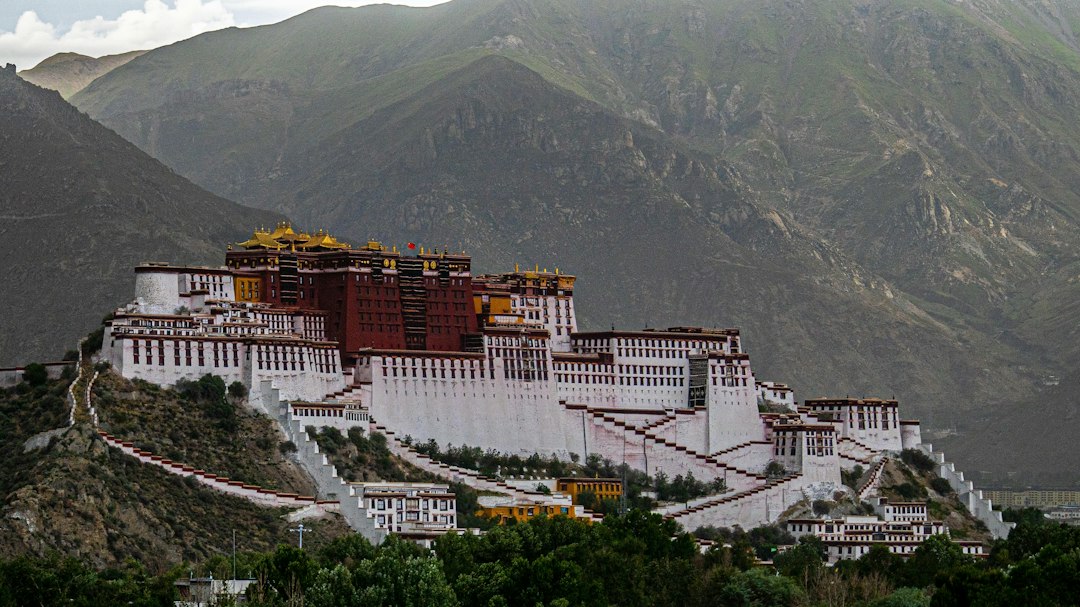
The rooftop of the world: Potala Palace, pilgrim circuits and Himalayan skies.
- Best time to visit: May to October
- Daily budget (budget traveller): $70 to $140 USD
- Ideal trip length: 3 to 4 days
Lhasa sits at 3,650 metres under some of the clearest skies on earth, and it feels like it: pilgrims spin prayer wheels around the Jokhang Temple at dawn, the Potala Palace rises thirteen storeys over the old town, and teahouses fill with yak butter tea and conversation. It is one of Asia's most extraordinary cities, and one that rewards slow, acclimatised wandering.
Lhasa hits you before you see anything. At 3,650 metres the air is thin, the sky is a deep, almost indecent blue, and your first flight of hotel stairs feels like a stair-climber on its hardest setting. Then you smell juniper smoke drifting from the incense burners on Barkhor Square, hear a few thousand prayer wheels creaking in unison, and the white-and-red bulk of the Potala Palace comes into view above the rooftops. Locals in chubas walk the Barkhor kora clockwise from before sunrise, some prostrating the whole way, and the city's rhythm makes sense at once: slow down, keep walking, drink more tea. One quirk to know early: all of China, Tibet included, runs on Beijing time, so Lhasa's sun rises around 7:30am and sets near 9pm in summer, and shops open late.
Lhasa is not a spontaneous trip. Foreign visitors need a Tibet Travel Permit, which only a licensed Tibetan agency can arrange, and you must travel with a guide and driver. Book your agency 3 to 4 weeks ahead (travellers who qualify for China's visa-free entry need only the passport), and note that visa-free entry to China does not waive the permit. Solo travellers can book a private tour, but it costs more per head, so a small-group departure is the smart move. In practice you get plenty of free time inside Lhasa itself: the Barkhor, the teahouses and the Muslim Quarter are yours to wander. Download Alipay or WeChat and link a foreign Visa or Mastercard before you fly, because almost everything from momos to taxis is paid by QR code now.
Plan Lhasa around altitude, not ambition. Use day one for sleeping, water and a short walk, then stack the big sights in order of effort: Barkhor and Jokhang first, the Potala (a timed slot, one hour inside, about 20 minutes of steps) on day three, then Sera's monk debates at 3pm and Drepung's hillside chapels. Add Ganden or Yamdrok Lake once your lungs have caught up. Nightlife is sweet tea, thukpa and a rooftop, not clubs, and that is the point. Most people continue to Shigatse and Everest Base Camp, so treat Lhasa as both the main event and your acclimatisation base.
How many days in Lhasa?
For Lhasa, we recommend 3 to 4 days. With more time, add a day trip to Drak Yerpa.
| Trip length | What you'll see | Itinerary |
|---|---|---|
| 2 days | Barkhor kora, Jokhang and the old town | Lhasa in 2 days |
| 3 days · Recommended | Adds: Potala Palace, Norbulingka and Tibet Museum | Lhasa in 3 days |
| 4 days · Recommended | Adds: Drepung and Sera monasteries | Lhasa in 4 days |
| 5 days | Adds: Ganden Monastery day trip | Lhasa in 5 days |
| 7 days | Adds: Yamdrok Lake and Kampa La; Last kora | Lhasa in 7 days |
Lhasa itinerary
Arrive and do almost nothing
Morning: Land at Gonggar (LXA), your guide meets you, about 1 hour by car to the city. If you arrive by train, Lhasa station is a 15 minute drive. Check in and drink a litre of water.
Afternoon: Sleep for two hours, then a flat 30 minute walk near your hotel. No stairs, no alcohol, no heavy lunch. Buy a small oxygen can (¥30-50) at a pharmacy near the Barkhor, just in case.
Evening: Early light dinner of thukpa at Tibetan Family Kitchen. Bed by 9:30pm, headache or not.
Barkhor kora, Jokhang and the old town
Morning: 7am: walk the Barkhor kora clockwise with the pilgrims. Then the Jokhang with your guide (¥85 ticket), climb to the roof for the Potala view and the golden roofs.
Afternoon: Lunch at Guangming Gangqiong sweet tea house. Wander Ramoche Temple and the quiet courtyard of Ani Tsankhung nunnery.
Evening: Dinner at Makye Ame on the Barkhor corner, then street kebabs and noodles in the Muslim Quarter night market by the small mosque.
Potala Palace, Norbulingka and Tibet Museum
Morning: Take your timed Potala slot (passport, no liquids, one hour inside, ¥200 May to Oct or ¥100 Nov to Apr). Walk up slowly, stop at each landing.
Afternoon: Lunch, then Norbulingka summer palace gardens (¥60), where locals picnic in summer. Finish at the free Tibet Museum before it closes (not Mondays).
Evening: Walk Potala Square when the palace lights come on. Yak hotpot along Beijing East Road.
Drepung and Sera monasteries
Morning: Guide and driver to Drepung (¥60), 8 km west, once the largest monastery in the world. Climb through the whitewashed chapels and kitchens.
Afternoon: Be at Sera (¥50) by 3pm for the debating courtyard: monks slap their hands, stamp and shout questions at seated opponents. It runs Monday to Friday, about two hours.
Evening: Quiet dinner at Snowland Restaurant. Beer at Dunya if your head feels fine.
Ganden Monastery day trip
Morning: Drive 57 km east, 1.5 hours, to Ganden (¥50) at about 4,300m. Do the kora around the ridge at your own pace, with sweeping valley views.
Afternoon: Lunch in the monastery canteen, then drive back and rest at the hotel. Thermos of sweet tea on the rooftop.
Evening: Free evening: browse the Barkhor shops for prayer flags and incense, haggle patiently.
Yamdrok Lake and Kampa La
Morning: Early start, about 100 km to Kampa La pass (4,794m) with the first view of turquoise Yamdrok Lake. Keep moving slowly at the top, the air is thin.
Afternoon: Lunch lakeside, photos with the yak and pass flags, then back to Lhasa by late afternoon.
Evening: Farewell dinner at Lhasa Kitchen or Tibetan Family Kitchen, momos and a last butter tea.
Last kora and depart
Morning: Sunrise lap of the Barkhor and one last look at the Potala from Chakpori hill. Coffee, souvenirs, thermos of tea for the road.
Afternoon: Transfer to Gonggar airport (allow 1.5 hours plus 2 hours for security) or to the train station. Public airport bus is ¥25 into town if you are on your own.
Evening: In flight, or on the train toward Xining or Chengdu with the Tibetan plateau sliding by.
Best neighbourhoods
- Barkhor Old Town: The pilgrim circuit around Jokhang Temple, ringed with prayer flag shops, teahouses and courtyard guesthouses.
- Potala Palace District: The area beneath the palace, with the kora path, Chakpori hill viewpoint and quiet parks.
- East Lhasa: The modern Chinese quarter with wider streets, bigger hotels and the best restaurant choice.
Must-do experiences
- Climb the Potala Palace: The thousand room former home of the Dalai Lamas: book the timed morning slot and take the stairs slowly.
- Join the Barkhor kora at dawn: Walk the pilgrim circuit with locals prostrating, spinning wheels and circling the Jokhang as the sun rises.
- Watch the debate at Sera Monastery: Monks debate Buddhist philosophy with dramatic hand claps every weekday afternoon in the courtyard.
- Visit Jokhang Temple: Tibet's holiest temple, home to the golden Jowo Buddha statue and rooftop views over the old town.
- Drink butter tea in a local teahouse: Sweet milk tea by the thermos, momos and people watching in the teahouses off Beijing East Road.
- Day trip to Drepung Monastery: Once the world's largest monastery, a whitewashed hillside city of chapels 8 kilometres west of town.
Hidden gems
- Norbulingka, the summer palace gardens where locals picnic in summer
- Pabonka Monastery on a boulder hill with the best Potala view
- The Muslim quarter's night market near the small mosque
- Ani Tsankhung nunnery's quiet courtyard just off the Barkhor
Daily budget
- Accommodation: budget ¥60-120 / night (dorm) or ¥250-400 (twin, agency-picked), mid-range ¥500-900 (Kyichu Hotel, Banak Shol, courtyard double), splurge ¥1,500+ (St. Regis Lhasa Resort, House of Shambhala). Foreigners must stay in hotels licensed for foreign guests, so your agency confirms the booking. Request Barkhor-area hotels for walkability.
- Food: budget ¥60-100 / day (thukpa ¥20-30, momos ¥25-40, sweet tea ¥2-3 a glass), mid-range ¥150-250 (dinner at Makye Ame or Tibetan Family Kitchen), splurge ¥450+ (tasting menu at a five-star resort). Lunch in a local teahouse costs a third of a tourist restaurant. Yak hotpot for two is about ¥120-200.
- Transport: budget ¥10-20 / day (bus ¥1, taxi flat ¥10 in the city centre), mid-range ¥50-100 (DiDi, plus airport bus ¥25), splurge ¥1,200+ (private Land Cruiser with driver and guide per day). Tour packages ($90-150 a day) already include guide, car and permits. Inside the old town, walk.
- Activities: budget ¥150-250 (Jokhang ¥85, Sera ¥50, free Barkhor and Tibet Museum), mid-range ¥350-500 (Potala ¥200 peak or ¥100 off-peak, Drepung ¥60, Norbulingka ¥60), splurge ¥800+ (private guide-led day to Ganden and Yamdrok, photography permits). Tibet Museum is free with your passport (closed Mondays). Monastery photo fees run ¥10-50 per chapel.
- Drinks & nightlife: budget ¥20-40 (Lhasa Beer ¥8-10 from a shop, sweet tea), mid-range ¥80-150 (bar at Dunya, rooftop sunset beer), splurge ¥300+ (St. Regis bar, Tibetan whisky and chang tasting). Skip alcohol your first 48 hours. Nightlife is early: most places wind down by 11pm.
Where to stay
- Social hostel in Barkhor Old Town (¥60-120 / night (dorm)): Yak Hotel and Pentoc Guesthouse put you minutes from the Jokhang with dorms, rooftop views and a mix of backpackers and solos. Good for finding people to share a tour with.
- Boutique hotel in Barkhor Old Town (¥500-1,400 / night): Banak Shol or House of Shambhala: traditional courtyards with thangka paintings, rooftop terraces and a short walk to the pilgrim circuit. Book through your agency.
- Apartment in East Lhasa / Barkhor lanes (¥300-500 / night): Family-run Tibetan guesthouses and serviced studios in the lanes around the old town. Foreigners can only book licensed places, so your agency confirms. Best value for 5+ nights.
- Splurge in West Lhasa (¥1,500-2,800 / night): The St. Regis Lhasa Resort or a Songtsam retreat: oxygen-enriched rooms, proper heating and Tibetan-inspired spa. A real asset for the altitude-sensitive.
What to eat
- Momos, steamed or fried dumplings, at the teahouses around the Barkhor
- Thukpa, the hand pulled noodle soup that fuels cold mornings
- Yak meat hotpot in the restaurants along Beijing East Road
- Sweet tea at Guangming Gangqiong, the city's most famous teahouse
Day trips
- Ganden Monastery (57 km, 1.5 hours by car): Founded in 1409 on a mountain ridge at 4,300m, with a spectacular kora trail and panoramic views of the Kyichu valley. Quieter than the city monasteries, and the climb is gentle. Private car with your guide, entry ¥50. Pilgrim buses leave early from Barkhor Square for ¥25-30 but need a guide for foreigners.
- Yamdrok Lake and Kampa La (100 km, about 2.5 hours each way): A turquoise lake below the 4,794m Kampa La pass, with yaks, pass flags and views of Mount Nojin Kangsang. A long day but the most photogenic drive out of Lhasa. Private car with your guide only. Leave by 7:30am, carry layers, and go slow at the pass.
- Drak Yerpa (About 16 km, 45 minutes by car): Hillside meditation caves used by Padmasambhava and Atisha, with a prayer-flag trail and a quiet cliffside monastery. A gentle half-day to acclimatise. Car with guide, around ¥300-400 for the half-day, or arranged through your agency.
When to visit
- Spring (March - May): Highs 10-20°C, lows -3 to 8°C, dry, sunny, dusty winds in the afternoon. Crowds: Light in March, building fast from the early May holiday. Great value in April and May. Clear skies, half-price Potala tickets until the end of April (¥100), but nights are still cold.
- Summer (June - August): Highs 22-24°C, lows 9-11°C, short night showers, daylight until 9pm. Crowds: Heavy, Potala slots sell out days ahead. Warmest and greenest, with Shoton (yoghurt festival) in August at Drepung and Norbulingka. Book permits and Potala tickets early, and pack a rain shell for the evenings.
- Autumn (September - October): Highs 17-20°C, lows 1-8°C, crisp and cloudless. Crowds: Moderate, spikes during China's National Day week (1-7 Oct). The best window. The sky is at its sharpest and the barley fields are gold. Avoid 1 to 7 October and the weeks around it if you can.
- Winter (November - February): Highs 7-10°C, lows -8 to -10°C, bone dry, bright sunshine. Crowds: Very low, mostly pilgrims. The local pick. Potala drops to ¥100, hotels are half price and Losar (Tibetan New Year, in February or early March) is spectacular. Some hotels and roads out of town close, and you will want a proper down jacket.
Entry rules for your passport
Visa rules for China depend on the passport you travel on. Check the official source before you book: China National Immigration Administration
Tibet also needs a Tibet Travel Permit, arranged by a licensed agency as part of a guided tour. China's visa-free entry does not replace it.
Getting there
Every foreign visitor needs a Tibet Travel Permit, arranged by a licensed agency 3 to 4 weeks ahead using your passport (travellers who qualify for China's visa-free entry need only the passport, and 30 day visa-free entry for many nationalities does not replace the permit). By air, Lhasa Gonggar Airport (LXA) is 68 km and about 1 hour from the city. Direct flights run from Chengdu Tianfu (2h40, roughly ¥1,000-1,800), Chongqing, Xi'an, Beijing and Kathmandu (via group visa). Your guide meets you at arrivals; if on your own, the airport bus is ¥25 to the city terminal. By train, Lhasa station is about 15 minutes from the old town. Xining to Lhasa takes about 21 hours (hard sleeper ¥400-500, soft sleeper ¥750-850), Chengdu about 36 hours, and Beijing 40+ hours. The train crosses the 5,072m Tanggula Pass and helps acclimatisation, but needs your permit copy to book. Fly in, train out is a popular mix.
Getting around
Foreign travellers must enter Tibet on a prearranged tour with a Tibet Travel Permit, booked through a licensed agency at least two to three weeks ahead; independent travel is not permitted. The train from Xining (about 21 hours) helps acclimatisation; flights land at Gonggar airport, an hour from the city. Within Lhasa, the old town is walkable and taxis are cheap.
Safety
Altitude is the main risk: spend your first day or two resting, hydrate, avoid alcohol, and consider acetazolamide after consulting a doctor. Lhasa itself is very safe with a visible security presence; carry your passport and permits at all times, and be aware that photography inside temples and of police or military sites is restricted.
Solo travel tips
- Book a small group departure: A private tour for one person costs the most per head. Ask agencies for a shared departure with 4 to 8 people and you will split the vehicle and guide, usually saving 30 to 50%.
- Hostel pick: Yak Hotel or Pentoc Guesthouse: Both sit steps from the Barkhor, have dorms and rooftop or courtyard hangouts, and attract solo travellers heading to Shigatse and Everest. Notice boards are the best way to find tour-sharing partners.
- Teahouse rule: sit with strangers: Guangming Gangqiong is crowded and communal, so you are meant to share tables. Order a glass of sweet tea for ¥2-3, point at a neighbour's plate and say 'tashi delek'. Conversation follows.
- Respect your first 48 hours: Solo means no one to notice early altitude symptoms. Message your guide if you get a splitting headache, vomiting or breathlessness at rest. They know the nearest clinic and have oxygen in the car.
- Solo female travellers: Lhasa is very safe at night, with visible security and well-lit streets. Dress modestly (shoulders and knees covered) for temples, carry your passport and permit at all times, and avoid lonely stretches of the kora after 10pm.
- Set up your apps before you fly: Download Alipay or WeChat and link a foreign card, plus Pleco and an offline map. Google, WhatsApp and Instagram are blocked unless you use a foreign roaming eSIM, which most solo travellers prefer.
Cultural etiquette
- Walk clockwise around temples, stupas, mani walls and prayer wheels. Going the other way is a mistake locals will notice.
- Dress modestly in monasteries: shoulders and knees covered, hats off inside chapels. Never point your feet toward statues or monks.
- Photography is banned or fee-based inside most chapels (¥10-50). Ask your guide first and never photograph police, soldiers or checkpoints.
- Politics is off the table. Don't bring pictures of the Dalai Lama, Tibetan flags or political literature, and follow your guide's lead on sensitive topics.
- Offer small notes (¥1-5) at altars, not large bills. If someone hands you a white kata scarf, accept it with both hands and bow slightly.
- When offered butter tea, take a small sip. Your cup will be refilled each time, and leaving it half full is polite if you have had enough. Learn two phrases: 'tashi delek' (hello) and 'thuk-je-che' (thank you).
- Tip your guide and driver. A common rate is ¥100-150 a day for the guide and ¥50-80 for the driver, handed over at the end of the tour.
Frequently asked questions
Do I need a permit to visit Lhasa?
Yes. Foreign travellers need a Tibet Travel Permit, which is only issued through a licensed Tibetan tour agency as part of a prearranged tour with a guide and driver. Apply at least two to three weeks before travel; your agency handles the paperwork using your passport and, unless you qualify for China's visa-free entry, your Chinese visa.
How many days do I need in Lhasa?
Three to four days is ideal: one light day to acclimatise, one for the Potala Palace and Jokhang Temple, one for Sera and Drepung monasteries, and a spare for teahouses, the Barkhor or a day trip. Most Tibet itineraries then continue to Shigatse or Everest Base Camp.
How bad is the altitude in Lhasa?
At 3,650 metres, most visitors feel some effects: headache, poor sleep, shortness of breath. Take the first 24 to 48 hours very easy, drink plenty of water, skip alcohol, and walk slowly. The train from Xining helps gradual acclimatisation. Severe symptoms mean descending; serious altitude sickness is rare at Lhasa's elevation but possible.
When is the best time to visit Lhasa?
May to October brings the warmest weather and clearest skies, with June to August warmest but busiest and occasionally rainy at night. April and October are excellent shoulder months with fewer crowds. Winter is cold but dry, sunny, cheap and atmospheric. Tibet usually closes to foreign visitors from mid or late February through March, around Losar (Tibetan New Year); in 2026 the March closure was lifted, but no permits were processed over the New Year holiday, so check with your agency.
Can I travel to Lhasa independently?
No. Current rules require foreign visitors to travel with a licensed guide and prebooked transport throughout Tibet. You can still shape your own itinerary through the agency, and within Lhasa you typically get free time to wander the Barkhor and teahouses on your own.
Is the train to Lhasa worth it?
Yes, for both acclimatisation and scenery: the 21 hour ride from Xining crosses 5,000 metre passes and grasslands with wild yak. Book a soft sleeper well ahead, especially May to October. Flying in is faster but the sudden altitude jump hits harder.
What does Lhasa cost per day?
Tour packages with guide, driver, permits, hotels and entry fees run $90 to $150 per person per day for a private trip, less in a small group. On top of that, meals are cheap: teahouse lunches $3 to $6, dinners $8 to $15. Budget for tips and any monastery photo fees.
Tours and activities in Lhasa | Lhasa in 2 days | Lhasa in 3 days | Lhasa in 4 days | Lhasa in 5 days | Lhasa in 7 days
Joy Plus home | Destinations | Itineraries | Activities | Flights | Budget planner | Calendar | Map | Blog | Lifetime access