Destinations / Europe
Lofoten Islands, Norway travel guide
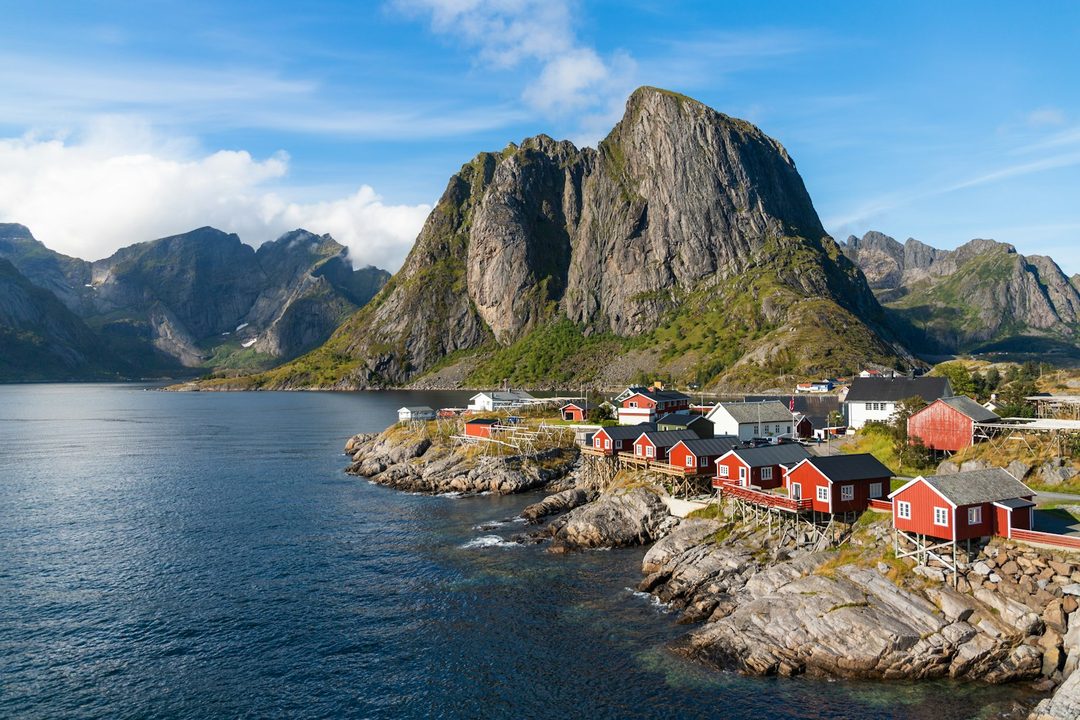
Norway's dramatic Arctic archipelago: jagged peaks, historic fishing villages, and sweeping fjords.
- Best time to visit: June to August or September to March
- Daily budget (budget traveller): $140 to $320 USD
- Ideal trip length: 5 to 7 days
Rising from the turbulent waters of the Norwegian Sea, the Lofoten Islands form an awe-inspiring archipelago above the Arctic Circle. While the mainland boasts deep valleys and dense forests, Lofoten is defined by its sheer granite peaks plunging directly into icy fjords. For decades, the region was sustained entirely by the winter cod migration, leaving a legacy of bright red rorbuer (fishermen's cabins) clinging to the rocky shorelines. Today, bases like the bustling harbour town of Svolvær and the impossibly picturesque village of Reine offer solo travellers a gateway to world-class hiking, Arctic surfing, and thriving contemporary art scenes. Whether you are chasing the ethereal glow of the midnight sun or the dancing ribbons of the northern lights, Lofoten provides an intensely raw and rewarding coastal escape.
Rising from the turbulent waters of the Norwegian Sea, the Lofoten Islands form an awe-inspiring archipelago above the Arctic Circle. While the mainland boasts deep valleys and dense forests, Lofoten is defined by its sheer granite peaks plunging directly into icy fjords. For centuries, the region was sustained entirely by the winter cod migration, leaving a legacy of bright red rorbuer cabins clinging to the rocky shorelines. Today, that rich maritime heritage blends seamlessly with a modern, eco-conscious tourism scene, drawing adventurers, artists, and nature lovers to its dramatic shores.
For the solo traveller, Lofoten is an intensely raw and rewarding destination that demands a spirit of adventure. The archipelago is connected by the winding E10 highway, a spectacular feat of engineering that hops between islands via sweeping bridges and undersea tunnels. You can spend your morning tackling the steep stone steps of the Reinebringen trail, enjoy a lunch of freshly caught Arctic char, and spend the afternoon warming up in a traditional wood-fired sauna overlooking the ocean. The towns of Svolvær and Reine serve as excellent bases, offering a mix of lively harbour culture and quiet, contemplative isolation.
Beyond the immediate physical beauty, Lofoten is defined by its extreme Arctic light. Visit between late May and mid-July to experience the surreal energy of the midnight sun, where the golden hour lasts all night and hiking at 2 AM is perfectly normal. Arrive between September and March, and the long, dark nights become a canvas for the dancing ribbons of the northern lights. Whether you navigate the islands via the affordable local bus network or join guided photography tours, Lofoten promises a deeply transformative and visually staggering European escape.
Lofoten Islands itinerary
Arrival in Svolvær
Morning: Arrive in Svolvær via the express boat or airport bus. Check into your accommodation and take a walk around the bustling harbour, admiring the towering Svolværgeita peak.
Afternoon: Visit the Magic Ice bar to see illuminated ice sculptures, then browse the local boutiques and outdoor gear shops in the town centre.
Evening: Enjoy a welcoming dinner of creamy fish soup at a waterfront restaurant, watching the fishing boats return with their catch.
Trollfjorden and Henningsvær
Morning: Board a silent electric hybrid ship for a morning cruise into the majestic Trollfjord, keeping your camera ready for white-tailed sea eagles.
Afternoon: Catch a bus to Henningsvær. Explore the KaviarFactory contemporary art space and wander around the famous football pitch surrounded by drying fish racks.
Evening: Spend the evening at Trevarefabrikken, enjoying a wood-fired pizza and mingling with locals and travellers in the vibrant lounge.
Viking History and Surfing
Morning: Travel west to Borg to visit the Lofotr Viking Museum. Spend the morning exploring the massive reconstructed longhouse and learning about Norse mythology.
Afternoon: Take a detour to Unstad Beach. Watch the cold-water surfers brave the Arctic waves, and warm up with a world-famous cinnamon bun from the local bakery.
Evening: Continue your journey south to Leknes to stock up on groceries, then settle into a quiet guesthouse for the night.
The Beauty of Reine
Morning: Catch the Lofotekspressen bus down to Reine, arguably the most picturesque village in the archipelago. Check into a traditional red rorbu cabin.
Afternoon: If the weather is clear, tackle the steep Sherpa steps up Reinebringen for an unparalleled panoramic view of the jagged peaks and deep blue fjords.
Evening: Reward your hiking efforts with a hearty dinner of traditional bacalao at a local tavern, soaking in the serene village atmosphere.
Sakrisøy and Seafood
Morning: Walk or take a short bus ride to the tiny neighbouring island of Sakrisøy, known for its distinctive yellow cabins and rich maritime history.
Afternoon: Stop at Anita's Sjømat for lunch. Order their legendary fish burger topped with fresh local shrimp and smoked salmon.
Evening: Spend the afternoon exploring the nearby village of Å, the southernmost point of the E10 highway, and visit the Norwegian Fishing Village Museum.
Hidden Beaches and Coastal Trails
Morning: Head towards Fredvang and hike to the remote Kvalvika Beach. The trail takes you through a mountain pass before revealing a stunning, isolated crescent of white sand.
Afternoon: Relax on the beach and take in the sheer scale of the surrounding cliffs. If you are feeling brave, dip your toes into the freezing Norwegian Sea.
Evening: Return to your base in Reine or Ramberg. If visiting in winter, spend the evening joining a guided minibus tour to chase the northern lights.
Ferry Rides and Farewell
Morning: Enjoy a slow morning with a coffee overlooking the water, packing your bags and taking your final photographs of the dramatic Lofoten peaks.
Afternoon: Head to the Moskenes ferry terminal. Board the large car ferry for the scenic three-and-a-half-hour journey across the Vestfjord back to Bodø.
Evening: Arrive in Bodø, grab a quick bite near the harbour, and connect to your onward flight or board the night train heading south to Trondheim.
Best neighbourhoods
- Svolvær: The largest town and primary transport hub of the islands, offering a lively harbour, excellent seafood restaurants, and easy access to fjord cruises.
- Reine: A jaw-droppingly scenic fishing village in the south, surrounded by towering granite peaks and serving as the perfect base for challenging hikes.
- Henningsvær: Spread across several small islands, this trendy village blends traditional fishing heritage with contemporary art galleries and vibrant cultural venues.
Must-do experiences
- Hike to the Reinebringen viewpoint: Tackle the steep stone steps built by Sherpas to reach a breathtaking panoramic view over the village of Reine and the surrounding fjords.
- Explore the Lofotr Viking Museum: Step inside a meticulously reconstructed Viking longhouse in Borg to experience interactive exhibits and traditional Norse craftsmanship.
- Experience Trevarefabrikken in Henningsvær: Visit this repurposed cod liver oil factory that now serves as a dynamic cultural hub, complete with a sauna, cafe, and live music.
- Cruise through the narrow Trollfjord: Board a silent electric ship from Svolvær to navigate this incredibly narrow, steep-sided fjord, keeping an eye out for white-tailed sea eagles.
- Wander the preserved village of Nusfjord: Step back in time at one of the oldest and best-preserved fishing villages in Norway, tucked away in a serene, sheltered cove.
- Chase the Arctic skies: Join a guided photography tour to capture the vibrant northern lights between September and March, or enjoy the endless daylight of the midnight sun in summer.
Hidden gems
- The remote and stunning Kvalvika Beach, accessible only by a scenic hike through a mountain pass
- The contemporary art exhibitions housed inside the KaviarFactory, a striking repurposed caviar factory in Henningsvær
- The legendary fish burgers topped with local shrimp at Anita's Sjømat on the tiny island of Sakrisøy
- The cold-water surfers riding Arctic waves at Unstad Beach, where you can watch the action with a warm cinnamon bun
Daily budget
- Accommodation: budget 400 to 800 NOK / night (hostel dorm or basic guesthouse), mid-range 1,200 to 2,500 NOK (comfortable private room or traditional rorbu cabin), splurge 3,500+ NOK (luxury waterfront lodge or premium glass igloo). Norway is notoriously expensive. Booking a hostel or a cabin with a kitchenette is the best way to manage costs.
- Food: budget 200 to 400 NOK / day (supermarket groceries, bakery pastries, and hot dogs), mid-range 500 to 900 NOK (sit-down lunch of fish soup and a casual pub dinner), splurge 1,500+ NOK (multi-course Arctic tasting menus and imported wines). Eating out is a luxury in Norway. Solo travellers can save significantly by cooking their own meals using local supermarket ingredients.
- Transport: budget 200 NOK / day (using the Travel Pass Nordland for unlimited buses), mid-range 500 to 800 NOK (occasional taxi rides or joining a shared minibus tour), splurge 1,500+ NOK (renting a private car with full insurance and paying for fuel). The 1,990 NOK seven-day bus pass is an absolute steal compared to the exorbitant daily rates of summer car rentals.
- Activities: budget 0 to 100 NOK (hiking, beachcombing, and exploring fishing villages), mid-range 200 to 500 NOK (Lofotr Viking Museum entry, sauna sessions, or gallery tickets), splurge 1,200+ NOK (guided sea kayaking, Trollfjord wildlife cruises, or aurora tours). Nature is free, meaning your biggest daily expense will likely be food and shelter rather than sightseeing.
- Drinks & nightlife: budget 50 to 100 NOK (supermarket beers enjoyed at your cabin), mid-range 200 to 400 NOK (a couple of craft beers at a local pub in Svolvær or Henningsvær), splurge 800+ NOK (cocktails and premium spirits at upscale hotel bars). Alcohol is heavily taxed. Buy your drinks at the state-run Vinmonopolet if you want to enjoy a glass of wine without the massive restaurant markup.
Where to stay
- Social hostel in Svolvær / Stamsund (400 to 700 NOK / night): Perfect for meeting other solo backpackers, offering communal kitchens, organised tours, and easy access to the main bus routes and ferry terminals.
- Boutique hotel in Henningsvær (1,500 to 2,500 NOK / night): Trendy, design-forward properties that blend industrial heritage with modern Scandinavian minimalism, often featuring lively on-site bars and cafes.
- Rorbu cabin in Reine / Sakrisøy (1,800 to 3,000 NOK / night): Iconic red or yellow fishermen's cabins perched on stilts over the water. Many have been converted into cosy, self-catering apartments ideal for independent travellers.
- Splurge in Nusfjord (3,500+ NOK / night): Historic, meticulously preserved fishing villages offering luxury cabin stays, complete with private hot tubs, fine Arctic dining, and unparalleled seclusion.
What to eat
- Tørrfisk: traditional air-dried cod that has sustained the islands for centuries, often served grilled or reconstituted in hearty dishes
- Fiskesuppe: a rich, creamy fish soup loaded with the day's freshest catch, root vegetables, and a generous splash of cream
- Bacalao: a robust, tomato-based stew made with salted cod, potatoes, and onions, reflecting historical trade ties with southern Europe
- Kanelsnurrer: freshly baked, cardamom-spiced cinnamon buns that provide the perfect energy boost after a long, windy hike
Day trips
- Værøy Island (1.5 hours by ferry from Moskenes): A remote, dramatic island south of Moskenes known for its sheer bird cliffs, puffin colonies, and incredibly peaceful atmosphere. Take the local passenger ferry from the Moskenes terminal. Check the schedule carefully, as departures are infrequent.
- Trollfjord (2 to 3 hours by boat): A spectacularly narrow fjord flanked by vertical mountain walls. It is a prime location for spotting majestic white-tailed sea eagles. Book a silent electric hybrid catamaran or a fast RIB boat tour departing directly from the Svolvær harbour.
- Skrova Island (30 minutes by ferry): Often called the 'Hawaii of Lofoten' due to its white sandy beaches and turquoise waters, offering easy hiking and a vibrant arts scene. Catch the quick local ferry from Svolvær. The island is small enough to easily explore on foot in a single afternoon.
When to visit
- Spring (April to May): 2 to 8°C, melting snow with longer days and crisp, clear air. Crowds: Low, offering a quiet transition period before the summer rush. A beautiful but unpredictable time, with some hiking trails still inaccessible due to lingering snow and ice.
- Summer (June to August): 10 to 16°C, generally mild with the phenomenon of the midnight sun. Crowds: High, as international tourists and campervans flock to the E10 highway. The absolute best season for hiking, surfing, and experiencing the islands in endless daylight, though booking ahead is essential.
- Autumn (September to October): 5 to 10°C, cooling rapidly with vibrant autumnal colours and stormy seas. Crowds: Moderate to low, providing a more peaceful solo experience. Highly atmospheric and arguably the best time for landscape photography, marking the return of the northern lights.
- Winter (November to March): -2 to 4°C, cold and dark with frequent snowstorms and limited daylight. Crowds: Low, except for peak aurora chasing weeks in February. A magical, moody season perfect for northern lights viewing and cosy cabin stays, though outdoor activities are severely restricted.
Entry rules for your passport
Visa rules for Norway depend on the passport you travel on. Check the official source before you book: European Commission: Schengen visa policy
Getting there
Reaching the Lofoten Islands is an adventure in itself. The most popular and scenic route is flying into Bodø (BOO) and taking the three-and-a-half-hour passenger and car ferry across the Vestfjord to Moskenes, which drops you right in the spectacular southern part of the archipelago. Alternatively, you can take a fast express boat from Bodø directly to Svolvær. If you prefer to fly all the way, the regional airline Widerøe operates small propeller planes from Bodø and Oslo to the local airports in Svolvær (SVJ) and Leknes (LKN). Another common option is flying into the larger Evenes Airport (EVE) near Narvik and catching the daily airport express bus, which takes about three hours to reach Svolvær.
Border checks: non-EU visitors (other than Swiss, Norwegian, Icelandic, Liechtenstein, Andorran, Monegasque, San Marinese and Vatican citizens, and holders of an EU residence permit or long-stay visa) are registered in the EU's Entry/Exit System (EES) instead of getting a passport stamp. On your first crossing, officers take your photo and/or fingerprints, so allow extra time at passport control. ETIAS, the planned travel authorisation, is not in operation yet, so don't pay any website for one.
Getting around
While renting a car offers maximum flexibility, getting around Lofoten by public transport is entirely feasible and increasingly popular. The backbone of the network is the Route 300 Lofotekspressen bus, which runs the length of the E10 highway from Narvik through Svolvær and Leknes down to Å. For solo travellers, the cheapest and easiest option is downloading the Reis Nordland app. Through the app, you can purchase the Travel Pass Nordland for 1,990 NOK, granting you seven days of unlimited travel on all local buses and express boats. Keep in mind that bus frequencies drop significantly outside the peak summer season, so checking the app for real-time schedules is essential.
Safety
Lofoten is exceptionally safe regarding crime, but the natural environment demands immense respect. The weather can shift rapidly from bright sunshine to blinding sleet within an hour, so dressing in waterproof layers is mandatory. When hiking trails like Reinebringen, stay on the marked paths, as the terrain is steep and prone to rockfalls. If you choose to rent a car, drive cautiously on the narrow, winding E10 highway, and use the designated passing places to allow larger vehicles to pass safely.
Solo travel tips
- Download the Reis Nordland app: This is your lifeline for public transport. It provides real-time bus schedules, route planning, and allows you to buy the highly cost-effective Travel Pass Nordland.
- Pack layers for unpredictable weather: The Arctic climate is volatile. You can experience bright sunshine, heavy rain, and biting winds all in the same afternoon. A high-quality windproof and waterproof shell is essential.
- Book accommodation well in advance: Lofoten has a limited supply of beds, especially for budget-conscious solo travellers. Hostels and affordable cabins book out months in advance for the peak summer season.
- Utilise the local supermarkets: Dining out in Norway will quickly drain your budget. Shop at Rema 1000 or Kiwi supermarkets to buy ingredients for packed lunches and simple cabin dinners.
- Respect the hiking trails: The terrain in Lofoten is steep, muddy, and unforgiving. Never hike in heavy fog or high winds, stick to the marked paths, and always let someone know your planned route.
- Embrace the sauna culture: Public saunas are popping up all over the islands. Booking a communal sauna session is a fantastic way to warm up, relax your muscles, and chat with friendly locals and fellow travellers.
Cultural etiquette
- Norwegians value personal space and privacy. Keep your voice down in public spaces and avoid sitting directly next to someone on a half-empty bus.
- Punctuality is highly respected. If you book a fjord cruise, a sauna session, or a guided hike, ensure you arrive at least ten minutes early.
- Tipping is not strictly required or expected, as service staff are paid a living wage. However, rounding up the bill for exceptional service in a nice restaurant is appreciated.
- The right to roam (Allemannsretten) allows you to hike and forage freely, but you must respect private property, take all your rubbish with you, and never camp too close to houses.
- Do not complain about the weather. Locals embrace the harsh conditions with the philosophy that 'there is no bad weather, only bad clothing'.
- When entering a Norwegian home or a private cabin rental, always take off your outdoor shoes at the door to avoid tracking in mud and snow.
- English is spoken flawlessly by almost everyone. There is no need to struggle with a translation app, though a polite 'Takk' (thank you) is always warmly received.
Frequently asked questions
How do I get to Lofoten from the mainland?
You can fly into the small airports at Svolvær or Leknes via Bodø. Alternatively, take the scenic three-and-a-half-hour car ferry from Bodø directly to Moskenes, or ride the express passenger boat to Svolvær.
How many days do I need in Lofoten?
Five to seven days are ideal. This allows you to base yourself in both the northern and southern parts of the archipelago, giving you time to hike, take a fjord cruise, and account for bad weather days.
When is the best time to see the northern lights?
The aurora borealis is visible from September to early April. October and February are particularly popular months, offering a good balance of dark, clear skies and accessible hiking trails.
Can I travel around Lofoten without a car?
Yes, the Route 300 bus connects the main towns along the E10 highway. Buying a Travel Pass Nordland via the Reis Nordland app provides unlimited bus and boat travel for seven days, though careful scheduling is required.
Is it safe to hike alone in Lofoten?
Popular trails like Reinebringen are generally safe for solo hikers during the summer due to the high foot traffic. Always check the local weather forecast, wear sturdy boots, and let your accommodation know your route.
What is the primary language spoken?
Norwegian is the official language. However, Norwegians speak exceptionally fluent English, making it incredibly easy for solo travellers to navigate, order food, and ask for directions.
Are the fishing villages open year-round?
Major hubs like Svolvær and Leknes operate year-round. However, some cafes, museums, and smaller guesthouses in villages like Å or Nusfjord close or run on limited hours during the dark winter months.
What entry rules apply to travellers visiting Norway in 2026?
Norway is part of the Schengen Area. For short visits, citizens of the UK, US, Canada, and Australia can enter visa-free. As of April 2026, all non-EU travellers must register their biometric data at the border through the fully operational EU Entry/Exit System (EES). The ETIAS pre-authorisation system has been delayed and has no confirmed launch date.
More about Lofoten Islands
Tours and activities in Lofoten Islands | Lofoten Islands in 2 days | Lofoten Islands in 3 days | Lofoten Islands in 4 days | Lofoten Islands in 5 days | Lofoten Islands in 7 days
Can't decide? Compare Lofoten Islands with...
Joy Plus home | Destinations | Itineraries | Activities | Flights | Budget planner | Calendar | Map | Blog | Lifetime access