Destinations / Africa
Luxor, Egypt travel guide
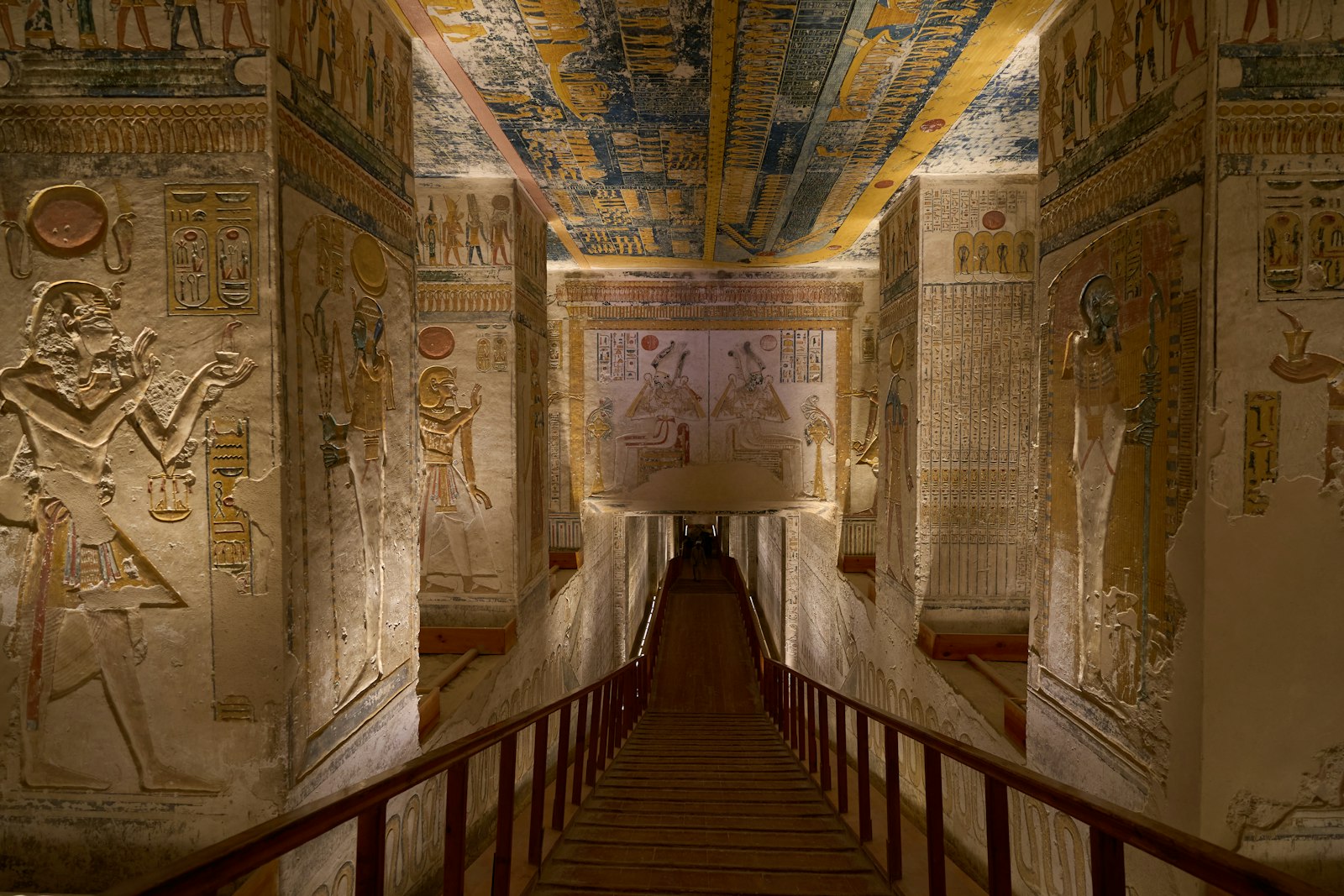
The world's greatest open-air museum - temples, tombs, and the Valley of the Kings on the Nile.
- Best time to visit: October-April (cooler, comfortable for sightseeing)
- Daily budget (budget traveller): $40 to $90 USD
- Ideal trip length: 2 to 3 days
Luxor sits on the site of ancient Thebes and holds an astonishing share of the world's ancient monuments - Karnak, the Valley of the Kings, Hatshepsut's temple and more, split by the Nile into the living East Bank and the funerary West Bank. Joy Plus times the tombs and temples for the cool morning hours, sequences the two banks to avoid backtracking, and fends off the relentless touts so you actually enjoy the wonders.
Luxor is what happens when a city refuses to move out of the way of its own history. The ancient Egyptians called it Waset, the Greeks called it Thebes, and today it is a working Nile town of roughly half a million people where a 3,400-year-old temple sits next to a bus stop. The Nile splits it in two. The East Bank is the living side, with Karnak, Luxor Temple, the train station, the souk and the corniche. The West Bank is where the sun sets, and where the pharaohs built their tombs: the Valley of the Kings, Hatshepsut's terraces, the Colossi of Memnon and Medinet Habu, spread across fields and limestone cliffs.
The trick to doing Luxor well is sequencing, not stamina. Heat decides everything here. Valley of the Kings opens at 6am and by 11am in most months you are wilting in a tomb queue. So the West Bank goes first thing, Karnak goes at its 6am opening, and the midday hours belong to a hotel pool, a long lunch, or the air-conditioned Luxor Museum. Luxor Temple is saved for after dark, when it is floodlit, cooler and half empty. Entry tickets are cheap by global standards (roughly EGP 400 to 700 for the big sites). The real spending is on a decent guide, a driver for the West Bank and, if you want it, a dawn balloon.
The other thing to know is the hassle, and it is manageable. Calèche drivers, felucca captains, papyrus sellers and self-appointed guides will approach you every few metres on the corniche. It is almost never dangerous, just tiring. A smile, a firm "la, shukran" and the habit of agreeing every price before you sit down or get in will cut it by 90%. Come between November and February, bring EGP 20 and 50 notes for baksheesh, and Luxor repays you with the densest concentration of ancient wonders on earth, at prices that make it one of the best-value bucket-list stops in Africa.
How many days in Luxor?
For Luxor, we recommend 2 to 3 days. With more time, add a day trip to Abydos.
| Trip length | What you'll see | Itinerary |
|---|---|---|
| 2 days · Recommended | Corniche and Luxor Temple at night; Dawn balloon, Valley of the Kings, Hatshepsut | Luxor in 2 days |
| 3 days · Recommended | Adds: Karnak at opening and the Avenue of Sphinxes | Luxor in 3 days |
| 4 days | Adds: West Bank villages, Nobles and Medinet Habu | Luxor in 4 days |
| 5 days | Adds: Dendera Temple of Hathor | Luxor in 5 days |
| 7 days | Adds: Esna and Edfu, temple day south; Souk | Luxor in 7 days |
Luxor itinerary
Arrive, corniche and Luxor Temple at night
Morning: Land at LXR or step off the train at Luxor station. Drop bags, then walk the corniche for ful and ta'amiya breakfast at a local spot near the souk.
Afternoon: Rest through the heat. At 4pm, tour the Mummification Museum on the corniche, then Luxor Museum (open late in the evening, around EGP 300).
Evening: Luxor Temple at dusk, open until 9pm and beautifully floodlit. Dinner at Sofra, a restored house with a rooftop, then an early night for the dawn start.
Dawn balloon, Valley of the Kings, Hatshepsut
Morning: Balloon pickup around 4:30am. Float over Hatshepsut and the green fields at sunrise, then by 7:30am you are at the Valley of the Kings ticket gate. Choose three tombs plus Tutankhamun if you want it.
Afternoon: Temple of Hatshepsut at Deir el-Bahari by 10am, then the Colossi of Memnon (free, five minutes). Lunch at Amoun on the West Bank.
Evening: Take the public ferry back, shower, dinner at Al-Sahaby Lane for the rooftop view and Egyptian mezze.
Karnak at opening and the Avenue of Sphinxes
Morning: Be at Karnak at 6am (EGP 600). Hypostyle Hall first, the sacred lake last. A guide here is worth the EGP 600 to 1,000 for the half-day.
Afternoon: Pool or air-conditioned siesta. At 4pm, tea at a corniche cafe and shop the souk for spices and cotton scarves.
Evening: Walk the restored Avenue of Sphinxes toward dusk if open, then Luxor Temple again from the corniche side. Dinner at the Kings Head Pub if you want a beer.
West Bank villages, Nobles and Medinet Habu
Morning: Hire your West Bank driver for the day (EGP 1,200 to 1,800). Start at the Tombs of the Nobles in Sheikh Abd el-Qurna, vividly painted and quiet.
Afternoon: Ramesseum then Medinet Habu, Ramesses III's colourful mortuary temple with almost no tour groups. Late lunch at Nubian House.
Evening: Sunset felucca to Banana Island (about EGP 600 to 900 per boat, agree the time and price first). Dinner back on the East Bank.
Dendera Temple of Hathor
Morning: Private car north to Dendera (about 1 hour, roughly EGP 2,000 to 3,000 shared). Arrive at opening to climb to the roof and see the zodiac ceiling.
Afternoon: Return via Qena. Lunch in town, then rest.
Evening: Dinner at 1886 if you are splurging, or a koshary stand in the souk if not. Luxor Temple glows from the corniche.
Esna and Edfu, temple day south
Morning: Drive south 1h45 to Edfu, the best preserved Ptolemaic temple, dedicated to Horus. Go on weekdays to dodge the Nile cruise boats.
Afternoon: Stop at Esna on the way back for its recently cleaned ceiling hall. Lunch with the driver at a roadside tagen place.
Evening: Slow dinner on the East Bank, a sheesha on the corniche, early sleep.
Slow morning, souk, depart
Morning: Coffee and fresh karkade at a corniche cafe. Last souk lap for alabaster, spices and a proper galabeya, with a firm price before you pick up anything.
Afternoon: Last lunch of hamam (grilled pigeon) or koshary. Taxi to LXR (agree EGP 250 to 400 in advance) or the 3-hour train to Aswan.
Evening: Fly or take the sleeper train to Cairo. If you can, sit on the Nile side of the train for the last light.
Best neighbourhoods
- East Bank (city centre): The living city - hotels, the corniche, Luxor Temple, Karnak and the souk.
- West Bank: The land of the dead - Valley of the Kings, Hatshepsut, the Colossi. Quieter, rural, some boutique stays.
- Corniche el-Nil: The riverfront promenade with felucca docks, restaurants and sunset views.
- Karnak area: North of the centre around the vast temple complex - convenient for early or evening visits.
Must-do experiences
- Valley of the Kings: The royal tombs of pharaohs including Tutankhamun. Go at opening before heat and crowds; buy extra tomb tickets.
- Karnak Temple: The colossal Hypostyle Hall of 134 columns - the largest religious complex of the ancient world.
- Temple of Hatshepsut: The dramatic terraced temple set against desert cliffs at Deir el-Bahari.
- Hot-air balloon over the West Bank: Dawn flight over temples, tombs and the green Nile valley - Luxor's signature splurge.
Hidden gems
- Luxor Temple after dark, beautifully floodlit and far cooler than midday.
- Tombs of the Nobles, vividly painted and almost crowd-free compared to the royal valley.
- Medinet Habu, Ramesses III's huge, colourful and overlooked mortuary temple.
- A sunset felucca sail to Banana Island for the calmest hour on the river.
Daily budget
- Accommodation: budget EGP 600-1,200 / night (budget hotel with roof terrace, private room), mid-range EGP 3,500-7,500 (West Bank boutique or 4-star on the Nile), splurge EGP 14,000+ (Sofitel Winter Palace, Al Moudira). True dorm hostels are rare, so budget travellers mostly take cheap private rooms. West Bank guesthouses are the best value and the quietest.
- Food: budget EGP 350-600 / day (koshary, ful, ta'amiya, sugarcane juice), mid-range EGP 900-1,800 (Sofra, Nubian House, one good dinner), splurge EGP 3,500+ (1886 at the Winter Palace). Avoid the corniche restaurants with English-only menus. Walk two streets back from Luxor Temple and mains drop by half.
- Transport: budget EGP 150-300 / day (walk, local ferry, short taxis), mid-range EGP 1,200-1,800 (private West Bank driver for a day), splurge EGP 4,000+ (private car with guide to Dendera or Edfu). Agree every fare before you get in. The public ferry across the Nile costs a few pounds, motorboats should be EGP 50 to 100 per trip, never per person.
- Activities: budget EGP 1,000-1,500 / day (Karnak EGP 600 or Valley of the Kings EGP 700, plus one cheaper site), mid-range EGP 2,500-4,500 (add a guide, Tutankhamun's tomb, felucca), splurge EGP 6,000+ (dawn balloon, private Egyptologist, Karnak light show). Ticket prices are in EGP and have risen sharply in recent years, so check them before you go. Student cards (ISIC) get half off at most sites.
- Drinks & nightlife: budget EGP 60-150 (karkade, fresh juice, tea on a rooftop), mid-range EGP 400-900 (Stella beers at the Kings Head Pub or a hotel bar), splurge EGP 2,000+ (sunset cocktails at the Winter Palace terrace). Luxor is not a party town. Alcohol is only served in hotels and a handful of licensed bars, usually EGP 120 to 250 a beer.
Where to stay
- Social hostel in East Bank, near Luxor Temple (EGP 600-1,200 / night): Nefertiti Hotel or Rezeiky Hotel: private rooms, roof terraces and a steady stream of backpackers. Walkable to the ferry, souk and station, which saves taxis.
- Boutique hotel in West Bank, Gurna and Gezira (EGP 3,500-7,500 / night): Marsam Hotel or Nour El Gourna: mud-brick rooms, courtyards and views over the cliffs. You wake up a short drive from the Valley and Hatshepsut.
- Apartment in Gezira village, West Bank (EGP 1,500-3,000 / night): Family guesthouses and Airbnb flats among banana fields and mud-brick houses. A kitchen, a roof and a very local pace for stays of four nights or more.
- Splurge in Corniche el-Nil (EGP 14,000-30,000 / night): Sofitel Winter Palace (1886 restaurant, Victorian gardens, Nile terrace) or Al Moudira on the West Bank, a palace-style retreat. Pure old-world Egypt.
What to eat
- Koshary and ful medames
- Grilled pigeon (hamam), an Egyptian specialty
- Tagen (clay-pot stews)
- Fresh sugarcane and hibiscus (karkade) drinks
Day trips
- Dendera Temple of Hathor (60km, about 1 hour by car): One of the best preserved temples in Egypt, with a deep-blue astronomical ceiling and a rooftop chapel. Far fewer groups than Karnak. Entry is roughly EGP 350. Private car with driver, around EGP 2,000 to 3,000 for the round trip, or a half-day tour from your hotel. Carry your passport for checkpoints.
- Edfu and Esna (115km south, about 1h45 each way): Edfu's Temple of Horus is the most complete Ptolemaic temple in Egypt, and Esna's newly cleaned columned hall is a quick bonus stop on the return. Private car, around EGP 2,500 to 3,500 for the day. Go on weekdays, cruise boats arrive in the morning from Aswan.
- Abydos (170km north, about 2h30 by car): Seti I's temple holds some of the finest painted reliefs in Egypt, and the Osireion is eerie and nearly empty. A long day, often paired with Dendera. Private car and driver, around EGP 3,500 to 4,500 combined with Dendera. Leave Luxor by 6am.
When to visit
- Spring (March - April): 28-36°C by day, hot by late April, cool nights. Crowds: Moderate, thinning fast as heat builds. Fine in early March, punishing by mid-April. Ramadan runs about 8 Feb to 9 Mar in 2027, so expect shorter restaurant hours and fewer daytime meals, but quieter sites.
- Summer (May - September): 38-45°C, bone dry, no shade at the Valley. Crowds: Very low. Only for the stubborn. Sites open at 6am and you must be done by 10am. Hotels are at their cheapest, balloons still fly at dawn, but afternoons are a write-off.
- Autumn (October - November): 30-34°C in October, 24-28°C by late November. Crowds: Building, manageable until December. The sweet spot for locals and guides. Warm Nile evenings, short queues at Karnak, and hotel rates before the winter peak kicks in.
- Winter (December - February): 20-26°C by day, 6-10°C at night, dry and sunny. Crowds: Heavy, peak over Christmas and New Year. The most comfortable weather for tombs and temples, and the busiest. Book balloons and good hotels early, pack a fleece for dawn on the West Bank.
Entry rules for your passport
Visa rules for Egypt depend on the passport you travel on. Check the official source before you book: Egypt e-Visa portal (Ministry of Interior)
Getting there
Luxor International Airport (LXR) is about 7km east of the centre, with direct EgyptAir and Air Cairo flights from Cairo (about 1 hour), plus seasonal charters from Europe. A pre-agreed taxi into town should be EGP 250 to 400, or have your hotel send a driver. Most nationalities need a visa: a $30 e-visa applied for before you fly, or $30 in cash on arrival. Luxor train station sits at the end of Sphinx Avenue on the East Bank. Trains run to Aswan in about 3 to 3.5 hours and to Cairo in 9 to 11 hours, with the overnight Watania sleeper the comfortable option (book ahead online). From Hurghada, buses and shared vans take 4 to 5 hours (roughly EGP 250 to 400). Nile cruises from Aswan take 3 to 4 nights.
Getting around
Cross between banks by motorboat, the local ferry or the bridge. On the West Bank, hire a trusted driver for the day - the sites are spread across the desert. In town, the corniche is walkable, and metered or pre-agreed taxis cover the rest. A private guide adds real value at the temples.
Safety
Luxor is safe and tourism-focused, with persistent touts, calash drivers and 'helpful' guides the main hassle rather than crime. Agree all prices upfront, be firm but polite with vendors, carry small change for tips (baksheesh), and dress modestly. Solo female travellers should expect attention and dress conservatively. The regional war that began in February 2026 has not changed official advice for Egypt's main tourist areas: the US keeps the country at 'Exercise increased caution' and the UK does not advise against travel to Cairo, Luxor, Aswan or the Red Sea resorts. Flights have seen delays and cancellations, and energy-saving measures have at times shortened opening hours, so check before you go.
Solo travel tips
- Agree every price before you move: Calèches, motorboats, felucca captains and drivers all start high. Say the price out loud, confirm "per boat, not per person", and shake on it. Once you have a fixed price the rest of the ride is friendly.
- Say no once, and walk on: A smile and "la, shukran" works better than a long explanation. Engage only with people who sit down with you at a cafe. The touting is exhausting but almost never aggressive.
- Solo female travellers: Expect stares and calls, and dress with shoulders and knees covered. Sit in the front passenger seat of taxis, share rides with other tourists, and use a reputable hotel driver at night. Most women find the West Bank guesthouses very welcoming.
- Hire a guide for Karnak, not the Valley: A good Egyptologist at Karnak turns a field of columns into a story. In the Valley of the Kings you can read the tomb panels yourself. Book guides through your hotel or a vetted operator, not at the gate.
- Meet people on the West Bank: Stay at a family-run guesthouse in Gezira or near Gurna and you will end up at a shared dinner table, which is the easiest way to find day-trip partners to split a driver's cost.
- Use Egyptian apps and your hotel: Uber and inDrive work in town, though cars are patchy at dawn, so ask your hotel to book your 5am transfer the night before. It is cheap and avoids the airport and station taxi scrum.
Cultural etiquette
- Baksheesh is part of daily life. Carry EGP 10, 20 and 50 notes and tip tomb guardians, toilet attendants and anyone who "helps" you with a photo. EGP 20 to 50 is normal, do not overpay.
- Cover shoulders and knees, especially women. Loose linen or cotton keeps you both respectful and cool.
- Ask before photographing people, particularly women and children. Guards at temples may offer a "private" photo spot for baksheesh, politely decline if you do not want it.
- During Ramadan (about 8 Feb to 9 Mar in 2027), avoid eating, drinking or smoking in public during the day. Restaurants open later and sites sometimes close early.
- Use your right hand to give, take and eat. Greet shopkeepers with "salaam alaykum" before you ask a price.
- Do not touch painted walls or use flash inside tombs. The oils and light damage the pigment, and guardians will intervene.
- Haggle with a smile. Walking away is part of the game, but once you agree a price, honour it.
Frequently asked questions
How many days do you need in Luxor?
Two full days lets you cover the West Bank (Valley of the Kings, Hatshepsut, the Colossi) one morning and the East Bank (Karnak and Luxor Temple) on another, plus a balloon ride or felucca. A third day adds Dendera or Edfu or simply a slower pace in the heat.
Is Luxor safe for tourists?
Yes. Luxor is heavily geared to tourism and very safe in terms of crime - the real challenge is the constant touting from drivers, vendors and would-be guides. Agree prices before any service, stay firm and polite, and the wonders far outweigh the hassle.
What is the best time to visit Luxor?
October to April brings comfortable temperatures ideal for exploring temples and tombs. Summer (June-August) is brutally hot, often topping 40C, so sightseeing must be done at dawn. Whatever the season, start early - mornings are cooler and far quieter at the major sites.
Do I need a guide in Luxor?
You don't strictly need one, but a knowledgeable Egyptologist guide transforms the experience by bringing the hieroglyphs and history to life and shielding you from touts. Book through your hotel or a vetted operator rather than hiring someone at the gate to ensure quality and fair pricing.
How do you get from Luxor to the Valley of the Kings?
The Valley of the Kings is on the West Bank, across the Nile. Cross by the local ferry or a motorboat, then hire a taxi or driver for the day to reach the desert sites, which are spread out. Many visitors arrange a private driver or guided tour for convenience.
How do you travel between Luxor and Cairo or Aswan?
Domestic flights connect Luxor with Cairo in about an hour. Trains run along the Nile to both Cairo (long, overnight sleeper available) and Aswan (about three hours). Many travellers combine Luxor and Aswan via a multi-day Nile cruise, a relaxed and scenic option.
Is Luxor expensive?
No - Luxor is budget-friendly, with cheap food, affordable hotels and low entry fees by global standards. The main costs are site tickets (and extra-charge tombs), a hot-air balloon ride and private guides or drivers. A comfortable day runs $40 to $90 including a guide.
Do I need a visa for Egypt?
Most visitors, including EU, UK and US citizens, need a visa: an e-visa bought online before travel, or a visa on arrival at the airport. A single-entry visa on arrival costs US$30 since 1 March 2026 (the e-visa price can differ; check visa2egypt.gov.eg); bring US dollars in cash for the arrival option. A free stamp of about two weeks covers only the South Sinai resorts such as Sharm el-Sheikh and Dahab, and does not allow travel to Cairo, Luxor or Hurghada.
More about Luxor
- Total Solar Eclipse 2 August 2027: Where to Watch It and How to Plan Now
- Where to Travel in 2027: 15 Places Worth Planning a Trip Around
Tours and activities in Luxor | Luxor in 2 days | Luxor in 3 days | Luxor in 4 days | Luxor in 5 days | Luxor in 7 days
Can't decide? Compare Luxor with...
Joy Plus home | Destinations | Itineraries | Activities | Flights | Budget planner | Calendar | Map | Blog | Lifetime access