Destinations / Africa
Maasai Mara, Kenya travel guide
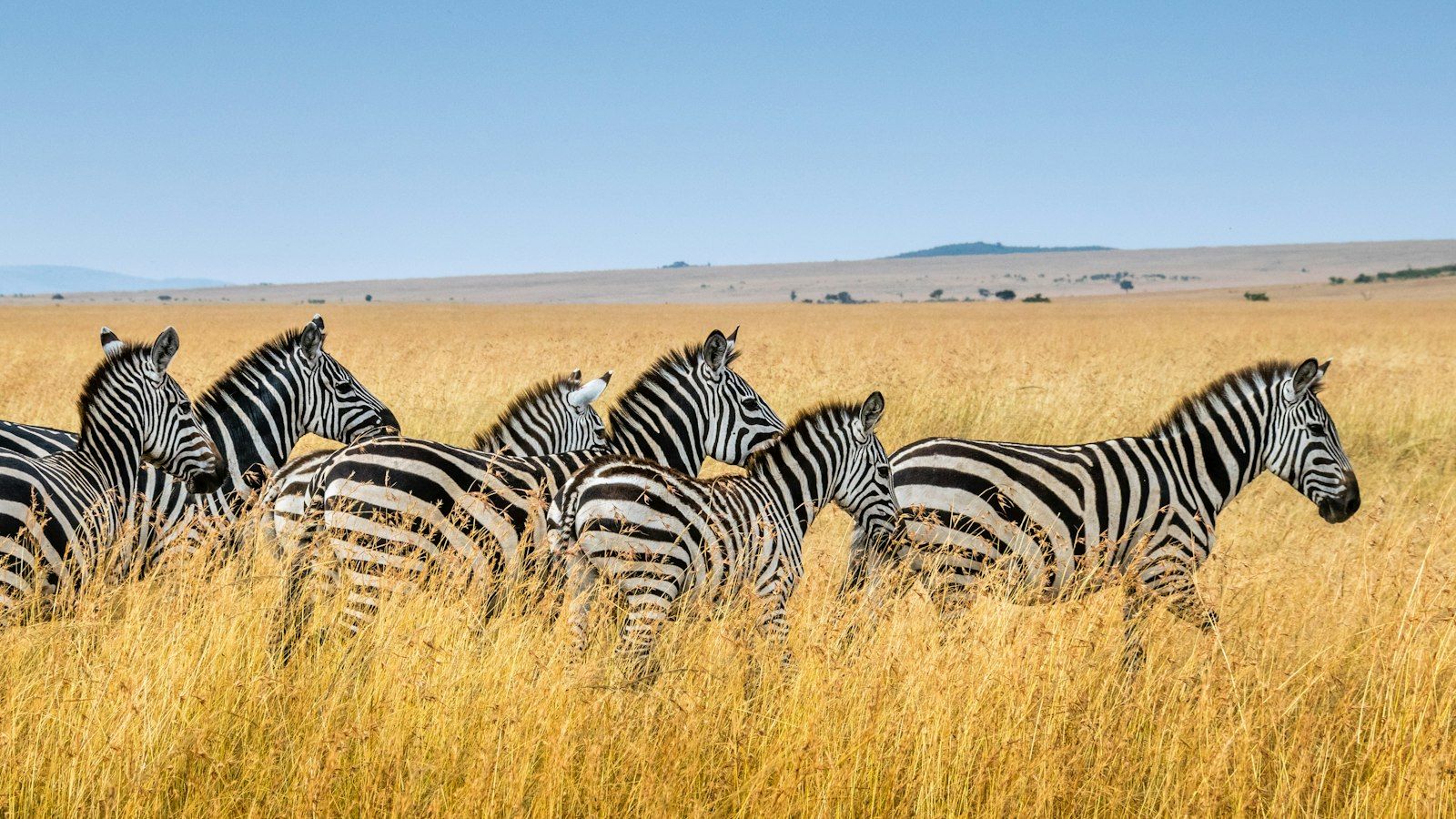
Kenya's most famous savannah, where big cats are seen nearly every day, the wildebeest arrive each July, and you can join a shared safari as a solo traveller without paying a single supplement.
- Best time to visit: July to October, and January to February
- Daily budget (budget traveller): $190 to $730 USD
- Ideal trip length: 4 to 7 days
The Maasai Mara sits about 240 kilometres southwest of Nairobi, on open grassland that runs south into Tanzania's Serengeti. The national reserve is the core. Around it sits a ring of Maasai-owned conservancies that limit vehicle numbers and allow walking safaris and night drives. Lions, cheetahs, leopards, elephants, buffalo and hippos live here all year. From about July to October the wildebeest and zebra herds of the Great Migration cross the Mara River, and that is the scene most people come for. It can be an expensive place, but solo travellers have a cheap way in. Budget tented camps sit outside Talek, Sekenani and Oloolaimutia gates, group-joining safaris share one vehicle between strangers, and a bus plus shared car will get you from Nairobi to the gate. The fixed cost is the park ticket, and it doubles from 1 July. Plan around that fee and the seasons, pick an honest operator, and the Mara is one of the easiest big-game trips in Africa to do alone.
The Maasai Mara is a small part of a much larger ecosystem. The reserve covers roughly 1,500 square kilometres, and the Serengeti continues south across the Tanzanian border with no fence in between. Around the reserve's northern and eastern edges sit the conservancies, land owned by Maasai families and leased to camps for wildlife. Most visitors only know the reserve. Most of the best guiding, walking and night drives happen in the conservancies. The reserve has more vehicles but also more wildlife, the river crossings and the open plains you have seen on television. A good solo trip uses both: a few days near Talek or Sekenani on a shared vehicle, then two nights in a conservancy where your camp's vehicle might be the only one at a sighting.
The park fee shapes everything. Non-resident adults pay 100 USD a day from January to June and 200 USD from July to December, and each ticket covers 12 hours from 6am to 6pm. Make every paid day a full day: leave at the gate opening, take a packed lunch and come back for dusk. On arrival afternoons, skip the reserve and walk with a Maasai guide outside it instead. Budget camps outside the gates cost a fraction of anywhere inside the reserve, and because the ticket is charged per day either way, you lose only some driving time. Most camps are full board, so you will spend little on food once you are there.
Timing is the other big decision. The herds usually arrive from the Serengeti in July and stay until about October, but the rain decides the exact dates and no crossing is guaranteed. Peak season means more vehicles around every crossing, so book camps and group departures months ahead. January and February are an underrated alternative: dry, green, half the fee and with plenty of resident cats. April and May are wet, cheap and patchy, and some camps close. Whenever you go, mornings at around 1,600 metres are cold, middays are hot and the light at 6am is the best you will see all day.
Maasai Mara itinerary
Nairobi to Talek through the Rift Valley
Morning: Leave Nairobi early by EasyCoach, matatu or group safari vehicle. Stop at the Rift Valley escarpment viewpoint on the Mai Mahiu road for the view over the valley floor.
Afternoon: Lunch in Narok, then a shared car to Sekenani (about 500-800 KES, 1.5 hours). Arrange a camp pickup to Talek, then check in. Do not buy a 12-hour reserve ticket for a short afternoon.
Evening: Walk the edge of the Talek River with a Maasai guide from your camp, then dinner and a campfire with the other guests.
Full day on the Mara River
Morning: Enter the reserve at 6am with a packed breakfast. Drive west across the plains, stopping for whatever the guides are tracking.
Afternoon: Picnic near the river crossing points. From July to October, wait patiently with the herds. Out of season, look for hippos, crocodiles and riverine birds.
Evening: Head back so you are out before the 6pm ticket cut-off. Hot shower, dinner and an early night.
Dawn balloon or Ol Kiombo cats
Morning: Optional balloon flight with a 5:30am pickup (about 450-500 USD, breakfast included). If you skip it, take a dawn drive on the Ol Kiombo and Talek plains for lions and cheetahs.
Afternoon: Rest at camp during the midday heat. Wander Talek village for chai and mandazi, or catch up on photos.
Evening: Late-afternoon drive towards Rhino Ridge for golden light, and back before the gate closes.
Move into a conservancy
Morning: Transfer to a camp in a conservancy such as Nashulai or Naboisho (ask your camp to arrange it). No reserve ticket today.
Afternoon: Guided walking safari with a ranger and Maasai guide: tracks, dung beetles, medicinal plants, and giraffes at eye level.
Evening: Night drive by spotlight to look for hyenas, servals and aardvarks. Dinner around the fire.
Maasai homestead and conservancy drives
Morning: Early walk or drive while the cats are active. Conservancy vehicles may drive off-road to a sighting, with few other vehicles around.
Afternoon: Visit a nearby Maasai homestead arranged by the camp. Agree the fee first, ask before taking photos and buy beadwork directly from the makers.
Evening: Sundowner on a rise in the conservancy, then dinner.
Keekorok and the Sand River
Morning: Re-enter the reserve via Sekenani at 6am and drive south through the plains towards Keekorok.
Afternoon: Stretch your legs on the Hippo Bar boardwalk at Keekorok Lodge, then continue to the Sand River near the Tanzanian border, where early herds often cross in July.
Evening: Return to a camp near Sekenani or Talek before the ticket expires. Pack for the morning departure.
Last drive and back to Nairobi
Morning: If flying, take a short final drive to Keekorok or Ol Kiombo airstrip for a morning flight to Wilson, which takes 45-75 minutes. If driving, set off after breakfast.
Afternoon: By road, break the journey with lunch in Narok, or detour to Lake Naivasha if you have an extra night.
Evening: Arrive in Nairobi. Allow plenty of time if you have an international flight from JKIA the same day, as traffic between the airports can be slow.
Best neighbourhoods
- Talek: A Maasai village and gate on the Talek River, on the eastern side of the reserve, with the biggest cluster of budget and mid-range camps. It is a short drive to the Ol Kiombo plains, among the most reliable places in the Mara for lions and cheetahs.
- Sekenani: The busiest and most-used gate, at the end of the paved road from Narok. Shared cars from Narok stop here, budget camps and lodges line the road, and it gives quick access to the central plains and the Sand River in the south.
- Oloolaimutia: The gate with the most budget camps, a short drive south-west of Sekenani, including long-running places like Lenchada Tourist Camp and Rhino Tourist Camp. Group-joining safaris from Nairobi often stay here, so it is easy to meet other solo travellers around the campfire.
- Mara Triangle: The western part of the reserve, between the Mara River and the Oloololo Escarpment. The Mara Conservancy runs it, and its gates are strictly cashless. It is quieter than the east, the roads are well kept, and some of the best river-crossing points are here.
- Musiara and Mara North: The northern reserve around Musiara Marsh and the Mara River, home to the classic Governors' camps and Musiara airstrip. It joins the Mara North Conservancy, a fly-in area known for big cats and few vehicles.
- The conservancies: Olare Motorogi, Naboisho, Nashulai and others lease Maasai land for wildlife. They cap vehicle numbers and allow walking safaris, night drives and off-road driving to sightings, none of which you can do in the reserve. Conservancy fees are usually included in camp rates.
Must-do experiences
- Spend a full day on the Mara River: Take a packed lunch and drive to the river crossing points with your guide. From July to October you may see herds jump in among crocodiles. Out of season, the hippo pools and riverine forest still make it worth the long drive.
- Track big cats on the Ol Kiombo and Talek plains: Head out at the 6am gate opening for the open grassland north of the Talek River, where the guides know the lion prides and cheetah families. Early morning is when the cats are most active.
- Float over the plains at dawn in a balloon: Licensed operators such as Governors' Balloon Safaris and SkyShip fly about an hour from first light, then serve a champagne breakfast in the bush. Expect roughly 450 to 500 USD a person, and check whether the landing fee is extra.
- Walk with a Maasai guide in a conservancy: Leave the vehicle and follow an armed ranger or Maasai guide on foot. You read tracks, learn which plants are medicine and approach giraffes on their level. You can only do this outside the reserve.
- Take a night drive: In the conservancies, a spotlight drive after dark can turn up hyenas hunting, servals, aardvarks and bushbabies. Night drives are not allowed in the reserve itself.
- Visit a Maasai homestead: Your camp can arrange a visit to a nearby enkang (family compound) to see how houses are built, hear about cattle and age-sets, and join in the jumping dance. Choose a visit where the money goes to the community, and agree the fee first.
- Explore the Mara Triangle: Cross to the western Triangle for the Oloololo Escarpment skyline, well-graded tracks, fewer vehicles and the river crossings below Mara Serena. Entry is cashless, so have a card ready or let your operator pay.
- Watch hippos from the Keekorok boardwalk: In the south of the reserve, Keekorok Lodge has a raised walkway out to the Hippo Bar above a hippo pool. It is a good leg-stretch on a long day near the Sand River.
Hidden gems
- Musiara Marsh in the far north, a papyrus-fringed wetland and long-time lion territory that gets far fewer vehicles than the central plains in the early morning
- The Sand River near the Tanzanian border, where the first migration herds often cross into Kenya in July before the crowds gather on the Mara River
- Rhino Ridge in the central reserve, a low ridge with wide views across the plains where guides sometimes find the Mara's few black rhinos
- The view from the top of the Oloololo Escarpment over the Triangle at sunset, ideally from a lodge terrace on the rim if you are staying on the western side
- The green season from January to June, when the park fee is half the July price, the grass is short, babies are everywhere and the cats hold the plains with fewer vehicles around
Daily budget
- Accommodation: budget 5,000-13,000 KES / night (budget tented camp near Talek or Oloolaimutia, often full board), mid-range 30,000-60,000 KES (mid-range or boutique camp, full board), splurge 100,000-300,000+ KES (conservancy or escarpment luxury camp, all-inclusive). Rates are usually quoted in USD per person sharing, so ask about single supplements (often 20-30 percent). Camps outside the gates are much cheaper than those inside. Book July to October months ahead.
- Food: budget 0-1,500 KES / day (full board included, plus chai and snacks in Talek), mid-range 1,500-4,000 KES (lunches in Narok, extras at camp), splurge 5,000+ KES (bush dinners, private sundowners). Most camps include three meals and a packed lunch for full-day drives. In Narok or Talek a plate of ugali, greens and stew is about 250-500 KES. Carry snacks on long drives.
- Transport: budget 2,500-4,500 KES one way (EasyCoach or matatu to Narok + shared car to Sekenani), mid-range 26,000-45,000 KES / day (private 4x4 with driver-guide, split between passengers), splurge 24,000-40,000+ KES one way (Safarilink or AirKenya Express from Wilson). A seat in a shared car from Narok to Sekenani costs about 500-800 KES. Group-joining safaris include transport from Nairobi. Bush flights have a soft-bag limit of about 15 kg, and fares rise from July to October.
- Activities: budget 12,900-25,800 KES / day (reserve ticket at 100 or 200 USD), mid-range 3,000-10,000 KES (Maasai village visit, guided walk, conservancy activity), splurge 58,000-65,000+ KES (dawn balloon flight at about 450-500 USD). The reserve ticket covers 6am to 6pm, so plan full days. Children 9-17 pay 50 USD. Conservancy fees are usually included in camp rates. Balloon prices may exclude a landing fee, so check.
- Drinks & tips: budget 500-1,500 KES / day (a soda or beer at camp), mid-range 2,000-4,000 KES (sundowner drinks, wine with dinner), splurge 6,000+ KES (premium bar at an all-inclusive camp). Tips are expected. As a guide, plan on about 10-20 USD a day for your driver-guide and a smaller amount for the camp staff tip box. Bar prices vary a lot between camps, so ask first.
Where to stay
- Social hostel in Talek or Oloolaimutia (5,000-13,000 KES / night per person): The Mara has no real hostels. The nearest thing is a budget tented camp with communal meals and campfires, such as Riverside Camp or Enchoro Wildlife Camp near Talek, or Lenchada Tourist Camp near Oloolaimutia, all popular with group-joining safaris.
- Boutique hotel in Talek River (30,000-60,000 KES / night per person, full board): Basecamp Masai Mara is a long-running eco camp on the Talek River, with river-view tents and Maasai guides. It is a short drive to the Ol Kiombo plains and a good mid-range base. Solo rates vary by season, so check the single supplement.
- Apartment in Talek village or the Sekenani road (3,000-8,000 KES / night): Self-catering apartments barely exist here. The nearest options are simple bandas, cottages on Maasai-run properties and listed homestays near the gates. They work well with your own 4x4, but you still need to arrange game drives.
- Splurge in Mara Triangle or Musiara (100,000-300,000+ KES / night per person, all-inclusive): Angama Mara on the Oloololo Escarpment above the Triangle, or Governors' Camp by the Mara River at Musiara, for classic river or escarpment views, top guiding and fly-in convenience.
What to eat
- Nyama choma: goat or beef roasted slowly over charcoal, served with kachumbari (tomato and onion salad) and a squeeze of chilli. Kenya's favourite celebration meal
- Ugali and sukuma wiki: a firm maize-meal mash eaten with your right hand and collard greens fried with onion and tomato, the everyday plate in Narok and Talek
- Chapati with ndengu: flaky, layered flatbread with a mung bean stew, a cheap and filling lunch at roadside cafés on the Narok road
- Pilau: rice cooked with cumin, cardamom, cloves and beef, a coastal Swahili dish now made all over Kenya
- Mandazi and chai: lightly sweet fried dough eaten with milky tea boiled with ginger or masala, the standard mid-morning stop
- Camp bush breakfast: eggs, sausages and fruit cooked over a fire under an acacia during a full-day game drive, included at most camps
Day trips
- Mara Triangle and the Oloololo Escarpment (About 2-3 hours by game-drive track from Talek, via the south of the reserve): The quieter western side of the reserve, run by the Mara Conservancy, with good tracks, fewer vehicles, river crossings below Mara Serena and the escarpment as a backdrop. A full-day drive with a guide, or a night or two on the Triangle side via Oloololo Gate. Gates are strictly cashless, and fees and ticket transfers between sectors can change, so ask your operator how they handle payment.
- Conservancy walking safari (20-60 minutes from Talek or Sekenani, depending on the conservancy): Nashulai, Naboisho and Olare Motorogi let you walk with Maasai guides, do night drives and see sightings with very few vehicles. Nashulai is a community-run conservancy close to Talek. Book through a conservancy camp, as most activities are for staying guests. Conservancy fees are usually included in camp rates. Low-season stays are much cheaper.
- Lake Naivasha stopover (About 2.5-3 hours by road from Narok, on the way back to Nairobi): A freshwater Rift Valley lake with hippos, fish eagles and boat trips, plus Hell's Gate National Park nearby, known for cycling among zebras and giraffes. It makes a good overnight to break up the drive. Arrange a private transfer or group-tour add-on from the Mara, or take a matatu from Narok. Check current Kenya Wildlife Service fees for Hell's Gate before you go.
When to visit
- Short dry season (January - February): 25-29°C days, cool nights around 12-14°C, mostly dry. Crowds: Low to moderate. The value pick. Half-price park fees, green plains with short grass, good cat sightings and fewer vehicles. The migration is in Tanzania.
- Long rains (March - May): 22-27°C, heavy afternoon storms, muddy black-cotton roads. Crowds: Very low, some camps close in April and May. Cheapest and emptiest, but roads to Talek and Oloolaimutia can turn to mud and game drives get cut short. Fine for flexible travellers with a camp that is open.
- Dry season and migration (June - October): 22-27°C days, cold 10-13°C mornings, dry and dusty. Crowds: Peak in July to September, busy at every crossing. Migration season. Herds usually arrive in July, and river crossings run until about October. Fees double from 1 July, and camps and group departures sell out early.
- Short rains (November - December): 24-28°C, short afternoon showers, fresh green grass. Crowds: Quiet, apart from Christmas and New Year. The herds are often heading south, but resident wildlife is excellent and the light is lovely. The 200 USD fee still applies until 31 December.
Entry rules for your passport
Visa rules for Kenya depend on the passport you travel on. Check the official source before you book: Kenya Directorate of Immigration Services
Getting there
Most international visitors land at Jomo Kenyatta International Airport (NBO) in Nairobi. Most nationalities need an approved Kenya eTA before flying, so apply on the official site at least two weeks ahead. Scheduled flights to the Mara leave from Wilson Airport (WIL) on the other side of the city, so allow at least an hour for the transfer in traffic. Safarilink and AirKenya Express run several daily flights to airstrips including Ol Kiombo, Keekorok, Mara Serena and Musiara. The planes often stop at two or three airstrips, so journeys take 45-75 minutes. One-way fares are roughly 185-300 USD and rise from July to October, with a soft-bag limit of about 15 kg. By road it is about 230-275 km and 5-6 hours via Mai Mahiu and Narok, and the road is paved all the way to Sekenani. On a budget, take EasyCoach (book online and pay with M-Pesa) or a matatu to Narok in about 3-4 hours, then a shared car to Sekenani for about 500-800 KES. Arrange a camp pickup from the gate, and catch the last return transport in the afternoon, not at dusk.
Getting around
You cannot take public transport inside the reserve, and you need a vehicle for every game drive. Most solo travellers either join a group safari from Nairobi, sharing a pop-top 4x4 Land Cruiser or a minivan with four to six people, or book a camp near the gate that runs its own shared drives. A private vehicle with a driver-guide costs roughly 200 to 350 USD a day, so find others to share it. To reach the Mara on your own, take an EasyCoach bus or a matatu from Nairobi to Narok (about 3 to 4 hours), then a shared car or Probox taxi to Sekenani for about 500 to 800 KES, which takes another 1.5 hours or so. Camps will usually collect you from the gate. The Narok to Sekenani road is paved, but the roads to Talek and Oloolaimutia are mostly gravel and get slippery in the rains. Self-drive is possible in a proper 4x4, but off-road driving is banned in the reserve. Flights from Nairobi's Wilson Airport serve several Mara airstrips in 45 to 75 minutes.
Safety
The Mara is generally safe for visitors, and the main risks are wildlife and health, not crime. Camps outside the reserve are usually unfenced, so always use the escort after dark, stay inside your tent at night and never walk out on the plains without a guide. Stay in the vehicle at all times unless your guide says a spot is safe, and never ask a guide to break rules or crowd an animal. The Mara is a malaria area, so talk to a travel clinic about tablets, use repellent and sleep under the net. Mornings are cold and middays are fierce, so carry layers, a hat and plenty of water. In Narok, touts at the bus stops push safari deals hard, so book with a licensed operator in advance and pay through traceable channels. Avoid driving the Nairobi to Narok road after dark, and keep valuables out of sight in Nairobi.
Solo travel tips
- Join a group, but check the vehicle: Group-joining safaris are the cheapest way to see the Mara alone. Before you pay, ask how many people share the vehicle and whether it is a pop-top Land Cruiser or a minivan. A Land Cruiser handles mud far better, and a guaranteed window seat matters more than people expect.
- Make every park ticket a full day: A reserve ticket covers 6am to 6pm, and from July it costs 200 USD. Take packed meals, ask for a full-day drive and use arrival and departure afternoons for walks outside the reserve.
- Avoid the single supplement: Many camps charge solo guests 20-30 percent extra. Ask about solo rates in low season, consider shared group tents at budget camps, or book group departures that pair solo travellers.
- Book before you reach Narok: Touts at Narok bus stops sell safaris aggressively. Book with a licensed operator or your camp in advance, pay through traceable channels, and get the inclusions in writing: park fees, vehicle, meals and drive hours.
- Safety for solo travellers: Crime against visitors in the Mara is rare. The real risks are wildlife, malaria and night driving. Always use the camp escort after dark, never walk outside camp without a guide, take malaria precautions and avoid the Narok road after sunset.
- Find your people at camp: Budget camps near Talek and Oloolaimutia have communal dinners and campfires, and a shared vehicle turns strangers into a group by lunchtime. Balloon baskets are also shared, often with up to 16 people. Download offline maps, because signal drops inside the reserve.
Cultural etiquette
- Greet people first. 'Jambo' or 'Habari' works in Swahili. In Maa, 'Sopa' is a common greeting and 'Ashe oleng' means thank you very much.
- Always ask before photographing Maasai people, and accept a no. On village visits, photo fees are usually part of the agreed visit price.
- Agree the price of a homestead visit before you go and buy beadwork directly from the women who make it. Haggle gently if at all, because this is household income.
- Dress modestly in villages and Narok town. Avoid army-style camouflage clothing, which is not appropriate for civilians in Kenya.
- Respect park rules. Do not pressure guides to go off-road, crowd animals or stay after closing. Guides can be fined or banned, and the wildlife gets stressed.
- Kenya bans plastic carrier bags, and single-use plastics are restricted in protected areas, so pack in reusable bags and carry a refillable bottle.
- Use your right hand to pass or receive things, and greet elders first. A handshake and a few words before business are polite.
Frequently asked questions
How do I get from Nairobi to the Maasai Mara?
You have three options. Flights from Wilson Airport (not the international airport, JKIA) reach Mara airstrips in about 45 to 75 minutes, from roughly 185 to 300 USD one way, more in peak season, with a soft-bag limit of about 15 kg. By road it is about 230 to 275 km and 5 to 6 hours via Mai Mahiu and Narok, either in a safari vehicle or on a group tour. The cheapest option is an EasyCoach bus or matatu to Narok, then a shared car to Sekenani, where most camps will collect you.
How many days do I need in the Maasai Mara?
Plan at least three nights, which gives you two full days of game drives. Four to five nights lets you add a conservancy for walking safaris and night drives. With seven days you can see the central plains, the Mara River, a conservancy and the quieter south without rushing.
When is the best time to visit the Maasai Mara?
July to October is migration season, when the herds are in Kenya and the river crossings happen. It is also the most crowded and the most expensive time. January to February is dry, green and half the park fee. The long rains in April and May make roads muddy and close some camps, and November and December bring short afternoon showers. The herds move with the rain, so the timing changes every year.
How much are the Maasai Mara park fees in 2026?
For non-resident adults, the 2026 reserve fee is 100 USD per day from 1 January to 30 June and 200 USD per day from 1 July to 31 December. Children aged 9 to 17 pay 50 USD, and under-9s go free. A ticket covers a 12-hour window from 6am to 6pm, and vehicle entry is charged separately. Conservancy fees are separate and usually built into camp rates. Fees are set by Narok County and can change, so check with your operator before you pay.
Is it expensive to do a Mara safari solo?
Private safaris charge a lot for one person because you pay for the whole vehicle, and many camps add single supplements of roughly 20 to 30 percent. Group-joining safaris avoid most of that by putting solo travellers together. Three-day group trips from Nairobi often start around 350 to 550 USD a person in low season. Check what is included, what kind of vehicle you get and how many people share it.
Do I need malaria tablets or vaccinations for the Maasai Mara?
The Mara is in a malaria area, so most travel clinics recommend antimalarial tablets, plus repellent and a mosquito net. You may need a yellow fever certificate if you arrive from or through a country with yellow fever risk. Health advice changes, so see a travel clinic six to eight weeks before you go.
Is the Maasai Mara safe for solo female travellers?
Yes, many women visit the Mara alone, and group-joining safaris and camps are a sociable, well-supervised way to do it. Book with a licensed operator, read recent reviews for your camp, use the night escort, and avoid travelling the Narok road after dark. Nairobi needs the usual big-city care, especially with phones and at night.
What entry rules apply to travellers visiting Kenya in 2026?
Kenya replaced its visa system with an Electronic Travel Authorisation (eTA). Most visitors must apply online before travelling, although citizens of many African countries are exempt. The standard single-entry eTA has been listed at around 30 USD plus payment charges, and processing usually takes about three working days, so apply at least two weeks ahead. Your passport should be valid for six months beyond arrival and have a blank page. Rules and fees can change, so confirm on the official Kenya eTA site (etakenya.go.ke) and your own government's travel advice before booking.
Tours and activities in Maasai Mara | Maasai Mara in 2 days | Maasai Mara in 3 days | Maasai Mara in 4 days | Maasai Mara in 5 days | Maasai Mara in 7 days
Can't decide? Compare Maasai Mara with...
Joy Plus home | Destinations | Itineraries | Activities | Flights | Budget planner | Calendar | Map | Blog | Lifetime access