Maasai Mara in 4 days
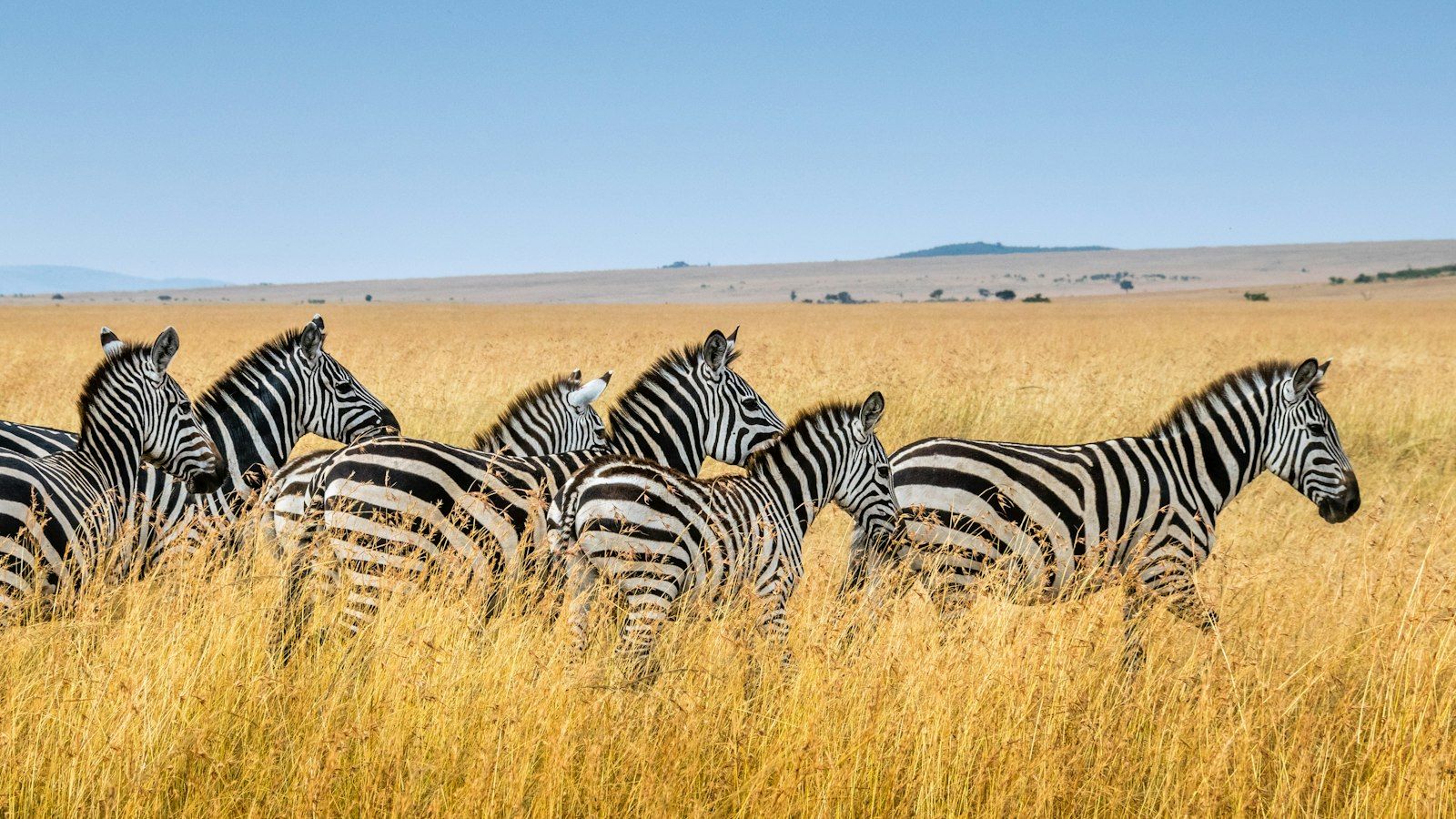
Kenya's most famous savannah, where big cats are seen nearly every day, the wildebeest arrive each July, and you can join a shared safari as a solo traveller without paying a single supplement. Best time to visit: July to October, and January to February. Daily budget (budget traveller): $190 to $730 USD.
Nairobi to Talek through the Rift Valley
Morning: Leave Nairobi early by EasyCoach, matatu or group safari vehicle. Stop at the Rift Valley escarpment viewpoint on the Mai Mahiu road for the view over the valley floor.
Afternoon: Lunch in Narok, then a shared car to Sekenani (about 500-800 KES, 1.5 hours). Arrange a camp pickup to Talek, then check in. Do not buy a 12-hour reserve ticket for a short afternoon.
Evening: Walk the edge of the Talek River with a Maasai guide from your camp, then dinner and a campfire with the other guests.
Full day on the Mara River
Morning: Enter the reserve at 6am with a packed breakfast. Drive west across the plains, stopping for whatever the guides are tracking.
Afternoon: Picnic near the river crossing points. From July to October, wait patiently with the herds. Out of season, look for hippos, crocodiles and riverine birds.
Evening: Head back so you are out before the 6pm ticket cut-off. Hot shower, dinner and an early night.
Dawn balloon or Ol Kiombo cats
Morning: Optional balloon flight with a 5:30am pickup (about 450-500 USD, breakfast included). If you skip it, take a dawn drive on the Ol Kiombo and Talek plains for lions and cheetahs.
Afternoon: Rest at camp during the midday heat. Wander Talek village for chai and mandazi, or catch up on photos.
Evening: Late-afternoon drive towards Rhino Ridge for golden light, and back before the gate closes.
Move into a conservancy
Morning: Transfer to a camp in a conservancy such as Nashulai or Naboisho (ask your camp to arrange it). No reserve ticket today.
Afternoon: Guided walking safari with a ranger and Maasai guide: tracks, dung beetles, medicinal plants, and giraffes at eye level.
Evening: Night drive by spotlight to look for hyenas, servals and aardvarks. Dinner around the fire.
Heading home: Allow plenty of time if you have an international flight from JKIA the same day, as traffic between the airports can be slow.
What to eat in Maasai Mara
- Nyama choma: goat or beef roasted slowly over charcoal, served with kachumbari (tomato and onion salad) and a squeeze of chilli. Kenya's favourite celebration meal
- Ugali and sukuma wiki: a firm maize-meal mash eaten with your right hand and collard greens fried with onion and tomato, the everyday plate in Narok and Talek
- Chapati with ndengu: flaky, layered flatbread with a mung bean stew, a cheap and filling lunch at roadside cafés on the Narok road
- Pilau: rice cooked with cumin, cardamom, cloves and beef, a coastal Swahili dish now made all over Kenya
- Mandazi and chai: lightly sweet fried dough eaten with milky tea boiled with ginger or masala, the standard mid-morning stop
- Camp bush breakfast: eggs, sausages and fruit cooked over a fire under an acacia during a full-day game drive, included at most camps
Hidden gems
- Musiara Marsh in the far north, a papyrus-fringed wetland and long-time lion territory that gets far fewer vehicles than the central plains in the early morning
- The Sand River near the Tanzanian border, where the first migration herds often cross into Kenya in July before the crowds gather on the Mara River
- Rhino Ridge in the central reserve, a low ridge with wide views across the plains where guides sometimes find the Mara's few black rhinos
- The view from the top of the Oloololo Escarpment over the Triangle at sunset, ideally from a lodge terrace on the rim if you are staying on the western side
- The green season from January to June, when the park fee is half the July price, the grass is short, babies are everywhere and the cats hold the plains with fewer vehicles around
Getting around
You cannot take public transport inside the reserve, and you need a vehicle for every game drive. Most solo travellers either join a group safari from Nairobi, sharing a pop-top 4x4 Land Cruiser or a minivan with four to six people, or book a camp near the gate that runs its own shared drives. A private vehicle with a driver-guide costs roughly 200 to 350 USD a day, so find others to share it. To reach the Mara on your own, take an EasyCoach bus or a matatu from Nairobi to Narok (about 3 to 4 hours), then a shared car or Probox taxi to Sekenani for about 500 to 800 KES, which takes another 1.5 hours or so. Camps will usually collect you from the gate. The Narok to Sekenani road is paved, but the roads to Talek and Oloolaimutia are mostly gravel and get slippery in the rains. Self-drive is possible in a proper 4x4, but off-road driving is banned in the reserve. Flights from Nairobi's Wilson Airport serve several Mara airstrips in 45 to 75 minutes.
Safety
The Mara is generally safe for visitors, and the main risks are wildlife and health, not crime. Camps outside the reserve are usually unfenced, so always use the escort after dark, stay inside your tent at night and never walk out on the plains without a guide. Stay in the vehicle at all times unless your guide says a spot is safe, and never ask a guide to break rules or crowd an animal. The Mara is a malaria area, so talk to a travel clinic about tablets, use repellent and sleep under the net. Mornings are cold and middays are fierce, so carry layers, a hat and plenty of water. In Narok, touts at the bus stops push safari deals hard, so book with a licensed operator in advance and pay through traceable channels. Avoid driving the Nairobi to Narok road after dark, and keep valuables out of sight in Nairobi.
Frequently asked questions
What does this 4-day Maasai Mara itinerary cover?
Day 1: Nairobi to Talek through the Rift Valley. Day 2: Full day on the Mara River. Day 3: Dawn balloon or Ol Kiombo cats. Day 4: Move into a conservancy.
Is 4 days enough for Maasai Mara?
Our recommended trip length for Maasai Mara is 4 to 7 days. This 4-day plan focuses on the highlights and groups sights by area so you spend less time travelling between them.
How much does 4 days in Maasai Mara cost?
A budget traveller spends about $190 to $730 USD a day in Maasai Mara, so roughly $760 to $2,920 USD for 4 days, not counting flights.
Where should I stay for 4 days in Maasai Mara?
Talek: A Maasai village and gate on the Talek River, on the eastern side of the reserve, with the biggest cluster of budget and mid-range camps. Sekenani: The busiest and most-used gate, at the end of the paved road from Narok.
When is the best time to visit Maasai Mara?
The best time to visit Maasai Mara is July to October, and January to February.
How do I get around Maasai Mara?
You cannot take public transport inside the reserve, and you need a vehicle for every game drive. Most solo travellers either join a group safari from Nairobi, sharing a pop-top 4x4 Land Cruiser or a minivan with four to six people, or book a camp near the gate that runs its own shared drives.
Is Maasai Mara safe for solo travellers?
The Mara is generally safe for visitors, and the main risks are wildlife and health, not crime. Camps outside the reserve are usually unfenced, so always use the escort after dark, stay inside your tent at night and never walk out on the plains without a guide.
More 4-day guides
- Diani Beach in 4 days
- Lamu in 4 days
- Nairobi in 4 days
- Mombasa in 4 days
- Sossusvlei in 4 days
- Okavango Delta in 4 days
- Bwindi in 4 days
- Franschhoek in 4 days
Maasai Mara in 2 days | Maasai Mara in 3 days | Maasai Mara in 5 days | Maasai Mara in 7 days | Full Maasai Mara guide
Joy Plus home | Destinations | Itineraries | Activities | Flights | Budget planner | Calendar | Map | Blog | Lifetime access