Destinations / Europe
Maastricht, Netherlands travel guide
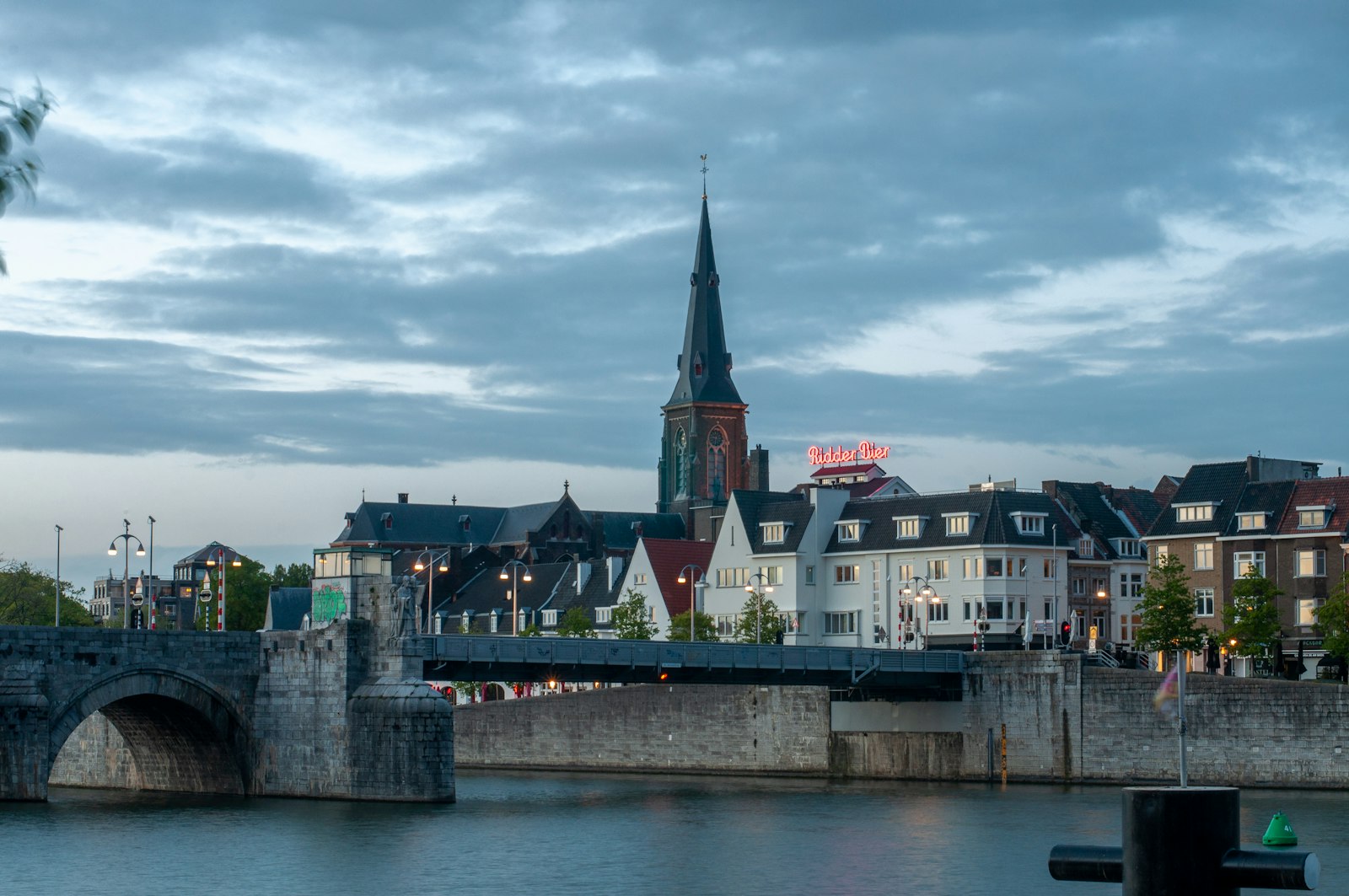
One of the Netherlands' oldest cities, where Burgundian food culture meets Roman walls and underground caves.
- Best time to visit: April-June, September-October
- Daily budget (budget traveller): $130 to $260 USD
- Ideal trip length: 2 to 3 days
Maastricht sits in the Dutch far south, wedged between Belgium and Germany, and it feels it. Locals speak Maastrichts, a Limburgish dialect, lunch runs long, and the café terraces on Vrijthof square are more Burgundian than Dutch. The Maas river splits a city of Roman remains, medieval gates, a bookshop inside a Gothic church and 20,000 tunnels carved under Mount Saint Peter.
Maastricht is the Dutch city that doesn't act Dutch. It sits in a thin finger of Limburg squeezed between Belgium and Germany. Locals call it Mestreech, speak a dialect that sounds like three languages shaking hands, and treat lunch as a two-hour event. The Maas river splits the town. On the west bank are Roman foundations, the Helpoort (the oldest surviving city gate in the Netherlands), and Vrijthof, a square where two churches and a wall of café terraces fight for your attention. On the east bank is Wyck, with its independent restaurants and the Bonnefanten museum. Underneath it all, 20,000 marl tunnels honeycomb Mount Saint Peter. It's the place where the EU's founding treaty was signed in 1992, and the food and beer culture is Burgundian rather than Amsterdam-pragmatic.
The city rewards people who slow down. Boekhandel Dominicanen, a 13th-century church turned bookshop with a café in the choir, is worth a coffee, not a quick look. Cave and fort tours on Sint Pietersberg are guided and run at fixed times, so you plan the day around them. Vlaai, the open fruit tart sold in every bakery, is eaten with coffee in the afternoon and is not a dessert. Prices run above the Dutch average, with a terrace beer around €4.50 and a dinner main of €22 to €30, but a bakery lunch and a free city-wall walk bring the numbers back down.
Two full days cover the old town, the caves and Wyck. Three or four days let you use Maastricht as a base: Liège is 35 minutes by train, Aachen about 45 minutes by bus, and the castle town of Valkenburg is a 15-minute hop. Time it well. Carnival in February is a costumed, multi-day street party, TEFAF in mid-March fills every hotel at double the price, and museums are closed on Monday. The market on Markt runs Wednesday and Friday mornings, and Friday is the one worth getting up for.
How many days in Maastricht?
For Maastricht, we recommend 2 to 3 days.
| Trip length | What you'll see | Itinerary |
|---|---|---|
| 2 days · Recommended | Vrijthof and the bookshop; Sint Pietersberg: caves and fort | Maastricht in 2 days |
| 3 days · Recommended | Adds: Wyck, Céramique and the Bonnefanten | Maastricht in 3 days |
| 4 days | Adds: Day trip to Liège | Maastricht in 4 days |
| 5 days | Adds: Valkenburg and the caves | Maastricht in 5 days |
| 7 days | Adds: Day trip to Aachen; City walls, Neercanne | Maastricht in 7 days |
Maastricht itinerary
Arrive, settle, Vrijthof and the bookshop
Morning: Train to Maastricht station in Wyck, then a 12-minute walk over the Sint Servaasbrug. Drop bags, then bread and coffee at Bakkerij Bisschopsmolen, a working watermill bakery on the Jeker.
Afternoon: Boekhandel Dominicanen at opening, with a coffee in the choir. Then the Basilica of Saint Servatius and its treasury (about €6 to €8) on Vrijthof.
Evening: Dinner at 't Pakhoes in a former warehouse, order the zoervleis. One Gulpener on a Vrijthof terrace before bed.
Sint Pietersberg: caves and fort
Morning: Book a Maastricht Underground cave tour in advance (about €10). Bike or bus out to Mount Saint Peter for the guided walk through the marl tunnels.
Afternoon: Fort Sint Pieter guided tunnel tour, then walk down the hill for views across the Maas valley. Late lunch back in town.
Evening: Dinner in the Jekerkwartier, then an early night. Cave temperature is a constant 11°C, which is more tiring than it sounds.
Wyck, Céramique and the Bonnefanten
Morning: Cross the Sint Servaasbrug to Wyck. Walk Wycker Brugstraat and Rechtstraat, window-shopping the independents. Vlaai and coffee.
Afternoon: Bonnefanten museum (around €17, closed Monday). Then walk the Maasboulevard riverside.
Evening: Dinner on Rechtstraat, a local beer on a Wyck terrace, then stroll back across the bridge at dusk.
Day trip to Liège
Morning: Train from Maastricht to Liège-Guillemins (35 to 45 min, about €10 to €13). See Calatrava's glass-and-steel station, then climb the 374 steps of the Montagne de Bueren.
Afternoon: Boulets-frites for lunch and a Liège waffle. On Sunday mornings, wander the La Batte market along the Meuse.
Evening: Train back, light dinner and an early night.
Valkenburg and the caves
Morning: Train to Valkenburg (about 15 min, around €5). Visit the castle ruin and the Gemeentegrot municipal cave.
Afternoon: Walk up the Cauberg for the view, with lunch in town. Optional Fluweelengrot (Velvet Cave) visit.
Evening: Back to Maastricht. Stokstraat wine bars and a late dinner.
Day trip to Aachen
Morning: Bus to Aachen (about 45 min). Aachen Cathedral, Charlemagne's throne and the UNESCO-listed octagon.
Afternoon: Coffee at Café Van den Daele, then Nobis Printen (spiced cookies) for gifts.
Evening: Return to Maastricht, dinner at a Wyck bistro.
Slow morning, city walls, Neercanne, depart
Morning: Walk the old city wall from the Helpoort through the Jekerkwartier. If it's Wednesday or Friday, browse the market on Markt.
Afternoon: Bike 25 minutes to Château Neercanne for a terrace lunch looking into Belgium.
Evening: Collect bags and take the train out of Maastricht.
Best neighbourhoods
- Binnenstad & Vrijthof: The main square framed by two churches and lined with the city's biggest terrace scene.
- Wyck & Céramique: Across the river, boutique shops, the Bonnefanten museum and the best independent restaurants.
- Jekerkwartier: The quiet student quarter of small canals, the old city walls and the botanical garden.
- Sint Pietersberg: The hill south of town with the cave systems, Fort Sint Pieter and views over the Maas valley.
Must-do experiences
- Browse Boekhandel Dominicanen: A 13th-century Dominican church converted into a bookshop, with a café in the former choir.
- Tour the Sint Pietersberg caves: Guided walks through marl tunnels used as WWII shelters and hiding places for Rembrandt's Night Watch.
- Cross the Sint Servaasbrug: The oldest bridge in the Netherlands, linking the old town to Wyck's restaurants.
- Visit the Basilica of Saint Servatius: The country's oldest church, with a treasury of medieval reliquaries beside the Vrijthof.
- Sit out a long lunch on Vrijthof: The local ritual: vlaai, coffee and a Limburg beer while the square fills up.
Hidden gems
- Fort Sint Pieter, an 18th-century fortress with tunnel tours and valley views.
- The Helpoort, the oldest surviving city gate in the Netherlands.
- Château Neercanne, a terraced castle restaurant on the Belgian border.
- The Maastricht Underground North Caves, quieter than the main system.
Daily budget
- Accommodation: budget €35-55 / night (hostel dorm), mid-range €110-170 (boutique double), splurge €250+ (Kruisherenhotel, Hotel Derlon). Prices jump 50 to 100% in TEFAF week and Carnival. Sleeping in Liège or Aachen for €60 to €90 and training in is a real hack.
- Food: budget €25-35 / day (bakery, broodje, fries, supermarket), mid-range €55-85 (café lunch, bistro dinner in Wyck), splurge €150+ (Château Neercanne tasting menu). Lunch is the value meal. A dagschotel or broodje with coffee is €9 to €14, versus €22 to €30 for dinner mains.
- Transport: budget €0-10 (walk, plus the odd bus), mid-range €15-25 (bike hire €12 to €15 plus a day trip), splurge €60+ (taxis, private driver into the Heuvelland). The centre is flat and compact. Liège is €10 to €13 each way, Valkenburg about €5.
- Activities: budget €10-20 / day (one cave tour, free churches and city walls), mid-range €35-55 (caves, Bonnefanten, basilica treasury), splurge €100+ (private cave tour, André Rieu concert on Vrijthof). Cave tours are about €10 and must be taken with a guide. Book online in summer and on weekends.
- Drinks & nightlife: budget €10-15 (student-bar beers at €3 to €3.50), mid-range €25-40 (terrace beers, a wine bar, a jenever), splurge €80+ (cocktail bar, Limburg wine at Apostelhoeve). Vrijthof terrace beers run €4 to €5. Order a Gulpener or Brand, both local.
Where to stay
- Social hostel in Wyck & Céramique (€35-55 / night): Stayokay Maastricht, a short walk from the station and the Maas. Mixed dorms, social common room and the cheapest beds in town.
- Boutique hotel in Wyck (€120-190 / night): Leonardo Boutique Hotel Maastricht City Center (formerly Designhotel), near the station and a 12-minute walk to Vrijthof. Design-led rooms, quieter and cheaper than the old town.
- Apartment in Jekerkwartier (€90-150 / night): Residential lanes beside the city walls and the Jeker. Best for stays of four nights or more, with a real kitchen for market shopping.
- Splurge in Binnenstad (old town) (€250-450 / night): Kruisherenhotel, a 15th-century monastery with a glass-and-steel modern interior, or Hotel Derlon, built over Roman ruins. Both are in the centre, a few minutes from Vrijthof.
What to eat
- Limburgse vlaai, the region's open fruit tart
- Zoervleis, a sweet-sour braised beef stew with fries
- Bitterballen with a Brand or Gulpener beer on Vrijthof
- Trappist beers from the nearby Belgian abbeys
Day trips
- Liège (35 to 45 min by train): Belgium's Meuse city. Calatrava's station, the 374-step Montagne de Bueren, boulets-frites, and the huge Sunday La Batte market. SNCB/NMBS train from Maastricht station to Liège-Guillemins, hourly, about €10 to €13 each way.
- Aachen (About 45 min by bus): Charlemagne's capital. The UNESCO cathedral, spiced Printen cookies, Café Van den Daele and easy German shopping. Direct bus from Maastricht station (check Arriva or Flix) or train via Heerlen, about €8 to €15 return.
- Valkenburg (15 min by train): Castle ruin, the Gemeentegrot municipal cave and the Velvet Cave. Touristy but pretty, and a Christmas market in the caves in December. Regional train from Maastricht station, about €5 each way.
When to visit
- Spring (April - June): 10-22°C, bright spells, regular light showers. Crowds: Building, manageable. The best window. Terraces open on Vrijthof, the Jekerdal valley turns green, and cave tours are easy to book.
- Summer (July - August): 18-28°C, occasional heatwaves to 33°C. Crowds: Moderate to heavy around July concerts and the late-August Preuvenemint food festival. Good for long terrace evenings and the caves stay a cool 11°C. Book hotels early for event weekends, and expect a quieter city when students are away.
- Autumn (September - October): 9-19°C, golden light, increasing rain. Crowds: Moderate, easing from mid-October. The locals' pick. Harvest season at Apostelhoeve vineyard, empty fort walks and cheaper rooms.
- Winter (November - March): 1-8°C, grey, damp, rare snow. Crowds: Low, except Carnival (February), TEFAF (mid-March) and Magical Maastricht (December). Cheapest and cosiest, with zoervleis and Trappist beer weather. Avoid TEFAF week unless you're there for the art.
Entry rules for your passport
Visa rules for the Netherlands depend on the passport you travel on. Check the official source before you book: European Commission: Schengen visa policy
Getting there
Maastricht station sits on the Wyck bank, a 12-minute walk across the Sint Servaasbrug to Vrijthof. From Amsterdam, trains take about two and a half hours with one change at most, €32 to €38 one way. From Brussels, change at Liège for about two hours total. Eindhoven Airport (EIN) is the easiest hub, with a bus to Eindhoven Central then a one-hour train. Brussels (BRU) and Düsseldorf (DUS) are both around two hours by train. Maastricht Aachen Airport (MST) is 10km out with limited schedules, so check flights, then take a taxi (around €35 to €45) or local bus into town. Don't rent a car, parking in the centre is expensive and the old town is walkable.
Border checks: non-EU visitors (other than Swiss, Norwegian, Icelandic, Liechtenstein, Andorran, Monegasque, San Marinese and Vatican citizens, and holders of an EU residence permit or long-stay visa) are registered in the EU's Entry/Exit System (EES) instead of getting a passport stamp. On your first crossing, officers take your photo and/or fingerprints, so allow extra time at passport control. ETIAS, the planned travel authorisation, is not in operation yet, so don't pay any website for one.
Getting around
The centre is small, flat and walkable, with several bridges connecting both halves. Bikes are cheap to rent and the city has an easy bike network. Trains reach Amsterdam in two and a half hours, Brussels in about two hours via Liège, and Aachen in about 50 minutes. The small Maastricht Aachen Airport is 10 km out; Brussels, Düsseldorf and Eindhoven are the nearest big airports.
Safety
Maastricht is a very safe, prosperous city. The main annoyances are bike theft and busy cycle lanes; always look before crossing. Carnival in February gets extremely crowded and drunken, so watch your belongings. Cave tours must be taken with a guide, as the tunnel systems are genuinely easy to get lost in.
Solo travel tips
- Take a terrace seat on Vrijthof: Solo café time is completely normal in Maastricht. Order a coffee and a slice of vlaai on the square at 3pm and watch the town do the same. Staff speak English, and it's the easiest first-hour confidence builder.
- Book cave tours, then go on the English slot: Tours are small-group and guided. Check the English-language times on the Maastricht Underground site and reserve a day ahead in summer. It's also the easiest way to chat with other travellers.
- Hostel pick: Stayokay Maastricht: A reliable mix of solos and small groups with a lively common room. Dorms are €35 to €55, which is the best cheap option in a pricey city. Book early for TEFAF and Carnival.
- Rent a bike, lock it twice: A bike is the best way to reach Sint Pietersberg, Château Neercanne and Apostelhoeve. Bike theft is the main crime, so use two locks and never leave it unsecured outside the station.
- Solo female travellers: Maastricht is one of the safest cities in the Netherlands for women alone. The centre and the walk from Vrijthof to the Wyck bridge are fine at night. Carnival gets rowdy, so stay with friends and keep drinks in view.
- Find your tribe in the student quarter: Maastricht University brings tens of thousands of international students. Jekerkwartier and Wyck cafés are the easiest places to start a conversation, and student bars charge €3 to €3.50 a beer.
Cultural etiquette
- Dutch and Limburgish are the local languages, but English, German and French all work. Start with 'Goedemorgen' or 'Dank u wel', and don't assume everyone speaks English as a favour.
- Cycle lanes are red-surfaced and bikes have the right of way. Don't stand or walk on them, and look both ways before you step out.
- Directness is normal. A blunt 'no thanks' is not rude, and splitting a bill exactly is standard.
- Eat early by Mediterranean standards. Kitchens often close at 9pm to 9:30pm, so aim for dinner at 6:30pm to 8pm.
- Tipping is modest. Round up at cafés and leave 5 to 10% at sit-down dinners if service was good.
- Stay with your guide in the caves, don't touch charcoal drawings on the walls, and follow the group. The tunnels are genuinely easy to get lost in.
- At Carnival (Vastelaovend), dress up and join in rather than stand on the edge in normal clothes. Don't mock local costumes.
Frequently asked questions
How many days do you need in Maastricht?
Two days is ideal: one for the old town, Vrijthof, the basilicas and the Dominicanen bookshop, and one for the Sint Pietersberg caves, Fort Sint Pieter and dinner in Wyck. A third day suits a trip to Liège, Aachen or the Limburg hills.
Is Maastricht worth visiting?
Yes. It's one of the oldest cities in the Netherlands and the least Dutch-feeling, with Roman and medieval layers, a strong food culture and underground cave systems. It also makes an excellent base for reaching Belgium and Germany in under an hour.
Is Maastricht expensive?
It's above the Dutch average: budget $130 to $260 a day. Hotels run $110 to $200, restaurant mains $20 to $30 and a cave tour about $10. Lunch cafés and student spots in the Jekerkwartier keep costs lower if you're careful.
What is Maastricht famous for?
The 1992 Maastricht Treaty that created the European Union, the Sint Pietersberg marl caves, Boekhandel Dominicanen in a Gothic church, Limburgse vlaai and the TEFAF art fair each March.
How do you get to Maastricht?
Direct intercity trains from Amsterdam take about two and a half hours. From Brussels, change at Liège for a total of roughly two hours. Brussels, Düsseldorf and Eindhoven airports are all within two hours by train or bus. Eindhoven Airport is due to close for runway works from 1 February to 18 July 2027, with some flights moved to Maastricht Aachen Airport.
When is the best time to visit Maastricht?
April to June and September to October for terrace weather without crowds. Carnival in February is a huge, costumed multi-day party if you want the local spectacle. TEFAF in March fills hotels and pushes prices up sharply.
Is Maastricht good for solo travellers?
Yes. It's safe, compact and full of international students, so English is universal and solo café time is completely normal. Cave tours and walking tours are easy ways to meet people, and the centre is comfortable to walk at night.
More about Maastricht
Tours and activities in Maastricht | Maastricht in 2 days | Maastricht in 3 days | Maastricht in 4 days | Maastricht in 5 days | Maastricht in 7 days
Joy Plus home | Destinations | Itineraries | Activities | Flights | Budget planner | Calendar | Map | Blog | Lifetime access