Destinations / Europe
Menorca, Spain travel guide
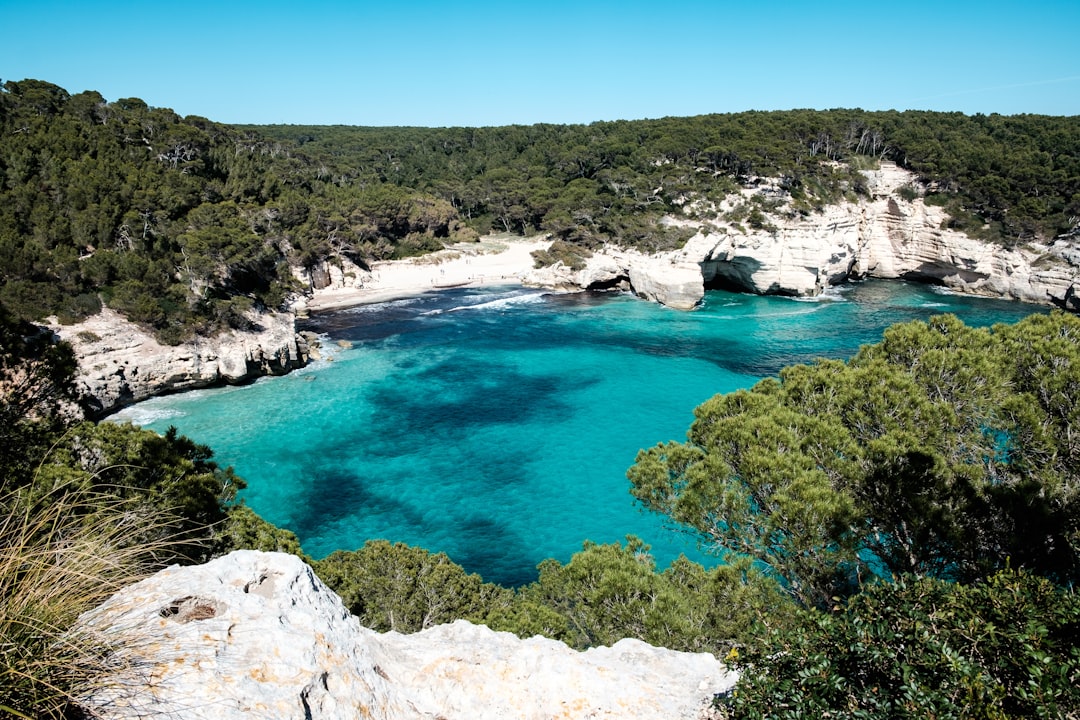
The calm Balearic: turquoise calas, the Camí de Cavalls coast path and prehistoric stone villages.
- Best time to visit: May-June and September
- Daily budget (budget traveller): $110 to $200 USD
- Ideal trip length: 5 to 7 days
Menorca is the Balearic island that never sold out. A UNESCO biosphere reserve since 1993, it swapped high-rise resorts for pine-backed calas, a 185km coastal trail and more prehistoric stone monuments than anywhere else in the Mediterranean. Mahón and Ciutadella bookend the island with harbour dinners and Georgian and Gothic streets, while everything between is farmland, gin distilleries and beaches you often reach on foot.
Menorca is 47km long and about 16km wide, which makes it easy to underestimate. Mahon and Ciutadella sit at opposite ends of one main road, the Me-1, about 45 minutes apart, and everything worth seeing hangs off it. Mahon is Georgian-tinged and built over one of the biggest natural harbours on earth, a legacy of the British, who ran the island for most of the 1700s. They left behind sash windows, a gin tradition and a taste for pomada. Ciutadella, the old capital, is honey-stone, Gothic and Catalan to its bones, with a port full of seafood terraces. Between them is farmland cut by dry-stone walls, more than 1,500 prehistoric Talayotic monuments, and a UNESCO biosphere reserve status held since 1993 that explains why you will not find a high-rise.
The island has two personalities and the wind decides which one you get. The south coast is calas: pine-backed coves of pale sand and clear shallows at Macarella, Mitjana and Turqueta, with a walk in from a capped car park. The north is wilder, with red sand at Pregonda, black slate at Favàritx and cliffs that take the full force of the tramontana. Check the forecast the night before, and when the tramontana blows from the north, go south. The Cami de Cavalls, a 185km bridle path around the whole coast in 20 stages, ties it together, and the best use of it is a short stretch that ends in a swim, such as the 40-minute walk from Cala Galdana to Macarella.
Plan around the calendar rather than the map. May, June and September give you warm days, open restaurants and parking spaces. July and August mean full beach car parks by 10am, hire cars sold out and doubles at twice the price. Book the car and the apartment by March for summer. Expect the Balearic tourist tax (roughly €1-4 per person per night in summer depending on the category, less in winter, paid at your accommodation) and cash for tiny cala kiosks. Come for a week, rent a small car, eat lunch late and swim early, and Menorca rewards you far more than its flashier neighbours do.
How many days in Menorca?
For Menorca, we recommend 5 to 7 days.
| Trip length | What you'll see | Itinerary |
|---|---|---|
| 2 days | Mahon harbour and gin; Mahon market, harbour boat, Es Castell and Binibeca | Menorca in 2 days |
| 3 days | Adds: Favàritx, Es Grau and the cave bar | Menorca in 3 days |
| 4 days | Adds: North coast and move to Ciutadella | Menorca in 4 days |
| 5 days · Recommended | Adds: Cala Galdana to Macarella | Menorca in 5 days |
| 7 days · Recommended | Adds: Ciutadella, Turqueta and Punta Nati; Prehistory | Menorca in 7 days |
Menorca itinerary
Arrive, Mahon harbour and gin
Morning: Land at MAH, 5km from town. Take the airport bus (about €3) or a €15-20 taxi to Mahon. Drop bags, pick up the hire car if you have one, coffee on Plaça de s'Esplanada.
Afternoon: Walk down the steps to the quay. Free tasting at the Xoriguer distillery on Andén de Poniente, then try a pomada with lemonade at a harbour terrace.
Evening: Dinner along the Moll de Llevant. Cheese, sobrasada and a glass of local wine. Early night, tomorrow starts at the market.
Mahon market, harbour boat, Es Castell and Binibeca
Morning: Mercat des Claustre for Mahón DOP cheese and sobrasada (mornings, Monday to Saturday). Then a 1-hour Yellow Catamarans harbour cruise, about €17.
Afternoon: Lunch at Cala Fonts in Es Castell, water-front terraces and grilled fish. Swim at Punta Prima or Cala Alcaufar.
Evening: Binibeca Vell at dusk, whitewashed alleys to wander. The village is a private estate that admits visitors only from 10am to 10pm. Back to Mahon for dinner.
Favàritx, Es Grau and the cave bar
Morning: Drive 25 min to the black-slate Favàritx lighthouse, then walk a short Cami de Cavalls stretch toward Cala Presili. Bring a windbreaker.
Afternoon: Swim at Es Grau in the Albufera nature park, shallow and good for a slow afternoon. Light lunch from the beach kiosk.
Evening: Drive to Cala en Porter for sunset at Cova d'en Xoroi, entry about €20-25, and book ahead in summer.
North coast and move to Ciutadella
Morning: Check out and drive via Es Mercadal. Take the road up Monte Toro (358m) for views of both coasts. Then on to Fornells.
Afternoon: Lunch of caldereta de llagosta at Es Cranc (budget €60-90 per person, book ahead). Drive to Binimel-la and walk 30-40 min to red-sand Cala Pregonda.
Evening: Watch sunset at Cap de Cavalleria lighthouse, then drive 40 min to Ciutadella. Dinner at Café Balear on the port.
Cala Galdana to Macarella
Morning: Leave Cala Galdana at 8:30am on the Cami de Cavalls, 40 min to Macarella and Macarelleta before the crowds. Swim, snorkel and picnic.
Afternoon: Walk back or continue to Cala Mitjana and Mitjaneta. Late lunch at a Cala Galdana beach restaurant.
Evening: Back in Ciutadella, wander Plaça des Born and the cathedral lanes, dinner at a harbour terrace.
Ciutadella, Turqueta and Punta Nati
Morning: Municipal market on Plaça de la Llibertat. Then the cathedral and palaces in the old town.
Afternoon: Drive south to Cala Turqueta (short walk from the car park, arrive before 11am). Swim and have a long lunch.
Evening: Sunset at Punta Nati lighthouse in the rugged north-west. Dinner in Ciutadella, then a pomada on the port.
Prehistory and depart
Morning: Naveta des Tudons, a 3,000-year-old chambered tomb beside the Me-1, a quick stop in soft light.
Afternoon: Torre d'en Galmés (about €3, free on Mondays), the island's biggest Talayotic settlement. Then drive to the airport, 15-20 min from there, and return the car.
Evening: Fly out of MAH. Buy cheese and Xoriguer gin to take home.
Best neighbourhoods
- Ciutadella: The former capital: honey-stone palaces, a Gothic cathedral and a narrow port lined with restaurants.
- Mahón (Mao): The current capital above one of the world's largest natural harbours, with gin distilleries and a lively market.
- Es Mercadal & Monte Toro: The island's rural middle and highest point, with views over both coasts.
- Fornells: A whitewashed northern fishing village famous for lobster stew and flat-water sailing.
- Cala Galdana: A horseshoe bay on the south coast that works as a base for the wildest calas.
Must-do experiences
- Walk a Camí de Cavalls stage: Pick a coastal section of the historic 185km bridle path and finish at an empty cove.
- Cala Macarella and Macarelleta: Reach Menorca's postcard turquoise coves early, on foot from Cala Galdana or by bus.
- Naveta des Tudons: Stand in front of a 3,000-year-old Talayotic burial chamber, one of Europe's oldest roofed buildings.
- Mahón harbour and a gin distillery: Take a boat around the harbour, then taste the island's British-legacy Xoriguer gin.
Hidden gems
- Cala Pregonda on the north coast, with red-gold sand and Martian rock formations.
- Binibeca Vell in the late afternoon: the whitewashed maze is a private estate, and residents admit visitors only during set daytime hours (recently 11am to 8pm), so check before you go.
- Cova d'en Xoroi, a cliffside cave bar carved into the rock at Cala en Porter.
- The Talayotic site of Torre d'en Galmés, usually near-empty at golden hour.
Daily budget
- Accommodation: budget €45-90 / night (hostal room or €30-45 camping pitch), mid-range €130-220 (agroturismo or 3-4 star double), splurge €350+ (Torralbenc, Sant Joan de Binissaida). There are almost no dorm hostels. July and August doubles run 50-100% above May rates. The Balearic tourist tax is extra.
- Food: budget €25-35 / day (supermarket breakfast, bocadillo, menú del día), mid-range €55-85 (tapas lunch, one dinner with wine), splurge €150+ (caldereta de llagosta, €60-90 per person). Weekday menús del día cost €14-20 outside peak season. Mercadona and Eroski cover cala picnics.
- Transport: budget €3-6 / day (TIB buses, Mahon to Ciutadella about €5-6), mid-range €45-75 (small hire car plus fuel, €30-50 in shoulder season), splurge €110+ (convertible, July-August rates, or licence-free boat hire). A car is the practical option. Fleets sell out in summer, so book early and avoid airport pickups with a long queue.
- Activities: budget €0-10 (beaches and Cami de Cavalls are free), mid-range €25-50 (Mahon harbour boat €15-20, Torre d'en Galmés about €3, Cova d'en Xoroi €20-25), splurge €100+ (private sailing day, guided kayak and snorkel). The Xoriguer gin distillery tasting on Mahon's quay is free. Most calas cost nothing but some car parks charge a few euros.
- Drinks & nightlife: budget €8-12 (caña €2.50-3.50, pomada €4-6), mid-range €25-40 (gin tonics on the port, €9-12 each), splurge €70+ (Cova d'en Xoroi at sunset, beach club cocktails). Nightlife means a terrace, not a club. Ciutadella's port and Mahon's Moll de Llevant stay lively until about 1am.
Where to stay
- Social hostel in Mahon (€45-90 / night (€30-45 camping pitch)): Menorca has almost no dorm hostels, so the budget solo play is a small hostal such as Hostal Orsi or Hostal Jume in Mahon, walkable to the port, bus station and market. Camping Son Bou is the cheapest alternative for tent travellers.
- Boutique hotel in Ciutadella old town (€140-240 / night): Sleep inside the honey-stone lanes in a converted townhouse, a short stroll from the cathedral, the market and the port. Hotel Sant Ignasi, a countryside agroturismo ten minutes out, is a quieter alternative with a pool.
- Apartment in Cala Galdana or Es Castell (€80-160 / night): Self-catering studios and apartments close to the sea, with a kitchen for picnic lunches. Galdana puts you on the Macarella path, Es Castell is close to Mahon and Binibeca.
- Splurge in Countryside near Cala en Porter and Es Castell (€300-550 / night): Torralbenc, a restored finca with a pool and tasting dinners, or Hotel Rural Sant Joan de Binissaida, a farmhouse stay. Quiet, bookable far ahead, and you will need a car.
What to eat
- Caldereta de llagosta, Fornells lobster stew
- Mahón-Menorca cured cheese with olives
- Sobrasada on crusty bread
- Pomada, Xoriguer gin with cloudy lemonade
Day trips
- Cala Pregonda and Cap de Cavalleria (35-50 min drive from Mahon or Ciutadella): Red-gold sand, Martian rock formations and a wild north-coast walk, followed by sunset at the Cap de Cavalleria lighthouse. No facilities, so bring water and food. Drive to Binimel-la and walk the Cami de Cavalls east, about 30-40 min each way. There is no bus, and the small car park fills in summer by 10am.
- Favàritx lighthouse and Es Grau (25 min drive north of Mahon): A lunar black-slate coastline with a striped lighthouse, then a calm shallow beach beside the S'Albufera des Grau nature park. Great for a slow half-day. Drive from Mahon via the Me-7. A summer TIB bus runs to Es Grau from Mahon bus station, and a seasonal Bus Favàritx also goes from there to the lighthouse, so check times before you go.
- Ciutadella and the south-west calas (1 hour by bus from Mahon): The old capital's cathedral, market and port, plus Cala Turqueta and Macarella by car or the short Cala Galdana walk. TIB line 1 from Mahon bus station to Ciutadella, about €5-6 each way. Hire a car or use summer beach buses for the calas.
When to visit
- Spring (April - June): 17-25°C, mostly sunny, sea 15-20°C, tramontana gusts common. Crowds: Light in April and May, building in June. The best window for walking the Cami de Cavalls. Wildflowers, open restaurants, empty calas. The sea is bracing until mid-June.
- Summer (July - August): 28-33°C, dry, sea 24-26°C. Crowds: Heavy, car parks full by 10am. Perfect swimming but the priciest and busiest. Book car and bed by March, and beach early or late. Skip the Cami de Cavalls at midday.
- Autumn (September - October): 22-28°C in September, 18-23°C in October, warmest sea of the year. Crowds: Moderate in September, very low by mid-October. The locals' pick. Warm water, short queues and Mahon's Festes de Gràcia in early September. Many resorts close by late October.
- Winter (November - March): 9-16°C, rain spells, strong tramontana. Crowds: Very low, many hotels and beach bars shut. Green, quiet and cheap, and good for hiking in sunny gaps. Great for cheese and gin, not for swimming.
Entry rules for your passport
Visa rules for Spain depend on the passport you travel on. Check the official source before you book: European Commission: Schengen visa policy
Getting there
Menorca airport (MAH) is 5km from Mahon, with direct flights from Madrid, Barcelona, London and several German cities, many seasonal and heaviest from April to October. The airport bus (line 10, about €3) runs to Mahon bus station, and a taxi to Mahon costs €15-20. To Ciutadella, 45km away, a taxi is €70-80, so a hire car is better. Ferries from Barcelona to Mahon with Trasmed or Balearia are overnight, about 9 hours. From Alcúdia on Mallorca, a fast ferry to Ciutadella takes roughly 1 hour 15 and starts around €35 one way. Pick up your car at the airport, but skip the booking if you land late in July or August without a reservation, as the island runs out of stock.
Border checks: non-EU visitors (other than Swiss, Norwegian, Icelandic, Liechtenstein, Andorran, Monegasque, San Marinese and Vatican citizens, and holders of an EU residence permit or long-stay visa) are registered in the EU's Entry/Exit System (EES) instead of getting a passport stamp. On your first crossing, officers take your photo and/or fingerprints, so allow extra time at passport control. ETIAS, the planned travel authorisation, is not in operation yet, so don't pay any website for one.
Getting around
Menorca airport sits 5km from Mahón, with buses and taxis into town in about 15 minutes; ferries also arrive from Barcelona, Valencia and Mallorca. Buses connect Mahón, Ciutadella and the main resorts reliably in summer but thin out in winter and rarely reach remote calas. A hire car is the practical option, though several famous beaches cap parking and are best reached by early arrival, bus or a coastal walk.
Safety
Menorca is one of Spain's safest destinations, with very low crime and family-friendly resorts; the main risks are natural. The north coast gets battered by the tramontana wind, some southern calas have sudden drop-offs and few have lifeguards, and cliff paths are unfenced. Summer sun is intense with little shade on the Camí de Cavalls, so carry water. Watch for jellyfish after onshore winds and never leave valuables visible in a parked hire car.
Solo travel tips
- Eat at the bar and ask for the plat del dia: Menorcan bars and small restaurants happily serve one person at the counter. Ask what the daily special is. You will often get a better meal than the menu, and a chat with the owner.
- Rent a car, or split one: Solo, a car is the single best investment. Book early for July and August, or find another solo traveller through your accommodation to share. In May or September, you can also rely on TIB buses between Mahon, Ciutadella and big resorts.
- Never swim alone at wild calas: Most calas have no lifeguard, and some drop off sharply. Swim where others are, check the flag at staffed beaches, and tell someone your Cami de Cavalls plan before you leave.
- Do the Cami de Cavalls in short stages: Walk 5-8km stretches that end at a cove, not the whole 185km. Start at 8am in summer, carry 2 litres of water and download the route offline, as signal fades on the north coast.
- Solo female travellers: Menorca is one of Spain's safest islands for women alone. Standard rules apply: watch your drink in busy port bars, park in lit spots at night, and keep valuables out of a parked hire car.
- Find your tribe in Ciutadella and on the water: Ciutadella's port at 7pm is the easiest place to land a conversation. Small-group kayak, snorkel and sailing day trips from Fornells and Cala Galdana are full of solos, and Ciutadella's Sant Joan festival on 23-24 June is a raucous way to meet locals.
Cultural etiquette
- Menorcan is a Catalan dialect, and many signs are in Catalan first. Greet with 'bon dia' and say 'gràcies', and you will get warmer service than a Spanish opener.
- Tipping is modest. Round up at cafés and leave 5-10% at sit-down dinners if service was good.
- Shops and small restaurants close from about 1:30pm to 5pm. Lunch runs 1:30-3:30pm and dinner starts after 8:30pm. Show up at 7pm and the kitchen is probably not open.
- Don't take sand, shells or stones from beaches. Fines apply, and the Posidonia seagrass that cushions the shore is protected, so don't anchor or trample on it.
- Close the wooden gates on the Cami de Cavalls behind you. They keep farm animals in, and farmers notice.
- Cover up when you leave the beach. Swimwear in Ciutadella's old town and Mahon's market is frowned upon, and nudism is tolerated only on certain calas, such as Macarelleta.
- No fires, no barbecues and no cigarettes on pine-backed paths in summer. Wildfire risk is real and fines are heavy.
Frequently asked questions
How many days do you need in Menorca?
Five to seven days works best. Two days cover Ciutadella and Mahón with their harbours and markets, two or three are for south-coast calas like Macarella, Mitjana and Turqueta, and one for the wilder north around Cala Pregonda and Fornells. A week lets you add several Camí de Cavalls stages without rushing.
When is the best time to visit Menorca?
May, June and September give warm sea, open restaurants and far fewer people than peak season. July and August are hot and busy, with beach car parks full by mid-morning and accommodation at its most expensive. October to April is quiet and green, ideal for walking the Camí de Cavalls, though many resorts close.
Is Menorca better than Mallorca or Ibiza?
It depends what you want. Menorca is quieter, flatter and more nature-focused, with better untouched beaches and almost no club scene. Mallorca has more mountains, cities and variety, Ibiza has the nightlife. If your priority is calm coves, walking and family-friendly days, Menorca wins comfortably.
What are the best beaches in Menorca?
Cala Macarella and Macarelleta are the classic turquoise pair, Cala Mitjana and Turqueta are similar and slightly calmer, and Son Bou is the longest sandy stretch. On the north coast, Cala Pregonda, Cavalleria and Binimel-la are wilder and more dramatic. Many need a short walk in from a capped car park.
Do you need a car in Menorca?
It helps a lot. Buses link Mahón, Ciutadella and major resorts well in summer but do not reach most of the best calas, and services shrink out of season. Book a car early for July and August, when the island runs out of stock, and expect beach car parks to close once full.
Is Menorca expensive?
It is mid-range by Balearic standards. Budget around $110 to $200 a day for a comfortable trip including a hire car, apartment and eating out once a day. Ciutadella port restaurants and lobster stew in Fornells push costs up, while inland agroturismos, market shopping and free beaches keep them down.
What is the Camí de Cavalls?
It is a 185km historic bridle path that circles the entire island, split into 20 waymarked stages of roughly 5 to 14km each. Most visitors walk individual coastal sections between beaches rather than the whole loop, which takes about 10 to 12 days. Spring and autumn are the comfortable seasons for it.
More about Menorca
- Where to Travel in 2027: 15 Places Worth Planning a Trip Around
- Total Solar Eclipse 2 August 2027: Where to Watch It and How to Plan Now
- Barcelona in 3 Days: Gaudí, Tapas, the Beach and 2026 Prices
Tours and activities in Menorca | Menorca in 2 days | Menorca in 3 days | Menorca in 4 days | Menorca in 5 days | Menorca in 7 days
Can't decide? Compare Menorca with...
Joy Plus home | Destinations | Itineraries | Activities | Flights | Budget planner | Calendar | Map | Blog | Lifetime access