Destinations / North America
Mérida, Mexico travel guide
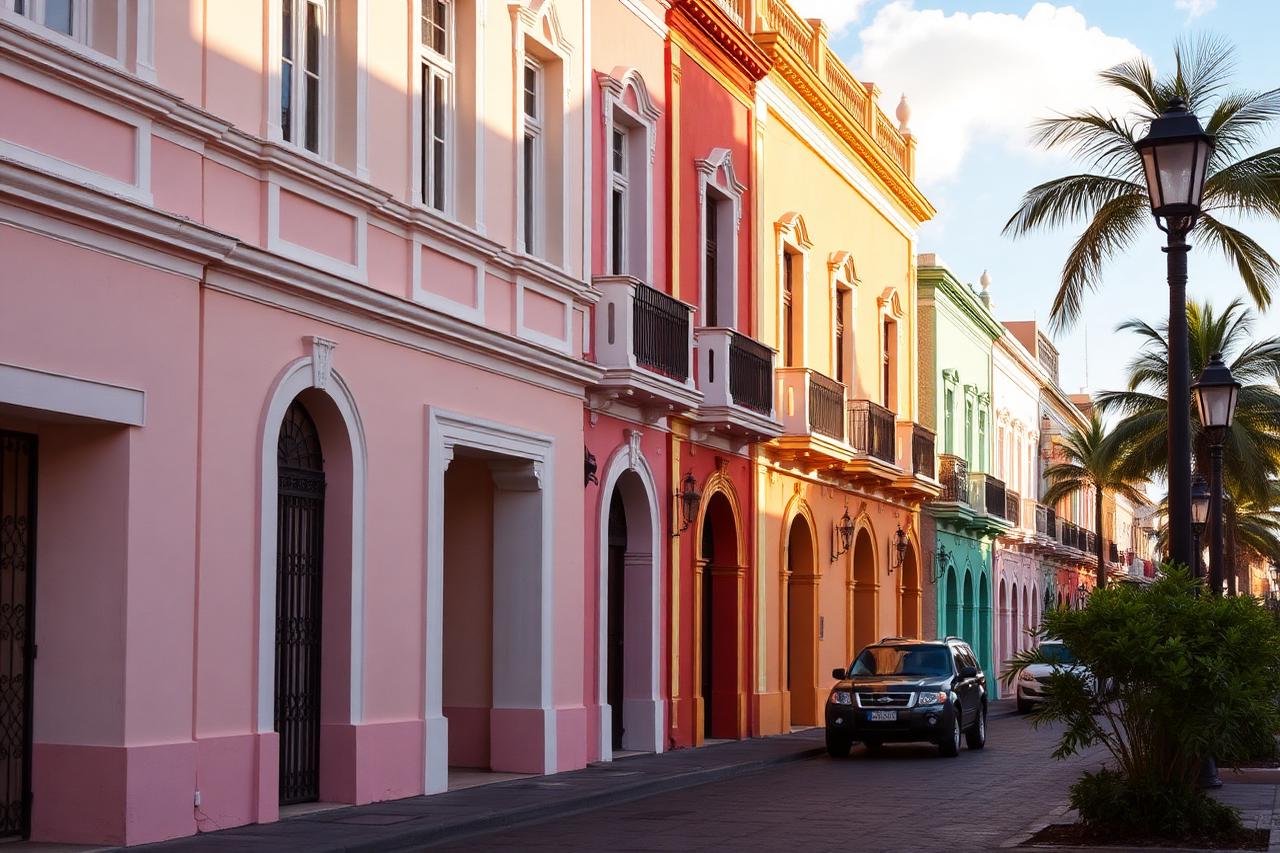
The safe, sun-baked capital of the Yucatán, where colourful colonial streets, Mayan ruins and cenotes meet a rich regional cuisine.
- Best time to visit: November-March (dry, milder)
- Daily budget (budget traveller): $50 to $110 USD
- Ideal trip length: 3 to 4 days
Mérida is the cultured, laid-back heart of the Yucatán: a grand colonial city of pastel mansions, leafy plazas and a strong Mayan heritage, consistently ranked among the safest cities in Mexico. It's a base for some of the country's greatest archaeological sites and swimmable cenotes, with a distinctive regional cuisine all its own. The pace is slow, the markets are buzzing, and the culture runs deep. Joy Plus pairs the colonial centre with cenote and ruin day trips, times visits around the brutal midday heat, and finds the cochinita pibil spots locals love.
Mérida runs on a split shift. The city wakes at 6am, goes horizontal between noon and 4pm, then comes back to life around 6pm and stays out until midnight. Plan around that rhythm and the Yucatán's capital is one of the easiest, cheapest and safest cities in Mexico. The Spanish founded it in 1542 on top of the Maya city of T'ho, and the cathedral on the Plaza Grande, finished in 1598, was built partly from the old temple stones. A century of henequen money (the 'green gold' of rope fibre) then paid for the French-style mansions along the Paseo de Montejo. What you walk through today is a pastel grid of colonial houses with hidden courtyard pools, plus very good food.
The food alone justifies the flight. This is Yucatecan cooking, which is a different cuisine from the Mexican food you know: cochinita pibil roasted in achiote and sour orange, poc chuc pork grilled over coals, sopa de lima, relleno negro, panuchos and salbutes. The best of it costs MXN 20 to 40 a plate at Mercado Lucas de Gálvez and Mercado Santiago. Dinner is cheap too, and Mérida also lays on free culture almost every night, from the Monday vaquería at the Palacio Municipal to Thursday serenatas in Parque de Santa Lucía and the Sunday street closures of Mérida en Domingo. Cantinas hand out free botanas with your beers, and the locals really do sit out in the plazas and talk.
Mérida is also a base for the peninsula's greatest hits, without the Caribbean markup. Uxmal is 90 minutes south and much quieter than Chichén Itzá. Thousands of cenotes sit in the limestone around the city, from the horse-cart cenotes of Cuzamá to the Homún cluster. Add flamingos at Celestún and the yellow-painted town of Izamal. The only real hazard is the sun. From March to May the thermometer pushes past 38°C, so you do the pyramids at 8am, swim a cenote at noon and eat cochinita at dusk. Do it that way and three or four days feels like a proper holiday, not a heat test.
How many days in Mérida?
For Mérida, we recommend 3 to 4 days.
| Trip length | What you'll see | Itinerary |
|---|---|---|
| 2 days | Plaza Grande and the first cochinita; Paseo de Montejo and the Maya story | Mérida in 2 days |
| 3 days · Recommended | Adds: Dzibilchaltún and the markets | Mérida in 3 days |
| 4 days · Recommended | Adds: Uxmal and the Puuc route | Mérida in 4 days |
| 5 days | Adds: Cenote day, Homún or Cuzamá | Mérida in 5 days |
| 7 days | Adds: Chichén Itzá and Izamal; Souvenirs | Mérida in 7 days |
Mérida itinerary
Arrive, Plaza Grande and the first cochinita
Morning: Land at MID, take an official taxi voucher (about MXN 250 to 350) or an Uber/DiDi (MXN 150 to 200) to Centro. Drop bags, then tacos de cochinita at Mercado Lucas de Gálvez before 11am.
Afternoon: Siesta by the courtyard pool from 1 to 4pm. Then Plaza Grande: the 1598 cathedral, Casa de Montejo, and the Diego Rivera-style murals of Fernando Castro Pacheco inside the Palacio de Gobierno (free).
Evening: Dinner at La Chaya Maya (sopa de lima, cochinita, a jug of horchata). Monday nights bring the free vaquería at the Palacio Municipal, Thursdays the serenata in Parque de Santa Lucía at 9pm.
Paseo de Montejo and the Maya story
Morning: Walk the Paseo de Montejo at 8am while it is cool: Monumento a la Patria, the mansions, then Palacio Cantón, the regional anthropology museum (about MXN 85, closed Mondays).
Afternoon: Uber (about MXN 100) to the Gran Museo del Mundo Maya, air-conditioned and excellent (closed Tuesdays, around MXN 150). Coffee and an ice cream at Sorbetería Colón on the way back.
Evening: Dinner in Santa Ana: Mercado 60 food hall, then mezcal at La Fundación Mezcalería.
Dzibilchaltún and the markets
Morning: Arrive at Dzibilchaltún at the 8am opening (about 25 min from Centro, Uber MXN 150 each way). Walk to the Temple of the Seven Dolls, then swim in the Xlacah cenote.
Afternoon: Back for a late comida. Poc chuc at Los Almendros or at the stalls inside Mercado Santiago. Siesta, then browse the hammocks at El Aguacate and the craft shop Casa de las Artesanías.
Evening: Marquesitas in Parque de Santiago, then beers and live trova at La Negrita.
Uxmal and the Puuc route
Morning: Leave at 6:30am, reach Uxmal at the 8am opening (entry about MXN 600). Do the Pyramid of the Magician, the Nunnery Quadrangle and the Governor's Palace before 10am.
Afternoon: Add Kabah (10 min south) on the way back, then stop at the Hacienda Yaxcopoil museum (it has no restaurant) and have lunch in town. Or stay for the Ruta Puuc (Sayil, Labná) with a rental car.
Evening: Back by 5pm for a swim, then a light dinner of panuchos and salbutes near Parque de Santa Lucía.
Cenote day, Homún or Cuzamá
Morning: Head out at 8am to Homún (about 1 hour). Swim three cenotes at Santa Bárbara or Cuzamá's horse-cart cenotes (roughly MXN 150 to 250 per cenote, a cart for four around MXN 800 to 1,000).
Afternoon: Lunch in Homún, then stop at one more cenote. Rinse before and after, since sunscreen is banned in the water.
Evening: Tired and slow: dinner at Apoala, Mexican food with a modern edge, or a plate of relleno negro at a Centro fondita.
Chichén Itzá and Izamal
Morning: ADO bus or a hired driver by 6:30am to beat the cruise-ship tours. At Chichén Itzá (about MXN 700) walk straight to El Castillo, the Ball Court and the Sacred Cenote before 10am.
Afternoon: Stop at Izamal on the way home, the town painted entirely yellow. Eat at Kinich (lime soup, hand-made tortillas, MXN 250 to 350 a plate).
Evening: Back around 7pm. Quick street dinner and an early night.
Slow morning, souvenirs, depart
Morning: Sunday? Join Mérida en Domingo (streets closed to cars from morning to evening, markets and music). Any other day, coffee at Café La Habana and a long breakfast.
Afternoon: Final shopping: a hammock (MXN 600 to 2,500 depending on size), a guayabera, local chocolate or a jipi hat from Becal. Last comida at Los Almendros.
Evening: Uber or taxi to MID, 20 to 30 minutes. Leave 3 hours before an international flight, security lines can be slow.
Best neighbourhoods
- Centro Histórico: The colonial core: the Plaza Grande, the cathedral, colourful streets and the main markets.
- Paseo de Montejo: The grand tree-lined boulevard of mansions, museums, cafes and monuments.
- Santa Lucía & Santiago: Charming plaza-centred neighbourhoods with weekend music, restaurants and a local feel.
- Santa Ana: A trendy quarter near Paseo de Montejo with a popular food market and boutique hotels.
Must-do experiences
- Plaza Grande & Centro: Soak up the colonial heart: the cathedral, the painted streets and the free weekend cultural events.
- Uxmal ruins: Visit the magnificent, less-crowded Mayan city with its rounded pyramid, an easy day trip south.
- Swim a cenote: Cool off in the Yucatán's famous freshwater sinkholes, scattered through the surrounding countryside.
- Paseo de Montejo & Yucatecan food: Stroll the grand boulevard, then feast on cochinita pibil, sopa de lima and other regional dishes.
Hidden gems
- The Gran Museo del Mundo Maya, a superb modern museum of Mayan culture on the city's edge.
- Hacienda visits in the countryside, restored colonial estates with gardens and pools.
- The lesser-known cenotes around Cuzamá, reached by a small horse-drawn rail cart.
- Sunday's Mérida en Domingo, when the centre closes to cars for markets, music and dancing.
Daily budget
- Accommodation: budget MXN 300-550 / night (hostel dorm), mid-range MXN 1,800-3,200 (boutique double with pool), splurge MXN 5,000+ (Rosas & Xocolate, Hacienda Xcanatún). A/C and a courtyard pool matter more than location. Roughly 18 pesos to the dollar, so mid-range is about US$100-175.
- Food: budget MXN 250-400 / day (market tacos, comida corrida), mid-range MXN 600-900 (La Chaya Maya, Apoala), splurge MXN 1,800+ (tasting menu at Ku'uk or Néctar). Cochinita tacos are MXN 20 to 30 each at Lucas de Gálvez. A lunchtime comida corrida runs MXN 100 to 140.
- Transport: budget MXN 80-150 (Va y Ven buses ~MXN 12-14 a ride, walking), mid-range MXN 200-400 (Uber/DiDi around town), splurge MXN 2,500+ (private driver to Uxmal and Kabah). Cross-town Ubers cost MXN 50 to 100. Rental cars (from MXN 700/day) pay off for Uxmal, cenotes and Izamal.
- Activities: budget MXN 150-300 (free plaza events, murals, one museum), mid-range MXN 700-1,200 (Uxmal entry ~MXN 600 plus a cenote), splurge MXN 3,000+ (private guide at Chichén, hacienda spa day). Cathedral, Palacio de Gobierno and Casa de Montejo are free. Chichén Itzá is about MXN 700.
- Drinks & nightlife: budget MXN 80-150 (Montejo beers in a cantina), mid-range MXN 350-600 (mezcal and live music), splurge MXN 1,000+ (rooftop cocktails, hotel bar). Nightlife is cantinas, live trova and rooftops, most of it done by 1am. Many cantinas serve free botanas with each round.
Where to stay
- Social hostel in Centro / Santa Lucía (MXN 300-550 / night (dorm), MXN 900-1,400 (private)): Nomadas Hostel, courtyard pool, mixed dorms and privates, walkable to Plaza Grande and the Thursday serenata.
- Boutique hotel in Centro Histórico (MXN 1,800-3,200 / night): Casa Lecanda or Hotel Caribe on Plaza Hidalgo (rooftop pool), restored colonial houses with A/C, courtyards and breakfast.
- Apartment in Santa Ana or Santiago (MXN 1,100-2,000 / night): Local residential barrios with a kitchen, a plunge pool in the patio and neighbours who know the best taquería. Best value for 5+ nights.
- Splurge in Paseo de Montejo / outer haciendas (MXN 4,500-9,000 / night): Rosas & Xocolate (pink mansion with spa) or Hacienda Xcanatún (restored henequen estate 15 min north), garden pools and restaurants on site.
What to eat
- Cochinita pibil, slow-roasted achiote pork
- Sopa de lima, the Yucatecan lime-and-chicken soup
- Panuchos and salbutes, crispy tortilla antojitos
- Marquesitas, a rolled crepe street-snack with cheese and Nutella
Day trips
- Uxmal (80km, about 1 hour 15 minutes south): The finest Puuc-style Maya city, with the rounded Pyramid of the Magician and an intricate Governor's Palace. Far quieter than Chichén Itzá. Combine it with Kabah and, with a car, the Ruta Puuc. Entry about MXN 600, opens 8am. Second-class bus from the TAME terminal (Calle 69) for about MXN 100 to 130 each way, limited early departures (check the day before). Or a shared tour for MXN 700 to 1,000, or a rental car.
- Cenotes of Homún and Cuzamá (55 to 70km, about 1 hour east-south-east): Dozens of cenotes in the countryside. Swim in cavern cenotes at Santa Bárbara (Homún), or ride a horse-drawn rail cart between three cenotes at Cuzamá. Expect about MXN 150 to 250 per cenote. Colectivo vans leave from the downtown market area for around MXN 50 to 70 each way (ask your hotel for the current departure street), or hire a driver for MXN 1,200 to 1,800 round trip.
- Chichén Itzá (with Izamal) (120km, about 2 hours east): The most famous Maya site in Mexico, with El Castillo, the Ball Court and the Sacred Cenote. Go at 8am, entry about MXN 700. Stop at Izamal on the way back for its yellow streets and the Convento de San Antonio de Padua. ADO from CAME, about MXN 200 to 300 each way, 4 or more daily. Or a shared tour with Izamal for MXN 800 to 1,200. The Tren Maya also stops at the Chichén Itzá station.
When to visit
- Winter (November to February): Highs 28-31°C, lows 15-19°C, dry, a few cooler 'norte' days. Crowds: High, peaks Christmas to mid-January. The best window. Walkable days, clear skies, Mérida Fest in January, and Hanal Pixán (Day of the Dead) at the start of November. Book ahead for Christmas.
- Spring (March to May): Highs 35-41°C, dry, no breeze, brutal by 1pm. Crowds: Moderate, spikes in Semana Santa. Only if you commit to 7am starts and a pool. April and May are punishing, but cenotes feel like a miracle and hotels discount.
- Summer (June to August): Highs 33-36°C, humid, afternoon thunderstorms. Crowds: Low, mostly domestic visitors. Hot and sticky but cheap (hotel rates drop 20 to 40%). Do ruins early, plan cenotes for the afternoon storms.
- Autumn (September to October): Highs 32-34°C, wettest months, hurricane season peaks. Crowds: Lowest of the year. Cheap and green, and locals love the late October build-up to Hanal Pixán. Buy flexible tickets and check the forecast.
Entry rules for your passport
Visa rules for Mexico depend on the passport you travel on. Check the official source before you book: Mexico National Migration Institute
Getting there
Mérida's airport (MID, Manuel Crescencio Rejón) is about 10km south-west of the centre, 20 to 30 minutes by road. Direct flights come from Mexico City (about 2 hours), Monterrey, Guadalajara, Cancún, Houston and Miami. From the airport, take an official taxi voucher from the booth in arrivals (about MXN 250 to 350) or an Uber/DiDi (MXN 150 to 200, you may need to walk to the pickup point). Ignore touts in the terminal. Overland, ADO buses reach the CAME terminal (Calle 70 between 69 and 71) from Cancún in 4 to 5 hours (about MXN 600 to 900), from Valladolid in about 2 hours, and from Campeche in roughly 3. The Tren Maya stops at Mérida-Teya, about 25 minutes east of the centre, with a shuttle or Uber onward.
Getting around
The colonial centre is walkable, though the heat slows you down by midday. Taxis, Uber and DiDi are cheap and the easiest way to cross town. Local buses and colectivos serve the wider area. For ruins and cenotes, organised tours, rental cars or ADO buses are the way to go. The airport is about 20 to 30 minutes from the centre.
Safety
Mérida is consistently ranked one of the safest cities in Mexico, and walking the centre day or night is comfortable. Standard precautions against petty theft are enough. The real challenge is the heat: midday temperatures are punishing, especially March to May, so plan sightseeing for mornings and evenings, hydrate and seek shade.
Solo travel tips
- Eat at the market counters: Mercado Lucas de Gálvez and Mercado Santiago sell cochinita, poc chuc and fresh juice at shared counters. Sit down, point, pay MXN 20 to 40 a plate and you'll be chatting with the stall owner in five minutes.
- Run your day on the heat clock: Sightsee from 7 to 12, swim or sleep from 1 to 4, and come back out at 5. Solo travellers burn out fastest in the midday sun, so book a hotel or hostel with a pool and use it.
- Hostel pick: Nomadas Hostel: Courtyard pool, a rooftop terrace and an easy social vibe without forced pub crawls. Dorm beds usually MXN 300 to 550. Notice boards are the best way to split a rental car for Uxmal and cenotes.
- Use the free nightly events: Monday vaquería at the Palacio Municipal, Thursday serenatas at Santa Lucía, Sunday's Mérida en Domingo. You sit, watch and talk to whoever lands next to you, which is the easiest way to meet locals.
- Solo female travellers: Mérida is one of the safest cities in Mexico for women alone. Sit in plazas at night, use Uber or DiDi after midnight instead of street taxis, and expect the odd catcall rather than anything serious. Dress light but cover your shoulders for churches.
- Share your day trips: Group colectivos and shared tours to Uxmal, Chichén Itzá and the cenotes cost MXN 500 to 900 a head. Ask at your hostel, or split a driver for four to cut costs and add company.
Cultural etiquette
- Greet people. A 'buenos días' or 'buenas tardes' when you enter a shop, taquería or hotel lobby is expected, and it changes how you are treated.
- Tipping is 10 to 15% in sit-down restaurants (check whether propina is already added), MXN 20 to 50 for guides and cenote helpers, and a few pesos for bag packers and parking attendants.
- Don't climb ruins. Most structures at Uxmal and Chichén Itzá are closed to climbing, and guards enforce it. Stay on the marked paths.
- Shower before entering a cenote and skip sunscreen and bug spray in the water (use only biodegradable products). Life jackets are often required and cheap to rent.
- Learn a Maya phrase. 'Dios bo'otik' (thank you) goes a long way, and many locals speak Yucatec Maya at home.
- Lunch is the main meal, from 2 to 4pm. Dinner is lighter and later, 8 to 10pm. Showing up for a big meal at 6pm is a tourist move.
- Dress for the heat but cover your shoulders and knees in the cathedral and churches. Bargain only at craft stalls and hammock shops, never in restaurants, and always agree a price before a calesa (horse carriage) ride.
Frequently asked questions
How many days do you need in Mérida?
Three to four days covers the colonial centre, Paseo de Montejo and the food, with time for day trips to Uxmal or Chichén Itzá and a cenote swim.
Is Mérida good for solo travellers?
Yes, exceptionally. It's one of the safest cities in Mexico, walkable, affordable and full of culture and food, making it very comfortable for solo travellers including women.
When is the best time to visit Mérida?
November to March is the most pleasant, with drier, slightly cooler weather. March to May is brutally hot, and summer brings heat plus humidity and afternoon rains.
Is Mérida safe for tourists?
Very. Mérida is regularly ranked among the safest cities in Mexico and the Americas, with low crime and a relaxed feel. Normal precautions against petty theft are all that's needed, even at night in the centre.
Can I visit Chichén Itzá from Mérida?
Yes. Chichén Itzá is about 90 minutes to two hours east of Mérida and is an easy day trip by tour, rental car or ADO bus. Going early beats both the heat and the worst of the crowds, plus cruise-ship tour groups.
Is Mérida expensive to visit?
No, it's affordable. Budget travellers manage on $50 to $70 a day, with cheap, excellent regional food, good-value boutique hotels and inexpensive transport. It's notably cheaper than the Caribbean resort towns.
What food is Mérida famous for?
Mérida is the heart of Yucatecan cuisine, known for cochinita pibil (achiote-roasted pork), sopa de lima, panuchos and salbutes, and the sweet marquesita street snack. The regional food is distinct from the rest of Mexico.
Is Mérida worth visiting?
Yes, it's one of Mexico's safest and most charming cities, a colonial gem with great food, free cultural events, and easy access to cenotes, haciendas and Mayan ruins like Uxmal.
More about Mérida
- The 7-Day Mexico City Itinerary for 2026, with Real Prices
- Mexico City vs Medellín for Digital Nomads: Which Base Suits You in 2026?
Tours and activities in Mérida | Mérida in 2 days | Mérida in 3 days | Mérida in 4 days | Mérida in 5 days | Mérida in 7 days
Can't decide? Compare Mérida with...
Joy Plus home | Destinations | Itineraries | Activities | Flights | Budget planner | Calendar | Map | Blog | Lifetime access