Destinations / South America
Minca, Colombia travel guide
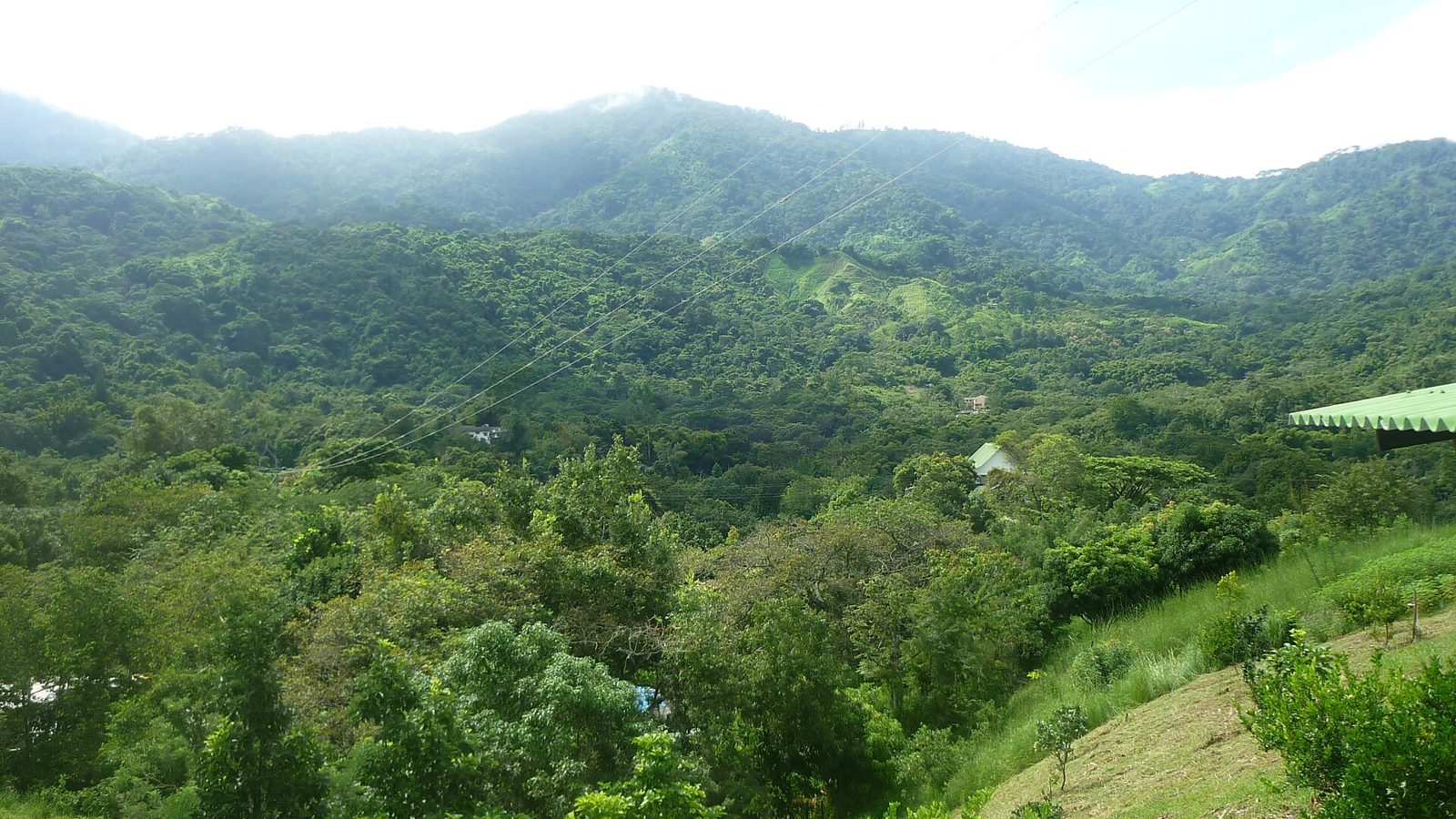
A small mountain village in the foothills of the Sierra Nevada, about 45 minutes above the heat of Santa Marta. You swim in jungle river pools, tour a coffee farm that still runs on 1890s machinery and watch toucans from a hammock high above the valley.
- Best time to visit: December to March and July to August
- Daily budget (budget traveller): $35 to $140 USD
- Ideal trip length: 3 to 5 days
Minca is a village of a few streets at roughly 650m in the foothills of the Sierra Nevada de Santa Marta, about 14km and 45 minutes by shared jeep from Santa Marta on the Caribbean coast. Most people come here to get away from the coastal heat. The air is cooler, the forest is thick and green, and the river runs right through the village. There is not much in Minca itself: a church, a bridge, a row of cafés and a stand of moto-taxis. Everything else is up the dirt roads around it. Within an hour's walk you have the river pools at Pozo Azul, the Marinka waterfalls, Finca La Victoria, a coffee farm founded in 1892, and hillside hostels with giant hammocks and views to the sea. Further up there are cloud forest and some of the best birdwatching in Colombia. The roads are steep and rough, the wifi is weak and the rain can be heavy, so this is a place for walking, swimming and early nights rather than bars. For a solo traveller it works well. Dorm beds are cheap, hostel dinners are shared at one table and the walking routes are easy to follow.
Minca is the first village you reach on the climb into the Sierra Nevada de Santa Marta, the world's highest coastal mountain range. It sits at around 650m among coffee and cacao farms, roughly 14km above Santa Marta, and only a small number of people live here. For years it was a quiet farming village. Since peace returned to the region, it has become one of the best-loved stops on Colombia's Caribbean backpacker route, but it still feels small. The main road through the village is mostly cafés, hostels and the moto-taxi stand, and everything worth seeing lies along the dirt tracks that climb out of it. Most visitors come for one or two nights to escape the coastal heat. Stay longer and you get the better version: a swim at Pozo Azul before anyone else arrives, coffee picked and roasted on the farm you are standing in, toucans in the trees at breakfast and evenings that end early.
Getting here is simple and cheap. Fly or bus into Santa Marta, then take a Cootrasminca shared jeep from near the Mercado Público for about 10,000 COP. The drive takes around 45 minutes, and the jeeps run from early morning until late afternoon, leaving when full. A taxi costs about 80,000-100,000 COP. Once you are here, you walk or take a moto-taxi. Stay in the village centre for convenience, on the hill above the church for sunsets and a social scene, or further up the valley for silence and big views. Moto-taxis to the main sights cost around 10,000-20,000 COP, so a lodge high on the mountain can work out more expensive than its room price suggests.
Timing matters more than you might expect. December to March is the driest season, though late December and early January fill up with Colombian holidaymakers. October and November bring the heaviest rain, with muddy roads and rivers that can rise fast. The weather is warm by day and pleasantly cool at night all year, and the forest is always green. Minca is safe and easy-going. English is spoken in hostels, but a little Spanish helps with drivers and in cafés. Nightlife is a few drinks on a hostel terrace. Bring cash, decent shoes and repellent, and plan on slowing down.
Minca itinerary
Arrive and find your feet
Morning: Take a colectivo from the Mercado Público in Santa Marta (about 45 minutes, 10,000 COP). Drop your bag and have a coffee by the bridge.
Afternoon: Walk around the village and down to the river pools below the bridge for a first swim. Withdraw no more cash, because you should already have enough.
Evening: Climb the steep path behind the church to watch the sunset over the valley, then eat a simple dinner in the centre.
Pozo Azul and coffee
Morning: Walk about an hour to Pozo Azul before the crowds. Swim in the lower pool, then cross over to the quieter upper one.
Afternoon: Take a moto-taxi or walk on up to Finca La Victoria for the 50-minute coffee tour (about 40,000 COP) and a drink on the terrace.
Evening: Walk or ride back down before dark. Book your lodge's communal dinner if it has one.
Marinka, Casa Elemento and Los Pinos
Morning: Take a moto-taxi most of the way up to Mirador Los Pinos for the view over the Sierra and, if it is clear, the sea.
Afternoon: Walk down past Casa Elemento for a turn in the giant hammock, then carry on to the Marinka waterfalls (about 16,000 COP, cash) for a swim.
Evening: Walk the last stretch back to the village and have an early night.
Birds and cacao
Morning: Join a dawn birdwatching walk with a local guide or at La Victoria (6am). Look out for toucans, hummingbirds and Sierra Nevada species.
Afternoon: Visit a small cacao farm for a chocolate-making session, then rest in a hammock through the afternoon heat or rain.
Evening: Fresh juice and a menú del día in the village, then a drink with other travellers on a hostel terrace.
Up to the cloud forest
Morning: Arrange a 4x4 or moto-taxi up the steep track beyond La Victoria towards the El Dorado reserve area. Check out of your Minca bed or leave your big bag behind.
Afternoon: Walk the forest trails and look for highland birds. Check into a basic hostel near the top for the night.
Evening: Early dinner and bed. It is cold up here, so wear every layer you brought.
Cerro Kennedy sunrise
Morning: Rise before dawn to reach the Cerro Kennedy area for sunrise. On a clear morning you can see the snowy peaks of the Sierra and the coast.
Afternoon: Ride back down to Minca and take a long swim at Pozo Azul or in the river to loosen your legs.
Evening: A farewell dinner in the village and a final sunset from the hill.
Slow morning and depart
Morning: Buy coffee beans or chocolate to take home, then enjoy one last breakfast with a view.
Afternoon: Take a colectivo down to Santa Marta, ideally before mid-afternoon, then continue to the airport, Tayrona or Palomino.
Evening: Arrive at the coast, or carry on to your next stop.
Best neighbourhoods
- Village centre: The few streets around the church, the bridge over the river and the colectivo stop. You have cafés, small shops, the moto-taxi stand and most of the restaurants. It is the most practical base if you arrive late or carry a big bag, though it has fewer views than the hills.
- The hill above the church: A short, very steep climb from the centre takes you to hostels such as El Bosque Minca, formerly Casa Loma. The sunset views over the valley are the draw, and the common areas are sociable. Expect a sweaty 15-minute walk up with your luggage.
- Road to Pozo Azul: The dirt road heading out towards Pozo Azul and the coffee farms is lined with hostels, cabins and guesthouses set in the trees. It is quieter than the centre and close to the river pools, but you will walk or take a moto-taxi to reach the village.
- The high road to Marinka and Los Pinos: The road that climbs past the Marinka waterfalls towards Casa Elemento and the Los Pinos viewpoint. Lodges up here have huge views and real quiet. It suits a slow stay, but every trip to town costs you a moto-taxi ride or a long walk.
- Upper Sierra and El Campano: The steep track beyond La Victoria climbs into cloud forest towards the El Dorado reserve and Cerro Kennedy. There are only a few basic hostels and farm stays, and it is cooler and wetter. Come here for a night or two of birding or a sunrise hike rather than as a base.
Must-do experiences
- Swim at Pozo Azul: Walk about an hour from the village along the road and a forest path to these clear river pools, or take a moto-taxi for around 10,000 COP. Entry is usually free, though a booth sometimes sells optional insurance for a few thousand pesos. Go before 10am to have the upper pool almost to yourself.
- Tour Finca La Victoria: This working coffee farm was founded in 1892 and still uses much of its original water-powered machinery. The 50-minute tour costs about 40,000 COP with two cups of coffee and runs in Spanish, English or German. Walk up, or take a moto-taxi, and stay for a drink on the terrace.
- Visit the Marinka waterfalls: A privately run spot with two main falls, a swimming pool under one of them, a restaurant and big hammocks. Entry is about 16,000 COP, cash only, and it opens roughly 9am to 5pm. It takes 45 minutes to an hour on foot from the village, mostly uphill.
- Lie in the giant hammock at Casa Elemento: The hostel's huge net hammock hangs over the valley, and day visitors can use it, along with the pool, for a small fee that has included a drink. A moto-taxi from town is about 20,000 COP. Combine it with Marinka on the way down.
- Walk up to Mirador Los Pinos: Keep climbing past Casa Elemento to this viewpoint over the forested valleys of the Sierra. On a clear day you can see Santa Marta and the sea. It is about 10km from the village, so get a moto-taxi most of the way up and walk back down.
- Go birdwatching at dawn: The Sierra Nevada has dozens of birds found nowhere else, and toucans, hummingbirds and parrots are easy to see around Minca. La Victoria runs guided walks at 6am and 4pm for about 120,000 COP, and several local guides lead longer trips. Bring binoculars if you have them.
- Watch sunset from the hill: Climb the steep path behind the church to the terrace of El Bosque Minca as the light goes. The valley turns gold and the evening birds come out. Buy a drink at the bar and you can sit as long as you like.
Hidden gems
- Pozo Cristal, a small pool reached by steps off the road towards Pozo Azul, which most walkers pass without noticing
- Cascada Escondida, a quieter waterfall on one of the walking routes to Pozo Azul, worth a detour if the main pools are busy
- The river pools just below the bridge in the village, where locals swim on hot afternoons
- Hummingbird feeders at La Victoria and some hillside lodges, best in the first hour after sunrise
- The Oído del Mundo waterfall, further out and less visited than Marinka, for a longer half-day walk
Daily budget
- Accommodation: budget $8-20 / night (hostel dorm or hammock), mid-range $40-90 (private room or eco-cabin), splurge $120+ (finca lodge such as Masaya Casas Viejas). Prices rise from mid-December to mid-January and at Easter. Lodges high up the valley add moto-taxi costs every time you go to town. Some include breakfast.
- Food: budget $10-15 / day (menú del día, bakery, fruit), mid-range $20-35 (café breakfasts and restaurant dinners), splurge $45+ (lodge set dinners with drinks). A set lunch in the village costs a few dollars. Hillside lodges often serve one communal dinner, which you need to book earlier in the day. Prices are rough guides.
- Transport: budget $3-6 / day (colectivo and walking), mid-range $6-15 (moto-taxis to falls and farms), splurge $25-50 (taxi from Santa Marta or the airport). The colectivo from Santa Marta is about 10,000 COP. Moto-taxis to Pozo Azul or Marinka are about 10,000 COP and Casa Elemento about 20,000 COP. A taxi from Santa Marta costs about 80,000-100,000 COP.
- Activities: budget $0-5 / day (Pozo Azul, hikes, viewpoints), mid-range $10-15 (Marinka at 16,000 COP, La Victoria at about 40,000 COP), splurge $30+ (guided birdwatching or a Cerro Kennedy trip). Marinka takes cash only. Pozo Azul is usually free, though a booth sometimes sells optional insurance. The La Victoria bird walk is about 120,000 COP.
- Drinks & nightlife: budget $2-5 (a beer or fresh juice), mid-range $8-15 (craft beer and a few drinks), splurge $25+ (cocktails at a lodge bar). Minca is quiet after dark. Nightlife means hostel terraces and the odd party night at the more social hostels. Coffee and juices are cheap everywhere.
Where to stay
- Social hostel in The hill above the church ($15-25 / night (dorm)): El Bosque Minca, formerly Casa Loma, sits up a steep path from the village with a terrace over the valley. It is known for sunsets and a sociable crowd, and you can walk into the centre in minutes.
- Eco-lodge in Hillside above the village ($15-35 dorm, $55-90 private / night): Mundo Nuevo Eco Lodge has a pool with valley views, shared plant-based meals and yoga and nature activities. It is a good choice if you are alone, because the communal dinners make it easy to meet people.
- Village guesthouse in Village centre and the road to Pozo Azul ($20-60 / night): Small family-run guesthouses and hostels near the bridge put you next to the colectivo, cafés and moto-taxis. Rooms are simple, but you save time and fares.
- Splurge in Upper valley ($120-250 / night): Masaya Casas Viejas is a finca lodge high in the hills, with a pool and wide views. It is about half an hour from the village by moto-taxi, so plan to stay put and enjoy it.
What to eat
- Menú del día: soup, rice, beans, plantain, salad and chicken or fish, plus fresh juice, at village cafés for a few dollars
- Local coffee: grown on the slopes around you, best drunk at La Victoria or another farm where you can buy beans to take home
- Cacao and hot chocolate: try them on a small farm tour, where you grind the beans and taste chocolate made on site
- Arepas de huevo and fried empanadas: coastal snacks sold near the colectivo stop and on the road down to Santa Marta
- Fresh fruit juices made with water or milk, such as lulo, maracuyá and mango, at almost every café
- Communal lodge dinners: many hillside hostels cook one set meal for all guests, so book it in the afternoon
Day trips
- El Dorado reserve and Cerro Kennedy (High above Minca, roughly 1.5 to 2 hours by 4x4 on a rough track): Cloud forest with some of the best birding in South America and a summit known for sunrise views over the Sierra and the coast. Most people stay overnight at a basic hostel near the top. Arrange a 4x4 or a guided trip through your hostel in Minca. Bring warm clothes, as the temperature drops sharply up here.
- Tayrona National Park (About 1 to 1.5 hours by road via Santa Marta): Jungle trails ending at palm-lined Caribbean beaches. In 2026, foreign visitors paid about 81,000-96,500 COP to enter, and the park closes for set periods each year to let the land and the Indigenous communities rest. Take the colectivo to Santa Marta and then a bus towards Palomino to the El Zaino entrance, or book a private transfer from Minca. Check closure dates before you go.
- Santa Marta (About 14km, 45 minutes by colectivo): Colombia's oldest city, with a colonial cathedral, the Tayrona Gold Museum and a seafront promenade. It is hot and busy after Minca but useful for cash machines and supplies. Take a Cootrasminca colectivo from the village (about 10,000 COP). Catch one back by mid-afternoon, as the last jeeps leave in the early evening.
When to visit
- Dry season (December - March): 24-30°C by day, cooler nights, mostly dry with clear views. Crowds: Busy from mid-December to mid-January, moderate after that. The most reliable weather for hiking and views. Book ahead for the Christmas and New Year holidays. February and March are calmer and still dry.
- First rains (April - June): 23-29°C, afternoon showers, green and humid. Crowds: Low to moderate, busier at Easter. Good value, with full rivers and very green forest. Hike in the morning before the rain. Roads can be muddy after storms.
- Mid-year lull (July - August): 24-30°C, drier spells between showers. Crowds: Moderate, busier during Colombian school holidays. Often a pleasant window with fewer storms. Waterfalls are still strong. A good time for birdwatching and longer walks.
- Heavy rains (September - November): 22-28°C, frequent heavy rain, especially in October and November. Crowds: Quiet. The cheapest and emptiest time, but trails turn to mud and pools can be unsafe after storms. Bring a rain jacket and keep plans flexible.
Entry rules for your passport
Visa rules for Colombia depend on the passport you travel on. Check the official source before you book: Migración Colombia
Getting there
There is no airport in Minca. The nearest is Santa Marta's Simón Bolívar Airport (SMR), with direct flights from Bogotá, Medellín and other Colombian cities. From the airport, take a taxi or bus into central Santa Marta, or book a private transfer straight to Minca. Buses from Cartagena take about 5 to 6 hours, and door-to-door shuttles such as Berlinastur take around 4 hours. In Santa Marta, go to the Cootrasminca office near the Mercado Público, on Carrera 9 between Calle 11 and 12. Shared jeeps and minivans leave when full, roughly every 30 to 60 minutes from about 7am to late afternoon. The ride costs about 10,000 COP in cash and takes around 45 minutes. A taxi costs about 80,000-100,000 COP for the car. If you are coming from Tayrona or Palomino, you can arrange a private transfer without going back into Santa Marta. Ask at your hostel for current prices.
Getting around
The village is tiny and you can walk across it in five minutes. Beyond it, you either walk or ride. Roads are steep, rough and dusty in the dry season and muddy in the wet, so give yourself more time than the distance suggests. Pozo Azul and the Marinka waterfalls are each about an hour on foot. La Victoria is a longer climb, and Los Pinos is about 10km uphill. The moto-taxi drivers wait by the bridge in the centre. Short trips to Pozo Azul or Marinka cost around 10,000 COP, Casa Elemento about 20,000 COP and the ride most of the way to Los Pinos considerably more. Agree the price before you get on, ask for a helmet and hold on tight on the gravel. Some lodges arrange 4x4 rides for higher roads and heavy bags. There are no buses within the area. For Santa Marta, the shared Cootrasminca jeeps leave from the small office in the village when full, roughly until 5pm or 6pm, for about 10,000 COP. Do not plan on catching one after dark.
Safety
Minca is a relaxed and generally safe village, and serious crime against visitors is rare. The main risks are physical. Moto-taxis on steep gravel cause most injuries, so insist on a helmet and ask the driver to slow down. River rocks are slippery, and pools can rise quickly and turn murky after heavy rain upstream, so stay out of the water if it is rising. Paths are unlit, and walking back to a hillside lodge after dark is harder than it sounds, so carry a head torch. Mosquitoes and sandflies are common near the river. Dengue is present on the coast, so use repellent and cover up at dusk. Drink filtered or bottled water unless your lodge says its supply is treated. Keep to established trails, and check current advice before going deep into the Sierra. In Santa Marta, take care around the Mercado Público, where the jeeps leave, especially in the evening. The emergency number in Colombia is 123. Travel insurance with medical cover is essential.
Solo travel tips
- Bring all your cash: Withdraw enough pesos in Santa Marta for the whole stay. Colectivos, moto-taxis, Marinka and most cafés want cash, and you cannot rely on a cash machine up here.
- Pick your hill carefully: A lodge with a view high on the mountain is lovely, but every trip to town costs a moto-taxi fare. If you want to meet people and keep costs down, stay close to the village.
- Swim early, hike before the rain: Pozo Azul and Marinka are quietest before 10am. In the rainy months, storms often roll in during the afternoon, so set off early and aim to be back by mid-afternoon.
- Eat at the communal table: Many hostels serve a shared dinner. It is the easiest way to meet hiking partners for the next day, and the food is usually good value.
- Safety for solo travellers: The real risks are moto-taxis, slippery rocks and unlit roads. Wear a helmet, stay out of rising rivers, carry a head torch and tell someone where you are walking.
- Meet people on a guided walk: A bird walk, a cacao tour or a group hike to Los Pinos puts you with other travellers straight away. Hostel noticeboards are good for finding company for Cerro Kennedy.
Cultural etiquette
- Greet people with 'buenos días' or 'buenas tardes' before asking for anything. A greeting goes a long way with drivers and café owners.
- The Sierra Nevada is home to the Kogi, Arhuaco, Wiwa and Kankuamo peoples. Always ask before taking photos of anyone, and never take stones or objects from sacred sites.
- Agree the price of a moto-taxi or private ride before you set off, not at the end.
- Keep the rivers clean. Take your rubbish with you, avoid soap in the pools and go easy on sunscreen before swimming.
- Cover up when you leave the river. Walking through the village in swimwear is not appreciated.
- Restaurants often add a 10% 'servicio voluntario' to the bill. It is normal to pay it, but you can ask for it to be removed.
- Keep noise down at night at hillside lodges. Sound carries across the valley, and many guests are up before dawn for birdwatching.
Frequently asked questions
How do I get to Minca and from the stop to my room?
Most people take a shared jeep or minivan run by Cootrasminca from near the Mercado Público in Santa Marta, on Carrera 9 between Calle 11 and 12. It costs about 10,000 COP in cash and takes around 45 minutes. Jeeps leave when full, roughly from 7am until late afternoon. A taxi costs about 80,000-100,000 COP. You are dropped in the centre of the village. Hostels in town are a short walk away, but hillside lodges are a steep climb, so take a moto-taxi for around 10,000-20,000 COP if you have a big bag.
How many days do I need in Minca?
Two nights covers Pozo Azul, La Victoria and the Marinka waterfalls. Three to five nights lets you add Casa Elemento, the Los Pinos viewpoint, a dawn bird walk and a cacao tour at a gentle pace. Stay a week if you want to hike Cerro Kennedy or simply rest between the coast and the Lost City trek.
When is the best time to visit Minca?
December to March is the driest period, with clearer views, although the Colombian holidays from mid-December to mid-January bring crowds and higher prices. July and August are usually fairly dry as well. October and November are the wettest months, when trails turn to mud and the river can rise quickly. Rain also comes between April and June, but mornings are often clear, and this is when the forest is greenest.
Can I visit Minca as a day trip from Santa Marta?
You can, and many tours do. You will see one waterfall and the coffee farm, but you will spend a good part of the day on the road. Staying at least one night means you can swim before the crowds arrive, see the birds at dawn and watch the sunset from the hills, which are the best parts of Minca.
Which is better, Pozo Azul or Marinka?
Pozo Azul is usually free, closer to the village and more local, with a few food stalls and several pools along the river. It can get busy at weekends. Marinka costs about 16,000 COP, cash only, and is better organised, with toilets, a restaurant, hammocks and a big pool under the falls. If you have time, do both on different days, or do Marinka on the way down from Los Pinos.
Is there a cash machine in Minca?
Do not count on it. Take out enough pesos in Santa Marta to cover your whole stay. You will need cash for the colectivo, moto-taxis, waterfall fees and most small cafés. Larger lodges often take cards, and some take transfers, but connections drop easily up here.
Is Minca safe for solo female travellers?
Generally yes. Many women travel here alone, and the hostels are friendly and full of other walkers. Use moto-taxis from the stand by the bridge, avoid walking unlit roads alone after dark and tell your hostel where you are hiking. Take normal care with drinks at hostel parties, and be extra careful around the market area in Santa Marta in the evening.
What entry rules apply to Colombia in 2026?
Many nationalities, including UK, US, Canadian, Australian and EU citizens, can enter Colombia without a visa for up to 90 days, which can be extended to a maximum of 180 days per calendar year. Before you fly in or out, complete the free Check-MIG form on the official Migración Colombia website, between 72 hours and 1 hour before departure. Airlines ask for it at check-in. Avoid third-party sites that charge for it. Carry proof of onward travel and a passport valid for at least six months. Check your own government's travel advice before you go.
More about Minca
Tours and activities in Minca | Minca in 2 days | Minca in 3 days | Minca in 4 days | Minca in 5 days | Minca in 7 days
Joy Plus home | Destinations | Itineraries | Activities | Flights | Budget planner | Calendar | Map | Blog | Lifetime access