Destinations / Africa
Okavango Delta, Botswana travel guide
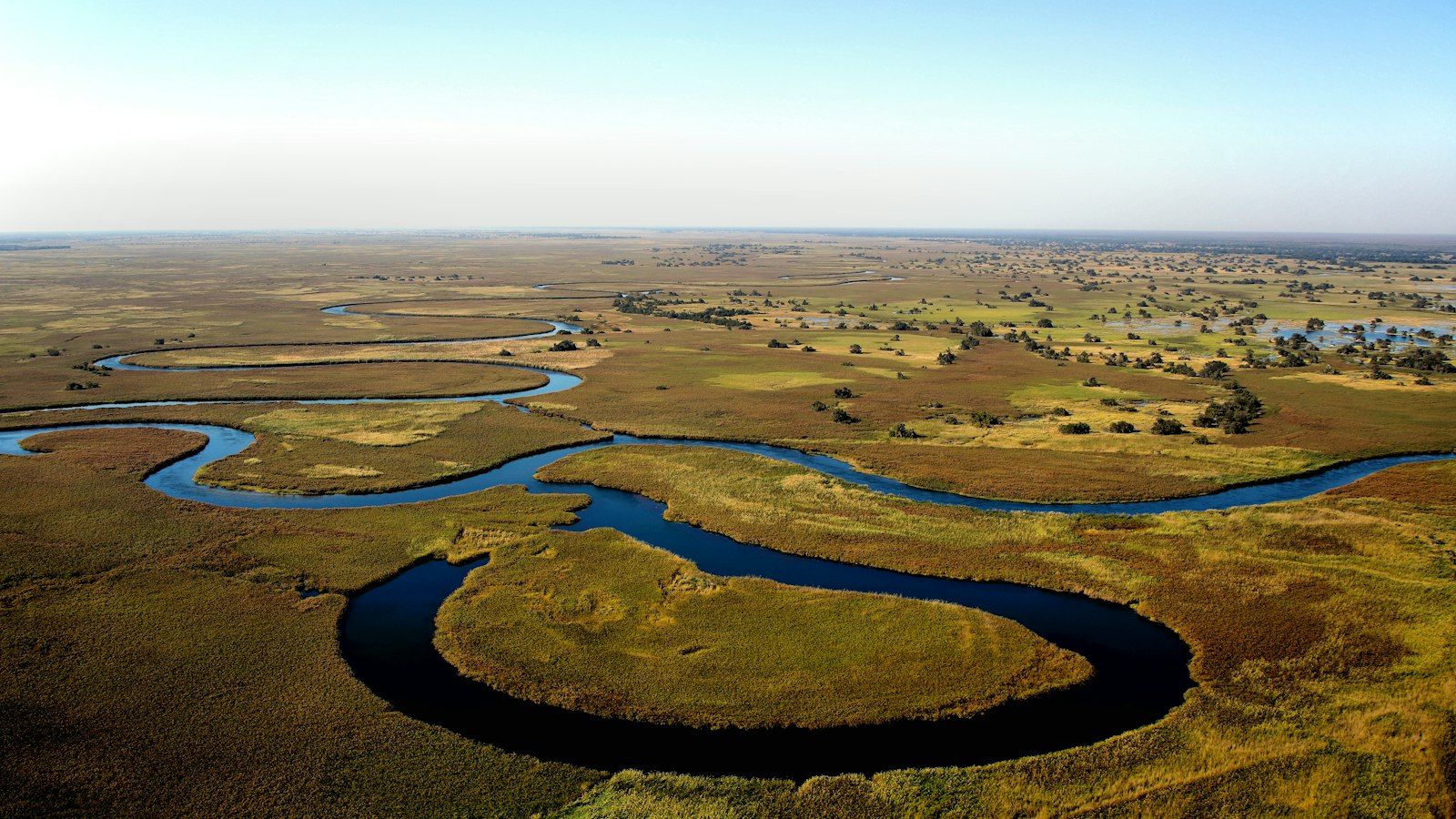
A vast inland delta of papyrus channels, palm islands and floodplains, where you glide past hippos in a dugout mokoro and elephants wade across the reeds.
- Best time to visit: May to October
- Daily budget (budget traveller): $95 to $330 USD
- Ideal trip length: 6 to 9 days
The Okavango is a river that never reaches the sea. It flows south out of the Angolan highlands, crosses the Caprivi Strip and spreads into the Kalahari sand as one of the largest inland deltas on earth. The floodwater arrives months after the rains, so the channels run highest in the dry winter. That is when elephants, buffalo, lechwe and lions crowd onto the islands. The delta has a reputation as a fly-in playground for honeymooners paying four figures in dollars a night, and the top camps really are that expensive. Solo travellers on a smaller budget still have a way in. The frontier town of Maun sits on the Thamalakane River at the delta's southern edge, with riverside campsites, a backpacker bar, cheap combis and a community trust that books local polers for mokoro trips. From Maun you can take a doors-off helicopter flight, join a day game drive into Moremi Game Reserve, or pole out to an island and sleep in a tent with hippos grunting in the dark. Further north, the Panhandle villages of Seronga and Shakawe lead to the San rock art of the Tsodilo Hills. The delta is not cheap, but it is safe, friendly and very wild.
The Okavango Delta covers roughly 15,000 square kilometres in the dry season and grows much larger at the peak of the flood. That water fell as rain in Angola months earlier, and the timing is the key to a trip. The flood arrives during Botswana's dry winter, so in July the delta is full of water and animals while the surrounding Kalahari is bone dry. Most of the delta is divided into private concessions leased to high-end safari companies, plus Moremi Game Reserve in the east. Prices follow that model: fly-in camps commonly charge well over 1,000 US dollars per person per night, and solo travellers often pay a single supplement. Maun, the dusty gateway town on the Thamalakane River, is the budget way in. You can sleep for a few hundred pula, eat at local cafés and buy most of the delta experience one activity at a time.
For a first solo trip, base yourself at the Matlapaneng camps on the Thamalakane, a short taxi ride from the airport, and spend the week on day trips. Book a doors-off helicopter flight to see the delta from above, a mokoro day trip with polers from the Okavango Kopano Mokoro Community Trust, and a Moremi day trip to South Gate. Then pole out for a night of wild camping on an island. If you have more time and a 4x4, or a group to share one, Third Bridge, Xakanaxa and Khwai are among the best wildlife drives in Africa. They need campsite bookings months ahead in peak season. The Panhandle to the north-west, with Seronga, Guma Lagoon, Shakawe and the Tsodilo Hills, suits slow travellers who want river life and San rock art rather than the Big Five.
Plan around water and heat. From June to August the channels are full, mornings are cold and the game viewing is excellent. September and October are dry, dusty and baking hot, and the animals are pinned to the water. The rains run from November to March. The bush turns green, birders arrive, prices fall and some camps close. Water levels near Maun can also be too low for mokoro trips, so ask before you book. English is an official language and widely spoken, the pula is stable, and people are courteous and unhurried. Keep your patience, carry cash for the park gates, and remember that out here the animals have right of way.
Okavango Delta itinerary
Land in Maun, settle on the Thamalakane
Morning: Fly into Maun (MUB) from Johannesburg, Cape Town or Gaborone. Take a taxi or pre-booked camp pickup about 15 to 20 minutes out to Matlapaneng.
Afternoon: Check in at Old Bridge Backpackers or Audi Camp. Withdraw pula at an airport or town ATM first, because you need cash for park gates and polers.
Evening: Sundowner at the riverside bar, then dinner at your camp. Use the evening to book your mokoro and scenic flight dates.
Maun town and a doors-off flight
Morning: Breakfast and fresh juice at Hilary's in the town centre. Walk to the Nhabe Museum for local history and art, then buy supplies at a supermarket.
Afternoon: Take a late-afternoon 45-minute doors-off helicopter flight with Helicopter Horizons (about 335 US dollars per person, minimum two, so ask to join a shared group). Bring your passport.
Evening: Craft beer and dinner at the Okavango Craft Brewery on Sir Seretse Khama Road, then a taxi back to camp.
Mokoro day trip
Morning: Early pickup by 4x4 to a mokoro station on the delta's edge. Meet your poler, then glide through reed channels past reed frogs, water lilies and hippo pools.
Afternoon: Guided walk on an island looking for elephant, zebra and lechwe, then a packed lunch in the shade. Most trips are back in Maun between 3:30 and 4:30pm.
Evening: Shower off the dust, then tip your poler. Pasta or curry at Marc's Eatery and an early night.
Moremi Game Reserve day trip
Morning: Leave around 6am on a guided day trip to South Gate (about 92km). Park fees of about 270 BWP may or may not be included, so check.
Afternoon: Game drive through mopane woodland and floodplain looking for lions, wild dogs and big buffalo herds. Picnic lunch at a designated site.
Evening: Back in Maun after dark, dusty and happy. Easy dinner at camp and pack a small bag for tomorrow's overnight.
Pole out for a night on an island
Morning: Head back to the mokoro station with your tent, sleeping bag, water and food, or book an all-inclusive two-day package. Pole for two to three hours to a remote island.
Afternoon: Set up camp, rest through the heat, then take a guided walk in the late afternoon when animals start to move.
Evening: Campfire dinner under the stars, then fall asleep to hippos grunting in the channel. Stay in your tent after dark.
Dawn walk and back to Maun
Morning: Coffee at first light, then a dawn bush walk with your poler, the best chance for elephant and buffalo on foot. Follow every instruction.
Afternoon: Pole back to the station, then drive to Maun. Hot shower, laundry and lunch at the Dusty Donkey Café.
Evening: Last sundowner on the Thamalakane. Swap photos and stories with the evening's new arrivals at the bar.
Maun Educational Park and fly out
Morning: Early walk on the trails of the Maun Educational Park along the river (small fee, so check hours) for zebra and giraffe on foot.
Afternoon: Coffee and cake at the Dusty Donkey, a short walk from the terminal, then check in for your flight.
Evening: Connect onwards via Johannesburg, Cape Town or Gaborone, or stay an extra night if your flight is tight.
Best neighbourhoods
- Maun town centre: The delta's dusty service town, with the airport, banks, supermarkets, the Nhabe Museum and the cafés where safari guides and pilots eat lunch. It is practical rather than pretty, but it is where you book trips and stock up.
- Matlapaneng: The riverside strip about 10 to 12km north-east of the centre, on the road towards Moremi. Old Bridge Backpackers and Audi Camp sit here on the Thamalakane, and this is where solo travellers find each other at the bar.
- Moremi Game Reserve: The protected heart of the eastern delta, created by the BaTawana people in 1963. South Gate, Third Bridge and Xakanaxa offer some of Africa's best game viewing, with only campsites and expensive lodges inside.
- Khwai: A community concession and village on the Khwai River outside Moremi's North Gate. It has the same wildlife as the reserve, but night drives and walking are possible because it sits outside the national park rules.
- The Panhandle (Seronga and Shakawe): The narrow northern neck of the delta, where the Okavango runs in one wide channel past fishing camps and papyrus. It is quieter and cheaper, and it gets you to the Tsodilo Hills.
Must-do experiences
- Pole into the delta by mokoro: Glide through lily-covered channels in a traditional dugout (now often fibreglass), poled by a local guide booked through the Okavango Kopano Mokoro Community Trust, with stops on islands for short walks.
- Take a doors-off scenic flight from Maun: Forty-five minutes in a helicopter shows you how the delta works: braided channels, palm islands, hippo pools and elephant herds wading between them. It is the best-value way to see the inner delta without paying for a fly-in camp.
- Game drive in Moremi Game Reserve: Join a day trip from Maun through South Gate, or self-drive a 4x4 to Third Bridge and Xakanaxa for lions, leopards, wild dogs and huge buffalo herds on the floodplains.
- Sleep on a delta island: A two-day mokoro trip with wild camping means no fences, a campfire, a sky full of stars, and guided walks at dawn when the animals are moving.
- Explore the Khwai community area: Stay a night or two near the Khwai River, where community rules allow night drives and guided walks, and elephants cross the river right in front of camp.
- See the rock art at Tsodilo Hills: Walk the Rhino Trail with a local guide past some of the more than 4,000 San paintings at this UNESCO World Heritage Site, about 40km from Shakawe.
- Sundowners on the Thamalakane: Finish the day at a riverside bar in Matlapaneng, or try a craft beer at the Okavango Craft Brewery on Sir Seretse Khama Road, as the light turns gold over the reeds.
Hidden gems
- The Nhabe Museum in Maun, a small museum in a historic building with exhibits on Ngamiland's history, peoples and wildlife, and work by local artists
- The walking trails of the Maun Educational Park along the Thamalakane, where zebra and giraffe graze within sight of town and you can walk instead of sitting in a vehicle
- Guma Lagoon in the Panhandle, a quiet camp on a papyrus-fringed lagoon for fishing, birding and mokoro trips far from the Maun crowds
- Boat trips from Drotsky's Cabins near Shakawe, where the Okavango runs deep and wide and serious birders come looking for Pel's fishing owl
- Mokoro trips from Seronga on the eastern Panhandle, run by community polers and starting in water that rarely sees a tourist
Daily budget
- Accommodation: budget 185-600 BWP / night (camping, dome tent or basic room in Matlapaneng), mid-range 1,000-2,500 BWP (en-suite safari tent or riverside lodge room), splurge 15,000+ BWP per person (all-inclusive camp in Moremi or a private concession). Audi Camp lists camping at about 185 BWP per person and en-suite single tents with breakfast from about 800 BWP. Delta lodges quote in US dollars and often add solo supplements. Book July to October early.
- Food: budget 200-350 BWP / day (supermarket, fat cakes, camp kitchen), mid-range 450-800 BWP (café lunch at Hilary's or Dusty Donkey, dinner out), splurge Included at fly-in camps. Maun's supermarkets are well stocked, so buy supplies before any self-catered mokoro or camping trip. Most delta camps include meals and local drinks. Prices are rough guides, so check on the day.
- Transport: budget 20-150 BWP / day (combis, shared taxis, camp shuttles), mid-range 1,500-2,700 BWP / day (equipped 4x4 hire, split with others), splurge Several thousand BWP per seat (light-aircraft charter to camps). Combis cost a few pula per ride. Taxis to Matlapaneng cost more at night. Light aircraft into camps usually limit you to 20kg in soft bags. Get live quotes for 4x4 hire, because rates vary a lot by season and equipment.
- Activities: budget 600-2,900 BWP per activity (mokoro day trip, direct with the trust or through an agency), mid-range 4,000-4,500 BWP (45-minute doors-off helicopter flight at about 335 US dollars), splurge 7,000+ BWP (multi-day mokoro or mobile safari, private guiding). Moremi entry is about 270 BWP per non-resident per day, paid in cash in pula at the gate, plus vehicle and camping fees. A planned increase has been postponed, so check. Tsodilo Hills charges about 50 BWP entry plus a guide fee.
- Drinks & nightlife: budget 40-120 BWP (shop beer plus one bar drink), mid-range 200-400 BWP (craft beers and sundowners), splurge Included at most fly-in camps. Nightlife means a riverside bar, a campfire and an early night before a dawn drive. Old Bridge Backpackers gets busy at weekends with locals as well as travellers. Bar prices vary, so check locally.
Where to stay
- Social hostel in Matlapaneng, Maun (200-700 BWP / night (check current rates)): Old Bridge Backpackers is Maun's social hub, with a riverside bar, a communal kitchen, camping and pre-pitched tents, and its own boat, mokoro and safari trips. Weekends bring locals in for food and drinks.
- Boutique hotel in Thamalakane River, Maun (2,500-4,500 BWP / night (check current rates)): Thamalakane River Lodge offers riverside chalets, a pool and bird-filled gardens away from town noise. It is a calm reset between bush nights.
- Apartment in Matlapaneng, Maun (1,000-1,100 BWP / night (two-bed room)): Audi Camp's self-catering house lets you rent a single room with breakfast and a shared kitchen, so you can cook between trips. The camp's pool and bar are steps away.
- Splurge in Moremi Game Reserve or Khwai (15,000-40,000+ BWP per person / night): Mombo Camp on Chief's Island or Belmond Khwai River Lodge for guided game drives in prime territory, all meals and the full fly-in delta experience.
What to eat
- Seswaa: Botswana's national dish of beef or goat slow-boiled with salt until it falls apart, then pounded and served with pap or sorghum porridge
- Bogobe and morogo: stiff sorghum or maize porridge with wild spinach cooked down with onion and tomato, the everyday plate in local eateries
- Magwinya: deep-fried dough balls (fat cakes) sold hot from roadside stalls in the morning, perfect with a cup of sweet tea before a mokoro trip
- Phane: dried mopane worms, fried crisp with chilli and onion. They are a seasonal protein snack and a rite of passage for visitors
- Grilled bream from the Panhandle: fresh river fish grilled whole and eaten with chakalaka relish at fishing camps around Shakawe
- Café lunches in Maun: daily-changing home cooking at Hilary's in the town centre, or coffee and cake at the Dusty Donkey Café a short walk from the airport
Day trips
- Moremi Game Reserve (South Gate) (About 92km from Maun, roughly 2 hours by 4x4): Mopane woodland, floodplains and lagoons full of elephant, buffalo, lion and wild dog. South Gate is the easiest section to reach in a day. Third Bridge and Xakanaxa reward an overnight stay. Guided day trips from Maun start at roughly 310 to 320 US dollars per person, varying with group size. Self-drivers need a 4x4 and cash for the park fee of about 270 BWP per day plus a vehicle fee.
- Tsodilo Hills (About 40km of gravel from Shakawe in the Panhandle): Botswana's other UNESCO site, four rocky hills rising from the Kalahari with thousands of San paintings. The Rhino Trail takes about two hours with a local guide. Drive or join a tour from Shakawe camps such as Drotsky's Cabins. Entry is about 50 BWP, plus around 120 BWP for the Rhino Trail guide. A 4x4 is safest on the access roads.
- Khwai community area (About 3 to 4 hours by 4x4 from Maun, outside Moremi's North Gate): The Khwai River has excellent elephant, leopard and wild dog sightings, and community rules allow night drives and walks. It is best as an overnight trip. Join a mobile safari from Maun, or self-drive and book a North Gate or community campsite well ahead. Lodges here can also arrange light-aircraft transfers.
When to visit
- High flood (June - August): 24-27°C days, cold nights that can drop to 2-8°C, dry and clear. Crowds: Peak, especially July and August. Classic delta: full channels, the best mokoro conditions and strong game viewing. Book Moremi campsites and lodges months ahead and pack a proper fleece.
- Late dry season (September - October): 32-40°C, very dry, dusty and hazy. Crowds: High in September, easing slightly in October. Superb wildlife as animals gather at the last water, and water levels stay usable in many areas. October is brutally hot, so plan early starts and long siestas.
- Green season (November - March): 30-35°C, humid, afternoon thunderstorms, muddy roads. Crowds: Low, with lower lodge rates. Lush, cheap and full of birds and newborn animals, but malaria risk is highest. Some mokoro areas near Maun run low early in the season, and some tracks flood. Check before you book.
- Shoulder season (April - May): 27-31°C days, cooler nights, rains clearing. Crowds: Moderate. The local pick. The landscape is still green, the flood is starting to push in, the heat drops and you have a better chance at shoulder-season lodge rates.
Getting there
Maun Airport (MUB) is the gateway to the delta and sits right in town. Airlink flies direct from Johannesburg and Cape Town, and also from Windhoek. Air Botswana links Maun with Gaborone daily and with Johannesburg and Kasane on set days. CemAir also flies from Johannesburg. Long-haul travellers usually connect in Johannesburg, about two hours away. Many nationalities, including UK, US, EU, Canadian and Australian citizens, have usually been able to enter Botswana visa-free for up to 90 days a year. Others must apply in advance for an e-visa on the official government portal, so check before you book. Overland, buses from Gaborone take about nine to ten hours. From Kasane and Chobe, take a bus to Nata and change for Maun, which takes a full day. Self-drivers coming from Namibia can enter at Mohembo near Shakawe and follow the tar road along the Panhandle to Maun. Watch for potholes and livestock, and expect veterinary checkpoints that may restrict fresh meat and dairy.
Getting around
Maun is the hub for everything. In town, white combis (minibuses) run fixed routes for a few pula, and taxis can be flagged down or ordered through the Yango app. Agree the fare before you get in. A taxi between the centre and the Matlapaneng camps costs more after dark, so ask your camp to call a regular driver. The delta itself has no public transport. You reach it by tour vehicle, mokoro, motorboat or light aircraft. Moremi's South Gate is about 92km from Maun, with deep sand beyond the tar. Self-driving needs a properly equipped 4x4, recovery experience and pre-booked campsites. Fly-in camps are reached by small planes from Maun Airport, which usually set a 20kg soft-bag limit. Long-distance buses run from Gaborone to Maun in about nine to ten hours. From Kasane, change at Nata. Botswana drives on the left. Avoid driving after dark, when cattle, donkeys and elephants wander onto unlit roads.
Safety
Botswana is one of Africa's safest countries for solo travellers, and violent crime against visitors is rare. In Maun, normal care with bags, phones and parked cars is enough. The real risks are wild animals. Camps along the Thamalakane and in the delta are unfenced, so never walk around after dark without a torch or escort, keep tent zips closed, and never swim in rivers or lagoons, which hold hippos and crocodiles. On mokoro trips and walks, follow your guide's instructions exactly and never run from an animal. The northern Okavango is a malaria area, with the highest risk in the rainy months, so speak to a travel clinic about prophylaxis and use DEET repellent from dusk. Summer heat can top 40°C in October, while winter nights in the bush can drop close to freezing. Drink plenty of water, and do not photograph military or government buildings.
Solo travel tips
- Base yourself in Matlapaneng: The riverside camps north-east of town are where overlanders, volunteers, guides and pilots drink together. Booking a trip from the bar is often the easiest way to find people to share a vehicle or a helicopter.
- Fill the empty seat: Helicopters, 4x4s and private mokoro trips are priced for two or more. Ask operators to add you to a shared departure, or post on your camp's noticeboard. One seat in a shared trip can cost half as much as going alone.
- Book the community trust directly if you can: The Okavango Kopano Mokoro Community Trust sets poler and community fees for a large part of the delta. Booking with them directly keeps more money local and costs less, but you may need to bring your own food, tent and transport.
- Respect the bush rules: Walk with a torch after dark in any riverside camp, never swim in the river, and stay in your tent at night when wild camping. If your guide says freeze, freeze. These rules protect you and the animals.
- Carry cash and download maps: Park gates take cash in pula, and polers expect tips in cash. Mobile signal disappears inside the delta, so download offline maps and keep booking confirmations as screenshots.
- Plan the hard bookings first: For July to October, lock in Moremi campsites, any fly-in camp nights and your flights first. Mokoro day trips and Maun-based activities can usually be booked a few days ahead.
Cultural etiquette
- Greet before you ask. 'Dumela Rra' to a man and 'Dumela Mma' to a woman is polite and gets warm smiles. 'Ke a leboga' means thank you.
- Shake hands gently. Many Batswana support their right forearm with the left hand when giving or receiving something, as a sign of respect.
- Ask before you photograph people, especially in villages. Never photograph military, police or government buildings.
- Dress modestly in villages and town. Shorts are fine in camp, but cover up a little more in Maun's centre and government offices.
- Respect elders and queues. Patience is valued, and raising your voice gets you nowhere.
- Tip polers and guides in cash at the end of a trip. The money goes directly to community members whose families depend on it.
- Treat the delta as protected land. Do not feed animals, pick plants or leave rubbish on islands, and follow your guide's distance rules.
Frequently asked questions
How do I get from Maun Airport to my accommodation?
Maun Airport (MUB) is right in town, so the centre is a few minutes away. Taxis wait outside arrivals, and the ride to the Matlapaneng riverside camps takes about 15 to 20 minutes. Many camps and lodges will meet your flight if you ask in advance, and helicopter and tour operators often include Maun pickups.
How many days do I need for the Okavango Delta?
Six to nine days from Maun lets you fit in a scenic flight, a mokoro day trip, a Moremi game drive and a night camping on a delta island, with a buffer day for weather or flight changes. If you are flying into a fly-in camp, three nights is the usual minimum to make the cost of the light-aircraft transfer worth it.
When is the best time to visit the Okavango Delta?
May to October is the dry season and the best time for game viewing. The floodwater usually peaks between June and August, which is ideal for mokoro trips. September and October bring huge concentrations of animals but very hot days. November to March is the rainy green season, with lower prices, migrant birds, afternoon storms and a higher malaria risk.
How do I book a mokoro trip from Maun?
Book through the Okavango Kopano Mokoro Community Trust office on the Matlapaneng side of town, or through your camp or a Maun agency, which subcontract the polers from the trust. Booking directly is cheaper, but you may have to sort out transport, food and camping kit yourself. Agency day trips start at roughly 150 to 210 US dollars per person. Check whether park or concession fees are included.
Can I self-drive into Moremi Game Reserve?
Yes, with a high-clearance 4x4, sand-driving experience and a confirmed campsite. Third Bridge is run by Xomae, Xakanaxa and South Gate by Kwalate Safaris, and North Gate by SKL Camps. Book months ahead for July to October. Non-residents pay a park entry fee of about 270 BWP per person per day, plus a vehicle fee, in cash at the gate. A planned rise has been postponed, so check current rates.
Do I need malaria tablets for the Okavango Delta?
Northern Botswana, including Maun and the delta, is a malaria area, and the risk is highest during and after the rains, roughly November to May. Most travel clinics recommend prophylaxis all year. See a doctor or travel clinic before you go, and use repellent, long sleeves and a mosquito net from dusk.
Is the Okavango Delta safe for solo female travellers?
Yes. Botswana has a good safety record, and Maun's camps and tour operators are used to solo women. Use registered operators and licensed taxis, avoid walking alone along unlit roads at night, and keep an eye on your drink at busy weekend bars. In the bush, the bigger risk is wildlife, so always follow camp rules after dark.
What entry rules apply to travellers visiting Botswana in 2026?
Citizens of many countries, including the UK, the US, Canada, Australia and EU member states, have usually been able to visit Botswana visa-free for up to 90 days in a 12-month period. Other nationalities must apply in advance for an e-visa through the official Botswana government portal, as visas are not issued on arrival. Your passport generally needs at least six months' validity and two blank pages. You may also need a yellow fever certificate if arriving from a risk country. Rules and fees change, so confirm on the official Botswana government immigration website and check your own government's travel advice before you book.
Tours and activities in Okavango Delta | Okavango Delta in 2 days | Okavango Delta in 3 days | Okavango Delta in 4 days | Okavango Delta in 5 days | Okavango Delta in 7 days
Joy Plus home | Destinations | Itineraries | Activities | Flights | Budget planner | Calendar | Map | Blog | Lifetime access