Destinations / Europe
Ostuni, Italy travel guide
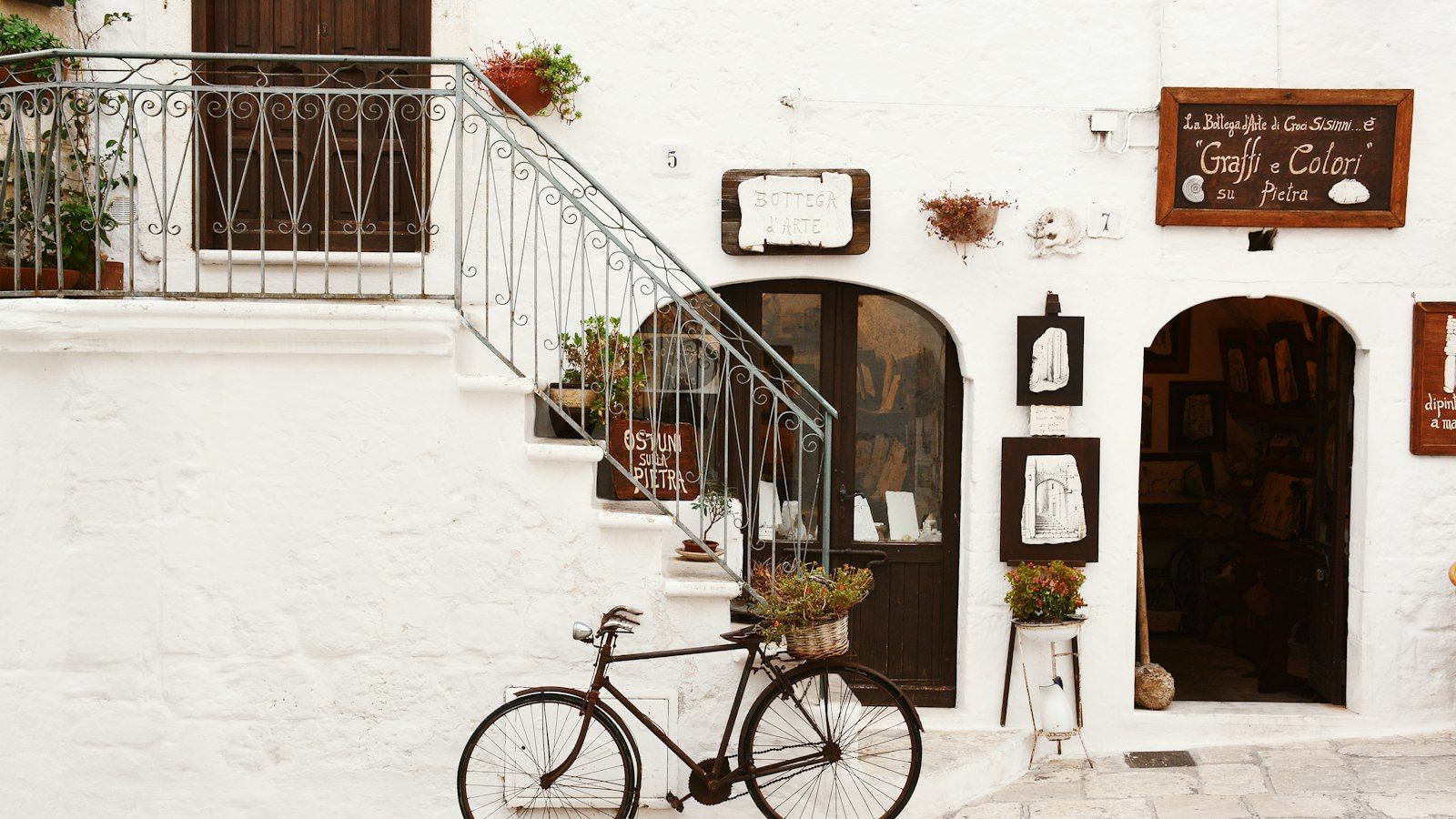
Puglia's White City: a whitewashed hilltop maze above a sea of olive groves, with Adriatic coves below, trulli country behind and some of Italy's best-value food on every corner.
- Best time to visit: May to June and September to early October
- Daily budget (budget traveller): $80 to $260 USD
- Ideal trip length: 5 to 7 days
Ostuni sits on a limestone hill in the province of Brindisi, about 8km inland from the Adriatic, and from a distance the old town looks like a pile of sugar cubes dropped on the olive groves. The nickname La Città Bianca comes from the lime wash once used to disinfect the houses, and the town still repaints. Inside the walls, the old quarter called La Terra is a knot of staircases, arches and dead-end alleys climbing to a late Gothic cathedral with a huge rose window. Below the hill, centuries-old olive trees run down to a coast of dunes, rocky coves and a protected reserve at Torre Guaceto. Ostuni also makes a very good solo base. It sits on the main Bari to Lecce railway, so Polignano a Mare, Monopoli and baroque Lecce are easy day trips by train, and the trulli towns of the Valle d'Itria are a short drive inland. Evenings follow the passeggiata, with the whole town walking Piazza della Libertà, and dinner is cheap orecchiette, grilled meat and burrata. July and August are hot, crowded and expensive. Come in late spring or September and you get warm sea, open restaurants and space in the alleys.
Ostuni has about 31,000 residents, a hilltop old town painted white with lime, and a reputation that has grown fast. Twenty years ago it was a stop on the way to the Salento. Now its alleys appear in every Puglia feed, and in August the evening passeggiata on Piazza della Libertà can feel like a queue. The good news for solo travellers is that Ostuni has stayed a working town. Behind the boutique terraces there are butchers, bakeries, bars selling a caffè for €1.20, and osterie where orecchiette with turnip greens still cost about €12. B&Bs and small apartments outnumber hotels, and true dorm hostels barely exist. Budget here means a simple room, train day trips and eating where the locals eat, which in Puglia is no sacrifice.
The smart way to use Ostuni is as a hub. It sits on the Adriatic railway between Bari and Lecce, so a regional train takes you to Lecce's baroque churches in under an hour and to the cliffs of Polignano a Mare or the harbour at Monopoli in under 40 minutes. Inland, the Valle d'Itria is trulli country, with Cisternino, Locorotondo and Alberobello in a tight triangle 15 to 45 minutes away by road. That is also where public transport gets awkward. FSE buses leave from Viale dello Sport, but connections are thin, and Alberobello takes one or two changes. Rent a car for one well-planned day, use trains for the rest, and walk everywhere in town.
Timing decides almost everything. From late May the sea is warm enough to swim, restaurants have reopened and the light on the white walls is lovely. September is the locals' favourite, with the sea at its warmest, the crowds gone after the last week of August and the countryside smelling of figs and grapes. July and August bring 35°C afternoons, full beach clubs, high room rates and the Cavalcata di Sant'Oronzo on 26 August. Winter is quiet, sometimes grey and often cold indoors, though cheap. Ostuni is not a party town. Nights are aperitivo on a stone step, a late dinner and a slow walk home through the alleys.
Ostuni itinerary
Arrive and walk the White City
Morning: Train to Ostuni from Bari or Brindisi. Catch the STP Brindisi shuttle from outside the station (ticket from the tabacchi inside) up to town and drop your bags.
Afternoon: Rest through the hot early afternoon, then a first loop of Piazza della Libertà and the Sant'Oronzo column. Get a coffee and get your bearings.
Evening: Climb into La Terra at sunset for the passeggiata. Dinner at Osteria del Tempo Perso or Sant'Oronzo Osteria Pizzeria on Via Alfonso Giovine.
Cathedral, Delia and the walls
Morning: Get to the cathedral early for the façade and rose window without crowds. Walk next door along Via Cattedrale to the Museo di Civiltà Preclassiche to see Delia (about €5; hours vary by season, so check ostunimuseo.it).
Afternoon: Wander downhill to the old walls for views across the olive groves to the sea. Long lunch of orecchiette and fave e cicorie, then a siesta.
Evening: Aperitivo on a step in the old town, then dinner at Osteria Piazzetta Cattedrale opposite the cathedral, or Osteria Monacelle.
Beach day on the Ostuni coast
Morning: In summer, take a seasonal bus down to the Marina di Ostuni, or a taxi out of season. Swim and snorkel in the rocky coves at Costa Merlata. Bring water shoes.
Afternoon: Lunch at a beach bar or a picnic of frise and tomatoes. Walk to Torre Pozzella's inlets if the sea is calm. Check the last bus back before you settle in.
Evening: Back in town, rinse off the salt, then panzerotti or pizza and a slow walk around the walls.
Valle d'Itria by hire car
Morning: Pick up a car in the new town (never drive into the ZTL). Drive about 25 minutes to Cisternino and walk its old centre, then on to Locorotondo for the circular old town and its views over trulli-dotted fields.
Afternoon: Alberobello's Rione Monti and Aia Piccola trulli quarters. Arrive after lunch, when some tour groups have left, and climb up to the Trullo Sovrano area.
Evening: Stop in Cisternino on the way back for a fornello pronto dinner of bombette and sausages. Choose at the butcher's counter, eat at the tables. Drink lightly if you are driving.
Polignano a Mare and Monopoli by train
Morning: Regional train to Polignano a Mare (around 35-40 minutes). See the Lama Monachile cove and the clifftop lanes before the midday crowds.
Afternoon: Train one stop back to Monopoli. Lunch near the old harbour, walk the sea walls and swim off the rocks at Cala Porta Vecchia if it is warm.
Evening: Train back to Ostuni and take the station shuttle up. Late dinner at Osteria Ricanatti on Corso Cavour if you want a treat (book ahead).
Baroque Lecce
Morning: Train to Lecce, under an hour. Breakfast pasticciotto and caffè in ghiaccio, then Basilica di Santa Croce and Piazza del Duomo.
Afternoon: Piazza Sant'Oronzo and the Roman amphitheatre, then a long lunch of Salento dishes. Churches and many shops close from about 1pm to 4pm.
Evening: Aperitivo in Lecce's old town, then the train back. Check the last useful connection and shuttle time before you go out.
Torre Guaceto and a farewell dinner
Morning: Head to Torre Guaceto reserve, about 25 minutes south by car, or on a booked e-bike and snorkel tour. In summer, park at a reserve car park and take the shuttle to the beach.
Afternoon: Swim over shallow sandy seabeds and walk the dunes. Respect the protected zones and signs. Head back by mid-afternoon.
Evening: Last sunset from the old town walls. Farewell dinner at Terra Nostra Salumeria e Osteria or Taverna della Gelosia, with a glass of Primitivo.
Best neighbourhoods
- La Terra (Centro Storico): The whitewashed medieval core inside the old walls, all stone staircases, arches and tiny piazzas climbing to the cathedral. It is car-free, very atmospheric and close to everything. Expect lots of steps and summer evening crowds.
- Piazza della Libertà and Corso Mazzini: The hinge between the old and new towns, with the Sant'Oronzo column, the town hall, cafés and the evening passeggiata. Staying here gets you flat streets, easy taxi access and a two-minute walk into La Terra.
- New town (Piazza Italia and Viale dello Sport): Everyday Ostuni, where locals shop and park. The interurban bus stops are here, including FSE services to Cisternino and the Valle d'Itria, and B&Bs and apartments cost noticeably less than inside the walls.
- Marina di Ostuni (Villanova, Rosa Marina, Costa Merlata): The coastal strip below town, with dune beaches, rocky coves, beach clubs and a small harbour at Villanova. It is lively in July and August and very quiet out of season, when many places close.
- Contrade and masserie (countryside): The olive-grove countryside around town, dotted with fortified farmhouses turned into guesthouses. It is peaceful and beautiful, but you will need a car or taxis to get anywhere.
Must-do experiences
- Get lost in La Terra at blue hour: Walk the old town early in the morning or just after sunset, when the white walls turn gold and blue and the day-trippers have gone. Climb from Piazza della Libertà up to the cathedral, then wander the lanes down to the walls for views over the olive groves to the sea.
- Visit the Concattedrale di Santa Maria Assunta: Ostuni's 15th-century cathedral sits at the top of the hill. Its Romanesque-Gothic façade has one of the largest rose windows in Puglia. Look at the façade first, then step inside for the painted ceiling.
- Meet Delia at the Museo di Civiltà Preclassiche: In a former convent on Via Cattedrale, this small museum displays Delia, the remains of a young pregnant woman buried around 28,000 years ago and found at nearby Santa Maria di Agnano. Entry is about €5, and hours change by season.
- Swim in the coves at Costa Merlata: Head down to the coast for clear water off low rocks and small sandy bays, about 7-10km from town. Bring water shoes, and come early in August when the free stretches fill up.
- Drive the Valle d'Itria: Hire a car for a day and link Cisternino, Locorotondo and the trulli of Alberobello. Each one is about 15-30 minutes from the next, through countryside of dry-stone walls and conical roofs.
- Eat at a fornello pronto in Cisternino: In Cisternino, you choose raw meat at a butcher's counter, including bombette, sausages and lamb, and they grill it while you wait. It is one of Puglia's great cheap dinners and works very well alone.
- Day trip to Lecce by train: Ostuni sits on the main line to Lecce, so the baroque capital of the Salento is under an hour away. Spend the day on the carved church façades, the Roman amphitheatre and a pasticciotto still warm from the oven.
- Catch the Cavalcata di Sant'Oronzo: On 26 August, horsemen in red and white uniforms parade through town behind the statue of the patron saint. It is crowded and hot, and it is Ostuni's biggest day of the year. Book accommodation months ahead.
Hidden gems
- The Parco Archeologico di Santa Maria di Agnano, just outside town on the old road towards Fasano, where Delia was found. Visits have often been by booking only, so ask at the museum on Via Cattedrale
- Torre Pozzella, a stretch of wild rocky inlets and small sandy pockets around an old watchtower, quieter than the beach-club strips and great for snorkelling on calm days
- The olive groves of the Piana degli Ulivi Millenari between Ostuni, Fasano and Carovigno, where some trees are many centuries old. The best way in is an oil-mill or masseria visit
- Ceglie Messapica, a small and very local town about 20 minutes inland that takes its food seriously. Look out for the almond biscotto cegliese
- Ostuni's monthly antiques and vintage market on the second Sunday, a slow browse with locals rather than a tourist show
Daily budget
- Accommodation: budget €55-90 / night (simple B&B room or studio in the new town), mid-range €110-180 (characterful B&B or boutique hotel in or by the old town), splurge €350+ (La Sommità Relais & Chateaux, top masserie). Ostuni's tourist tax was about €2 per person per night for B&Bs and apartments in 2025, more for 4- and 5-star hotels, and capped at a few consecutive nights. Check the current rate. August prices can double, so book early.
- Food: budget €25-35 / day (bar breakfast, frisella or panzerotto lunch, osteria pasta), mid-range €50-80 (two sit-down meals with wine), splurge €120+ (tasting menu at a hotel restaurant or masseria). Expect a coperto (cover charge) of about €2-3 per person in sit-down restaurants. Bar coffee standing is about €1.20-1.50. A fornello pronto dinner in Cisternino is roughly €20-30 with wine.
- Transport: budget €3-15 / day (station shuttle, regional trains, FSE buses), mid-range €45-80 (one-day car hire plus fuel and parking), splurge €150+ (private driver for the Valle d'Itria). Regional trains to Lecce, Bari and Polignano typically cost single-digit to low-teens euros one way. Check Trenitalia for live fares. Car hire rates jump in August, and beach car parks charge in summer.
- Activities: budget €0-10 / day (old town, free beaches, museum about €5), mid-range €20-60 (sunbed and umbrella at a lido, cooking class, guided walk), splurge €100+ (e-bike and snorkel tour at Torre Guaceto, private olive-oil tasting). Sunbed and umbrella sets at beach clubs often run €20-40 a day in high season, more in August. Free beach sections exist almost everywhere. Arrive early and bring your own umbrella.
- Drinks & nightlife: budget €5-12 (spritz or local beer at a bar), mid-range €20-40 (aperitivo plus a few glasses of Primitivo or Negroamaro), splurge €60+ (cocktails at a terrace bar or beach club sunset party). Aperitivo often comes with free snacks. Nightlife is bars around the old town in summer and beach clubs on the coast. Out of season, most places quieten by midnight.
Where to stay
- Social hostel in New town, near Piazza Italia (€55-90 / night): Ostuni has almost no traditional dorm hostels. The closest budget equivalent is a family-run B&B or affittacamere in the new town, with a shared breakfast and a host who knows the bus times. It is flat, close to the FSE bus stops and a 10-minute walk from the old town.
- Boutique hotel in La Terra, Centro Storico (€110-200 / night (check seasonal rates)): Hotel La Terra occupies a restored medieval building in the old quarter. It is a short walk to the cathedral, the restaurants and the piazza, and gives you a quiet, atmospheric base at the heart of everything.
- Apartment in Around Piazza della Libertà (€70-130 / night): Self-catering studios such as White Stone Flats & Studios give you a kitchen for market tomatoes, burrata and frise. Cooking a few meals saves money, and having your own space is welcome in August heat.
- Splurge in La Terra (top of the old town) or the countryside (€380-800+ / night): La Sommità Relais & Chateaux is a 16th-century palazzo behind the cathedral with 15 rooms, a Spanish garden, a spa and terraces over the olive groves. For the countryside version, stay at a restored masseria such as Masseria Moroseta.
What to eat
- Orecchiette con cime di rapa: ear-shaped fresh pasta tossed with bitter turnip greens, garlic, chilli and anchovy, the definitive Puglian plate, usually €10-14 in an osteria
- Fave e cicorie: smooth broad-bean purée with wild chicory and a pour of local olive oil, peasant food that tastes far better than it sounds
- Bombette: little rolls of pork neck stuffed with cheese and herbs, grilled on skewers, best eaten at a fornello pronto in Cisternino
- Burrata and stracciatella: fresh cream-filled mozzarella from the Murgia dairies, eaten on the day it is made with bread and tomatoes
- Frisella: twice-baked ring bread softened with water and topped with tomato, oil and oregano, the cheapest good lunch in Puglia
- Panzerotto: deep-fried half-moon pastry stuffed with mozzarella and tomato, sold for about €2.50-4 at takeaway counters
- Pasticciotto: shortcrust pastry filled with warm custard, a Salento breakfast classic, best in Lecce with a caffè in ghiaccio
Day trips
- Alberobello, Locorotondo and Cisternino (Cisternino about 20-25 minutes by car, Alberobello about 40-45 minutes): The Valle d'Itria is trulli country: Alberobello's UNESCO-listed conical-roofed houses, Locorotondo's circular white old town and Cisternino's lanes and fornelli pronti grills. Easiest by hire car in one loop. By public transport, FSE buses run from Viale dello Sport to Cisternino and Locorotondo a few times a day. Alberobello needs a change via Monopoli or Martina Franca and takes about 1h45 to 3 hours each way, so check FSE timetables carefully.
- Lecce (Under an hour by regional train): The Florence of the South, with honey-coloured baroque churches, a Roman amphitheatre in the main square, papier-mâché workshops and pasticciotti fresh from the oven. Trenitalia regional trains from Ostuni station run regularly through the day. Lecce station is a 10-15 minute walk from the centre.
- Polignano a Mare and Monopoli (About 25-40 minutes by regional train): Polignano's houses sit on top of sea cliffs above the Lama Monachile cove. Monopoli is calmer, with a working harbour, sea walls and rocky swimming spots. Both towns are on the Bari to Lecce line, so you can do both in one day. Polignano's station is a short walk from the old town, and Monopoli's is about 10 minutes from the harbour.
- Torre Guaceto Nature Reserve (About 20-25km south, 25 minutes by car): A protected reserve and marine area with dunes, Mediterranean scrub, shallow clear water and an Aragonese watchtower. There are no beach clubs on the wild stretches. Drive the SS379 towards Brindisi and follow signs to the reserve car parks, where summer shuttles take you to the beach for a few euros. Access is regulated, so check the reserve's rules and shuttle times before you go, or book an e-bike and snorkel tour.
When to visit
- Spring (April - May): 16-25°C, sunny spells, sea warming from about 18°C to 21°C by late May. Crowds: Low to moderate, Easter and Italian bank holidays busier. Lovely for walking, day trips and wild flowers in the olive groves. Swimming is bracing until late May. Some coastal places open only from May.
- Summer (June - August): 26-35°C, dry and bright, warm sea, occasional scirocco heatwaves. Crowds: Moderate in June, very heavy in late July and August. June is excellent. August is crowded, expensive and very hot, with beach clubs booked up and parking chaos, though the evenings are electric. Book 26 August stays very early.
- Early autumn (September - October): 20-29°C, warm sea, the first storms in October. Crowds: Moderate in September, low in October. The best month overall is September: warm water, open restaurants, harvest season and fair prices. Early October is still good, but beach services start shutting.
- Winter (November - March): 7-16°C, damp, windy spells, cold interiors. Crowds: Very low, mostly Italian weekenders. Atmospheric, cheap and very local, with olive harvest and new oil from November. Many coastal businesses and some old-town restaurants close, so check before you go, and pack warm layers.
Entry rules for your passport
Visa rules for Italy depend on the passport you travel on. Check the official source before you book: European Commission: Schengen visa policy
Getting there
Brindisi Airport (BDS) is the closest, about 35-40km from Ostuni. Bari Karol Wojtyła Airport (BRI) has more routes, including many low-cost flights from the UK and Europe, and is around 100km away. From Bari Airport, take the airport train to Bari Centrale, then a Trenitalia regional train of roughly an hour to Ostuni. From Brindisi Airport, take a bus or taxi to Brindisi station, then the 25-30 minute train. Ostuni station is on the Adriatic line, and some long-distance Frecciarossa, Intercity and overnight Intercity Notte trains from Rome, Milan and Bologna stop there. FlixBus also serves Ostuni. The station is about 2.5km below town. The STP Brindisi shuttle bus runs to the centre, and on some booking sites you can buy an 'Ostuni Città' ticket that bundles the bus. Taxis wait irregularly, so if you arrive late, pre-book one. Italy is in the Schengen Area, and non-EU visitors are now registered biometrically under the EU Entry/Exit System on arrival.
Border checks: non-EU visitors (other than Swiss, Norwegian, Icelandic, Liechtenstein, Andorran, Monegasque, San Marinese and Vatican citizens, and holders of an EU residence permit or long-stay visa) are registered in the EU's Entry/Exit System (EES) instead of getting a passport stamp. On your first crossing, officers take your photo and/or fingerprints, so allow extra time at passport control. ETIAS, the planned travel authorisation, is not in operation yet, so don't pay any website for one.
Getting around
Ostuni's old town is entirely on foot, and the whole centre fits into a 20-minute walk, though it is steep. The railway station is about 2.5km below town on the Bari to Lecce line. STP Brindisi runs a shuttle bus between the station and the centre, timed to many trains, with tickets of roughly €1.10-1.50 from the tabacchi inside the station. A taxi costs more, so check the fare. Trenitalia regional trains are the backbone for day trips: Brindisi is about 25-30 minutes away, Monopoli and Polignano a Mare about 25-40 minutes and Lecce under an hour. FSE buses leave from Viale dello Sport in the new town for Cisternino, Martina Franca and the Valle d'Itria, but services are infrequent and thin out on Sundays. Alberobello needs at least one change and 1h45 to 3 hours by public transport, so a one-day car hire is far easier. In summer, buses serve parts of the coast. Out of season, plan on taxis or a car for the beaches. The old town is a ZTL limited-traffic zone, so never drive into it.
Safety
Ostuni is very safe, including for women travelling alone, and violent crime against visitors is rare. In July and August, pickpockets work the crowds around Piazza della Libertà and at the Sant'Oronzo festivities, so keep your phone and wallet zipped away. The bigger day-to-day hazards are physical. The old town's polished limestone steps are slippery, especially when wet, and summer afternoons regularly pass 33°C, so carry water and stay out of the sun from 1pm to 4pm. At the coast, many free beaches have no lifeguard. Respect red flags, wear water shoes on rocky coves because of sea urchins and sharp limestone, and do not swim alone at isolated spots. Country roads are narrow, unlit and fast, so take care when driving after dark. Cars are ticketed automatically for entering the ZTL, and rental firms pass the fines on months later.
Solo travel tips
- Sleep in or next to the old town: Stay inside La Terra or within five minutes of Piazza della Libertà. You will walk home through lit, lively streets at night, and you can do the old town at dawn before the tour groups arrive.
- Let the train do the heavy lifting: Ostuni's real advantage is the Bari to Lecce railway. Lecce, Polignano a Mare, Monopoli and Brindisi are all easy day trips. Note the shuttle times between the station and the centre, which follow the printed timetable rather than running every few minutes.
- Rent a car for one day, not seven: The Valle d'Itria is where buses fail. One day in a small hire car covers Cisternino, Locorotondo and Alberobello comfortably. For the rest, parking and ZTL fines make a car more hassle than help.
- Eat lunch big and dinner late: Osterie open around 12:30-1pm and 7:30-8pm, and locals dine at 9pm or later in summer. Solo diners are welcome, but book Friday and Saturday nights in high season. A fornello pronto is one of the best places to eat alone, because everyone shares the tables.
- Safety for solo travellers: Ostuni is very safe. Watch your pockets in August crowds, take care on slippery stone steps, avoid swimming alone at isolated coves, and arrange a licensed taxi rather than walking unlit country roads at night.
- Meet people in small groups: Cooking classes, guided walks of the old town, olive-mill visits and e-bike tours at Torre Guaceto put you with other travellers in a few hours. B&B owners are often the best fixers for these, so ask at breakfast.
Cultural etiquette
- Greet everyone. A 'buongiorno' before about 2pm and 'buonasera' after makes every shop, bar and bus driver friendlier.
- Cover shoulders and knees in the cathedral and other churches, and do not wander in during Mass.
- Respect the riposo. Many shops and some churches close roughly from 1pm to 4:30pm, and the town comes back to life in the evening.
- People live in the old town's alleys. Keep your voice down late at night and do not sit on private doorsteps or climb on painted walls for photos.
- The coperto on your restaurant bill is a normal cover charge, not a scam. Tipping is not expected, but rounding up for good service is appreciated.
- Cappuccino is a morning drink. After lunch, order a caffè, a macchiato, or in summer a caffè in ghiaccio with almond milk in Salento style.
- On the beach, lidos (beach clubs) rent sunbeds and the spiaggia libera is free. Take all your rubbish home, especially in protected areas like Torre Guaceto.
Frequently asked questions
How do I get from the airport to Ostuni?
Brindisi Airport (BDS) is the closest, about 35-40km away. Take a bus or taxi into Brindisi railway station, then a regional train to Ostuni, which takes about 25-30 minutes. Bari Airport (BRI) has more flights but is around 100km away. Take the airport train to Bari Centrale, then a train of roughly an hour to Ostuni. Private transfers from either airport are easy to book but cost much more, so compare prices first.
How many days do I need in Ostuni?
Two days covers the old town, the cathedral and the museum at a relaxed pace. Five to seven days lets you use Ostuni as a base for the beaches, the Valle d'Itria trulli towns, Polignano a Mare and Lecce without rushing.
When is the best time to visit Ostuni?
May to June and September to early October are ideal, with warm weather, swimmable sea from late May and open restaurants without the August crush. July and August are hot and packed, with peak prices. From November to March the town is quiet and cheap, but many coastal businesses and some old-town restaurants close.
Do I need a car in Ostuni?
Not for the town itself or for train day trips to Lecce, Polignano a Mare and Monopoli. A car becomes very useful for the Valle d'Itria, Alberobello, Torre Guaceto and the beaches outside summer. Many solo travellers rent one for a single day. Never drive into the old town's ZTL zone.
Can I reach the beaches without a car?
In summer, yes. Seasonal buses run to parts of the Marina di Ostuni, and Torre Guaceto has car parks with shuttles to the sand. Timetables change every year, so check them locally and always note the last return. Out of season, a taxi or a car is the realistic option.
Is Ostuni safe for solo female travellers?
Yes. Ostuni is one of the more relaxed places in Italy to travel alone, and the old town stays busy and well lit on summer evenings. Use normal precautions: watch your drink in bars, avoid isolated beaches and unlit country roads at night, and book licensed taxis for late returns.
Is English widely spoken in Ostuni?
In hotels, B&Bs and old-town restaurants, generally yes. In bakeries, butchers, buses and the countryside, much less so. A few Italian basics like buongiorno, buonasera, grazie and il conto, per favore go a long way and are warmly received.
What entry rules apply to travellers visiting Italy in 2026?
Italy is in the Schengen Area, and many non-EU nationalities, including UK, US, Canadian and Australian citizens, can stay up to 90 days in any 180-day period without a visa. The EU's Entry/Exit System now records non-EU travellers' fingerprints and a photo at the border. ETIAS, the planned online travel authorisation for visa-exempt visitors, had no confirmed start date as of late October 2026. Rules can change at short notice, so confirm current requirements on the official EU travel site (travel-europe.europa.eu), the Italian government's visa portal and your own government's travel advice before you book.
More about Ostuni
Tours and activities in Ostuni | Ostuni in 2 days | Ostuni in 3 days | Ostuni in 4 days | Ostuni in 5 days | Ostuni in 7 days
Joy Plus home | Destinations | Itineraries | Activities | Flights | Budget planner | Calendar | Map | Blog | Lifetime access