Ostuni in 7 days
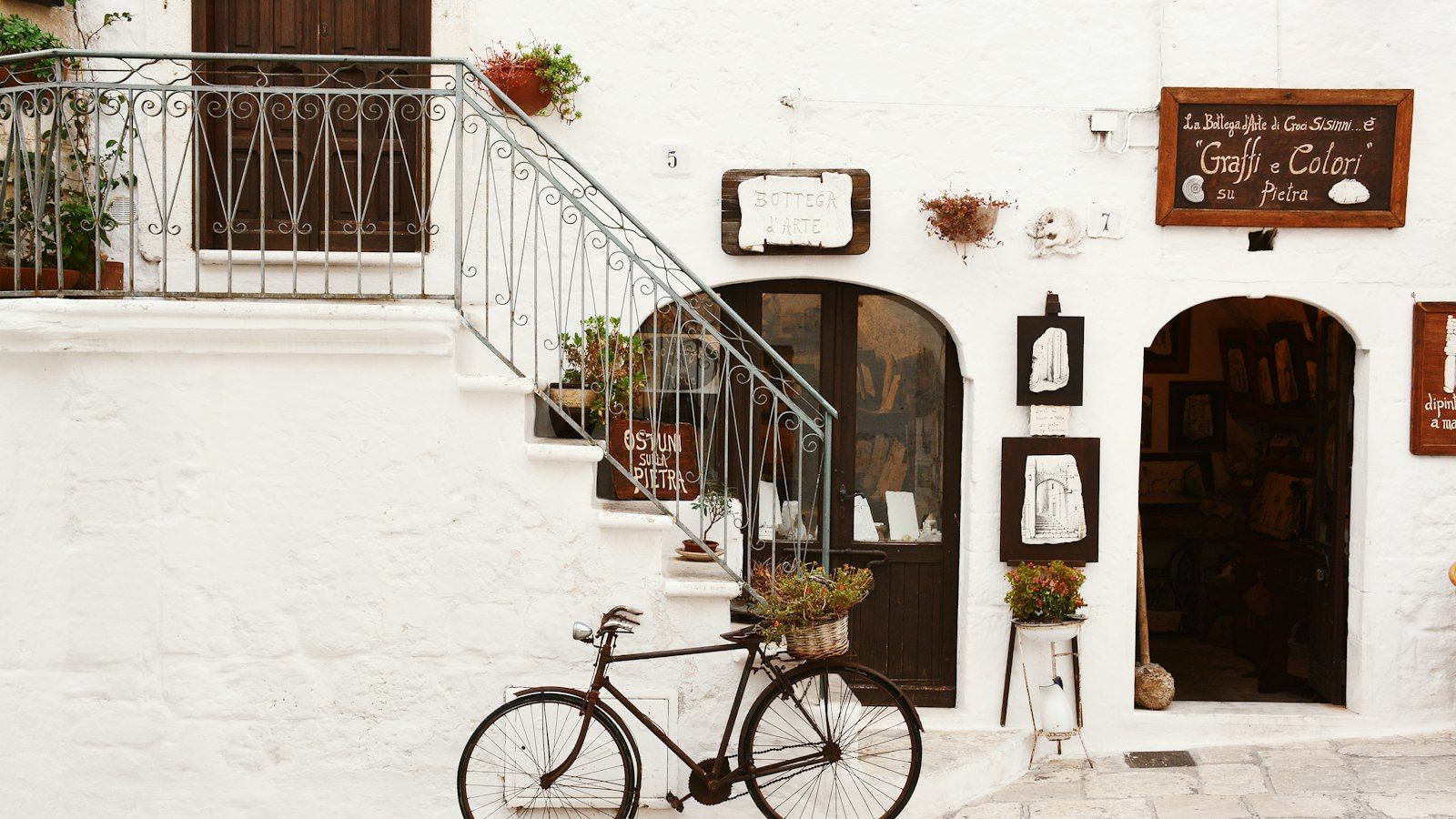
Puglia's White City: a whitewashed hilltop maze above a sea of olive groves, with Adriatic coves below, trulli country behind and some of Italy's best-value food on every corner. Best time to visit: May to June and September to early October. Daily budget (budget traveller): $80 to $260 USD.
Arrive and walk the White City
Morning: Train to Ostuni from Bari or Brindisi. Catch the STP Brindisi shuttle from outside the station (ticket from the tabacchi inside) up to town and drop your bags.
Afternoon: Rest through the hot early afternoon, then a first loop of Piazza della Libertà and the Sant'Oronzo column. Get a coffee and get your bearings.
Evening: Climb into La Terra at sunset for the passeggiata. Dinner at Osteria del Tempo Perso or Sant'Oronzo Osteria Pizzeria on Via Alfonso Giovine.
Cathedral, Delia and the walls
Morning: Get to the cathedral early for the façade and rose window without crowds. Walk next door along Via Cattedrale to the Museo di Civiltà Preclassiche to see Delia (about €5; hours vary by season, so check ostunimuseo.it).
Afternoon: Wander downhill to the old walls for views across the olive groves to the sea. Long lunch of orecchiette and fave e cicorie, then a siesta.
Evening: Aperitivo on a step in the old town, then dinner at Osteria Piazzetta Cattedrale opposite the cathedral, or Osteria Monacelle.
Beach day on the Ostuni coast
Morning: In summer, take a seasonal bus down to the Marina di Ostuni, or a taxi out of season. Swim and snorkel in the rocky coves at Costa Merlata. Bring water shoes.
Afternoon: Lunch at a beach bar or a picnic of frise and tomatoes. Walk to Torre Pozzella's inlets if the sea is calm. Check the last bus back before you settle in.
Evening: Back in town, rinse off the salt, then panzerotti or pizza and a slow walk around the walls.
Valle d'Itria by hire car
Morning: Pick up a car in the new town (never drive into the ZTL). Drive about 25 minutes to Cisternino and walk its old centre, then on to Locorotondo for the circular old town and its views over trulli-dotted fields.
Afternoon: Alberobello's Rione Monti and Aia Piccola trulli quarters. Arrive after lunch, when some tour groups have left, and climb up to the Trullo Sovrano area.
Evening: Stop in Cisternino on the way back for a fornello pronto dinner of bombette and sausages. Choose at the butcher's counter, eat at the tables. Drink lightly if you are driving.
Polignano a Mare and Monopoli by train
Morning: Regional train to Polignano a Mare (around 35-40 minutes). See the Lama Monachile cove and the clifftop lanes before the midday crowds.
Afternoon: Train one stop back to Monopoli. Lunch near the old harbour, walk the sea walls and swim off the rocks at Cala Porta Vecchia if it is warm.
Evening: Train back to Ostuni and take the station shuttle up. Late dinner at Osteria Ricanatti on Corso Cavour if you want a treat (book ahead).
Baroque Lecce
Morning: Train to Lecce, under an hour. Breakfast pasticciotto and caffè in ghiaccio, then Basilica di Santa Croce and Piazza del Duomo.
Afternoon: Piazza Sant'Oronzo and the Roman amphitheatre, then a long lunch of Salento dishes. Churches and many shops close from about 1pm to 4pm.
Evening: Aperitivo in Lecce's old town, then the train back. Check the last useful connection and shuttle time before you go out.
Torre Guaceto and a farewell dinner
Morning: Head to Torre Guaceto reserve, about 25 minutes south by car, or on a booked e-bike and snorkel tour. In summer, park at a reserve car park and take the shuttle to the beach.
Afternoon: Swim over shallow sandy seabeds and walk the dunes. Respect the protected zones and signs. Head back by mid-afternoon.
Evening: Last sunset from the old town walls. Farewell dinner at Terra Nostra Salumeria e Osteria or Taverna della Gelosia, with a glass of Primitivo.
What to eat in Ostuni
- Orecchiette con cime di rapa: ear-shaped fresh pasta tossed with bitter turnip greens, garlic, chilli and anchovy, the definitive Puglian plate, usually €10-14 in an osteria
- Fave e cicorie: smooth broad-bean purée with wild chicory and a pour of local olive oil, peasant food that tastes far better than it sounds
- Bombette: little rolls of pork neck stuffed with cheese and herbs, grilled on skewers, best eaten at a fornello pronto in Cisternino
- Burrata and stracciatella: fresh cream-filled mozzarella from the Murgia dairies, eaten on the day it is made with bread and tomatoes
- Frisella: twice-baked ring bread softened with water and topped with tomato, oil and oregano, the cheapest good lunch in Puglia
- Panzerotto: deep-fried half-moon pastry stuffed with mozzarella and tomato, sold for about €2.50-4 at takeaway counters
- Pasticciotto: shortcrust pastry filled with warm custard, a Salento breakfast classic, best in Lecce with a caffè in ghiaccio
Hidden gems
- The Parco Archeologico di Santa Maria di Agnano, just outside town on the old road towards Fasano, where Delia was found. Visits have often been by booking only, so ask at the museum on Via Cattedrale
- Torre Pozzella, a stretch of wild rocky inlets and small sandy pockets around an old watchtower, quieter than the beach-club strips and great for snorkelling on calm days
- The olive groves of the Piana degli Ulivi Millenari between Ostuni, Fasano and Carovigno, where some trees are many centuries old. The best way in is an oil-mill or masseria visit
- Ceglie Messapica, a small and very local town about 20 minutes inland that takes its food seriously. Look out for the almond biscotto cegliese
- Ostuni's monthly antiques and vintage market on the second Sunday, a slow browse with locals rather than a tourist show
Getting around
Ostuni's old town is entirely on foot, and the whole centre fits into a 20-minute walk, though it is steep. The railway station is about 2.5km below town on the Bari to Lecce line. STP Brindisi runs a shuttle bus between the station and the centre, timed to many trains, with tickets of roughly €1.10-1.50 from the tabacchi inside the station. A taxi costs more, so check the fare. Trenitalia regional trains are the backbone for day trips: Brindisi is about 25-30 minutes away, Monopoli and Polignano a Mare about 25-40 minutes and Lecce under an hour. FSE buses leave from Viale dello Sport in the new town for Cisternino, Martina Franca and the Valle d'Itria, but services are infrequent and thin out on Sundays. Alberobello needs at least one change and 1h45 to 3 hours by public transport, so a one-day car hire is far easier. In summer, buses serve parts of the coast. Out of season, plan on taxis or a car for the beaches. The old town is a ZTL limited-traffic zone, so never drive into it.
Safety
Ostuni is very safe, including for women travelling alone, and violent crime against visitors is rare. In July and August, pickpockets work the crowds around Piazza della Libertà and at the Sant'Oronzo festivities, so keep your phone and wallet zipped away. The bigger day-to-day hazards are physical. The old town's polished limestone steps are slippery, especially when wet, and summer afternoons regularly pass 33°C, so carry water and stay out of the sun from 1pm to 4pm. At the coast, many free beaches have no lifeguard. Respect red flags, wear water shoes on rocky coves because of sea urchins and sharp limestone, and do not swim alone at isolated spots. Country roads are narrow, unlit and fast, so take care when driving after dark. Cars are ticketed automatically for entering the ZTL, and rental firms pass the fines on months later.
Frequently asked questions
What does this 7-day Ostuni itinerary cover?
Day 1: Arrive and walk the White City. Day 2: Cathedral, Delia and the walls. Day 3: Beach day on the Ostuni coast. Day 4: Valle d'Itria by hire car. Day 5: Polignano a Mare and Monopoli by train. Day 6: Baroque Lecce. Day 7: Torre Guaceto and a farewell dinner.
Is 7 days enough for Ostuni?
Our recommended trip length for Ostuni is 5 to 7 days. This 7-day plan focuses on the highlights and groups sights by area so you spend less time travelling between them.
How much does 7 days in Ostuni cost?
A budget traveller spends about $80 to $260 USD a day in Ostuni, so roughly $560 to $1,820 USD for 7 days, not counting flights.
Where should I stay for 7 days in Ostuni?
La Terra (Centro Storico): The whitewashed medieval core inside the old walls, all stone staircases, arches and tiny piazzas climbing to the cathedral. Piazza della Libertà and Corso Mazzini: The hinge between the old and new towns, with the Sant'Oronzo column, the town hall, cafés and the evening passeggiata.
When is the best time to visit Ostuni?
The best time to visit Ostuni is May to June and September to early October.
How do I get around Ostuni?
Ostuni's old town is entirely on foot, and the whole centre fits into a 20-minute walk, though it is steep. The railway station is about 2.
Is Ostuni safe for solo travellers?
Ostuni is very safe, including for women travelling alone, and violent crime against visitors is rare. In July and August, pickpockets work the crowds around Piazza della Libertà and at the Sant'Oronzo festivities, so keep your phone and wallet zipped away.
Read more about Ostuni
More 7-day guides
- Ischia in 7 days
- Bellagio in 7 days
- Menaggio in 7 days
- Noto in 7 days
- Ragusa in 7 days
- Ravello in 7 days
- Cefalù in 7 days
- San Vito Lo Capo in 7 days
Ostuni in 2 days | Ostuni in 3 days | Ostuni in 4 days | Ostuni in 5 days | Full Ostuni guide
Joy Plus home | Destinations | Itineraries | Activities | Flights | Budget planner | Calendar | Map | Blog | Lifetime access