Destinations / Europe
Plovdiv, Bulgaria travel guide
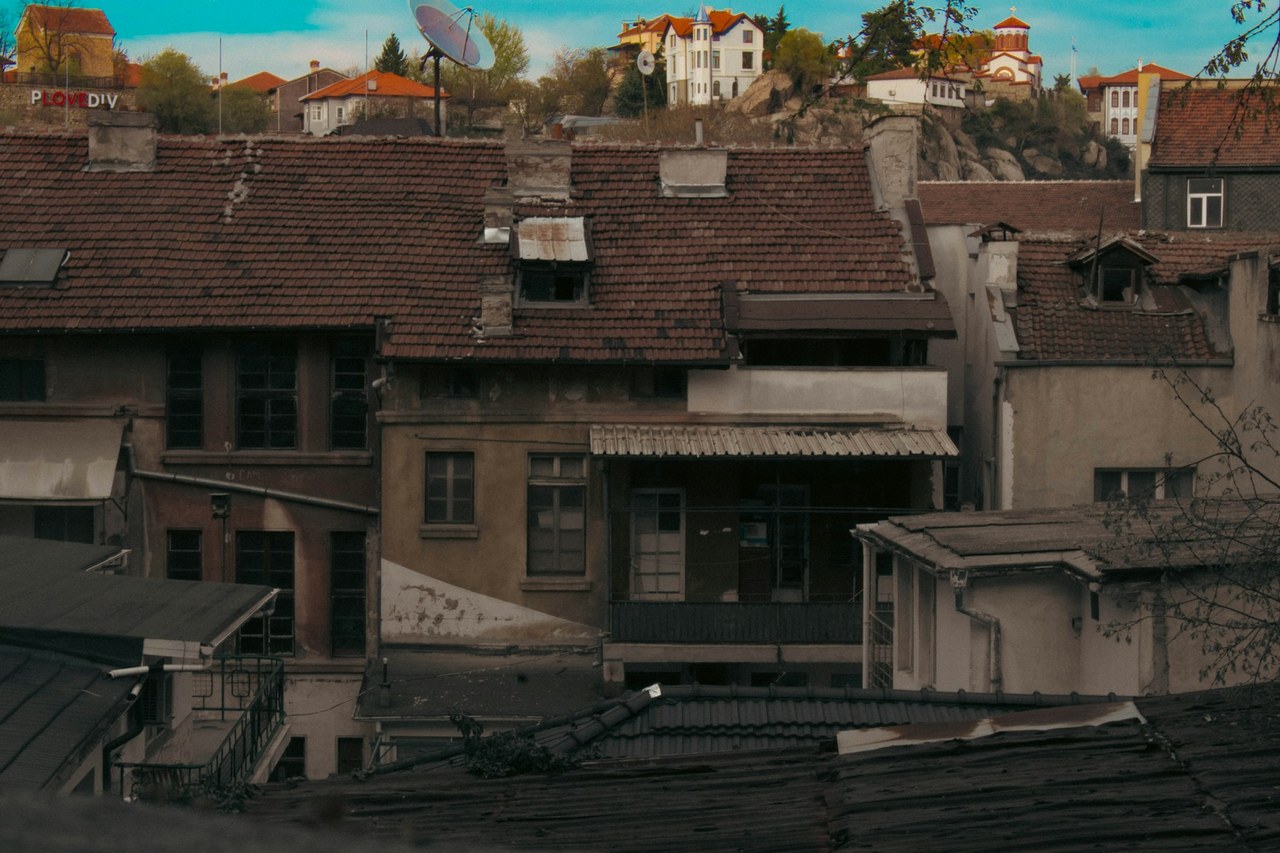
One of Europe's oldest cities, layered with Roman ruins, painted houses and a buzzing creative quarter.
- Best time to visit: May to June and September to October
- Daily budget (budget traveller): $40 to $70 USD
- Ideal trip length: 2 to 3 days
Plovdiv quietly claims to be the oldest continuously inhabited city in Europe, and walking its cobbled streets you believe it. A 2,000-year-old Roman theatre still hosts concerts, the Old Town is a hillside maze of grand painted merchant houses, and the Kapana district has reinvented itself as a tangle of galleries, craft bars and indie cafés. Bulgaria is one of Europe's fastest-rising and best-value destinations, and Plovdiv is its cultural heart. Joy Plus threads together the ancient sights, the artsy corners and the wine country beyond.
Plovdiv has been lived in for around 6,000 years, which makes it older than Rome, Athens and most of the places that brag about being old. You feel it on the Old Town hill, where a Roman theatre built under Trajan still hosts concerts, a marble stadium curve pokes out of the pavement under the main shopping street, and 19th-century merchant mansions in ochre, indigo and oxblood lean over the cobbles. It was European Capital of Culture in 2019, and the polish stuck. Unlike Lisbon or Prague, it has not been flattened by tour buses. On a weekday morning you can have the Ancient Theatre almost to yourself.
The best part is how the city layers its eras without making a fuss. Walk ten minutes from the Roman stadium and you are in Kapana, the old craftsmen's quarter whose name means 'the trap'. It is now a lane-maze of tiny galleries, rakia bars, vinyl cafés and tables spilling onto the street. Cross the river to Karshiyaka for murals and a less curated, more local side. Climb Nebet Tepe at golden hour for the Thracian fortress walls and a view across the red roofs and the Rhodope foothills. Kamenitza, Bulgaria's best-known lager, is brewed here, and the wine country of the Thracian Valley begins at the city limits.
It is also absurdly good value. Bulgaria joined the eurozone on 1 January 2026 (fixed rate 1.95583 lev to the euro), so prices are now in euros, and a sit-down dinner with wine still costs what a sandwich costs in Western Europe. Two full days cover the Roman sights, the Old Town houses and Kapana. A third and fourth add Bachkovo Monastery and Asen's Fortress in the Rhodope foothills. It is two hours from Sofia by bus, so most people treat it as a side trip. Give it at least two nights. The Old Town after the day-trippers leave, with the lanes lit and a glass of local Mavrud in your hand, is the real attraction.
How many days in Plovdiv?
For Plovdiv, we recommend 2 to 3 days.
| Trip length | What you'll see | Itinerary |
|---|---|---|
| 2 days · Recommended | Main Street and Kapana; Old Town and the Ancient Theatre | Plovdiv in 2 days |
| 3 days · Recommended | Adds: Bachkovo Monastery and Asenovgrad | Plovdiv in 3 days |
| 4 days | Adds: Karshiyaka, hills and the singing fountains | Plovdiv in 4 days |
| 5 days | Adds: Hisarya, the Roman spa town | Plovdiv in 5 days |
| 7 days | Adds: Alyosha, house-museums and a concert | Plovdiv in 7 days |
Plovdiv itinerary
Arrive, Main Street and Kapana
Morning: Take the Sofia to Plovdiv bus (about 2 hours, €7-10) to Avtogara Yug. Walk or Bolt (€2-3) to your base. Espresso and banitsa at any bakery on the way.
Afternoon: Stroll Knyaz Alexander I Main Street. Peer down at the Roman Stadium curve at Dzhumaya Square, see the 14th-century Dzhumaya Mosque, then the Roman Odeon beside the Town Hall.
Evening: Dinner in Kapana at Pavaj. Rakia at Raketa Rakia Bar. Wander the lanes and street art, bed early for the hill day.
Old Town and the Ancient Theatre
Morning: Be at the Ancient Theatre of Philippopolis at opening (around 9am, ticket about €5) before the tour groups. Walk up the hill to Hindliyan House for the painted ceilings (about €3-4).
Afternoon: Ethnographic Museum in Kuyumdzhioglu House (about €4-5). Late lunch at Puldin, mains €8-14. Then Church of Sts Constantine and Helena.
Evening: Climb Nebet Tepe for the Thracian fortress walls and sunset over the roofs. Drinks on an Old Town terrace, then walk down to Kapana.
Bachkovo Monastery and Asenovgrad
Morning: Bus from Avtogara Rodopi to Asenovgrad (about €1.80, 30 min). Then a local bus or taxi (€10-12) to Bachkovo Monastery. Cover shoulders and knees. Look for the Zahari Zograf murals in the refectory.
Afternoon: Back to Asenovgrad. Walk or taxi up to Asen's Fortress and the cliffside Church of the Holy Mother of God Petrich (around €2-3).
Evening: Bus back to Plovdiv. Light dinner, Kamenitza at a Kapana terrace.
Karshiyaka, hills and the singing fountains
Morning: Cross the Maritsa to Karshiyaka for murals and cafés. Coffee and a slow brunch, then walk back along the river.
Afternoon: Climb Sahat Tepe and the clock-tower hill for views. Siesta at your base during the hottest hours.
Evening: Tsar Simeon's Garden for the singing fountains in the warm months, then dinner on Main Street.
Hisarya, the Roman spa town
Morning: Bus from Avtogara Sever to Hisarya (about 1 hour, roughly €3-4).
Afternoon: Walk the Roman walls of ancient Diocletianopolis, still with standing towers. Fill your bottle at the free mineral springs and lunch under the plane trees.
Evening: Bus back. Craft beer or a Mavrud wine flight in Kapana.
Alyosha, house-museums and a concert
Morning: Walk up Bunardzhik hill to the Alyosha monument, 20 minutes from the centre. The 360-degree view takes in the whole plain.
Afternoon: Return to the Old Town for Balabanov House and Georgiadi House if you skipped them. Rest and shop for rose products and rakia in Kapana.
Evening: If it is summer, check the Ancient Theatre programme for an opera or concert (Opera Open runs around late June and July). Otherwise, a long mehana dinner.
Slow morning, depart
Morning: Last banitsa and coffee on Main Street. Buy a bottle of Thracian wine for the trip home.
Afternoon: Say goodbye to the Old Town with one last climb to the Ancient Theatre terrace, or a final stroll through Kapana.
Evening: Bus or train from Avtogara Yug or the Central Railway Station to Sofia and your flight.
Best neighbourhoods
- Old Town: The cobbled hillside core packed with Bulgarian National Revival mansions, museums and the Roman theatre.
- Kapana: The 'trap' district of narrow lanes turned into Plovdiv's creative hub of galleries, bars and cafés.
- Main Street (Knyaz Alexander I): The long pedestrian boulevard linking the Roman stadium, shops and café terraces.
- Sahat Tepe & the hills: The leafy hills around the centre, good for sunset views over the rooftops.
Must-do experiences
- Ancient Roman Theatre: A remarkably intact 1st-century theatre with hillside views that still stages summer performances.
- Wander the Old Town: Climb the cobbled lanes past pastel Revival-era mansions, several open as house-museums.
- Kapana district: Spend an evening hopping between craft-beer bars, wine spots and street art in the creative quarter.
- Roman Stadium: Glimpse the marble seating of a 30,000-capacity stadium beneath the modern main street.
Hidden gems
- Hindliyan House, the most lavishly painted of the Old Town merchant mansions.
- Tsar Simeon Garden with its singing fountains after dark.
- The Dzhumaya Mosque and the café beside it, known for Turkish coffee and sweets.
- Day trip to Bachkovo Monastery, Bulgaria's second-largest, in the Rhodope foothills.
Daily budget
- Accommodation: budget €14-24 / night (hostel dorm), mid-range €60-110 (Old Town boutique double), splurge €130+ (restored Revival mansion, Hotel Alafrangite). Guesthouses in the Old Town are charming but have steep access. Book early for Friday and Saturday in summer and for fair weeks.
- Food: budget €12-18 / day (banitsa, kebapche, daily lunch menu), mid-range €30-45 (mehana dinner with wine), splurge €70+ (tasting menu with Thracian wine pairing). Banitsa is €1.20-2 at any bakery. Many restaurants run a lunch daily menu (dnevno menyu) of soup plus main for around €5-8.
- Transport: budget €1.50-3 / day (mostly walking, one city bus), mid-range €6-12 (Bolt plus a taxi to a trailhead), splurge €70-110 (private driver to Bachkovo and Asen's Fortress). The centre is walkable. A Bolt across town is €2-4. Sofia to Plovdiv by bus is €7-10.
- Activities: budget €5-10 (Nebet Tepe free, one museum-house), mid-range €20-30 (Ancient Theatre, two house-museums, Asen's Fortress), splurge €80+ (private guide, concert ticket at the Ancient Theatre, wine tour). The Roman Odeon, Dzhumaya Square, and the street art in Kapana and Karshiyaka cost nothing.
- Drinks & nightlife: budget €5-8 (Kamenitza €2, rakia €2), mid-range €15-25 (Kapana bar crawl), splurge €45+ (cocktail bar, wine flight, late club). Beer is €2-3 for a half litre, wine €3-5 a glass. Order rakia in 50ml and sip it with a shopska salad.
Where to stay
- Social hostel in Kapana / Old Town edge (€14-24 / night): Hostel Old Plovdiv, small, social and a short walk to the bars and the Roman theatre.
- Boutique hotel in Old Town (€60-110 / night): Hotel Hebros or Hotel Evmolpia, restored Revival mansions with courtyards, painted ceilings and a quiet hillside setting.
- Apartment in Main Street / Tsar Simeon's Garden (€40-75 / night): High-ceilinged flats in older blocks with a kitchenette, flat walking to everything, best value for stays of four nights or more.
- Splurge in Old Town hilltop (€130-220 / night): Hotel Alafrangite or a suite at Hebros, candle-lit stone courtyards, Revival interiors and sunset views from the hill.
What to eat
- Shopska salad, tomato, cucumber and grated white cheese
- Banitsa, flaky cheese-filled pastry eaten for breakfast
- Kavarma, slow-cooked meat and vegetable stew in a clay pot
- Local Rhodope and Thracian Valley wines
Day trips
- Bachkovo Monastery (30 km, about 1 hour): Bulgaria's second-largest monastery, founded in 1083, tucked in the Rhodope foothills. Frescoes by Zahari Zograf, a leafy courtyard, and the Church of the Dormition. Dress modestly. Bus from Avtogara Rodopi to Asenovgrad (about €1.80), then a local bus or taxi to Bachkovo (€10-12 each way).
- Asenovgrad and Asen's Fortress (20 km, 30 minutes): A clifftop medieval fortress above the Chepelare River gorge, with the small Church of the Holy Mother of God Petrich perched on the rock. Bus from Avtogara Rodopi, every 20 minutes, around €1.80. Taxi from the town centre to the fortress €3-5. Entry about €2-3.
- Hisarya (45 km, about 1 hour): A Roman spa town with the standing walls and towers of ancient Diocletianopolis, free mineral springs, and shaded streets that stay cool in summer. Bus from Avtogara Sever, roughly €3-4 each way. Walk the town in half a day.
When to visit
- Spring (April - June): 12-27°C, mostly sunny, short thunderstorms in May. Crowds: Moderate, school groups on weekdays in April and May. The sweet spot. Gardens in bloom, café terraces open, the Old Town hill comfortable to climb. Late May to June is the peak.
- Summer (July - August): 30-38°C, dry, stone streets radiate heat. Crowds: Moderate, mostly Bulgarian holidaymakers and festival audiences. Hot but lively. Sightsee before 11am, nap, then live from 7pm in Kapana and at open-air concerts in the Ancient Theatre.
- Autumn (September - October): 18-28°C in September, 8-20°C by late October. Crowds: Moderate in September, quiet after. The locals' pick. Grape harvest, golden light on the hills, warm evenings, and hotel prices dropping. Check dates of the Plovdiv fair weeks, which can fill rooms.
- Winter (November - March): -2 to 9°C, fog and the odd snowfall. Crowds: Very low. Cheapest beds and the quietest Old Town. Perfect for museum-houses and mehana (tavern) feasts, but grey, and some terraces close.
Entry rules for your passport
Visa rules for Bulgaria depend on the passport you travel on. Check the official source before you book: European Commission: Schengen visa policy
Getting there
Plovdiv's own airport (PDV) is small with limited seasonal flights, so most travellers fly into Sofia (SOF) and continue 150 km. From Sofia Airport, take the metro (about €1) to Central Railway Station (Tsentralna Gara), where the Central Bus Station sits next door. Buses to Plovdiv run every 30 to 60 minutes (Union Ivkoni, FlixBus and others), take about 2 hours and cost €7-10. They arrive at Avtogara Yug, 20 minutes' walk or a €2-3 taxi from Main Street. Trains from Sofia Central take 2.5 to 3 hours and cost around €5-8 on bdz.bg, slow but scenic. Bulgaria is now fully inside Schengen, so no border checks on arrival from other EU countries. Skip unmarked taxis at stations, use Bolt or OK Supertrans.
Border checks: non-EU visitors (other than Swiss, Norwegian, Icelandic, Liechtenstein, Andorran, Monegasque, San Marinese and Vatican citizens, and holders of an EU residence permit or long-stay visa) are registered in the EU's Entry/Exit System (EES) instead of getting a passport stamp. On your first crossing, officers take your photo and/or fingerprints, so allow extra time at passport control. ETIAS, the planned travel authorisation, is not in operation yet, so don't pay any website for one.
Getting around
Central Plovdiv is compact and best explored on foot, with the Old Town, Kapana and main street all within a short walk. Taxis are cheap and metered. For day trips to Bachkovo Monastery or the Rhodope Mountains, buses run from the bus stations, though a hired driver gives more flexibility.
Safety
Plovdiv is very safe with low crime and an easygoing pace. Standard precautions against petty theft in crowded areas apply. The Old Town cobbles are steep and uneven, so wear sturdy shoes. Tap water is safe to drink.
Solo travel tips
- Eat at the bar and say Nazdrave: Kapana bars are small and chatty. Sit at the counter, order a rakia and a shopska, and lift your glass with 'Nazdrave'. Bartenders and neighbours will start the conversation for you.
- Learn the head shake: In Bulgaria a head shake means yes and a nod can mean no. Say 'da' or 'ne' as well to avoid mix-ups at restaurants and ticket counters.
- Hostel pick: Hostel Old Plovdiv: It is small, social and located within walking distance of Kapana and the Old Town. Common rooms and family-style breakfasts make it easy to find walking partners for day trips.
- Walk down, not up, after dark: The Old Town lanes are poorly lit and the cobbles are uneven. After 10pm, use your phone torch, walk down toward Kapana, or call a Bolt. It is safe, just slippery.
- Solo female travellers: Plovdiv is very safe for women alone, day or night. Standard rules apply: watch drinks, share rides on Bolt, and dress modestly for monasteries and the mosque. Bar hassle is rare and polite refusal works.
- Take a free walking tour on day one: Tip-based walking tours usually leave from the Dzhumaya Mosque square and run in English. Confirm times online. They are the easiest way to meet other solos and get the Roman and Revival history in one go.
Cultural etiquette
- Head shake means yes, nod means no. Say 'da' or 'ne' to confirm.
- Dress modestly for Bachkovo Monastery and the Dzhumaya Mosque. Cover shoulders and knees, and take shoes off at the mosque.
- Toast with 'Nazdrave' and look people in the eye. Sip rakia, do not shoot it.
- Learn a few Cyrillic words: 'Blagodarya' (thank you), 'Molya' (please), 'Dobar den' (good day). Locals appreciate the effort.
- Tipping is about 10% in restaurants, cash if possible. Round up for taxis and coffee.
- Many Old Town museum-houses close on Mondays or for lunch, so check opening hours before climbing.
- No flash photography in churches or monasteries, and ask before filming monks or worshippers.
Frequently asked questions
How many days do you need in Plovdiv?
Two to three days is ideal. You can cover the Old Town, the Roman sights and Kapana in two days, with a third for a day trip to Bachkovo Monastery or the Rhodope Mountains.
Is Plovdiv safe for solo travellers?
Yes, very. Bulgaria has low crime, locals are welcoming, and Plovdiv's compact centre is easy and relaxed to explore alone, day or night.
When is the best time to visit Plovdiv?
Late spring (May to June) and early autumn (September to October) bring mild weather and fewer crowds. Summers are hot, and the city's festival calendar peaks from spring through early autumn.
Do I need a visa to visit Plovdiv, Bulgaria?
Bulgaria is in the EU and Schengen area. EU citizens travel freely, while UK, US, Canadian and Australian visitors can enter visa-free for up to 90 days within any 180-day period.
Is Plovdiv expensive to visit?
It's one of Europe's best-value cities, around $40 to $70 a day. Meals, wine and guesthouses are cheap, and most major sights cost only a few euros to enter.
How do I get from Sofia to Plovdiv?
Plovdiv is about 150 km from Sofia. Frequent buses take roughly two hours, trains are slower but scenic, and a private transfer or rental car gives the most flexibility.
What are the best day trips from Plovdiv?
Bachkovo Monastery and the Rhodope Mountains are the standouts, while the Thracian Valley wineries and the ancient town of Asenovgrad with its clifftop fortress also make rewarding half-day or day trips.
Is Plovdiv worth visiting?
Yes, one of Europe's oldest continuously inhabited cities blends Roman ruins, a gorgeous Old Town and a hip arts district, all walkable and very cheap. A lovely day trip or overnight from Sofia.
More about Plovdiv
- Cheap Skiing in Europe: The Best-Value Resorts for 2026 to 2027
- The Mediterranean Alternative: The Historic Walled Old Towns of Gdańsk and Sofia
Tours and activities in Plovdiv | Plovdiv in 2 days | Plovdiv in 3 days | Plovdiv in 4 days | Plovdiv in 5 days | Plovdiv in 7 days
Joy Plus home | Destinations | Itineraries | Activities | Flights | Budget planner | Calendar | Map | Blog | Lifetime access