Destinations / Europe
Potsdam, Germany travel guide
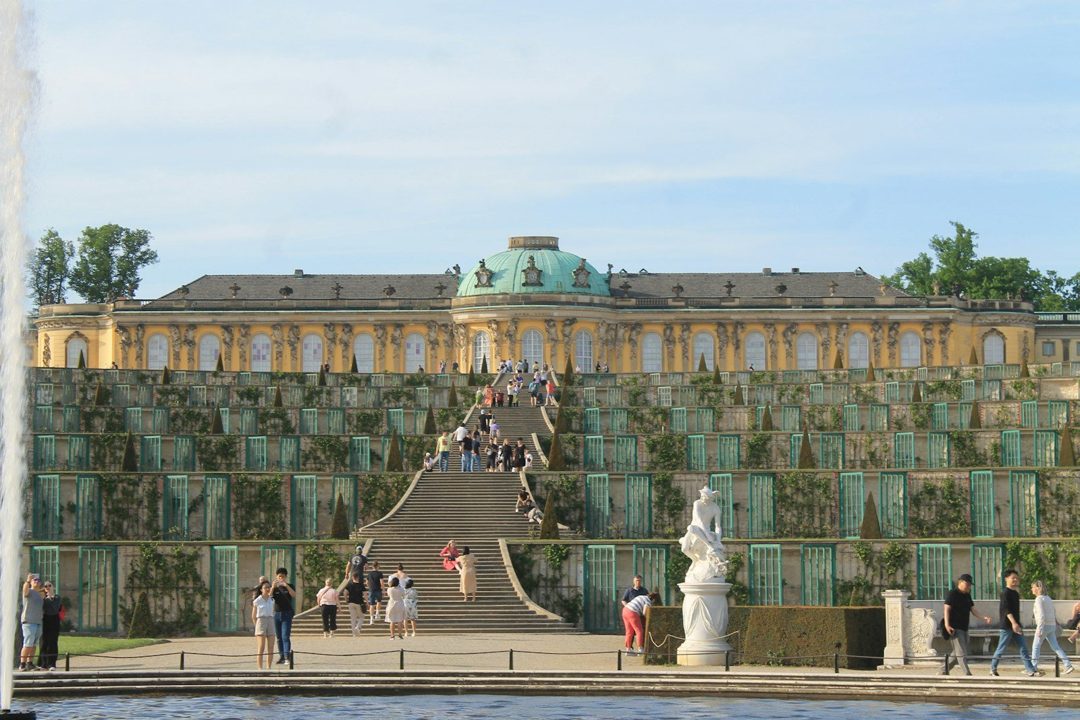
Prussian royal grandeur: rococo palaces, shimmering Havel lakes and storybook brick quarters.
- Best time to visit: May to October
- Daily budget (budget traveller): $75 to $180 USD
- Ideal trip length: 2 to 4 days
Set amid a sprawling tapestry of interconnected Havel lakes and forested ridges, Potsdam served as the royal residence of Prussian kings and German emperors for centuries. Today, the Brandenburg state capital is celebrated for its UNESCO World Heritage cultural landscape, anchored by Frederick the Great's summer retreat Sanssouci, the grand Dutch Quarter and the Cold War intrigue of the Glienicke Bridge. Effortlessly reached from Berlin on the S-Bahn, Potsdam offers solo travellers open green space, world-class art at Museum Barberini and a relaxed, bike-friendly pace far removed from big-city rush.
Potsdam sits on a gentle bend of the Havel River just 25 kilometres southwest of Berlin, yet its atmosphere belongs to a different world. Where Berlin is industrial, sprawling and relentlessly kinetic, Potsdam is manicured, tranquil and deeply historic. Established as a garrison and royal city by the Hohenzollern rulers, it was transformed over three centuries into an open-air showcase of European architecture, blending Dutch red-brick gables, Russian timber dachas, Italianate arcades and grand Prussian palaces.
At the centre of its cultural identity stands Frederick the Great and his philosophy of living without cares (sans souci). Unlike the immense, forbidding imperial courts of Vienna or Versailles, Sanssouci was built on an intimate scale: a single-storey rococo retreat designed for flute playing, philosophical debates with Voltaire, and quiet walks among terraced fig trees and vineyards. Beyond Frederick's gardens, however, lies a town that bore witness to pivotal moments of modern history, from the secret headquarters of Soviet military intelligence to the 1945 Potsdam Conference that carved up postwar Germany.
For the solo traveller in 2026, Potsdam is an exceptional destination. Its flat terrain, extensive bicycle paths and interconnected lakes invite slow, self-directed exploration. You can spend an unhurried morning viewing Claude Monet's grainstacks at Museum Barberini, pedal through shady oak alleys to the Bridge of Spies by afternoon, and spend your evening sipping local craft beer in a cobblestone Dutch courtyard.
Potsdam itinerary
Arrival, Alter Markt and the Dutch Quarter
Morning: Arrive at Potsdam Hauptbahnhof via the S7 or regional train. Walk across the Lange Brücke to Alter Markt, admire the reconstructed Barberini Palace and St Nicholas Church, and pick up local guides.
Afternoon: Stroll into the Holländisches Viertel (Dutch Quarter). Browse boutique artisan workshops, stop for fresh Dutch poffertjes or pancakes, and view the Nauener Tor, an early English Gothic revival city gate.
Evening: Head to Brauhaus Meierei in the New Garden or a cosy pub along Mittelstrasse. Order a fresh glass of Potsdamer Stange and hearty bratwurst, settling into the mellow historic ambience.
Sanssouci: The Summer of Frederick the Great
Morning: Walk through the Green Gate into Sanssouci Park. Take your pre-booked morning slot inside Sanssouci Palace to admire the intricate gilded stucco, library and Voltaire Room.
Afternoon: Wander past the historic windmill, the ornate Chinese House, and along the grand avenue to the colossal Neues Palais (New Palace). Tour the Marble Hall and the remarkable Grotto Hall encrusted with sea shells.
Evening: Walk back through Brandenburger Strasse, the town's pedestrian boulevard. Grab a table at an Italian trattoria or local bistro near the Potsdam Brandenburg Gate.
Cold War Intrigue, Marmorpalais and Pfingstberg
Morning: Rent a bicycle near the station. Pedal north along Nauener Vorstadt to the Russian colony Alexandrowka, admiring the ornate log houses and the historic Russian Orthodox church on the hill.
Afternoon: Cycle into the New Garden to Schloss Cecilienhof. Admire its mock-Tudor exterior and grounds, as the interior is closed for restoration until at least 2027, then tour the nearby Marmorpalais. Climb to the Belvedere on Pfingstberg for sweeping views.
Evening: Cycle down to the Glienicke Bridge at sunset. Stand precisely on the border line where spies were exchanged, then enjoy dinner beside the water at a lakeside restaurant overlooking Jungfernsee.
Art and Babelsberg Palace Gardens
Morning: Spend the morning at Museum Barberini on the Alter Markt. Take in the world-class Hasso Plattner collection featuring masterpieces by Monet, Renoir, Sisley and Morisot.
Afternoon: Pedal or take tram 94 east across the Havel into Babelsberg Park. Tour the romantic English landscaped grounds, see the Neo-Gothic Babelsberg Castle, and cycle past the Flatow Tower.
Evening: Explore the historic weaver village of Nowawes in Babelsberg. Enjoy an easy dinner at a neighbourhood beer garden with potato soup and Brandenburg sourdough bread.
Orangeries and Roman Baths
Morning: Return to Sanssouci's quieter western sectors. Explore the nearby Neue Kammern and climb the viewing gallery of the Historic Windmill for vistas over Sanssouci Park (the Orangery Palace interior and tower are closed for restoration until 2029).
Afternoon: Stroll down to the Roman Baths and Charlottenhof Palace, designed by Karl Friedrich Schinkel. Relax with an afternoon coffee and apple strudel at the park pavilion.
Evening: Visit the Film Museum Potsdam housed in the historic royal Marstall (stables) near Alter Markt. Afterwards, sample regional German wines at a quiet wine bar on Dortustrasse.
Lakeside Cruising to Werder (Havel)
Morning: Board a passenger ferry or regional train west to the island town of Werder (Havel), famous for fruit orchards, winding cobbled lanes and scenic wooden windmills.
Afternoon: Walk through Werder's old town island, taste local sour cherry and blackcurrant fruit wines, and rent a kayak or stand-up paddleboard for an hour on the Havel.
Evening: Take the regional train back to Potsdam. Spend your penultimate evening dining on fresh Havel pikeperch at a riverside fish tavern along the waterfront promenade.
Farewell to Royal Brandenburg
Morning: Enjoy an unhurried brunch in a sunny courtyard in the Dutch Quarter. Browse local bookstores, porcelain studios and amber jewellers for handcrafted souvenirs.
Afternoon: Take a final leisurely walk through the Friendship Island garden park (Freundschaftsinsel), set between two arms of the Havel, filled with perennials and willow trees.
Evening: Collect your bags from your hotel and hop onto the S-Bahn back towards Berlin or catch your direct train to Berlin Brandenburg Airport (BER).
Best neighbourhoods
- Holländisches Viertel & Historic Centre: An 18th-century grid of red-brick gabled houses built for Dutch craftsmen, filled with specialty coffee bars, indie boutiques and courtyards.
- Sanssouci & Brandenburger Vorstadt: The leafy western district bordering the royal parks, known for grand Wilhelminian villas, calm residential streets and direct park access.
- Babelsberg: A historic film and garden enclave boasting Neo-Gothic Babelsberg Palace, quiet lake beaches and historic Bohemian weaver cottages.
Must-do experiences
- Wander the terraced vineyard steps of Sanssouci Palace: Explore Frederick the Great's intimate rococo pleasure palace and the lush ornamental gardens stepping down to the Great Fountain.
- Marvel at the lakeside Marmorpalais: Visit the early Neoclassical red-brick palace situated right on the shores of the Heiliger See in the New Garden, commissioned by King Frederick William II.
- Cross the Cold War Bridge of Spies: Walk across the Glienicke Bridge where the United States and the Soviet Union traded captured intelligence agents over the Havel River.
- Admire Impressionist masterpieces at Museum Barberini: View one of the world's most significant private collections of Monet and French Impressionists inside an Italianate palace reconstruction.
- Explore the Russian colony of Alexandrowka: Walk among the carved wooden log houses and apple orchards built in 1826 for Russian choir singers of the Prussian guard.
- Cycle through Park Babelsberg along the Havel: Rent a bicycle to tour the scenic waterside park designed by Peter Joseph Lenné, with striking vistas towards Berlin.
Hidden gems
- The panoramic Roman-style Belvedere atop the Pfingstberg overlooking the Havel lakes
- The tiny, ornate Chinese House concealed in the wooded groves of Sanssouci Park
- Nowawes, the quiet Babelsberg quarter filled with pastel 18th-century weaver houses
- The atmospheric historic steam engine pump house shaped like a Moorish mosque
Daily budget
- Accommodation: budget €35-55 / night (hostel bed or budget guesthouse near station), mid-range €85-150 / night (stylish boutique hotel in Dutch Quarter or Brandenburger Vorstadt), splurge €220-400 / night (historic waterside palace hotel or luxury wellness resort). Hotel rates peak during summer weekends and major exhibition openings at Museum Barberini.
- Food: budget €18-28 / day (bakery rolls, currywurst, Turkish döner and supermarket fruit), mid-range €40-65 / day (sit-down cafe lunch, Dutch pancake, evening brauhaus meal with beer), splurge €110-190 / day (fine dining multi-course menu paired with regional German wines). Bakeries and butcher counters offer warm Mittagstisch lunch specials for €7 to €10 on weekdays.
- Transport: budget €4-7 / day (Berlin-Potsdam ABC ticket or Potsdam AB day pass), mid-range €12-18 / day (transit day pass plus 24-hour city bicycle rental), splurge €40-80 / day (taxis between distant palaces or private Havel boat charter). If arriving from Berlin, a single Berlin ABC day ticket covers all S-Bahn, regional trains, trams and buses in Potsdam.
- Activities: budget €0-10 / day (exploring free parks, viewing palace exteriors, Pfingstberg climb), mid-range €22-38 / day (Sanssouci+ palace pass and Museum Barberini admission), splurge €70-120 / day (private palace guide or guided e-bike historical tour). Walking the extensive grounds of Sanssouci Park, New Garden and Babelsberg Park costs nothing.
- Drinks & nightlife: budget €5-10 / day (Späti beers or bottled cider enjoyed on a park bench), mid-range €16-30 / day (craft beers at Braumanufaktur Forsthaus Templin or wine bar glass), splurge €50-90 / day (craft cocktail bar crawl around the Dutch Quarter and Alter Markt). German beer prices remain reasonable, with half-litre draft pours averaging €4.50 to €6.00 in local brewpubs.
Where to stay
- Social hostel in Potsdam Station / Babelsberg (€35-55 / night): Jugendherberge Potsdam or budget guesthouses near Babelsberg station, offering clean bunks, cycle storage and easy transport into central Potsdam.
- Boutique hotel in Holländisches Viertel (Dutch Quarter) (€90-160 / night): Hotel zum Hofmaler or Hotel Brandenburger Tor, set inside historic brick architecture with charming courtyard cafes on your doorstep.
- Apartment in Brandenburger Vorstadt (€80-140 / night): Restored Altbau apartments with high ceilings, timber floorboards and kitchenettes, situated moments from Sanssouci Park gates and Havel waters.
- Splurge in Templiner See / Havelufer (€220-380 / night): INSELHOTEL Potsdam - Hermannswerder or Seminaris SeeHotel, featuring tranquil waterside settings, fine dining, spa facilities and direct lake views.
What to eat
- Potsdamer Stange: local historic pale ale revived and poured fresh at microbreweries
- Königsberger Klopse: tender veal meatballs in a velvety caper and white wine cream sauce
- Holländische Pannekoken: fluffy sweet or savoury Dutch pancakes served in the Dutch Quarter
- Sanddorn specialities: tart sea buckthorn cordials, jams and cakes grown across Brandenburg
Day trips
- Werder (Havel) (10 min by regional train): A picturesque island old town surrounded by Havel lakes, celebrated for fruit wineries, quiet marinas, red-brick churches and waterside promenades. Direct regional express train RE1 from Potsdam Hauptbahnhof to Werder (Havel), taking roughly 10 minutes, followed by a pleasant 15-minute walk to the island.
- Berlin Museum Island & Mitte (30 min by regional train): Germany's cultural epicenter featuring the Altes Museum, Neues Museum, Berlin Cathedral and the bustling cafes of Hackescher Markt. Hop on the RE1 regional train or S7 from Potsdam Hauptbahnhof directly to Berlin Friedrichstrasse or Hackescher Markt in 25 to 35 minutes.
- Wannsee & Liebermann Villa (15 min by S-Bahn): A historic lake district featuring artist Max Liebermann's summer villa and garden, as well as the solemn House of the Wannsee Conference memorial. Take S-Bahn line S7 towards Berlin, alight at Wannsee station (10 minutes), then take local bus 114 directly to the villa grounds.
When to visit
- Spring (April to June): 10-22°C; crisp mornings shifting to pleasant sunny afternoons with fresh garden blooms. Crowds: Moderate; palace parks are peaceful, school holiday weekends see brief surges. An idyllic time to visit. Sanssouci's terraced gardens burst into green, fountains are turned on, and open-air cafes along the Dutch Quarter fill with sunlight.
- Summer (July to August): 18-28°C; warm, sunny days with occasional afternoon showers; Havel lakes are warm enough for swimming. Crowds: High around Sanssouci Palace and Museum Barberini; quiet in residential enclaves and Babelsberg. Perfect for hiring a bicycle, swimming at lakeside lidos and enjoying outdoor beer gardens along the water, though palace slots sell out days ahead.
- Autumn (September to November): 7-18°C; brisk air, mist rising over the Havel, rich golden foliage across parklands. Crowds: Low to moderate, dropping sharply after mid-October. Spectacular for photography and walks. The vast beech and chestnut trees across Sanssouci and Babelsberg turn brilliant amber and gold.
- Winter (December to March): -1 to 6°C; cold, grey skies with occasional snow dusting palace rooftops and frozen canals. Crowds: Lowest crowd levels of the year, outside the cheerful December Christmas markets. Atmospheric and peaceful. While palace statues are boxed in wooden protective winter covers, Museum Barberini and cosy Dutch Quarter cafes offer great refuge.
Entry rules for your passport
Visa rules for Germany depend on the passport you travel on. Check the official source before you book: European Commission: Schengen visa policy
Getting there
Potsdam is seamlessly linked to Germany's transport network via neighbouring Berlin. From Berlin Hauptbahnhof, regional express train RE1 runs every 20 minutes, reaching Potsdam Hauptbahnhof in just 25 minutes. Alternatively, Berlin S-Bahn line S7 runs every 10 minutes from central Berlin stations such as Alexanderplatz and Friedrichstrasse, taking roughly 40 minutes. If flying into Berlin Brandenburg Airport (BER), direct regional train RB22 runs hourly directly to Potsdam Hauptbahnhof in 50 minutes, costing around €5.00 on a Berlin ABC ticket. Long-distance ICE trains also make occasional stops, though transferring at Berlin Hauptbahnhof offers maximum flexibility.
Border checks: non-EU visitors (other than Swiss, Norwegian, Icelandic, Liechtenstein, Andorran, Monegasque, San Marinese and Vatican citizens, and holders of an EU residence permit or long-stay visa) are registered in the EU's Entry/Exit System (EES) instead of getting a passport stamp. On your first crossing, officers take your photo and/or fingerprints, so allow extra time at passport control. ETIAS, the planned travel authorisation, is not in operation yet, so don't pay any website for one.
Getting around
Potsdam has an exemplary transit system operated by ViP, covering electric trams, buses and the Havel ferry. Single fares cost around €2.50 to €3.00, but an AB Potsdam day ticket (roughly €6.50) or Berlin ABC ticket covers everything. Cycling is by far the finest way to traverse Sanssouci, the New Garden and Babelsberg. You can grab nextbike shared bicycles across the city or rent a touring bike near the main station for around €12 to €15 per day.
Safety
Potsdam is one of the safest cities in Germany with very low violent crime rates. Solo travellers can walk comfortably at night through the Dutch Quarter, Alter Markt and park perimeters. Note that Sanssouci Park and the New Garden are poorly lit after dark, so stick to main town avenues once night falls. Watch out for designated bicycle lanes when walking on pavements, as local cyclists move swiftly and ring bells assertively.
Solo travel tips
- Hire a bicycle for the outer palaces: Potsdam's sights are spread across wide forested parks that can tire out solo walkers. Renting a bike lets you move effortlessly between Sanssouci, the New Garden and Babelsberg on dedicated gravel paths.
- Book your Sanssouci slot weeks ahead: Sanssouci Palace operates strict, timed 20-minute entry slots to protect fragile interiors. If you show up without a reservation during peak season, tickets are often sold out by 10am.
- Take advantage of single-seat cafe culture: Solo dining is completely stress-free in Potsdam. Cafes in the Dutch Quarter and bakeries on Brandenburger Strasse welcome solo visitors reading books, working or watching the street life.
- Pick a central base near tram lines: Staying near the Dutch Quarter or Brandenburger Vorstadt places you within easy walking distance of evening restaurants, avoiding dark park treks at night.
- Invest in the Sanssouci+ pass: If you plan to see both Sanssouci and the New Palace or the Marmorpalais, the Sanssouci+ day ticket pays for itself on your second palace visit and simplifies logistics.
- Use public transit apps for real-time trams: Download the VBB Bus & Bahn app to check live connections across trams, buses and the Havel ferry, making hopping between districts seamless.
Cultural etiquette
- Keep off palace lawns where signs indicate historic preservation areas; sticking to marked gravel paths protects delicate landscaped grounds.
- Always bag your outdoor shoes or wear supplied felt overshoes when walking through historic palace parquet rooms to avoid scuffing.
- Never walk in designated cycle paths; German cyclists travel fast and expect clear lanes, especially around station areas and park gates.
- Greet shopkeepers and cafe staff with a polite 'Guten Tag' when entering and 'Tschüss' or 'Auf Wiedersehen' when departing.
- On public transit and S-Bahn cars, keep phone conversations quiet and refrain from putting your feet on empty passenger seats.
- Tipping in German restaurants is customary: round up the bill or add roughly 5 to 10 percent, telling the server the total amount directly before paying.
- Cash is still appreciated in smaller bakery stalls, market stands and traditional ice cream parlours, though contactless card payment is widely accepted.
Frequently asked questions
How do I get to Potsdam from central Berlin?
Take the S-Bahn line S7 directly to Potsdam Hauptbahnhof in roughly 40 minutes, or hop on regional express train RE1 from Berlin Hauptbahnhof, which takes just 25 minutes. A Berlin ABC transit ticket (about €5.00 one way) covers the full journey.
Can I see Potsdam as a day trip or should I stay overnight?
While a day trip covers Sanssouci and the Dutch Quarter, staying two or three nights allows you to cycle through Babelsberg, see the Marmorpalais and Pfingstberg, explore Museum Barberini, and experience the quiet lakeside charm after day-trippers return to Berlin.
Do I need to book Sanssouci Palace tickets in advance?
Yes. Entry to the interior of Sanssouci Palace is strictly timed to protect delicate historic parquet and stucco. Secure your timed admission slot online well ahead, particularly between May and September. The expansive park grounds remain free to enter.
Is Potsdam walkable for solo travellers?
The city centre and Dutch Quarter are compact and flat. However, Sanssouci Park stretches over two kilometres and the New Garden sits another two kilometres away, so hiring a bicycle or hopping between tram stops is strongly recommended.
What is the Potsdam Sanssouci+ pass?
The Sanssouci+ day pass (approximately €22) grants access to all open Prussian Palaces in Potsdam on a single day, including the New Palace and Marmorpalais, plus a timed entry slot for Sanssouci Palace.
Is Potsdam solo-friendly for dining and cafes?
Very much so. The Dutch Quarter and Brandenburger Strasse are lined with relaxed cafes, garden courtyards and informal bistros where dining alone with a book or journal is completely normal.
What is the best way to see the Cold War sights?
Rent a bike at the main station, pedal past the Alter Markt to the former KGB prison memorial on Leistikowstrasse, head into the New Garden past Cecilienhof (closed inside for restoration), and finish across the Glienicke Bridge where the spy exchanges took place.
What entry rules apply when travelling to Germany in 2026?
Schengen 90 days in 180, EU Entry/Exit System (photo and fingerprints) since October 2025, ETIAS not yet required, check rules for your nationality.
More about Potsdam
Tours and activities in Potsdam | Potsdam in 2 days | Potsdam in 3 days | Potsdam in 4 days | Potsdam in 5 days | Potsdam in 7 days
Joy Plus home | Destinations | Itineraries | Activities | Flights | Budget planner | Calendar | Map | Blog | Lifetime access