Destinations / Central America
Puerto Viejo, Costa Rica travel guide
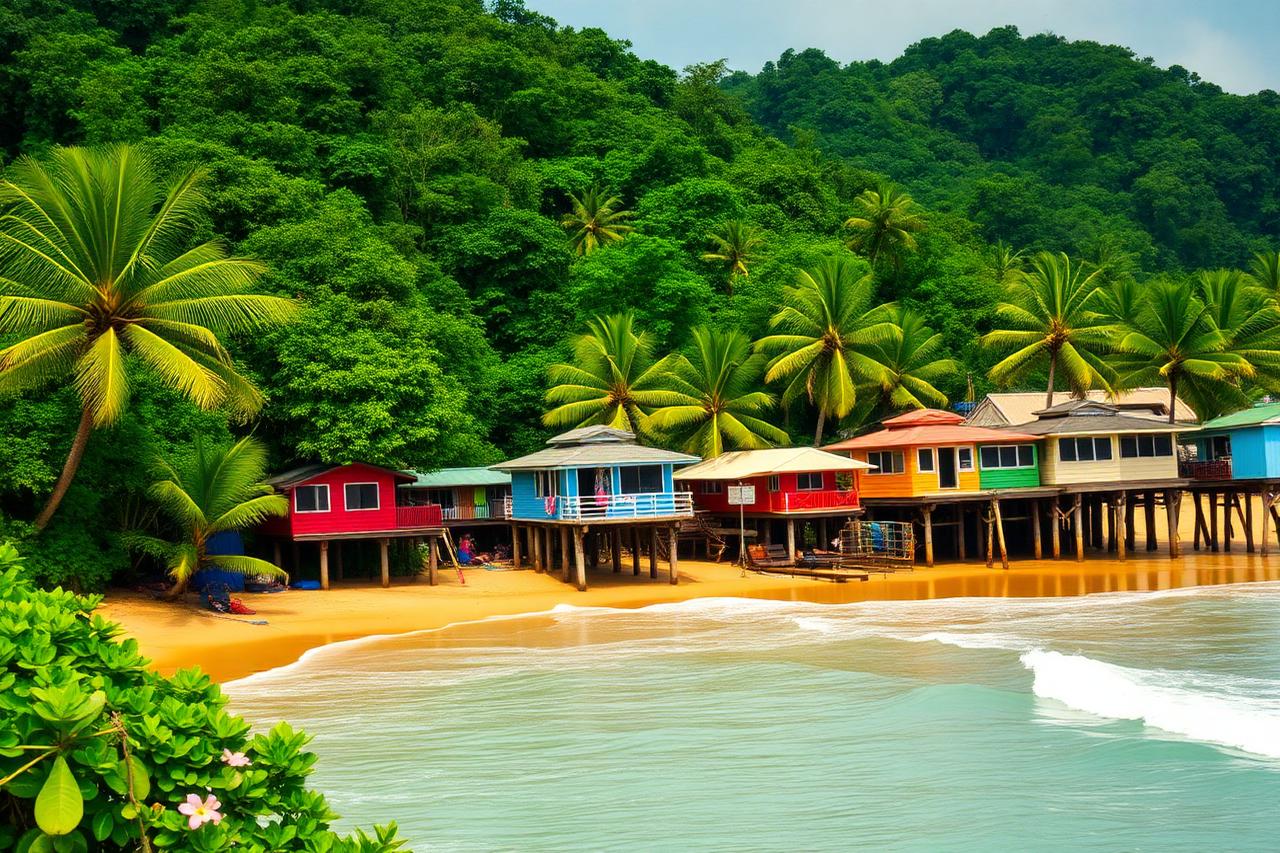
Costa Rica's Caribbean soul: reggae bars, jungle beaches, Afro-Latin culture and sloths in the canopy.
- Best time to visit: February to April and September to October
- Daily budget (budget traveller): $45 to $80 USD
- Ideal trip length: 3 to 5 days
Puerto Viejo is Costa Rica's coolest coastal town, a low-slung Caribbean village where reggae spills from beach bars, cacao farms hide in the jungle and the surf breaks over coral reef. It sits on the less-visited southern Caribbean coast, a world away from the crowded Pacific resorts, with a blended Afro-Costa Rican, Bribri indigenous and expat culture that makes it feel more Jamaica than San José. The beaches range from the famous Salsa Brava reef break to the calm, turquoise shallows of Punta Uva. As Costa Rica's tourism expands beyond the famous hotspots, Puerto Viejo is becoming the choice for travellers who want culture, nature and a slower rhythm. Joy Plus pairs beach time with jungle hikes, cacao tours and the best Caribbean food in the country.
Puerto Viejo de Talamanca is what happens when a fishing village, a Jamaican-descended Afro-Caribbean community, a Bribri indigenous heartland and a wave of surfers and drifters all share one dirt-edged coastline. There is one main street, a few hundred bikes with no locks worth the name, and a soundtrack that shifts from roots reggae at lunch to dancehall at midnight. It sits 4 to 5 hours from San José on the Caribbean side, which is why it still feels like a place rather than a product. The Pacific has the resorts. This coast has rondon simmering in coconut milk, and howler monkeys that outrank the traffic.
The geography does the planning for you. A single road runs south from town past Playa Cocles, Playa Chiquita and Punta Uva before dead-ending at Manzanillo, 13km out, with the jungle pressed up against the sand the whole way. Water is warm, the reef is shallow, and sloths hang in cecropia trees above the bike path. Inland, Bribri families still grow cacao the traditional way. In town, Afro-Costa Rican cooks serve patí from bakery windows and rice and beans cooked with coconut. It is an easy, unhurried place, but it rewards people who get up early: sunrise swims, 9am sanctuary tours, snorkelling before the afternoon chop.
Be realistic about what you are getting. This is not a polished beach resort. Roads flood in December, ATMs run dry on holiday weekends, and the Wi-Fi drops when the rain does. Prices have crept up since 2023, but a good casado at a soda is still about ₡5,000 (roughly $10) and a bike costs less than a beer in some bars. Go for four or five days, base yourself near Playa Cocles or Playa Negra, and treat the coastal road as your itinerary. The best days here are the ones where you do two things and let the rest happen.
How many days in Puerto Viejo?
For Puerto Viejo, we recommend 3 to 5 days.
| Trip length | What you'll see | Itinerary |
|---|---|---|
| 2 days | Rent a bike, find your bearings; Playa Cocles and first lesson | Puerto Viejo in 2 days |
| 3 days · Recommended | Adds: Punta Uva snorkel day | Puerto Viejo in 3 days |
| 4 days · Recommended | Adds: Sloths and cacao | Puerto Viejo in 4 days |
| 5 days · Recommended | Adds: Cahuita National Park | Puerto Viejo in 5 days |
| 7 days | Adds: Manzanillo and Gandoca; Market, bakery | Puerto Viejo in 7 days |
Puerto Viejo itinerary
Arrive, rent a bike, find your bearings
Morning: Land at SJO and take the 7am Interbus or a Mepe public bus from the Gran Terminal del Caribe, about 4.5 hours. Sleep or watch the Braulio Carrillo jungle roll by.
Afternoon: Check in, rent a bike (₡3,000-5,000 a day, ask for a working lock). Lunch is a casado at a soda in town, then a slow loop along the main strip.
Evening: Sunset by the Salsa Brava reef break watching the surfers. Dinner of rondon at Lidia's Place, then an early night to adjust to the heat.
Playa Cocles and first lesson
Morning: Be at Playa Cocles at 6:30am for sunrise and a swim before the surf crowd arrives. Book a group lesson (₡25,000-35,000 for about 2 hours) with one of the beachfront surf schools.
Afternoon: Lunch at Koki Beach, then a long nap in a hammock. Cycle to Playa Chiquita for a late swim.
Evening: Dinner and live reggae at Johnny's Place in town. Taxi back if you are staying along the Cocles road.
Punta Uva snorkel day
Morning: Bike 9km to Punta Uva, pausing at Playa Chiquita and Playa Grande. Snorkel the calm bay between 8 and 10am for the best visibility, bring your own mask.
Afternoon: Lunch at a beach shack, rondon or fried fish with patacones, about ₡7,500-11,000. Walk the quiet stretches of sand toward Manzanillo.
Evening: Cycle back before dusk, the road has no lights. Shower, then pati and a Imperial at Tasty Waves Cantina.
Sloths and cacao
Morning: Take the guided morning tour at the Jaguar Rescue Center (about ₡15,000, book online ahead). You will meet rescued sloths, monkeys and snakes with a guide who explains each story.
Afternoon: Join a Bribri cacao tour in Kéköldi or Talamanca (₡20,000-30,000). Watch the beans ferment, roast and grind, then taste the results.
Evening: Dinner at Stashu's con Fusion or Chile Rojo in town. Try the chocolate you just made as dessert.
Cahuita National Park
Morning: Local bus to Cahuita (about ₡1,100, 30 to 40 minutes). Enter via Kelly Creek for the donation-only coastal trail and look up for sloths in the trees.
Afternoon: Lunch at a Cahuita soda, then snorkel the reef with a licensed guide or hike the Puerto Vargas section (about $6).
Evening: Bus back to Puerto Viejo. Drinks at Koki Beach to watch the sun go down.
Manzanillo and Gandoca
Morning: Bike or take the local bus to Manzanillo, 13km out. Spend the morning walking the Gandoca-Manzanillo Wildlife Refuge beach trail towards Punta Mona.
Afternoon: Lobster or whole fish at Maxi's, then a swim in the empty bay. Cycle or bus back in the late afternoon.
Evening: Casual dinner and rest day vibes. Pick a hammock and read.
Market, bakery, depart
Morning: If it is a Saturday, go to the organic farmers market for fruit and crafts. Breakfast at Bread & Chocolate before the queues build, around 8am.
Afternoon: Pick up a bag of local cacao and a few patís for the road. Shuttle or Mepe bus back to San José, leave at least 6 hours before your flight.
Evening: Settle in at the airport or in San José with leftover patí, still tasting salt.
Best neighbourhoods
- Puerto Viejo town: The village centre with reggae bars, local sodas, bike rentals and a lively mix of locals, expats and travellers.
- Playa Cocles: The main surf beach just south of town, with a mix of hostels, jungle lodges and beachfront restaurants.
- Punta Uva: A stunning calm bay with coral reef, clear water and a quieter, more upscale feel further down the coast.
- Manzanillo: The last village before Panama, with a wildlife refuge, snorkelling and a sleepy Caribbean charm.
Must-do experiences
- Bike the coastal road to Manzanillo: Hire a bike and cruise 13km of jungle-lined road past empty beaches, howler monkeys and roadside fruit stalls.
- Snorkel at Punta Uva reef: Calm, clear water over coral with parrotfish, rays and the occasional octopus. Best in the dry season.
- Jaguar Rescue Center tour: Visit this ethical wildlife sanctuary to see sloths, monkeys, wildcats and snakes up close, all rescued and rehabilitated.
- Bribri indigenous chocolate tour: Learn how the Bribri people grow, ferment and roast cacao into chocolate on a farm in the Talamanca mountains.
- Beach-hop the Caribbean coast: Cycle between Puerto Viejo's golden and black-sand beaches, Playa Cocles, Playa Chiquita and the stunning Punta Uva, with warm Caribbean water and jungle backdrops.
- Sloths at Cahuita National Park: Walk the coastal jungle trail at nearby Cahuita to spot sloths, monkeys and snakes, then snorkel the reef. An easy, wildlife-rich day out.
Hidden gems
- The Gandoca-Manzanillo Wildlife Refuge for pristine rainforest, dolphin spotting and empty beaches.
- Patí, a spicy meat-filled pastry, best from the local bakery in town.
- The quiet sunrise side of Playa Cocles before the surf crowd arrives.
- The organic farmers market on Saturday morning for fresh tropical fruit and local crafts.
Daily budget
- Accommodation: budget ₡8,000-13,000 / night (hostel dorm, about $16-26), mid-range ₡35,000-65,000 (cabina or boutique double, about $70-130), splurge ₡135,000+ (Tree House Lodge, Almonds & Corals, about $270+). Playa Negra and Playa Cocles are the sweet spots. Rates jump 30-50% over Christmas and Semana Santa, so book early.
- Food: budget ₡10,000-14,000 / day (sodas, patí, fruit stalls), mid-range ₡22,000-35,000 (breakfast at Bread & Chocolate, one proper dinner), splurge ₡60,000+ (lobster at Maxi's in Manzanillo, cocktails, tasting menus). A casado at a local soda runs ₡4,500-6,000. Menus at tourist spots add 13% IVA and 10% service, so budget about 23% on top.
- Transport: budget ₡3,000-5,000 / day (bike rental, local bus), mid-range ₡10,000-18,000 (bike plus taxis for night rides and Cahuita), splurge ₡45,000+ (private driver, SJO to Puerto Viejo shuttle each way). Bikes are the move. Taxi from town to Playa Cocles is around ₡3,000-4,000. Never ride the unlit coastal road after dark.
- Activities: budget ₡3,000-8,000 / day (free beaches, Kelly Creek entrance donation, snorkel rental), mid-range ₡20,000-35,000 (Jaguar Rescue Center, surf lesson, Bribri cacao tour), splurge ₡60,000+ (private guide to Punta Mona, boat snorkel, dolphin trips). Jaguar Rescue Center runs about ₡15,000 ($30). Cahuita's Puerto Vargas entrance is about $6. Beaches are free.
- Drinks & nightlife: budget ₡6,000-10,000 (a few Imperials at a beach bar), mid-range ₡15,000-25,000 (Johnny's Place, cocktails at Koki Beach), splurge ₡40,000+ (rum cocktails, late nights, taxi home every night). Beer is ₡1,800-2,500 at bars, cheaper at supermercados for beach sunsets. Cocktails run ₡4,000-5,500.
Where to stay
- Social hostel in Playa Cocles (₡8,000-13,000 / night (dorm), ₡25,000+ private): Rocking J's sits close to the surf beach with hammocks, communal kitchens and easy social energy. Walk to the sand, bike to town in 10 minutes.
- Boutique hotel in Playa Negra (₡60,000-110,000 / night): Banana Azul and similar small hotels offer pools, jungle gardens and a calmer black-sand beach. Quieter than Cocles, still a 10-minute bike to the restaurants.
- Apartment in Playa Chiquita (₡30,000-55,000 / night): Private cabinas and small casitas with kitchens, tucked into the jungle between Cocles and Punta Uva. Best value for stays of 5 nights or more, but you will need a bike.
- Splurge in Punta Uva (₡135,000-240,000 / night): Tree House Lodge and Almonds & Corals Lodge Tent Camp put you in the jungle beside one of the coast's best beaches. Expect howler monkeys at dawn and complete quiet at night.
What to eat
- Rondón, a coconut-milk seafood stew with cassava, plantain and dumplings
- Patí, spicy beef or chicken pastries, the Caribbean snack of choice
- Fresh tropical fruit: pineapple, mango, starfruit and soursop from roadside stalls
- Gallo pinto with Caribbean coconut twist, served with eggs and fried plantain
Day trips
- Cahuita National Park (17km north, 30 to 40 minutes by bus): Coastal rainforest trail with sloths, white-faced monkeys, raccoons and a living coral reef. The Kelly Creek entrance is by donation and the Puerto Vargas entrance costs about $6. A guide helps you spot the animals. Local bus from Puerto Viejo to Cahuita, about ₡1,100 each way, roughly every hour. Taxi costs about ₡15,000-20,000.
- Manzanillo and Gandoca-Manzanillo Wildlife Refuge (13km south, about 1 hour by bike): The end of the road. Sleepy village, empty beaches and a refuge trail through rainforest and mangrove towards Punta Mona. Go with a guide if you plan the full 5km one-way hike. Bike along the coastal road, or take the local bus (around ₡1,200) or a taxi from town (about ₡12,000).
- Bribri cacao and culture tour (Roughly 30 to 60 minutes inland): Visit Bribri families in Kéköldi or Talamanca to see how cacao is grown, fermented, roasted and ground. Expect a hands-on tour, tasting and a short talk on Bribri life. Book through your hostel or an indigenous association. Tours cost about ₡20,000-30,000 and often include transport and a snack.
When to visit
- Late winter and spring (February to April): 27-31°C, driest stretch of the year, short showers at most, calm sea. Crowds: Busy but not packed, peaks around Semana Santa. The classic window. Clearest water at Punta Uva, best surf swell at Salsa Brava, and dry roads for biking. Book Semana Santa weeks ahead.
- Early summer (May to August): 26-30°C, humid, afternoon downpours, with sunnier spells in July and August. Crowds: Light to moderate, with a bump in July from Tico holidays and international tourists. Green, cheap and underrated. Mornings are often clear, so plan beach and snorkelling early. Seas can be rough and murky in June.
- Autumn (September to October): 27-31°C, the Caribbean's quiet dry spell while the Pacific side is soaked. Crowds: Low, the locals' favourite stretch. The sleeper pick. Calm sea, great visibility, empty beaches and lower rates. Pack a rain jacket anyway, the weather is never reliable.
- Winter (November to January): 24-28°C, heavy rain, flooded roads possible, big surf. Crowds: Quiet in November, busy around Christmas and New Year. Wet and wild. Great for surfers and cacao tours, poor for snorkelling. Rivers can cut off Manzanillo and Cahuita, so build slack into your plans.
Entry rules for your passport
Visa rules for Costa Rica depend on the passport you travel on. Check the official source before you book: Costa Rica General Directorate of Migration
Getting there
Fly into San José (SJO), about 4 to 5 hours from Puerto Viejo by road. The easiest option is a shared shuttle such as Interbus (about $60 or ₡30,000), with hotel pickup in San José and drop in Puerto Viejo. Cheaper is the Mepe public bus from the Gran Terminal del Caribe in San José, roughly ₡7,500-9,000 one way, with several departures a day (check times, and arrive early because seats sell out on weekends). Both routes run via Braulio Carrillo and Limón, and traffic through Limón can add an hour. From the Panama border at Sixaola, shuttles and buses cover the last stretch. Skip the rental car: parking is awkward, theft from cars happens, and bikes plus taxis cover everything.
Getting around
Puerto Viejo is small and best explored by bicycle, which you can rent everywhere for about $5 a day. Taxis and colectivo vans run the coastal road to Manzanillo and Cahuita. Local buses connect to San José via Limón, about 4 to 5 hours. The town itself is entirely walkable. For day trips further afield, shuttles and private drivers are available.
Safety
Puerto Viejo is generally safe but use standard beach-town precautions: don't leave valuables unattended on the beach, lock bikes properly, and avoid unlit areas late at night. The Salsa Brava surf break is for experienced surfers only and has a serious reef. Mosquitoes are active at dusk, especially in the wet season, so use repellent. Tap water is usually safe but many travellers prefer filtered. The US rates Costa Rica 'Exercise increased caution' because of crime: petty theft is common, and violent crime also affects tourists.
Solo travel tips
- Hostel pick: Rocking J's: It sits near Playa Cocles and runs social nights without forcing group games. Rocking J's has beachfront hammocks and a mixed crowd of surfers, backpackers and long-term wanderers. For more privacy, book a private room at a small guesthouse in town.
- Rent a bike on day one: Bikes turn the coastal road into a solo-traveller's social network. You will pass the same faces at the beaches, hostels and bakeries. Stop at roadside stalls, ask for pineapple, and you will quickly be chatting.
- Do not bike the road at night: The 13km coastal road has no lighting, and cyclists get hit every year. Be home by dusk, around 5:30pm, or take a taxi (₡3,000-6,000) after dark. Taxis can be flagged in town or arranged via your hostel.
- Solo female travellers: Puerto Viejo is generally relaxed and friendly. Expect friendly catcalling in town, ignore it and keep walking. Do not walk beaches or the Playa Negra road alone at night, keep an eye on your drink, and use hostel-arranged taxis late.
- Eat where the locals eat: Order at small sodas and ask what is cooked that day. A casado is about ₡5,000. Patí from a bakery window (about ₡1,200) is the best snack of the trip. Counter seating and shared tables are a quick route to conversation.
- Join a group activity for the first days: Surf lessons at Playa Cocles, the Jaguar Rescue Center tour and Bribri cacao tours are full of solos. Book on day one and you will have dinner plans by day two. The reggae bars are best with a group of five hostel friends.
Cultural etiquette
- Greet people with 'buenas' or 'hola' before asking for anything. Puerto Viejo runs on small courtesies, and 'pura vida' works for hello, thanks and goodbye.
- Respect the Afro-Caribbean and Bribri cultures here. Ask before photographing people, especially at Bribri villages and during cacao tours.
- Service of 10% is added to most restaurant bills along with 13% IVA, so extra tipping is optional. Leave ₡1,000-2,000 for great service or round up at sodas.
- Cannabis smoke drifts around the beaches and bars, but it is not legal. Do not carry it across borders or buy from strangers, and keep your use discreet.
- Wear a shirt and shorts or a sarong when walking through town and into restaurants. Swimwear is for the beach only.
- Do not touch or feed wildlife, including sloths. Keep distance, take no flash photos, and never take a sloth off a tree for a selfie.
- Use reef-safe sunscreen and never stand on coral at Punta Uva or Cahuita. The reef is fragile and under pressure from both warming seas and visitors.
Frequently asked questions
How many days do you need in Puerto Viejo?
Three to five days is ideal: time to bike the coast, snorkel Punta Uva, visit the Jaguar Rescue Center, take a Bribri chocolate tour and soak up the reggae beach culture without rushing.
Is Puerto Viejo safe for tourists?
Yes, it is generally safe with standard beach-town awareness. Secure valuables, lock bikes, avoid isolated areas late at night and respect the surf breaks. The vibe is relaxed and welcoming.
When is the best time to visit Puerto Viejo?
The driest months are February to April and September to October, with the clearest water for snorkelling and the least rain. The wet season (May to August and November to January) is lush and quiet but can bring heavy tropical downpours.
Do I need a visa to visit Costa Rica?
Citizens of the EU, UK, US, Canada and Australia can enter Costa Rica visa-free as tourists for up to 180 days, at the immigration officer's discretion. Confirm the latest entry rules and proof of onward travel requirements before visiting.
How do I get to Puerto Viejo from San José?
Direct shuttle buses and public coaches run from San José to Puerto Viejo, taking about 4 to 5 hours via the Braulio Carrillo mountain highway. Shared shuttles can be booked through hotels and hostels.
What is the difference between Puerto Viejo and the Pacific coast?
Puerto Viejo is smaller, less developed, more Afro-Caribbean in culture, cheaper and quieter than the famous Pacific beaches like Tamarindo or Manuel Antonio. The Caribbean side has a reggae vibe, better snorkelling and fewer large resorts.
Is Puerto Viejo expensive to visit?
It is mid-range at around $45 to $80 a day. Local sodas, bike rentals and public buses are cheap, while jungle lodges, snorkel tours and some beachfront restaurants push costs up. It is cheaper than the Pacific resort towns.
Is Puerto Viejo worth visiting?
Yes, for its Afro-Caribbean culture, reggae vibe, beautiful beaches, surfing, wildlife and relaxed atmosphere. It's a totally different side of Costa Rica from the Pacific coast.
Is Puerto Viejo safe?
Yes, with normal caution. Watch your belongings on the beach, don't leave valuables unattended, and be sensible at night. It's a popular, well-trodden backpacker spot.
Tours and activities in Puerto Viejo | Puerto Viejo in 2 days | Puerto Viejo in 3 days | Puerto Viejo in 4 days | Puerto Viejo in 5 days | Puerto Viejo in 7 days
Joy Plus home | Destinations | Itineraries | Activities | Flights | Budget planner | Calendar | Map | Blog | Lifetime access