Destinations / Europe
Ragusa, Italy travel guide
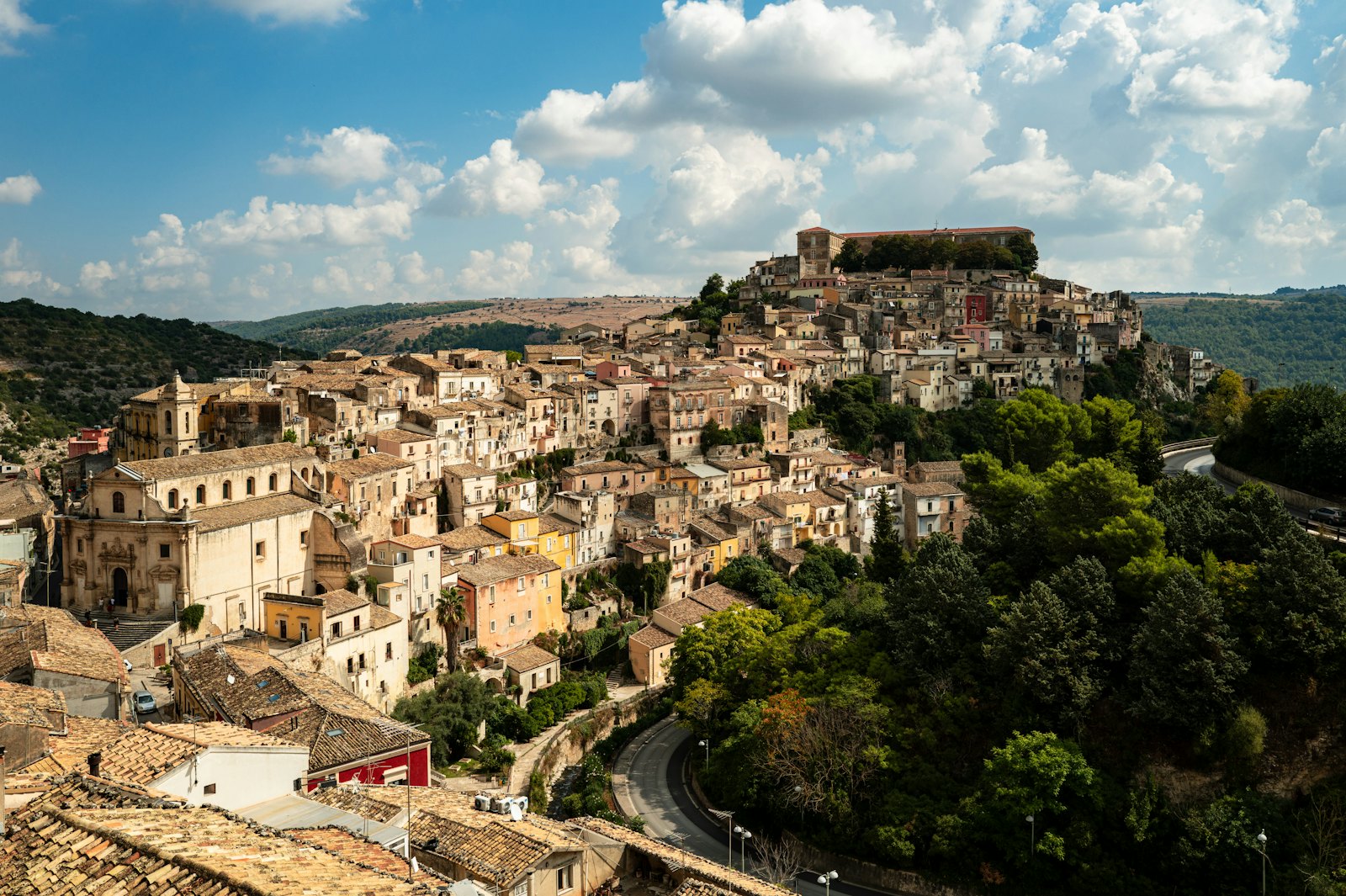
A baroque hill town split in two, where you walk down hundreds of steps from the newer upper town into old Ibla, eat ricotta ravioli under a blue dome and catch the train to Modica for chocolate.
- Best time to visit: April to June and September to October
- Daily budget (budget traveller): $75 to $270 USD
- Ideal trip length: 4 to 7 days
Ragusa sits on the Hyblaean plateau in south-east Sicily, roughly 500m above sea level and about 25km from the coast. It is a city of around 70,000 people in two halves. Ragusa Ibla is the old town on a narrow ridge, rebuilt after the 1693 earthquake with churches, palazzi and stepped lanes. Ragusa Superiore is the newer upper town on the plateau, laid out in a grid, where most people live and shop. A long chain of steps and switchback lanes joins the two, and walking it is half the point of coming. Ibla is part of the UNESCO-listed Late Baroque Towns of the Val di Noto, together with Modica, Scicli and Noto, which are all easy day trips. Fans of Inspector Montalbano will spot the Duomo di San Giorgio and the seaside house at Punta Secca. Ragusa is calm and fairly cheap. It is quiet in winter and busy in August. Buses and slow regional trains reach the main towns, though a car makes the coast and countryside much easier. For a solo traveller it is a good place to slow down, eat well and walk.
Ragusa is really two towns. After the 1693 earthquake flattened south-east Sicily, some residents rebuilt on the old ridge of Ibla while others started a new grid on the plateau above. The two halves stayed separate municipalities until 1926. Today Ibla is the postcard: honey-coloured churches, palazzi with carved balconies, the blue-domed Duomo di San Giorgio and lanes that wind around the hill. Superiore is where people actually live, with Corso Italia, the Cattedrale di San Giovanni Battista, shops, the bus terminal and the station. A staircase of a few hundred steps, broken by churches and lookouts, joins the two. Walk it once in each direction and you will understand the city.
Ragusa works well as a base for the Val di Noto. Modica is about 20 to 25 minutes away by train, Scicli a little further, and Noto and Siracusa are reachable in a day. The coast is about 25km south, where Marina di Ragusa has sandy beaches and a summer crowd, and Punta Secca has Montalbano's house. Inland, Castello di Donnafugata sits among carob trees and dry-stone walls. Public transport covers the towns, but it is slow and thin on Sundays, so a few days of car hire opens up the gorges, reserves and farm stays. Most visitors arrive via Catania airport, about 1 hour 40 minutes away by bus.
Timing matters. Spring and autumn are ideal, with mild days for walking and a warm sea from June to October. August is hot and busy, with prices rising on the coast. Winter is quiet and cheap, but the plateau gets cold and many beach businesses close. Ragusa is a food town too. There are long-standing Michelin-starred restaurants in Ibla, but also bakeries selling scaccia by the slice, cheese from the plateau and granita for breakfast. It is safe, friendly and slow. If you want nightlife, go to Marina di Ragusa in summer. If you want baroque churches, good lunches and an evening walk, stay in Ibla.
Ragusa itinerary
Arrive and walk down to Ibla
Morning: Take the bus from Catania airport (about 1 hour 40 minutes) to the Via Scalo Merci terminal in Ragusa Superiore. Drop your bags.
Afternoon: Grab scaccia from a bakery, then see the Cattedrale di San Giovanni Battista and stroll Corso Italia. Walk to the viewpoint at Santa Maria delle Scale.
Evening: Take the steps down into Ibla as the floodlights come on. Dinner in a trattoria near Piazza Duomo, then a bus or taxi back up if you are staying in Superiore.
A slow day in Ibla
Morning: Visit the Duomo di San Giorgio when it opens at about 10am, then Piazza Pola and the Chiesa di San Giuseppe.
Afternoon: Long lunch with ricotta ravioli, then wander down to the Giardino Ibleo and the Portale di San Giorgio. Rest in the shade during the hottest hours.
Evening: Aperitivo in a piazza in Ibla. Splurge at Ristorante Duomo or Locanda Don Serafino, or keep it simple with pizza.
Modica by train
Morning: Catch a morning regional train to Modica (about 20-25 minutes, around €2-3). Climb the long staircase to Modica's Duomo di San Giorgio.
Afternoon: Walk Corso Umberto, then taste chocolate at Antica Dolceria Bonajuto. Lunch in Modica Bassa.
Evening: Train back to Ragusa before the last service, which leaves in the early evening. Light dinner and an early night.
Donnafugata and the coast
Morning: Pick up a hire car, or on summer Sundays take the BaroccoLine. Visit Castello di Donnafugata (about €4, closed Mondays) and its park and maze.
Afternoon: Drive to Punta Secca to see Montalbano's house, then walk the dunes at the Foce dell'Irminio reserve.
Evening: Swim and watch the sunset at Marina di Ragusa, then pizza on the promenade. Without a car, take an AST bus to Marina and back instead.
Scicli and Cava d'Ispica
Morning: Drive or take the train to Scicli. Walk Via Francesco Mormino Penna and climb to the Chiesa di San Bartolomeo.
Afternoon: If you have the car, head to Cava d'Ispica for rock tombs and cave dwellings (about €4-5). Weekday hours are longest, and holidays are mornings only.
Evening: Back to Ragusa, return the car and have a relaxed dinner in Ibla.
Noto day trip
Morning: Take an early train towards Siracusa and get off at Noto. Check times on Trenitalia, as weekend services are thinner.
Afternoon: Walk Corso Vittorio Emanuele, see the cathedral and Palazzo Nicolaci, and have granita or gelato in a café.
Evening: Train back to Ragusa. Farewell drink with a view of Ibla from the Santa Maria delle Scale steps.
Museum and departure
Morning: Visit the Museo Archeologico Ibleo (€6, open all day on weekdays and Sunday mornings) under the Ponte Nuovo.
Afternoon: Buy Ragusano cheese and chocolate for home, then take the bus to Catania airport. Allow at least 2 hours before your flight.
Evening: Fly home, or carry on to Siracusa or Catania for another night.
Best neighbourhoods
- Ragusa Ibla: The old town on its ridge, and where most visitors want to be. It has the Duomo di San Giorgio, Piazza Pola, the Giardino Ibleo, small B&Bs and the best restaurants. It is quiet, pretty and car-free in parts, but you face steps at every turn and there are few shops for daily errands.
- Ragusa Superiore: The upper town built after 1693, centred on Corso Italia and the Cattedrale di San Giovanni Battista. It is a working city with supermarkets, cheaper rooms, the bus terminal and the railway station. A good practical base if you plan lots of day trips.
- Santa Maria delle Scale: The strip where the upper town drops towards Ibla, around the church of the same name. It has the classic viewpoint over Ibla and the top of the long staircase. Stay here and you get the views with a shorter climb to the buses.
- Marina di Ragusa: Ragusa's seaside resort, about 25km south. It has a long promenade, sandy beaches, a marina and lots of bars and pizzerias in summer. It is very lively in July and August and very sleepy from November to March.
- The countryside (contrade): Rolling farmland criss-crossed by dry-stone walls between Ragusa, Donnafugata and the coast. Masserie and agriturismi here offer pools, quiet and farm food, but you will need a car.
Must-do experiences
- Walk down from Superiore to Ibla: Start at the viewpoint by Santa Maria delle Scale and follow the steps and lanes down into Ibla. It takes about 20 to 30 minutes with stops. Go in late afternoon for warm light on the stone, and catch a city bus back up if your legs object.
- See the Duomo di San Giorgio: Rosario Gagliardi's cathedral rises above Piazza Duomo at the top of a broad staircase, with a neoclassical dome added in the 1820s. Entry is free. It usually opens mornings and late afternoons and closes over lunch, so plan around that.
- Linger in the Giardino Ibleo: A free public garden at the eastern tip of Ibla, with palm-lined paths, small churches and views across the valley. Just outside is the Portale di San Giorgio, the Gothic doorway that survived the 1693 earthquake.
- Visit Castello di Donnafugata: A 19th-century country mansion with furnished rooms, a costume museum and a large park with a stone maze. Tickets cost about €4 and it is closed on Mondays. Opening hours are 9am to 4pm in winter and 9am to 7pm from April to late October.
- Take the train to Modica: The regional train takes about 20 to 25 minutes and costs around €2 to €3. Climb to Modica's own San Giorgio, wander Corso Umberto and taste the gritty, cold-worked chocolate the town is known for.
- Spend an evening in Marina di Ragusa: Take the bus or drive down to the coast for a swim, a walk along the promenade and a pizza by the sea. In summer the town stays up late, which makes it good fun on your own.
- Drop into the Museo Archeologico Ibleo: A small museum under the Ponte Nuovo in Superiore, with finds from Kamarina and other sites across the province. Tickets are €6. It opens all day on weekdays and on Sunday mornings.
Hidden gems
- The Chiesa di San Giuseppe on Piazza Pola, a smaller cousin of the Duomo with a lovely oval interior that few people bother to enter
- The view of Ibla from the Santa Maria delle Scale steps after dark, when the domes and bell towers are floodlit
- Foce dell'Irminio nature reserve, a short stretch of dunes and river mouth near Marina di Ragusa with a quiet beach
- Punta Secca, the tiny fishing village where Montalbano's seaside house stands, best visited out of season
- Cava d'Ispica, a limestone gorge between Modica and Ispica with rock tombs, cave dwellings and catacombs
Daily budget
- Accommodation: budget €45-75 / night (simple B&B or room in Superiore), mid-range €90-160 (boutique B&B or small hotel in Ibla), splurge €250+ (Locanda Don Serafino, Eremo della Giubiliana). Dorm hostels are rare, so a single room in a B&B is the usual budget choice. August and Easter cost more. A small tourist tax may be added per night, so check when you book.
- Food: budget €20-35 / day (bakeries, scaccia, a trattoria lunch), mid-range €45-70 (two sit-down meals with wine), splurge €150+ (tasting menu in Ibla). Lunch menus and pizzerias keep costs down. Expect a cover charge (coperto) of about €2-3 per person. Prices are rough guides, so check.
- Transport: budget €3-10 / day (city buses and regional trains), mid-range €40-70 (small hire car plus fuel and parking), splurge €100+ (private driver or taxis). The Catania airport bus costs about €8-12. Ragusa to Modica by train costs around €2-3. Sunday services are thin, so plan day trips for weekdays or summer Sundays when the BaroccoLine runs.
- Activities: budget €0-10 / day (free churches, Giardino Ibleo, walks), mid-range €10-25 (Donnafugata, museums, Duomo terrace), splurge €80+ (guided tours, cooking classes, wine tastings). Castello di Donnafugata costs about €4, the Museo Archeologico Ibleo €6 and Cava d'Ispica about €4-5. The Duomo itself is free, and visitors report a small charge of about €3 for the terrace.
- Drinks & nightlife: budget €5-12 (spritz or a glass of wine with nibbles), mid-range €20-40 (aperitivo and a bottle shared over dinner), splurge €60+ (cocktail bars in Marina di Ragusa in summer). Ibla evenings mean a slow drink in a piazza. Nightlife is mostly in Marina di Ragusa from June to September. Local wine is good value.
Where to stay
- Social hostel in Ragusa Superiore (€45-75 / night): Ragusa has very few true dorm hostels. The budget option is a simple family-run B&B or guest room in Superiore, close to the bus terminal and station, where hosts are often generous with tips.
- Boutique hotel in Ragusa Ibla (€90-160 / night): Small hotels and B&Bs in restored palazzi, such as Hotel Il Barocco, put you a few minutes' walk from the Duomo, Piazza Pola and the best restaurants.
- Apartment in Santa Maria delle Scale or Superiore (€60-110 / night): A self-catering flat with a kitchen lets you use the markets and supermarkets of the upper town, and you can be in Ibla on foot in 15 minutes.
- Splurge in Ibla or the countryside (€250-500+ / night): Locanda Don Serafino in Ibla pairs elegant rooms with a Michelin-starred restaurant. Eremo della Giubiliana is a converted rural estate with a pool, outside town towards the coast.
What to eat
- Scaccia ragusana: thin dough folded around tomato and cheese, aubergine or ricotta and baked into a layered slab, sold by the slice in bakeries
- Ravioli di ricotta: large ravioli filled with lightly sweetened ricotta, often served with a slow-cooked pork ragù
- Ragusano DOP: a hard, rectangular cow's milk cheese from the plateau, eaten young or aged and grated over pasta
- Modica chocolate: cold-worked, grainy and often flavoured with cinnamon, vanilla or chilli. Antica Dolceria Bonajuto in Modica has made it since the 1880s
- Granita with brioche: almond, lemon or coffee granita eaten for breakfast in summer, with a soft brioche for dipping
- Cerasuolo di Vittoria: a light, cherry-scented red from nearby Vittoria and Sicily's only DOCG wine
Day trips
- Modica (About 15km, 20-25 minutes by train): A baroque town tumbling down two valleys, with its own Duomo di San Giorgio at the top of a long staircase and a chocolate tradition dating back centuries. Regional trains from Ragusa station run several times a day for about €2-3. AST buses also run the route. Sunday services are fewer.
- Scicli (About 25km, 40-50 minutes by train or 35 minutes by car): A small, elegant baroque town in a gorge, with Via Mormino Penna, rock-cut churches and several Montalbano filming locations. Regional trains towards Pozzallo and Siracusa stop at Scicli, but the station is a walk from the centre. Driving is easier, and the BaroccoLine stops here on summer Sundays.
- Noto (About 55km, roughly 1 hour 20 minutes by train): The most theatrical of the baroque towns, with a golden-stone main street, a restored cathedral and grand palazzi. Take the regional train towards Siracusa and get off at Noto. Check Trenitalia for times, as some services run on weekdays only. By car it takes about 1 hour.
When to visit
- Spring (March - May): 14-24°C, mostly dry, wildflowers in the countryside. Crowds: Low to moderate, with an Easter bump. Great walking weather and green countryside. Donnafugata moves to longer hours from April. The sea is still cool for swimming until late May.
- Summer (June - August): 26-34°C, hot and dry, slightly cooler on the plateau. Crowds: Busy in July and very busy in August, especially on the coast. Best for beaches, the BaroccoLine train and late nights in Marina di Ragusa. Book rooms early for August and walk Ibla in the morning or evening.
- Autumn (September - October): 20-28°C, warm sea, the first showers in October. Crowds: Moderate, easing after mid-September. The locals' pick. The sea is warm, the light is soft, prices drop and the towns feel lived in again.
- Winter (November - February): 7-15°C, cool, windy and sometimes wet on the plateau. Crowds: Very quiet. Cheap and peaceful, with Christmas events in Ibla and Modica. Beach towns shut down, Donnafugata closes at 4pm and some B&Bs close, so check before booking.
Entry rules for your passport
Visa rules for Italy depend on the passport you travel on. Check the official source before you book: European Commission: Schengen visa policy
Getting there
Most visitors fly into Catania Fontanarossa (CTA), which has flights from across Europe. Etna Trasporti and Interbus run buses from the airport to Ragusa roughly hourly. The trip takes about 1 hour 40 minutes and costs around €8 to €12, arriving at the Via Scalo Merci terminal in Ragusa Superiore. Comiso airport (CIY) is only about 25km away, but routes are limited. From 25 October 2026, Aeroitalia flies to Rome Fiumicino, Milan Linate, Pisa, Naples, Venice and Malta, and Wizz Air flies to Milan Malpensa. Arrange your transfer in advance. By train, Ragusa is on the slow line from Siracusa, about 2 hours away via Noto and Modica. There are also connections west towards Gela. From Palermo, direct buses take around 4 hours. Catamarans link Pozzallo, about 35km away, with Malta in under 2 hours. Driving from Catania takes about 1 hour 30 minutes.
Border checks: non-EU visitors (other than Swiss, Norwegian, Icelandic, Liechtenstein, Andorran, Monegasque, San Marinese and Vatican citizens, and holders of an EU residence permit or long-stay visa) are registered in the EU's Entry/Exit System (EES) instead of getting a passport stamp. On your first crossing, officers take your photo and/or fingerprints, so allow extra time at passport control. ETIAS, the planned travel authorisation, is not in operation yet, so don't pay any website for one.
Getting around
Ragusa Ibla is best on foot, but expect steep steps and polished limestone. AST city buses link Ragusa Superiore, the railway station and Ibla, and tickets cost roughly €1 to €2. Buy them from tobacconists or bars before you board. Regional trains run from Ragusa station to Modica in about 20 to 25 minutes for around €2 to €3, and continue to Scicli, Noto and Siracusa. Services are thinner on Sundays and holidays. From early April to September, Trenitalia's BaroccoLine runs on Sundays and holidays, linking Siracusa, Noto, Scicli, Modica, Ragusa and a stop at Castello di Donnafugata. AST buses run to Marina di Ragusa in about 30 to 40 minutes, with more departures in summer. For Cava d'Ispica, Punta Secca, the Irminio reserve and rural agriturismi, a hire car makes life much easier. Ibla has a limited traffic zone (ZTL), so park outside it, for example at Largo Camerina, and walk in. Taxis exist but are expensive, so book them through your accommodation.
Safety
Ragusa is a safe, quiet city, and crime against visitors is rare. Watch for pickpockets in crowds during festivals and on summer evenings in Marina di Ragusa. The real hazard is the stone. Steps and paving in Ibla are steep and slippery when wet or worn, so wear shoes with grip and take care at night. Summer heat on the plateau and the coast can top 35°C, so carry water and plan walks for the morning or evening. Rural roads are narrow and winding, and local driving can be assertive, so go slowly. On the beaches, swim where there are lifeguards in summer and look out for jellyfish warnings. The emergency number is 112. EU travellers should bring an EHIC, and everyone else needs travel insurance with medical cover.
Solo travel tips
- Pick your base for your trip style: Ibla is lovely in the evening, but you climb steps every time you leave. If you plan lots of day trips by train and bus, Superiore saves time and energy.
- Plan around Sundays and lunch closures: Buses and trains are sparse on Sundays and holidays outside the BaroccoLine season. Churches and shops often close from about 1pm to 4pm, so do your sightseeing early and late.
- Eat lunch as your main meal: Trattorias often do good lunch deals, and eating alone at midday feels very normal in Sicily. Book a table on your own in the evening at busy places in Ibla, especially in summer.
- Rent a car for just a few days: You do not need a car to see Ragusa, Modica or Noto. Hire one for two or three days in the middle of your stay for the coast, Cava d'Ispica and Donnafugata.
- Safety for solo travellers: Ragusa is very safe for solo travellers. The main risks are slippery steps, summer heat and fast drivers on country roads. Wear grippy shoes, carry water and avoid driving unlit rural roads late at night.
- Join a food or wine experience: A cooking class, a cheese farm visit or a wine tasting around Vittoria is an easy way to meet people. Ask your B&B host for local recommendations, as many run or know small operators.
Cultural etiquette
- Say 'buongiorno' when you enter a shop or bar and 'buonasera' from mid-afternoon. A greeting before you ask for anything goes a long way.
- Cover your shoulders and knees inside churches, keep your voice down and avoid visiting during Mass.
- Lunch is sacred. Many shops and churches close from about 1pm to 4pm, so slow down with everyone else.
- Order coffee at the bar and drink it standing up. It costs less than sitting at a table with waiter service.
- Festivals matter. San Giorgio is celebrated in Ibla in spring and San Giovanni Battista in Superiore on 29 August. Expect processions, crowds and fireworks.
- Do not walk around town in swimwear. Beachwear stays on the beach, even in Marina di Ragusa.
- Ask before photographing people, especially older residents and anyone in church.
Frequently asked questions
How do I get to Ragusa from Catania airport?
Etna Trasporti and Interbus run buses from Catania Fontanarossa airport to Ragusa roughly every hour during the day. The trip takes about 1 hour 40 minutes, and fares are around €8 to €12. Buses arrive at the terminal on Via Scalo Merci in Ragusa Superiore, near the railway station. From there, take a city bus or a taxi to Ibla. Check the last departure if your flight lands late.
Is Comiso airport a good option?
Comiso is the closest airport, about 25km from Ragusa, but it has few routes. From late October 2026 Aeroitalia flies to Rome Fiumicino, Milan Linate, Pisa, Naples, Venice and Malta, and Wizz Air flies to Milan Malpensa. Most international travellers will still fly to Catania. Arrange your transfer from Comiso in advance, because public transport there is limited.
How many days do I need in Ragusa?
Two days covers Ibla and Superiore. Four to five days adds Modica, Donnafugata, the coast and Scicli. A week lets you add Noto and Cava d'Ispica at a relaxed pace, which suits Ragusa well.
Do I need a car?
Not for the towns. Trains and buses link Ragusa with Modica, Scicli, Noto, Siracusa and Marina di Ragusa. A car helps for Cava d'Ispica, Punta Secca, the Irminio reserve, agriturismi and Donnafugata on days when the BaroccoLine is not running. Two or three days of car hire in the middle of your stay is a good compromise.
Should I stay in Ibla or Ragusa Superiore?
Stay in Ibla for atmosphere, evening walks and restaurants close by, but be ready for steps and fewer shops. Stay in Superiore for cheaper rooms, supermarkets and quick access to the bus terminal and station. The Santa Maria delle Scale area sits between the two and gives you some of both.
When is the best time to visit Ragusa?
April to June and September to October bring warm days, good walking weather and open beach towns without the August crowds. July and August are hot and busy, especially on the coast. Winter is quiet and cheap, but chilly and windy up on the plateau, and many beach businesses close.
Can I use cards, or do I need cash?
Cards are widely accepted in hotels, restaurants and most shops, and contactless is common. Small bakeries, bars, market stalls and some B&Bs prefer cash, and bus tickets are often sold for cash at tobacconists. ATMs are easy to find in Superiore, with a few in Ibla.
What entry rules apply to Italy in 2026?
Italy is in the Schengen area. Many non-EU visitors, including UK, US, Canadian and Australian passport holders, can stay up to 90 days in any 180 without a visa. The EU Entry/Exit System now records non-EU travellers' fingerprints and photos at the border, and the ETIAS travel authorisation is due to follow. Rules and start dates can change, so check the official EU and Italian government sites and your own government's travel advice before you book.
More about Ragusa
Tours and activities in Ragusa | Ragusa in 2 days | Ragusa in 3 days | Ragusa in 4 days | Ragusa in 5 days | Ragusa in 7 days
Joy Plus home | Destinations | Itineraries | Activities | Flights | Budget planner | Calendar | Map | Blog | Lifetime access