Ragusa in 7 days
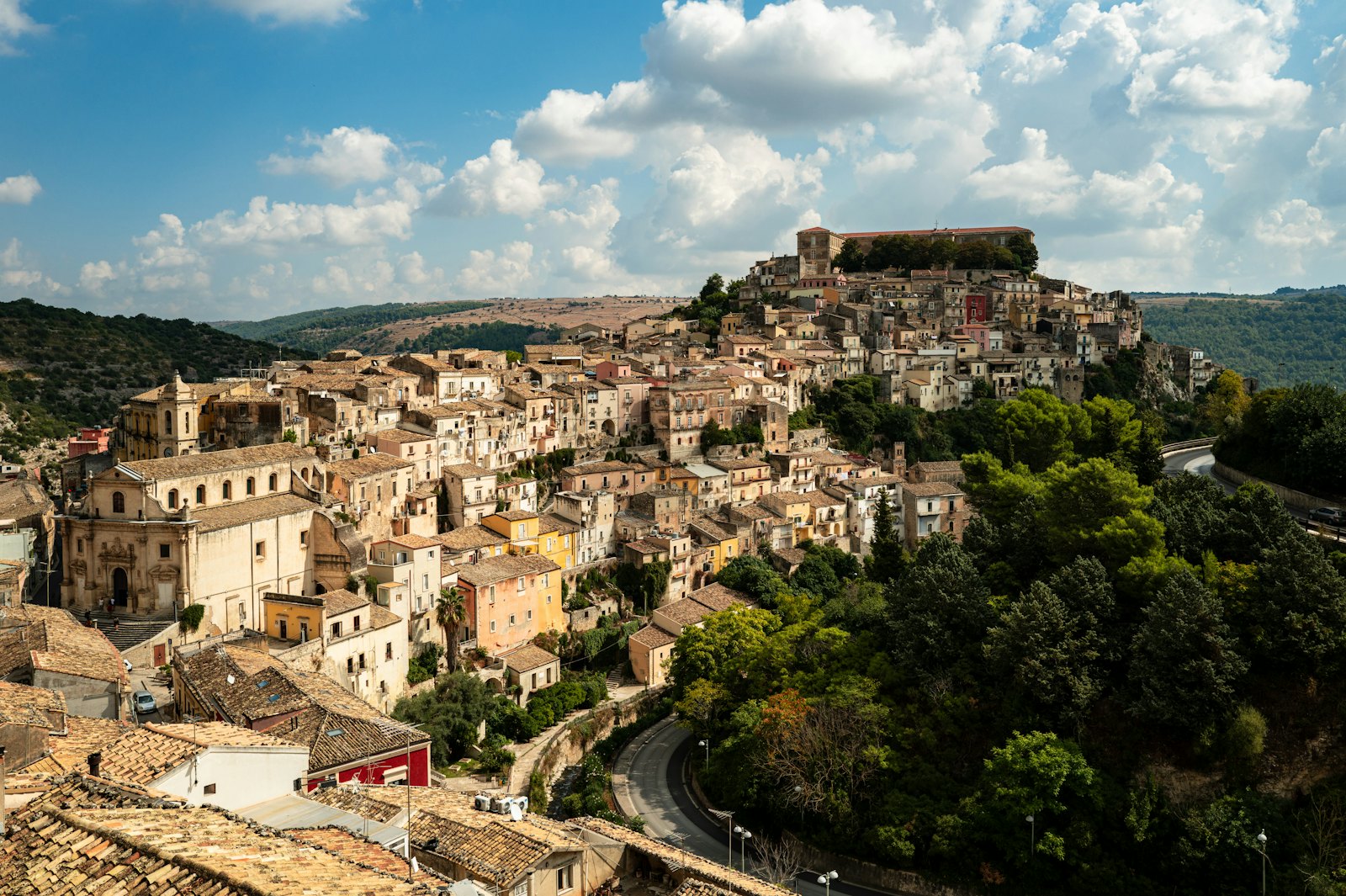
A baroque hill town split in two, where you walk down hundreds of steps from the newer upper town into old Ibla, eat ricotta ravioli under a blue dome and catch the train to Modica for chocolate. Best time to visit: April to June and September to October. Daily budget (budget traveller): $75 to $270 USD.
Arrive and walk down to Ibla
Morning: Take the bus from Catania airport (about 1 hour 40 minutes) to the Via Scalo Merci terminal in Ragusa Superiore. Drop your bags.
Afternoon: Grab scaccia from a bakery, then see the Cattedrale di San Giovanni Battista and stroll Corso Italia. Walk to the viewpoint at Santa Maria delle Scale.
Evening: Take the steps down into Ibla as the floodlights come on. Dinner in a trattoria near Piazza Duomo, then a bus or taxi back up if you are staying in Superiore.
A slow day in Ibla
Morning: Visit the Duomo di San Giorgio when it opens at about 10am, then Piazza Pola and the Chiesa di San Giuseppe.
Afternoon: Long lunch with ricotta ravioli, then wander down to the Giardino Ibleo and the Portale di San Giorgio. Rest in the shade during the hottest hours.
Evening: Aperitivo in a piazza in Ibla. Splurge at Ristorante Duomo or Locanda Don Serafino, or keep it simple with pizza.
Modica by train
Morning: Catch a morning regional train to Modica (about 20-25 minutes, around €2-3). Climb the long staircase to Modica's Duomo di San Giorgio.
Afternoon: Walk Corso Umberto, then taste chocolate at Antica Dolceria Bonajuto. Lunch in Modica Bassa.
Evening: Train back to Ragusa before the last service, which leaves in the early evening. Light dinner and an early night.
Donnafugata and the coast
Morning: Pick up a hire car, or on summer Sundays take the BaroccoLine. Visit Castello di Donnafugata (about €4, closed Mondays) and its park and maze.
Afternoon: Drive to Punta Secca to see Montalbano's house, then walk the dunes at the Foce dell'Irminio reserve.
Evening: Swim and watch the sunset at Marina di Ragusa, then pizza on the promenade. Without a car, take an AST bus to Marina and back instead.
Scicli and Cava d'Ispica
Morning: Drive or take the train to Scicli. Walk Via Francesco Mormino Penna and climb to the Chiesa di San Bartolomeo.
Afternoon: If you have the car, head to Cava d'Ispica for rock tombs and cave dwellings (about €4-5). Weekday hours are longest, and holidays are mornings only.
Evening: Back to Ragusa, return the car and have a relaxed dinner in Ibla.
Noto day trip
Morning: Take an early train towards Siracusa and get off at Noto. Check times on Trenitalia, as weekend services are thinner.
Afternoon: Walk Corso Vittorio Emanuele, see the cathedral and Palazzo Nicolaci, and have granita or gelato in a café.
Evening: Train back to Ragusa. Farewell drink with a view of Ibla from the Santa Maria delle Scale steps.
Museum and departure
Morning: Visit the Museo Archeologico Ibleo (€6, open all day on weekdays and Sunday mornings) under the Ponte Nuovo.
Afternoon: Buy Ragusano cheese and chocolate for home, then take the bus to Catania airport. Allow at least 2 hours before your flight.
Evening: Fly home, or carry on to Siracusa or Catania for another night.
What to eat in Ragusa
- Scaccia ragusana: thin dough folded around tomato and cheese, aubergine or ricotta and baked into a layered slab, sold by the slice in bakeries
- Ravioli di ricotta: large ravioli filled with lightly sweetened ricotta, often served with a slow-cooked pork ragù
- Ragusano DOP: a hard, rectangular cow's milk cheese from the plateau, eaten young or aged and grated over pasta
- Modica chocolate: cold-worked, grainy and often flavoured with cinnamon, vanilla or chilli. Antica Dolceria Bonajuto in Modica has made it since the 1880s
- Granita with brioche: almond, lemon or coffee granita eaten for breakfast in summer, with a soft brioche for dipping
- Cerasuolo di Vittoria: a light, cherry-scented red from nearby Vittoria and Sicily's only DOCG wine
Hidden gems
- The Chiesa di San Giuseppe on Piazza Pola, a smaller cousin of the Duomo with a lovely oval interior that few people bother to enter
- The view of Ibla from the Santa Maria delle Scale steps after dark, when the domes and bell towers are floodlit
- Foce dell'Irminio nature reserve, a short stretch of dunes and river mouth near Marina di Ragusa with a quiet beach
- Punta Secca, the tiny fishing village where Montalbano's seaside house stands, best visited out of season
- Cava d'Ispica, a limestone gorge between Modica and Ispica with rock tombs, cave dwellings and catacombs
Getting around
Ragusa Ibla is best on foot, but expect steep steps and polished limestone. AST city buses link Ragusa Superiore, the railway station and Ibla, and tickets cost roughly €1 to €2. Buy them from tobacconists or bars before you board. Regional trains run from Ragusa station to Modica in about 20 to 25 minutes for around €2 to €3, and continue to Scicli, Noto and Siracusa. Services are thinner on Sundays and holidays. From early April to September, Trenitalia's BaroccoLine runs on Sundays and holidays, linking Siracusa, Noto, Scicli, Modica, Ragusa and a stop at Castello di Donnafugata. AST buses run to Marina di Ragusa in about 30 to 40 minutes, with more departures in summer. For Cava d'Ispica, Punta Secca, the Irminio reserve and rural agriturismi, a hire car makes life much easier. Ibla has a limited traffic zone (ZTL), so park outside it, for example at Largo Camerina, and walk in. Taxis exist but are expensive, so book them through your accommodation.
Safety
Ragusa is a safe, quiet city, and crime against visitors is rare. Watch for pickpockets in crowds during festivals and on summer evenings in Marina di Ragusa. The real hazard is the stone. Steps and paving in Ibla are steep and slippery when wet or worn, so wear shoes with grip and take care at night. Summer heat on the plateau and the coast can top 35°C, so carry water and plan walks for the morning or evening. Rural roads are narrow and winding, and local driving can be assertive, so go slowly. On the beaches, swim where there are lifeguards in summer and look out for jellyfish warnings. The emergency number is 112. EU travellers should bring an EHIC, and everyone else needs travel insurance with medical cover.
Frequently asked questions
What does this 7-day Ragusa itinerary cover?
Day 1: Arrive and walk down to Ibla. Day 2: A slow day in Ibla. Day 3: Modica by train. Day 4: Donnafugata and the coast. Day 5: Scicli and Cava d'Ispica. Day 6: Noto day trip. Day 7: Museum and departure.
Is 7 days enough for Ragusa?
Our recommended trip length for Ragusa is 4 to 7 days. This 7-day plan focuses on the highlights and groups sights by area so you spend less time travelling between them.
How much does 7 days in Ragusa cost?
A budget traveller spends about $75 to $270 USD a day in Ragusa, so roughly $525 to $1,890 USD for 7 days, not counting flights.
Where should I stay for 7 days in Ragusa?
Ragusa Ibla: The old town on its ridge, and where most visitors want to be. Ragusa Superiore: The upper town built after 1693, centred on Corso Italia and the Cattedrale di San Giovanni Battista.
When is the best time to visit Ragusa?
The best time to visit Ragusa is April to June and September to October.
How do I get around Ragusa?
Ragusa Ibla is best on foot, but expect steep steps and polished limestone. AST city buses link Ragusa Superiore, the railway station and Ibla, and tickets cost roughly €1 to €2.
Is Ragusa safe for solo travellers?
Ragusa is a safe, quiet city, and crime against visitors is rare. Watch for pickpockets in crowds during festivals and on summer evenings in Marina di Ragusa.
Read more about Ragusa
More 7-day guides
- Ravello in 7 days
- Cefalù in 7 days
- San Vito Lo Capo in 7 days
- Alghero in 7 days
- Portofino in 7 days
- Procida in 7 days
- Tropea in 7 days
- Assisi in 7 days
Ragusa in 2 days | Ragusa in 3 days | Ragusa in 4 days | Ragusa in 5 days | Full Ragusa guide
Joy Plus home | Destinations | Itineraries | Activities | Flights | Budget planner | Calendar | Map | Blog | Lifetime access