Destinations / Europe
Ronda, Spain travel guide
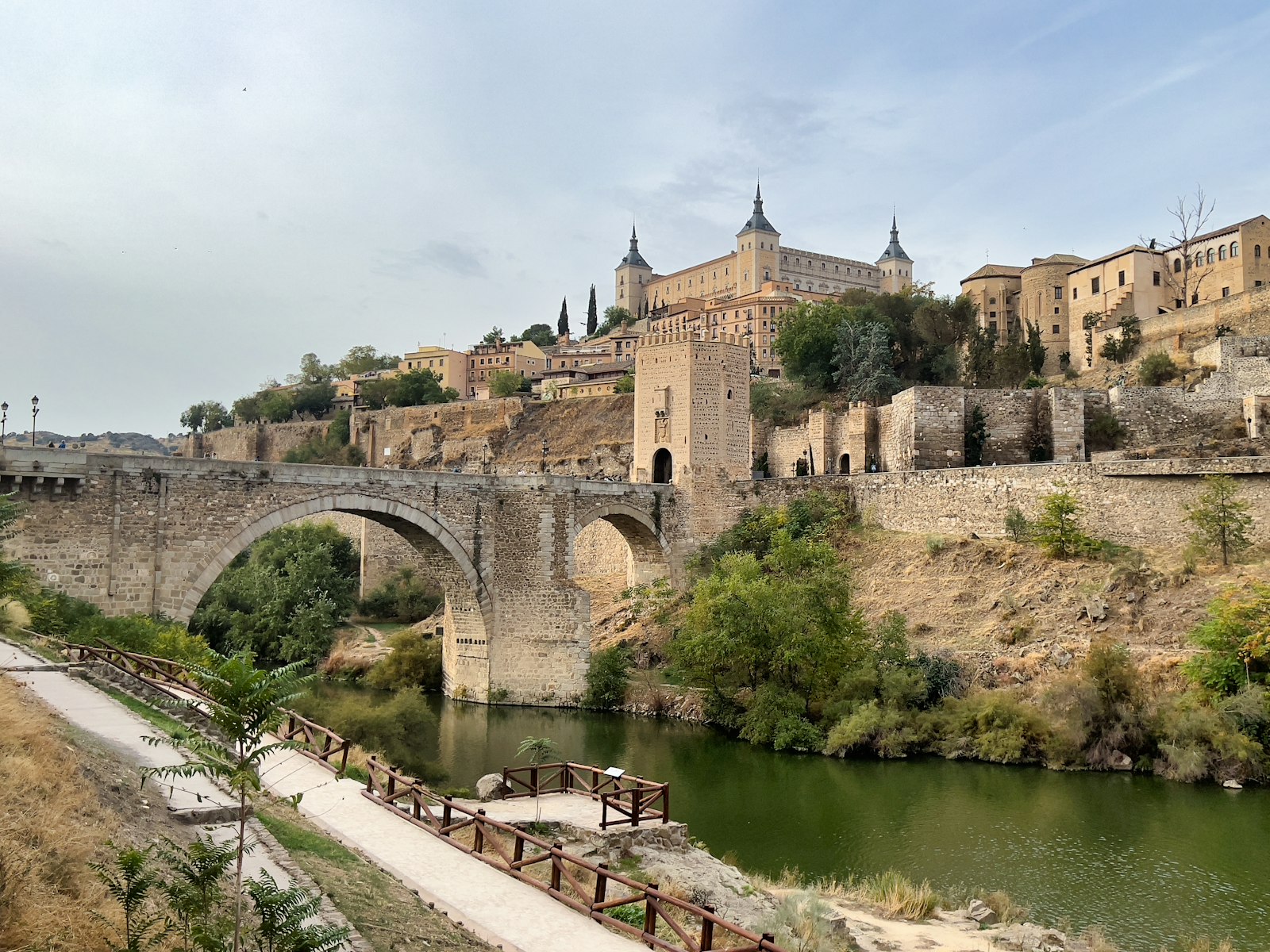
A white town split by a 120-metre gorge, with Spain's most photographed bridge across the middle.
- Best time to visit: April-June, September-October
- Daily budget (budget traveller): $100 to $200 USD
- Ideal trip length: 2 days
Ronda is the pueblo blanco everyone pictures: whitewashed houses stacked to the lip of the El Tajo gorge, with the 18th-century Puente Nuevo bridging a 120-metre drop between the old Moorish town and the newer half. Hemingway and Orson Welles both fell for it. Below the cliffs, the Serranía de Ronda opens into hiking country and one of Andalusia's better wine regions, which almost nobody on the day-trip buses ever sees.
Ronda is the white town you've already seen in photos: a three-tier stone bridge, the Puente Nuevo, finished in 1793 and hanging over the El Tajo gorge, with whitewashed houses stacked to the edge on both sides. South of the bridge is La Ciudad, the Moorish old quarter of Arab baths, palaces and lanes barely wide enough for two people. North is El Mercadillo, the newer half, with the bullring, the hotels and the shopping street Carrera Espinel. The coaches from Málaga, Seville and the Costa del Sol roll in around 11am and are gone by 5pm. That leaves the gorge, the lanes and the light to people who stayed the night.
The town carries its history lightly. Pedro Romero, born here in 1754, founded the Ronda school of bullfighting, and the Real Maestranza bullring (1785) is one of the oldest in Spain. It still hosts the Corrida Goyesca every September. Hemingway drank here and used Ronda's cliff for a famous scene in For Whom the Bell Tolls. Orson Welles asked for his ashes to be buried on a ranch outside town, and Rilke wrote in the Hotel Reina Victoria. Eat the way the town does: rabo de toro (oxtail stew) at lunch, payoyo goat cheese from the Sierra de Grazalema, and reds from the small Serranía bodegas that almost never reach the export shelf.
Plan on at least one night, and ideally two or three if you want the countryside too. Ronda sits at about 740 metres, so evenings are cool even in August, and the gorge paths, the cave pools of Benaoján, the cave-roofed streets of Setenil and the cheese villages of the Sierra de Grazalema are all within 45 minutes. It costs less than the coast and more than inland Andalusia. A sensible mid-range day runs €170-290. Most of the best things here, the viewpoints and the sunset on the Alameda, are free.
How many days in Ronda?
For Ronda, we recommend 2 days.
| Trip length | What you'll see | Itinerary |
|---|---|---|
| 2 days · Recommended | Bridge, La Ciudad; Gorge floor, Arab Baths, bullring | Ronda in 2 days |
| 3 days | Adds: Setenil de las Bodegas | Ronda in 3 days |
| 4 days | Adds: Ronda wine day | Ronda in 4 days |
| 5 days | Adds: Grazalema and the Sierra | Ronda in 5 days |
| 7 days | Adds: Benaoján caves and swimming | Ronda in 7 days |
Ronda itinerary
Arrive, bridge, La Ciudad
Morning: Take the first bus from Málaga's María Zambrano station (about 2h, €13). Drop your bags and have coffee on Plaza del Socorro.
Afternoon: Walk the Puente Nuevo, visit the interpretation centre inside (€2.50), then cross to La Ciudad. Plaza Duquesa de Parcent, Colegiata de Santa María la Mayor, Jardines de Cuenca.
Evening: Sunset on Alameda del Tajo, dinner at Pedro Romero (rabo de toro about €20), then a drink on the Parador terrace with the lit bridge.
Gorge floor, Arab Baths, bullring
Morning: Start at Plaza María Auxiliadora and walk the ticketed gorge walkway (about €12, book online) under the bridge and along the river for the bridge-from-below view. It ends at the Arab Baths (about €5).
Afternoon: Real Maestranza bullring with its museum (about €10, opens 10am). Then Casa del Rey Moro and its 200-step water mine (about €10).
Evening: Tapas crawl in Barrio San Francisco: Bodega San Francisco, then Almocábar. Dinner is lighter after the climb.
Setenil de las Bodegas
Morning: Take the bus or a car (25 min). Walk Calle Cuevas del Sol and Cuevas de la Sombra, where houses are built under the overhanging rock.
Afternoon: Lunch in one of the cave-roof terraces, then the village castle and the lower river lanes.
Evening: Back to Ronda. Tragatapas on Calle Nueva for creative small plates.
Ronda wine day
Morning: Tour and taste at Descalzos Viejos, a bodega in an old convent right on the gorge edge (about €15-25 with tasting).
Afternoon: Taxi or car to Bodega F. Schatz at Finca Sanguijuela or Cortijo Los Aguilares, both known for serious local reds. Book ahead.
Evening: Splurge dinner at Bardal, or Casa María for classic Ronda cooking.
Grazalema and the Sierra
Morning: Drive 45 min to Grazalema, a white village under the sierra. Coffee in the Plaza de España.
Afternoon: Buy payoyo cheese at the village shops, walk the lower trails, and have lunch of sopa de los tres golpes. For Garganta Verde near Zahara, apply for the free park permit days ahead.
Evening: Back by road via Montejaque. Late drinks on the Alameda.
Benaoján caves and swimming
Morning: Train from Ronda to Benaoján (15 min, about €2.50). Walk to Cueva del Gato for a swim in the spring pool (best June to September).
Afternoon: Lunch at Molino del Santo. If you booked, the Cueva de la Pileta guided visit (about €12) shows Palaeolithic paintings.
Evening: Train back. Final big dinner at Almocábar or Pedro Romero.
Slow morning, depart
Morning: Sunrise on the Mirador de Aldehuela side, with no crowds. Breakfast of tostada con aceite and a café con leche.
Afternoon: Buy cheese and a bottle of local red for the road. Bus to Málaga or Seville by lunch.
Evening: Fly or continue to Granada, Seville or the coast.
Best neighbourhoods
- La Ciudad: The old Moorish quarter south of the bridge, with Arab baths, palaces and quiet whitewashed lanes.
- El Mercadillo: The 15th-century newer side, with the bullring, hotels, tapas bars and the Alameda clifftop park.
- Barrio San Francisco: Below the old walls, where locals eat and prices drop sharply.
- Serranía de Ronda: The surrounding hills of vineyards, white villages and the Sierra de las Nieves National Park.
Must-do experiences
- Cross the Puente Nuevo: The three-tier bridge over El Tajo, with a chamber inside once used as a prison and viewpoints on both ends.
- Walk down to the gorge floor: The Camino del Desfiladero del Tajo, a ticketed walkway from Plaza María Auxiliadora down under the Puente Nuevo and along the river to the Arab baths. Completed in September 2026, it costs about €12; book online.
- Tour the Plaza de Toros: One of Spain's oldest bullrings, with a museum on the birth of modern bullfighting here.
- See the Arab Baths: Remarkably intact 13th-century hammam with star-shaped skylights, at the bottom of the old town.
- Taste Ronda wine: Small D.O. Sierras de Málaga bodegas within a short drive, pouring reds you won't find elsewhere.
Hidden gems
- Casa del Rey Moro's water mine, 200 steps carved down to the river by Christian slaves.
- The Mirador de Ronda in Alameda del Tajo, quieter than the bridge viewpoints.
- Cueva del Gato, a swimmable spring cave 20 minutes towards Benaoján.
- Setenil de las Bodegas, a village built into overhanging rock, 30 minutes away.
Daily budget
- Accommodation: budget €30-55 / night (simple hostal or guesthouse), mid-range €80-130 (central boutique double), splurge €220+ (Parador de Ronda, Hotel Montelirio). Rooms with gorge views carry a €40-80 premium. Barrio San Francisco has the best value.
- Food: budget €20-30 / day (tapas + a menú del día), mid-range €45-65 (one sit-down dinner), splurge €150+ (Bardal tasting menu). Menú del día at lunch is €12-16 for three courses. Tapas are €2.50-4 and the free tapa with a drink is not guaranteed.
- Transport: budget €0 in town, €13-15 return to Málaga by bus, mid-range €35-60 (rental car or taxi for Setenil), splurge €120+ (private driver for wineries + villages). Ronda is walkable end to end in 20 minutes. Buses reach Setenil, but a car or a €35-40 taxi unlocks the Serranía.
- Activities: budget €0-12 (viewpoints, then the ticketed gorge walkway or one museum), mid-range €25-45 (bullring, Arab Baths, Casa del Rey Moro, bridge centre), splurge €80-150 (private winery day, guided Serranía tour). Bullring about €10, Casa del Rey Moro about €10, Arab Baths about €5, Puente Nuevo centre about €2.50.
- Drinks & nightlife: budget €8-12 (caña, house wine at the bar), mid-range €20-30 (wine tasting + terrace drinks), splurge €50+ (Parador terrace, winery dinner). Ronda goes quiet by midnight. A caña is €2-2.50, a glass of local red €3-4.
Where to stay
- Social hostel in La Ciudad / Barrio San Miguel (€30-60 / night): Ronda has almost no dorm hostels. Alavera de los Baños is a guesthouse with a garden by the Arab Baths and a shared breakfast table. Simple hostales near Plaza del Socorro and Carrera Espinel are the other budget route.
- Boutique hotel in La Ciudad (€120-210 / night): Hotel Montelirio, a restored palace on the gorge rim with a terrace over the valley, a few minutes from the old walls. Book early for gorge-view rooms.
- Apartment in Barrio San Francisco (€65-110 / night): Residential streets below the walls, local bars at the door and prices that drop sharply. Best value for stays of 3+ nights, and a short walk to the bridge.
- Splurge in El Mercadillo, Plaza de España (€200-340 / night): The Parador de Ronda sits right beside the Puente Nuevo with gorge views from the terrace. The Catalonia Reina Victoria, where Rilke stayed, is the grand old alternative.
What to eat
- Rabo de toro, oxtail stew, the local signature dish
- Sopitas de chorizo, a traditional Serranía de Ronda soup
- Payoyo cheese from the Sierra de Grazalema goats
- Ronda reds from bodegas like Descalzos Viejos
Day trips
- Setenil de las Bodegas (25 min by car): A village built under overhanging rock, where the streets have rock ceilings and terraces tuck into the cliff. Go midday for lunch and a wander along Cuevas del Sol and Cuevas de la Sombra. A couple of weekday buses from Ronda bus station (about €2.50, check times), a taxi for €35-40, or drive the A-374.
- Grazalema and the Sierra (45 min by car): A white village at the foot of a limestone sierra, with payoyo cheese, wool blankets and walking routes through the Sierra de Grazalema natural park. Garganta Verde and the pinsapo forest need a free park permit, so apply days ahead. A car is easiest. Buses are limited, so check Los Amarillos timetables or book a taxi or guided tour from Ronda.
- Benaoján: Cueva del Gato and Cueva de la Pileta (25 min by car or 15 min by train): A spring-fed swimming cave pool (best June to September) and a prehistoric painted cave nearby. Eat at Molino del Santo. Regional train from Ronda to Benaoján-Montejaque (about €2.50, few departures), then walk or take a taxi. Book Pileta in advance, about €12.
When to visit
- Spring (April - June): 12-25°C, green hills, April showers, cool nights. Crowds: Building, busy at Easter and Ronda Romántica in May. The best window. Wildflowers on the gorge trails, comfortable hiking, long evenings on the Alameda.
- Summer (July - August): 30-38°C by day, dry, 16-20°C nights. Crowds: Heavy midday from coach groups, hotels full on weekends. Hard on the gorge trails after 10am. Walk at 8am, swim at Cueva del Gato, and spend the evenings outside.
- Autumn (September - October): 18-29°C, first rains from late October. Crowds: Moderate, peak in early September for the Feria de Pedro Romero. The locals' pick. Harvest at the bodegas, soft light and still warm enough to swim. Book far ahead for the Feria.
- Winter (November - March): 4-14°C, wet, fog and cloud around the bridge. Crowds: Low. Cheapest rooms and empty lanes, but gorge paths get slick and the bridge can vanish in cloud. Bring a coat and check the forecast.
Entry rules for your passport
Visa rules for Spain depend on the passport you travel on. Check the official source before you book: European Commission: Schengen visa policy
Getting there
Fly into Málaga (AGP), 105 km away. Take the Cercanías C1 train (about €1.80) to María Zambrano station, where the bus station sits next door. The bus to Ronda takes about 2 hours and costs €13-15, ending at the Ronda bus station on Calle Poeta Abul Beka, 15 minutes on foot from Plaza de España. There is no direct train from Málaga: you change at Antequera or Bobadilla, it takes two hours or more, and line works sometimes replace trains with buses. From Seville Plaza de Armas buses take about 2h30 for €15-20. Marbella is 1h30 by bus. Driving from Málaga is 90 minutes on the A-357/A-367, and from Marbella about an hour on the winding A-397 from San Pedro de Alcántara. Parking in underground garages near Plaza del Socorro and the Alameda runs about €15-20 a day, and there are free spots on the edge of town. You don't need a car in Ronda itself, only for the white villages and wineries.
Border checks: non-EU visitors (other than Swiss, Norwegian, Icelandic, Liechtenstein, Andorran, Monegasque, San Marinese and Vatican citizens, and holders of an EU residence permit or long-stay visa) are registered in the EU's Entry/Exit System (EES) instead of getting a passport stamp. On your first crossing, officers take your photo and/or fingerprints, so allow extra time at passport control. ETIAS, the planned travel authorisation, is not in operation yet, so don't pay any website for one.
Getting around
The town is small and walkable, though the gorge paths are steep with loose footing. Málaga is about two hours by bus or train, Seville around two and a half by bus, and Marbella an hour and a half. The train from Málaga via Bobadilla is scenic but slow; the direct bus is easier. A car unlocks the white villages and wineries.
Safety
Ronda is very safe, with day-trip pickpocketing near the bridge the only real crime concern. The genuine risks are the cliff edges, which have low walls and no barriers in places, and the loose, unshaded gorge trails, which are dangerous in midsummer heat. Take water and don't attempt the descent in flip-flops.
Solo travel tips
- Stay the night, not just the day: The coaches leave by 5pm. From then until about 10am the bridge and La Ciudad are quiet, which is when Ronda is at its best. A single night changes the whole trip.
- Eat at the bar in Barrio San Francisco: Bodega San Francisco and Almocábar are used to single diners. Order a media ración (half portion) so you can try three dishes, and talk to whoever's pouring.
- Start gorge walks before 9am: The Camino de los Molinos is steep and shadeless. Go early, carry water, wear real shoes, and tell your hotel your route. Other walkers are always around.
- Join a small winery tour: Solo wine visits can be awkward without a car. Book a small-group tour with tasting at Descalzos Viejos, or share a €25-30 taxi to a bodega with another traveller from your hotel.
- Solo female travellers: Ronda is very safe at night, with well-lit streets between the Mercadillo and La Ciudad. Keep away from the cliff walls after dark and take a taxi to bodegas out of town.
- Find your tribe at the sunset: The Alameda del Tajo at sunset is where visitors and locals gather, easy for a chat. Cooking and hiking groups run small day-walks from town.
Cultural etiquette
- Lunch runs 2-4pm and dinner starts at 9pm. Showing up at 7pm will find kitchens closed and a few empty tourist menus.
- Shops close from about 2pm to 5pm. Plan museums for the morning and wandering for the afternoon.
- Say buenos días or buenas tardes when you walk into a bar. It matters more than your Spanish.
- Free tapas with every drink are not the norm in Ronda, unlike Granada. Tapas are ordered and priced at €2.50-4.
- Bullfighting is part of local identity and the Corrida Goyesca is a civic tradition. If you disagree, keep it to yourself at the bar.
- Respect the cliff edges. Walls are low and barriers patchy, so don't sit on the parapets for photos.
- Cover shoulders and knees in the Colegiata and other churches, and don't photograph worshippers.
Frequently asked questions
How many days do you need in Ronda?
One night is the sweet spot. A day covers the bridge, the bullring, the Arab baths and the old town, and staying over gives you sunset and sunrise on the gorge with no coach crowds. Two nights lets you add hiking, Setenil and a winery.
Is Ronda worth visiting?
Yes. The gorge-and-bridge setting is one of the most dramatic urban landscapes in Europe, and the Moorish old town is beautiful and quiet once the day-trippers leave around 5pm. It's the standout of Andalusia's white towns.
How do you get to Ronda from Málaga or Seville?
Buses from Málaga take about two hours for roughly $13, and from Seville about two and a half hours for $15 to $20. Trains from Málaga need a change at Antequera or Bobadilla and take two hours or more, and works on the line sometimes replace them with buses. Driving from Málaga takes 90 minutes on a scenic mountain road.
Is Ronda expensive?
Reasonable: budget $100 to $200 a day. Hotels run $80 to $150, though parador and gorge-view rooms cost far more. Mains are $14 to $24, the bullring museum about $10 and most viewpoints are free. It's pricier than inland Andalusia but cheaper than the coast.
What is Ronda famous for?
The Puente Nuevo bridge over the 120-metre El Tajo gorge, its position as the most spectacular of Andalusia's pueblos blancos, one of Spain's oldest bullrings and the birthplace of modern bullfighting, and its association with Hemingway and Orson Welles.
When is the best time to visit Ronda?
April to June and September to October, when hiking is comfortable and the countryside is green or in harvest. Summer regularly exceeds 35C and the gorge trails become brutal. September's Feria Goyesca is the town's biggest event, so book far ahead.
Is Ronda good for solo travellers?
Yes. It's small, very safe and easy to walk alone at any hour. The gorge hikes are well-trodden with other walkers around, and tapas bars in Barrio San Francisco are used to single diners at the bar. Day-trip buses make it easy to reach without a car.
More about Ronda
- Where to Travel in 2027: 15 Places Worth Planning a Trip Around
- Total Solar Eclipse 2 August 2027: Where to Watch It and How to Plan Now
- Barcelona in 3 Days: Gaudí, Tapas, the Beach and 2026 Prices
Tours and activities in Ronda | Ronda in 2 days | Ronda in 3 days | Ronda in 4 days | Ronda in 5 days | Ronda in 7 days
Can't decide? Compare Ronda with...
Joy Plus home | Destinations | Itineraries | Activities | Flights | Budget planner | Calendar | Map | Blog | Lifetime access